




by Redazione 24/08/2026



Categories: Museums / Disclaimer
A new Europol report provides an overview of trends in cultural property theft in the European Union: the use of force, targeted attacks, and interest in gold, jewelry, and high-value artifacts are on the rise, and criminals are also being recruited through social media.

Museum thefts in Europe are changing in nature: long considered a form of crime against cultural heritage characterized primarily by discretion, planning, and the absence of physical violence, they now seem to increasingly rely on force, targeted attacks, and modus operandi that can also be traced back to criminal groups from other sectors. A new Europol report, dedicated to the evolution of techniques used in museum heists and changes in the selection of objects to be stolen, captures this transformation. The document, titled “Changing Tactics, Changing Targets: The Evolving Nature of Museum Heists,” highlights a phenomenon that presents several new developments. On the one hand, perpetrators are increasingly resorting to violent means to gain entry into buildings, break down doors and display cases, and intimidate staff and visitors. On the other hand, the selection of targets appears increasingly precise: precious metals, gemstones, jewelry, and specific categories of culturally significant artifacts are identified based on their economic value and the relative ease with which they can be funneled into fences and the illicit market.


According to Europol, this shift could also signal the entry of new types of criminals into this sector. It would therefore not only involve cultural property traffickers traditionally active in the theft and clandestine sale of artworks and artifacts, but also individuals with prior experience in other criminal markets, attracted by the prospect of high profits through operations perceived as relatively low-risk. Furthermore, in some cases, participants in these heists appear to be recruited on an ad hoc basis through social media and instant messaging platforms, with no prior connections among them.


This picture emerges from recent cases reported by national authorities and from ongoing investigations. Europol highlights three incidents in particular: the theft of Dacian artifacts from the Drents Museum in Assen, the Netherlands, in 2025; the infamous theft at the Louvre in Paris that same year; and the heist at the Musée Cognacq-Jay in Paris in 2024. The respective national investigations were supported by experts in property crime from Europol’s European Serious and Organized Crime Center (ESOCC). Through operational, analytical, and coordination support, the center’s specialists contribute to investigative activities conducted by European Union member states and play a role in combating the illegal trade in cultural property.


From Stealth to Force
The most noticeable change concerns the methods thieves use to enter museums and reach the objects they intend to steal. The report notes that museum thefts have generally been considered a nonviolent form of organized crime targeting cultural heritage. Perpetrators relied primarily on deception and the ability to move undetected, through reconnaissance, meticulous preparation, and discreetly executed operations. An example of this model is the major theft of valuable books that took place in 2024 at several libraries across the European Union. In that case, the perpetrators acted with particular discretion, replacing the originals with counterfeit copies to prevent the theft from being immediately detected. However, the new Europol report notes that information gathered by Member State authorities and ongoing investigations indicate an evolution in both techniques and targets.
The perpetrators are, in fact, adopting more direct and aggressive approaches. In the most recent cases, sledgehammers, axes, crowbars, and other tools were used to force open entrances and destroy display cases. In some incidents, explosives and firearms were also involved. Violence is therefore not an occasional occurrence, but an increasingly significant component of certain targeted operations.
The case of the Drents Museum in Assen: on the night of January 24–25, 2025, several Dacian archaeological artifacts were stolen from the museum, including the famous golden helmet of Coțofenești and three Dacian gold bracelets. The perpetrators managed to enter the building by detonating explosives at the front door. The helmet and two of the three bracelets were subsequently recovered and, in April 2026, returned to Romania. The case remains emblematic, however, due to the nature of the heist and the value of the objects targeted by the perpetrators.
The use of violence is also evident in incidents where criminals do not merely break into buildings and display cases but directly threaten people. In some thefts, Europol notes, firearms were used to intimidate security personnel and visitors. Other incidents involved physical assaults on museum staff, including the use of brute force and, in some cases, the restraining of staff members.

The Raid on the Musée Cognacq-Jay and the Heist at the Louvre
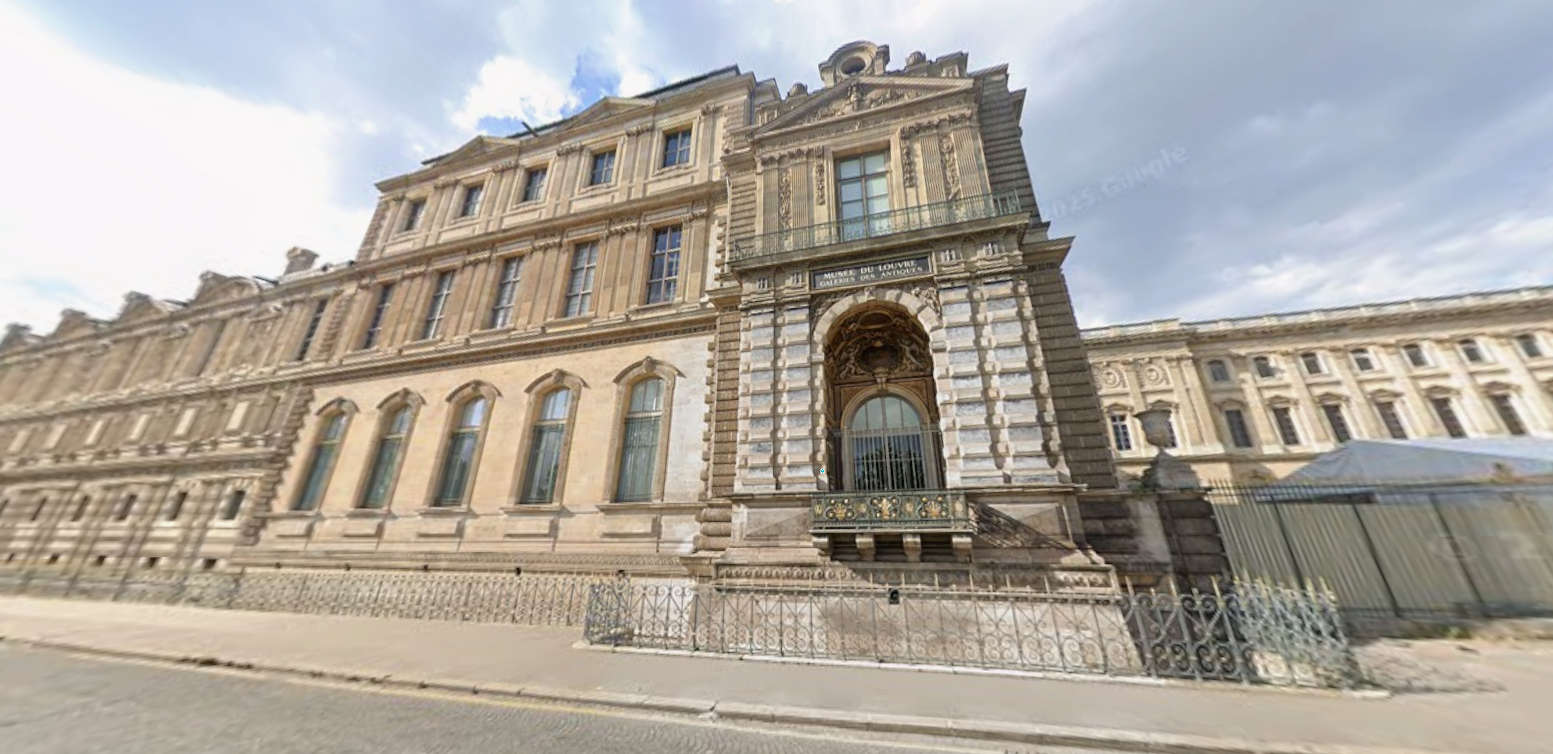
Among the cases cited in the report is the raid on the Musée Cognacq-Jay in Paris, which took place in 2024. Four masked individuals, armed with baseball bats and axes, broke into the museum and stole seven objects adorned with gold and diamonds. After the heist, the perpetrators fled on scooters. Even more significant in terms of scale and value is the theft that took place at the Louvre in October 2025. This operation, too, was violent in nature. To reach the targeted objects, the thieves smashed through a window and, according to Europol’s reconstruction of events, threatened guards and visitors. Inside the Galerie d’Apollon, the display cases protecting the artifacts were smashed, and jewelry with an estimated value of 88 million euros was stolen.
The incidents analyzed by Europol share a common element: the use of force appears to be closely linked to the prior selection of specific items. These are not, therefore, indiscriminate looting incidents in which the perpetrators take whatever they find along the way. On the contrary, the recurrence of specific targets suggests preliminary activities involving identification, reconnaissance, and planning. Violence thus becomes part of operations designed around the theft of items already identified as particularly lucrative.

Gold, precious stones, and Chinese artifacts in the crosshairs
It is not only the methods of theft that are changing. The items targeted also show a clear trend. Over the past two years, according to information gathered by Europol, precious metals and gemstones have frequently been the target of attacks. In most cases, some form of violence was also reported.
Among the stolen items are various types of gold objects, ranging from nuggets to coins, as well as decorative pieces and jewelry set with precious stones. Alongside these items, the report identifies a second area of growing interest: artifacts from ancient Chinese culture. In particular, Chinese porcelain plates dating to the 12th and 13th centuries, vases from the Ming Dynasty, and Chinese bronze vases with colored glazes from the Ming and Qing Dynasties have been targeted. Here too, Europol emphasizes the targeted nature of these operations: the incidents reported so far do not appear to involve indiscriminate looting, but rather deliberately planned thefts preceded by reconnaissance and planning. The selection of objects is therefore a central element of the criminal activity.
This selection appears to be driven primarily by economic motives. Available information indicates that financial value is the main factor guiding the choice of targets. Gold and silver, as well as jewelry containing precious stones, have reportedly become particularly attractive, partly due to their rising market value. The advantage for criminals lies not only in the intrinsic value of the materials: precious metals can in fact be melted down, making it more difficult for investigators to trace the origin of the items and allowing the removal of their identifying features. Gold can thus be transformed and subsequently introduced into illicit fencing networks, leaving a material trail that is much harder to follow. Precious stones share similar characteristics in terms of how easily they can be resold on the market. In the case of jewelry, the stones can be removed and sold separately, making it more difficult to identify the item that was originally stolen. According to Europol’s analysis, precious metals and gemstones are particularly attractive to criminal networks also because of their visibility, their accessibility, and the perception that museums may have less robust security systems than those used by jewelry stores.
Museum security, in fact, presents a structural challenge. An assessment published in 2022 by the European Crime Prevention Network highlighted that museum protection necessarily involves striking a balance between the advantages and disadvantages of various security measures. A museum, the study noted, cannot simultaneously implement every possible security measure, both for budgetary reasons and because it is a public or semi-public space that, by its very nature, must allow access to its collections and cultural heritage.

New Criminals for a New Model of Theft
According to Europol, the shift in techniques and targets may reflect an even more profound transformation: that of the profiles of the perpetrators. Traffickers traditionally involved in crimes against cultural heritage tend to avoid violence. They are generally specialists in organized theft and the trafficking of cultural property, embedded in structured networks built around an organized core, often led by a central figure. Their strength lies in planning, discretion, and specific knowledge of the sector.
The emerging profile described by Europol, however, is different. The perpetrators of the most aggressive attacks may have criminal histories in other areas and do not necessarily specialize in the trafficking of cultural property. Furthermore, in some cases, the individuals identified in the most recent investigations appear to have coordinated solely for the purpose of carrying out a single heist.
A particularly significant factor is the possible use of social media and instant messaging systems for recruitment. Some individuals may be recruited locally without having any prior relationship with other members of the group. This is a very different model from that of traditional networks, which are organized around a stable core and a hierarchical structure.
Europol raises the possibility that some low-level operatives are recruited randomly under a “crime-as-a-service” model—that is, as criminal labor hired to carry out a specific activity. The report notes, however, that there is still a gap in information and that it is not possible to determine with certainty how widespread this pattern is.
Another possibility is that some criminals and networks already active in other illicit markets have identified museum thefts as a new opportunity. The combination of high potential profit and a risk perceived as relatively low may have attracted individuals who previously did not operate in the cultural property sector.
Two contrasting models thus emerge. On the one hand, there is the traditional trafficker, embedded in a structured criminal network, generally nonviolent, and possessing specific expertise in property crime and the trafficking of cultural property. On the other hand , there is what Europol defines as an “emerging aggressor”: an individual or ad hoc group—possibly recruited through social media—willing to use high levels of violence and interested in museum thefts even as an occasional opportunity stemming from another criminal market.

Europol’s Role in Investigations
Faced with this scenario, Europol’s role becomes particularly significant because the scale of cultural property trafficking often extends beyond the borders of a single country. The European Center for Serious and Organized Crime (ESOCC) is one of the main tools through which the agency supports member states and partners in their efforts to combat the illegal trade in cultural property.
This support goes beyond mere information gathering. Europol provides investigators with operational and analytical expertise and carries out coordination activities, even deploying experts on the ground to support national investigations. At the strategic level, the agency can also monitor the evolution of this phenomenon on a European scale, linking cases and information from different countries and identifying new trends and threats.
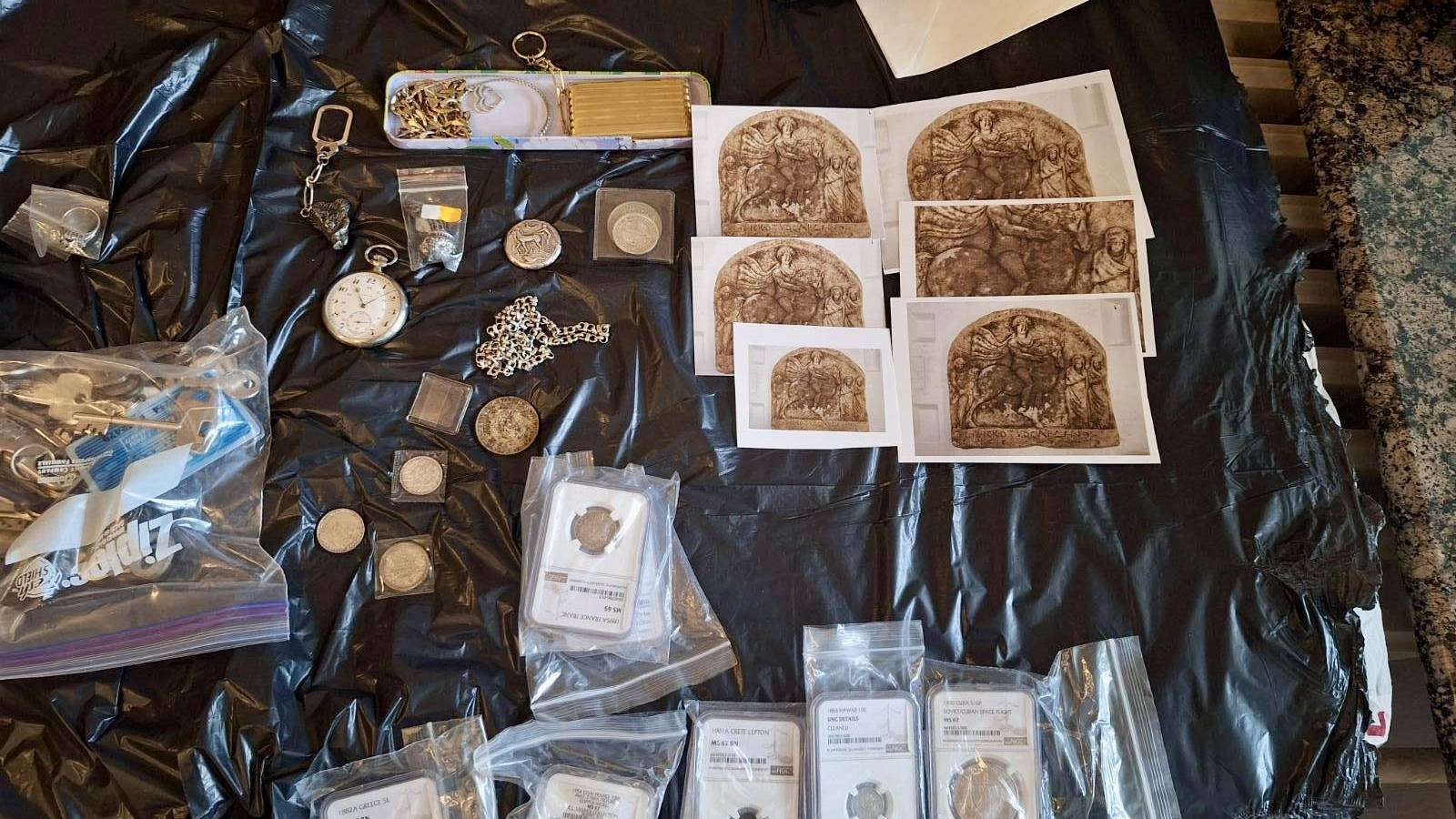
A concrete example of Europol’s work is a coordinated operation carried out in November 2025, in which law enforcement agencies from several European Union member states and cooperation partners participated. The operation led to the dismantling of a criminal network involved in the large-scale trafficking of cultural property within the Union and beyond its borders. The network was primarily active in the trafficking of ancient gold and silver coins and other antiquities. The operation was conducted as part of a Europol operational task force, a mechanism that facilitated the exchange of information, coordination among authorities, and analytical support for the investigations. The task force’s work made it possible to identify links between individuals in different countries and to locate additional artifacts believed to be potentially linked to the trafficking operations run by the criminal network. The coordinated efforts also led to new investigations in some of the countries involved.
A Phenomenon Yet to Be Fully Understood
The Europol report therefore not only provides a snapshot of the most spectacular thefts in recent years but also seeks to identify the changes that could characterize crimes against cultural heritage in the near future. The shift from predominantly stealthy methods to more aggressive operations also alters the nature of the threat to museums and staff. Doors, windows, and display cases may become targets to be forced open, while staff and visitors may be directly involved in the stages of the heist.
At the same time, the selection of specific objects indicates that the violent component does not preclude careful planning. On the contrary, the incidents analyzed by Europol suggest that the most aggressive heists may be meticulously prepared and tailored around assets that have been previously identified. From this perspective, violence does not necessarily represent the opposite of criminal sophistication, but can become one of the tools through which organized groups achieve their selected objectives.
It remains to be clarified what the actual significance of these new forms of recruitment is and how widespread the involvement of criminals from other markets is. Europol itself acknowledges a gap in the available information. However, recent cases provide sufficient evidence to consider this shift a trend worth monitoring.
The picture that emerges is that of a criminal market capable of adapting rapidly to economic opportunities. For Europol, therefore, the challenge lies not only in recovering stolen objects after a theft. It is becoming increasingly important to understand in advance how networks, recruitment methods, destination markets, and the selection of targets are changing. International cooperation plays a decisive role in this context, because an artifact stolen from a museum in one country can be quickly transferred to another country and subsequently introduced into a much larger black market.
|
| Museum Thefts: Europol Sounds the Alarm—More Violence and New Criminal Networks |
Warning: the translation into English of the original Italian article was created using automatic tools. We undertake to review all articles, but we do not guarantee the total absence of inaccuracies in the translation due to the program. You can find the original by clicking on the ITA button. If you find any mistake,please contact us.