



by Redazione 10/11/2026


Categories: Museums / Disclaimer
The Council of Ministers has approved the establishment of the Egyptian National Research Institute, a new autonomous public entity built on the experience of the Egyptian Museum in Turin. With an annual budget of 5.6 million euros, it will focus on archaeology, conservation, restoration, and new technologies applied to the study of Egyptian heritage.


The Egyptian Museum of Turin will also have an autonomous public research institution, with annual funding of 5.6 million euros. The Council of Ministers has, in fact, approved—upon the proposal of Minister of Universities and Research Anna Maria Bernini and Minister of Culture Alessandro Giuli— a provision establishing the National Institute for Egyptian Research, a new institution designed to promote and strengthen the scientific activities carried out by the Turin Museum of Egyptian Antiquities Foundation.


The annual funding will be used to support and enhance the Institute’s scientific activities, with the aim of consolidating its role in the international research landscape and increasing its appeal to scholars and researchers. Among the stated objectives is also the development of new opportunities for collaboration with Italian and foreign universities and scientific institutions.
The new institution builds on the experience of the Egyptian Museum of Turin, the world’s oldest museum entirely dedicated to Egyptian culture. Over the past ten years, the Museum has developed a network of scientific collaborations and partnerships, while also participating in competitive grants for research funding. This journey lays the foundation for the creation of an autonomous organization, designed to give further impetus to the research and in-depth study activities already underway.




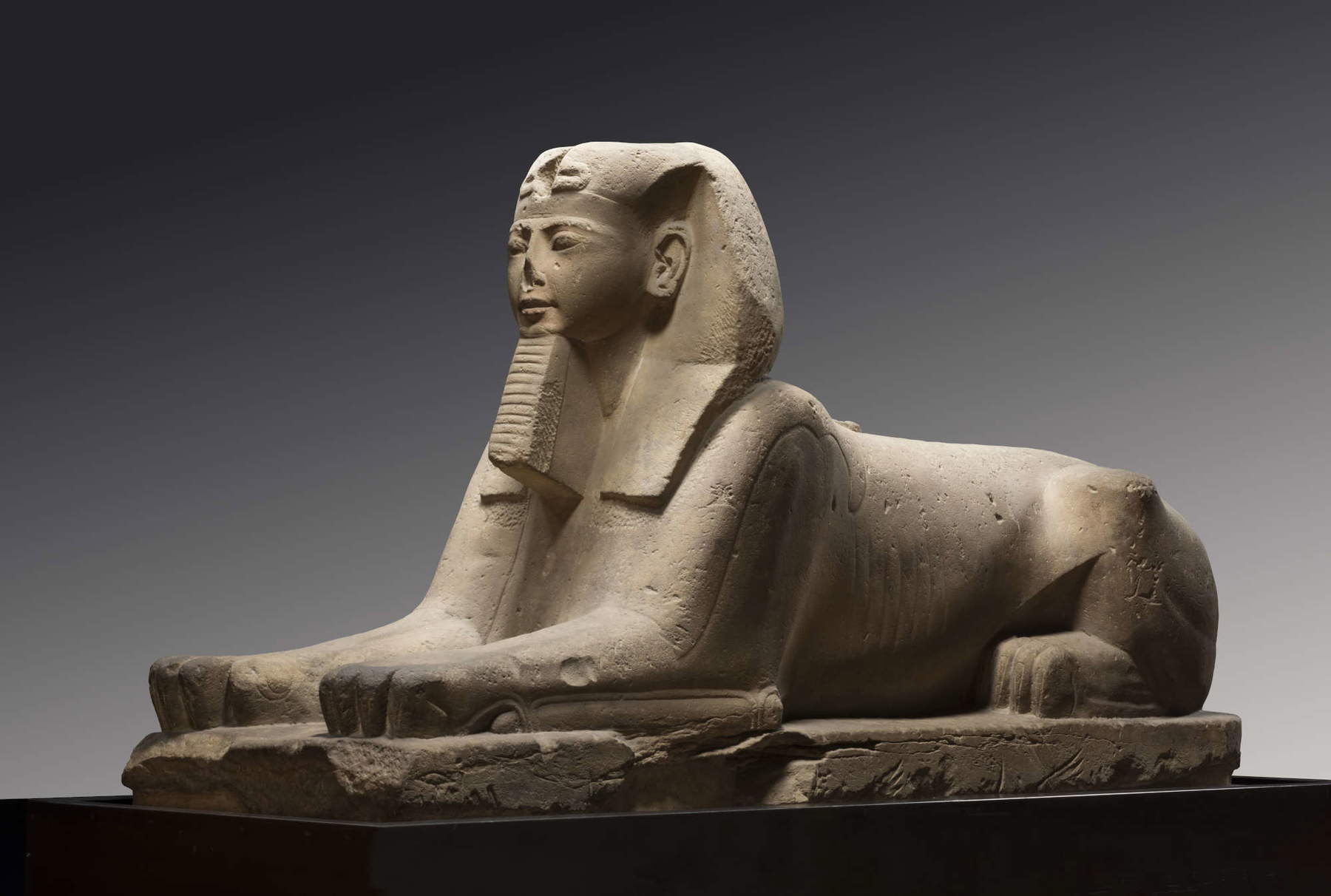
The Institute will be tasked with promoting studies and research on the history and culture of ancient Egypt, contributing to the dissemination of knowledge both within the scientific community and among the general public. Its areas of focus will include archaeology, the conservation and advanced restoration of artifacts, as well as the application of new technologies to the study and enhancement of cultural heritage. Particular attention will be given to digital archaeology, artificial intelligence, and data management, along with the promotion of the principles of open science.
“A papyrus may still reveal words we have not yet been able to read,” stated Anna Maria Bernini, Minister of Universities and Research. “An artifact can tell us details of its history that had previously eluded us. Today, thanks to artificial intelligence and new technologies, we can delve much deeper into our understanding of the past. As of today, the Egyptian Museum of Turin is also a public research institution. This recognition strengthens its scientific mission, fosters new collaborations with universities and research centers, and offers greater opportunities to scholars and young researchers. The humanities and sciences, cultural heritage, and innovation: it is from this dialogue that new discoveries and new expertise emerge. “Cultural and artistic heritage is not merely a treasure to be protected, but an inexhaustible source of knowledge.”
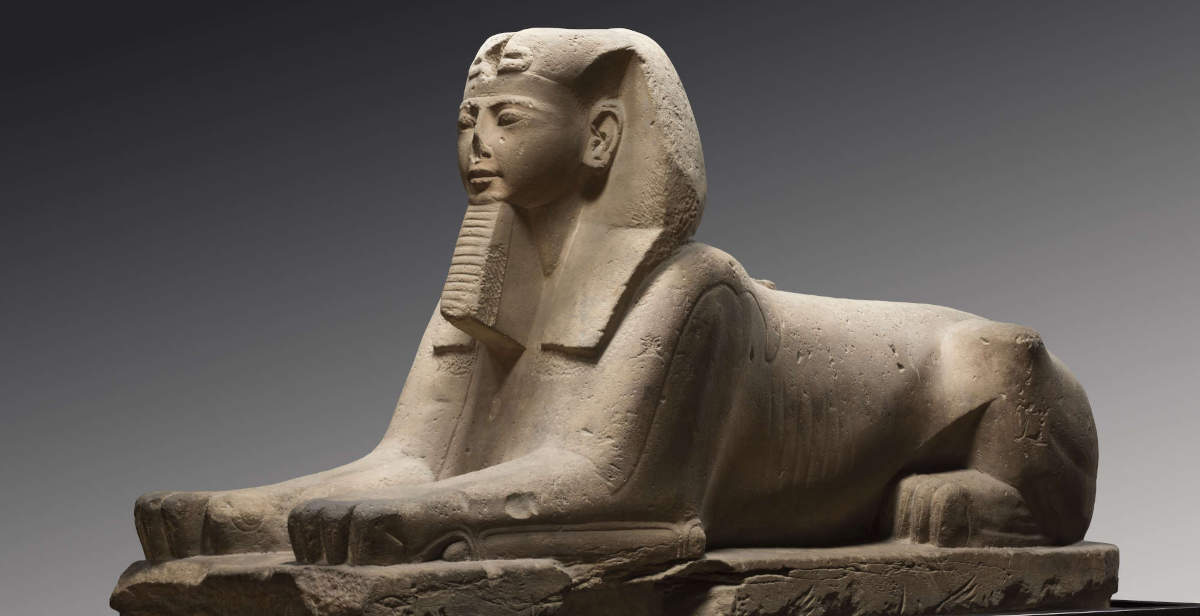 |
| The Egyptian Museum in Turin will have an independent research institute funded with 5.6 million per year |
Warning: the translation into English of the original Italian article was created using automatic tools. We undertake to review all articles, but we do not guarantee the total absence of inaccuracies in the translation due to the program. You can find the original by clicking on the ITA button. If you find any mistake,please contact us.