



by Redazione 14/11/2026


Categories: Museums / Disclaimer
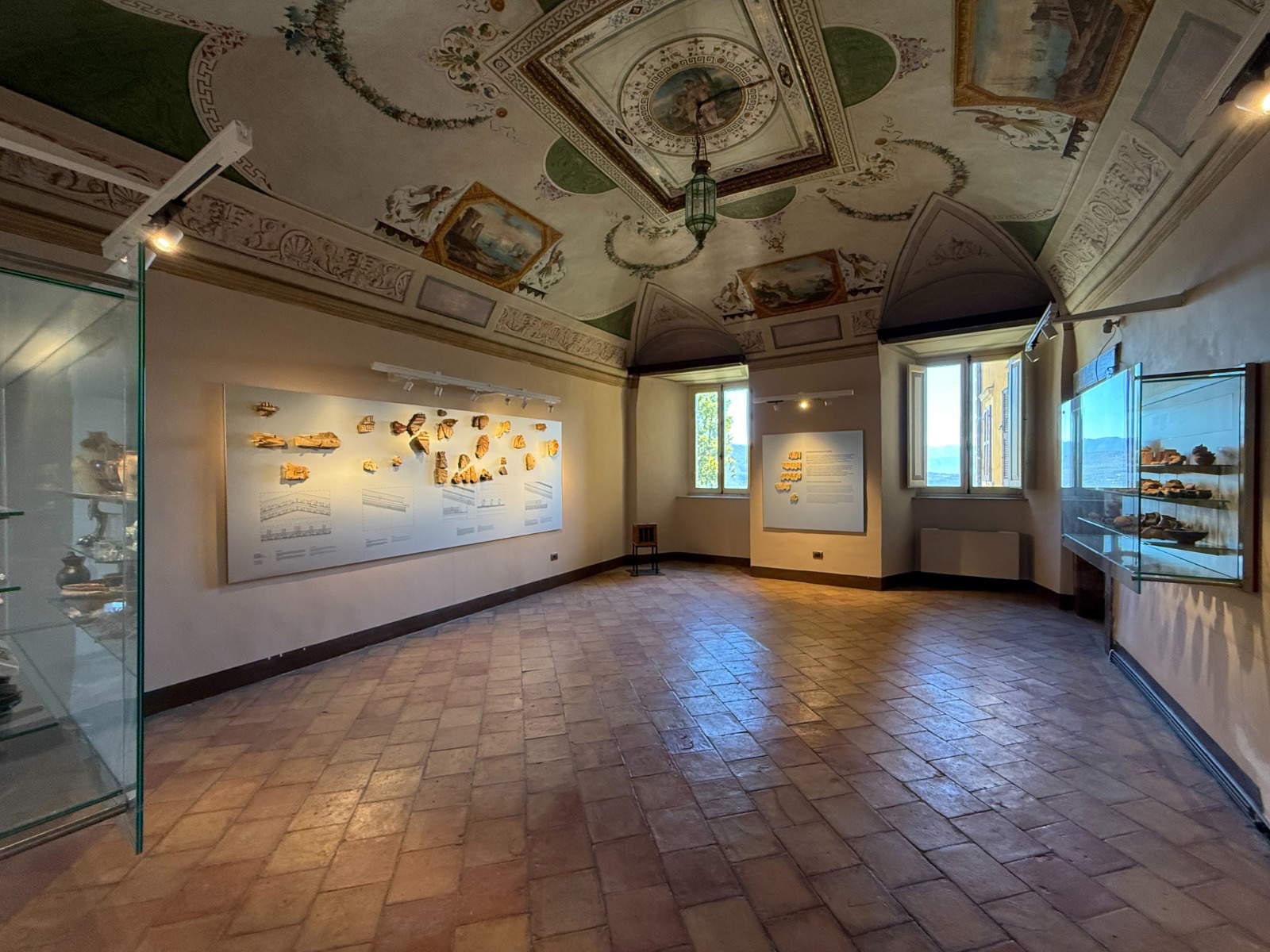
Starting today, November 14, the “Amedeo Maiuri” National Archaeological Museum in Veroli opens to the public: the museum showcases approximately 500 artifacts—most of which have never been exhibited before—in sixteen rooms of Palazzo Campanari, illustrating the history of southern Lazio prior to the Roman conquest.


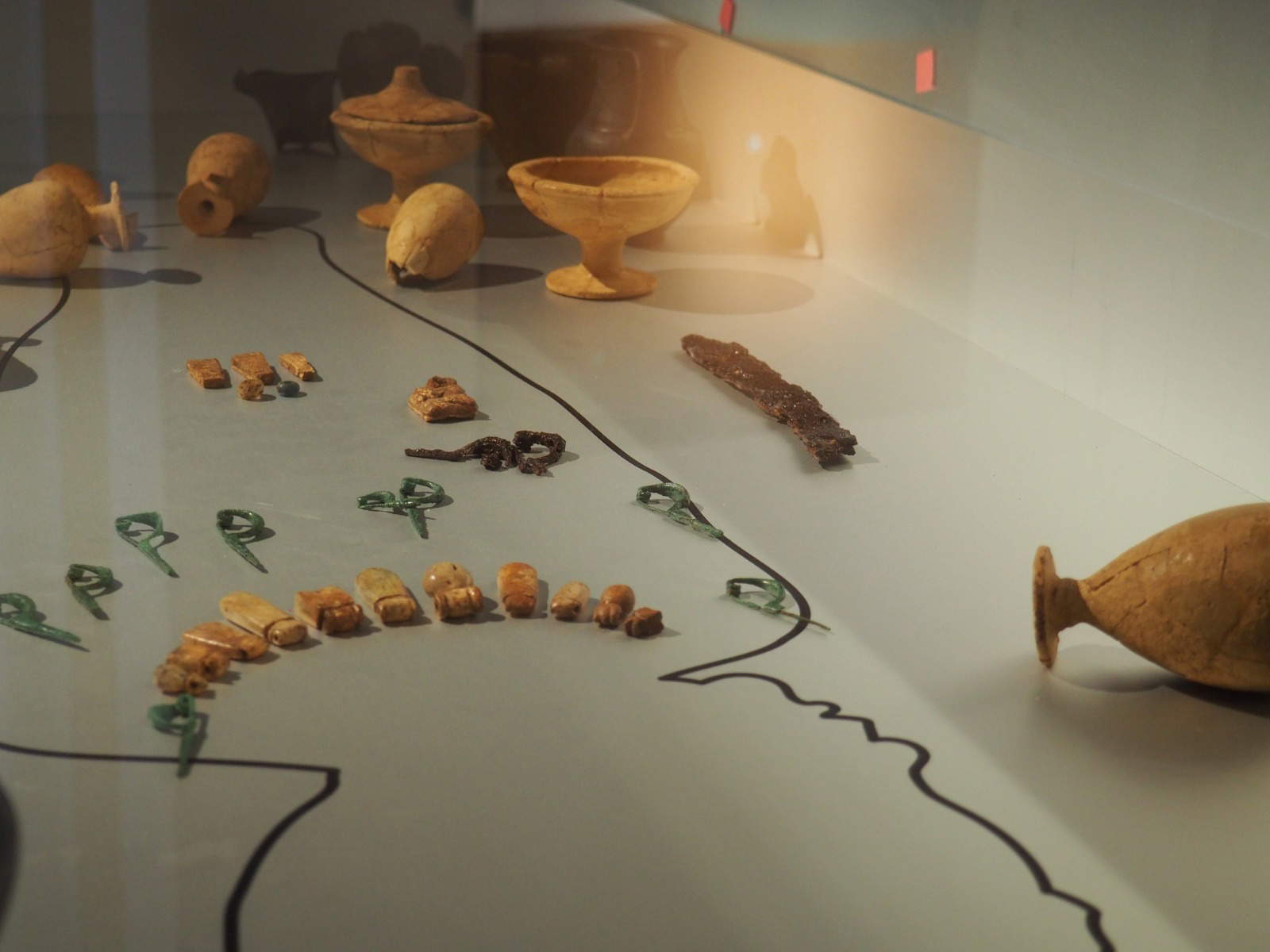
Before Rome took control of the region, southern Lazio was inhabited by various peoples: the Latins, the Volsci, the Hernici, and the Aurunci. They had their own languages, villages, sanctuaries, and burial customs. Until now, most of their artifacts have remained in storage. Starting today, November 14, 2026, these artifacts are on display at the new “Amedeo Maiuri” National Archaeological Museum of the Italic Peoples in Veroli, in the province of Frosinone. The museum, which opens to the public for the first time today, is administered by the Lazio Regional Directorate of National Museums of the Ministry of Culture and is housed in the historic Palazzo Marchesi Campanari. It features new spaces and a completely redesigned exhibition layout compared to past temporary exhibitions: sixteen galleries and approximately five hundred artifacts, most of which have never been displayed before.


The artifacts span a period from the 8th to the 3rd century B.C. The exhibition traces the history of the peoples of southern Lazio in relation to that of neighboring communities. The exhibition begins with the ancient landscape, then moves on to languages and writing, dwellings, sanctuaries, and funerary practices, culminating in the changes that preceded the Roman conquest. Alongside the artifacts are reconstructions and digital narratives. A scale model of the region is brought to life by video-mapping projections. One room reconstructs the archaic village of Frosinone. Another, an immersive and multisensory space, is dedicated to transhumance.


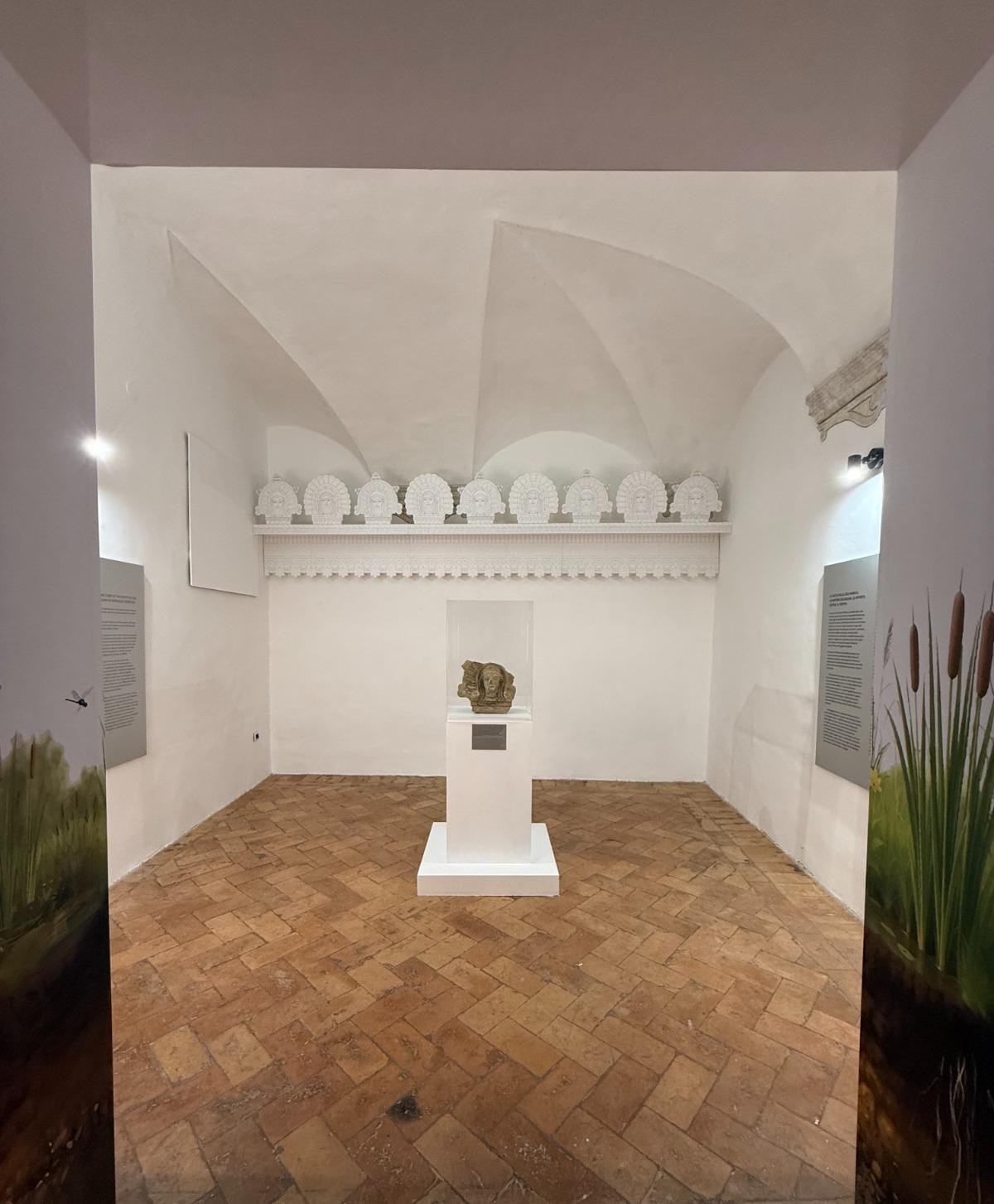
The building that houses the museum also has its own history, recounted in the building’s small chapel. Here, the story of Palazzo Campanari is told through the voices of three historical figures, reconstructed based on archival documents. A large hall, on the other hand, is dedicated to the man after whom the museum is named, the archaeologist Amedeo Maiuri, who was born in Veroli, and to his work in Pompeii and the Vesuvian area. The exhibition also includes a room with artifacts recovered abroad by the Carabinieri Command for the Protection of Cultural Heritage.


Work began in November 2025 and involved architectural restoration, the upgrading of utilities, and the new exhibition design. Today, three of the building’s four floors are open to visitors. The project cost 850,000 euros, funded by the European Union through the NextGenerationEU program, as part of the National Recovery and Resilience Plan (PNRR). Of this amount, 700,000 euros were used to eliminate physical and cognitive barriers, and 150,000 euros went toward the “Exhibits to Communicate Accessibility” project, both under Mission 1, Component 3, Investment 1.2. The Ministry contributed approximately 670,000 euros toward the museum’s conservation and enhancement program, to improve the exhibits and connectivity, and to complete fire safety measures.
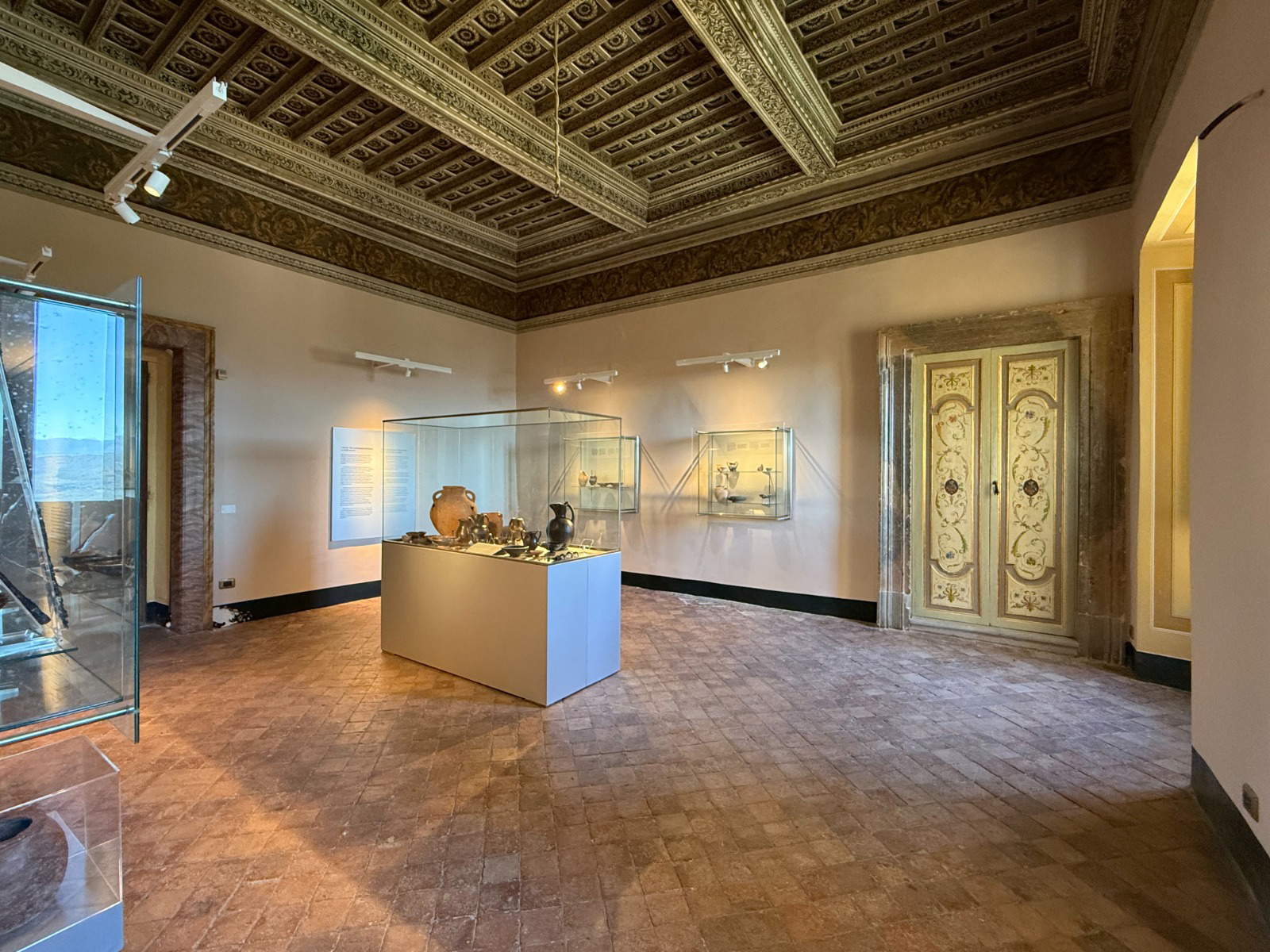
Accessibility was the guiding principle of the entire project: the Frosinone chapters of the Italian Union of the Blind and Visually Impaired and the National Association of the Deaf, the “Anche Noi” Association, and the National Association of Parents of People with Autism in Frosinone participated in the design process. The result is evident in texts written in simple language, rest areas, accessible restrooms, and immersive experiences, all designed to make the visit more welcoming and engaging.
The new exhibition is also the result of extensive collaboration among institutions. Long-term loans and scientific contributions come, among others, from the Archaeological Park of Pompeii, the National Archaeological Museum of Naples, the Villa Adriana and Villa d’Este Institute, and the Sepino Archaeological Park, which is administered by the Molise Regional Directorate of National Museums. The Superintendences of Archaeology, Fine Arts, and Landscape for Frosinone and Latina, and for L’Aquila and Teramo, also collaborated, along with Italian and international universities and research centers.
The museum also serves as a starting point for exploring the city. In collaboration with the Municipality of Veroli, the “Pietre della cultura” project was launched: custom-designed tiles embedded in the pavement of the historic center’s alleyways guide visitors from Palazzo Campanari to other cultural sites in Veroli. The route includes the Civic Archaeological Museum, the Cathedral of Sant’Andrea with the Treasury Museum, the Giovardiana Library, and the Basilica of Santa Maria Salome with the Holy Stairs.
The museum is open with free admission on Saturdays and Sundays, from 10 a.m. to 1 p.m. and from 3 p.m. to 6 p.m. On Sunday, November 15, Director Alessandra Gobbi will lead visitors on two guided tours, at 11:30 a.m. and 3:00 p.m., as part of “Wine not?! The Wine Routes.” The event is organized by Proloco Veroli Aps in collaboration with the Municipality of Veroli, the Lazio Region, and ARSIAL, the Regional Agency for Agricultural Development and Innovation in Lazio. For more information, visit www.direzioneregionalemuseilazio.cultura.gov.it.
|
| The National Archaeological Museum of the Italic Peoples Opens in Veroli |
Warning: the translation into English of the original Italian article was created using automatic tools. We undertake to review all articles, but we do not guarantee the total absence of inaccuracies in the translation due to the program. You can find the original by clicking on the ITA button. If you find any mistake,please contact us.