





The entire collection of the Galleria Nazionale delle Marche is now available online. The museum, located in the Palazzo Ducale in Urbino, has completed the “Explore the Catalog” project, launched in 2021, making available to the public a new scholarly portal that allows visitors to digitally explore the collections through thousands of entry sheets accompanied by high-resolution images, historical and critical analyses, and updated bibliographies. The new service is accessible directly from the National Gallery of the Marche’s website via a link on the homepage and represents one of the most significant initiatives undertaken by the institution in recent years in the field of cataloging and the digital promotion of its collection. The initiative is in line with the mission that the International Council of Museums (ICOM) assigns to museums, defined as permanent institutions serving society that are tasked with researching, preserving, interpreting, and exhibiting cultural heritage.
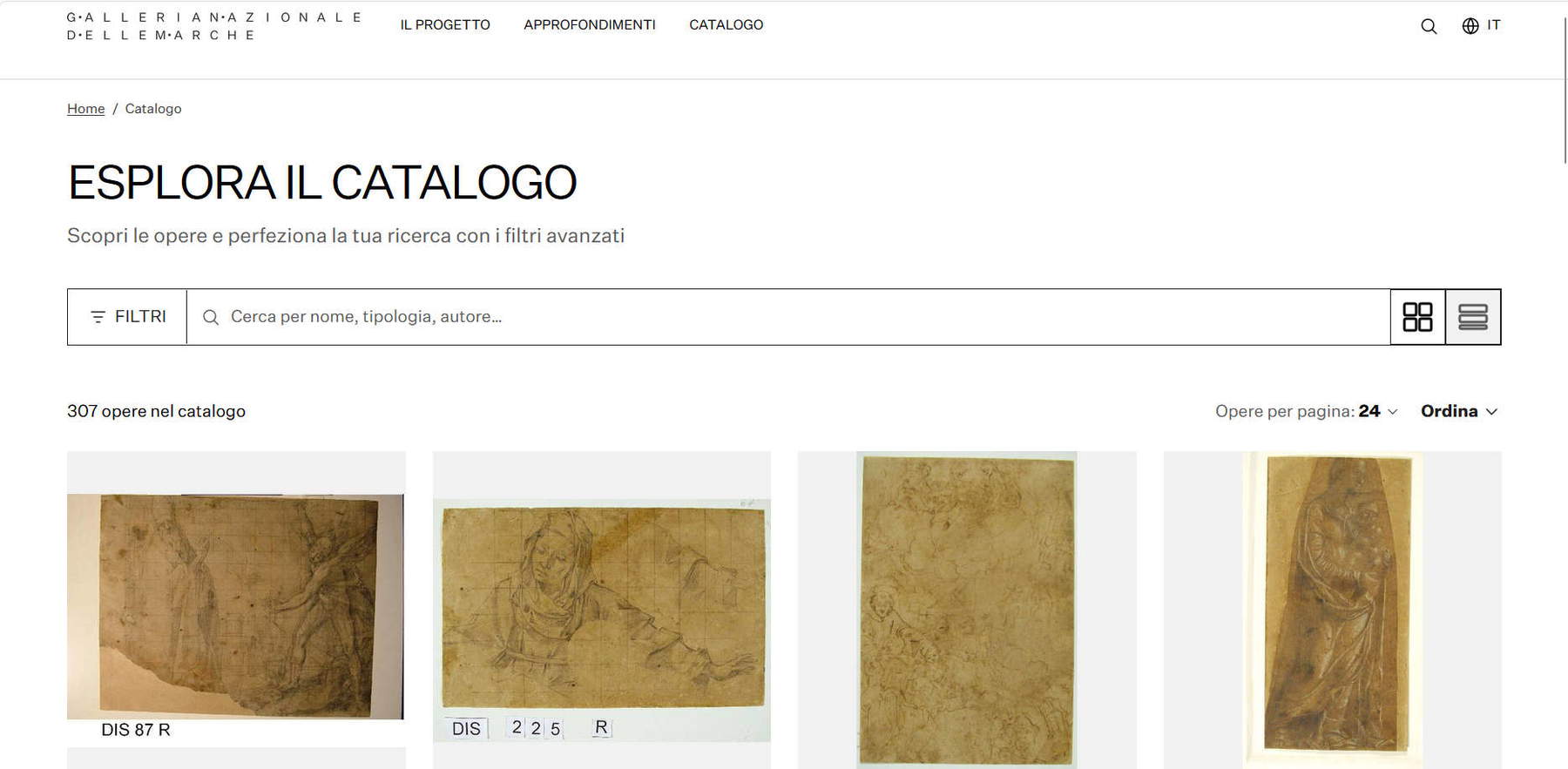
With the completion of the project, the Gallery has made its entire collection housed at the Palazzo Ducale in Urbino accessible online via an internal search engine that allows users to consult entries dedicated to paintings, sculptures, drawings, ceramics, and other items held in the museum’s collections. Each work is accompanied by high-definition photographs, general and scholarly texts, historical and artistic information, technical data, and bibliographic references, thus offering a useful tool for both scholars and visitors interested in deepening their knowledge of the collections.
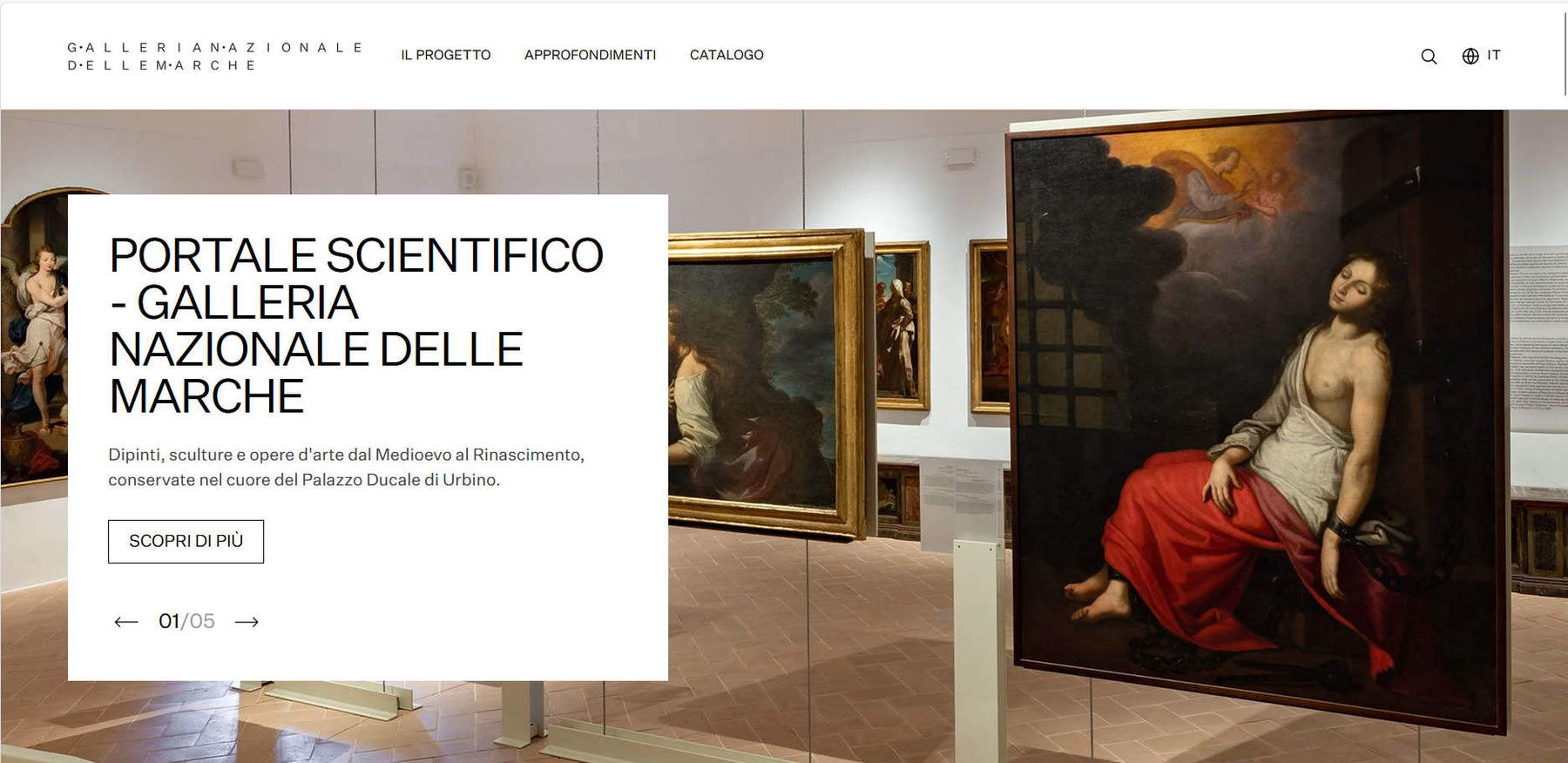
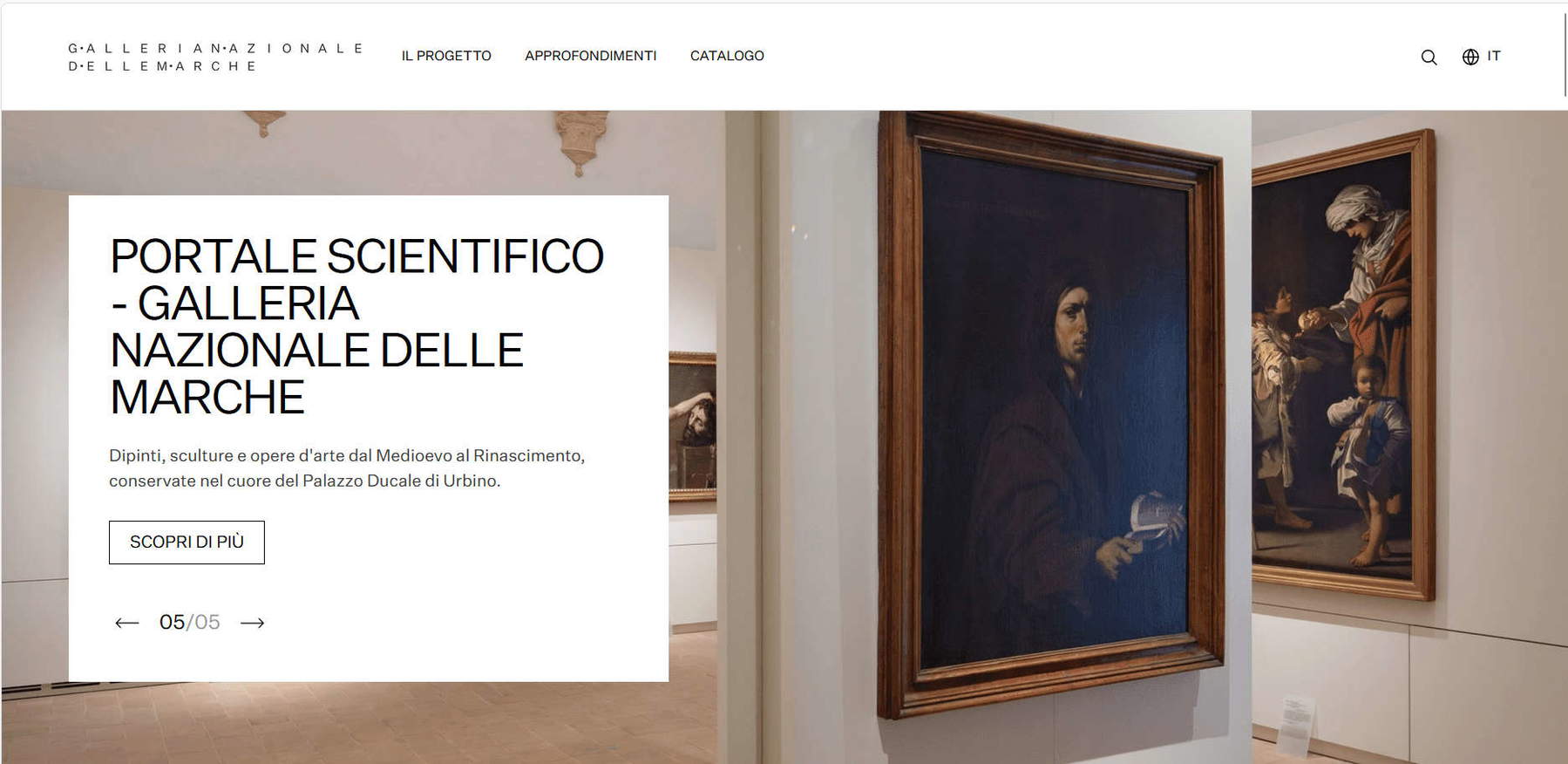
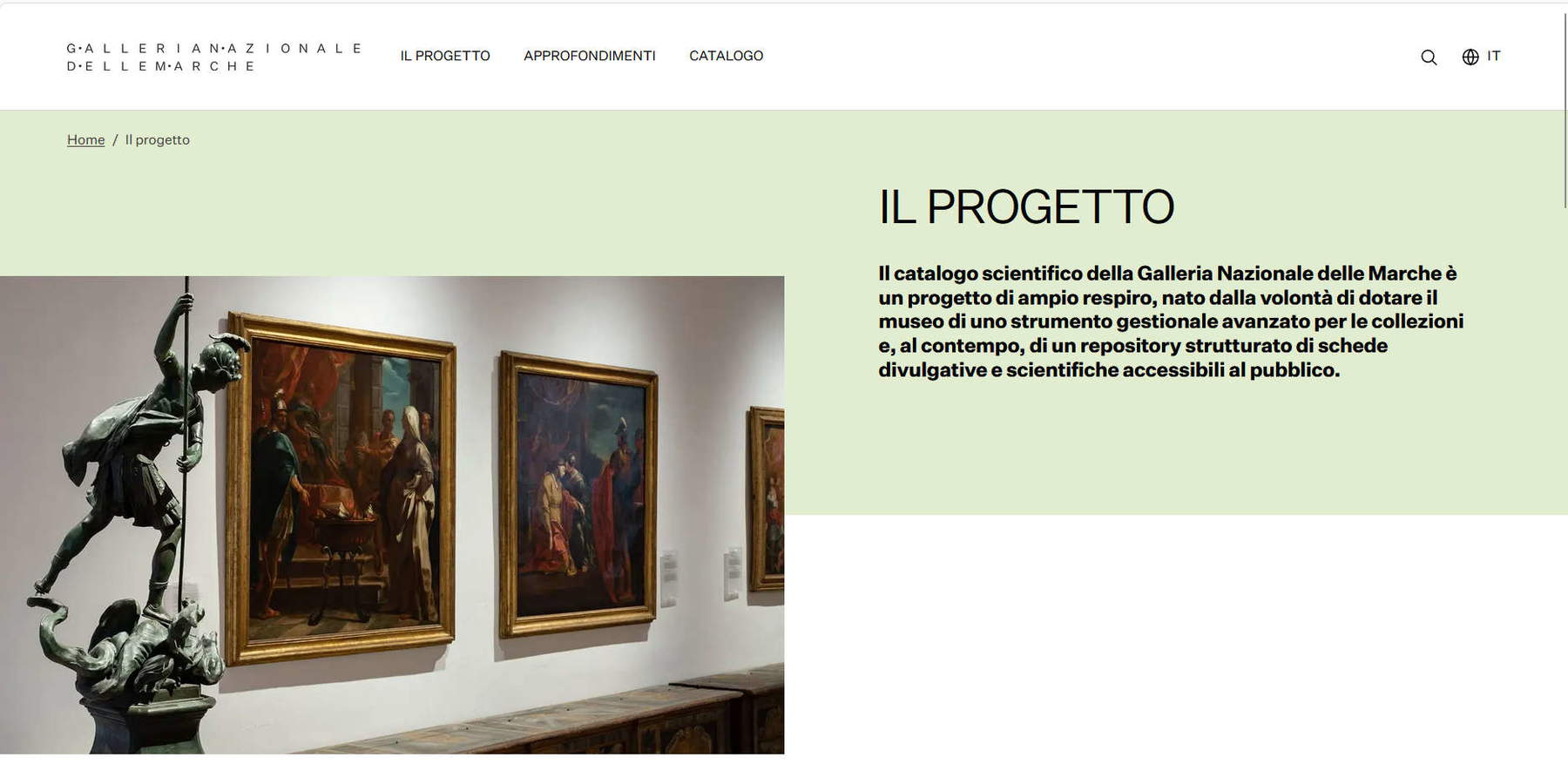
The project represents the culmination of a process that began in 2021 and was developed over several years through a comprehensive effort to catalog, review, and standardize the data. “When I arrived at the National Gallery of the Marche,” says Luigi Gallo, former director of the National Gallery of the Marche, “in 2020, I believed that one of the priorities was to equip the institution with adequate tools for knowledge and research. To this end, we launched a major cataloging program: the first result was the bibliographic collection, which has been fully accessible via the OPAC catalog since 2023. Next came the historical and artistic collection, and today we are also launching the digital catalog of the works in the National Gallery of the Marche—an advanced management tool for the collections and, at the same time, a structured database of educational and scholarly records accessible to the public. This is an achievement that gives me great satisfaction, because cataloging is not merely a technical activity but represents an indispensable prerequisite for the preservation, study, and promotion of our heritage. Gradually making this data accessible means making the collections available to the scientific community and the public, thereby strengthening the museum’s mission as a place of knowledge, research, and sharing. I thank all the museum staff for the work they have done and for what still remains to be done to increase knowledge of and engagement with the collection.”
The “Explore the Catalog” project was developed through several operational phases. The first step involved a systematic review of the artifact catalog records, prepared in accordance with the standards of the Central Institute for Cataloging and Documentation (ICCD), accompanied by an update of the information regarding the artists represented in the collections. Subsequently, a lengthy process of data normalization and cleansing was initiated, lasting over two years; this was essential to ensure the consistency of the information and enable its entry into the Samira database, an Italian software platform used by museums, archives, theaters, and other cultural institutions for the cataloging, management, and promotion of historical, artistic, and documentary heritage. Both the artwork records and their corresponding photographs were entered into the system.
The project was coordinated by Valentina Catalucci and Andrea Bernardini and, from the outset, involved numerous professionals from within the Galleria Nazionale delle Marche. The working group included Director Luigi Gallo, Giovanni Russo, Giulia Papini, Emanuela Capellacci, and Stefano Brachetti. With technical support from the company Dot Beyond, it was also possible to develop specific types of records for the internal management of the collections. These include the ArMs records, dedicated to the Exhibition Archive; the MOV records for managing the movement of artworks; and the C records, designed to document conservation aspects and facilitate the work of conservators. These tools are designed to optimize the daily activities of the museum’s technical and scientific staff.
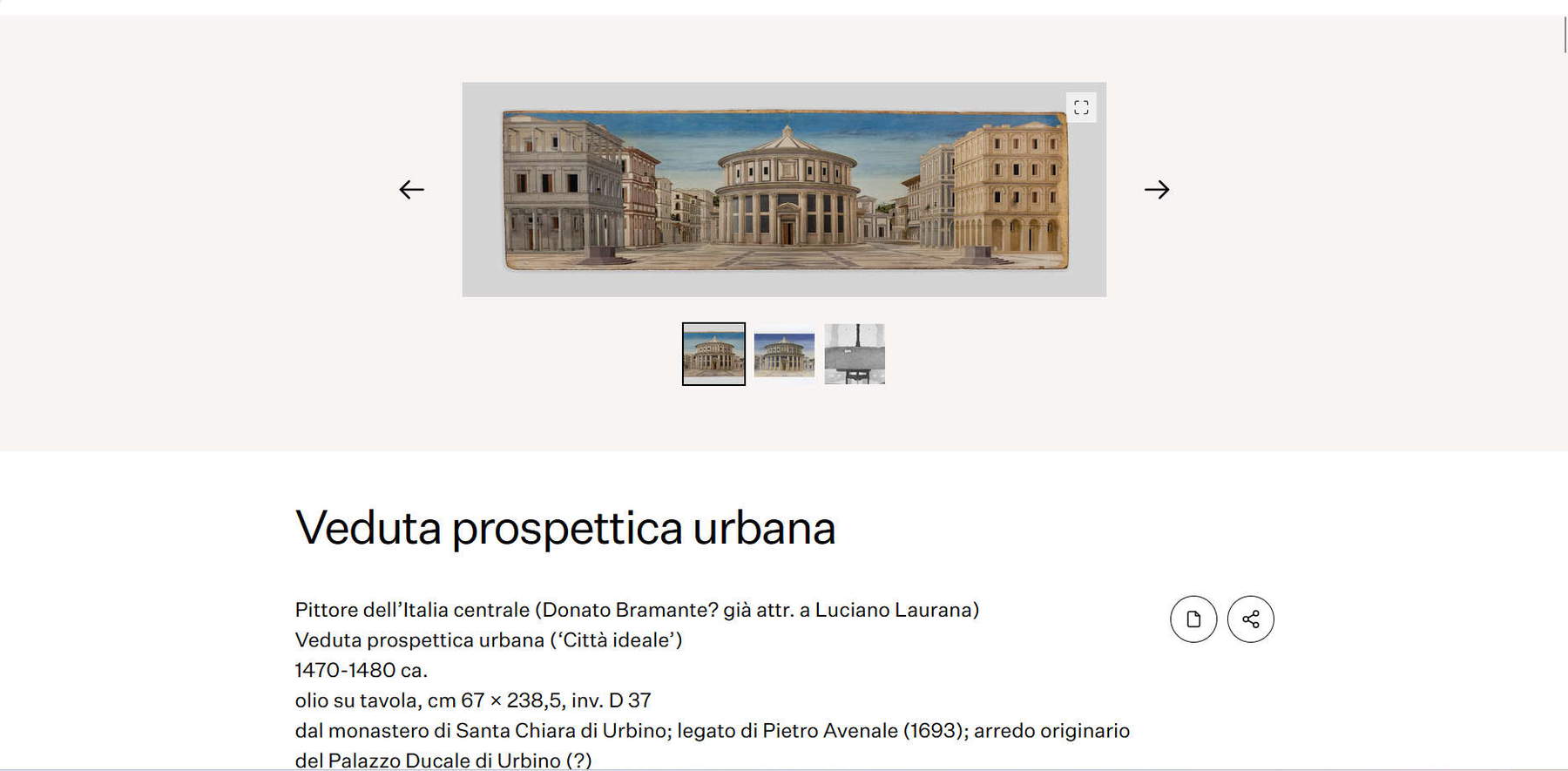
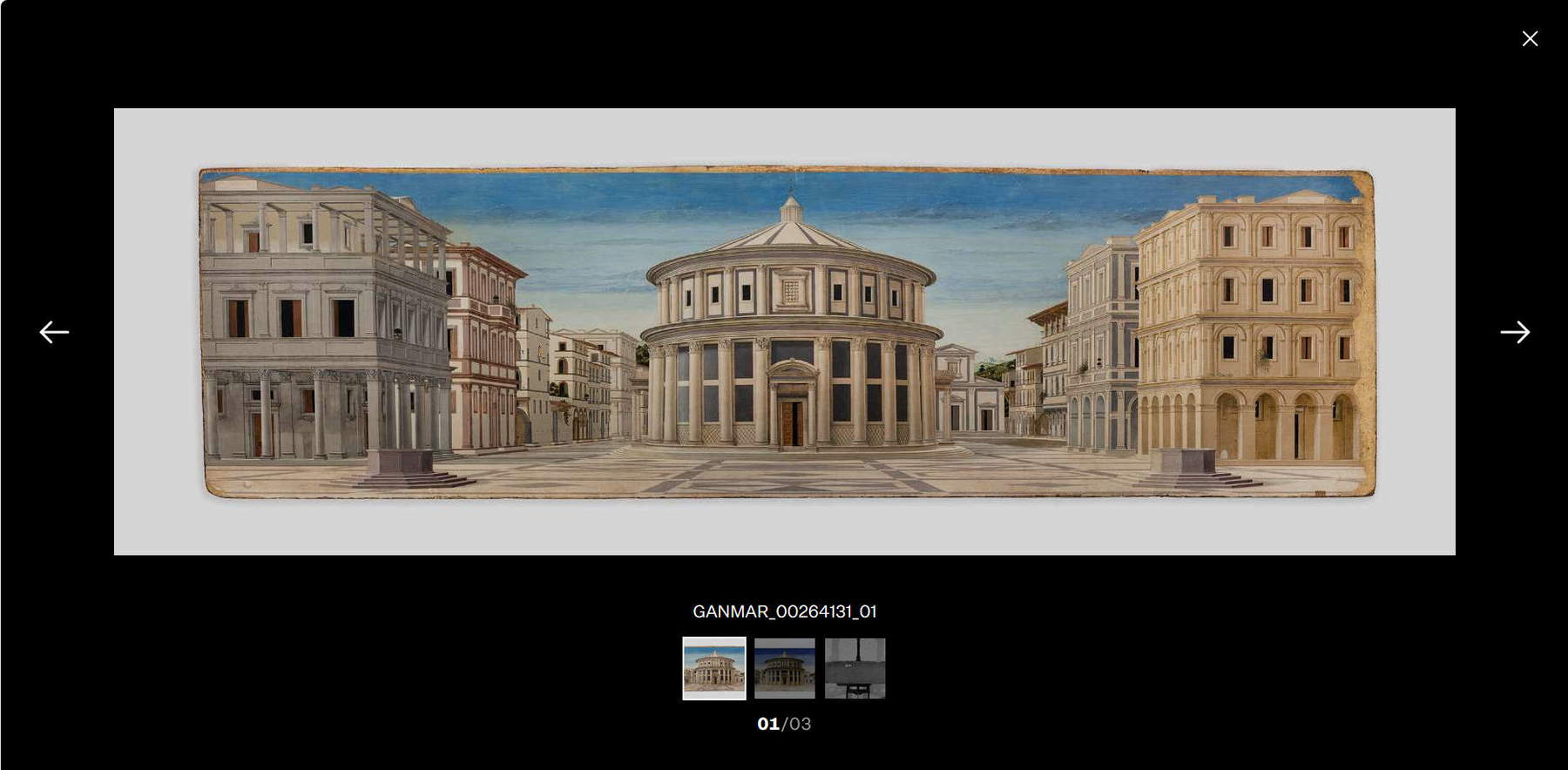
A significant contribution was also made by Leonora De Donno, who expanded and revised the contents of the records through a systematic review of the Gallery’s historical and digital archives, with particular attention to the data necessary for compiling the records dedicated to exhibitions and the movement of artworks. At the same time, significant work was carried out to update the bibliography, which was expanded in particular detail for the most important works and is intended to be continuously updated in the future.
The database now available online comprises a total of 8,717 records. Of these, 1,719 pertain to works of art, 398 are dedicated to drawings, 604 to prints, and 468 to archaeological artifacts, while the remaining records document other materials held in the Gallery’s collections.
In preparation for the launch of the new portal, the technical-scientific team—comprising Valentina Catalucci, Giovanni Russo, Andrea Bernardini, and Denis Morganti—has also spent the past year revising the public-facing and scholarly records pertaining to the works on display in the rooms of the Palazzo Ducale, which have recently undergone a redesign. This work involved over 280 entries, which were updated and revised according to scientific criteria, with the aim of providing the public with reliable and consistently verified content. The museum also emphasizes that the number of entries available for consultation will continue to grow progressively as the scientific review of the entire collection proceeds.
Each fact sheet available on the portal is organized into two distinct levels of information. The first section features an introductory text accompanied by the work’s key technical data and a concise description of its stylistic and iconographic characteristics. By scrolling down the page, users can access a second level of detail, consisting of more in-depth historical and critical information and an extensive bibliography, designed for scholars, researchers, and anyone wishing to further deepen their knowledge of the works.
The publication of the digital catalog also highlights the scholarly work that has accompanied the overall renovation process of the National Gallery of the Marche in recent years. The project is, in fact, part of a broader program of initiatives that has addressed various aspects of the institution. On the one hand, this includes the renovation of the spaces on the main floor of the Ducal Palace in Urbino; on the other, extraordinary maintenance work on the collections; and, finally, the development of new tools dedicated to accessibility and the use of the heritage by the public and the scientific community.
|
| The National Gallery of the Marche is making its entire collection catalog available online |

Warning: the translation into English of the original Italian article was created using automatic tools. We undertake to review all articles, but we do not guarantee the total absence of inaccuracies in the translation due to the program. You can find the original by clicking on the ITA button. If you find any mistake,please contact us.




























 IT
IT FR
FR DE
DE ES
ES CN
CN


