





The Museo Nacional del Prado and the Rijksmuseum in Amsterdam are joining forces to develop a comprehensive research project dedicated to women in art and history. The collaboration stems from the two institutions’ shared commitment to permanently strengthen the representation of women in their respective collections and aims, through new studies and expert discussions, to offer a broader and more inclusive interpretation of the shared history of Spain and the Netherlands.
The agreement brings together several international initiatives: a fellowship program for postdoctoral researchers, meetings among specialists, and a new exhibition to be hosted by the Rijksmuseum and dedicated to women’s leadership in the Habsburg Netherlands of the 16th century. The fellowship program will begin in September 2027 and will focus on research into the role, governance, and representation of women within the Habsburg Empire. Particular attention will be given to the shared elements between the Dutch and Spanish contexts.
The selected candidate will have the opportunity to conduct in-depth studies of the collections of the Prado Museum and the Rijksmuseum, as well as to participate in exhibition projects developed as part of the collaboration. The candidate selection process will begin in October 2026. This initiative is part of a broader initiative already launched by the Prado with *La prospettiva femminile* (The Female Perspective), which began as a research project and has now evolved into a permanent, cross-disciplinary program dedicated to the presence of women in the museum’s collections. The goal is to highlight them not only as artists but also as promoters, patrons, and central figures in the history depicted in the Prado’s works. The program is organized into nine areas: research, documentation, exhibitions, publications, audiovisual content, education, digital development, communication, and international collaborations.
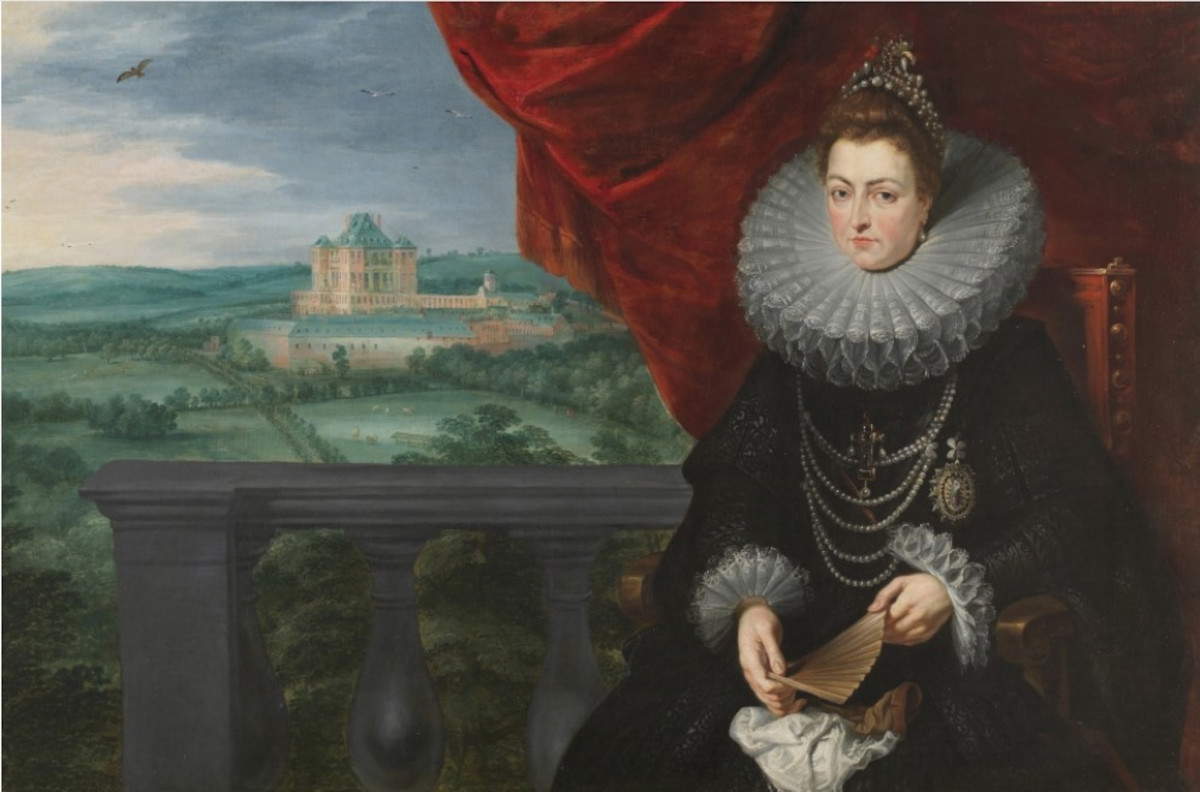
Over the past few years, exhibitions and thematic programs have helped bring figures such as Clara Peeters, Sofonisba Anguissola, Isabel Clara Eugenia, Christina of Sweden, and Isabella Farnese back into the spotlight. These initiatives have been complemented by documentaries and three book series dedicated to exploring their stories in depth. Symposia and conferences have also fostered research and dialogue among scholars, while digital tools, concerts, courses for teachers, and public events have made it possible to share the project’s findings with a wider audience. The collaboration with the Rijksmuseum now broadens this perspective, linking research on the Spanish collections to that on the history of the Habsburg Netherlands.
One of the outcomes of this collaboration will be an exhibition at the Rijksmuseum dedicated to women’s leadership in the 16th-century Habsburg Netherlands. The exhibition will focus on the role played by women within the political and dynastic structures of the era, drawing parallels between events in the Dutch territories and those of the Spanish monarchy. The research project and the exhibition will be accompanied by an international roundtable of specialists, with the aim of exploring the role of women in governance and the representation of power during the Habsburg period.
This new collaboration comes as the Prado Museum prepares to dedicate an exhibition to Marianna of Austria, scheduled for this fall. The exhibition will analyze the construction and evolution of the queen’s image throughout her life and reign, while also focusing on the mechanisms through which this representation was promoted and disseminated. The exhibition will thus offer insight into how the image of Marianna of Austria was utilized during one of the most significant periods in the history of the Spanish monarchy, adding another piece to the Prado’s ongoing exploration of the presence and role of women in art history.
|
| The Prado and the Rijksmuseum Join Forces for a Major Research Project on Women in Art and History |

Warning: the translation into English of the original Italian article was created using automatic tools. We undertake to review all articles, but we do not guarantee the total absence of inaccuracies in the translation due to the program. You can find the original by clicking on the ITA button. If you find any mistake,please contact us.
















 IT
IT FR
FR DE
DE ES
ES CN
CN


