



by Redazione 12/11/2026


Categories: Museums / Disclaimer
The “Depositi Aperti” exhibition series, organized by the Depositi e Patrimoni in Rete network and funded by the Emilia-Romagna Region, features nine free events at eight museums to showcase the collections stored in the depots. The program concludes on January 22, 2027, at the Museo del Duomo in Fidenza.


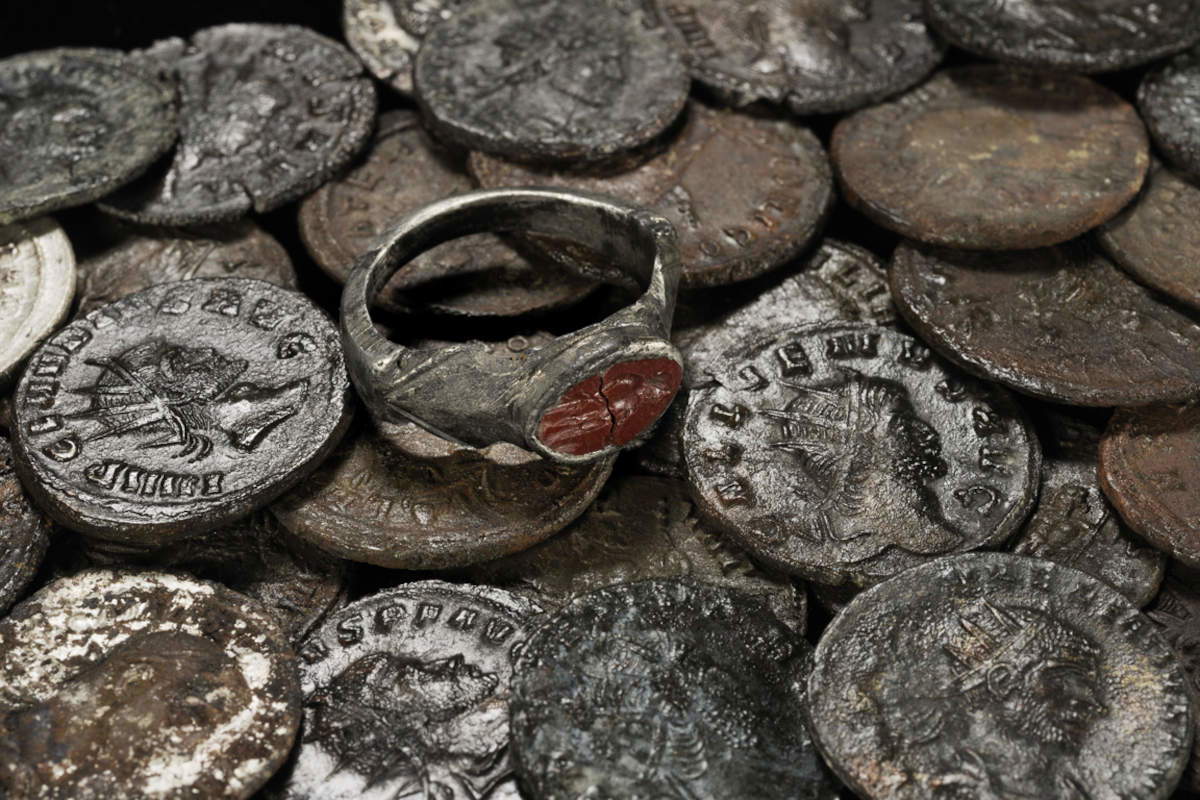
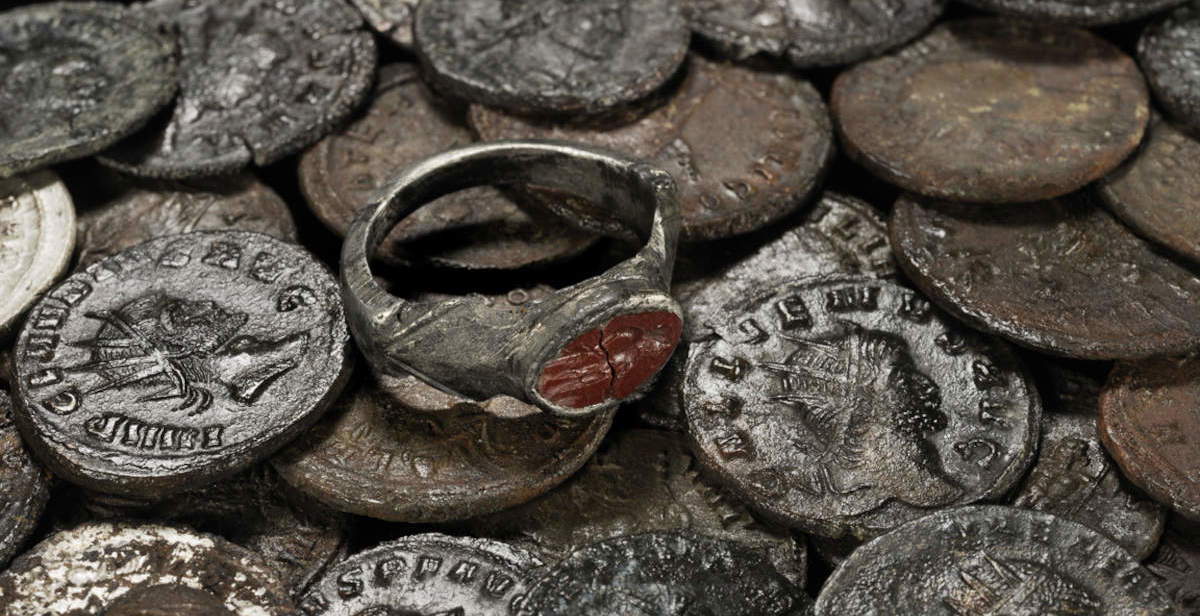
A bronze chain linked to ancient hydraulic technologies, tools and artifacts that illustrate the relationship between animals and work, traditional peasant clothing, and a hoard of about 300 coins hidden in the 3rd century A.D. along the side of a road. These are just some of the objects preserved in the storage facilities of museums across Emilia-Romagna, which—thanks to the “Depositi Aperti” initiative—are being presented to the public through tours and events dedicated to collections that are normally inaccessible.


The project, proposed by the “Depositi e Patrimoni in Rete” network and funded by the Emilia-Romagna Region through the new 2026 call for proposals to support museum networks, includes nine events at eight museums across the region. The events—all with free admission and requiring or recommending reservations—will continue through January 2027 and aim to highlight the heritage preserved in the storage facilities, while also emphasizing the connection between museum collections and their local communities.
The schedule includes the Civic Museum of Modena, the MET—Museum of the Customs and Traditions of the People of Romagna in Santarcangelo di Romagna (Forlì-Cesena), the Casa Cervi Museum in Gattatico (Reggio Emilia), the Museum of Rural Life – Villa Smeraldi Institution in Bentivoglio (Bologna), the Archaeological Museum of Cesena, the Civic Museum of the Cappuccine in Bagnacavallo (Ravenna), the Civic Museums of Reggio Emilia, and the Cathedral Museum and Diocesan Museum of Fidenza (Parma).



Among the scheduled events, the Museum of Rural Life in Bentivoglio presents “Woolen Clothes and Winter Winds,” a tour of the textile collection dedicated to the garments worn by peasant families during the cold season. The Archaeological Museum of Cesena, meanwhile, presents new acquisitions from the Fusconi Collection, while the Civic Museum of the Cappuccine in Bagnacavallo (Ravenna) invites visitors to explore the collections beyond the confines of the permanent exhibition to discover their variety and complexity.
In Reggio Emilia, a guided tour is scheduled of the archive that preserves the documentary heritage and know-how of the Miss Deanna knitwear factory, now transformed into an International Documentation Center.
The series will conclude on Friday, January 22, 2027, at the Cathedral Museum and Diocesan Museum of Fidenza, with the event “Heritage Behind the Scenes.” The Life of Objects in the Museum’s Storage Facilities. The event will focus on antique liturgical furnishings produced in series and a collection of coins, medals, and votive jewelry—objects that have not found a place in the galleries open to the public but are an integral part of the institution’s heritage.
The initiative is based on “Depositi e Patrimoni in Rete” (Storage and Heritage Network), a network that brings together professionals from thirteen museums in Emilia-Romagna, all of whom have participated in the RE-ORG training programs. This method was developed by ICCROM, the International Center for the Study of the Preservation and Restoration of Cultural Property, to improve the management of museum storage facilities and promote the preventive conservation of collections. Since 2021, the program has been supported by the Emilia-Romagna Region through its Cultural Heritage Department.
The network was established with the goal of connecting professionals with expertise in storage management and fostering collaboration among their respective institutions. Its objectives include training, sharing best practices for the management and preventive conservation of collections, and promoting the assets held outside of exhibition spaces. The project remains open to new museums and cultural institutions interested in participating and sharing these objectives.
“Every storage facility holds stories waiting to be rediscovered and celebrated,” emphasizes Regional Councilor for Culture Gessica Allegni. “Opening their doors offers citizens the chance to go behind the scenes of museums and encounter a precious heritage that speaks to our roots, the transformations of society, and the identity of our regions. With ‘Depositi Aperti,’ we make this often-hidden wealth accessible, highlighting the collaborative efforts among cultural institutions and the role of museums as places of knowledge, dialogue, and collective growth. It is an opportunity to gain a deeper understanding of the extensive research, conservation, and curatorial work that makes museums cultural beacons. It is also a way to introduce new audiences to stories, objects, and artifacts that have much to say about the present and future of our communities.”
 |
| What Do Museum Storage Facilities Hide? In Emilia-Romagna, Eight Institutions Unveil Their Collections |
Warning: the translation into English of the original Italian article was created using automatic tools. We undertake to review all articles, but we do not guarantee the total absence of inaccuracies in the translation due to the program. You can find the original by clicking on the ITA button. If you find any mistake,please contact us.