



by Redazione 06/11/2026


Categories: News / Disclaimer
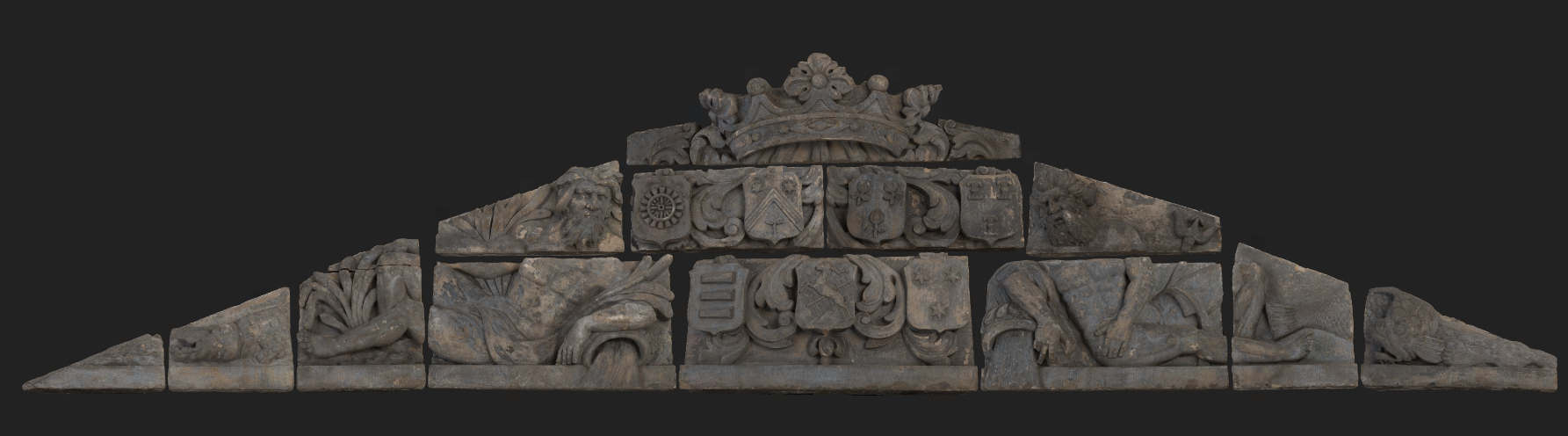
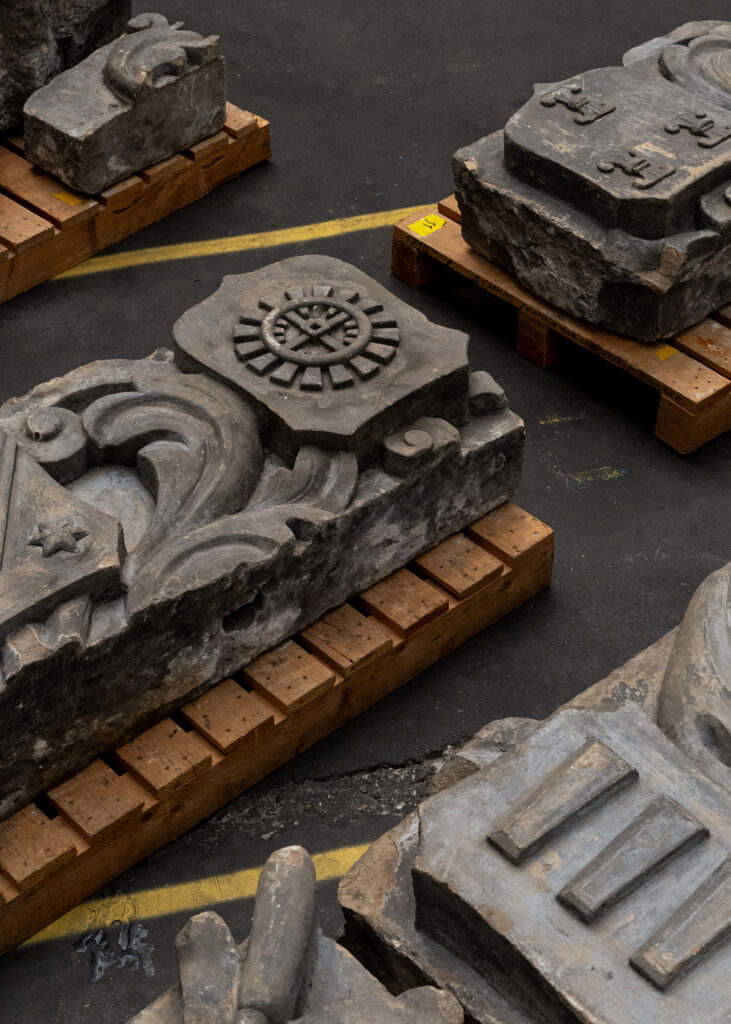
In Rotterdam’s Feijenoord neighborhood, a massive sandstone pediment that once belonged to the historic Pesthuis—the hospital for plague victims built in the 18th century—has been temporarily returned to the site where the original building once stood. It weighs nearly five metric tons, is 9.4 meters wide, and features seven coats of arms of families from the city council and allegorical figures o

It was built to house plague victims, but it was never used as a lazaretto: In Rotterdam, the Netherlands, the Pesthuis, located in the Feijenoord neighborhood and completed in 1716, was the first building in the city to be constructed south of the Nieuwe Maas, the New Meuse, the river that runs through the harbor. Of the building, which was demolished around 1900, only one large fragment remains today: the sandstone pediment that once adorned its facade, which entered the collections of the Museum Rotterdam in 1910 and has remained in storage ever since—for over 115 years. Now that block, weighing nearly five metric tons, has returned to the exact spot where it stood more than three centuries ago. Until November 29, 2026, it is on display at the former Hunter Douglas industrial site (built where the Pesthuis once stood), as part of the 12th International Architecture Biennale Rotterdam (IABR), titled SYSTEMS OF SUPPORT.


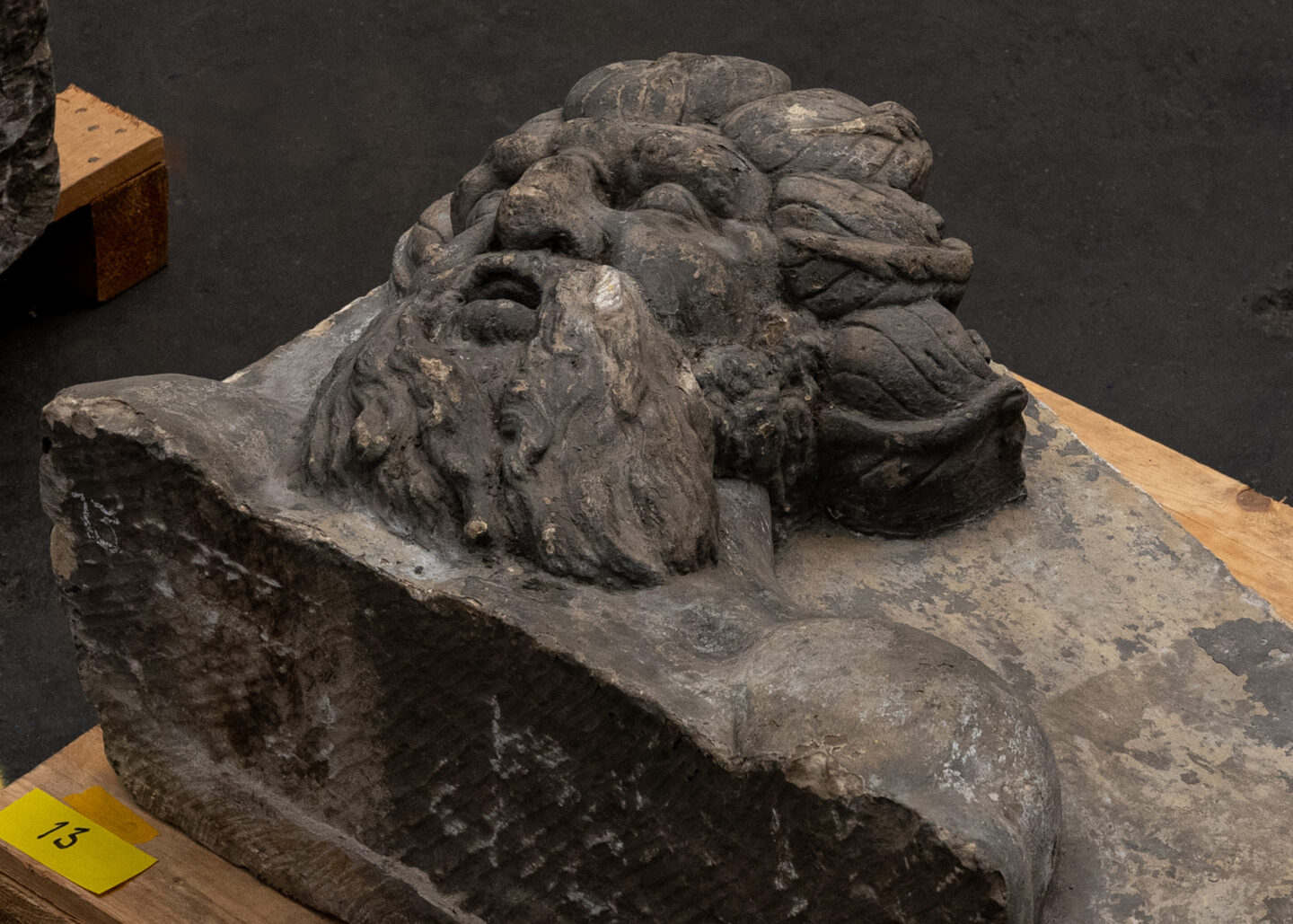
Its dimensions explain why the tympanum has remained hidden from the public for so long: it is 9.4 meters wide, over 2 meters tall, and weighs 4,980 kilograms—nearly 5 metric tons—making it a monumental work even on its own. The sculpture features seven family crests belonging to members of the Rotterdam City Council, while on either side lie two river deities, representing the Meuse, the Rotte, and the waters surrounding the city.


“It’s wonderful that a highlight of our city history collection can once again be displayed in its entirety after more than a century,” comments Rob Noordhoek, curator and historian at Museum Rotterdam. “Its enormous size and weight have always made this difficult. What makes it even more special is that it’s returning to the very place where it came from.”

The site where the Pesthuis once stood has a long and layered history: it was originally a sandbar in the river, then became the execution site of the Rotterdam Admiralty. In the early 18th century, the quarantine hospital was built there, designed to house people suffering from infectious diseases away from the densely populated city. In 1825, the Nederlandsche Stoomboot Maatschappij(Dutch Steamboat Company) established itself there, and Feijenoord became one of Rotterdam’s major industrial areas. Later, the Hunter Douglas industrial complex was built on the site of the old building.
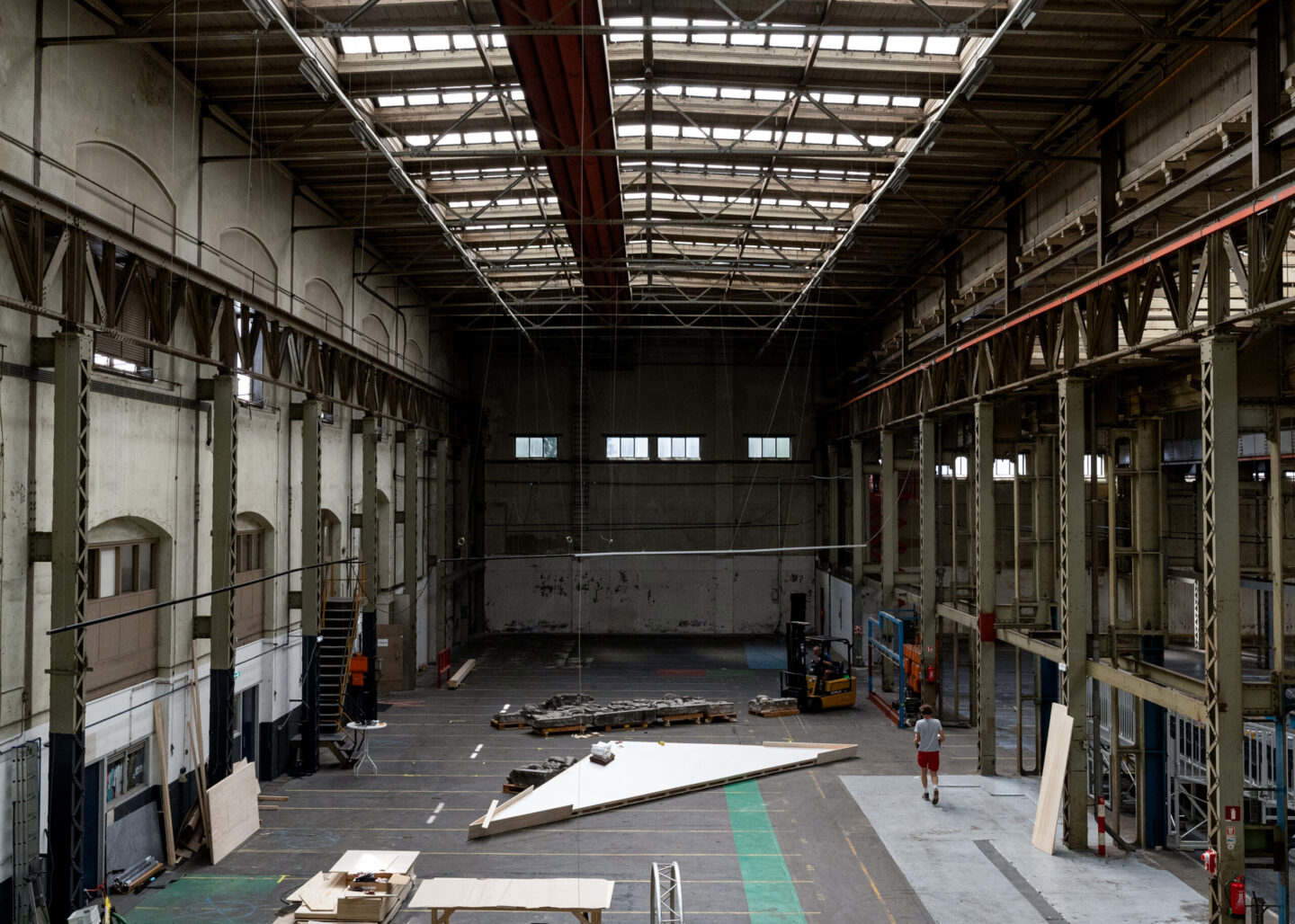
It is right here, at the Piekfabriek on the former Hunter Douglas site, that the 2026 edition of the IABR is being held. The Biennale explores how systems related to water, energy, materials, housing, and infrastructure shape the environment in which we live. The tympanum is part of an installation designed by the architectural firm LNML, dedicated to the reuse of stone—a theme that the artifact, having survived the demolition of the building for which it was carved, embodies almost literally. Its return comes at a time of transition for the entire area: the former industrial zone is, in fact, once again on the cusp of a major transformation, as it will be home to housing, workspaces, and public services in the coming years. The pediment will remain the property of the Museum Rotterdam and will be loaned on a long-term basis.
|
| A monument weighing nearly 5 metric tons, which had been in storage for 115 years, is returning home to Rotterdam |
Warning: the translation into English of the original Italian article was created using automatic tools. We undertake to review all articles, but we do not guarantee the total absence of inaccuracies in the translation due to the program. You can find the original by clicking on the ITA button. If you find any mistake,please contact us.