





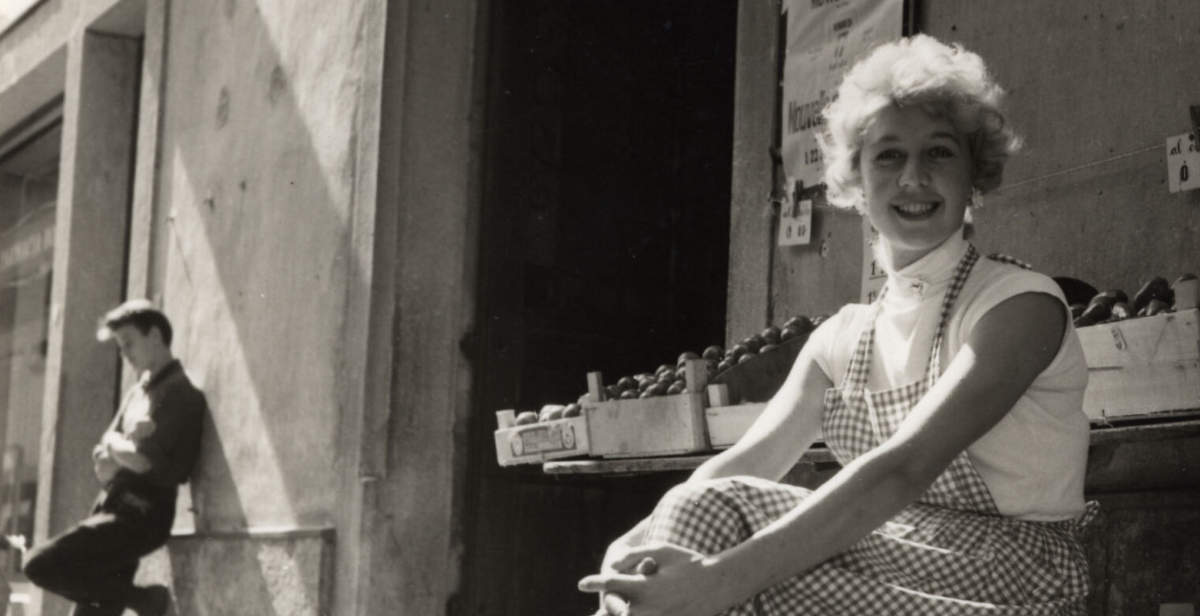
From September 20, 2026, to January 10, 2027, the Municipal Museum of Modern Art in Ascona, Switzerland, will host “Dorothy Bohm: Photographs.” “The Revelation of Light” is the first major retrospective in Switzerland dedicated to Dorothy Bohm ( 1924–2023), a British photographer of German origin and one of the leading figures in late 20th-century British photography associated with humanist and street photography. Curated by Monica Bohm-Duchen, the artist’s daughter, and Mara Folini, the museum’s director, the exhibition brings together 90 images that trace the major phases of her career.
The exhibition includes studio portraits, “neorealist” black-and-white photographs taken outdoors, and color images—both analog and Polaroid. A large section also features her black-and-white work created during her stays in Ascona, which began in 1947 and continued into the early 1960s, much of which has never been exhibited before.
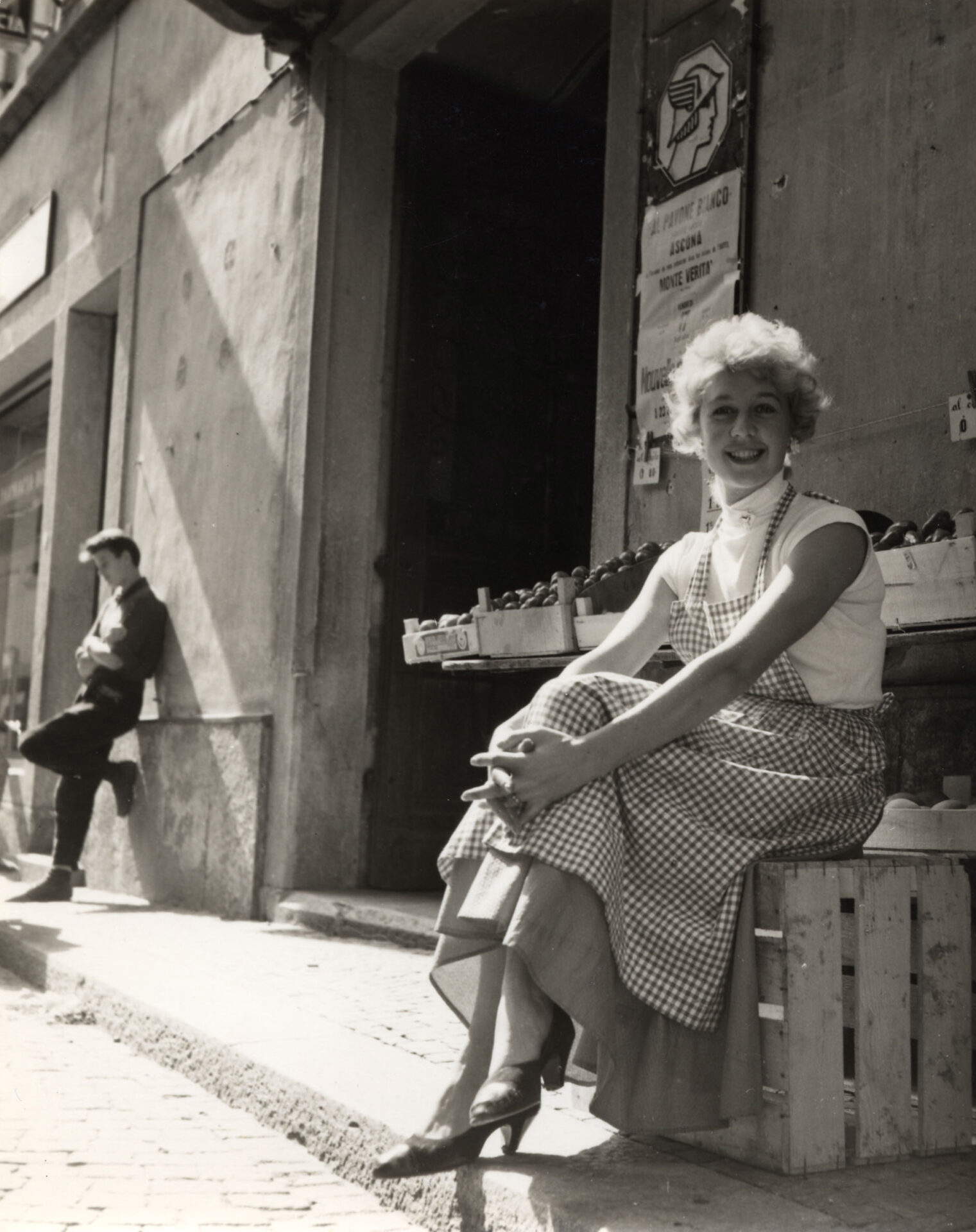
Bohm’s artistic journey is closely tied to her personal history. Born into a Jewish family in Eastern Europe, she left Lithuania as a teenager to seek refuge in England due to anti-Semitic persecution. Her separation from her family—who remained caught up in the upheavals of the war and the restrictions of the Soviet regime—helped direct her gaze toward the fragility of existence and photography’s ability to preserve what time threatens to erase.
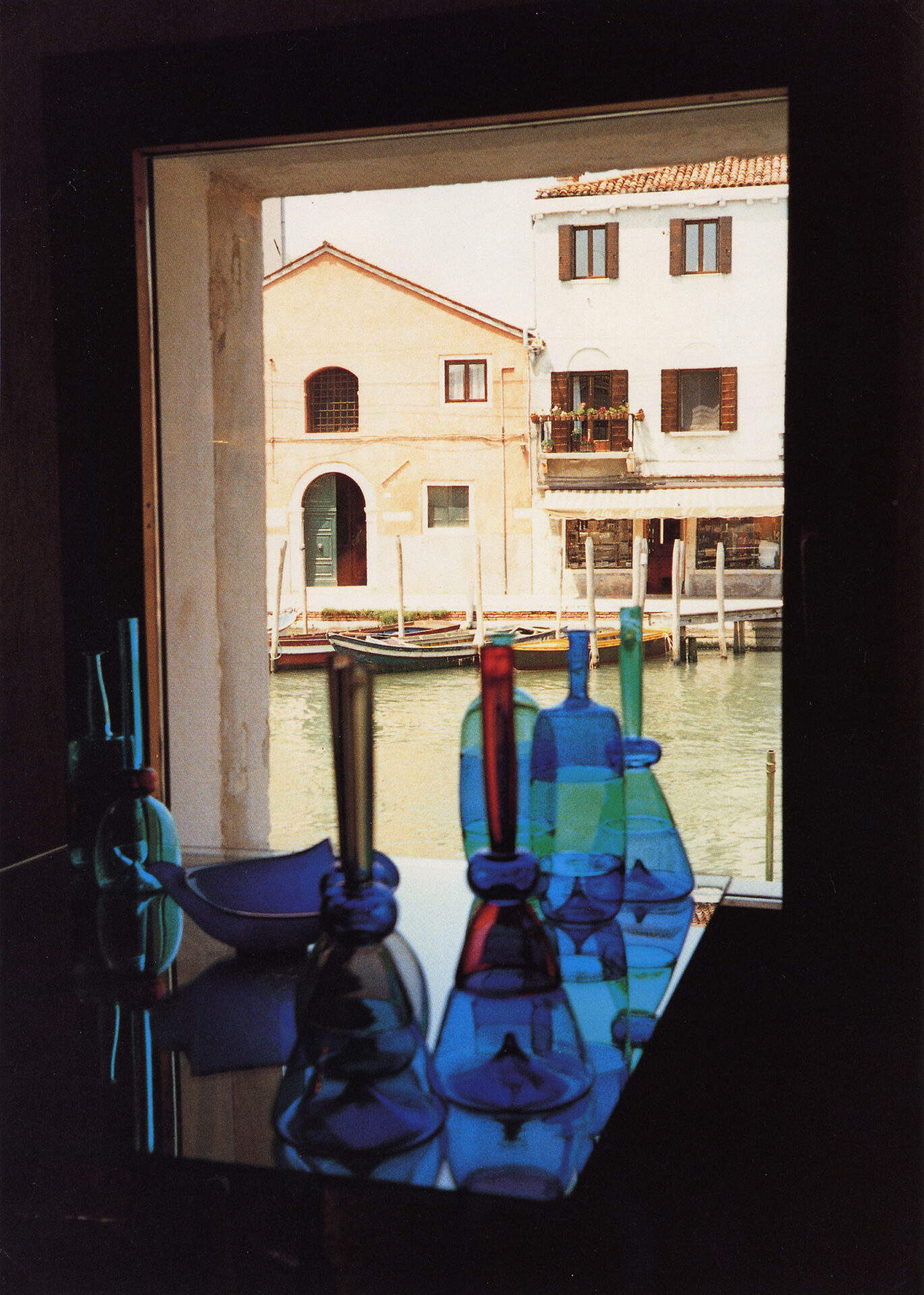
The theme of encounters, people, and fleeting moments runs through her body of work. In 1946, she opened Studio Alexander in London, where she developed her mastery of light and composition in portraits, pairing it with a particular attention to her subjects. A turning point came in Ascona, where he returned regularly starting in 1947. There, the natural light—which he perceived as almost Mediterranean—transformed his approach to photography, following his experience with controlled studio lighting and the industrial environment of Manchester. Reflections, transparencies, atmospheric contrasts, and variations in light thus became central elements of her work: “I saw Daylight,” she said.
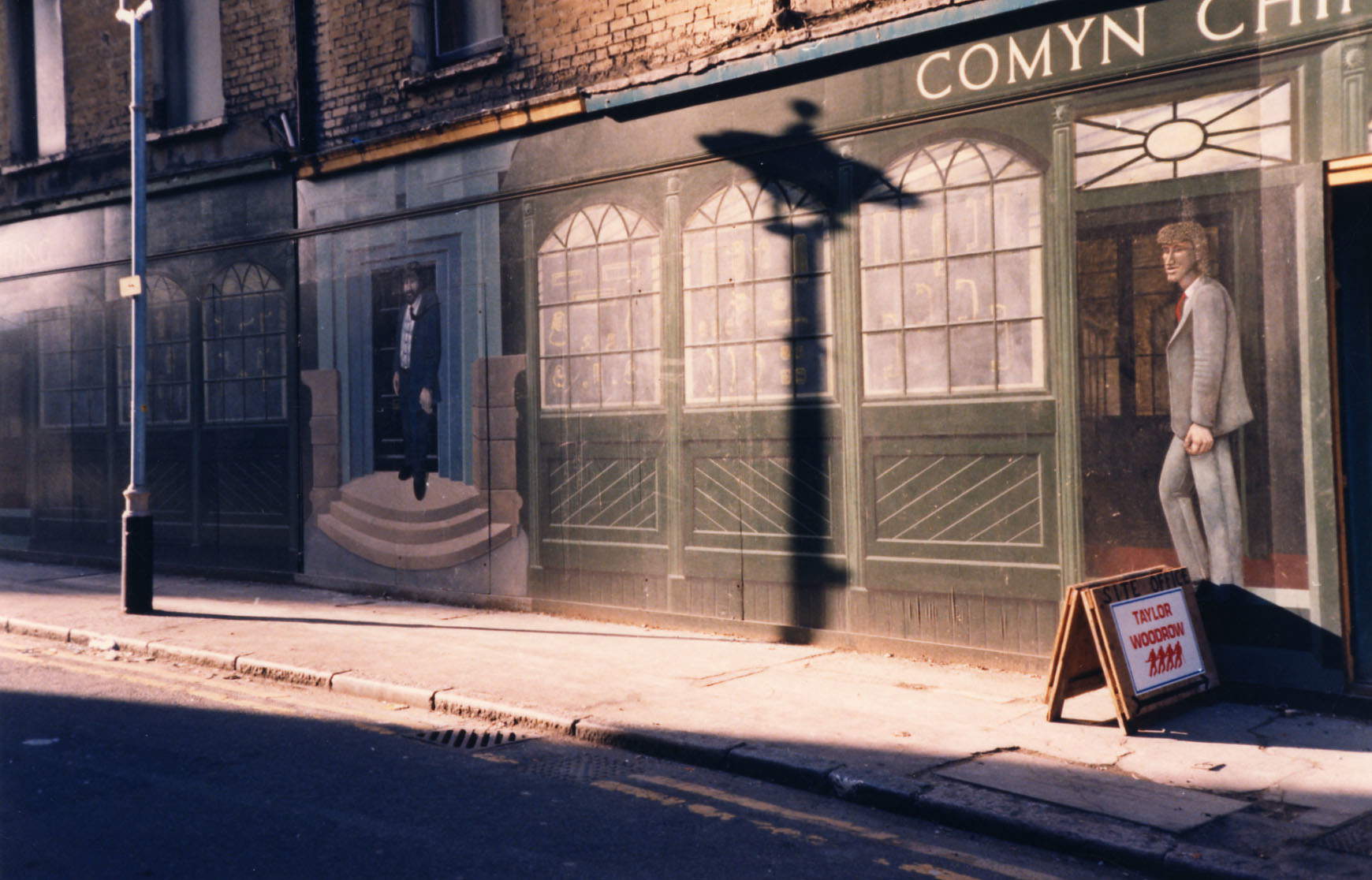
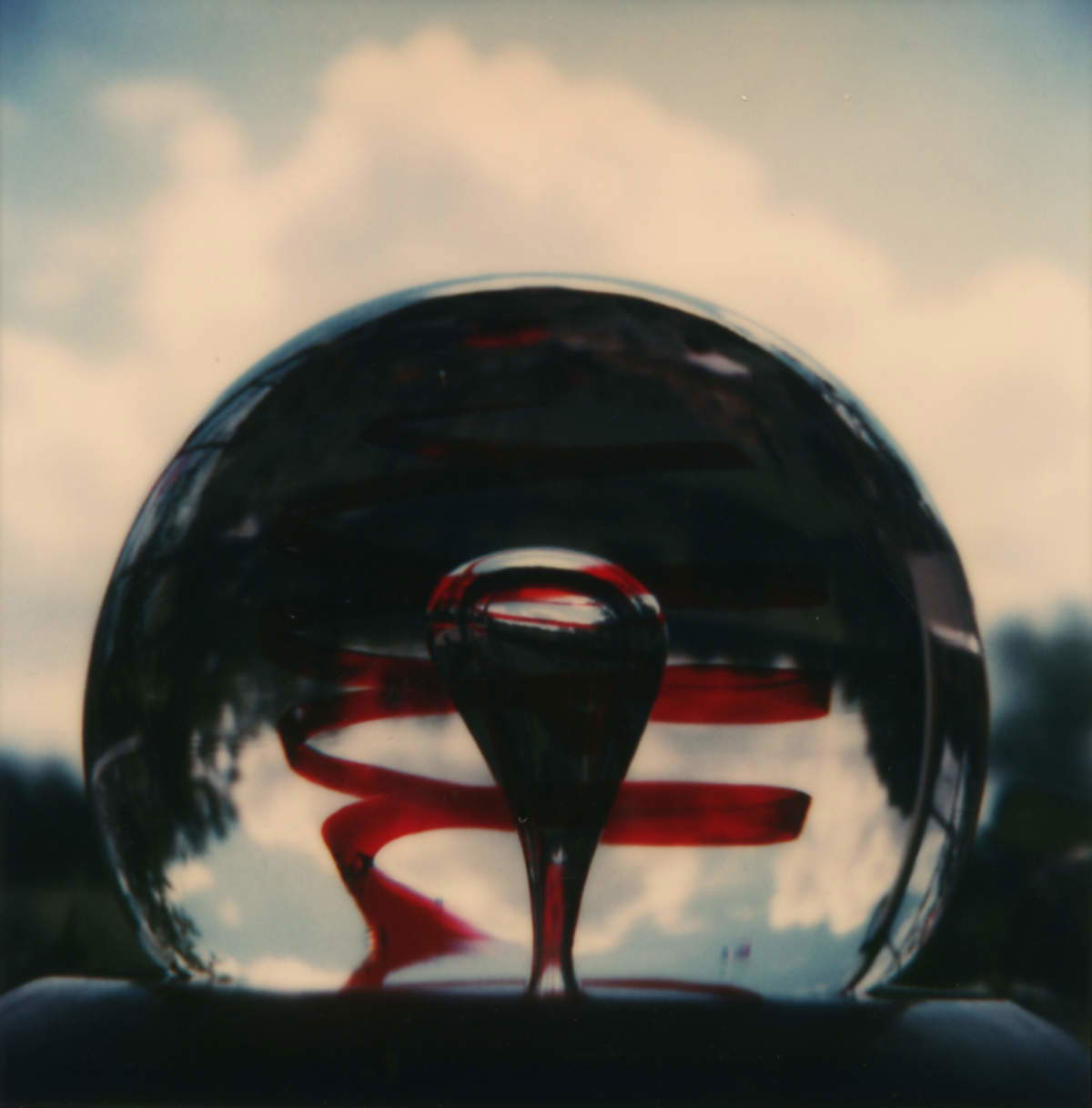
The photographs taken in Ascona focused primarily on the local population—farmers and ordinary people—as well as the artists she associated with, rather than on the emerging international social scene. This focus on everyday life continued into the 1980s, when the transition to color through Polaroid introduced new formal possibilities. Urban walls, reflections, and posters became subjects capable of engaging in a dialogue with abstract art and the neo-avant-garde, resulting in images that are more allusive, ironic, and ambiguous.
The catalog is published by Allemandi Editore. The exhibition is accompanied by educational activities for children and teens, organized in collaboration with the Museo in Erba, as well as events dedicated to Dorothy Bohm, her photographic technique, and the cameras she used.
 |
| Ascona Hosts the First Major Swiss Retrospective on Dorothy Bohm and Her Research on Light |

Warning: the translation into English of the original Italian article was created using automatic tools. We undertake to review all articles, but we do not guarantee the total absence of inaccuracies in the translation due to the program. You can find the original by clicking on the ITA button. If you find any mistake,please contact us.

























 IT
IT FR
FR DE
DE ES
ES CN
CN


