



by Redazione 22/08/2026



Categories: News / Disclaimer
Italian households’ spending on cultural activities continues to rise and will reach 108 euros per month in 2026, approaching pre-pandemic levels. TV, music, and radio remain the most popular activities, while cultural outings on weekends are also on the rise.
Italian households’ spending on cultural activities continues to rise and will reach an average of 108 euros per month in 2026, compared to 94 euros in 2025. This is according tothe Observatory on Cultural Experiences in Italy, conducted by Impresa Cultura Italia-Confcommercio in collaboration with SWG. This figure represents the highest level reached since the end of the pandemic and brings household spending on culture close to 2019 levels, when it stood at 113 euros per month.
Among cultural consumption habits, activities most closely tied to the home and daily life remain at the top: 92% of Italians report watching television programs, movies, and TV series, while 87% listen to music and 82% listen to theradio. Reading continues to play an important role: since the beginning of the year, 65% of Italians have read at least one book, while 43% have read newspapers in print or paid digital formats.


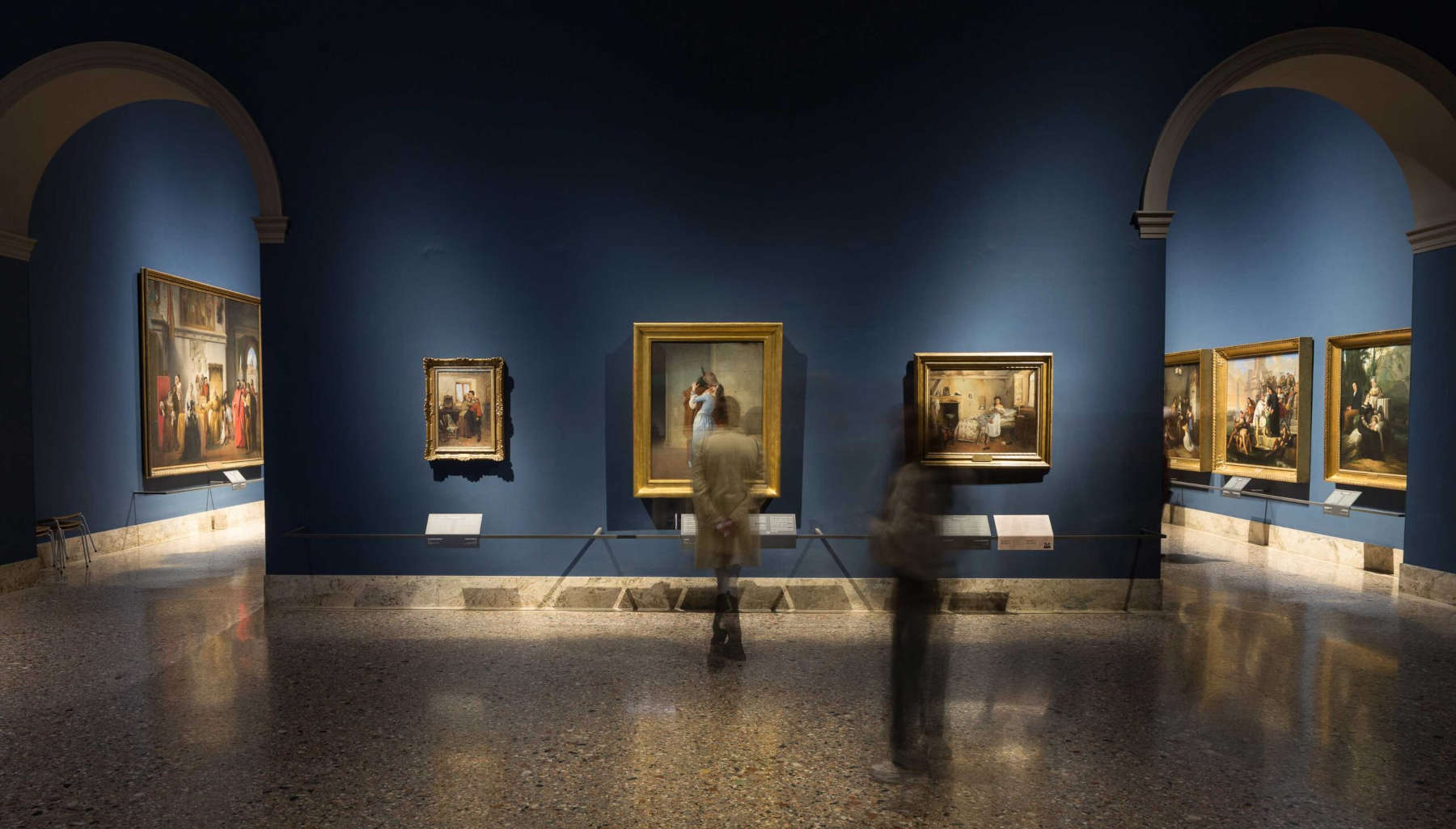
Participation in cultural activities that involve direct spending is also significant. 51% of Italians went to the movies, followed by visits to museums, exhibitions, and archaeological sites, which accounted for 49% of the population. Theater and outdoor performances reached 40%, while 35% of Italians attended live concerts.
The Observatory’s data also highlight a growing interest in cultural weekends. More than one in two Italians say they would very much like to receive one as a gift, while 42% say they are very likely to offer one to a loved one. The greatest interest is shown primarily by people with higher education, women, and those over 55.
This interest is also reflected in actual behavior. In the past twelve months, 46% of Italians have taken at least one cultural weekend trip, and in most cases, the experience took place outside their home region: this was reported by 34% of the population. Average per-capita spending is also on the rise. Last June, it stood at 286.2 euros, compared to approximately 235 euros recorded in 2025.
Furthermore, there remains significant potential demand from those who have not yet had this experience. Fifty-four percent of Italians have never organized a cultural weekend in the past twelve months, but even among these people, a projected spending capacity of 215.7 euros emerges. This data therefore indicates the existence of a still substantial pool of demand, which could translate into greater participation in cultural experiences and further growth in related spending.
“The growth in cultural consumption,” says Carlo Fontana, president of Impresa Cultura Italia-Confcommercio, “is an important sign: it demonstrates that culture meets a real demand and serves as a decisive driver for development, employment, and social cohesion. However, participation remains marked by significant economic, social, generational, and regional disparities. For this reason, alongside support for businesses and cultural offerings, we need structural policies capable of strengthening demand and concrete measures—such as tax deductions for cultural consumption and experiences—to promote broader access and attract new audiences. Interest in cultural weekends also confirms the potential for integration between culture, tourism, and local communities: a trend that must be nurtured and transformed into widespread value for communities and for the entire country.”
|
| Average spending on culture by Italian households is rising |
Warning: the translation into English of the original Italian article was created using automatic tools. We undertake to review all articles, but we do not guarantee the total absence of inaccuracies in the translation due to the program. You can find the original by clicking on the ITA button. If you find any mistake,please contact us.