





The recent theft of works by Antonello da Messina from the “Accascina” Regional Museum in Messina highlights just how important it is to have thorough scientific documentation in place before a work is stolen or lost. In 2018, an extensive program of technical studies and restoration was carried out, resulting in comprehensive diagnostic documentation of the works, their material characteristics, and their state of preservation.
The diagnostic campaign, conducted by the CNR-IPFC in Messina and the STEBICEF Department of the University of Palermo, involved the works by Antonello da Messina through an in-depth process of technical and scientific analysis. The investigations were carried out by combining various non-invasive and non-destructive methodologies, with the aim of deepening our understanding of the works without compromising their integrity.
A significant portion of the investigations had been conducted on the San Gregorio Polyptych during the monographic exhibition “Antonello da Messina,” held between December 2018 and February 2019 at the Palazzo Abatellis Regional Gallery in Palermo. Prior to the transfer of the works from one museum to another, a specific diagnostic study was carried out, with radiographic examinations coordinated by the Regional Center for Planning and Restoration (CRPR) of the Sicilian Region, Department of Cultural Heritage and Sicilian Identity, and entrusted to S.T.Art-Test of S. Schiavone & C.
The analyses included, among other techniques, direct digital radiography, near-infrared reflectography, ultraviolet (UV) fluorescence, Raman spectroscopy, X-ray fluorescence, and various diagnostic imaging techniques. The comprehensive set of investigations provided information on the painting technique, the materials used, and the state of preservation of the works.
Some of the results were presented at national and international conferences in 2019 and 2021, and certain data were subsequently published; however, a significant portion of the original diagnostic documentation and data collected during the 2018 campaign has not yet been made fully available. In light of the recent theft, this documentary heritage is now even more important.
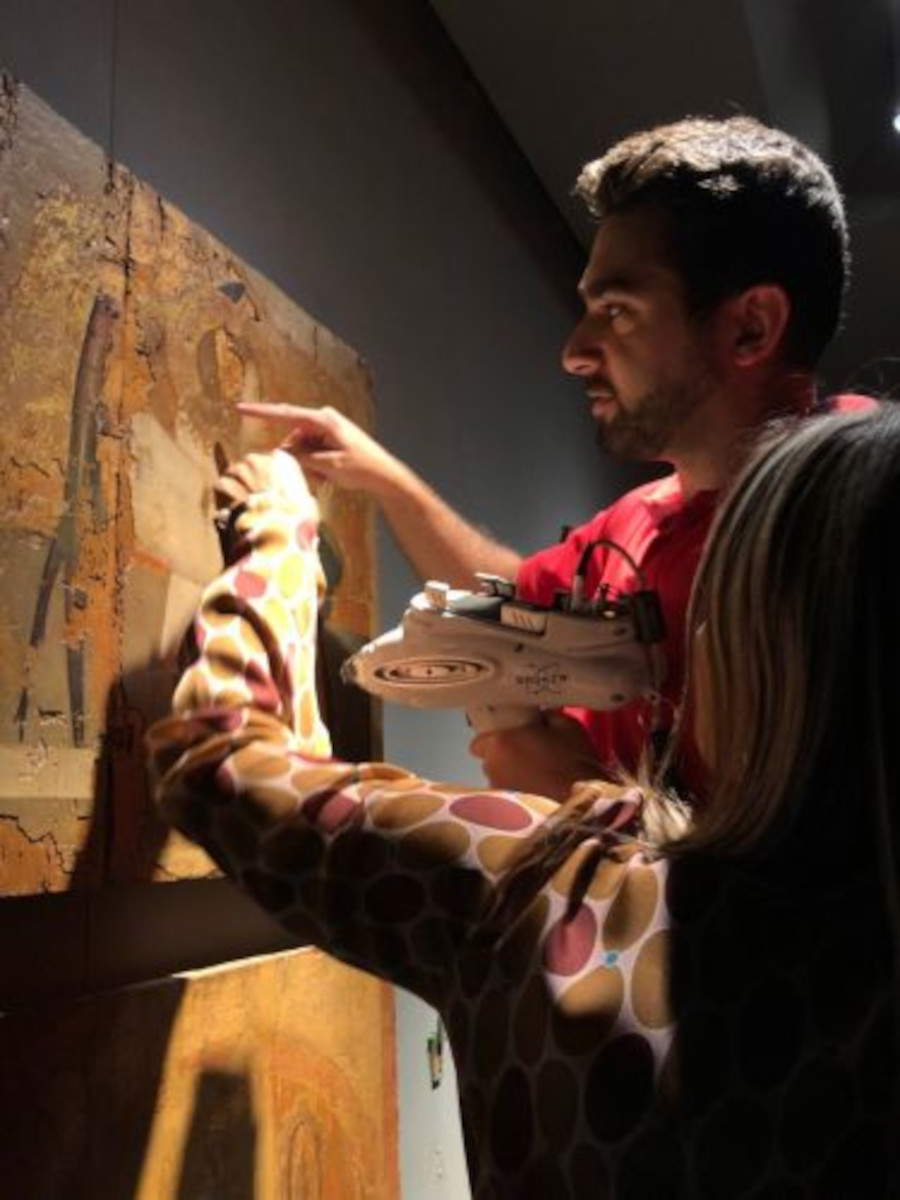
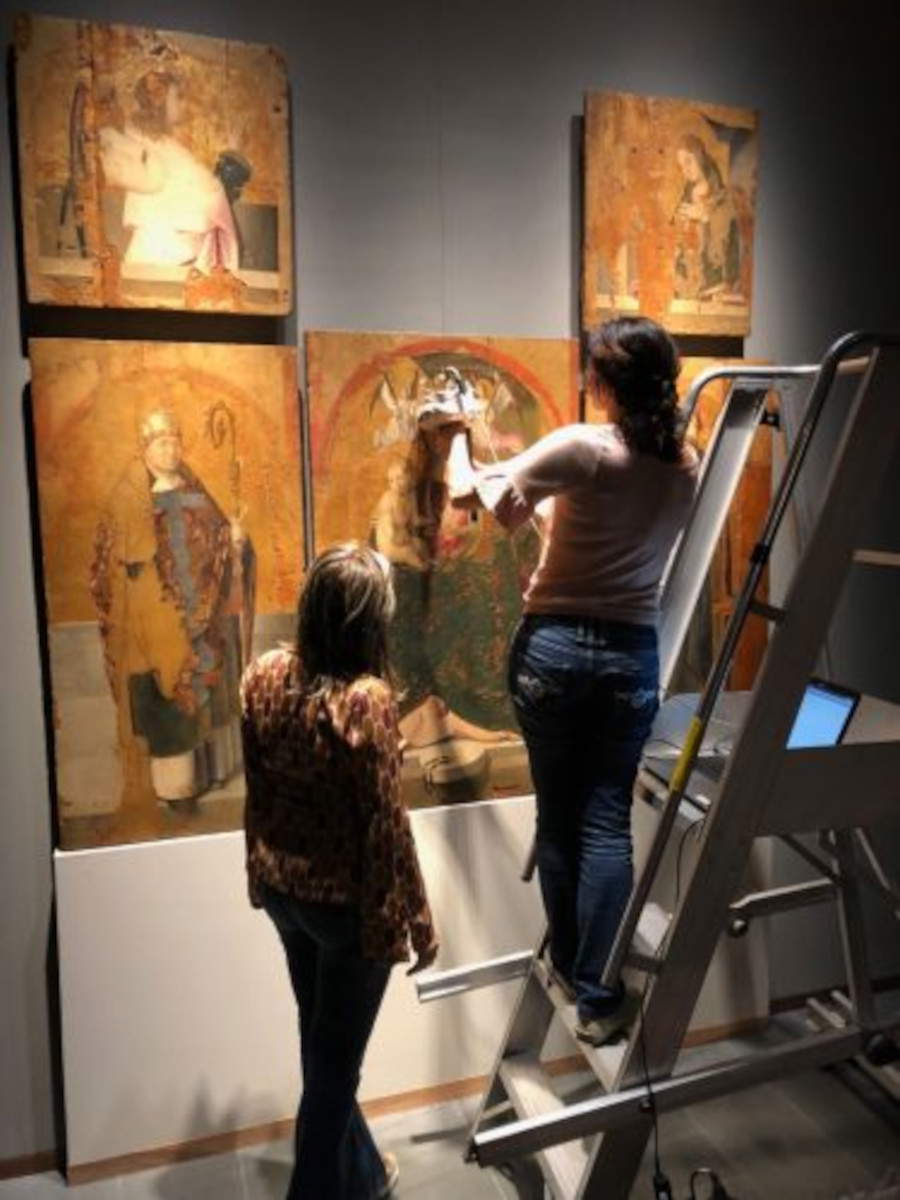
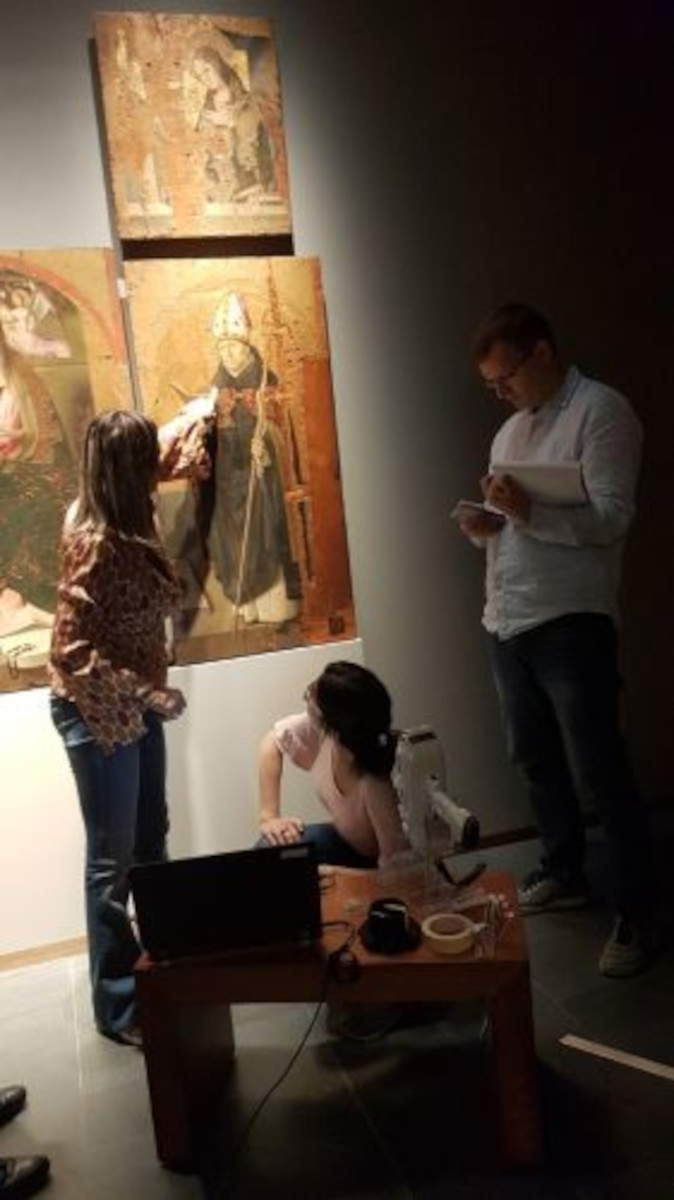
X-rays, infrared reflectography, UV fluorescence images, and spectroscopic data can, in fact, serve as a sort of “diagnostic fingerprint” of the works, revealing characteristics and details that are not necessarily recognizable through simple observation with the naked eye. X-rays, for example, can provide information on the structure of the support and the paint layers; infrared reflectography can reveal elements present beneath the painted surface; spectroscopic analyses help identify materials and pigments, while UV images can document varnishes, retouches, and previous restoration work.
Should the works be recovered, the documentation created eight years ago could therefore prove particularly useful for conducting a scientific comparison between the recovered paintings and their pre-theft records. The value of this archive also lies in the fact that the 2018 campaign was not designed for investigative or forensic purposes, but was carried out exclusively to explore the diagnostic, conservation, and art-historical aspects of the works. Precisely for this reason, the material now serves as independent documentation of the panels’ characteristics, including certain features not immediately apparent through direct observation. In other words, it constitutes a pre-theft scientific baseline—that is, a technical-scientific record of the works created before their current disappearance.
The research team is currently engaged in the systematic reconstruction and publication of the diagnostic data, which has not yet been released. The aim is to make available to the scientific community—and, when appropriate and in agreement with the relevant institutions, also to organizations involved in the protection of cultural heritage—documentation of the works prior to the theft that is as complete as possible.
This incident highlights an issue that goes beyond the specific case of Antonello da Messina’s works. Preventive scientific analysis of works of art is not merely a fundamental tool for conservation, restoration, and historical-artistic study. Together with photographic documentation and digitization, it can also become a valuable resource in the event of theft, loss, or subsequent recovery of a cultural asset. In the case of the works stolen from Messina, the diagnostic data collected in 2018 could therefore play a concrete role in any process of identifying and verifying the recovered works.
Finally, the research team confirmed its willingness to provide further information on the 2018 diagnostic investigations, the methodologies used, and the documentation still preserved in the scientific archives, with the expectation that this wealth of data could make a concrete contribution—should the works be found—to their protection and identification.
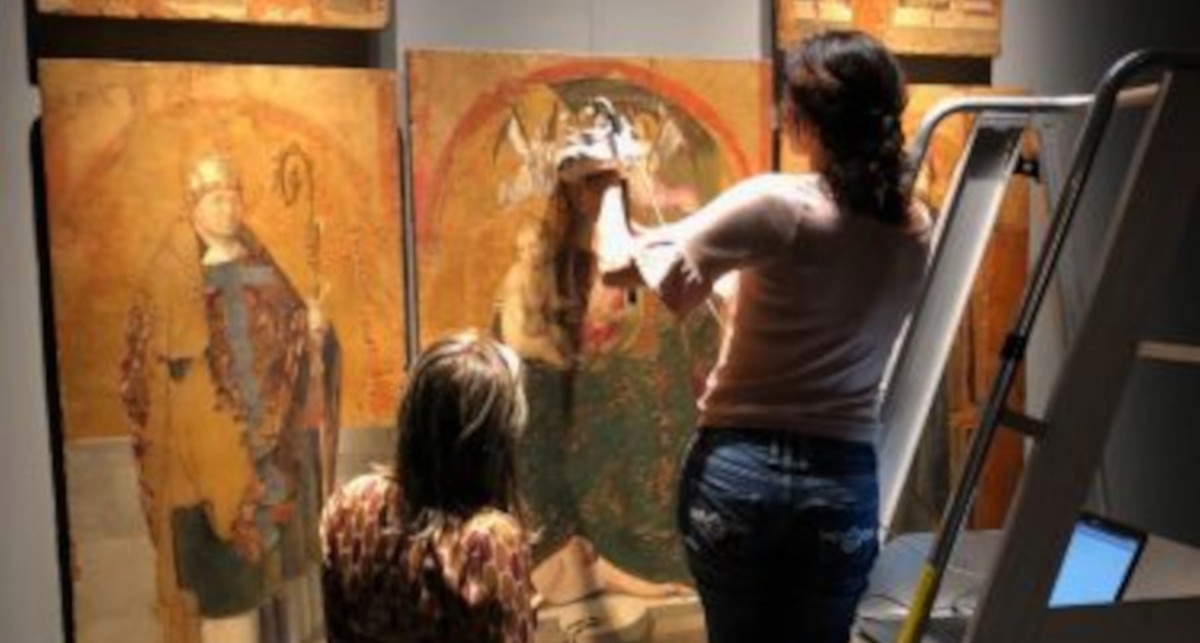 |
| CNR, theft of the "Antonello" from Messina: the 2018 forensic profile could prove invaluable if the artwork is recovered |

Warning: the translation into English of the original Italian article was created using automatic tools. We undertake to review all articles, but we do not guarantee the total absence of inaccuracies in the translation due to the program. You can find the original by clicking on the ITA button. If you find any mistake,please contact us.


























 IT
IT FR
FR DE
DE ES
ES CN
CN


