





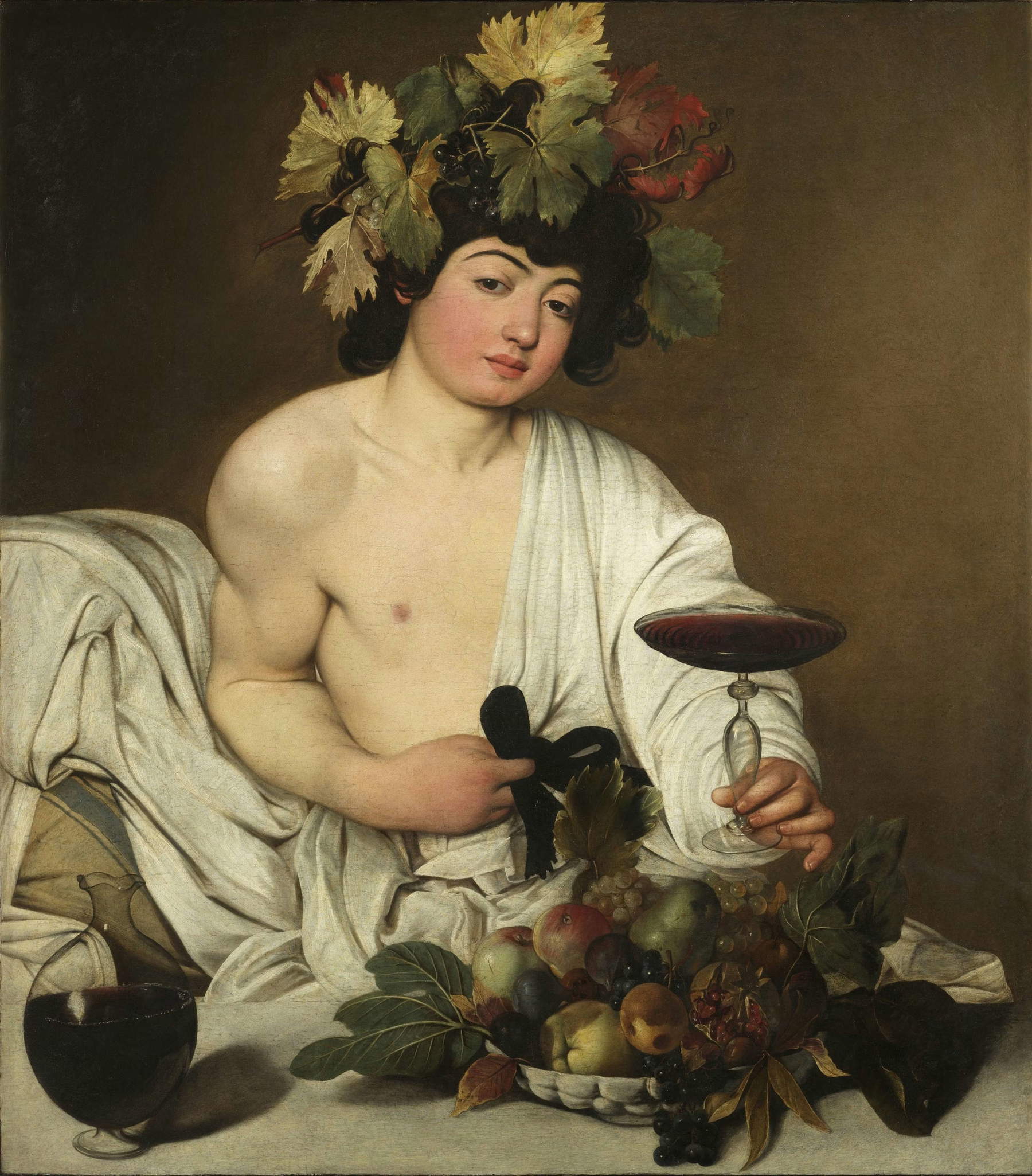
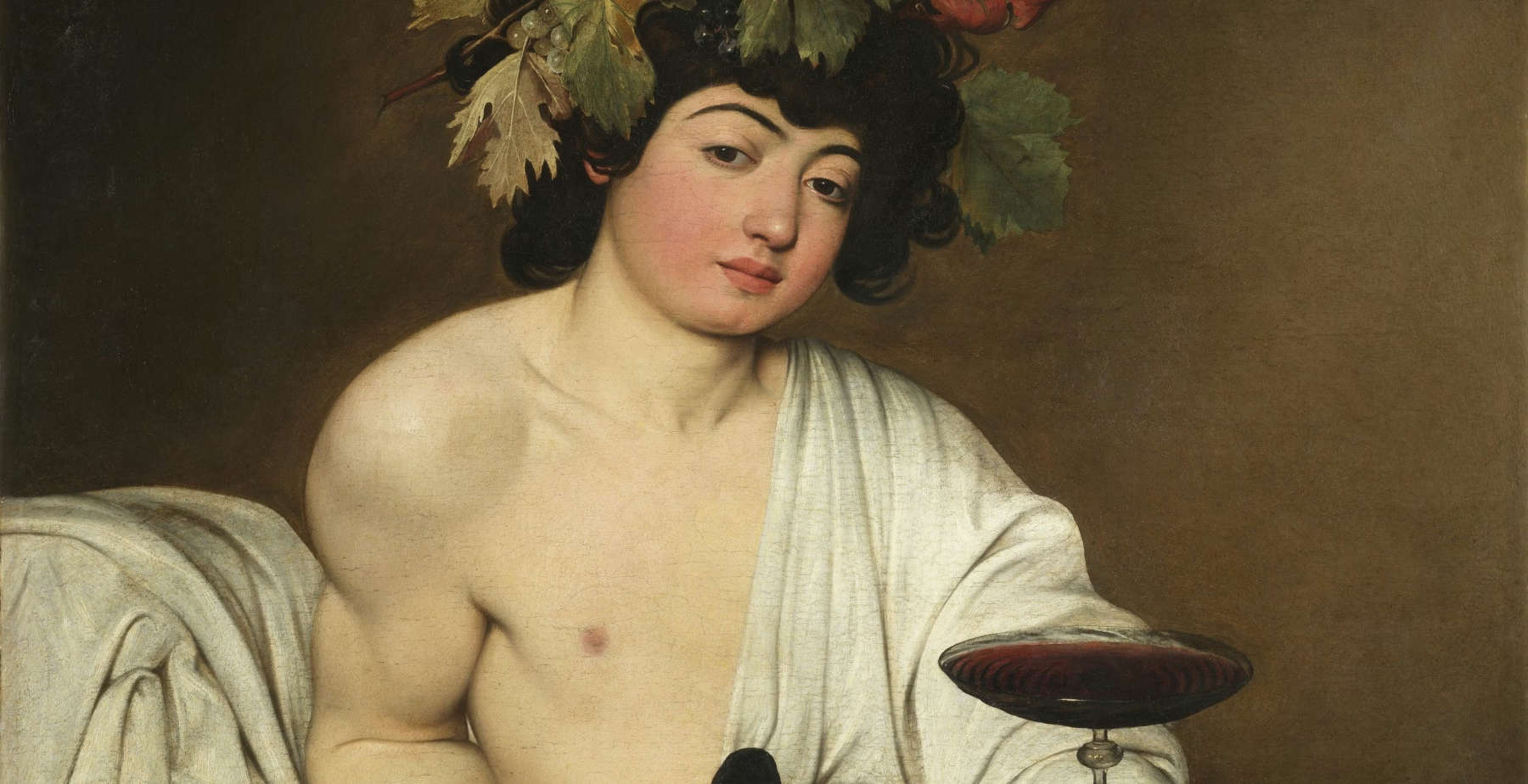
A flash flood struck Florence early this afternoon , with some weather stations recording more than 45 millimeters of rain in one hour. The violent storm also affected the Uffizi Gallery, where water seeped in beneath the skylight in the room housing seven 17th-century paintings, including Caravaggio’s famous “Bacchus.” The water reached the outer glass of the painting’s protective case, wetting it, but inspections carried out by museum technicians revealed no damage to either the *Bacchus* or the other works in the room.
Caravaggio’s painting was in fact located beneath a window frame and, according to a statement from the museum, was not directly exposed to the water. As a precaution, and to allow technicians to carry out all necessary inspections, the room was temporarily closed to the public. Once the inspections were completed, the room was reopened to visitors. The room will be accessible again as usual starting at opening time tomorrow morning, Friday, September 18.
The storm that hit Florence brought particularly heavy rainfall: according to data from the Regional Operations Center, the highest amount was recorded at the Botanical Garden, where 44.6 millimeters of rain fell in the last hour, and at the Boboli Gardens, where the cumulative total reached 45.5 millimeters. By contrast, the amount recorded at the Florence-University station was lower, at 6.8 millimeters.
The rain was accompanied by gusts of wind. At the Boboli Gardens, the strongest gust reached 38.9 kilometers per hour, while at Florence-University, the maximum recorded was 25.6 kilometers per hour. These weather conditions have led to the continuation of a yellow alert for Florence due to the possibility of severe thunderstorms and the risk of hydrogeological and hydraulic hazards affecting the minor drainage network.
The alert will remain in effect tomorrow, Friday, September 18, until 8:00 p.m. The Civil Protection Operations Center of the City of Florence remains open to constantly monitor the evolving weather situation and coordinate any interventions that may become necessary.
The incident at the Uffizi therefore had no impact on the works of art. The temporary removal of *Bacchus*, necessary to assess the condition of the work, was ordered solely as a precautionary measure after water seepage had affected the outer glass of the display case without causing damage to the painting.
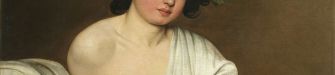
Caravaggio’s *Bacchus* is one of the best-known works in the Uffizi collection and belongs to the early phase of the painter’s Roman career. At the center of the composition is the figure of Bacchus, depicted with an expression of wine-induced daze. The figure has a sculptural quality and evokes models from classical art, particularly the portraits of Antinous. This reference to the ancient tradition is combined, however, with a languid sensuality, which constitutes one of the most characteristic aspects of Caravaggio’s depiction of the god. The history of the painting is closely linked to the early phase of the artist’s career in Rome.
The *Bacchus* was discovered in the Uffizi’s storage in 1913 and was attributed to Caravaggio by art historian Roberto Longhi. The work is now attributed to the painter’s early period, during the time when Caravaggio was in Rome under the patronage of Cardinal Francesco Maria del Monte. It was precisely Cardinal del Monte who was involved in the events that led to the painting’s inclusion in the Medici collections. The Bacchus, along with the Medusa—now identified as Uffizi inventory number 1351 from 1890—was donated by Cardinal del Monte to Ferdinando I de’ Medici on the occasion of the wedding celebrations for his son Cosimo II in 1608. Its entry into the Medici collections thus places the painting within a narrative of patronage, gift-giving, and the prestige of collecting that unfolded in Rome and Florence in the early seventeenth century.
 |
| Flash Flood in Florence, Water Seeps Into the Uffizi: Caravaggio’s “Bacchus” Display Case Gets Wet, No Damage |

Warning: the translation into English of the original Italian article was created using automatic tools. We undertake to review all articles, but we do not guarantee the total absence of inaccuracies in the translation due to the program. You can find the original by clicking on the ITA button. If you find any mistake,please contact us.

















 IT
IT FR
FR DE
DE ES
ES CN
CN


