





Mount Olympus, Greece’s highest peak and a symbol of Greek mythology, has been inscribed on the UNESCO World Heritage List. The designation was approved during the 48th session of the World Heritage Committee, held in Busan, South Korea, from July 19 to 29, during which a total of 25 new sites were added to the list .
Mount Olympus, which rises to 2,918 meters, is located in northern Greece and is characterized by a microclimate shaped by its proximity to the sea and its steep ascent, conditions that have fostered a remarkable variety of environments, climates, and vegetation. According to ancient Greek tradition, this very landscape was the home of the twelve Olympian gods led by Zeus, as well as the Muses and the Graces. Through the poems of Hesiod and Homer, the mountain became one of the main references in Greek and Roman mythology, assuming a central role in the cultural history of Greek civilization. In fact,in the *Odyssey*, Homer describes Olympus as a divine abode characterized by a state of eternal serenity—a place sheltered from atmospheric phenomena and bathed in constant light.
Even in antiquity, however, scholars debated the actual location of the gods’ abode: whether it should be identified with the mountain’s summit or with the sky above it. Some allegorical interpretations, in fact, viewed Olympus as a celestial realm unreachable by humans, while other commentators on Homer believed that the poet was referring specifically to the mountain, described in his verses as lofty and great—characteristics associated with a natural landform.
According to Greek myth, after Zeus’s victory over his father Cronus and the previous generations of gods, the new ruler of the cosmos established his abode on Olympus alongside the other deities. The new generation of gods, comprising figures such as Athena, Apollo, Artemis, Aphrodite, and Hermes, was thus identified as “Olympian,” in reference to the place chosen by Zeus to rule the world. In the Homeric epics, the gods are in fact referred to as those who dwell on Mount Olympus.
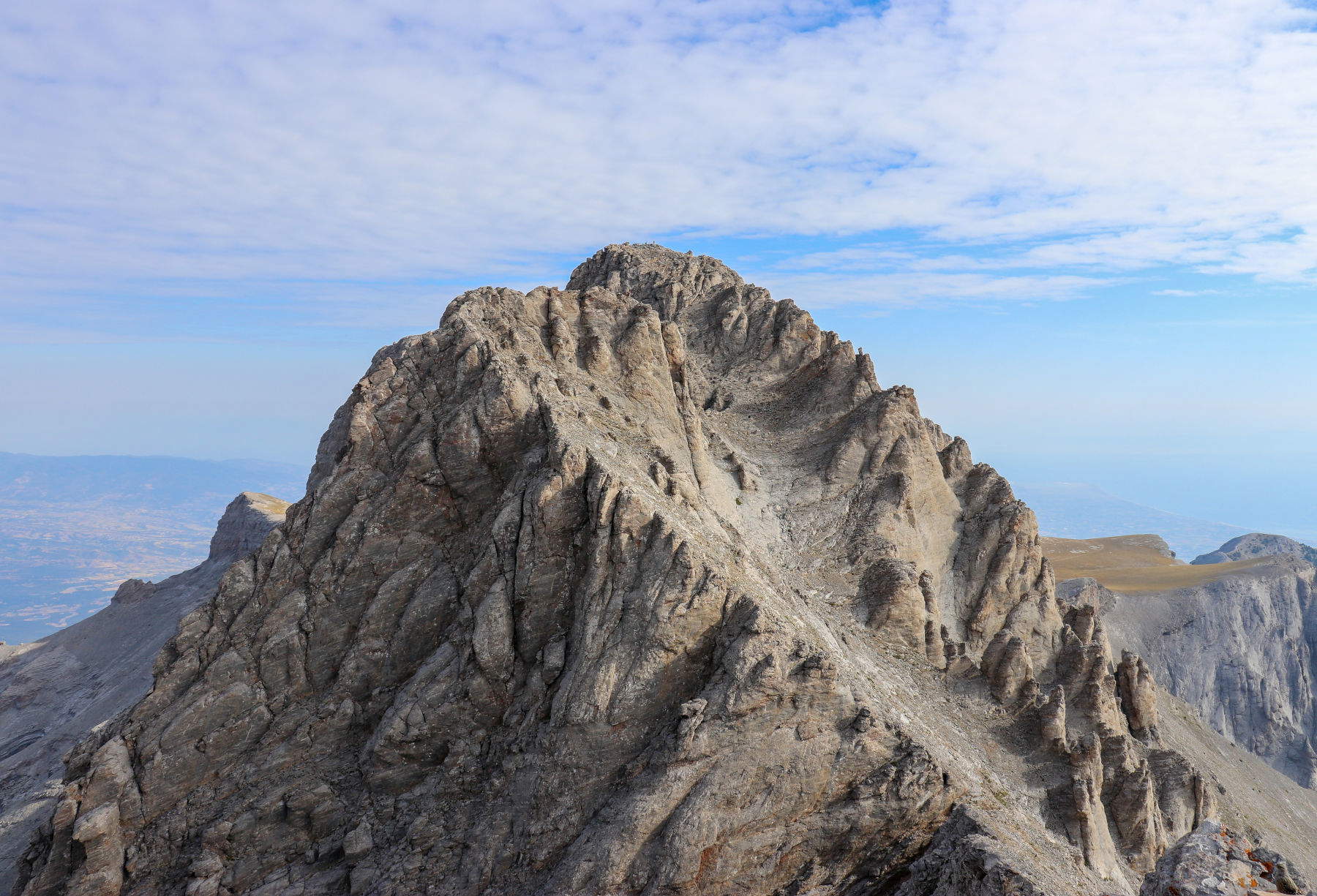
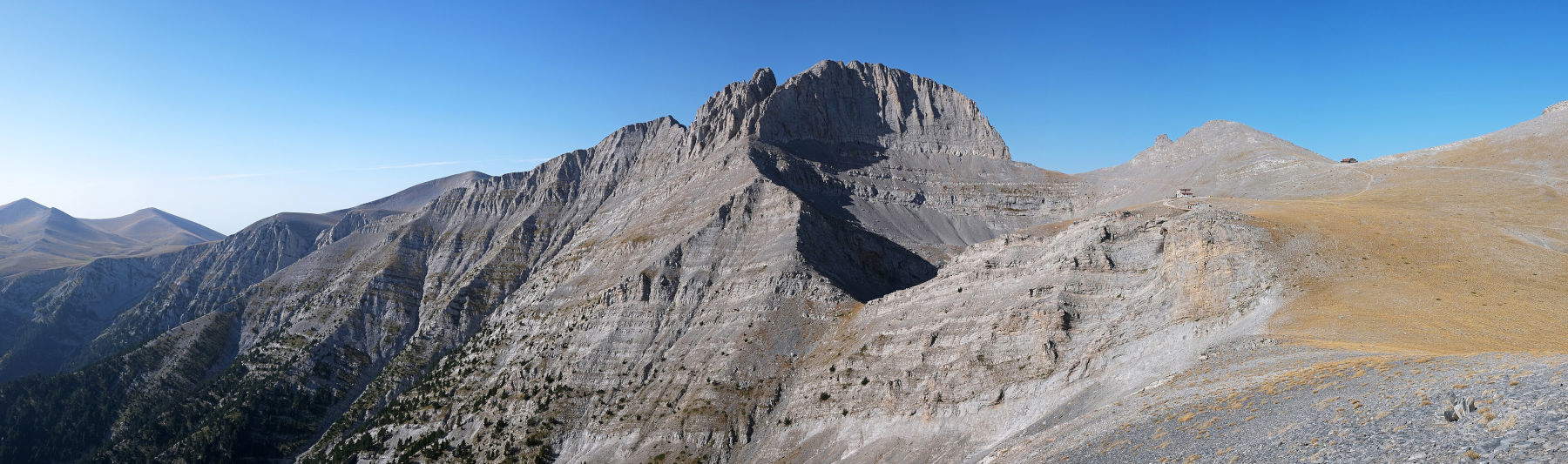
In addition to its symbolic and mythological significance, the site is distinguished by its geological and natural features. The landscape includes glacial cirques, limestone cliffs, karst sinkholes, and olistolith fields, while the ridges of the Mytikas-Stefani range and deep gorges such as that of the Enipeas River bear witness to the area’s ongoing neotectonic activity. Mount Olympus has also served as a glacial refuge for numerous forest species and is today considered one of the most important Mediterranean areas for plant biodiversity and endemic species.
In the supplementary documentation for the 2025 Mount Olympus nomination, ICOMOS (UNESCO’s advisory body for cultural sites) also drew attention to the relationship between Mount Olympus and the ancient city of Dion, located at the foot of the massif. Archaeological research has identified the remains of important ancient settlements in the area, including the sanctuary of Zeus Olympios in Dion, which is considered closely linked to the cult of the mountain. According to the advisory body, Dion served as a sort of gateway to Mount Olympus and is a key element in understanding the cultural significance of the site.
With the inscription of Mount Olympus, Greece expands its presence on the UNESCO World Heritage List. The country already has numerous sites recognized by the organization, to which have been added in recent years the archaeological site of Philippi, inscribed in 2016, the traditional villages of Zagori in the Epirus region, recognized in 2023, and the Minoan palaces on the island of Crete, which were added to the List in 2025.
“The inscription of Mount Olympus on the UNESCO World Heritage List,” states Greek Minister of Culture Lina Mendoni, “confirms Greece’s long-standing commitment to the protection, promotion, and sustainable management of its cultural and natural heritage, in accordance with the principles of the World Heritage Convention. At the same time, it enhances the international visibility of a site that is a timeless symbol of Greek culture, nature, and universal heritage, highlighting the international community’s shared responsibility for its conservation, for the benefit of present and future generations. The inscription uniquely encapsulates the indissoluble unity of our cultural and natural heritage. Mount Olympus is the mountain that, through the Homeric epics and ancient Greek literature, has carried Greek mythology and civilization throughout the world. It remains the eternal symbol of the abode of the Olympian gods and of a multidimensional and “dramatic” landscape that inspires awe and respect and continues to nourish thought, art, science, and global cultural creation. The descriptions of Mount Olympus in Homer’s works— polyptychos, for its many peaks; Macros, which towers imposingly over the horizon; Nifois, for its snow-capped peaks; and Polydeiras, for its numerous gorges—these were the starting points for this timeless inspiration. The image of Mount Olympus, as captured by Homer’s poetic genius nearly three thousand years ago, remains unchanged to this day, evoking the same sense of admiration and respect in the modern visitor. Heartfelt thanks to the Permanent Representative of Greece to UNESCO, Giorgos Koumoutsakos, for his constant and substantial support throughout the process, to the officials of the Ministry of Environment and Energy, as well as to the Directorate of Prehistoric and Classical Antiquities and the Pieria Antiquities Superintendency of the Ministry of Culture. Their scientific expertise, dedication, and excellent cooperation have led to the achievement of our shared goal of inscription—a significant success that makes us all proud.”
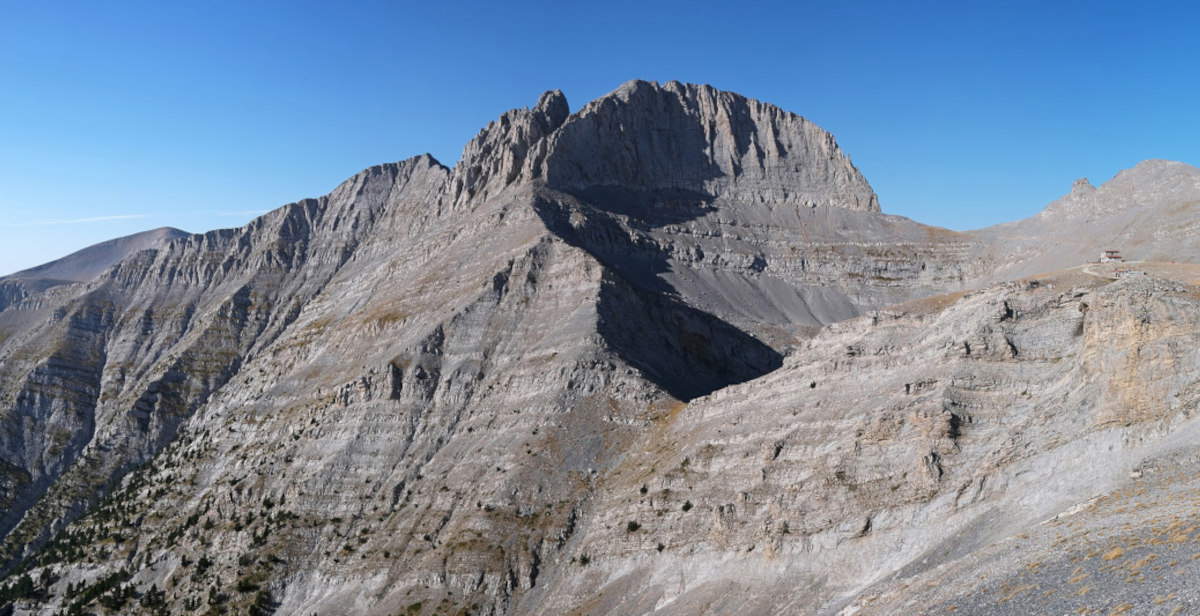 |
| Greece: Mount Olympus is Designated a UNESCO World Heritage Site |

Warning: the translation into English of the original Italian article was created using automatic tools. We undertake to review all articles, but we do not guarantee the total absence of inaccuracies in the translation due to the program. You can find the original by clicking on the ITA button. If you find any mistake,please contact us.



























 IT
IT FR
FR DE
DE ES
ES CN
CN


