




by Redazione 26/07/2026



Categories: News / Disclaimer
Italy has a new site on the UNESCO World Heritage List: the Italian-style community theaters. The World Heritage Committee has recognized the universal value of the system of 18th- and 19th-century community theaters in central Italy. This recognition brings the total number of Italian sites inscribed on the UNESCO List to 62.


The system of 18th- and 19th-century Italian-style community theatersin central Italy has been officially designated a UNESCO World Heritage Site. The decision was made by the World Heritage Committee during its 48th session, held in Busan, South Korea, from July 19 to 29, 2026, with the inscription of the new property on the World Heritage List. This recognition marks another important milestone for Italy’s cultural heritage, bringing the total number of sites on the UNESCO List to 62 and consolidating Italy’s leading position in terms of the number of sites recognized worldwide.

At the heart of the nomination is not a single building, but a widespread cultural system that illustrates a particular model of theatrical creation, management, and participation that developed primarily in central Italy between the 18th and 19th centuries. Italian-style community theaters are, in fact, a unique phenomenon in the history of architecture and the performing arts, born out of the direct participation of local communities, which were involved in the ownership, organization, and use of these theatrical spaces. Unlike other types of theaters established at the initiative of royal courts, public authorities, or large institutions, these venues were built and administered through a form of collective participation. Citizens, families, and community representatives contributed to the construction of the buildings and shared in their management, transforming the theater into a central element of the social and cultural life of these regions.


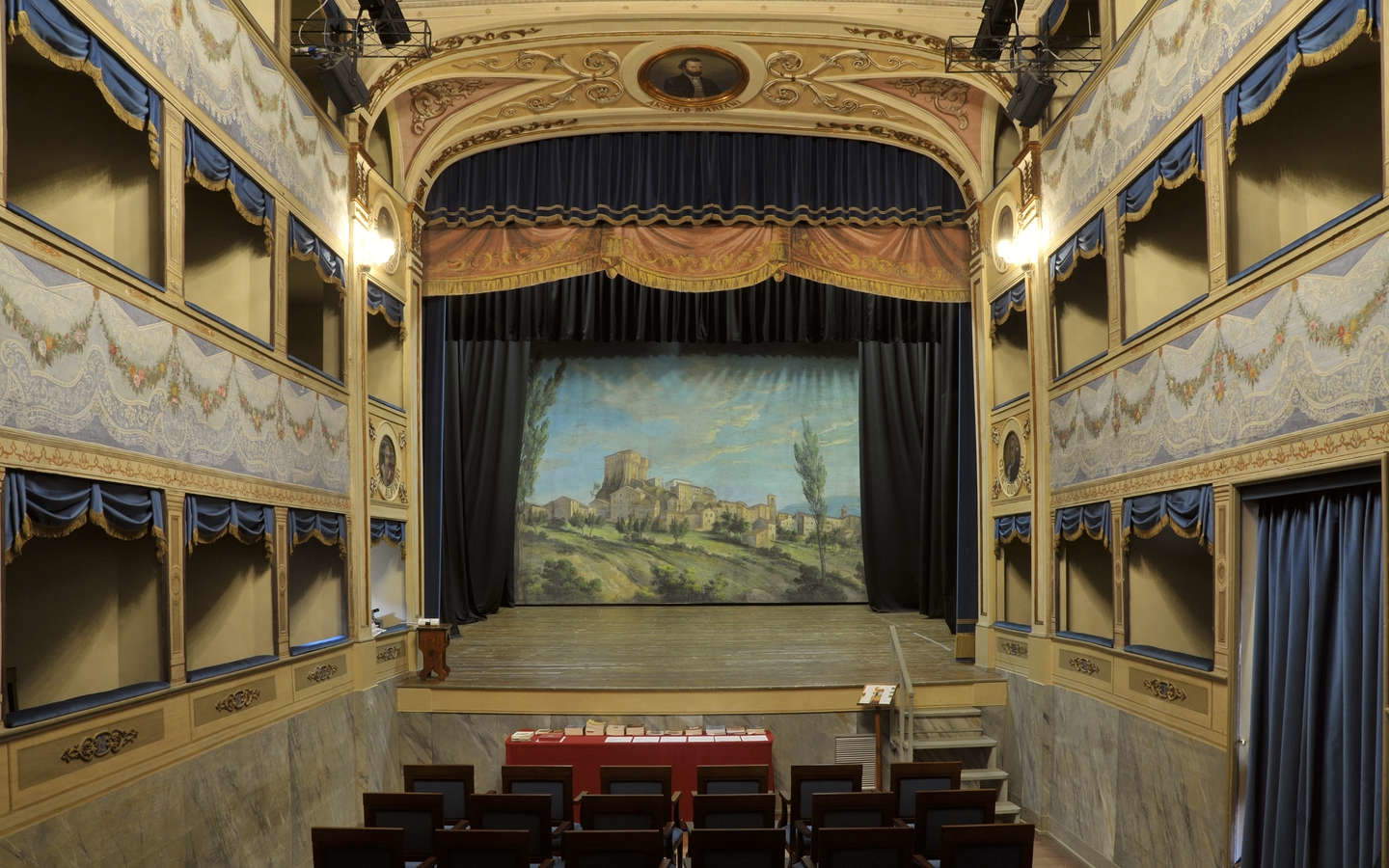
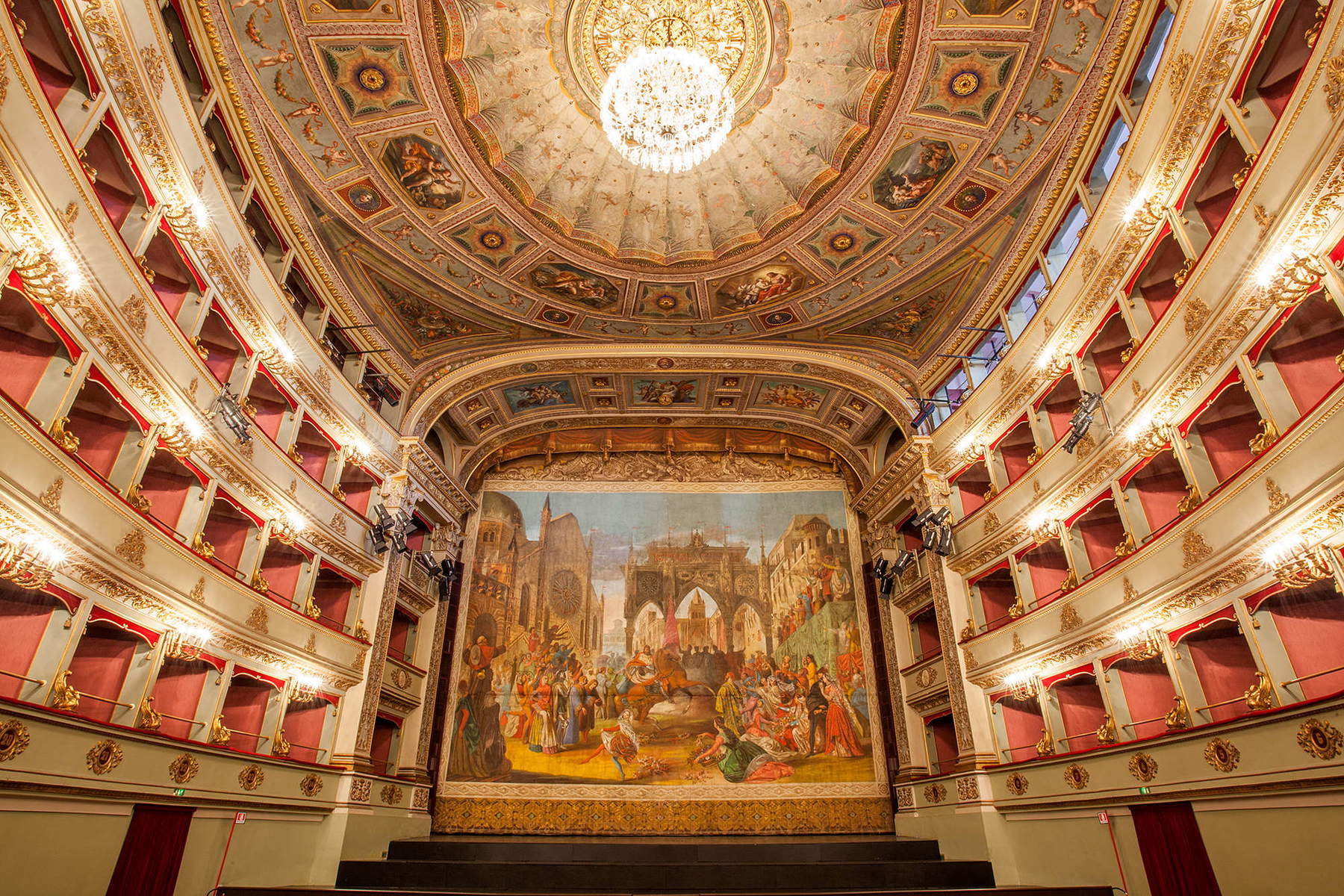
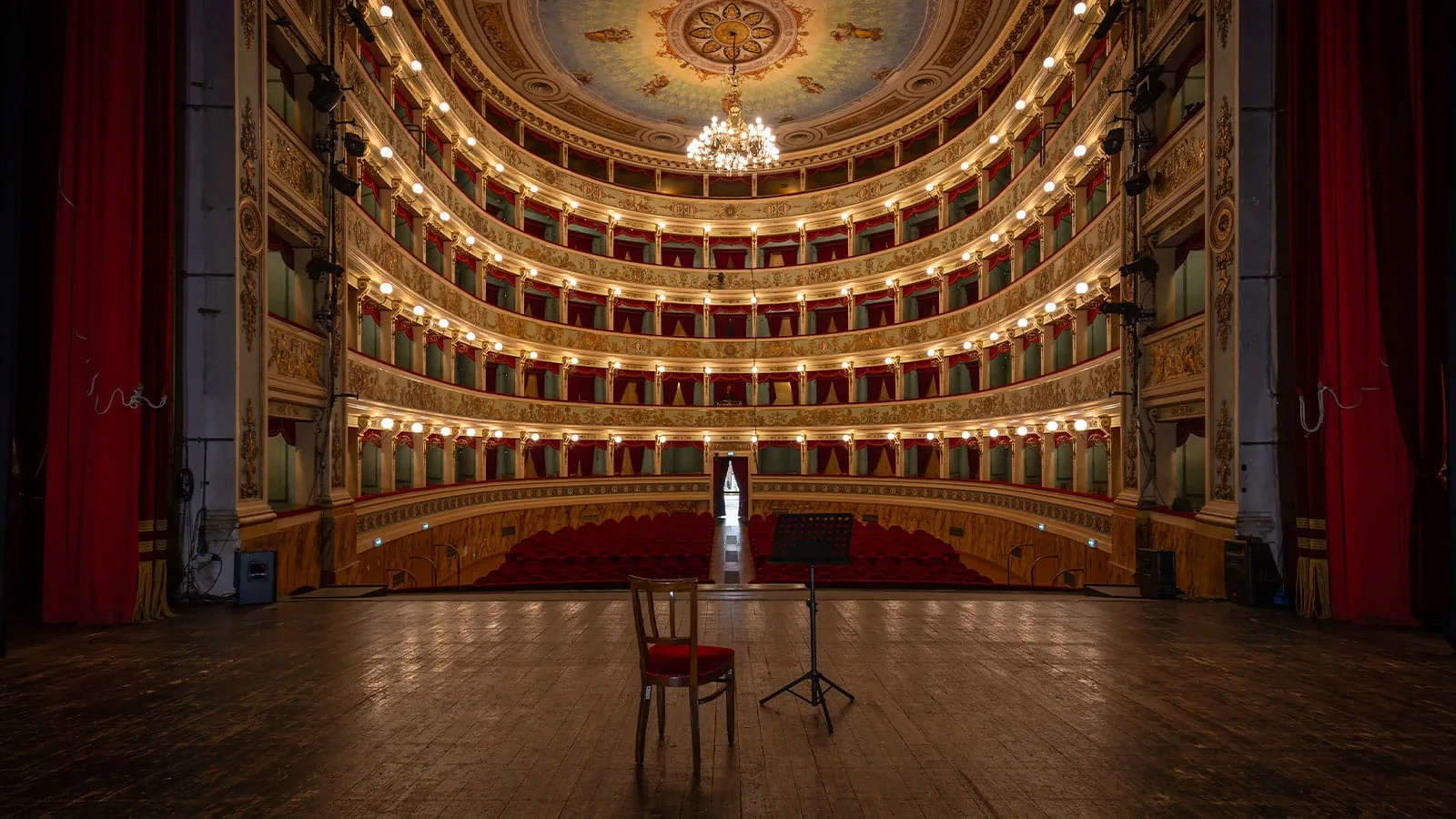
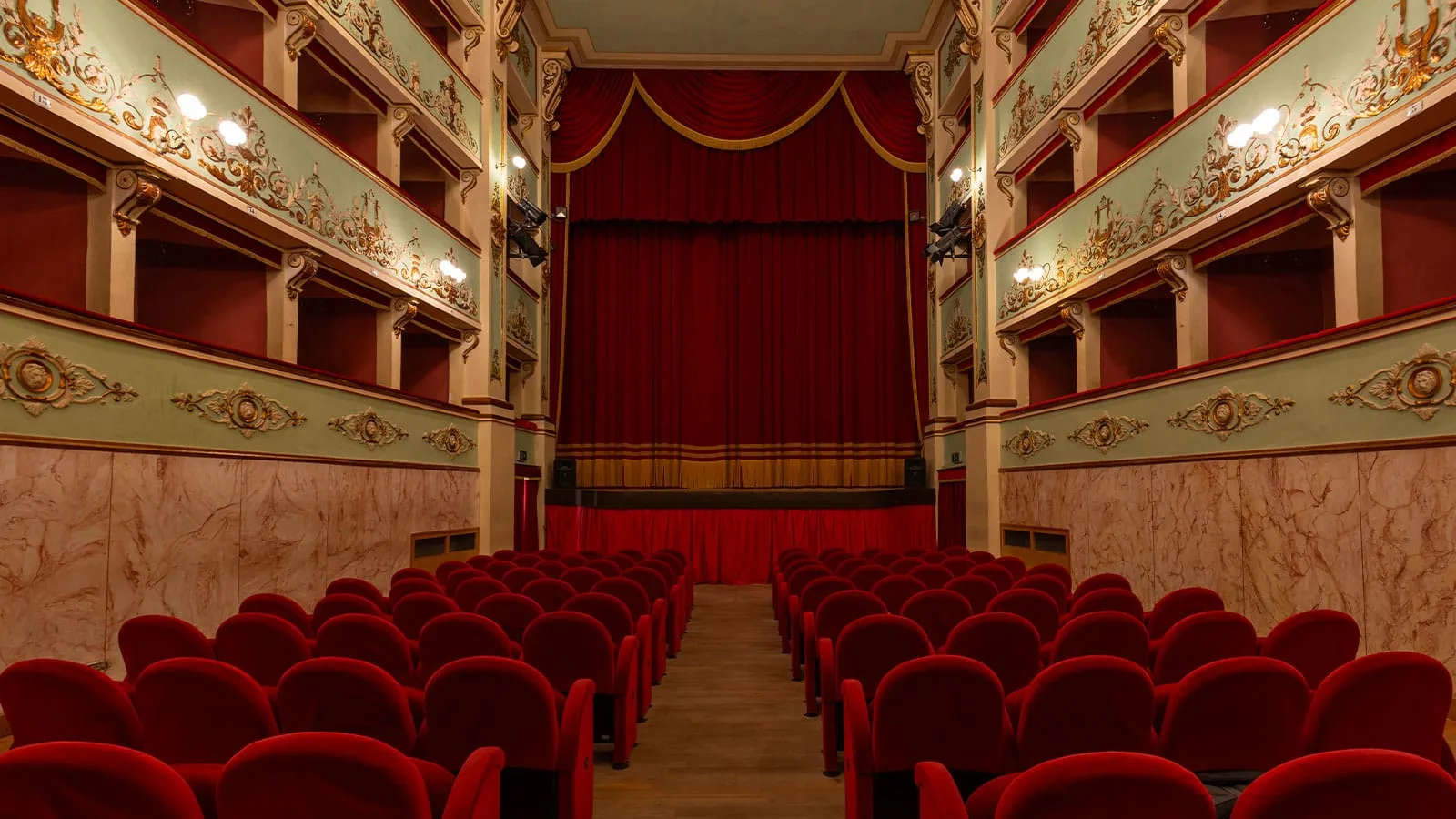
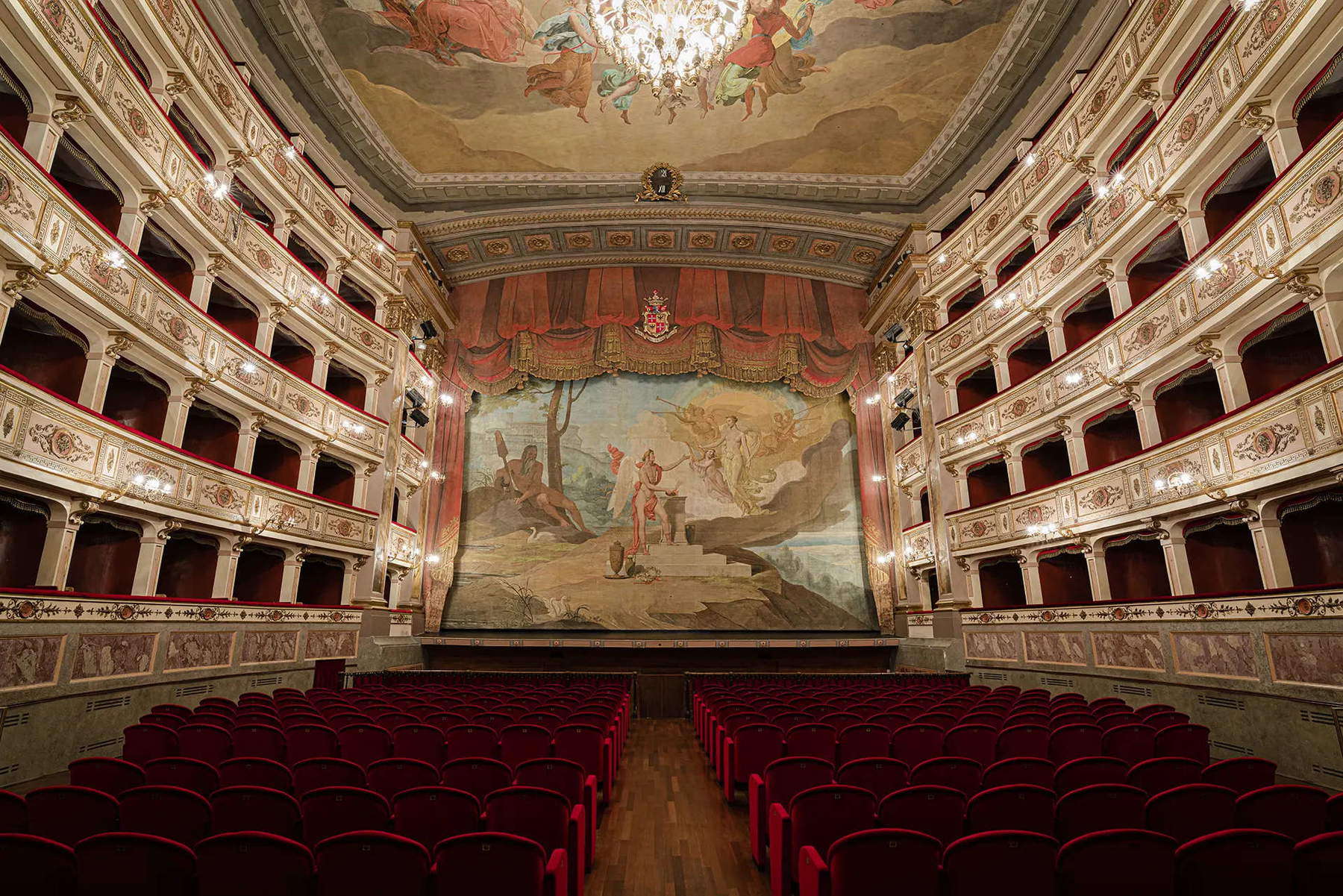
It is precisely this connection between architecture, the performing arts, and the community that has led to their recognition by UNESCO as having universal value. These community-owned theaters stand as a testament to the ability of local communities to create autonomous cultural infrastructures capable of promoting music, opera, theater, and various forms of live performance even in the small towns and villages of central Italy.

The recognized heritage includes buildings characterized by high architectural quality, often featuring elegant boxed auditoriums and decorative elements of particular value, but above all, it preserves a civic tradition in which the theater has become a symbol of identity, a gathering place, and a point of reference for entire generations.
The nomination was promoted by the Marche Region, with coordination and technical-scientific support from the Ministry of Culture through the Directorate General for European and International Affairs and the UNESCO Service. The Regions of Umbria and Emilia-Romagna also participated in the process, along with numerous local authorities—starting with the municipalities involved—and local organizations in central Italy, where the phenomenon of community-owned theaters has been most widespread. An important contribution also came from the Ministry of Foreign Affairs and International Cooperation, which managed relations with UNESCO as part of the nomination process.
The system recognized by UNESCO includes the Angelo Mariani Theater in Sant’Agata Feltria (Rimini), the Pergolesi Theater in Jesi (Ancona), the Ventidio Basso Theater in Ascoli Piceno, the Serpente Aureo Theater in Offida (Ascoli Piceno), the Teatro dell’Aquila in Fermo, the Teatro Lauro Rossi in Macerata, the Teatro Feronia in San Severino Marche (Macerata), the Teatro Gentile da Fabriano in Fabriano (Ancona), the Teatro Bramante in Urbania (Pesaro-Urbino), the Teatro Nuovo Gian Carlo Menotti in Spoleto (Perugia).
The inscription on the World Heritage List was welcomed with satisfaction by the institutions involved, which emphasized the cultural and social significance of the recognition.
“We welcome with pride and satisfaction the decision by the UNESCO World Heritage Committee to inscribe the community theaters of central Italy on the World Heritage List,” stated Minister of Culture Alessandro Giuli. “This recognition celebrates the exceptional universal value of these architectural gems, which, for over two centuries, have been vital centers of cultural enjoyment, identity, and social cohesion for the communities that cherish them. The community-owned theaters represent a cultural infrastructure of excellence in Italy, which, in an innovative way, has allowed generations of citizens in the villages and small towns of central Italy to enjoy opera, classical music, and other forms of live performance. Their inscription on the World Heritage List recognizes the initiative promoted by the President of the Marche Region, Francesco Acquaroli, in collaboration with the Ministry of Culture, which will support the entire national network of community theaters in the enhancement process launched with the UNESCO nomination.”
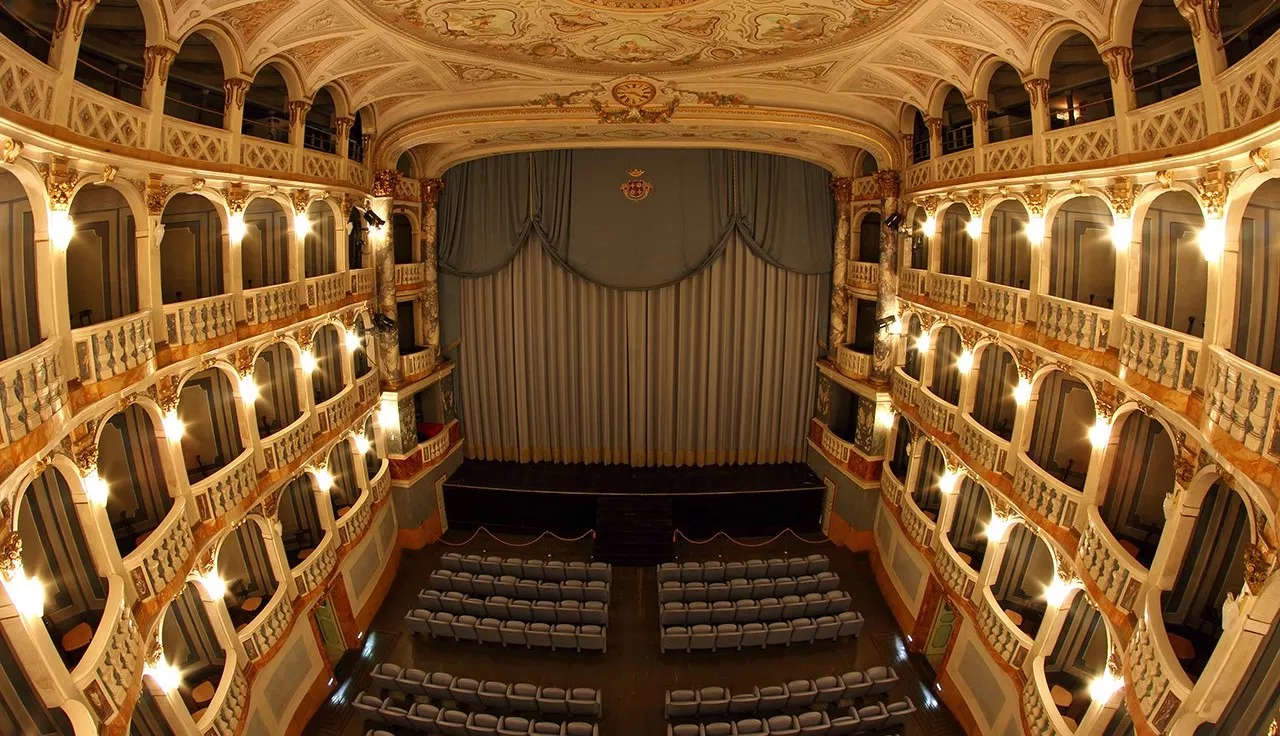
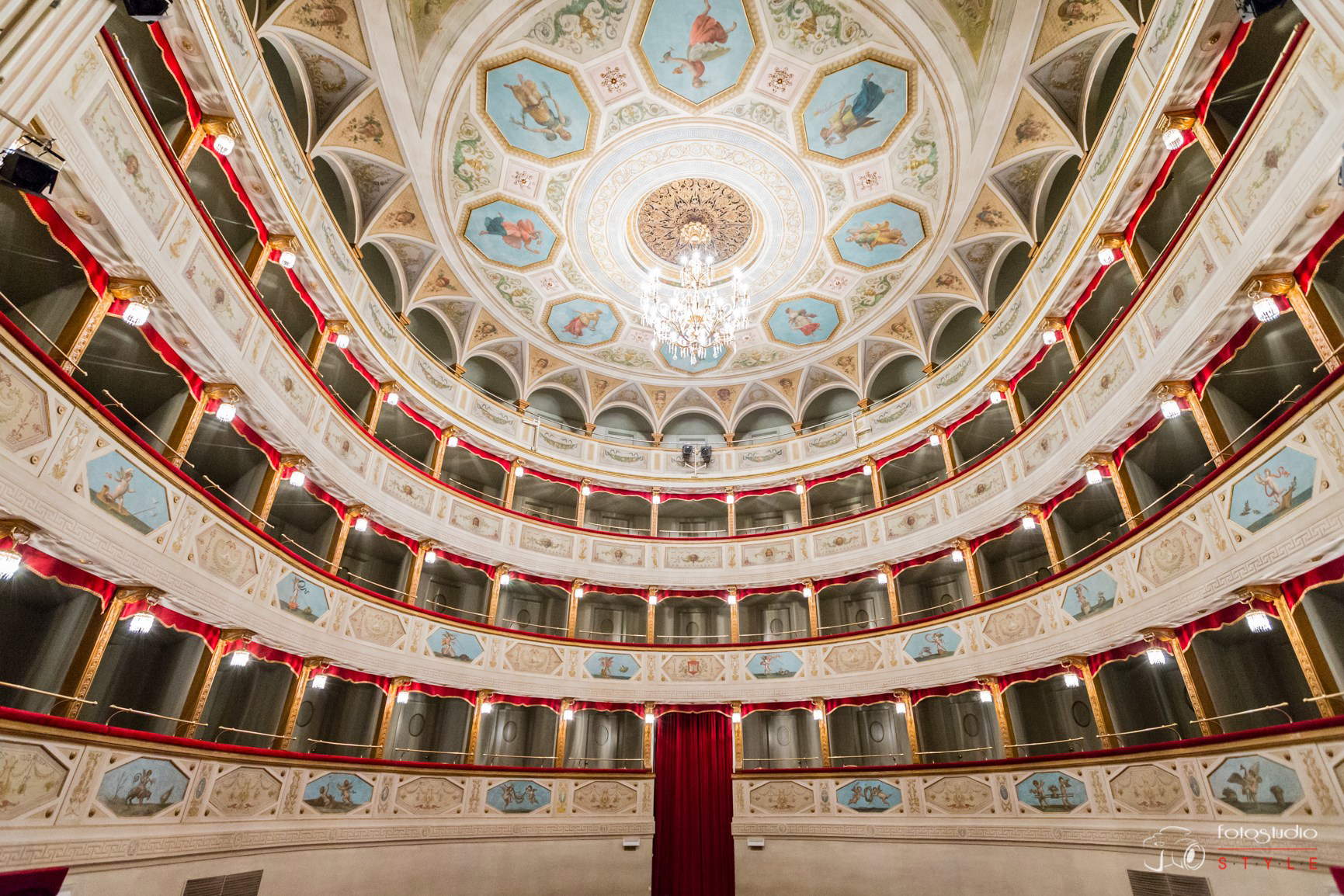
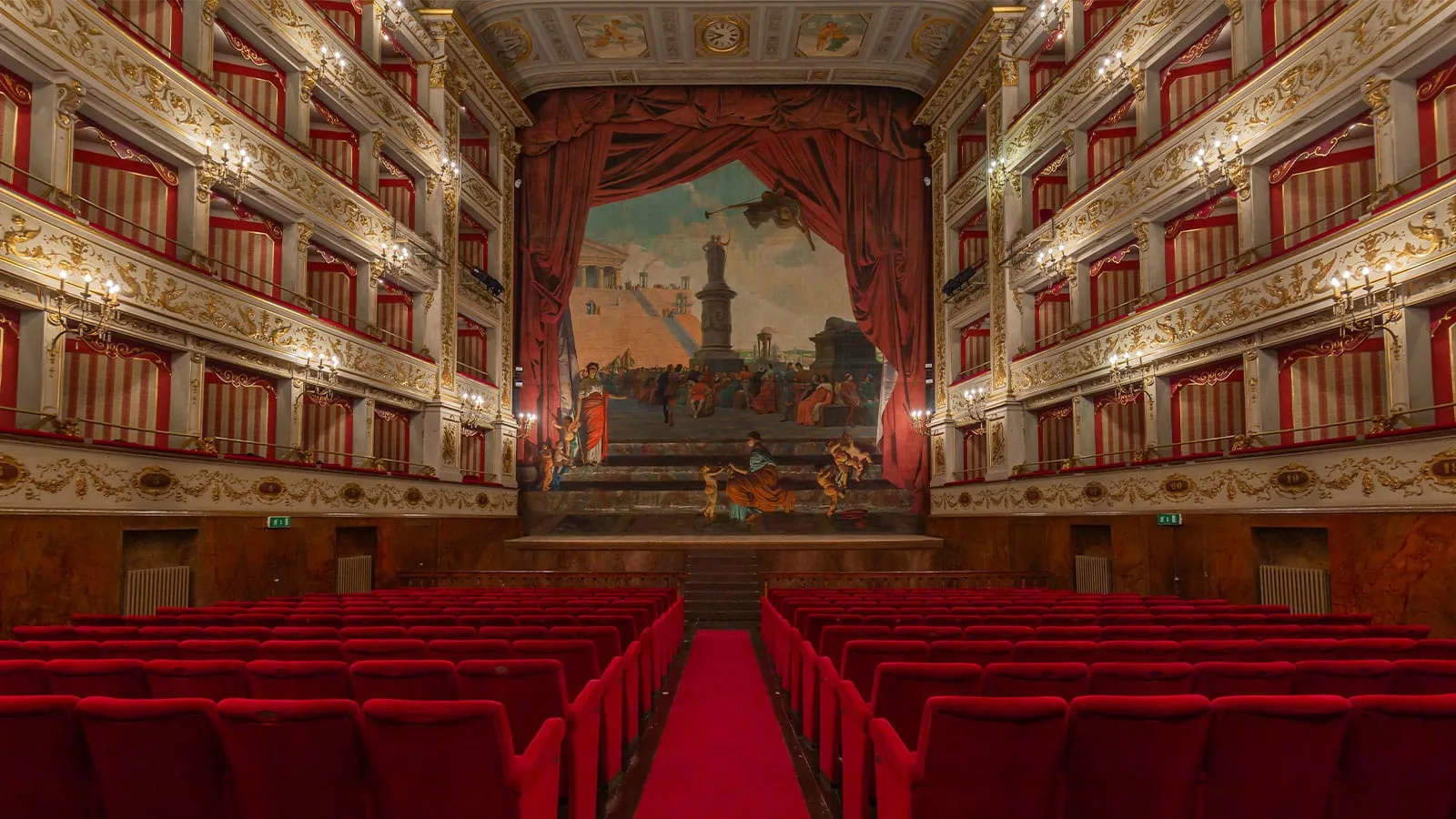
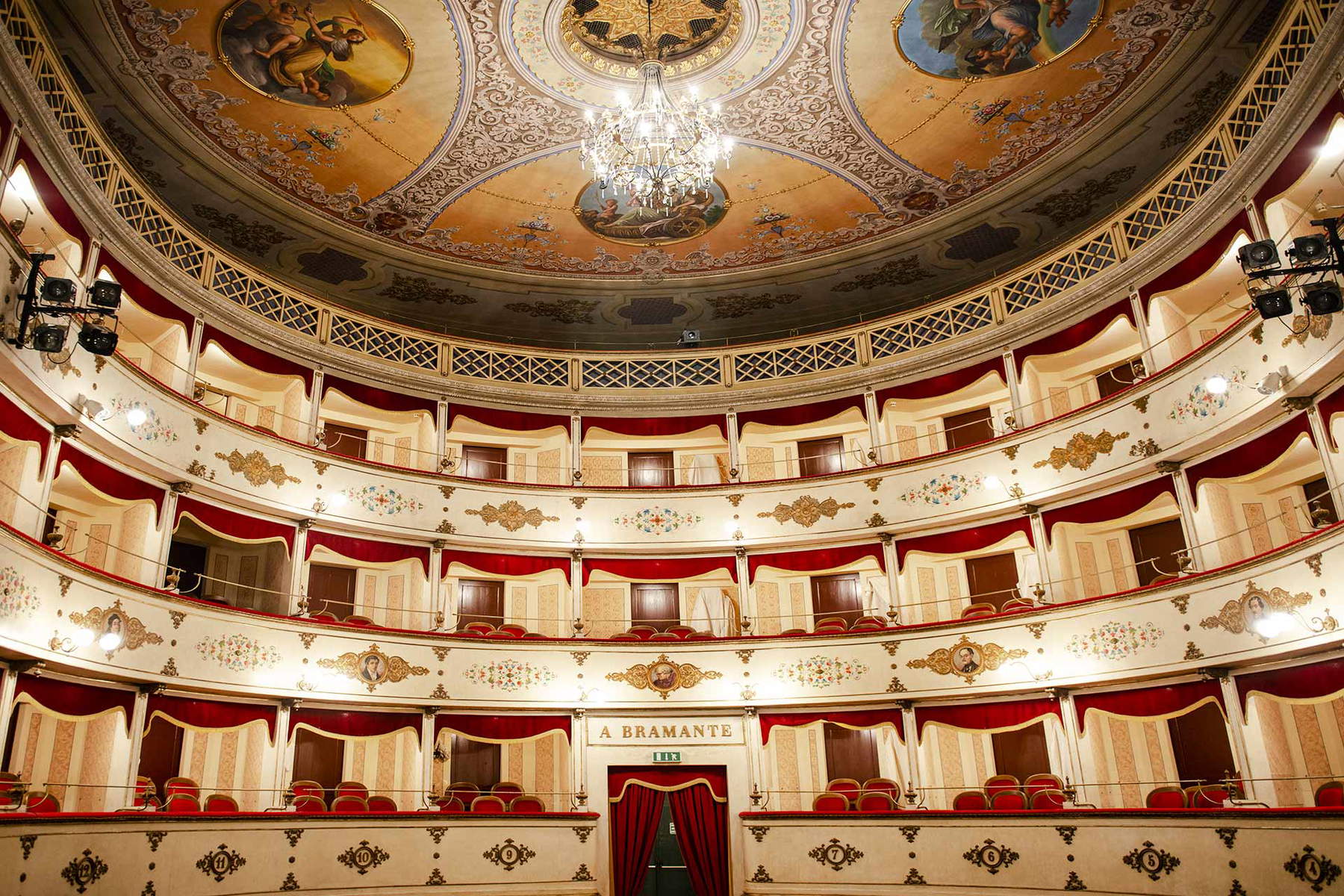
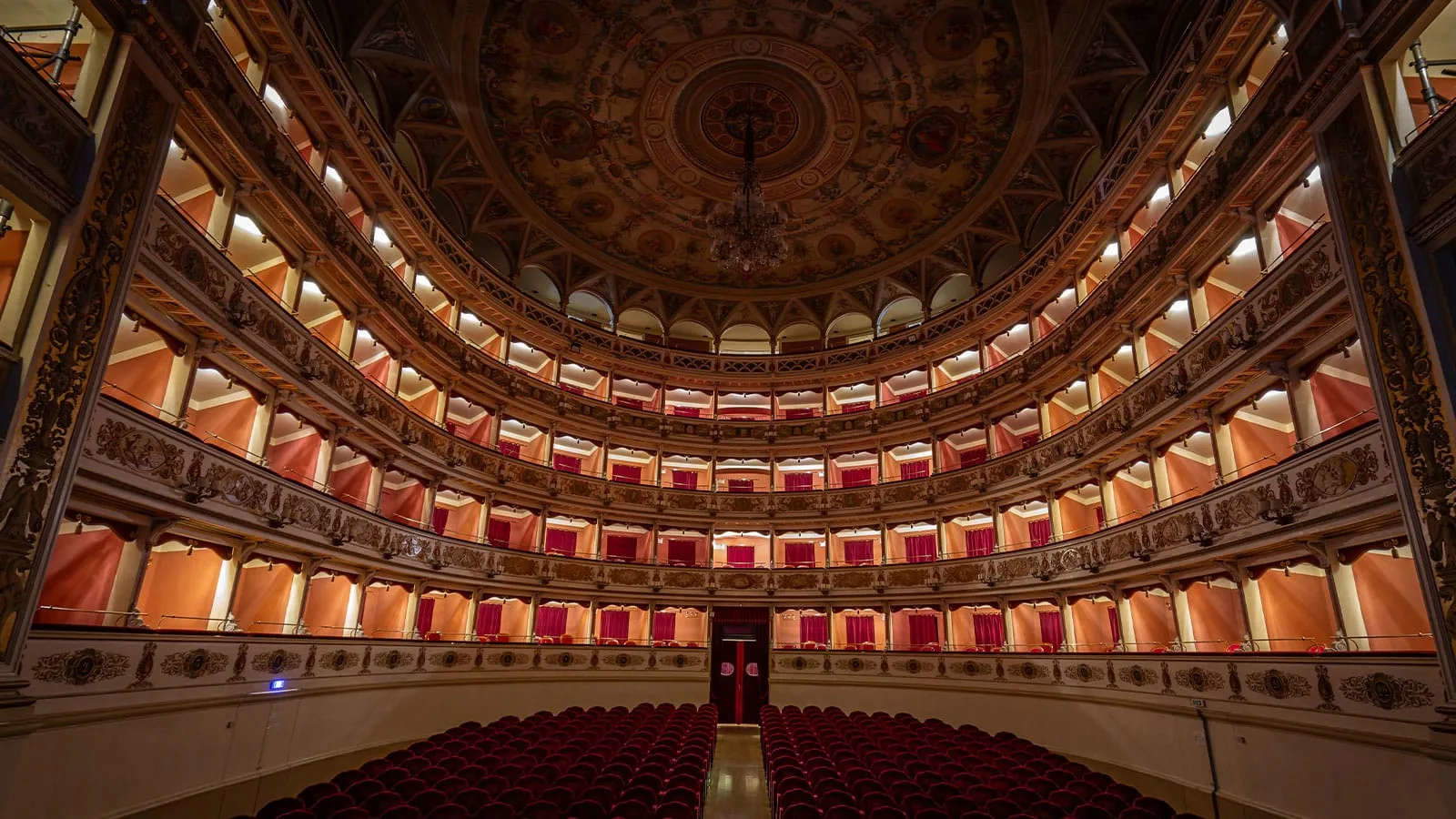
Each of these buildings tells a specific story, but they all share the same cultural model: that of a community that sees the theater not only as a venue for performances, but as a collective space for growth, dialogue, and the building of local identity.
The Angelo Mariani Theater in Sant’Agata Feltria, Italy’s oldest theater built entirely of wood (dating back to 1605), stands as a significant testament to the spread of the condominium model in small historic towns. The other theaters in the Marche region—such as the Pergolesi in Jesi, the Ventidio Basso in Ascoli Piceno, the Serpente Aureo in Offida, and the Teatro dell’Aquila in Fermo—bear witness to the extraordinary cultural vitality achieved by the region’s cities and villages between the 18th and 19th centuries. The Teatro Lauro Rossi in Macerata, the Teatro Feronia in San Severino Marche, the Teatro Gentile in Fabriano, and the Teatro Bramante in Urbania are also examples of theatrical architecture in which the elegance of the spaces is intertwined with the institution’s social function. Rounding out the network is the Teatro Nuovo Gian Carlo Menotti in Spoleto, representative of the Umbrian theatrical tradition.
This recognition comes at a time when the promotion of small towns and dispersed cultural heritage is playing an increasingly important role in national and international cultural policies. The network of community theaters demonstrates, in fact, that even places far from major cultural hubs can preserve treasures of universal value, capable of recounting the social and artistic history of a region.
|
| Italian-style community theaters are designated as a UNESCO World Heritage Site |
Warning: the translation into English of the original Italian article was created using automatic tools. We undertake to review all articles, but we do not guarantee the total absence of inaccuracies in the translation due to the program. You can find the original by clicking on the ITA button. If you find any mistake,please contact us.