



by Redazione 22/11/2026


Categories: News / Disclaimer
"In Minor Keys," the 61st Venice Biennale, conceived by Koyo Kouoh and brought to life by her team, has come to a close. In an edition that was three weeks shorter than usual, it drew 714,015 visitors, the highest number of national participations ever, and an audience in which a quarter were under the age of 26. All the numbers for the 2026 Venice Biennale.
The 61stedition of the Venice BiennaleInternational Art Exhibition came to a close today , and to bid farewell to the public, the curatorial team quoted a phrase from curator Koyo Kouoh, who passed away before the opening: “People are more important than things.” The exhibition, titled *In Minor Keys*, had been conceived by Kouoh, but following her passing, it was brought to life by her team—Gabe Beckhurst Feijoo, Siddhartha Mitter, Marie Hélène Pereira, Rasha Salti, and Rory Tsapayi—along with the entire Biennale. And people did, in fact, come: 714,015 visitors, including 29,387 during the preview days ( in 2024, there were 699,304 total visitors and 27,966 attendees during the preview). There were 100 national participations, the highest number in the event’s history.
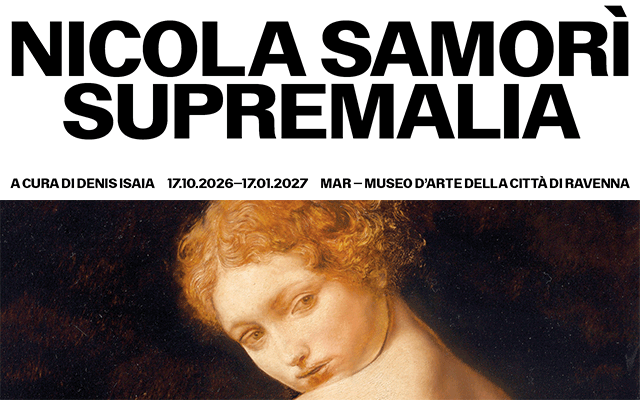
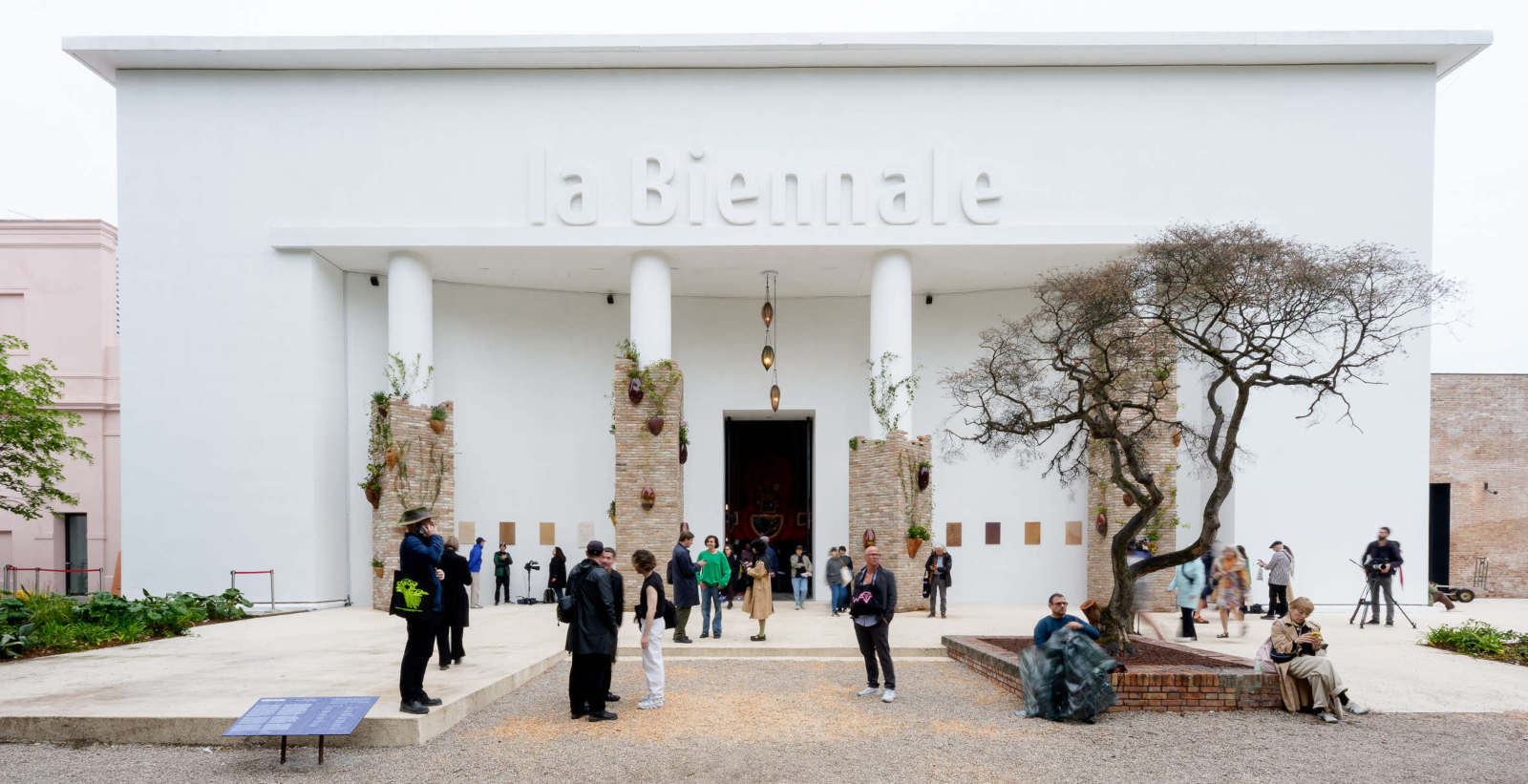
This achievement is even more significant when one considers that this edition lasted three weeks less than previous ones. The exhibition opened to the public only on Saturday, May 9 (rather than in mid-April as usual), to allow for renovation work on the Central Pavilion at the Giardini, funded by the Ministry of Culture with funds from the “Grandi Attrattori” program of the National Plan complementary to the PNRR. The average was 3,732 visitors per day the exhibition was open. The final ten days were dedicated to debates, conferences, roundtables, and performances at the Arsenale.


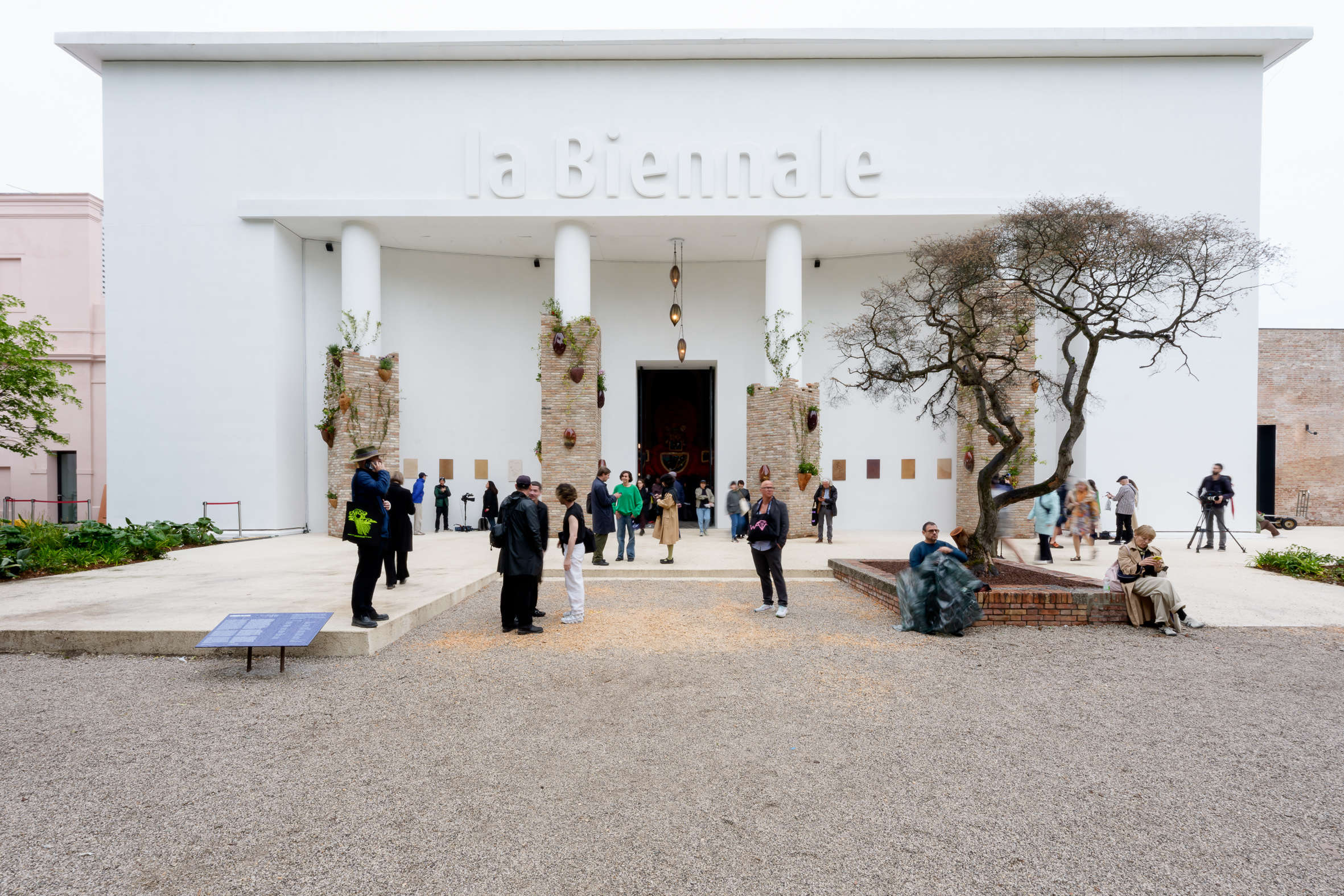
The president of the Biennale, Pietrangelo Buttafuoco, paid tribute to the curator in his closing remarks: “Koyo Kouoh’s exhibition was a feast for the eyes, just as she had imagined it. It took shape thanks to the dedication of her team and the entire Venice Biennale, which, in bringing it to life, sought to honor *In Minor Keys*, her statement that has become her spiritual testament.” Buttafuoco spoke of an edition “so rich in events and complex developments—so deeply rooted in the harsh realities of the world,” in which “the importance of sowing knowledge and rediscovering inner listening emerged with great force.” And he concluded: “This was Koyo’s wish. This was his Biennale.”

The curatorial team also recalled the idea from which the exhibition had sprung; “In keeping with his life’s work, Koyo Kouoh had envisioned *In Minor Keys* as a convergence of practices that manifest not only through extraordinary works of art but also in the work of life itself: research, imagination, hospitality, shared thought, and the sharing of life.” The curators thanked the artists, performers, writers, lenders, supporters, and the public, and concluded with a promise: “The work continues, with love.”
The International Exhibition brought together 109 artists, alongside two special projects. At the Applied Arts Pavilion, in collaboration with the Victoria and Albert Museum in London, an exhibition by Gala Porras Kim was presented. At Forte Marghera, Fabrice Aragno, Uriel Orlow, and Temitayo Ogunbiyi exhibited their work. The program also included 19 performances and eight conferences, debates, and roundtables. There were 31 collateral events.
The 100 national participations were spread throughout the city: 29 in the historic pavilions of the Giardini, 25 at the Arsenale—including Italy’s—and 46 in the historic center. Seven countries participated for the first time: Guinea, Equatorial Guinea, Nauru, Qatar, Sierra Leone, Somalia, and Vietnam. El Salvador, which had previously participated as part of the IILA, had its own pavilion for the first time.
Perhaps the most significant statistic concerns the age of the audience. Over 161,560 visitors were under the age of 26, accounting for 24% of the total. Organized groups totaled 90,509 people, accounting for 14% of the total, and approximately 68% of these groups consisted of high school and college students. Educational activities and guided tours involved 73,264 people, divided into 4,792 groups—a 2% increase compared to 2024. A total of 960 schools participated: 51 preschools, 167 elementary schools, 62 middle schools, and 680 high schools. A total of 6,038 teachers participated in the exhibition activities, while 2,559 attended the previews organized specifically for them—a 16% increase compared to 2024. To transport students to the exhibition venues, the Biennale organized 228 bus trips and 236 vaporetto trips, carrying over 34,000 students on round-trip journeys.
Guided tours attracted 38,682 adults: 25,515 in organized groups and 13,167 on scheduled tours or family-friendly tours. Group visits increased by 13% compared to 2024. The “Accessible Biennale” project, which offers free, personalized tours to people with special needs, accompanied 2,192 visitors in 134 groups, with 32 dedicated vaporetto trips. Tours were available in fourteen languages, including Armenian, Albanian, and Modern Greek, as well as in Italian Sign Language, with 43 qualified guides from twelve countries. Along the route, thirty young college graduates—the so-called “living catalogs”—provided visitors with information about the exhibition’s content.
The Biennale Sessions project has also grown significantly; for sixteen years, it has been bringing groups of students and faculty from universities, fine arts academies, and research institutes to the exhibition. This year, 103 institutions from 19 countries participated—a 36% increase compared to 2024—along with 4,102 students, a 37% increase. The participating universities organized 59 seminars within the Biennale’s venues. After Italy, the countries with the most participants were Germany, with eight universities; the United Kingdom, with six; and Australia, with five. Through school-to-work training programs, 157 students from seven high schools in Venice, Mirano, Valdagno, Conegliano, Treviso, and Milan were involved.
Media attention was also significant. During the pre-opening days alone, 3,831 journalists were accredited—2,725 from abroad and 1,106 from Italy—and the press coverage included more than 5,500 articles, in addition to television and radio reports. The Biennale’s website had 1.3 million active users and 6.7 million page views, with over 70% coming from smartphones. On social media, content related to the 2026 Art Biennale garnered approximately 144.9 million views and 1.7 million interactions. Instagram accounted for the lion’s share, with approximately 82 million views compared to 61.5 million in 2024, and the official profile surpassed one million followers. As of November 15, 3,655 catalogs in English and 964 in Italian had been sold, in addition to 23,695 short guides in English and 6,819 in Italian.
Among the official visitors were 12 heads of state and prime ministers, 52 ministers and deputy ministers, and 58 ambassadors. The Biennale’s Historical Archive acquired 377 volumes for the Book Pavilion Project and recorded 1,212 visits to the library by students and scholars. The exhibition’s exclusive partner was Bvlgari, with illycaffè as the main sponsor and American Express, Bloomberg Philanthropies, Vela - Venezia Unica, and Quattro Gatti Gin as sponsors, and Rai as the media partner.
 |
| Koyo Kouoh's Biennale Closes With 714,000 Visitors |
Warning: the translation into English of the original Italian article was created using automatic tools. We undertake to review all articles, but we do not guarantee the total absence of inaccuracies in the translation due to the program. You can find the original by clicking on the ITA button. If you find any mistake,please contact us.