





La Conocchia, one of Naples’ largest and most significant historic complexes, which has long been in a state of neglect, will not end up in the hands of the private buyer who won it at auction. The Ministry of Culture has, in fact, exercised its right of first refusal as provided for by the Code of Cultural Heritage and Landscape, acquiring the property at the same price set in the judicial auction. The measure was adopted by decree of the Director General of Archaeology, Fine Arts, and Landscape, based on the preliminary investigation conducted by the Superintendence of Archaeology, Fine Arts, and Landscape for the City of Naples. This step thus returns the complex to state ownership and ushers in a completely new phase: that of defining its future. The building’s future use has not yet been determined: discussions are underway between the Ministry and local institutions to identify functions that are compatible with the historical and artistic value of the Conocchia and, at the same time, capable of returning the complex to the city.
The stated goal is to make the restoration not merely a conservation effort, but an opportunity for reuse. Restoration, repurposing, and management must therefore proceed hand in hand, through a process that is expected to involve the City of Naples, the Campania Region, and—according to the Ministry’s proposal—private entities as well.
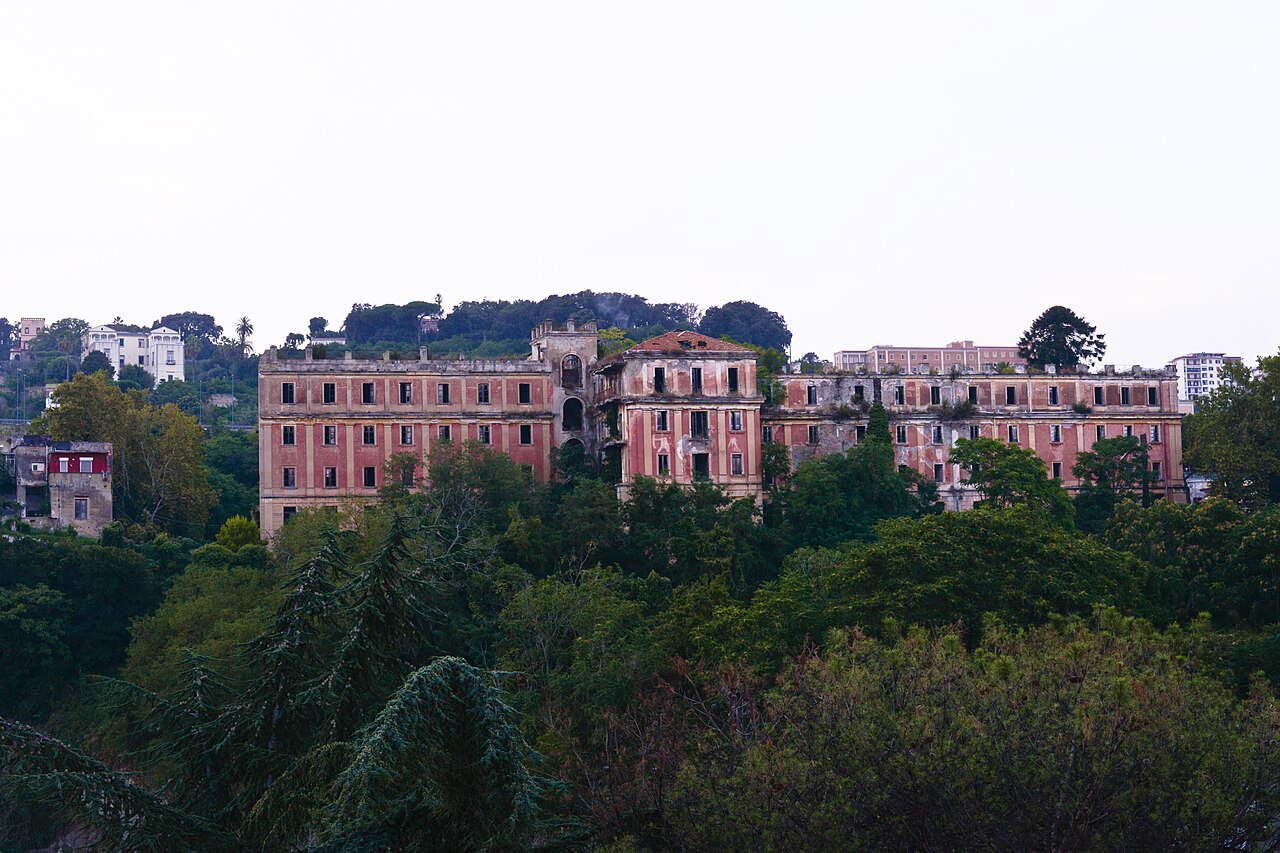
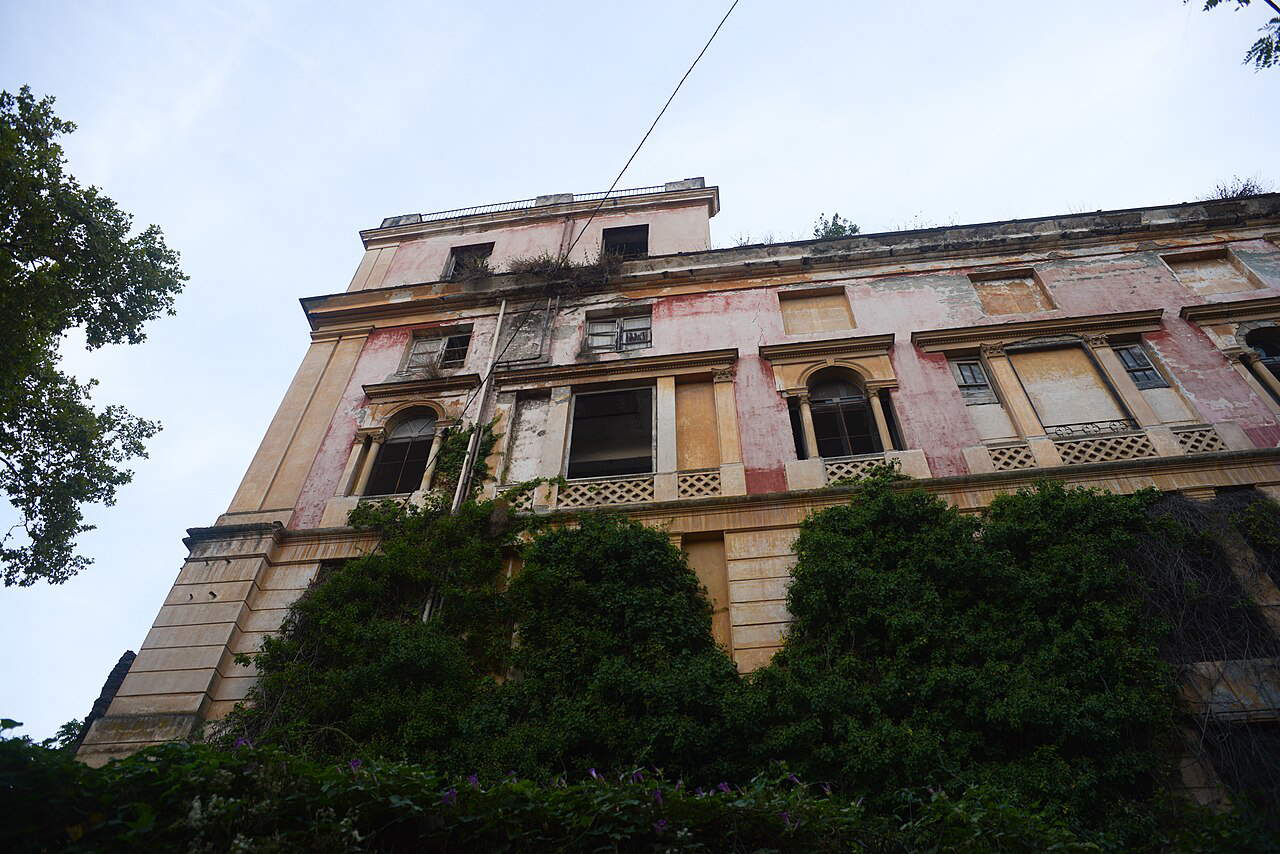
The Conocchia case has reached this stage following a period marked by the judicial sale of the property. However, the existence of a preservation order allowed the State to intervene: the complex had, in fact, been recognized as being of particularly significant historical and artistic interest by a decree dated April 22, 1995. It was precisely the sale of a property subject to preservation restrictions that enabled the Ministry to exercise its right of first refusal, allowing it to acquire the property at the auction price.
The decision is particularly significant given the building’s own history. La Conocchia, formerly known as the Pontano boarding school, has been part of various phases in the city’s history, serving different functions over time. Originally built in the 18th century as a residence for students of the Collegio del Salvatore boarding school in Naples, after the Jesuits were expelled from Naples in 1860 at the behest of Giuseppe Garibaldi, the Conocchia complex first became a hospital for the treatment of infectious diseases (due to its isolated location within the city), then a boarding school again starting in 1886, affiliated with the Pontano Institute, then a school, and finally, beginning in the 1980s, it was closed and abandoned.
It is precisely this layered history that is at the heart of the project announced by the Ministry. The idea is that the restoration should not be limited to the physical rehabilitation of the building, but that its reopening should result in a space accessible to the community, dedicated to cultural, social, and educational activities. “Ensuring that the Conocchia remains part of the public heritage was a priority,” stated Minister of Culture Alessandro Giuli, who described the building as “a monumental complex of extraordinary architectural and historical significance.” According to Giuli, the property must be “returned to the community as an open space,” with the goal of identifying uses that meet the community’s needs.
The most important question at this point, however, concerns precisely what those functions will be. The Ministry specifies that an agreement is currently being finalized with local institutions to identify shared uses that are compatible with the building’s historical and artistic value. The decisions made at this stage will therefore also guide subsequent restoration and enhancement projects, and this is by no means a minor step, since for large monumental buildings, the issue of preservation is inseparable from that of use: restoration can restore a historic complex’s legibility and integrity, but its actual survival over time also depends on the ability to identify a sustainable function consistent with the building’s architectural characteristics.
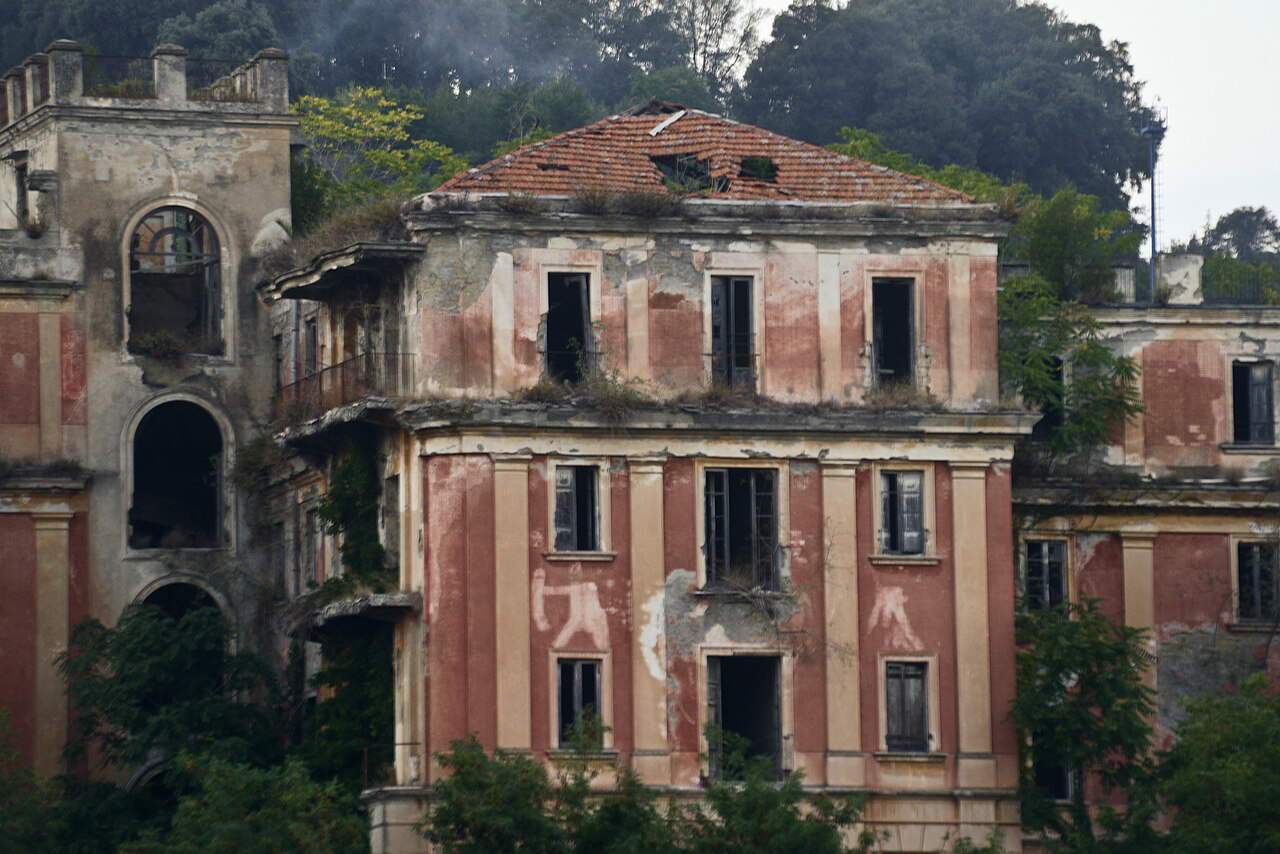
The approach outlined by the Ministry is therefore one of shared management. The idea is to bring together local public institutions and private entities, seeking a balance between heritage preservation and the city’s needs. The model cited is the one already tested in the restoration of the Real Albergo dei Poveri, another large Neapolitan monumental complex undergoing a process of redevelopment and repurposing. For the Conocchia, this marks the beginning of a phase that, at least in theory, should start with a thorough understanding of the building and lead to the development of a long-term plan. Before determining how to physically intervene on the complex, it will be necessary to decide what it should become, what activities it can host, and how it can once again become part of the city’s life. The right of first refusal prevented the Conocchia from leaving public ownership, but now the more complex issue remains: transforming this acquisition into an effective restoration project and opening it up to the community.
|
| La Conocchia Reopens to the Public: The Ministry of Culture Acquires the Former Pontano Boarding School in Naples |

Warning: the translation into English of the original Italian article was created using automatic tools. We undertake to review all articles, but we do not guarantee the total absence of inaccuracies in the translation due to the program. You can find the original by clicking on the ITA button. If you find any mistake,please contact us.



























 IT
IT FR
FR DE
DE ES
ES CN
CN


