



by Redazione 04/11/2026


Categories: News / Disclaimer
Not an art exhibition, but a permanent forum for discussion on tangible and intangible heritage. The preparatory event for the future Naples Biennale has concluded at the Girolamini: the results will be presented to the UNESCO Executive Board in April 2027.

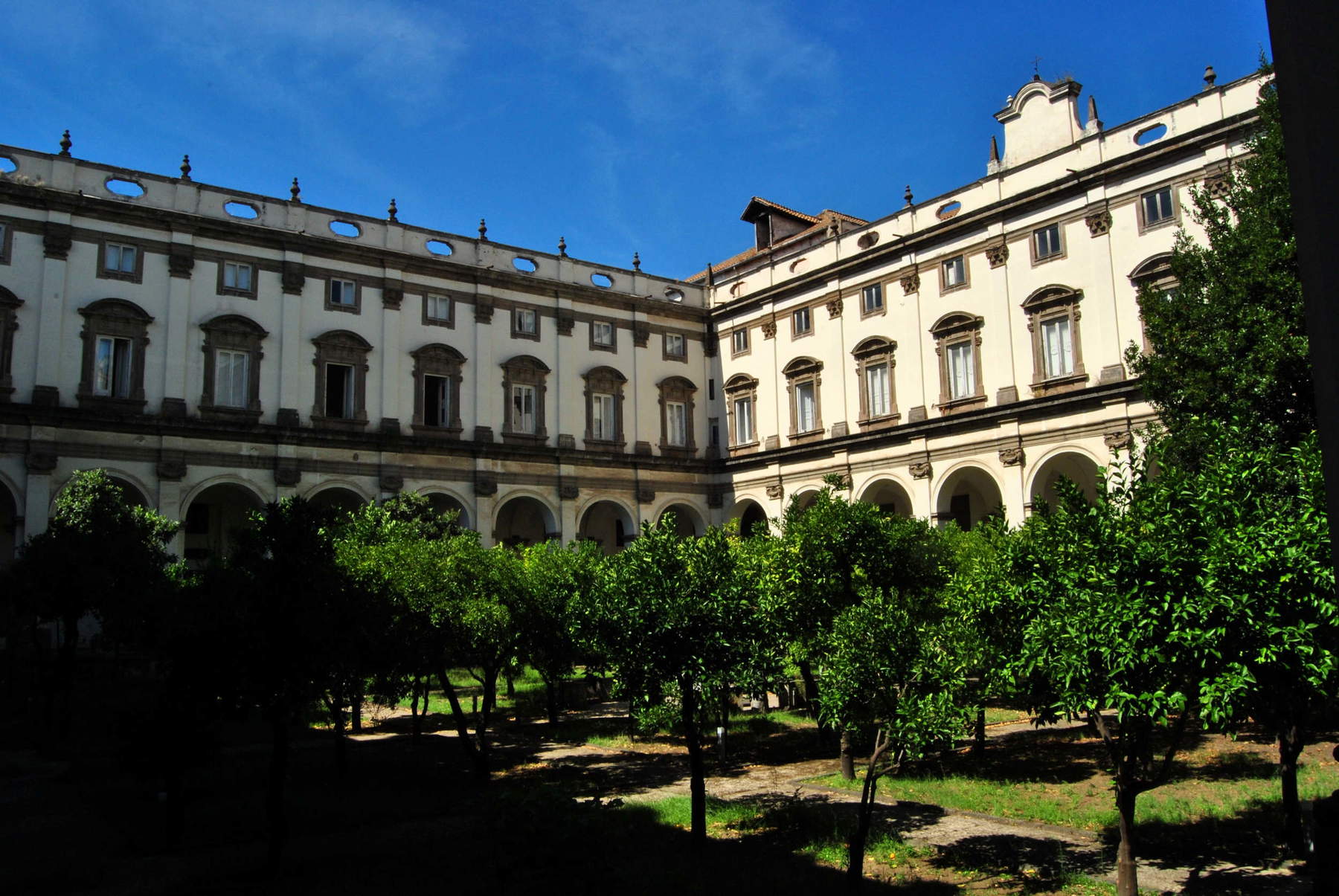
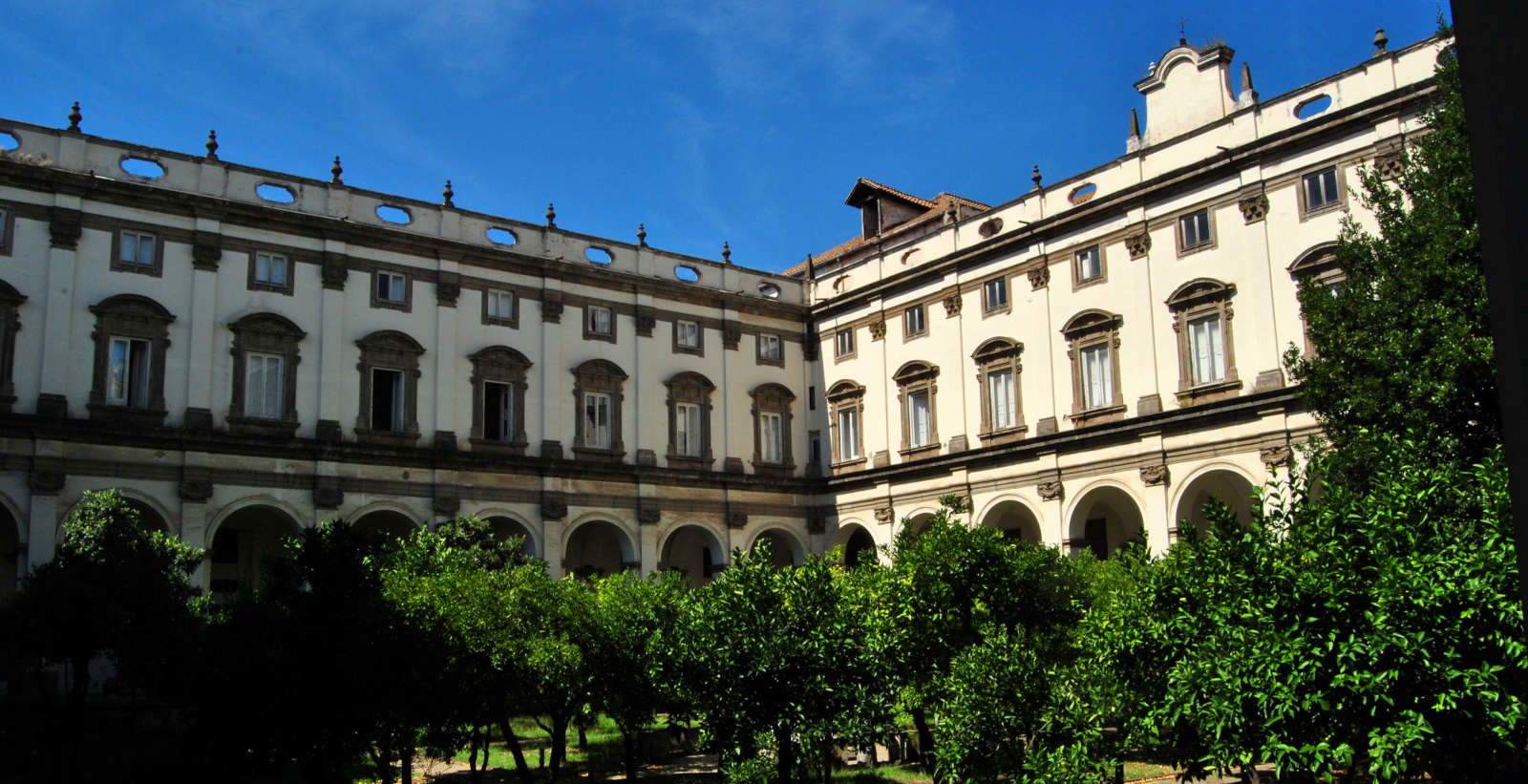
We are accustomed to thinking of biennials as major contemporary art exhibitions, but the one currently being organized for Naples would instead have a different focus: cultural heritage, understood in both its tangible and intangible dimensions. Not an exhibition, then, but a platform for ongoing dialogue on how to protect and promote heritage on a global scale. The project is still in the exploratory phase, but it has just taken a concrete step forward: from October 21 to 23, the Girolamini monumental complex hosted “Towards a Naples Biennale on Cultural Heritage,” the UNESCO event designed to begin shaping the initiative.


Eighty-five experts from 42 countries participated in the proceedings, sharing their experiences, reflections, and visions during the sessions. The initiative was organized by the Ministry of Foreign Affairs and International Cooperation together with the Ministry of Culture, in collaboration with the City of Naples, and was included in the calendar of celebrations marking the city’s 2,500-year history.


The idea did not come out of nowhere: Naples had already hosted two editions of the “Naples Conference on Cultural Heritage in the 21st Century,” in 2023 and 2025, dedicated to the synergies and interactions between UNESCO’s cultural conventions and to a holistic, people-centered approach to heritage. It was precisely from those meetings that the proposal for a Biennale emerged. At the conclusion of the second edition, participants asked the UNESCO Executive Board to support it, and in October 2025, the Board mandated Italy and the Secretariat to explore the parameters of a permanent platform dedicated to heritage. According to the Ministry of Culture, the Girolamini event represents an important step in this process.


A significant portion of the three-day event took place outside the conference rooms. Experts followed cultural itineraries designed to introduce them to what the organizers call the “Spirit of Naples,” meeting with representatives of the city’s cultural sector. In the Ministry’s view, this direct engagement with the city was decisive: Naples is described as a place where tangible and intangible heritage and creativity intertwine in daily life, and thus as the ideal venue for a permanent international event on these themes.
What, specifically, should the future Biennale look like? The sessions at the Girolamini sought to outline its main elements. The recommendations that emerged point in two directions: a holistic approach to heritage, which does not separate tangible assets from intangible practices and knowledge, and a clear focus on the communities that experience that heritage firsthand. Added to these is the recommendation to also involve relevant public and private stakeholders.
The next meeting has been scheduled. The outcomes of the preparatory event will be presented at the UNESCO Executive Board session in April 2027. In the meantime, the two ministries have announced that work will continue in close collaboration with the United Nations, with the goal of establishing the Naples Biennale as a space for reflection, exchange, and cooperation aimed at safeguarding and promoting cultural heritage worldwide.
 |
| Naples Heads Toward a Cultural Heritage Biennial: 85 Experts from 42 Countries at the Girolamini |
Warning: the translation into English of the original Italian article was created using automatic tools. We undertake to review all articles, but we do not guarantee the total absence of inaccuracies in the translation due to the program. You can find the original by clicking on the ITA button. If you find any mistake,please contact us.