




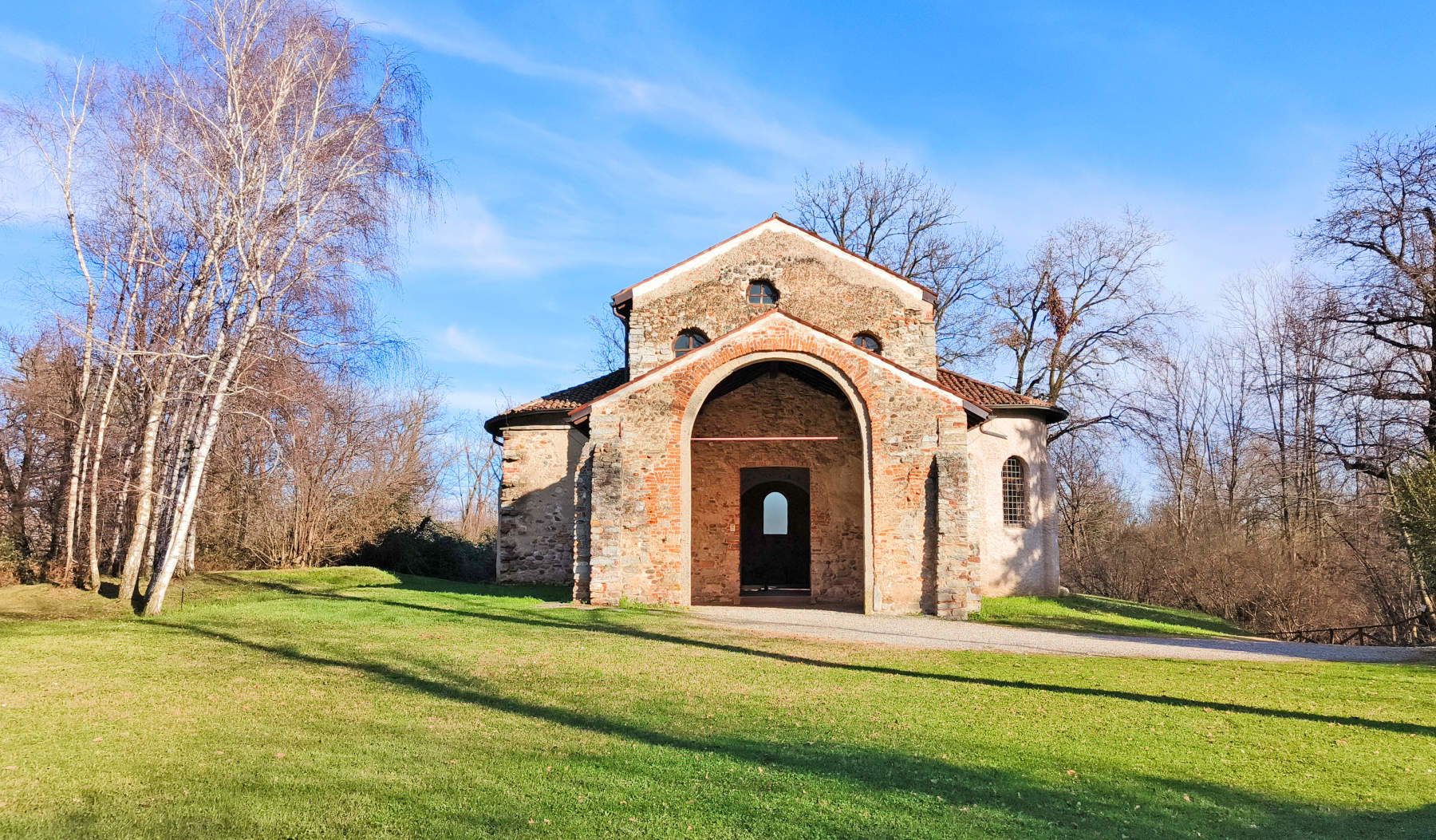
VISTA—Visual Investigation of Santa Maria foris portas: Techniques & Analysis—has gotten underway. This new scientific research campaign is dedicated to the frescoes in the Church of Santa Maria foris portas within the Castelseprio Archaeological Park, in the province of Varese, a site inscribed on the UNESCO World Heritage List since 2011. Sponsored by the Lombardy Regional Directorate of National Museums, an agency of the Ministry of Culture, the project was scientifically conceived by the institute, which is also overseeing its implementation.
Activities will begin on Monday, September 28, and continue through the end of October 2026. To allow for the installation of the equipment necessary for the investigations and to ensure that operations are carried out safely, the church will remain closed to the public during the research campaign.
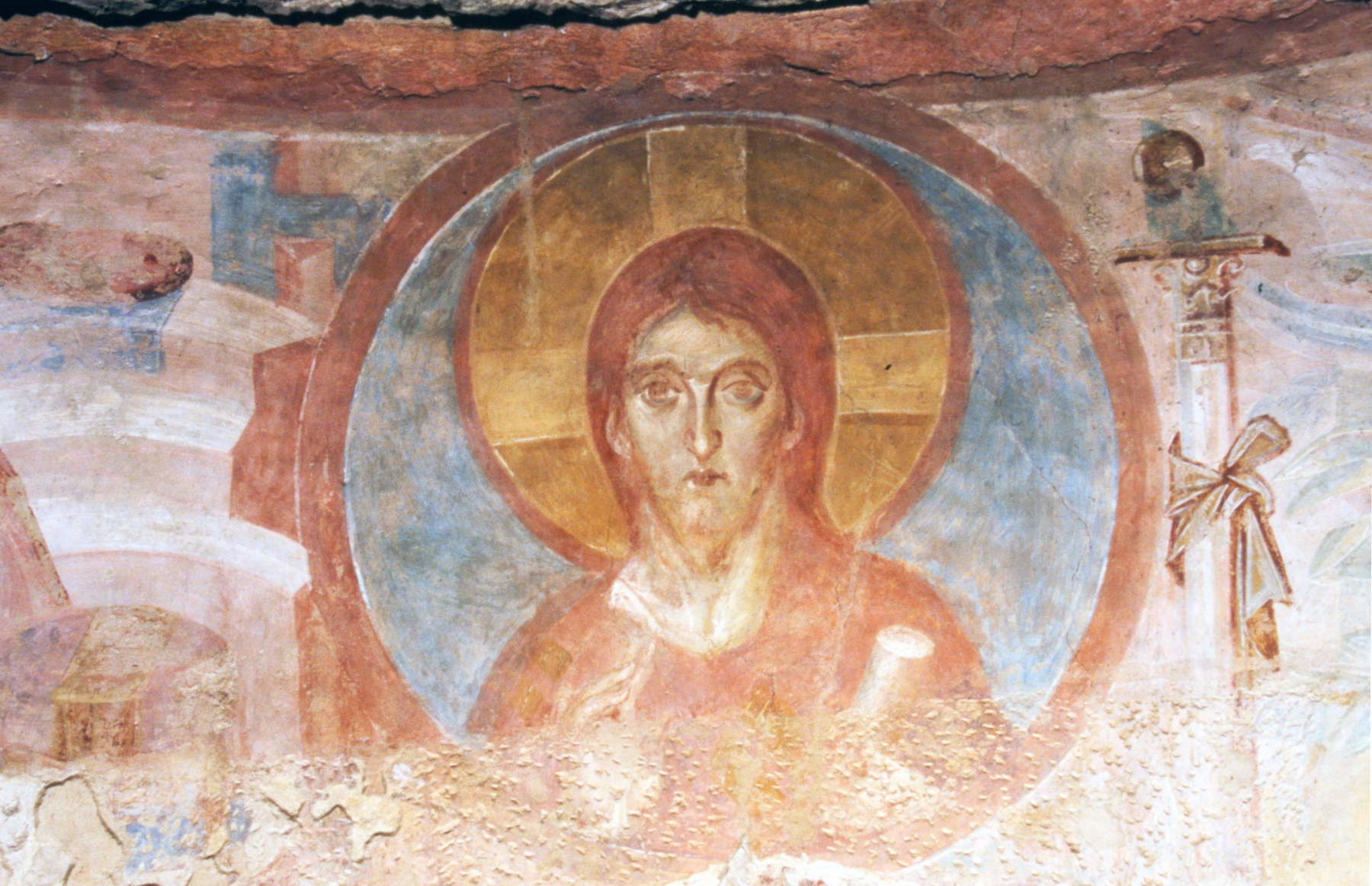
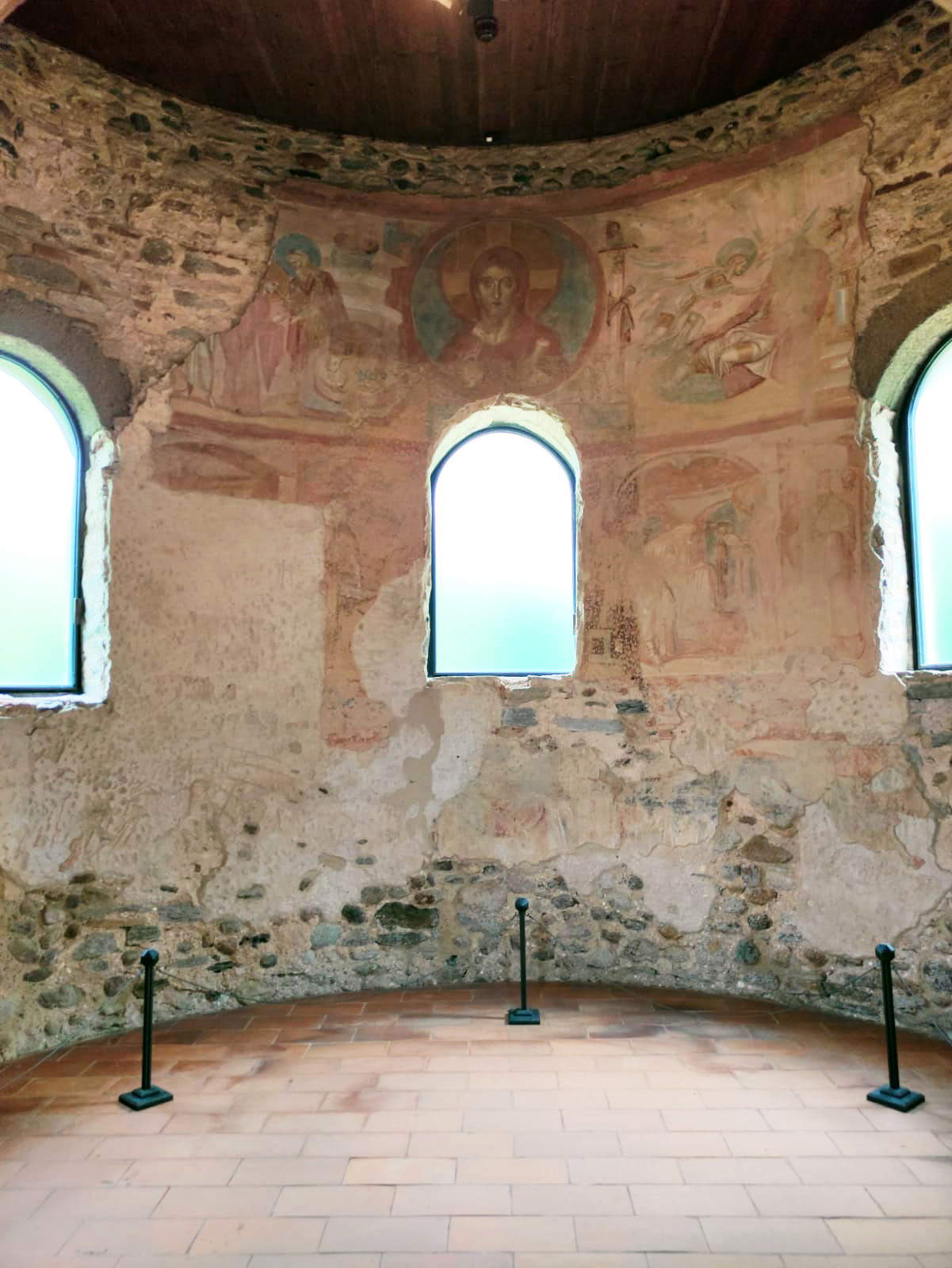
The frescoes in the eastern apse of Santa Maria foris portas, discovered in 1944 beneath later decorations, are considered among the finest examples of early medieval European painting. Their exceptional craftsmanship and the uniqueness of the pictorial cycle have placed them at the center of international scholarly debate for over eighty years. However, several questions remain unanswered regarding the painter’s identity, the chronology of the paintings, and the techniques used to create them. The complex iconographic program, largely inspired by the apocryphal Gospels, also continues to be the subject of scholarly debate and interpretation.
VISTA focuses on these questions, with the goal of gaining new insights into the state of preservation of the frescoes and establishing an up-to-date scientific foundation for future conservation and enhancement strategies. Luca Polidoro, archaeologist and director of the Castelseprio Archaeological Park, is leading the project. The working group, part of the Lombardy Regional Directorate of National Museums, also includes Rosario Maria Anzalone, director of the Lombardy Regional Directorate of National Museums; Flora Berizzi, art historian; and SaraRossotti, conservator.
The project also involves several Italian and international research institutions within the European E-RIHS network (European Research Infrastructure for Heritage Science). Participants include the CNR, through the “Giulio Natta” Institute of Chemical Sciences and Technologies and the Institute of Cultural Heritage Sciences; the SMAArt (Scientific Methodologies applied to Archaeology and Art) Center of Excellence at the University of Perugia; the HUN-REN ATOMKI Institute for Nuclear Research in Hungary, and the Laboratoire Archéomatériaux et Prévision de l’Altération in France.
The investigations will be primarily non-invasive and will employ various technologies for the study of cultural heritage. Spectroscopy, chemical mapping, hyperspectral analysis, and X-ray examinations will make it possible to examine painting techniques and identify pigments, binders, and other materials used by the artist. The analyses will also help identify any signs of deterioration and gather new data useful for understanding the history of the church and its decorations.
VISTA is part of a research program launched by the Lombardy Regional Directorate of National Museums in 2024, aimed at a comprehensive re-examination of Santa Maria foris portas through the integration of archaeology, art history, conservation, archival research, and the sciences applied to cultural heritage. One milestone in this process was the conference “Santa Maria foris portas of Castelseprio: Archives, Art, and Archaeology in Dialogue,” organized in June 2025 with the participation of scholars and researchers from throughout Italy. The proceedings of the conference are currently being published and will compile the results of the first phase of research, which focused on historical sources, archives, archaeology, and the historical-iconographic analysis of the paintings.
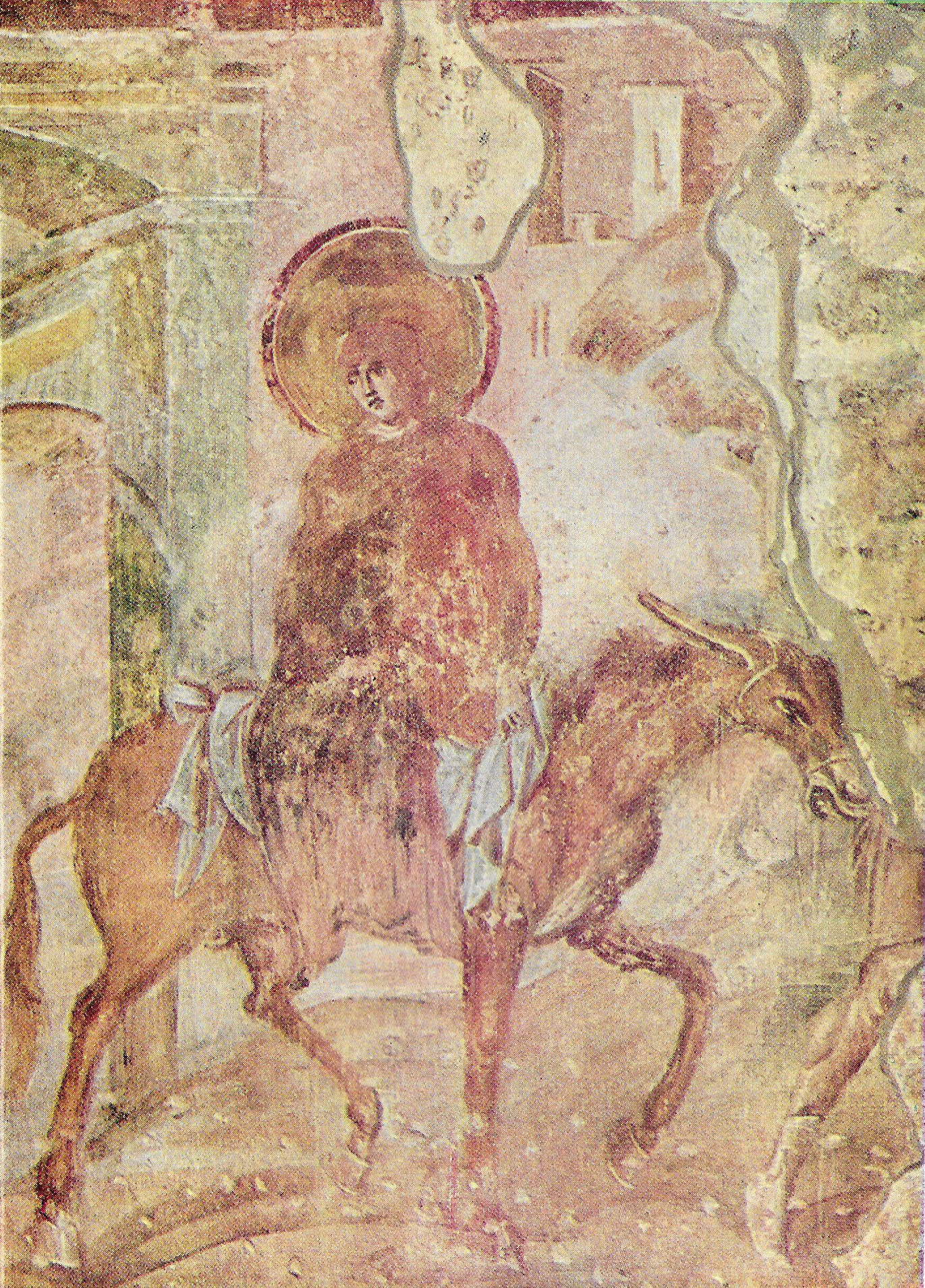
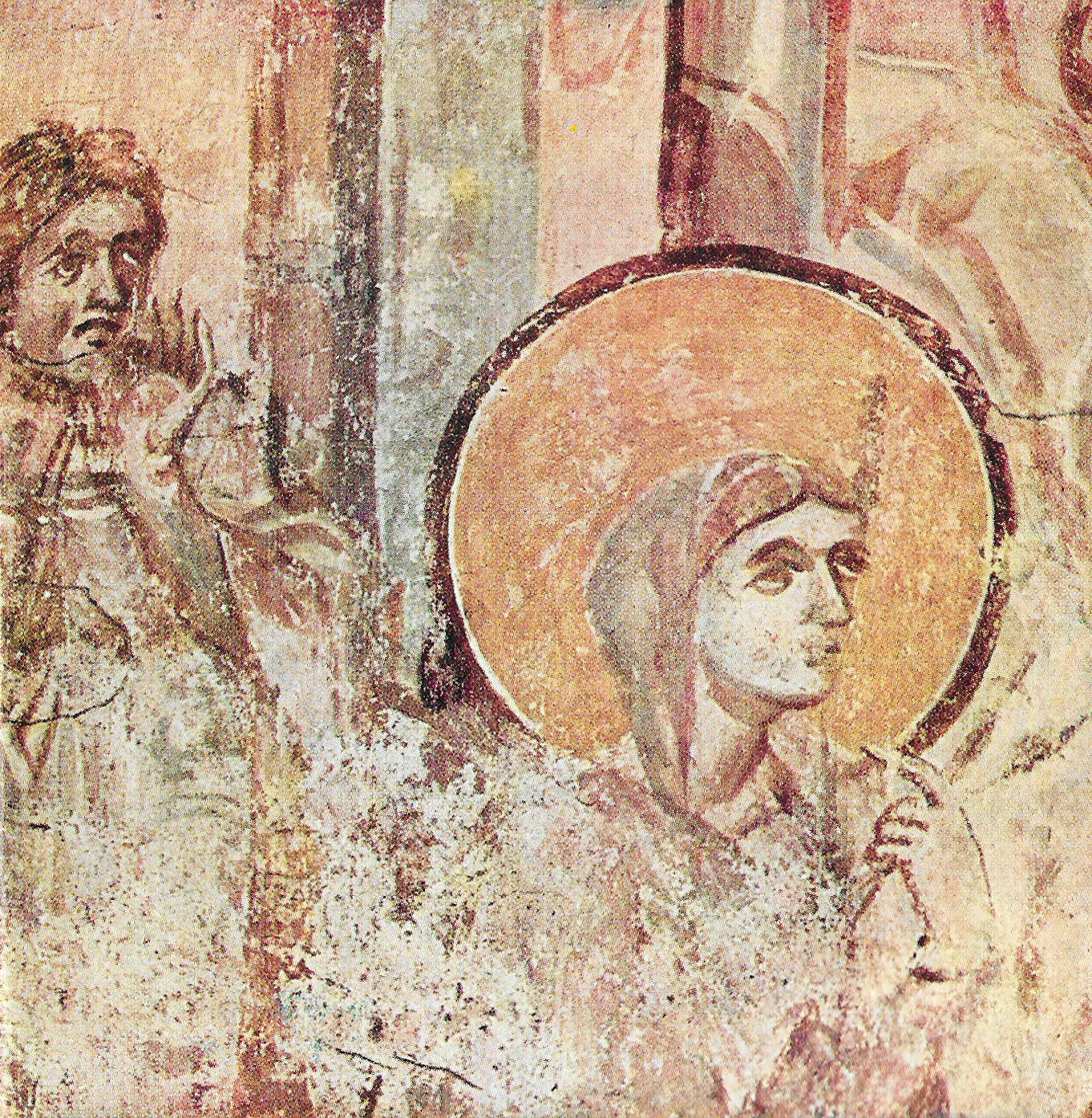
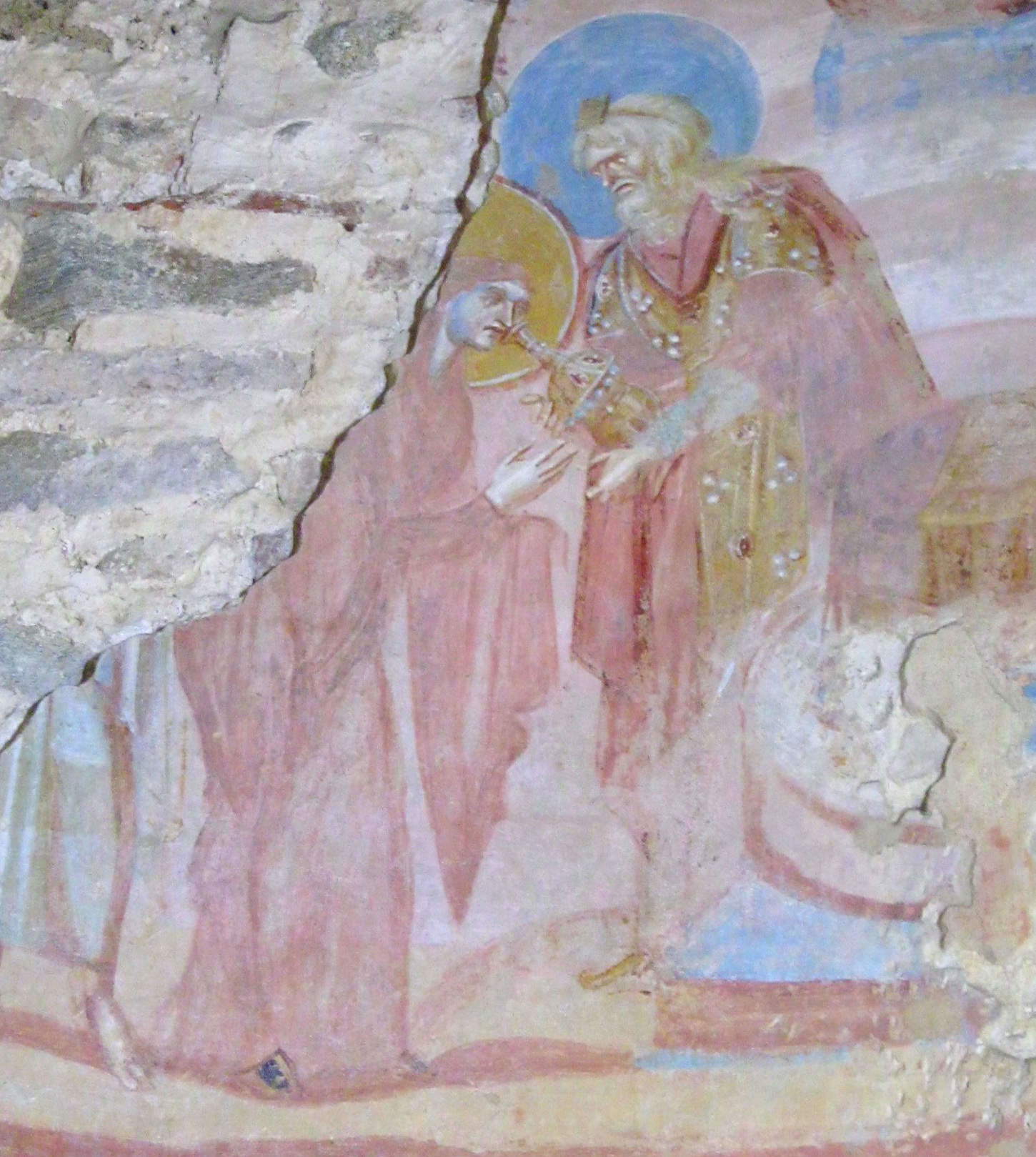
With VISTA, scientific methodologies and advanced technologies are thus added to historical, archaeological, archival, and art-historical research. The goal is to integrate data from different disciplines within a common interpretive framework, thereby expanding our knowledge of the church and its paintings. The project also includes several events open to the public. The first is scheduled for Sunday, September 27, as part of European Heritage Days, when Luca Polidoro will present VISTA during two guided tours of the Castelseprio Archaeological Park, at 3:00 p.m. and 4:30 p.m.
Once the analysis campaign is complete, the Church of Santa Maria foris portas will also undergo a new museum-style exhibition design. The project includes a revamped and accessible visitor route, content updated based on the latest research findings, and a new lighting system designed to enhance the experience of viewing the monument and its paintings. To allow for the installation of the new exhibition, the church will be closed to the public for several weeks.
The VISTA project is thus part of the research and enhancement activities carried out in Castelseprio, integrating scientific investigations, conservation, and the updating of visitor experience tools. The results of the analyses will be used to deepen our understanding of the frescoes, with the aim of providing new data useful for their interpretation and for subsequent protection and conservation strategies.
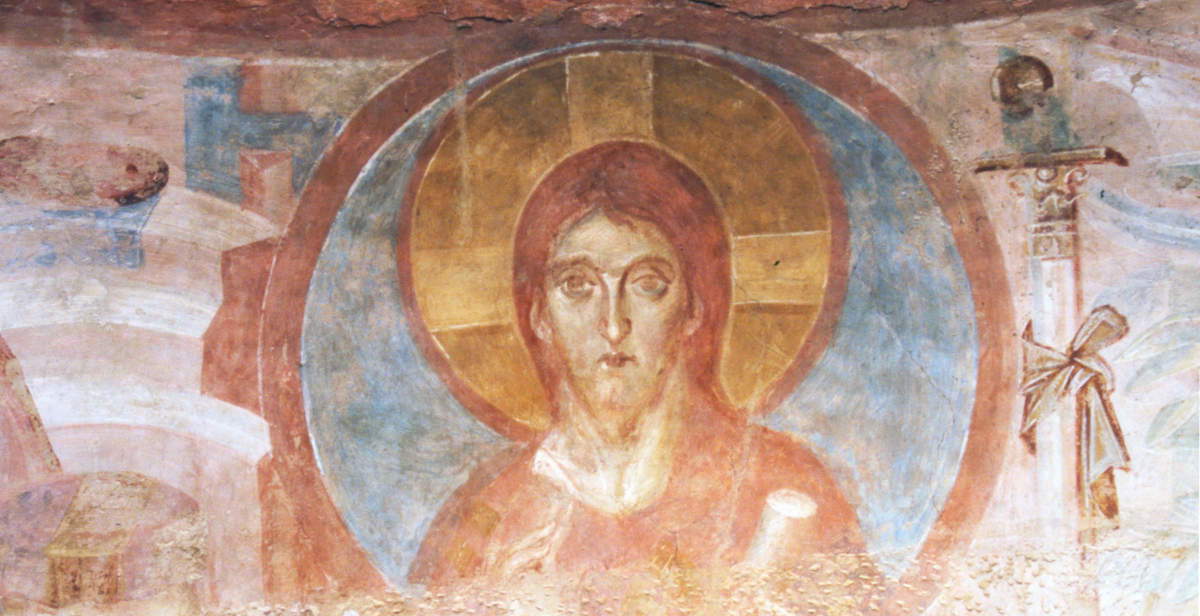 |
| New Analyses of the Frescoes at Santa Maria foris portas in Castelseprio (Varese) |

Warning: the translation into English of the original Italian article was created using automatic tools. We undertake to review all articles, but we do not guarantee the total absence of inaccuracies in the translation due to the program. You can find the original by clicking on the ITA button. If you find any mistake,please contact us.


























 IT
IT FR
FR DE
DE ES
ES CN
CN


