



by Redazione 26/11/2026



Categories: News / Disclaimer
Eighty years after the Exhibition of 14th-Century Pisan Sculpture, the San Matteo National Museum looks back on the undertaking that, in 1946, contributed to the city’s cultural renaissance. The museum is also hosting an international conference marking the 600th anniversary of Masaccio’s polyptych.


Pisa 1946, From the Rubble to the Future: An exhibition at the National Museum of San Matteo in Pisa traces the period that contributed to the city’s cultural rebirth. Eighty years after the Exhibition of 14th-Century Pisan Sculpture, the museum traces the history of the exhibition that, in a Europe just emerging from World War II, brought international attention back to medieval Pisan sculpture and contributed to the transformation of the former convent and prison of San Matteo into a museum. The initiative is part of the program of events organized by the National Museums of Pisa, which on December 10 and 11, 2026, will also host an international conference dedicated to the 600th anniversary of Masaccio’s Pisa Polyptych.


The exhibition *Pisa 1946: From the Rubble to the Future*, open from November 6, 2026, to January 10, 2027, and curated by Caterina Bay, was conceived to reconstruct a story that began in a city deeply scarred by the conflict. At the end of the war, Pisa had entire neighborhoods destroyed, its riverbanks damaged, and its bridges over the Arno demolished. Against this backdrop, a group of scholars, writers, and artists spearheaded the recovery of works of art that had been moved to shelters during the war, organizing a major exhibition within the former San Matteo complex. The Exhibition of 14th-Century Pisan Sculpture garnered international attention and helped establish Pisan sculpture of the 14th century as a leading force in art history. The initiative also sparked reactions from some leading figures in Italian culture.


“After seeing this, one should be ashamed to be a sculptor today,” said the sculptor Arturo Martini, author of the book *Scultura lingua morta*(Sculpture: A Dead Language), after visiting the exhibition.


The Futurist painter Carlo Carrà, on the other hand, identified Giovanni Pisano as the exhibition’s main revelation, while acknowledging the monumental stature of his father, Nicola. “Nicola is certainly a gigantic, titanic figure, but the true revelation presented by this exhibition is, in my opinion, his son Giovanni,” declared the artist.
Considered one of the most significant cultural events in newly liberated Europe, the exhibition became a model for numerous subsequent initiatives in Italy. It also played a decisive role in the definitive conversion of the San Matteo complex into a museum: after a renovation lasting just seventeen months, the museum was officially inaugurated in 1949.
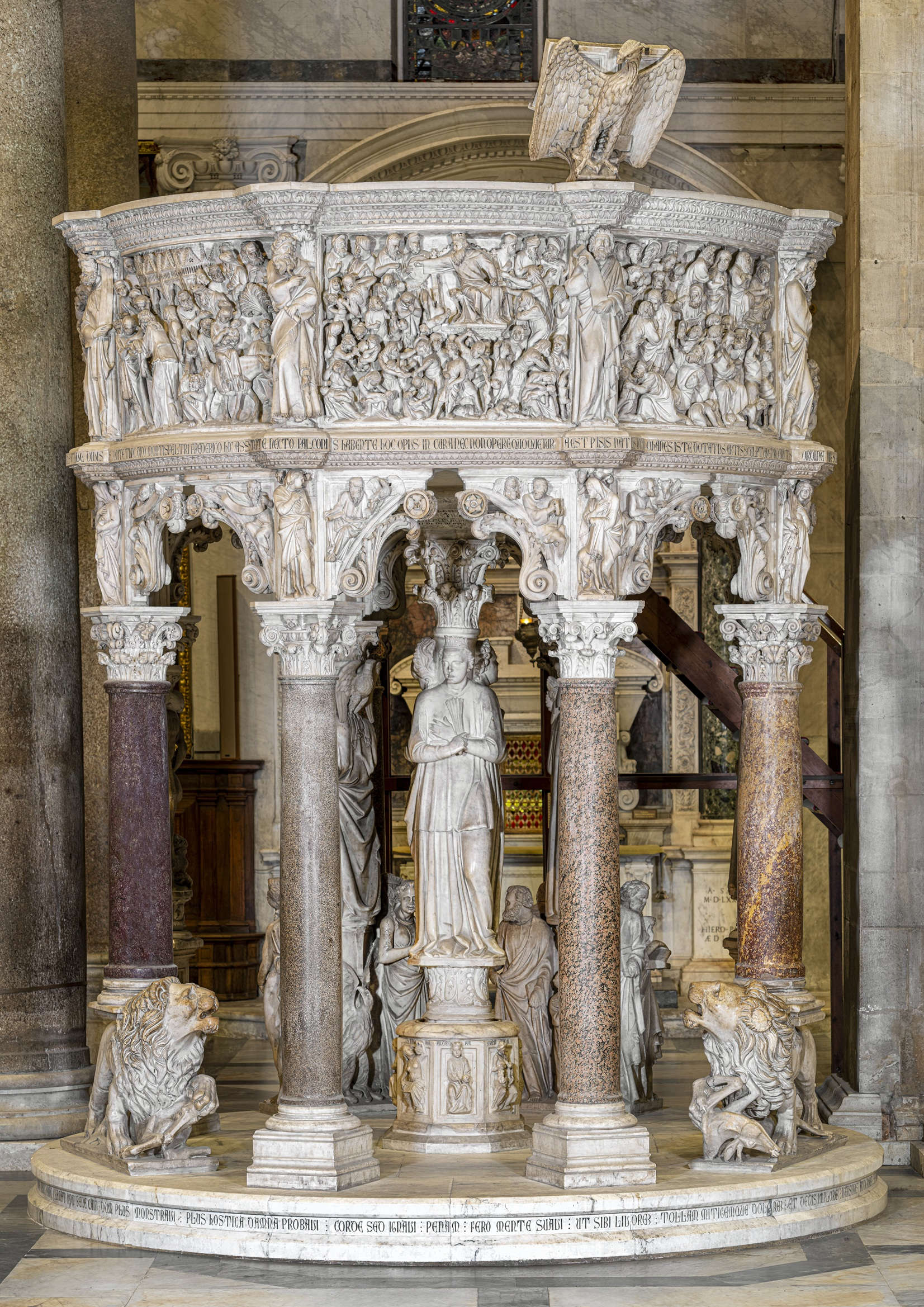
The current exhibition reconstructs this story through a selection of historical photographs, recovered for the occasion, which document the exhibition spaces, the works on display, and the various stages of the building’s transformation. The exhibition also highlights the organizational challenges involved in recovering the sculptures—an operation that was not without its share of dramatic incidents. Among these was an incident in Vicopisano, where some farmers, armed with pitchforks, opposed the transfer of the wooden group depicting the Deposition. The protest escalated into stone-throwing and physical assaults, culminating in the kidnapping of the driver of the Superintendency’s Fiat 504 pickup truck, who was freed only after the Carabinieri intervened.
Another section presents to the public for the first time the casts made in 1946 of several famous sculptures that could not be borrowed because they were immovable. Rounding out the exhibition is an audiovisual installation curated by Acquario della Memoria, conceived as a narrative that blends documentary and video art. Through time-lapse footage, period photographs, archival film clips, and reconstructions created using artificial intelligence and refined through artisanal post-production, the installation brings 1946 Pisa to life. The narration features the voices of some of the key figures behind the project—prominent figures in local and national culture—as well as reviews of the exhibition published in newspapers from various countries.
Among the figures involved in organizing the original exhibition were Superintendent Piero Sanpaolesi—who later designed the new national museum—Franco Russoli, who would go on to become director of the Pinacoteca di Brera, and Emilio Tolaini, who would contribute to the reestablishment of urban planning studies in Pisa. Also participating were Renzo Lupo Berghini, a professor and painter; the artists Ferruccio Pizzarello, Mino Rosi, and Silvano Pulcinelli—the latter associated with the founding of the Art School; and the art historians Riccardo Barsotti and Eugenio Luporini. The two exhibition catalogs were published by Nistri Lischi.
The exhibition *Pisa 1946: From the Rubble to the Future* is organized by the National Museums of Pisa with the support of the Pisa Foundation and under the patronage of the Region of Tuscany and the City of Pisa. Massimo Dadà serves as director, while Caterina Bay is responsible for the concept and curation. Angela Mazzurco oversaw the design and graphics, Pierluigi Nieri provided organizational support, and Mauro Stallone assisted with the installation. The exhibition design is by Acme04; the video installation was created by Acquario della Memoria with Lorenzo Garzella, Nicola Trabucco, Alberto Iorio, Serena Tonelli, Sofia Davila, and Veronica Cardelli. The organizing committee consists of Mariagiulia Burresi, Davide Guadagni, and Sandra Lischi.
The exhibition follows the opening hours of the San Matteo National Museum: Tuesday through Saturday from 9 a.m. to 7 p.m., and Sundays and holidays from 9 a.m. to 1:30 p.m. Admission is included in the museum entrance ticket, which costs 5 euros.
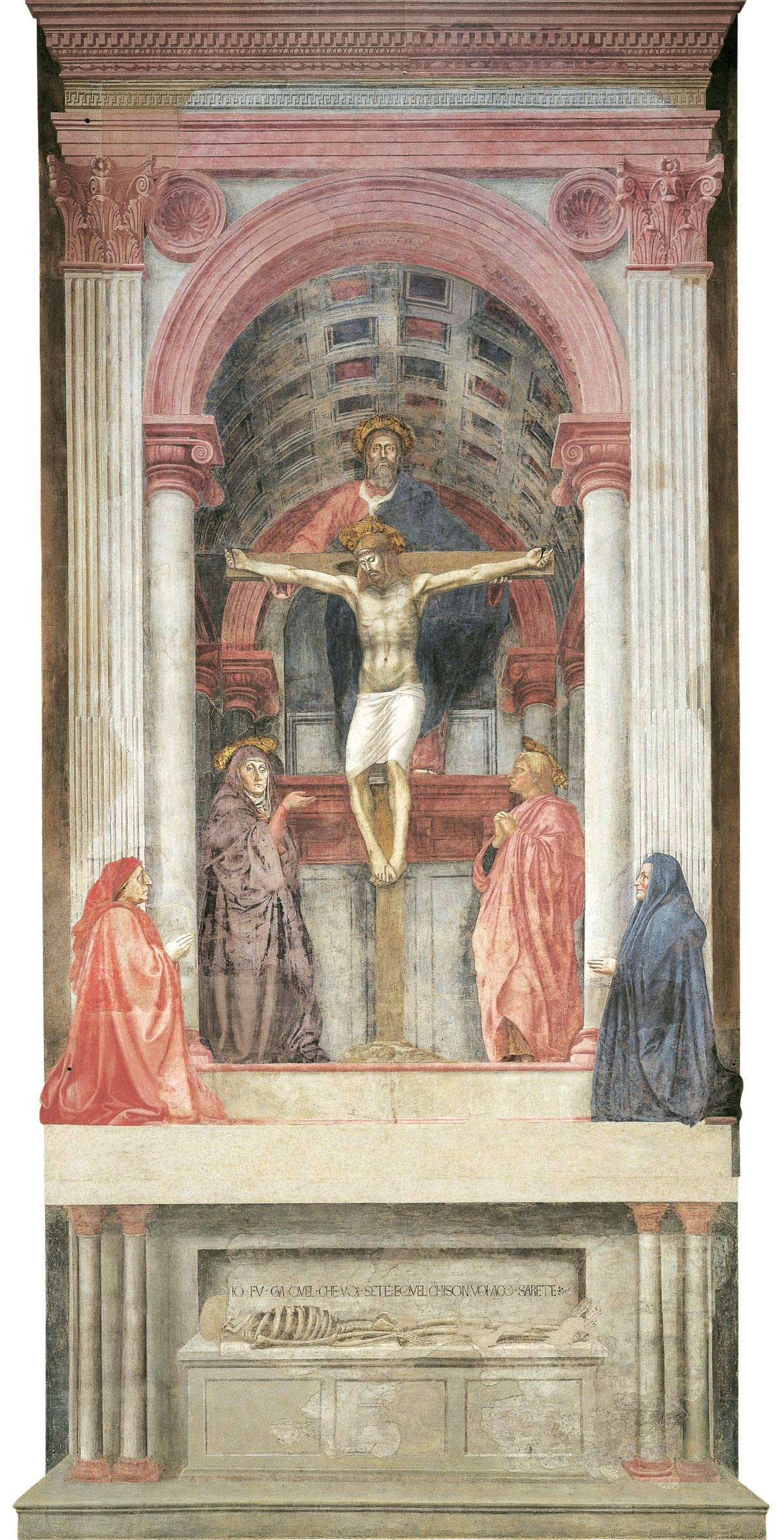
International Conference on the 600th Anniversary of Masaccio’s Pisa Polyptych
Alongside the exhibition, the National Museum of San Matteo is dedicating a special event to another milestone in art history: the 600th anniversary of Masaccio’s Pisa Polyptych. The international conference, curated by Caterina Bay of the National Museums of Pisa, will take place on December 10 and 11, 2026, within the museum’s spaces.
The first day, Thursday, December 10, will begin at 10:30 a.m. with opening remarks by Massimo Dadà, director of the National Museums of Pisa, Cristina Manetti, Regional Councilor for Culture of the Tuscany Region; Michele Conti, Mayor of Pisa; Monsignor Gino Biagini, Vicar General of the Archdiocese of Pisa; and Stefano del Corso, President of the Pisa Foundation. Following an introduction by Caterina Bay, Marco Collareta of the University of Pisa will speak on the topic “Masaccio’s Pisan Polyptych: Established Knowledge and Unresolved Issues,” followed by Francesco Caglioti of the Scuola Normale Superiore, who will explore the relationship between Masaccio and Donatello in Pisa.
In the afternoon, the first session—dedicated to the work’s original location in the church and moderated by Carl Strelke of the Philadelphia Museum of Art—will feature presentations by Andrea De Marchi of the University of Florence on the Carmine Polyptych and its documentary and interpretive context; Donal Cooper and Lucas Giles of the University of Cambridge, on the reconstruction of the Carmine partition carried out for the exhibition dedicated to Donatello in Berlin in 2022; Marco Giorgio Bevilacqua and Sara Taddeucci of the University of Pisa, on digital technologies applied to the historical study of the Church of Santa Maria del Carmine; and Giuseppe Petralia of the University of Pisa, on Ser Giuliano di Colino and Masaccio’s polyptych.
Friday, December 11, will be dedicated to the dispersal of the panels of the polyptych. The second session, moderated by Chiara Franceschini of the University of Pisa, will begin at 9 a.m. with a presentation by Alessandra Rullo of the Capodimonte Museum and Real Bosco on Masaccio’s Crucifixion and its history within collections and museums. This will be followed by Neville Rowley of the Staatliche Museen zu Berlin, who will speak on Masaccio in Berlin, and Larry Keith of the National Gallery in London, who will present Masaccio’s *Virgin and Child* in the museum’s collection. After the break, from 11 a.m. to 12 p.m., a concluding roundtable discussion will feature Salvatore Settis of the Scuola Normale Superiore and Massimo Dadà of the National Museums of Pisa.
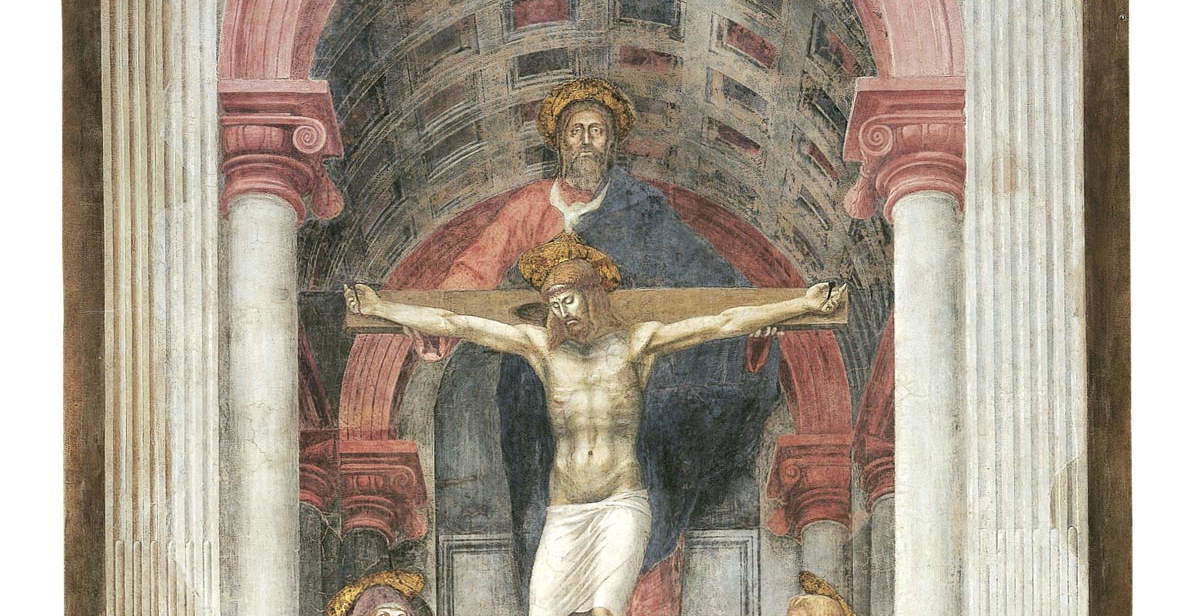 |
| Six Centuries of Masaccio and 80 Years Since Pisa’s Rebirth: A Double Event at the San Matteo Museum |
Warning: the translation into English of the original Italian article was created using automatic tools. We undertake to review all articles, but we do not guarantee the total absence of inaccuracies in the translation due to the program. You can find the original by clicking on the ITA button. If you find any mistake,please contact us.