





The UNESCO World Heritage Committee has approved the inscription of the archaeological site of Sebastia, in the West Bank (Palestine), and the complex of castles in the Jabal Amel region of Lebanon, to the World Heritage List and, at the same time, to the List of World Heritage in Danger. The decision was made on Friday during the Committee’s ongoing meeting in Busan, South Korea, despite opposition from Israel. In fact, prior to the vote, the Israeli Ministry of Foreign Affairs had called on the Committee to reject the nominations submitted for Sebastia and the castles of the Jabal Amel area, arguing that this constituted an “exploitation of cultural heritage.” UNESCO, however, approved both nominations, justifying the decision to include them on the List of World Heritage in Danger by citing the emergency situation caused by the ongoing conflicts in the Middle East. In recent months, cultural authorities and citizens in both Lebanon and the West Bank have repeatedly called for international intervention to safeguard archaeological sites threatened by Israeli military operations.
Sebastia is located on a hill about ten kilometers northwest of Nablus, in the Israeli-occupied West Bank. The site preserves archaeological evidence of successive occupations by various civilizations, dating back at least to the 9th century B.C., when Samaria-Sebastia was the capital of the Northern Kingdom of Israel, through the Hellenistic, Roman, Byzantine, and Islamic periods, with architectural remains dating back to the Crusader era, as well as to the Ayyubid/Mamluk and Ottoman periods, when it was one of the “Villages of the Throne.” Unlike many continuously inhabited cities, where subsequent urban development has obscured the oldest remains, Sebastia preserves relatively direct archaeological traces of its major periods of development up to the contemporary Palestinian period, allowing for a clear interpretation of the successive political, religious, and urban systems that remain physically interconnected. The area’s historical and archaeological significance has, in fact, made it a focal point of controversies over heritage preservation and land management over the years.
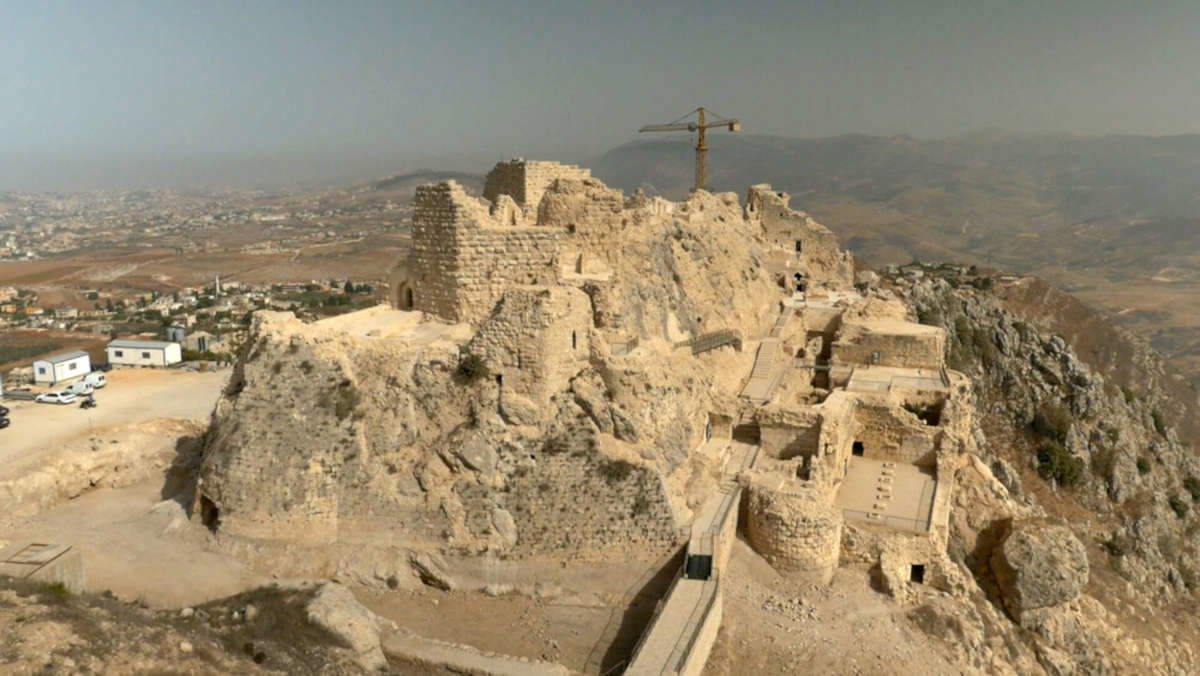
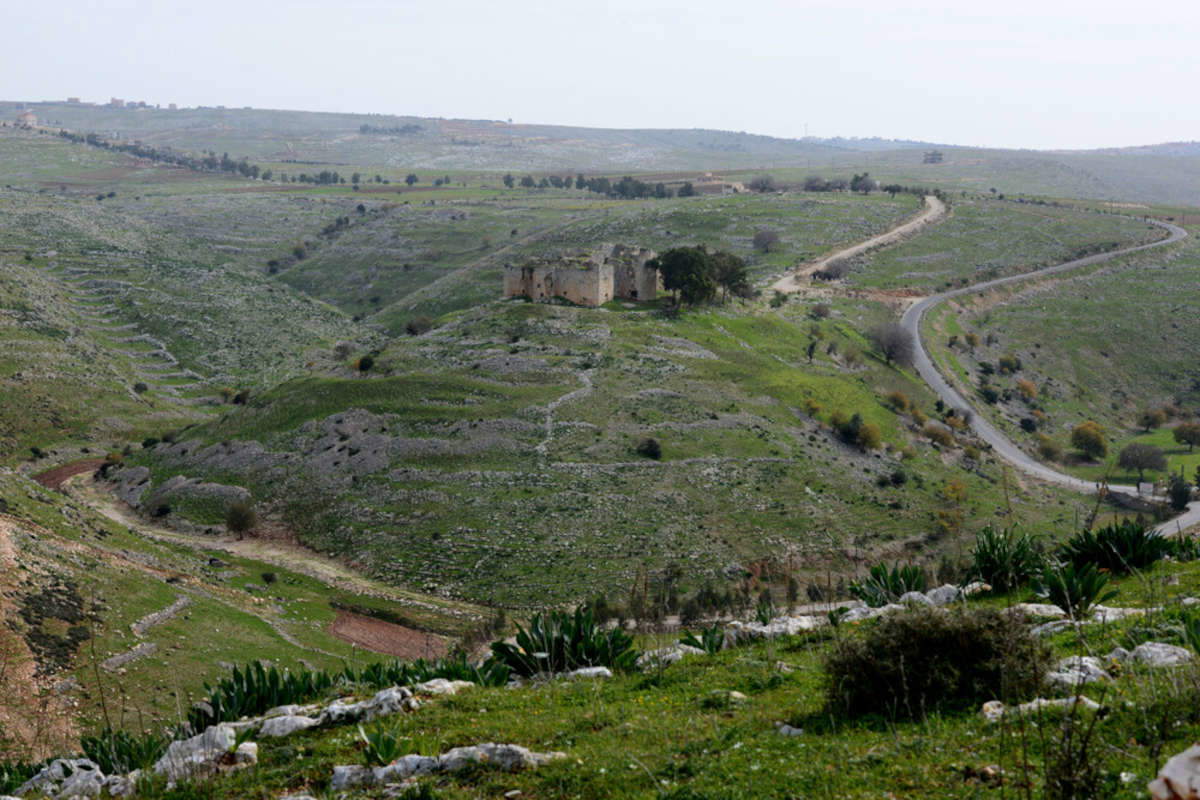
The Jabal Amel Castles site, on the other hand, comprises five fortified settlements located in this historic region of southern Lebanon: Qalaat Al Chakif (Beaufort Castle), Qalaat Tibnin (Toron Castle), Qalaat Chakra (Dubieh Castle), Qalaat Deir Kifa (Maron Castle), and Qalaat Chama’ (Chama’ Castle). Occupying key strategic hills and ridges that dominated the region’s main transportation routes, the castles formed an integrated defensive and administrative network that controlled movement, communications, and agricultural resources across a vast territory. Developed between the medieval period and the 19th century, they illustrate the successive phases of occupation and adaptation by the Crusaders, the Ayyubids, the Mamluks, the Ottomans, and local feudal rulers. Their fortifications, keep towers, towers, gates, and residential quarters bear witness to the continuous exchange of military knowledge, construction techniques, and land-management practices between European and Middle Eastern traditions, while also demonstrating the evolution of defensive architecture and the fortified network over the course of nearly a millennium.
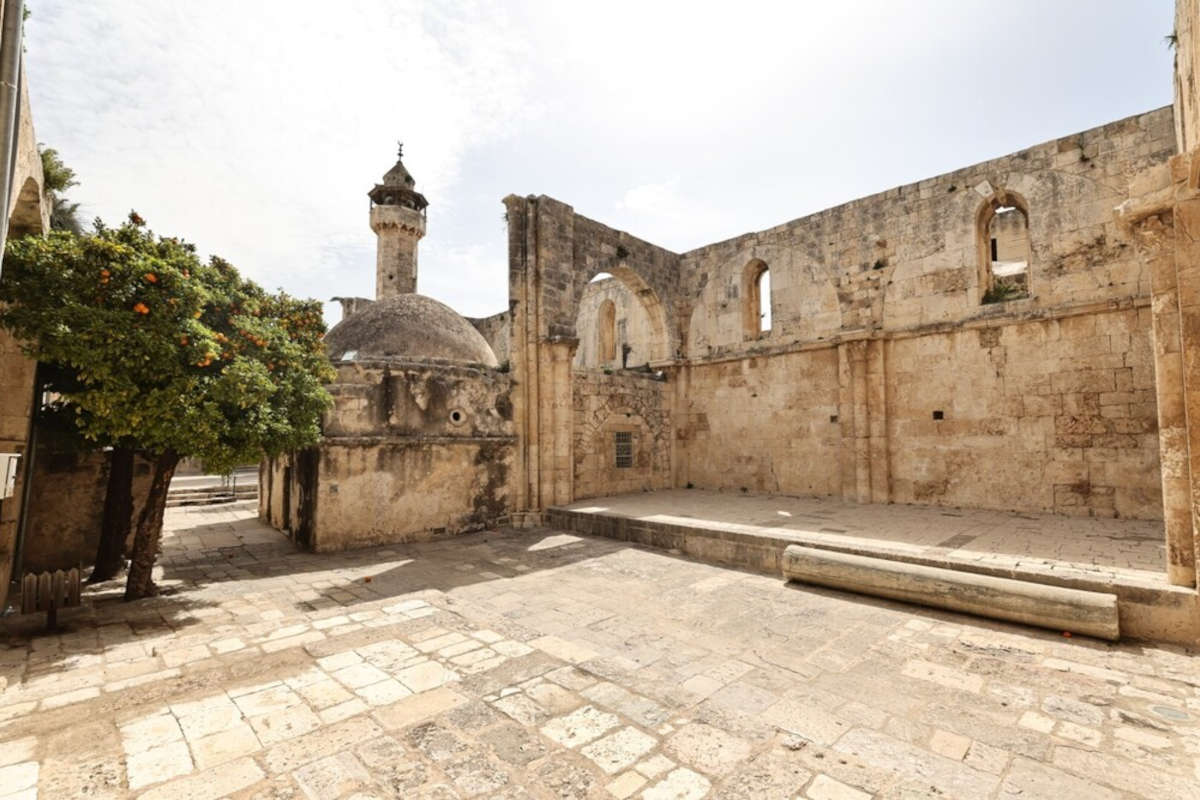
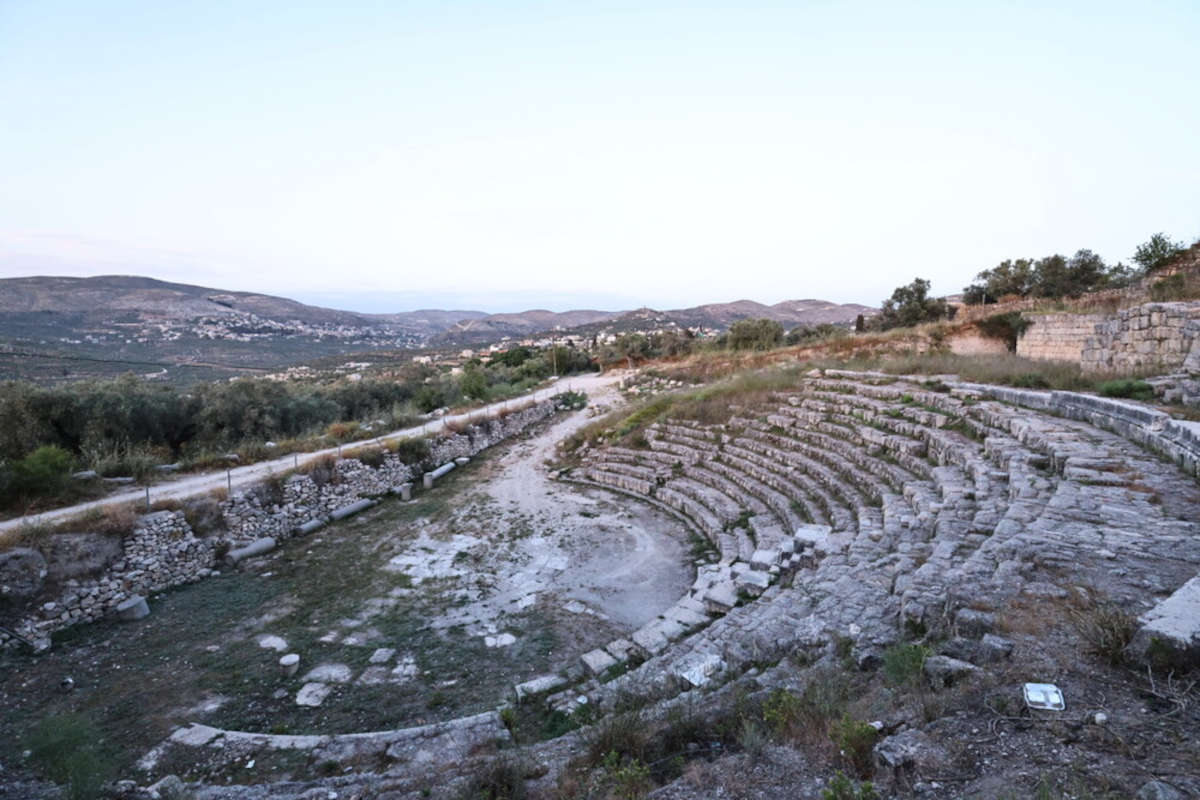
In recent months, the Israeli government has also promoted a legislative proposal to assume full control of the site. According to the town’s approximately 3,500 Palestinian residents, who make their living from the surrounding olive groves, the initiative would serve as a pretext to expropriate large tracts of land and facilitate the expansion of Israeli settlements. Sebastia’s inscription also comes at a time marked by an increase in violence by Israeli settlers against Palestinian villages in the West Bank, including the area around Nablus.
Among the Lebanese sites added to the List is Beaufort Castle, known as Qalaat al-Shaqif, one of the five Crusader castles in the Jabal Amil area recognized by UNESCO. The fortress was directly struck by Israeli forces in May. The Israeli army had also released images showing its soldiers inside the castle during an advance into villages in southern Lebanon. Originally built in 1137, the complex represents, according to UNESCO, one of the best-preserved examples of medieval castle architecture in the Near East. In 2024, the site had already been granted enhanced protection by the organization in the event of armed conflict.
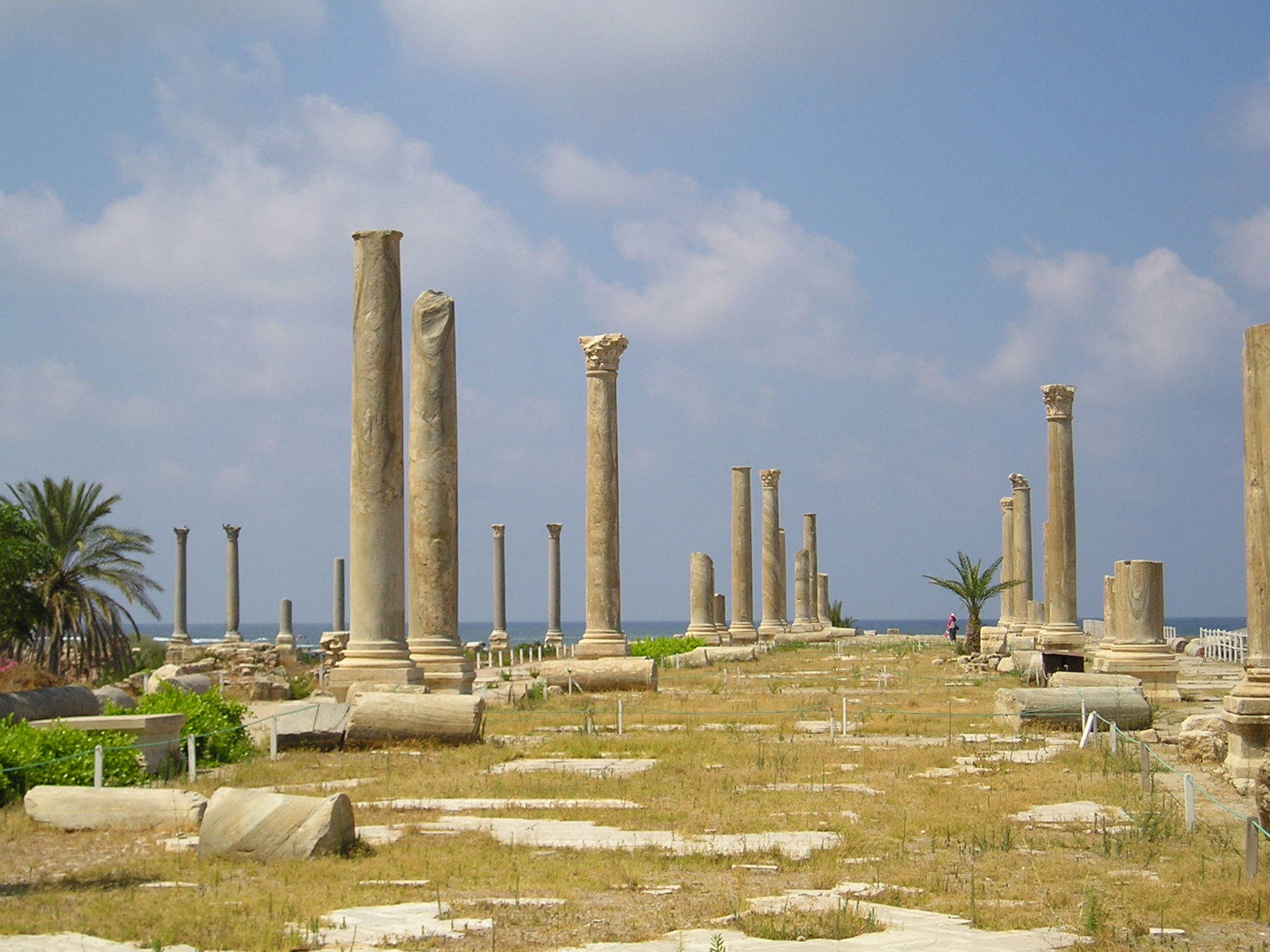
During the same meeting, the Committee also decided to inscribe the Lebanese city of Tyre on the List of World Heritage in Danger. Already recognized as a World Heritage Site since 1984, Tyre was founded by the Phoenicians and served for centuries as one of the major maritime and commercial centers of the ancient Mediterranean. The modern city has been affected by Israeli airstrikes, and several explosions have occurred near major archaeological remains, including the colonnade, the Roman baths, and the necropolis—a circumstance that contributed to UNESCO’s decision to strengthen its protective measures.
|
| The Palestinian site of Sebastia has been designated a World Heritage Site, despite Israel's opposition |

Warning: the translation into English of the original Italian article was created using automatic tools. We undertake to review all articles, but we do not guarantee the total absence of inaccuracies in the translation due to the program. You can find the original by clicking on the ITA button. If you find any mistake,please contact us.




























 IT
IT FR
FR DE
DE ES
ES CN
CN


