




by Redazione 18/10/2026



Categories: News / Disclaimer
A survey by Arts Council England of 296 cultural organizations highlights the effects of heat waves on staff, visitors, and budgets in the United Kingdom. Ninety-six percent of the organizations surveyed experienced consequences, and less than 1% consider themselves very well prepared to handle future emergencies. The data is alarming.


Temperatures as high as 48 degrees in workspaces, canceled events, declining visitor numbers, and staff forced to work under difficult conditions. In the United Kingdom, this summer’s heat waves have had a direct impact on the operations of arts and cultural organizations, from museums and libraries to organizations in the performing arts. This is documented in a surveyby Arts Council England, conducted in July 2026 among 296 organizations, which found that 96% of participants were affected by the high temperatures. Nearly half—47%—reported significant or severe consequences, while none of the respondents considered themselves fully prepared to deal with future heat waves.


The results were published on October 12, 2026, and come after a summer that the Met Office, the UK’s national weather service, has provisionally identified as the hottest on record in the United Kingdom. The survey was launched specifically to understand how the heat waves between May and July affected cultural activities, operating costs, and working conditions, as well as to assess what measures were taken and how well-equipped organizations are to handle similar events in the future.
The picture that emerges is of a sector facing consequences that go beyond mere indoor comfort. High temperatures can compromise the safety and well-being of workers and the public, reduce attendance at events, increase operating costs, and necessitate schedule changes or the temporary closure of certain spaces. The survey also suggests that, although some organizations have already adopted measures to cope with the heat, structural preparedness remains limited.




The most frequently reported impact concerns the well-being of employees, freelance collaborators, and volunteers. This issue was cited by 208 organizations, accounting for 70% of participants. This was followed closely by a reduction in attendance by the public, visitors, and participants in activities, reported by 199 organizations, or 67% of the sample. In 134 cases—45% of respondents—indoor spaces became too hot to use. The well-being of visitors was cited by 127 organizations, or 43%. These consequences also led to concrete changes in programming: 93 organizations, or 31%, canceled events or activities, while 76, or 26%, postponed or rescheduled them.
Some organizations had to restrict access to their spaces. Seventy-one participants, or 24%, reported partial closures—for example, of specific rooms or areas—and 66, or 22%, modified or reduced their hours of operation. Twenty-nine organizations, 10%, reported that they had closed completely. In other cases, the public left the spaces earlier than expected: this situation was reported by 55 organizations, 19%.
The effects were not limited to indoor spaces. Forty-five organizations, or 15%, reported problems related to outdoor activities, while an equal number reported damage or stress to outdoor areas, including vegetation scorching and the effects of drought. Thirteen organizations, 4%, also indicated an increased risk of fire or the need to take additional precautions.
The survey also documented problems with equipment and technical systems, reported by 83 organizations, or 28%. Another 60 organizations, 20%, had to reassign some staff to manage the effects of the heat. An increase in water consumption—for cooling, outdoor areas, or visitor services—was reported by 78 participants, 26%.

Economic Losses and Operational Costs
The consequences of heat waves were also reflected in the budgets. As many as 123 organizations—42% of the sample—reported a reduction in revenue linked, among other factors, to ticket cancellations, lower sales, a decline in revenue from hospitality and food services, or the loss of commercial revenue. A nearly equivalent number—119 organizations, or 40%—reported an increase in operating costs, for example, due to the energy required to cool their facilities. When asked whether there had been a negative financial impact, 189 participants answered in the affirmative. The table published by Arts Council England reports this figure as 64% of respondents, while 62 organizations, or 20%, stated they were uncertain. The document also presents a figure of 45 negative responses, associated with 8% in the table—a percentage that does not correspond to the absolute number indicated.
The survey was conducted at a time when it was still too early for many organizations to accurately calculate their total losses. 82 participants, or 28%, stated that they were not yet able to estimate the economic impact. Among those who provided an estimate, 59 organizations reported losses between 500 and 2,000 pounds, 31 between 2,000 and 5,000 pounds, and 20 between 5,000 and 10,000 pounds. Another 38 estimated losses of less than 500 pounds, while 20 believe the economic damage will exceed 10,000 pounds.
In the table on financial estimates, 39 organizations reported no economic impact, and only three reported a possible positive effect. This latter figure corresponds to approximately 1% of the sample, while organizations expecting losses exceeding 10,000 pounds represent about 7% of all respondents.
The financial picture therefore remains somewhat provisional, but the responses collected indicate pressure on both sides of the budget: on the one hand, lower revenue; on the other, higher costs to keep facilities operational and manage the consequences of high temperatures. For organizations that rely on ticket sales, public services, or activities scheduled for specific dates, the cancellation or modification of events can directly impact revenue.

Solutions Adopted: Primarily Fans and Temporary Measures
In response to the heat, organizations have primarily resorted to immediate measures. The most common measure was the installation or use of temporary fans, cited by 210 participants, or 71%. In second place wasincreased ventilation—for example, byopening windows—adopted by 164 organizations, or 55%. Forty-nine percent closed existing curtains or shutters to take advantage of available shade.
Other measures directly concerned personnel management and public assistance. 117 organizations, or 40%, increased rest breaks for employees and performers; 112, or 38%, stepped up monitoring of the conditions of visitors and participants considered most vulnerable. Water breaks were implemented by 110 organizations (37%), while 103 organizations (35%) relaxed staff dress codes, and the same number provided free drinking water to the public.
One-third of the participants—97 organizations—moved their activities to cooler environments, such as indoor or air-conditioned spaces. Ninety-six organizations—32%—postponed or rescheduled activities, while 90—30%—canceled them. Eighty-two organizations, 28%, temporarily closed certain spaces, and 76, 26%, reduced or adjusted their hours of operation.
Air conditioning was used on a temporary basis by 59 organizations (20%), while 34 (11%) had permanent systems in place. Forty-four organizations, 15%, added temporary shade structures, and 35, 12%, relocated heat-sensitive collections or equipment. Thirty organizations, 10%, opened free spaces to the public designed to provide a cooler environment; 22 (7%) reduced visitor capacity, and 20 (also 7%) adopted other forms of free cooling, including distributing popsicles or providing umbrellas.
Complete closures were reported by 33 participants, or 11%. Only nine organizations, or 3%, reported having installed permanent fans not part of air conditioning systems. Fifteen organizations reported additional measures not specified in detail.
The data thus show that responses to the heat were often based on practical, short-term solutions: ventilation, shading, water, breaks, and adjustments to activities. Measures requiring infrastructure investments or a more systematic review of management procedures were less common.
Preparing for Future Heat Waves
It is precisely in the area of long-term planning that the survey identifies one of the main critical issues. When asked about their organization’s preparedness to deal with future periods of extreme heat, no participant selected the response “very prepared.” Thirty-six organizations, or 12%, described themselves as fairly prepared, while 154, or 52%, reported being in an intermediate state—partly prepared and partly unprepared. Another 74 participants, 25%, considered themselves mostly unprepared, and 19, 6%, considered themselves completely unprepared. One organization was unable to indicate its level of preparedness. The key finding, therefore, is that the majority do not yet consider themselves adequately equipped to confidently address the consequences of future heat waves.
The measures already in place before the recent heat waves help explain this challenge. 190 organizations, or 64%, had fans not connected to air conditioning systems, while 83, or 28%, had air conditioning systems. Specific procedures for staff were less common: only 70 organizations, or 24%, had established guidelines for employees in the event of a heat wave.
The integration of this risk into management procedures was even more limited. Forty-two organizations, or 14%, had included extreme heat in their risk registers; 38, or 13%, had specific procedures or policies for heat waves. Permanent shade structures were present at 31 organizations, or 10%, while only 18 organizations, or 6%, had considered heat-related closures in their business continuity planning.
The measures adopted during the summer do not therefore necessarily amount to a structured adaptation strategy: having fans, opening windows, or distributing water can mitigate the immediate effects of high temperatures, but they do not replace plans that define responsibilities, operational thresholds, procedures for staff, methods of communicating with the public, and criteria for modifying or suspending activities.
Arts Council England therefore emphasizes the need to strengthen the sector’s long-term resilience. Planning must take into account not only the continuity of operations but also the well-being of employees, freelancers, and volunteers—which was the most frequently reported impact in the survey.
Informing the Public During Emergencies
Communication with visitors and participants is another aspect of managing heat waves. 107 organizations, or 36%, communicated operational changes, such as adjustments to schedules or activities. 92 organizations, or 31%, encouraged the public to bring water or sunscreen, while 80, or 27%, shared safety guidelines for hot weather, referencing either their own information or that published on the UK government’s gov.uk portal. Furthermore, 69 organizations (23%) communicated the availability of cooler spaces, including those equipped with air conditioning. And 28 organizations, 9%, urged people to avoid traveling, while 21, 7%, suggested that people not visit their facilities.
The figure that deserves attention, however, is the one regarding a lack of communication: 97 organizations, or 33%, stated that they had not disseminated information to the public regarding heat waves. This finding indicates that, alongside practical measures, proactive and timely communication is an area where organizations can strengthen their procedures. Providing information about potential closures, schedule changes, the availability of water and cool spaces, or access conditions is, in fact, part of the operational management of an emergency. For cultural institutions, the ability to communicate effectively can help limit unnecessary travel and allow the public to plan their visits based on actual conditions.
A More Severe Impact Than the Previous Year
The responses also indicate that the consequences of the heat were generally perceived as more severe than in the previous summer. 128 organizations, or 43%, described the impact as much more severe, while 111, or 38%, judged it to be slightly more severe. 42 organizations, or 14%, stated that the situation had remained essentially unchanged; two reported slightly less severe consequences, and none indicated a much less severe impact. Thirteen organizations were unable to answer.
Overall, 81% of participants therefore believe that the heat waves of 2026 had more severe consequences than those of the previous year. This finding is consistent with Arts Council England’s assessment of the need to prepare the sector for weather conditions that may increasingly disrupt normal operations.
The geographic distribution of the responses also shows differences. Southern England accounts for the most severe impacts reported in the survey. The sample includes 73 organizations from the Southwest, representing 25% of respondents; 63 from the Southeast, 21%; 71 from London, 24%; 53 from the North, 18%; and 30 from the Midlands, 10%. Eight participants, 2%, indicated a location outside of England.
Arts Council England notes, however, that the number of responses for each artistic or cultural discipline is insufficient to draw reliable conclusions about differences between the various fields. It is therefore not possible to determine, based on this survey, whether certain types of organizations were affected more than others due to their respective activities.
Workplaces Exceeding 40 Degrees
Another indicator of the scale of the phenomenon concerns the temperatures recorded in indoor workspaces. 169 organizations—57% of the sample—provided a measurement or estimate of the maximum temperature reached during heat waves. Of these, 8 reported values between 20 and 25 degrees, 41 between 26 and 30 degrees, 66 between 31 and 35 degrees, and 45 between 36 and 40 degrees. Nine organizations reported temperatures above 40 degrees, accounting for 5% of those that provided this data. The highest reported temperature was 48 degrees.
The Arts Council England document also notes that 20 responses indicated temperatures above 40 degrees, but the summary table lists nine organizations in the over-40-degree range. In any case, the reported temperatures demonstrate how heat can make operating conditions inside certain buildings difficult. For cultural organizations, this issue is intertwined with the need to keep spaces accessible and to protect staff and the public, as well as to ensure that equipment functions properly and activities continue uninterrupted.
In presenting the results, Nicola Saunders, Director of Environmental Responsibility and Innovation at Arts Council England, stated: “We sincerely thank the creative and cultural sector for its active participation in this survey. The feedback we’ve received is extremely important and is essential for guiding our work, while ensuring the necessary support so that the sector can build resilience in the face of increasingly severe extreme weather events and other impacts related to climate change.” The survey, according to the organization, will therefore help guide future efforts to support cultural organizations, as concerns grow over the consequences of extreme weather events and other effects of climate change.
|
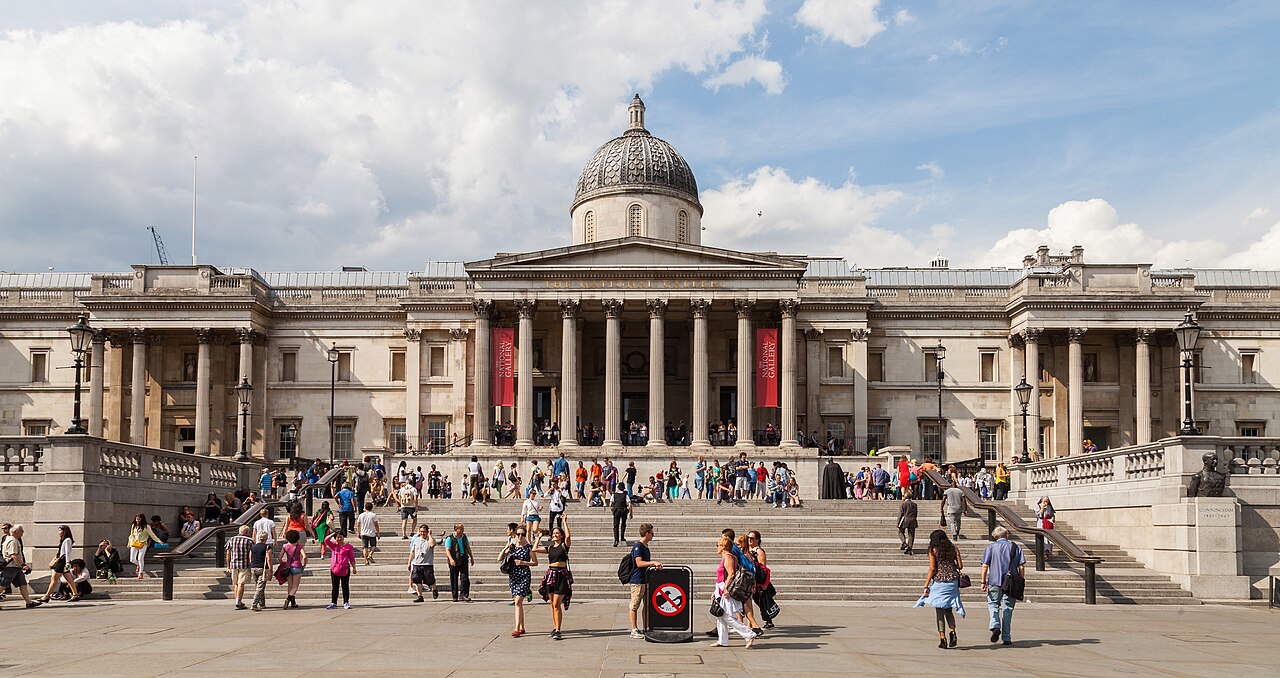
| This summer's extreme heat has put museums and cultural institutions across the United Kingdom in a bind |
Warning: the translation into English of the original Italian article was created using automatic tools. We undertake to review all articles, but we do not guarantee the total absence of inaccuracies in the translation due to the program. You can find the original by clicking on the ITA button. If you find any mistake,please contact us.