




by Redazione 26/07/2026



Categories: News / Disclaimer
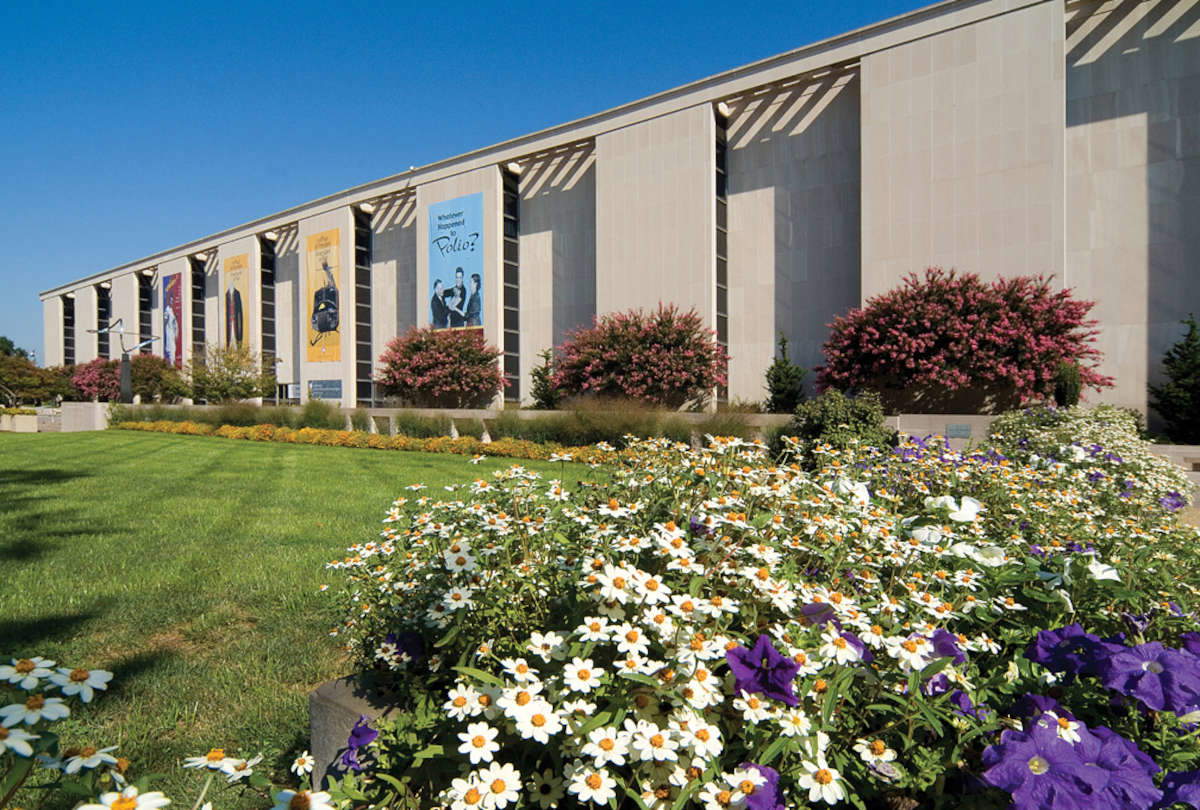
An executive order by Donald Trump requires the installation of signs outside the Smithsonian’s National Museum of American History in Washington to warn visitors of alleged inaccuracies in the museum’s exhibits. The decision follows an administration report accusing the museum of presenting an ideological interpretation of U.S. history.

A new chapter in the clash between U.S. President Donald Trump and the Smithsonian Institution: Trump has signed an executive order mandating the installation of temporary signage outside the National Museum of American History in Washington to warn visitors that, according to the White House, the museum’s exhibits contain inaccurate information and should be updated. The order, signed on July 24, 2026, represents the latest development in a broader initiative launched by the Trump administration to influence how federal cultural institutions tell the history of the United States. The executive order comes just days after the publication of a 162-page report prepared by the Domestic Policy Council and titled *Saving America’s Story: How Ideological Capture at the Smithsonian Institution’s National Museum of American History Erases Our Heritage*, in which the leadership of the Smithsonian and the National Museum of American History is accused of having replaced what the administration defines as “proper historical education” with a vision oriented toward political activism and social justice.
According to the executive order, the report is the result of a review lasting several months and initiated pursuant to Executive Order 14253, signed by Trump on March 27, 2025, and titled “Restoring Truth and Sanity to American History.” The White House maintains that the investigation demonstrates that the Smithsonian’s leadership does not present American history as a shared national heritage to be passed on and celebrated, but instead uses it as a tool to promote ideas of social justice and a radical transformation of society.


In the text of the order, the president also states that the current leadership of the Smithsonian Institution and the National Museum of American History can no longer be considered trustworthy in recounting the history of the United States “with honesty and gratitude.” Based on this assessment, the administration declares its intention to use all available means to address the issues identified in the report and restore trust in the Smithsonian.


The order identifies several federal officials responsible for implementing this policy. The Secretary of the Interior, the Director of the Office of Management and Budget, the Administrator of the General Services Administration, and the Assistant to the President for Domestic Policy must use all authorities provided by law to advance the objectives set forth in the order, facilitate the resolution of the issues highlighted in the report, and ensure compliance with laws, regulations, administrative provisions, and any conditions related to funding and contracts.
The most visible measure called for in the order, however, concerns the installation of signs for visitors to the National Museum of American History. The Secretary of the Interior, through the National Park Service and in coordination with the Assistant to the President for Domestic Policy, must install temporary signage along the sidewalks and pedestrian paths under the jurisdiction of the National Park Service that are used by the public to reach the museum.
According to the executive order, these signs must inform visitors of the conclusions contained in the Domestic Policy Council’s report and the policy adopted by the administration. The signage must also state that the museum’s exhibits “should be updated” in accordance with the report’s conclusions and direct the public to locations and resources that, according to the White House, provide accurate information on American history.
The text of the order, however, does not specify which locations or resources visitors should be directed to, merely stipulating that such information be included on the signage posted outside the museum.
The order also contains a specific provision regarding the 250th anniversary of the founding of the United States. The administration contends that the National Museum of American History did not adequately honor the fifty-six signers of the Declaration of Independence during the celebrations planned for this anniversary. For this reason, the Secretary of the Interior—again through the National Park Service and in coordination with the President’s Assistant for Domestic Policy—must install additional temporary exhibits or signs along sidewalks, pedestrian paths, and public areas managed by the National Park Service with the stated goal of correcting what the administration describes as inaccurate information presented within the museum.
The executive order also clarifies certain aspects regarding its implementation. It specifies that the order does not alter or limit the authorities granted by law to federal agencies or their respective heads, nor does it interfere with the functions of the Director of the Office of Management and Budget regarding the budget, administration, and legislative proposals.
The document further stipulates that all measures must be implemented in accordance with existing laws and subject to the availability of financial resources. It is also specified that the order does not create any new legally enforceable rights or benefits against the federal government, its agencies, or its officials, and that the costs of publishing the order will be borne by the Department of the Interior.
The new executive order represents a further step in the Trump administration’s strategy regarding the Smithsonian Institution. At the heart of the criticism is the way in which the National Museum of American History presents themes related to U.S. history, with particular reference to interpretations that the White House and the report’s authors consider to be excessively focused on issues of social justice and political activism.
The decision to intervene by placing signage outside the museum is certainly an unusual move in the relationship between the federal government and one of the nation’s leading cultural institutions. The order does not mandate immediate changes to the National Museum of American History’s interior exhibits, but aims to inform visitors in advance of the administration’s official position, inviting them to consider the report’s content and suggesting a future revision of the exhibits in accordance with the conclusions reached by the Domestic Policy Council. The actual implementation of the planned measures will now depend on coordinated action by the Department of the Interior and the National Park Service, which are tasked with setting up the signs and any temporary installations in the public areas leading to the museum. However, it remains unclear what alternative informational resources will be provided to visitors or whether the Smithsonian Institution will make changes to its exhibits in response to the administration’s requests.
|
| Trump has signs posted in front of the Smithsonian protesting its alleged “inaccurate information” |
Warning: the translation into English of the original Italian article was created using automatic tools. We undertake to review all articles, but we do not guarantee the total absence of inaccuracies in the translation due to the program. You can find the original by clicking on the ITA button. If you find any mistake,please contact us.