





A heated debate has erupted in Viterbo over the relationship between heritage preservation, public memory, and symbols of fascism—all sparked by an inscription on the facade of a building constructed during the fascist regime. At the center of the debate is the facade of the “Mariano Buratti” Classical and Linguistic High School, a building constructed during the twenty-year Fascist regime and now named after Mariano Buratti ( Bassano Romano, 1902 – Rome, 1944), a philosophy professor who chose to fight as a partisan against the fascist regime, ultimately sacrificing his life. Extraordinary maintenance work on the building on Via Tommaso Carletti is, in fact, revealing a large inscription, “Casa del Balilla,” on the building’s facade. The appearance of the inscription has sparked immediate reactions from anti-fascist associations, students, teachers, and cultural institutions, giving rise to a debate concerning not only the appropriateness of preserving a symbol linked to the Fascist period but also its actual historical accuracy.
The story came to public attention following an investigation by the online news outlet Tusciaweb, which documented the work underway on the historic building: the published photographs currently show only the letters beneath the tarps draped over the scaffolding, but that was enough to spark the debate. According to some initial reports, the inscription was restored during the renovation, transforming what was supposed to be a conservation effort into a decision capable of altering the symbolic relationship between the site and its history. Furthermore, what makes the case particularly sensitive is the fact that the high school is dedicated to Mariano Buratti, a central figure in the Viterbo Resistance. Born in 1902, Buratti—who taught history and philosophy in those very classrooms—refused to support the dictatorship and, after September 8, 1943, formed a partisan unit active in the Tuscia region, known as the “Banda Buratti.” Arrested by the Nazi-Fascists, he was transferred to Rome and tortured in the prisons on Via Tasso; on January 31, 1944, he was executed by firing squad at Forte Bravetta. The Gold Medal for Military Valor was posthumously awarded to him.
It is precisely the connection between the school’s name and the building’s history that has made this story particularly significant: the presence of an inscription referring tothe Opera Nazionale Balilla—that is, the Fascist youth organization—on a school named after a man who fought against the regime represents a contradiction that is difficult to ignore. However, the central issue of the debate also concerns the authenticity of the inscription. Istoreco, the Institute for the History of the Resistance and Contemporary History of Viterbo and Tuscia, has expressed strong concern over what came to light during the renovation work, arguing that the phrase “Casa del Balilla” does not appear in historical photographs of the building.
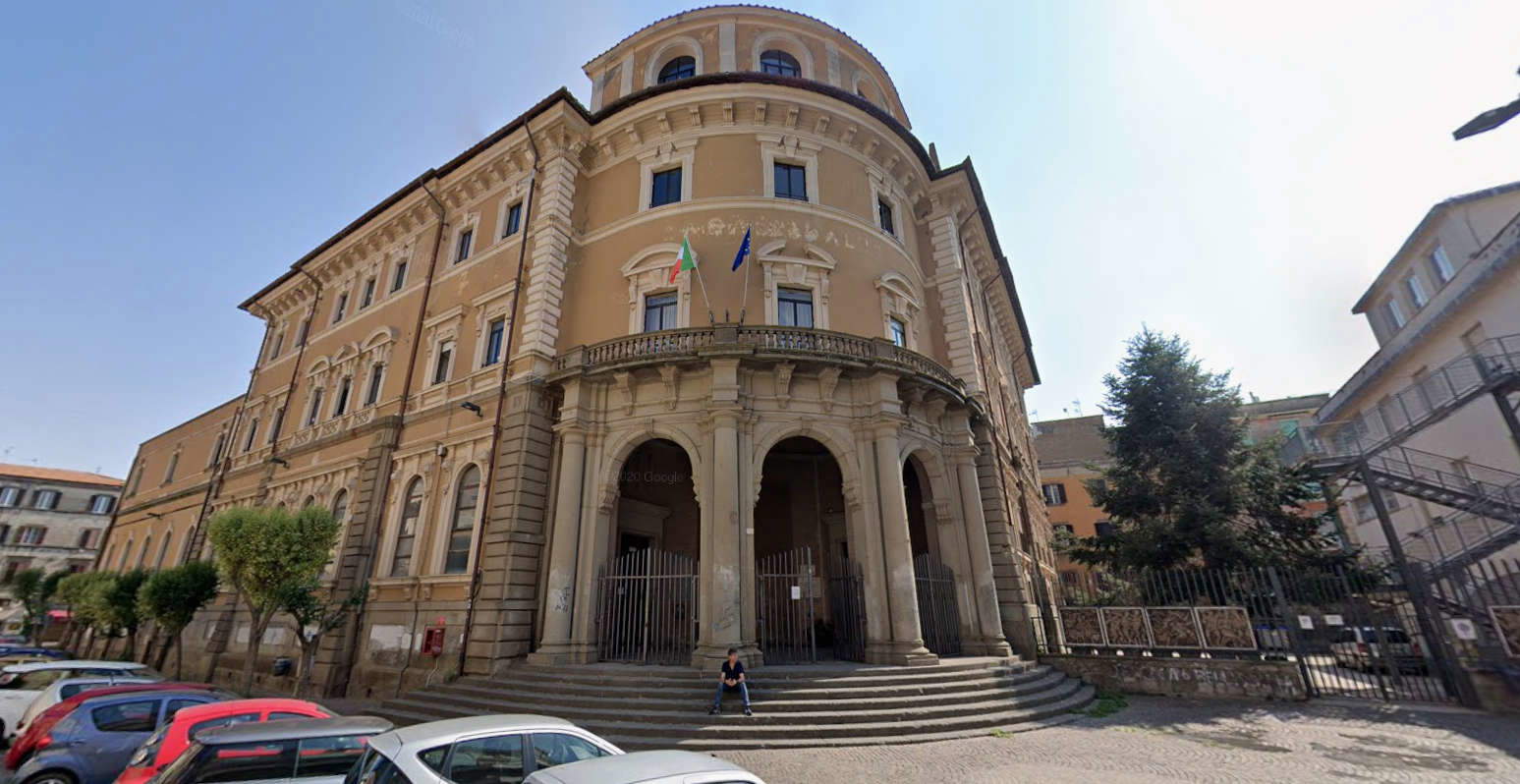
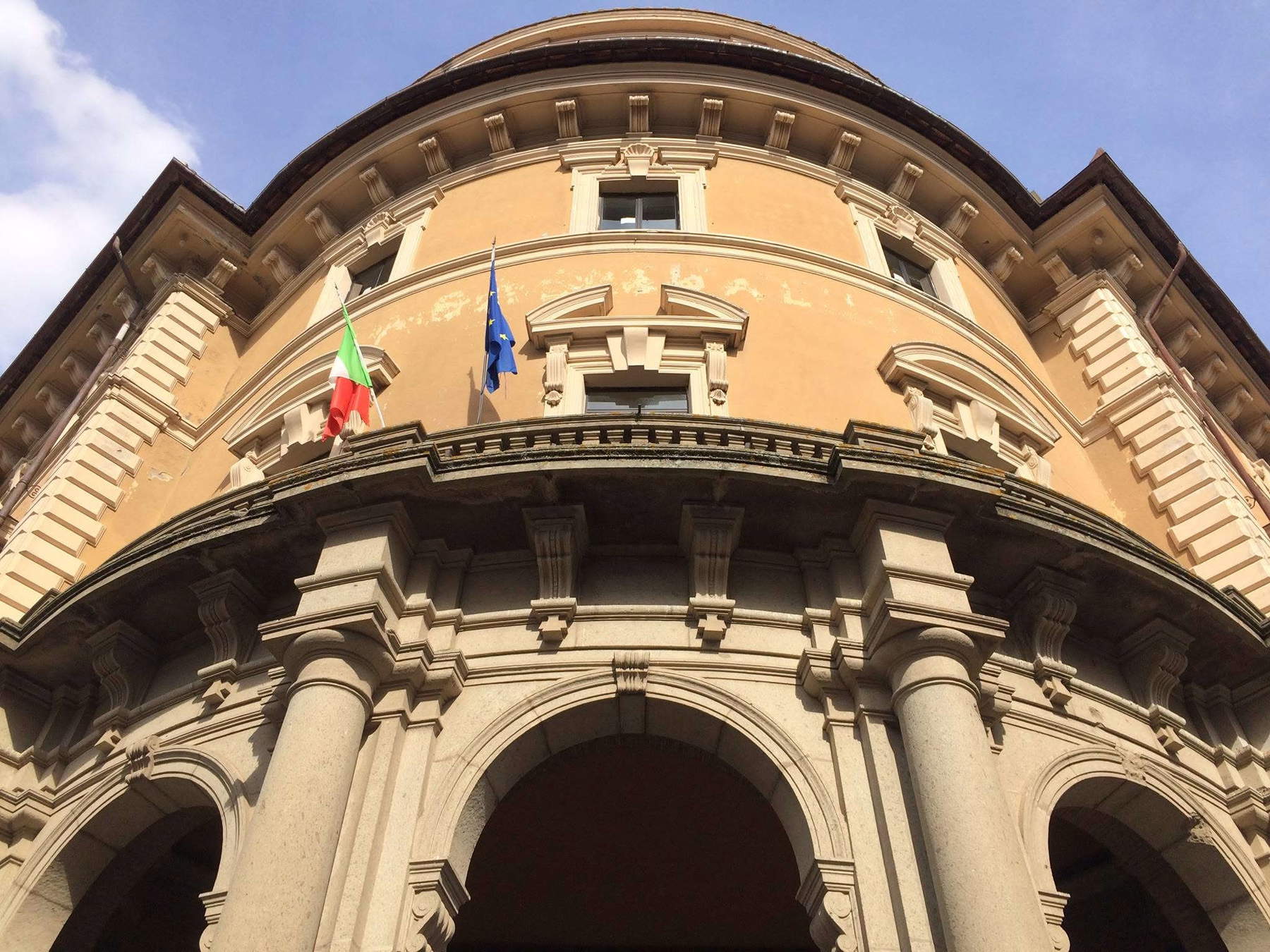
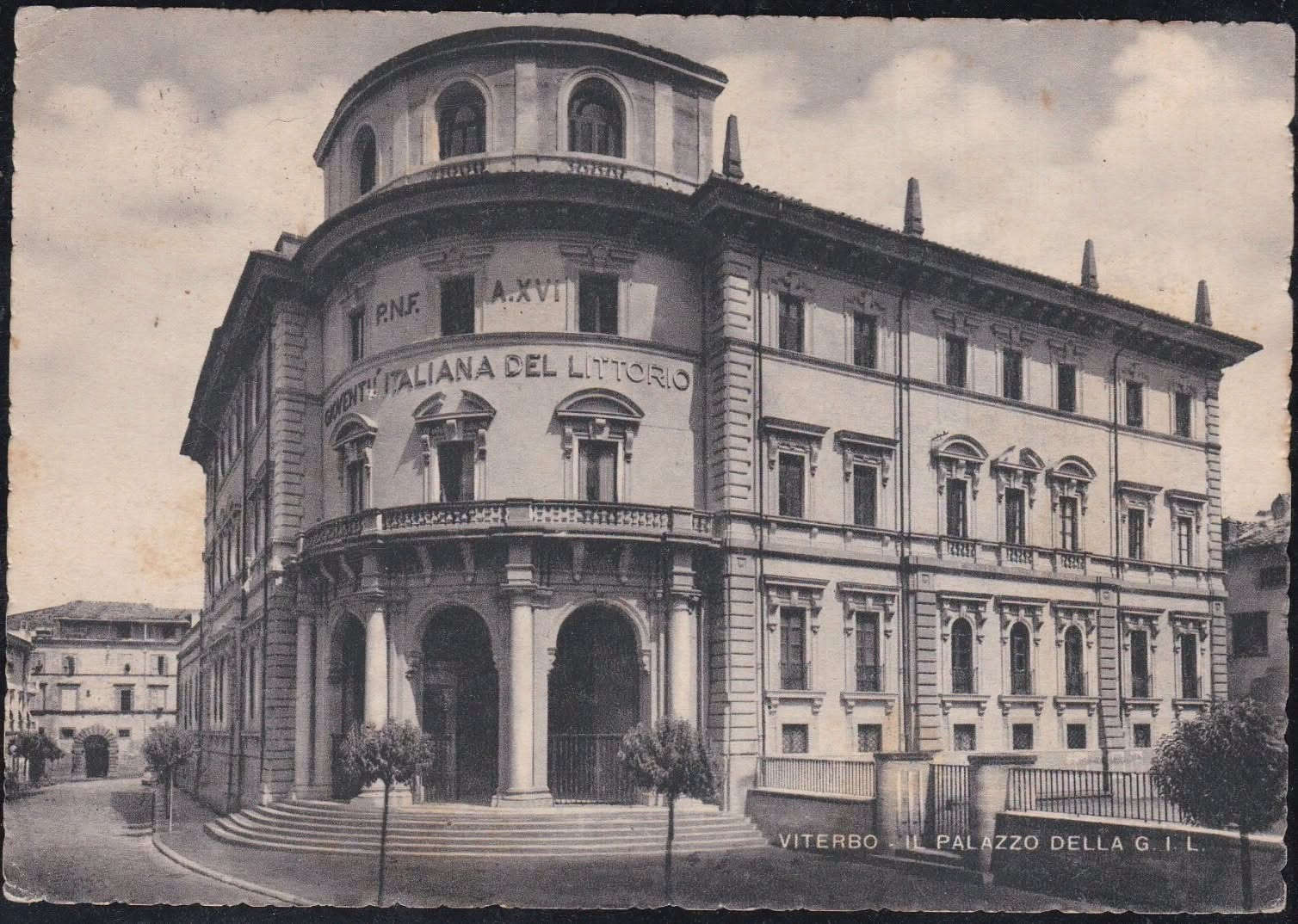
More specifically, according to Istoreco, the available photographic sources show inscriptions different from the one visible today. The building, constructed between 1930 and 1931 on the initiative of the Opera Balilla, reportedly initially bore the inscription “Opera Balilla” and subsequently, from 1937 onward, that of the “Gioventù Italiana del Littorio” (Gil), the organization that replaced the Opera Balilla as part of the ideological indoctrination of Italian youth during the Fascist era. Local historian and journalist Mauro Galeotti also searched the archives but found no photos showing the inscription “Casa del Balilla” (in some photos, however, the facade is seen without any inscriptions, and in another, the inscription “Opera Balilla”), although, as Galeotti himself noted, the letters “ASA” and “BAL”—almost illegible but still distinguishable—are indeed visible in the photos taken before the restoration. However, it was not possible to determine the exact date of the inscription that was restored.
In any case, according to Istoreco, the reconstruction of the inscription “Casa del Balilla” constitutes a problematic use of historical documentation and a decision contrary to the need for an accurate understanding of the past. Istoreco has requested clarification on the administrative process that led to the decision to preserve it and has announced its intention to launch a cultural and civic campaign, together with local associations, to defend the centrality of Buratti’s figure in the city’s public memory.
On the other hand, the Superintendence of Archaeology, Fine Arts, and Landscape for the Province of Viterbo and Southern Etruria, along with the Province of Viterbo—the entity that commissioned the work—have provided a different account of the events, as reported by journalist Raffaele Strocchia in Viterbo Today. According to the explanation provided by the agencies involved, the inscription was neither recreated nor invented during the restoration but was discovered during the analysis of the facade. As mentioned, the inscription was already partially visible to the naked eye before the restoration began, due to differences in the behavior of the materials used. The inscription, made of fine plaster, reportedly has a different porosity coefficient than the facade’s plaster, which over time caused the surface layer of paint to peel off prematurely, revealing the letters beneath. During the work, the restorer in charge reportedly conducted stratigraphic tests—that is, analyses of the layers of paint and finish present on the surfaces—which made it possible to identify the form and content of the inscription. The outlines of the letters were reportedly traced with a pencil, and the presence of the inscription was confirmed by the personnel involved in the construction site and subsequently submitted for evaluation by the Superintendency.
For the heritage protection agency, the inscription would represent material evidence of the building’s history and, as such, should be preserved in accordance with the principles of restoration. The removal of the inscription—even assuming that older inscriptions might lie beneath it—would in fact entail the destruction of a historical trace deemed worthy of protection and could constitute a violation of the law. The Superintendency and the Province have also rejected any political interpretation of the decision, emphasizing that the intervention was determined exclusively by technical and conservation considerations. According to this approach, the protection of cultural heritage must view the building as a layered record in which different historical phases coexist, without making selections based on ideological judgments.
However, the question of the inscription’s date remains open. Historical photographs of the building do not appear to document the words “Casa del Balilla” on the facade, though they do show other inscriptions present during the Fascist period. An image from 1932 documents the inscription “Opera Balilla,” while a photograph from 1937—the year of the building’s official inauguration—shows the inscription “Gioventù Italiana del Littorio.” According to research conducted on the matter, the chronological placement of the reemerged inscription will require further analysis by the restorer. The current hypothesis is that it may date back to the final years of the Fascist regime, but additional evidence will be needed to establish with certainty when it was created.
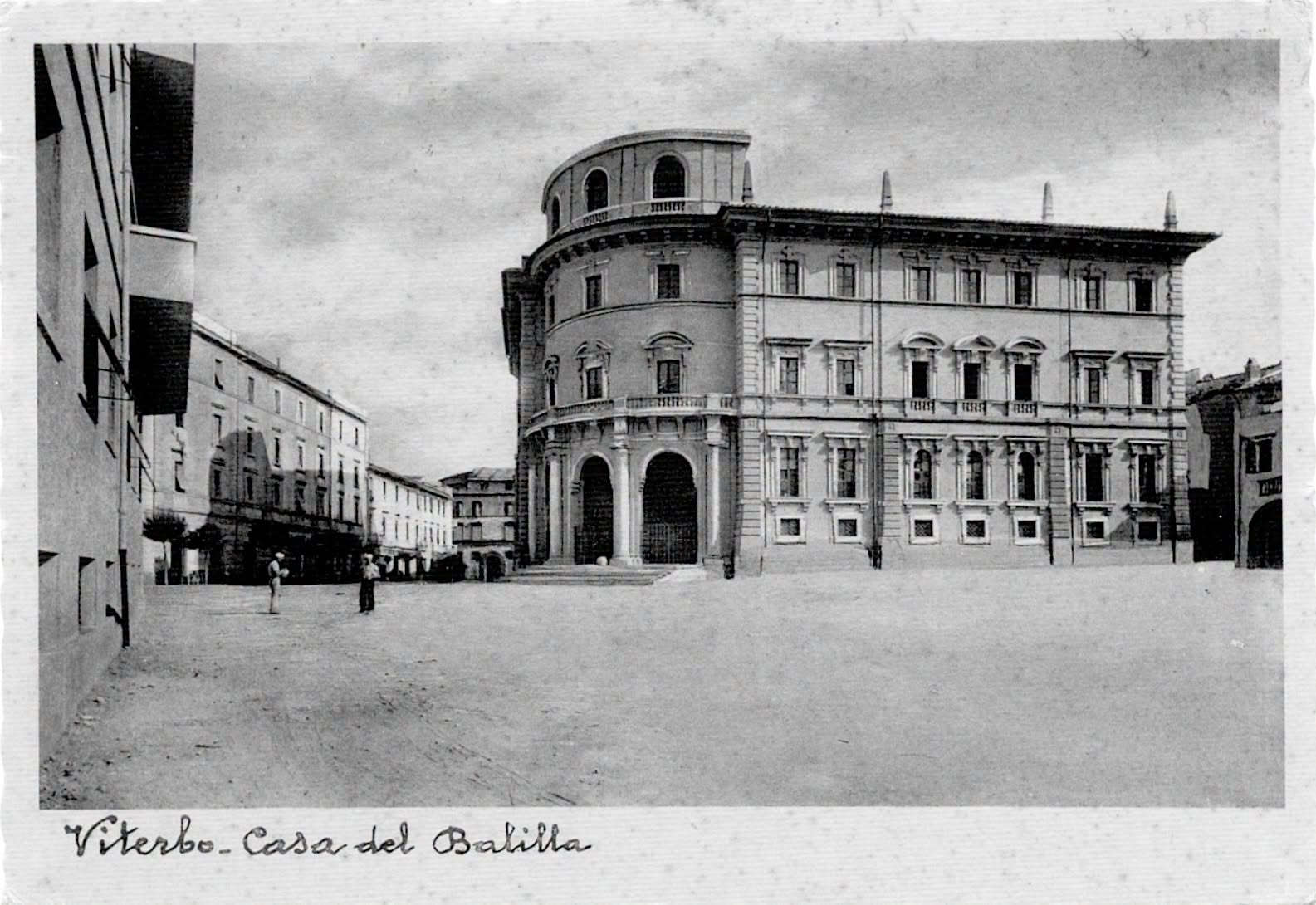
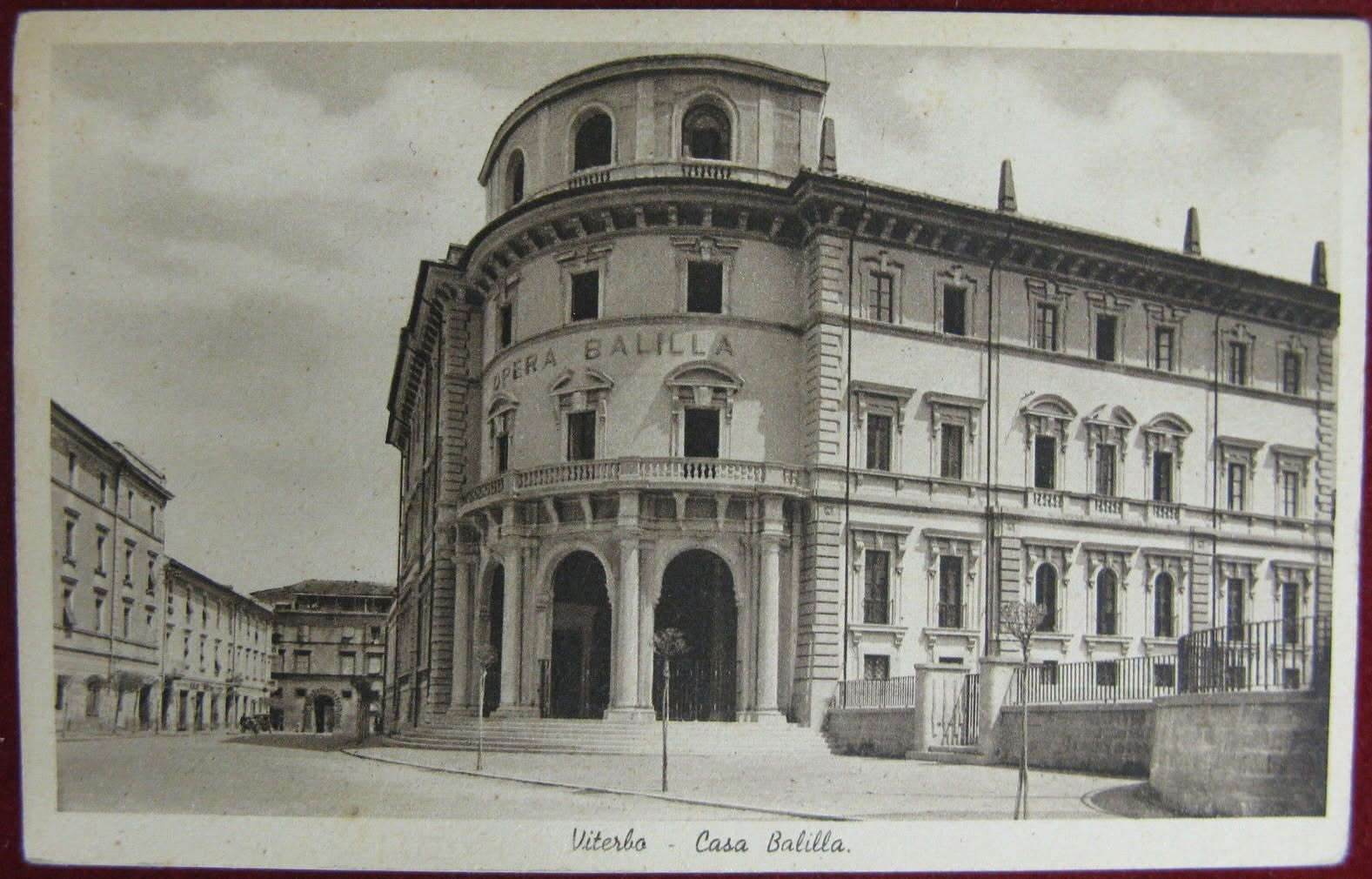
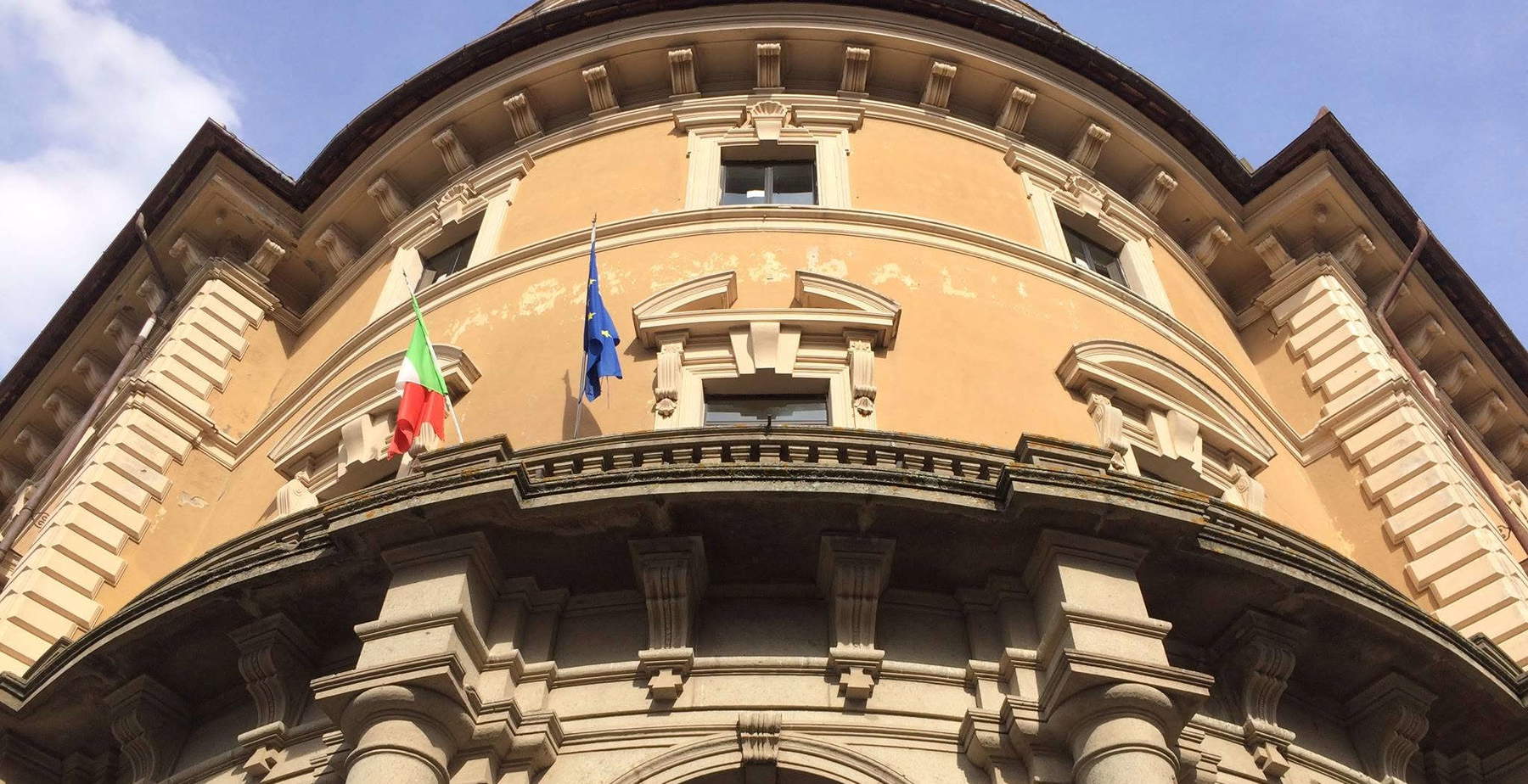
The choice of color for the inscription has also been a topic of discussion. The shade used was determined in accordance with the procedures established by the Superintendency for interventions on cultural heritage. The restorer conducted tests and produced samples, which were submitted for evaluation by the official in charge at the cultural heritage agency, who specified the procedures to be followed. The reddish color initially chosen was reportedly motivated by the presence of similar color elements in the building, such as another inscription carved into the stone with traces of red. However, following an on-site inspection conducted on July 22, the Superintendency reportedly deemed the shade too intense and requested that it be toned down, with the aim of making the inscription less conspicuous while still keeping it visible.
The history of the building, reconstructed in detail by Galeotti, adds further elements to the debate. The building, as mentioned, served as the headquarters of the Opera Nazionale Balilla and later of the Gioventù Italiana del Littorio, organizations through which the Fascist regime pursued the physical, moral, and ideological education of young people. It was designed by engineer Enrico Rispoli and architect Carlo Bodini, with revisions by engineer Achille Pintonello of the Ministry of National Education. Although the building had been opened to the public on October 28, 1930, the official inauguration took place on May 5, 1937, in the presence of Renato Ricci, then national president of the Opera Nazionale Balilla. On that occasion, Ricci celebrated the building as a place dedicated to the education of Fascist youth.
After World War II, the building underwent a radical change in function. Between 1948 and 1955, the gymnasium of the former Gioventù Italiana del Littorio was used for the reorganization and cataloging of the volumes of the Municipal Library, which had been saved from destruction at Palazzo Pocci during the 1944 bombings thanks to the intervention of director Laura Dentini. The transformation into a high school named after Mariano Buratti thus marked a new phase in the history of the site, imbued with a strong civic and democratic significance.
The issue of the Viterbo high school’s name has even reached Parliament. On July 23, 2026, an oral question addressed to Minister of Culture Cecilia D’Elia was submitted to the Senate, signed by several senators—seven from the PD (Francesco Verducci, Francesco Giacobbe, Francesca La Marca, Dario Parrini, Vincenza Rando, Filippo Sensi, and Valeria Valente) as well as a senator from Fratelli d’Italia (Susanna Donatella Campione).
The parliamentary motion asks the Ministry to clarify the circumstances that led to the appearance of the inscription and to make public the project, the permits, and the technical documentation related to the intervention. The inquiry echoes the positions expressed by ANPI, Istoreco, and other associations, which argue that the inscription does not appear in historical photographs and represents a wound to the memory of the Resistance. The senators also ask the Superintendence of Archaeology, Fine Arts, and Landscape for the Province of Viterbo and Southern Etruria to evaluate the possibility of making public the project, the permits, and all technical documentation related to the work.
 |
| Viterbo: Restoration Reveals the Inscription “Casa del Balilla” on the High School’s Facade, Sparking Controversy |

Warning: the translation into English of the original Italian article was created using automatic tools. We undertake to review all articles, but we do not guarantee the total absence of inaccuracies in the translation due to the program. You can find the original by clicking on the ITA button. If you find any mistake,please contact us.



























 IT
IT FR
FR DE
DE ES
ES CN
CN


