




by Redazione 18/08/2026



Categories: News / Disclaimer
The panels by Antonello da Messina stolen from the MuMe are famous, well-documented, and instantly recognizable—and therefore unsellable on the legal market. So why steal them? Possible explanations in cases like this.

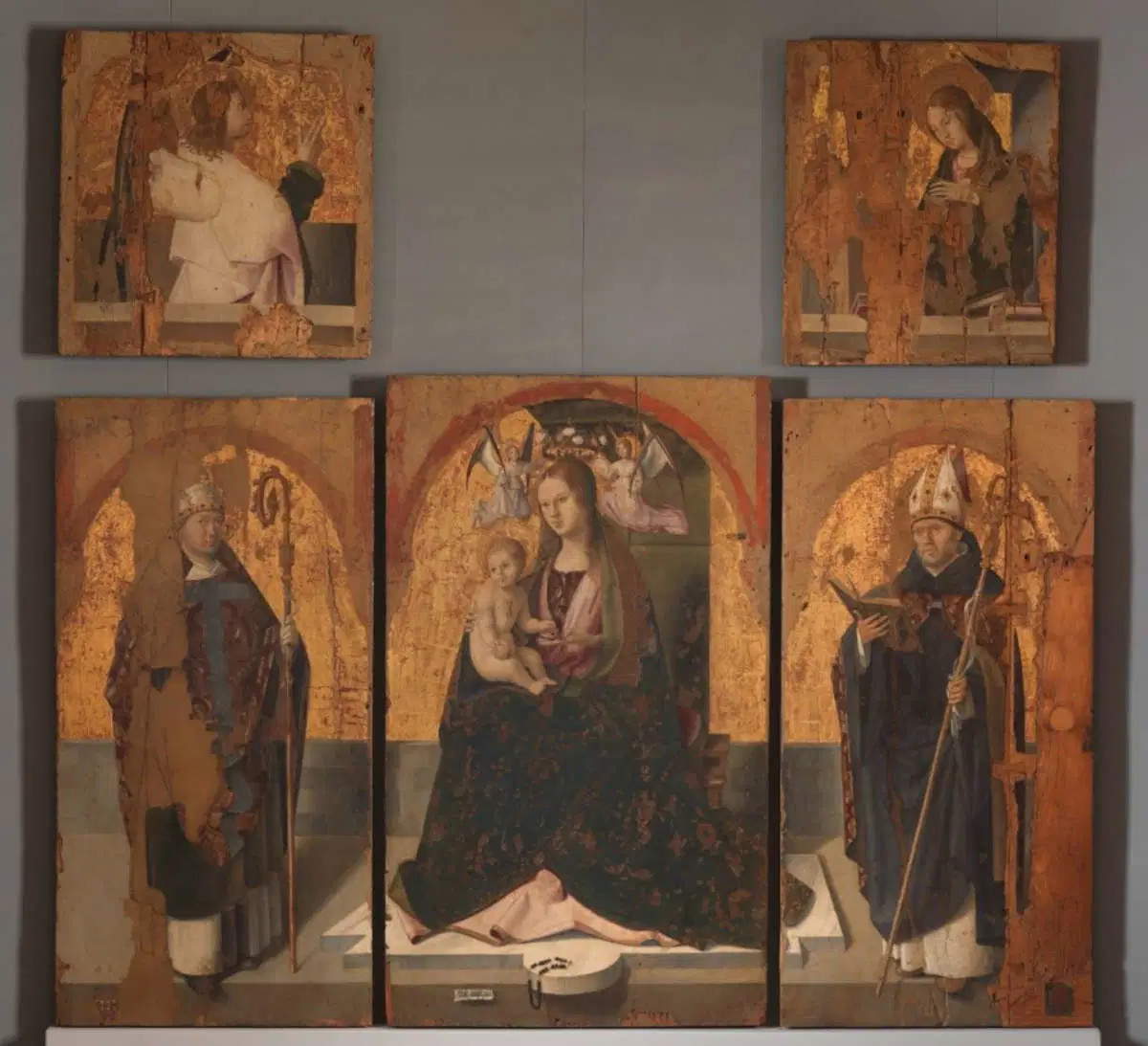
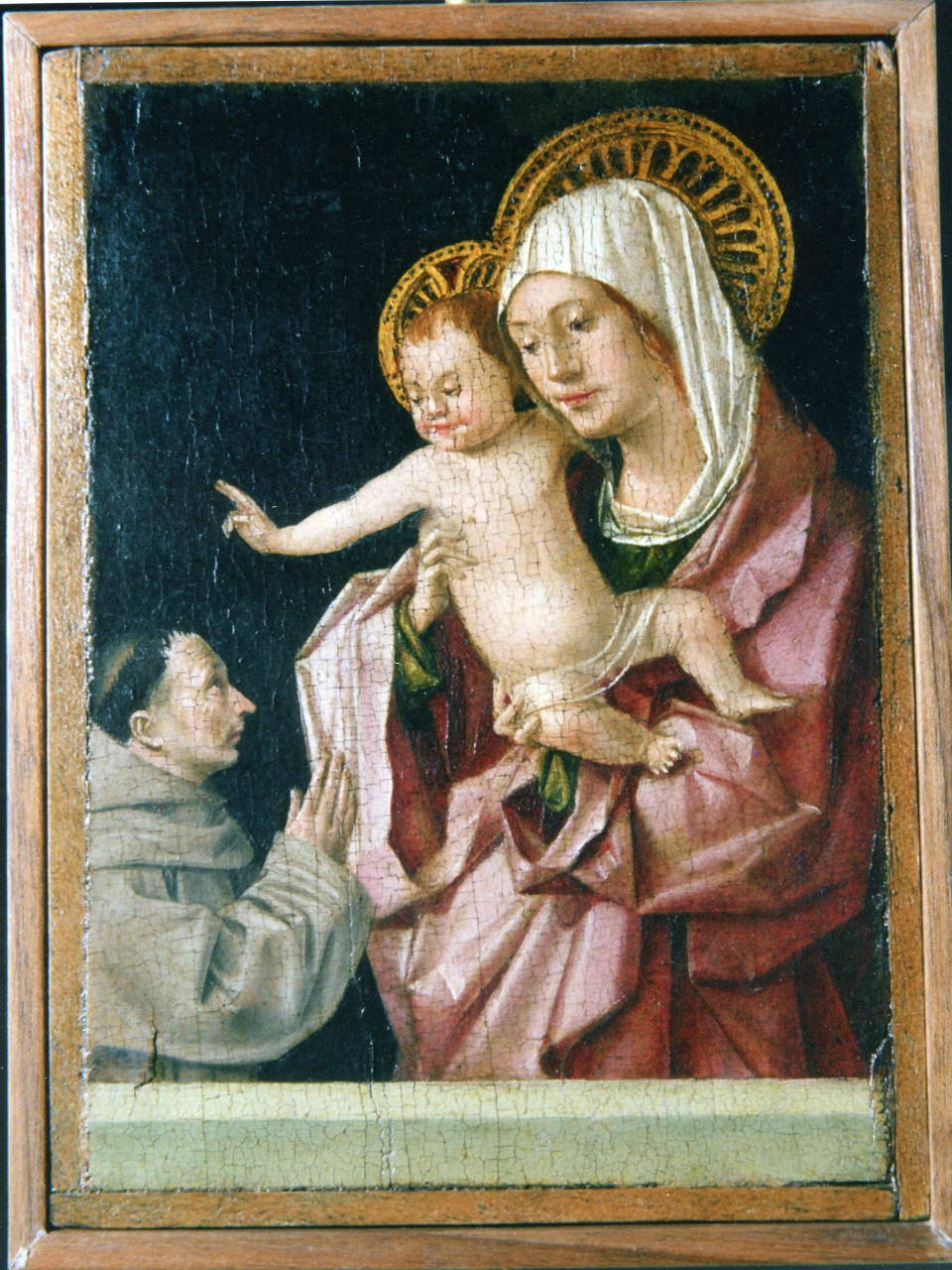
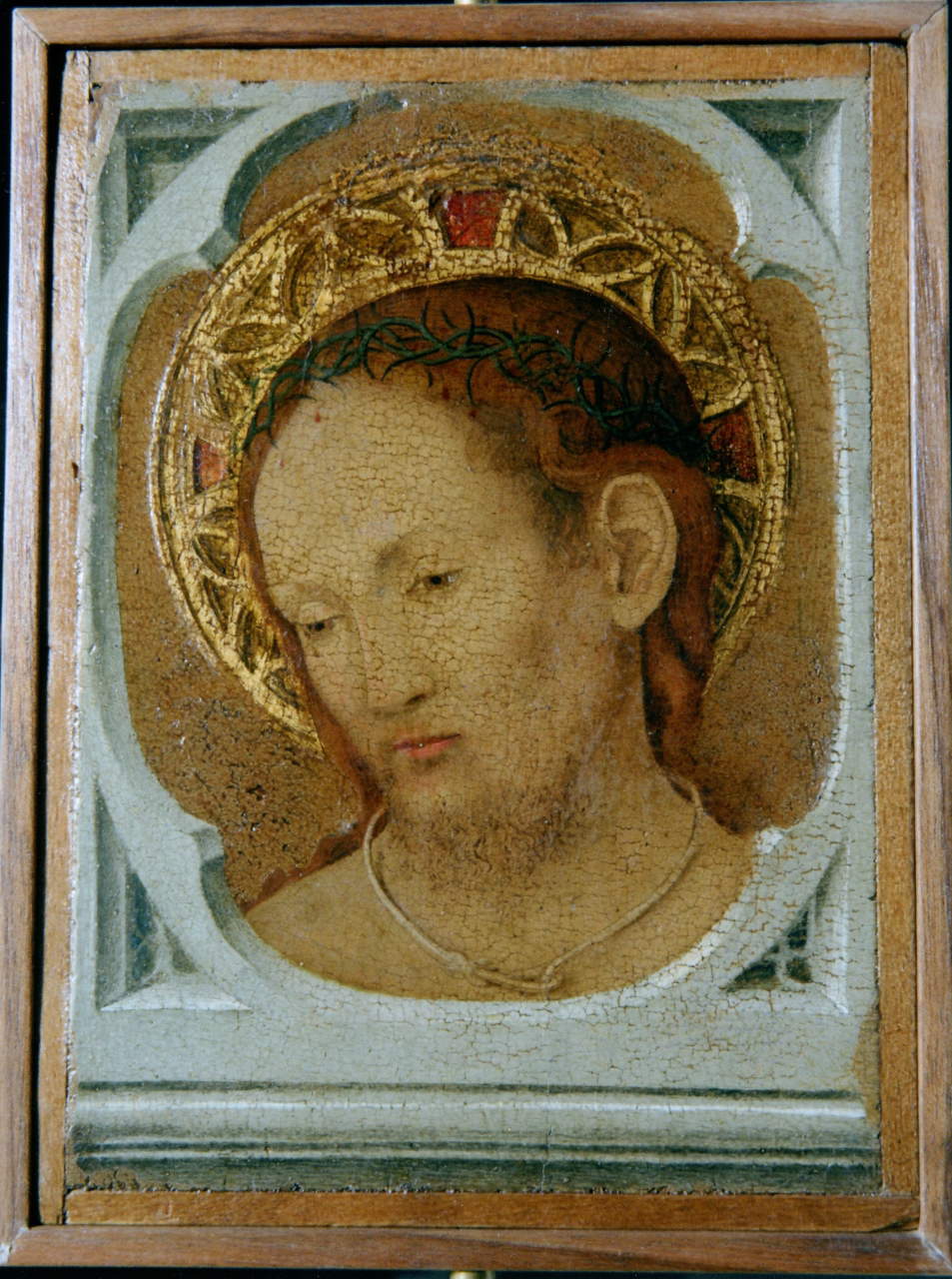
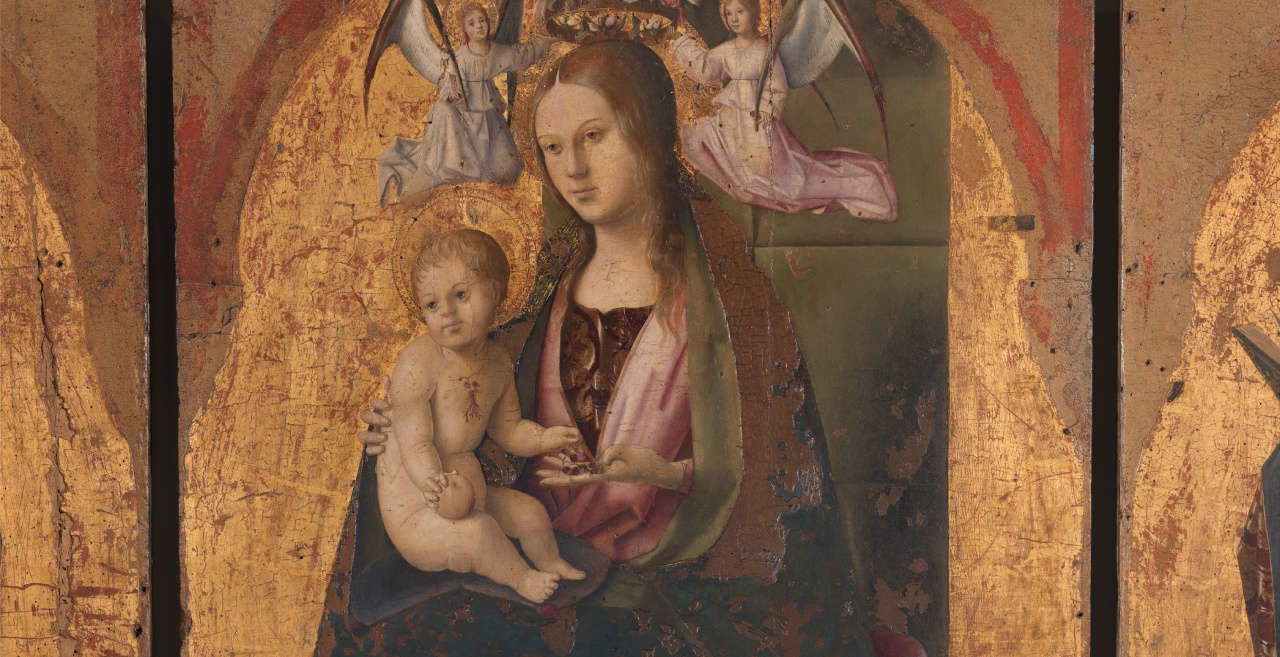
The central question, following the theft of Antonello da Messina’s panels from the “Maria Accascina” Regional Museum in Messina, concerns the possible motive: why steal such famous, easily recognizable works? Four panels by Antonello da Messina were taken: the central panel of the San Gregorio Polyptych, depicting the Madonna and Child Enthroned, the two panels depicting the Annunciation, also part of the polyptych, and a double-sided panel—that is, painted on both sides—which depicts on the front the Madonna and Child giving a blessing and a Franciscan in adoration, and on the back a Pietà. During their escape, however, the thieves left behind the two side panels of the polyptych—those depicting Saint Gregory and Saint Benedict. The two panels were recovered by the authorities. This is loot of immense value, yet nearly impossible to sell. So why steal them?
The first factor to consider is the very nature of the works. These are paintings by Antonello da Messina, one of the most recognizable names in the history of Italian art. Selling them on the legal market would therefore be impossible: the works are well-known, documented, and immediately identifiable—a circumstance that makes them unsellable through normal channels of the art market. Auction houses and antique dealers have access to databases of stolen works that they must constantly monitor to determine whether the merchandise that comes into their possession is legitimate, but in this case, it might not even be necessary to consult the databases, given how famous the works are: any insider would be able to immediately recognize the panels stolen from the Messina Museum, and once recognized, a report would automatically be filed with the authorities, meaning that any negotiations would not even get off the ground.


The economic value also makes a criminal operation aimed at a standard resale highly implausible. In 2017, according to art historian Caterina Di Giacomo in an interview with the *Gazzetta del Sud*, the *Polyptych of Saint Gregory* had been insured for approximately 100 million euros, a figure provided solely for inventory purposes. The case of the double-sided panel is different; it was purchased by the Sicilian Region in 2003 at a Christie’s auction for 257,188.75 pounds, equivalent at the time to approximately 360,000 euros. This valuation, however, must be viewed within the context of the art market and the particular rarity of Antonello’s works, as well as in light of the fact that this figure dates back more than twenty years. A more recent point of reference isthe *Ecce Homo* attributed to the painter and purchased by the Italian government for $14.9 million, approximately 13 million euros: currently, the value of the opistograph panel would more likely be around this figure. In any case, the problem for anyone wishing to turn the theft into a profit remains the same: such famous works cannot be introduced into the official market without attracting attention. We must, therefore, focus on other possibilities.
Let’s start with the least likely ones. One possibility is that the paintings are destined for the black market, where their illicit provenance can be concealed and the works can become the subject of a private transaction. Even in this case, however, the fame of the paintings poses a huge obstacle, unless those who commissioned the theft are envisioning a sort of very long-term criminal investment: the artwork could remain hidden for years, if not decades, waiting for attention surrounding the theft to subside so that the paintings can reemerge through intermediaries, forged documents, or subsequent transactions. This is not a remote possibility: just hours ago, news broke of the Picasso stolen from the Guggenheim Museum in New York, which had loaned it for an exhibition in 1961, only to resurface on the market nearly forty years later and be purchased in good faith by a married couple who are now embroiled in a legal battle with the museum over the return of the work. Meanwhile, however, the thieves have already cashed in on their haul and are likely untraceable by now. The weak point, however, is that for a small panel by Picasso (an artist who was, moreover, extremely prolific) stolen at a time when the internet did not exist, it was easier to imagine a long-term sale, whereas this is much less likely for a masterpiece by a painter as rare as Antonello da Messina.
Even less plausible is the theory that the theft was carried out to turn the works into a sort of trophy for organized crime. This line of inquiry had previously been linked to Caravaggio’s *Nativity*, stolen from Palermo in 1969: this theory, however, had been called into question even by a state’s witness, who argued that displaying stolen works of art as a symbol of prestige is not a practice associated with the Mafia, which would in fact find it unseemly according to its own codes.
It is therefore necessary to evaluate the most plausible scenarios. Among these is the so-called “art-napping”—the seizure of a work of art with the aim of obtaining something in exchange for its return: a sum of money, a reduced sentence, or whatever else the criminals might negotiate with the authorities. In such a scenario, the value of the painting does not necessarily correspond to the price that could be obtained from its sale. In fact, the artwork can become a means of exerting pressure: the thief can use it to demand money, secure favors, or force negotiations with the owner or parties interested in its recovery. It is a logic in which the difficulty of selling the painting does not necessarily pose a limitation—what matters is its potential as a hostage. A demand, therefore, could be directed specifically at the national government or the regional government, emphasizing the cultural value of the works rather than their commercial value. This dynamic differs from the classic theft for profit: the objective, as mentioned, could be to obtain money, concessions, or other benefits in exchange for the painting’s return.
Another possibility involves the use of the panels as collateral in dealings between criminal organizations. In this scenario, the works could be used as a sort of bargaining chip or collateral in illicit transactions, without any intention of immediately putting them on the market. The mechanism, in simple terms, would be as follows: a stolen work of art may have enormous value to its owner but may not be easily monetized on the market. However, this does not mean it is of no use to a criminal organization: it could, in theory, be used as collateral for a debt or an agreement. Let’s imagine, for example, two criminals involved in a financial transaction: one is owed a sum of money by the other, or must receive a shipment of goods or some other form of consideration. Instead of using money as collateral, a high-value asset—such as a work of art—could be handed over. It does not matter whether the asset comes from illicit trafficking or theft, as in this case: the asset, in fact, could also be a shipment of drugs, weapons, jewelry, or counterfeit goods, precisely because it is not necessary for it to have a readily realizable market price. In an underground transaction, the value can in fact be determined by the parties based on how much they are willing to pay for that item. This scenario, however, has a weakness: an immediately recognizable work of art is a very risky form of collateral. The more famous a painting is, in fact, the harder it is to hide, transport, or use it without leaving a trace. Furthermore, if the debtor fails to pay and the creditor wishes to collect by seizing the asset offered as collateral, the creditor would still be left with an item that cannot be legally sold—and one can imagine that in the world of organized crime, it is easier to make money from a shipment of drugs than from a panel painting by Antonello da Messina.
Finally, there is the scenario of the unscrupulous collector, interested in owning a work by Antonello da Messina at any cost. This scenario does not necessarily require a subsequent sale: the painting could be destined for a clandestine private collection, in which the owner would be willing to face the risks arising from the work’s criminal provenance just to come into possession of it following a classic commissioned theft—for which this collector may have sufficient means and resources. In this case, the weakness is that we must imagine a collector who cannot show his collection to anyone. It would, therefore, be a relationship with himself, or at most with a circle of loyal confidants in whom the unscrupulous collector places the utmost trust. At this point, the most natural question becomes: who would be interested in owning a work that they cannot publicly display—to the point of taking on all the associated risks?
For now, however, none of these theories can be considered proven: the one certainty is that the loot consists of works of extraordinary recognition value, which are difficult to sell openly and therefore hardly compatible with a simple theft aimed at immediate profit.
 |
| What's the point of stealing a masterpiece by Antonello da Messina? Possible theories |
Warning: the translation into English of the original Italian article was created using automatic tools. We undertake to review all articles, but we do not guarantee the total absence of inaccuracies in the translation due to the program. You can find the original by clicking on the ITA button. If you find any mistake,please contact us.