



by
Noemi Capoccia  @noe_capo
02/11/2026


Categories: Opinions / Disclaimer
The 60th edition of Lucca Comics & Games comes to a close with 345,000 attendees, over 900 guests, and 14 exhibitions. From the dialogue between Go Nagai and Dante to Alberto Angela’s appearance dressed as a Mandalorian, a look at the relationship between pop culture and historical heritage. A coexistence rich in possibilities, yet not without its contradictions.

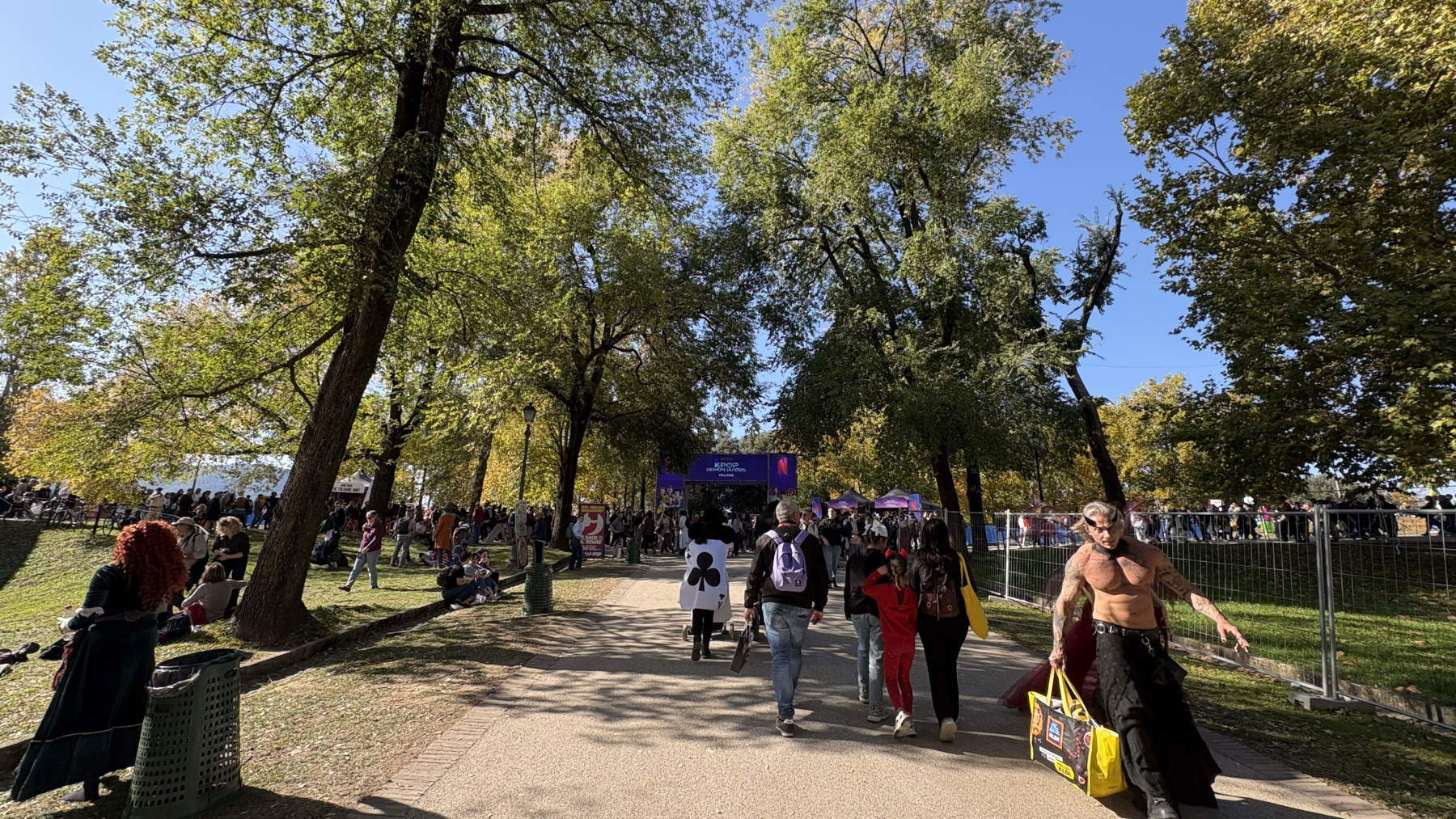
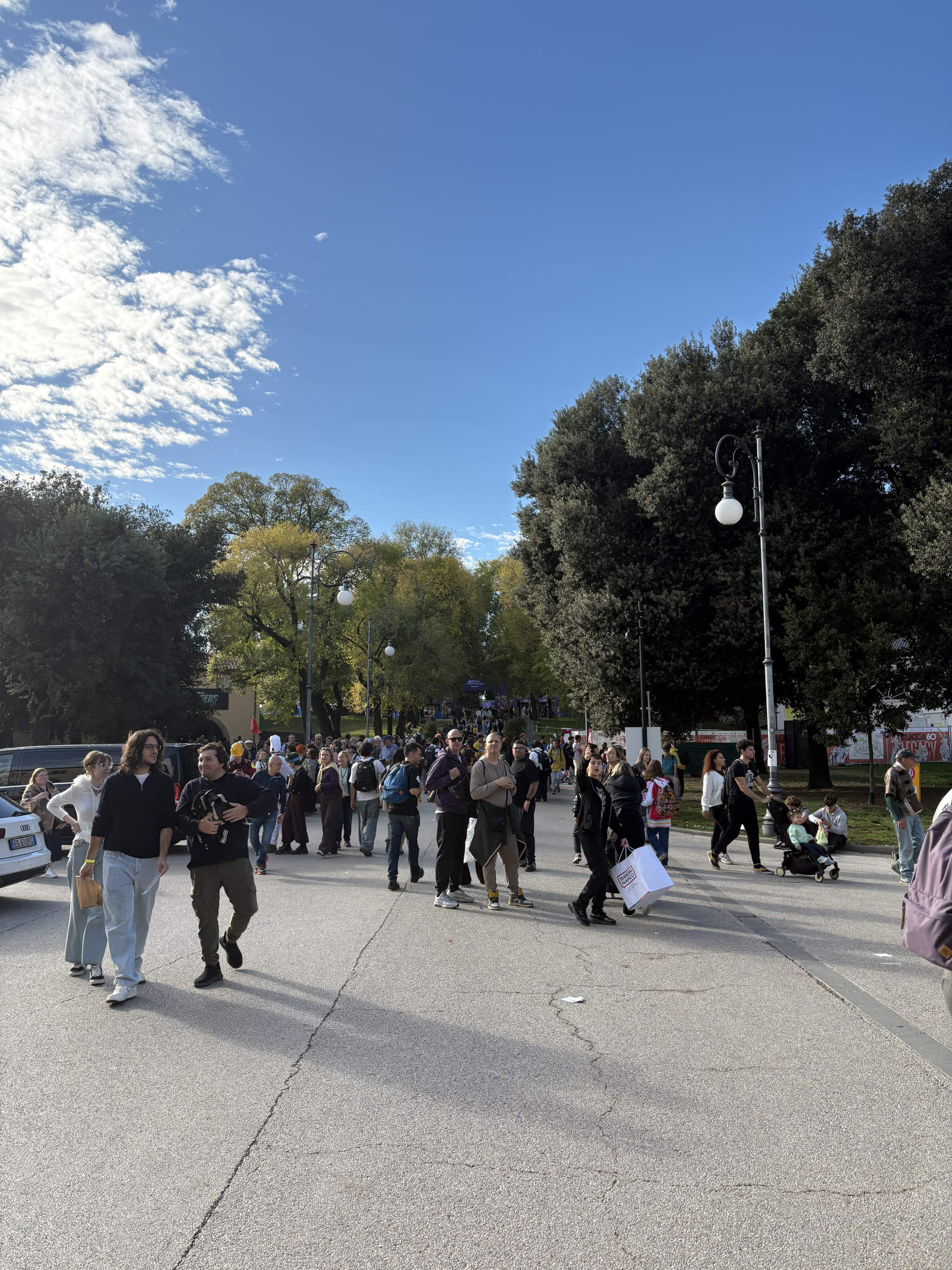
345,000 attendees, more than 900 guests from around the world, 800 exhibitors, over 1,500 events, and 14 exhibitions. These are the figures marking the close of the 60th edition of Lucca Comics & Games, which ended yesterday, November 1, after five days during which the historic center was transformed. To that number must be added all those who, without tickets, still filled the streets and squares. Already on opening day, as reported in an article by La Nazione (the fair’s main media partner), there were approximately 30,000 visitors.


Among the highlights of this edition—which featured video games dedicated to the city of Lucca, comics, booths, and world-renowned illustrators (and this is not the kind of presence one might expect)—was Dante Alighieri. Seven hundred years later, *Inferno* has in fact continued to serve as a wellspring of imagery for artists. This was evident in the illustrations by Paolo Barbieri, who depicted Dante’s world in the book *Dante’s Inferno Illustrated by Paolo Barbieri*, which was on display at the fair. And it did so above all through Go Nagai, one of the guests of honor, to whom the festival dedicated the exhibition *Go Nagai – Sun, Heart, and Steel*, held from October 28 to November 1 at the Palazzo delle Esposizioni of the Fondazione Banca del Monte di Lucca.


The exhibition traced the mangaka’s most famous creations: steel giants like Mazinger Z and Goldrake, which introduced Japanese anime to Italy, as well as Jeeg, Great Mazinger, Getter Robot, and Devilman, one of the most important works of his career. Alongside this universe, the exhibition drew parallels between Nagai and the Italian tradition through six works from the Uffizi Galleries: five drawings from the Divine Comedy series created by Federico Zuccari between 1586 and 1588 and a copy of Michelangelo’sDamned Soul (or Fury), attributed to Francesco Salviati.

The connection to Dante, in this case, has solid foundations. Nagai was introduced to the *Divine Comedy* through Gustave Doré’s engravings and returned to it repeatedly throughout his career: from *Mao Dante* (1971) to *Devilman* (1972), up to the direct adaptation of the 1990s. In his works, the demon represents the battleground between reason and primal instinct. Horns, fangs, wings, and animalistic features on the body symbolize the loss of grace and a return to a savage state. It is a repertoire that draws from Dante, Bosch, and Doré and is reimagined by manga, demonstrating how a medieval poem can inspire new interpretations centuries later.
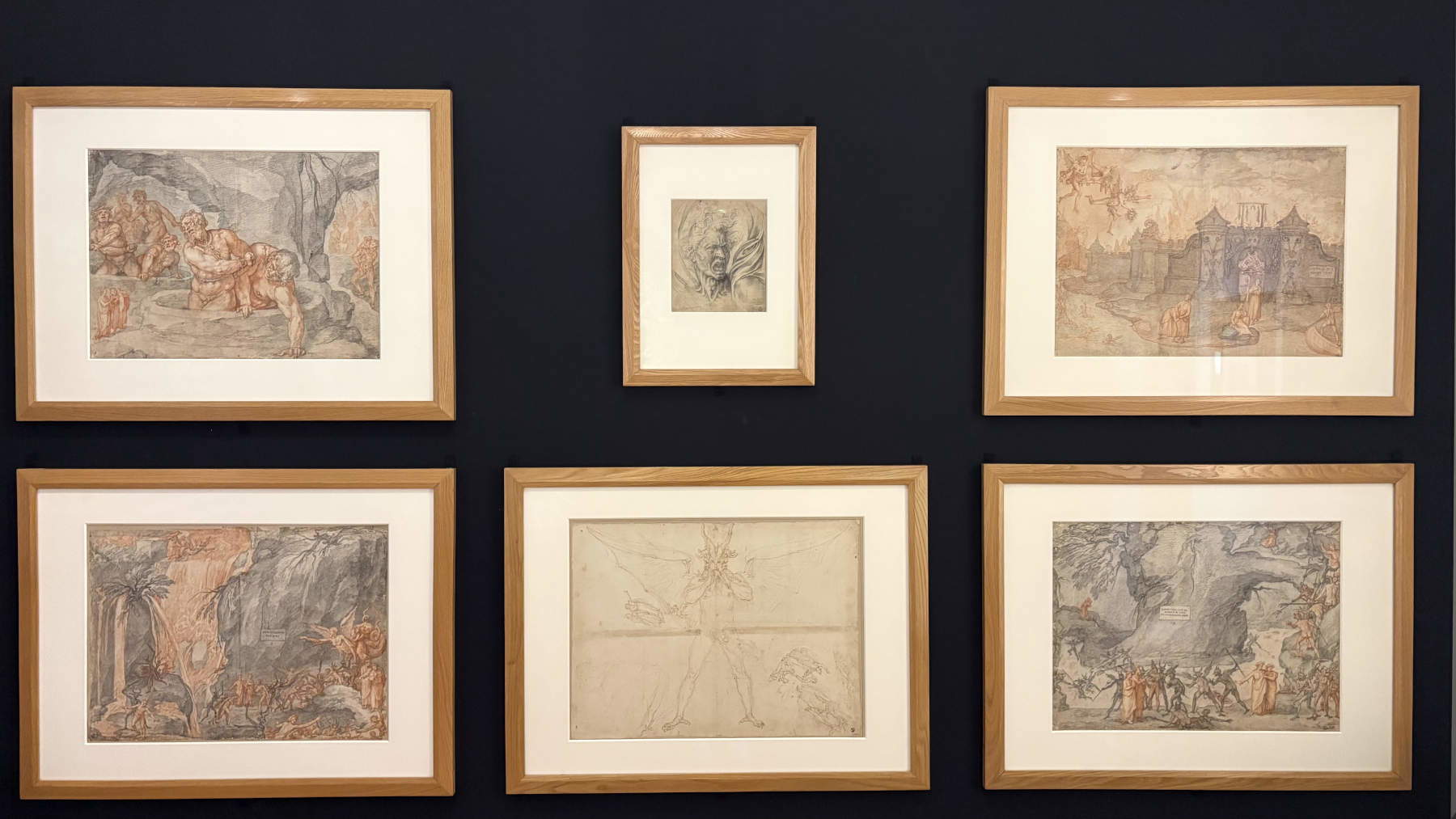
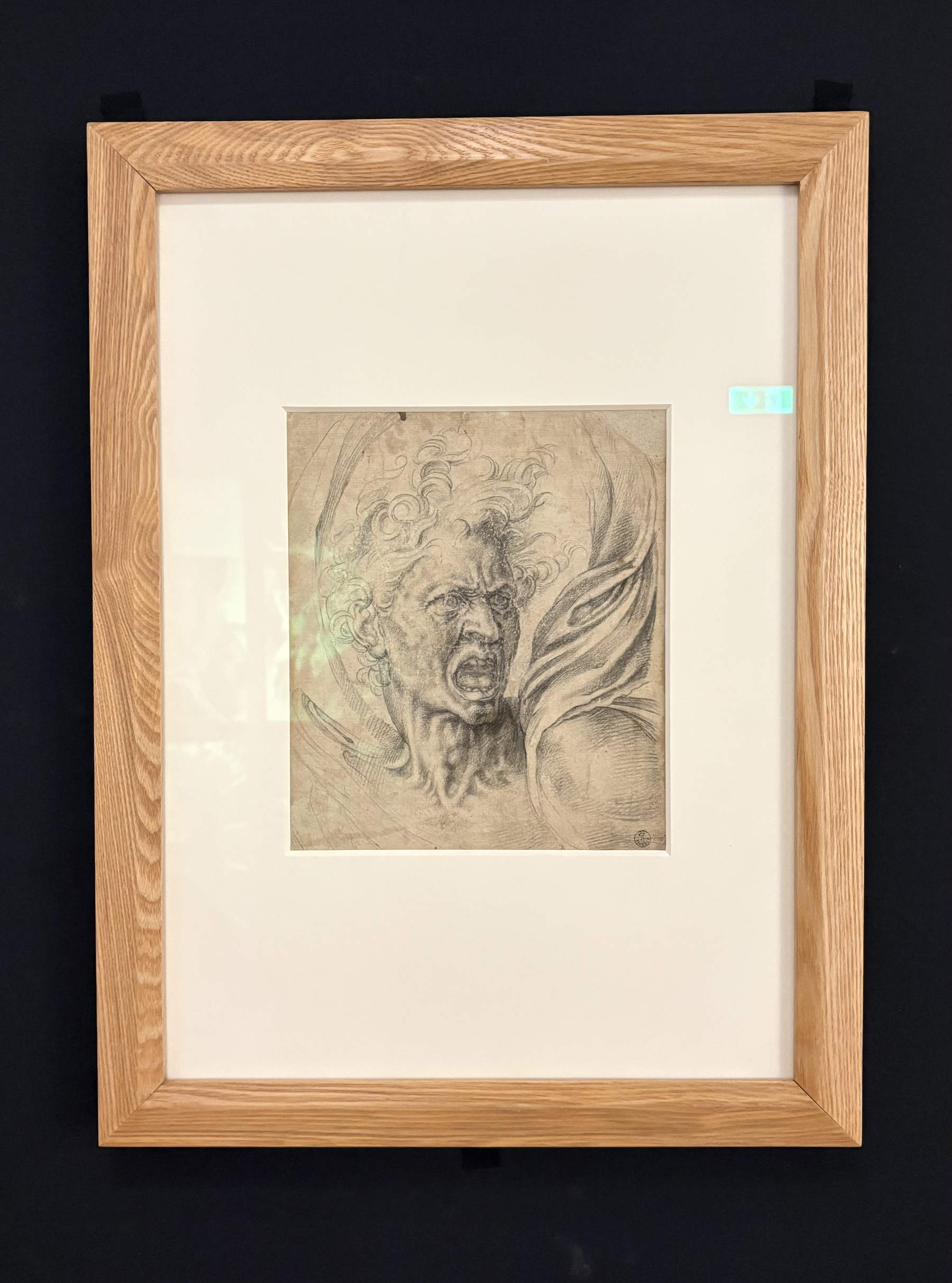
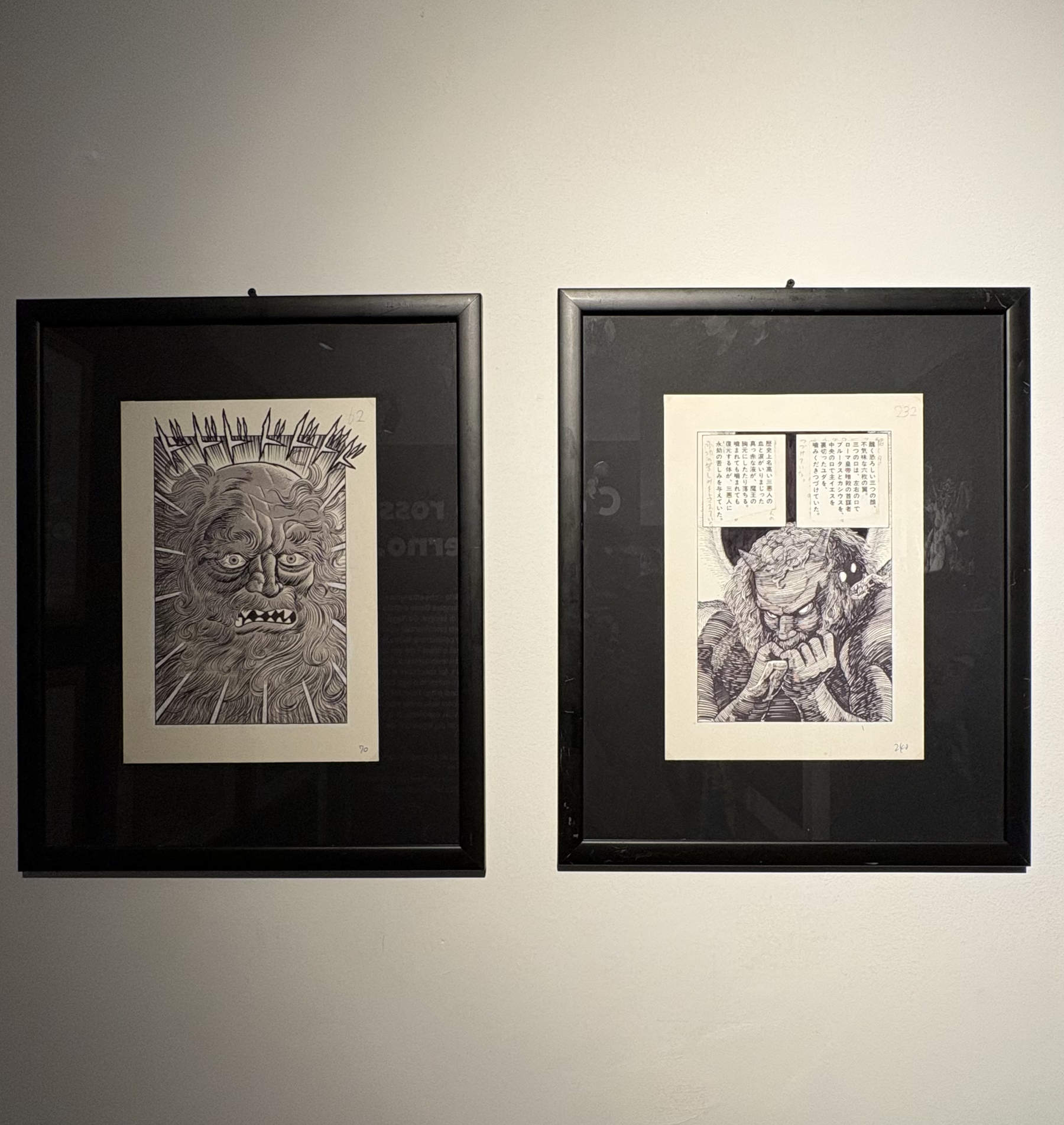
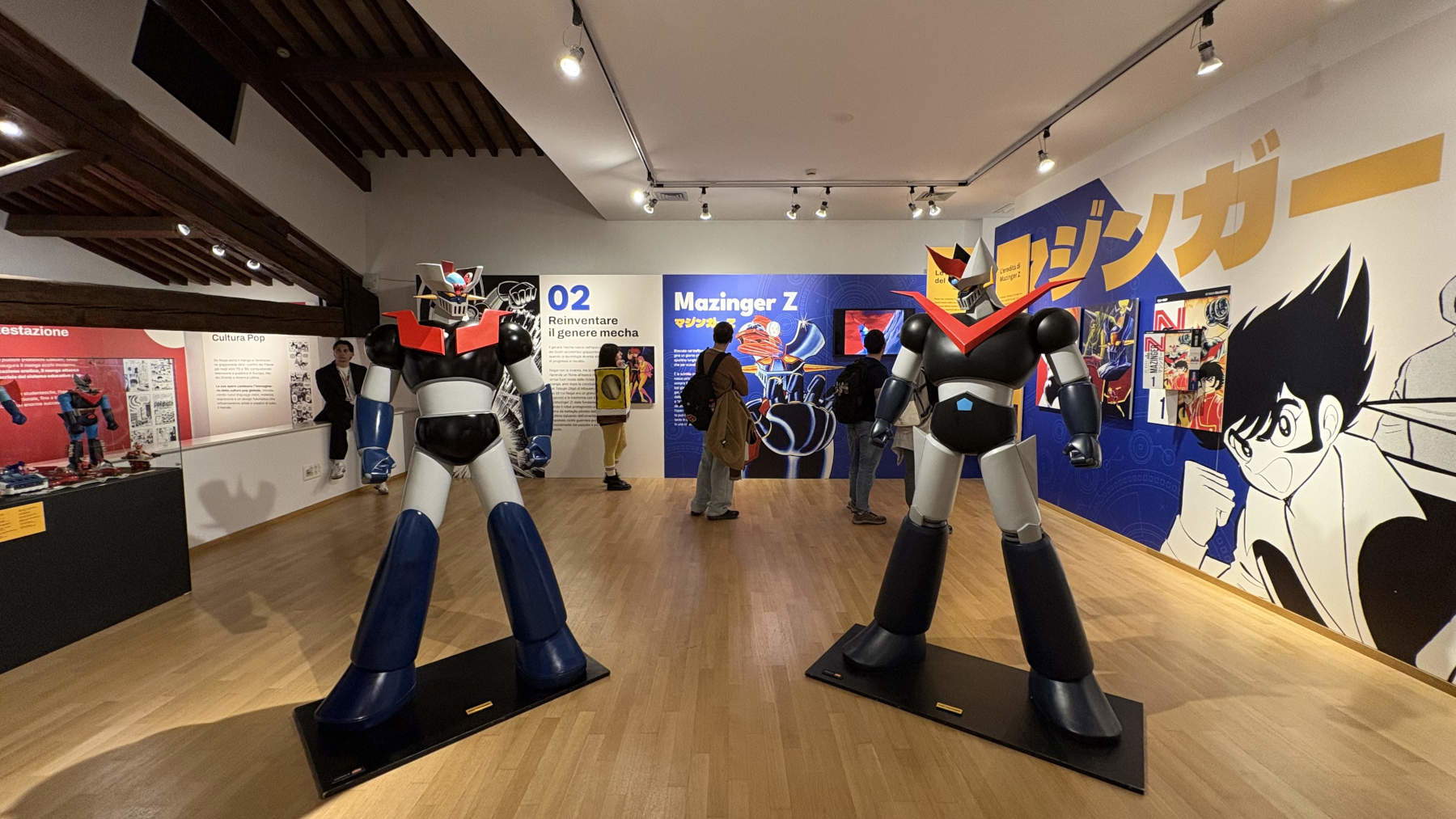
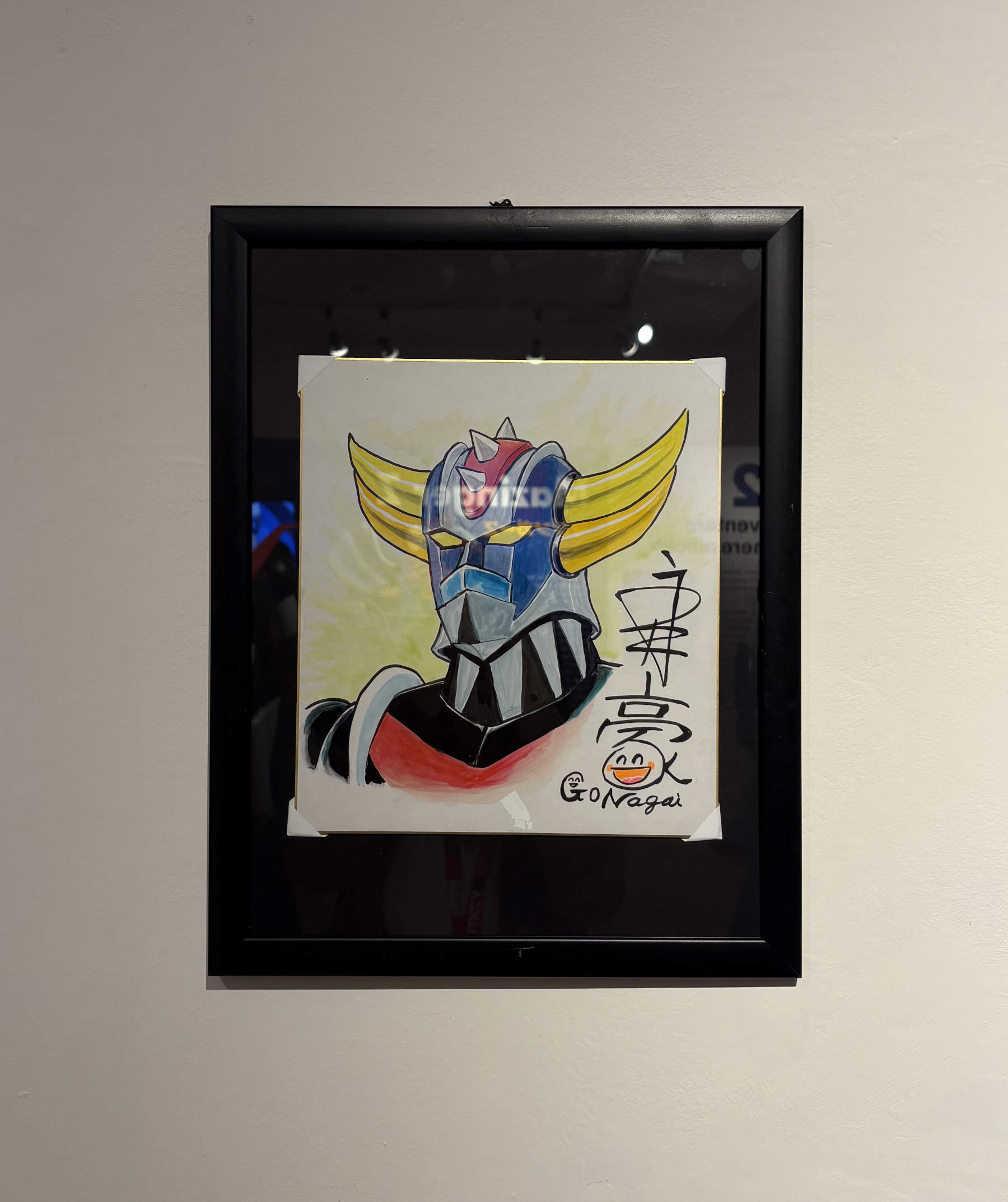
To understand why all of this works, we need to go back a long way. Comics stem from a primitive act: that of humans drawing in caves. Before writing, there was a hand leaving a mark on rock to depict a hunt, an animal, or an event—to say “I was there” and “this is how it happened.” Well, comics come from exactly there. They are a form of artistic communication that unites, connects, and reaches everyone without being complicated. They require no specific background; they speak to ten-year-olds and eighty-year-olds alike, and for this reason, they build communities. Seen in this light, the comparison between Zuccari, Michelangelo, and Nagai no longer seems far-fetched: it’s the same need to tell stories through images—a need that changes tools and eras but never changes its essence.
What happens, then, when a museum’s collection encounters images created for comics? And is there really a need to establish a hierarchy between these forms of culture, or can the comparison help us better understand both? The exhibition presented a concrete example: mass entertainment can become a tool for reinterpreting works from the past without them losing their distinct character. I believe the key is to recognize that images engage in dialogue, transform, and transcend different eras and languages.
The collaboration between the Uffizi and Lucca Comics & Games, after all, is not new. In 2021, the project “Comics in Museums | The Uffizi’s Self-Portraits” brought the self-portraits of 52 Italian comic artists into the museum’s collections. In 2024, to mark the 50th anniversary of Dungeons & Dragons, several engravings of dragons were exhibited in Lucca. The following year, the muscular figures of Baccio Bandinelli engaged in a dialogue with the universe of *Fist of the North Star* and with the work of Tetsuo Hara, whose self-portrait was subsequently acquired by the Uffizi. This approach works when the interplay goes beyond mere proximity between works to forge a clear connection.
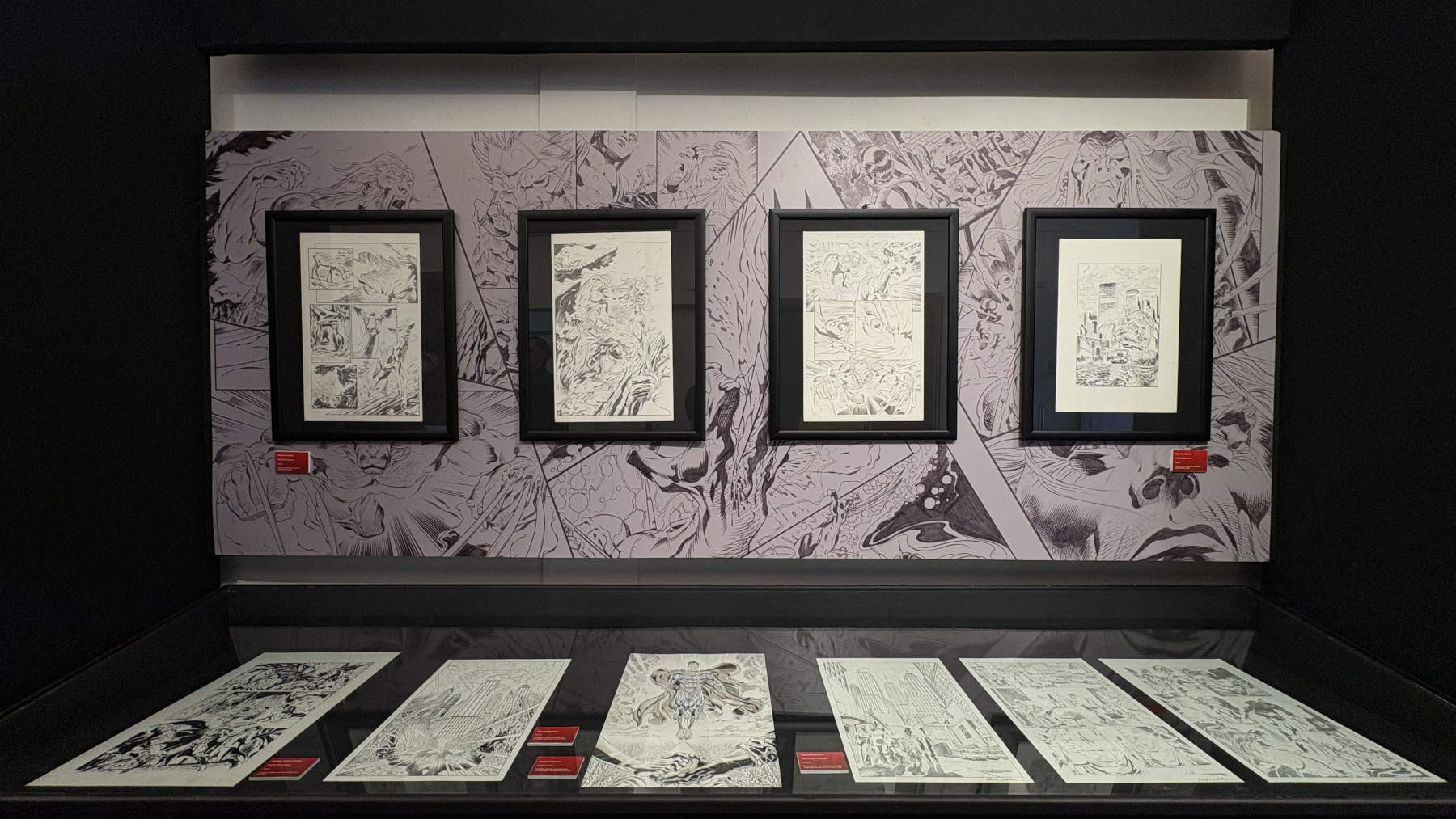
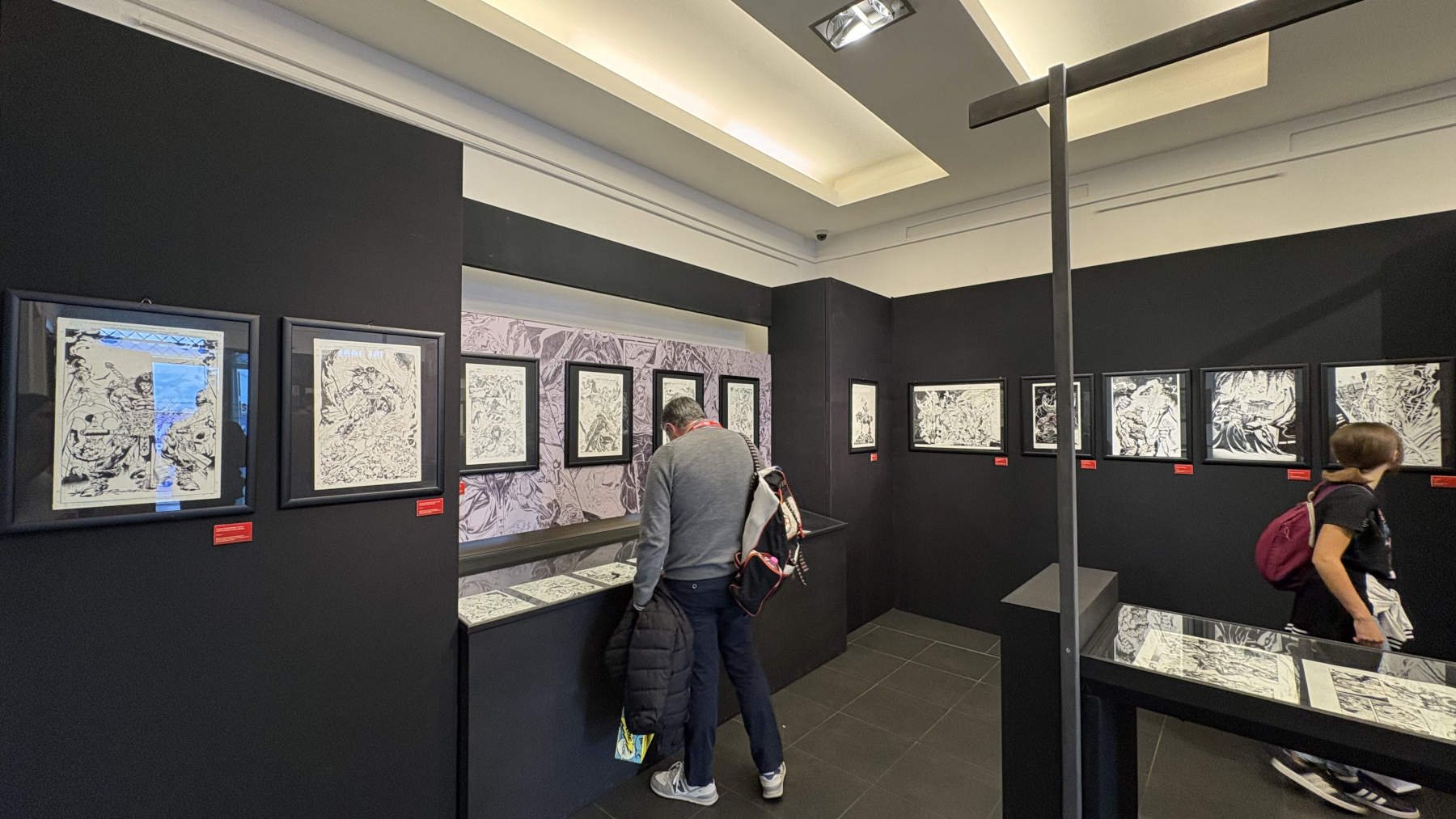
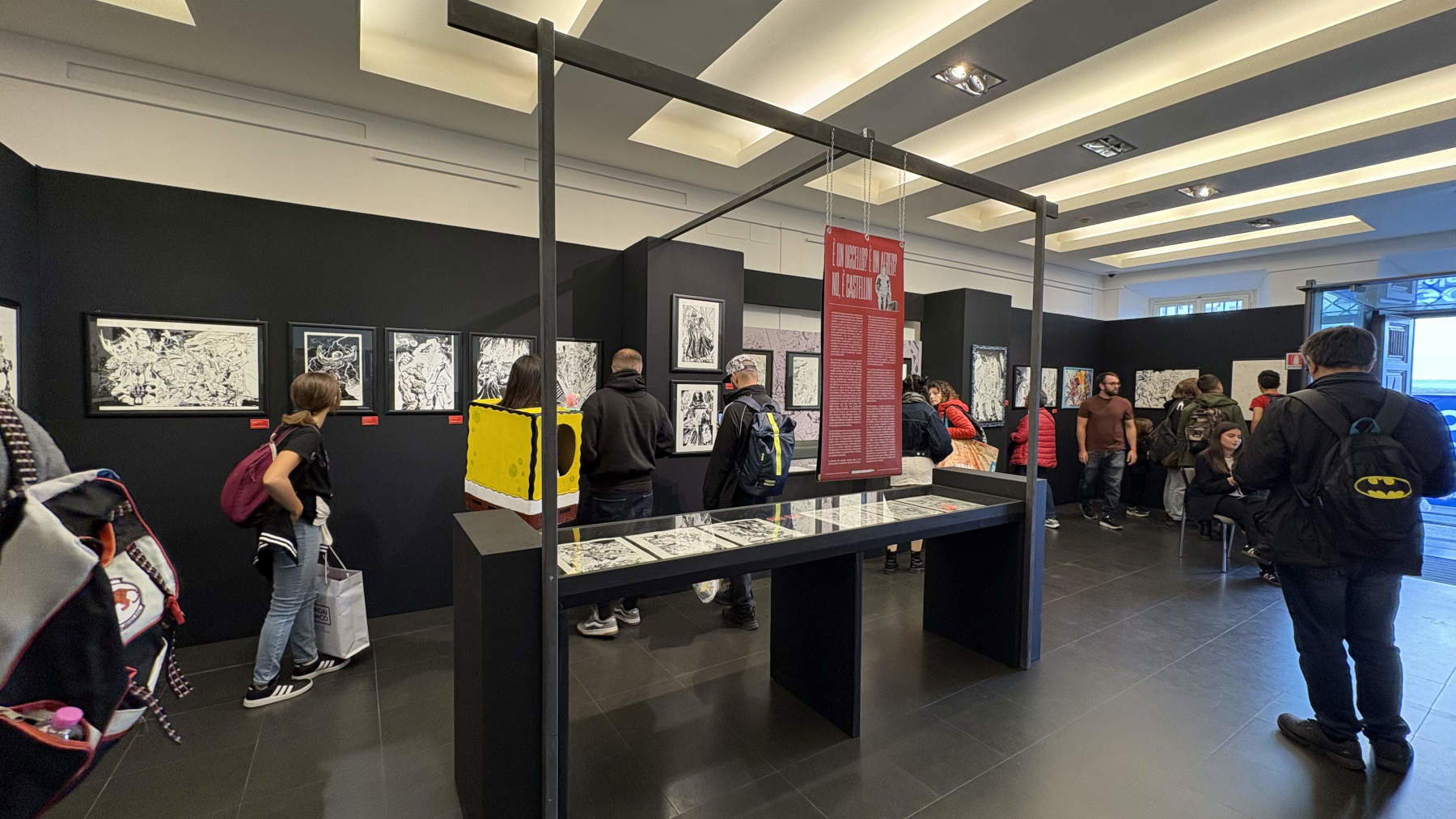
Among the big names in international comics present at the fair was Frank Miller. On Thursday, October 29, at the San Romano Auditorium, the American author met with the public at the event “Frank Miller: 40 Years After the Revolution, joined on stage by Panini Comics’ editorial director Marco Marcello Lupoi, to look back on the milestones of his career four decades after *300*, *Batman: The Dark Knight Returns*, and *Daredevil: Rebirth*. With his flawed heroes and his vision of urban noir, Miller has indeed changed the way superhero comics are told, and this is yet another confirmation that in Lucca, comics are a language with a history of their own and an audience eager to engage with them.
A festival like Lucca C&G, however, isn’t just about exhibitions and museum projects. It also hasa commercial and urban side: books, merchandise, author meet-and-greets, costumes, and thousands of people in the historic center. And here lies one of the most critical aspects of this year’s event: the lines in front of the manga sales pavilions and the areas dedicated to authors were endless, a wait that ended up consuming a significant portion of visitors’ time. Furthermore, some booths felt impersonal, more like stores than meeting places—places where you walk in, make a purchase, and walk out. Yet those lines also reflect an essential part of the event: the desire to encounter stories and characters in person, to buy books, and to feel part of a community of enthusiasts. It is a form of cultural participation that should not, in fact, be dismissed as mere superficial consumption.
One must still wonder, however, how much space there is, at such a crowded event, to stop and look, read, and explore further—and how crowds of this magnitude can be reconciled with the promotion of the city’s historical heritage.
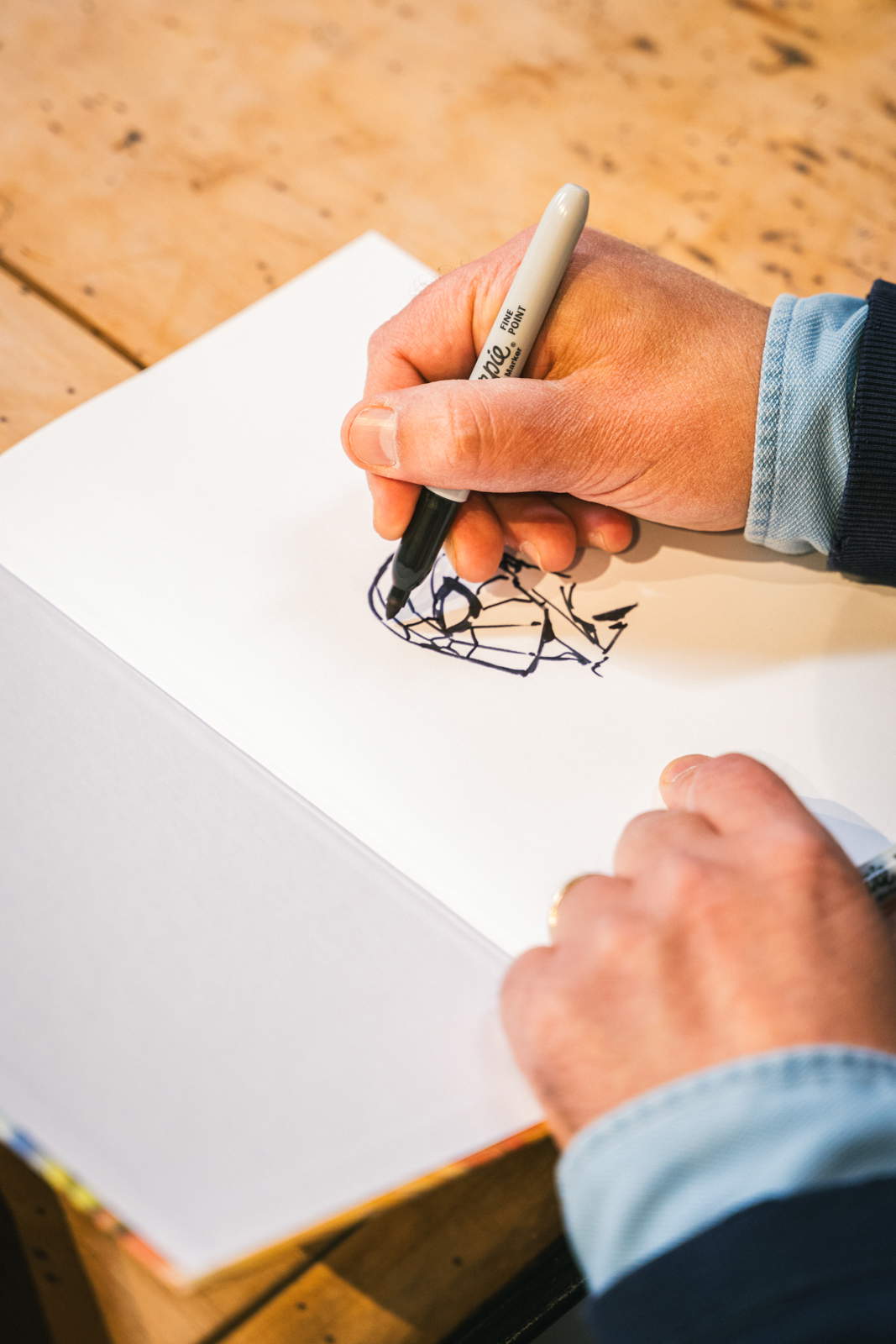
The same observation applies to the other exhibitions at the fair. “Claudio Castellini: Tocchi da Maestro,” at the Fondazione Banca del Monte, featured over 120 original art panels and traced the artist’s career, from Bonelli comics to his work for Marvel and DC. Standing before the originals, visitors could closely observe the drawing, anatomical construction, chiaroscuro, and three-dimensional rendering of the bodies—aspects that are often lost in print. Castellini is also the creator of the meta-poster for the 2026 edition, featuring characters and references to past editions of the festival.
Issue 3701 of *Topolino* also deserves special mention, with its variant cover illustrated by Paolo Barbieri himself for the *Wizards of Mickey* series. Let’s not view it merely as a collector’s item or a product tied to a well-known brand. The very same artist who illustrated Dante’s *Inferno* has created the cover for Italy’s most popular comic book, and this serves as a good reminder: talent knows no hierarchy—the very hierarchies we so often impose upon it. Behind an image like this lie invention, technique, composition, and interpretation—in other words, artistic practice in every sense of the word. So why should a work deserve attention only when it enters a museum or a gallery? And, conversely, is it enough for the artist to be established to recognize its value without questioning the work that went into it?
I don’t think it’s a matter of establishing once and for all what art is. We need to learn to view images in their contexts, without confusing cultural value with commercial success and without assuming that belonging to youth culture is in itself a guarantee of quality or a reason for exclusion.
In Lucca, the boundary between art and what is now referred to as “pop culture” could also be found among the Pokémon card booths. Among the collectors’ displays, one of the most unique was the one featuring the “Pika-Portrait”—the card depicting Pikachu dressed as Van Gogh, valued at 1,000 euros. A tribute to one of the most famous painters in art history, transformed into a collector’s item that drew visitors to stop and gaze at it, discussing its merits. Behind that card lies the same mechanism that runs throughout the entire fair: a popular image that references a master of the past and, in doing so, brings him back into the public eye among people of all ages.
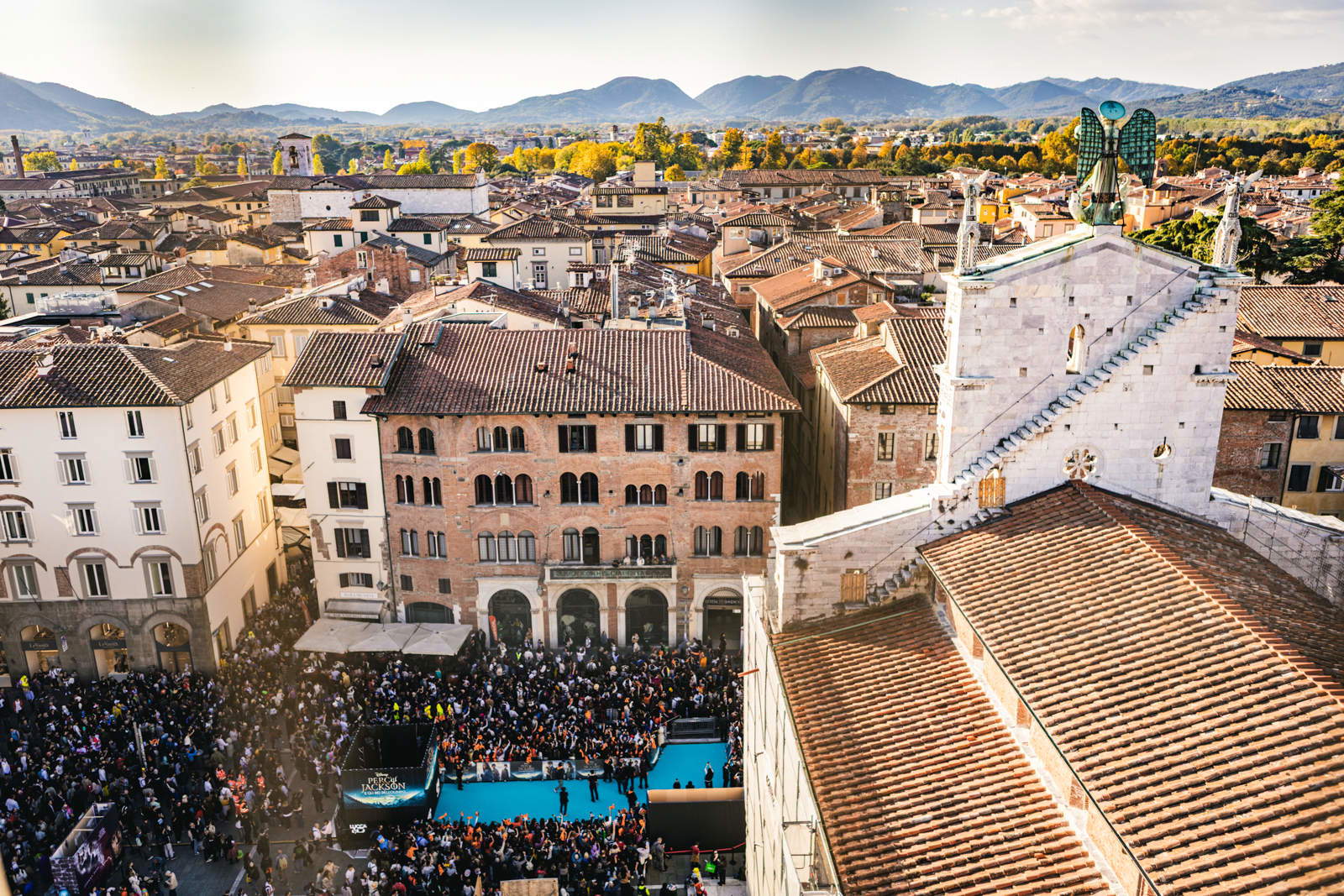
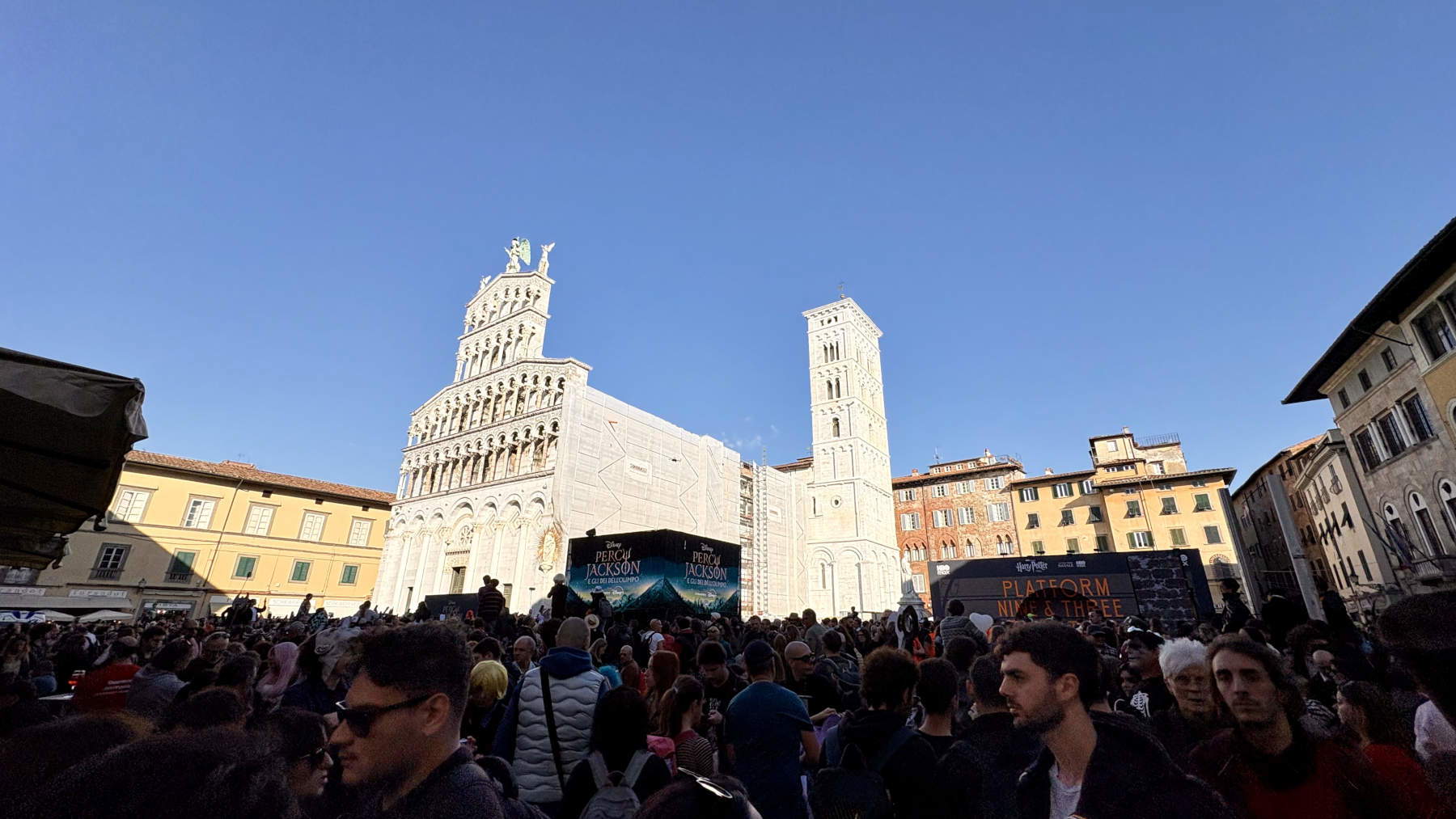
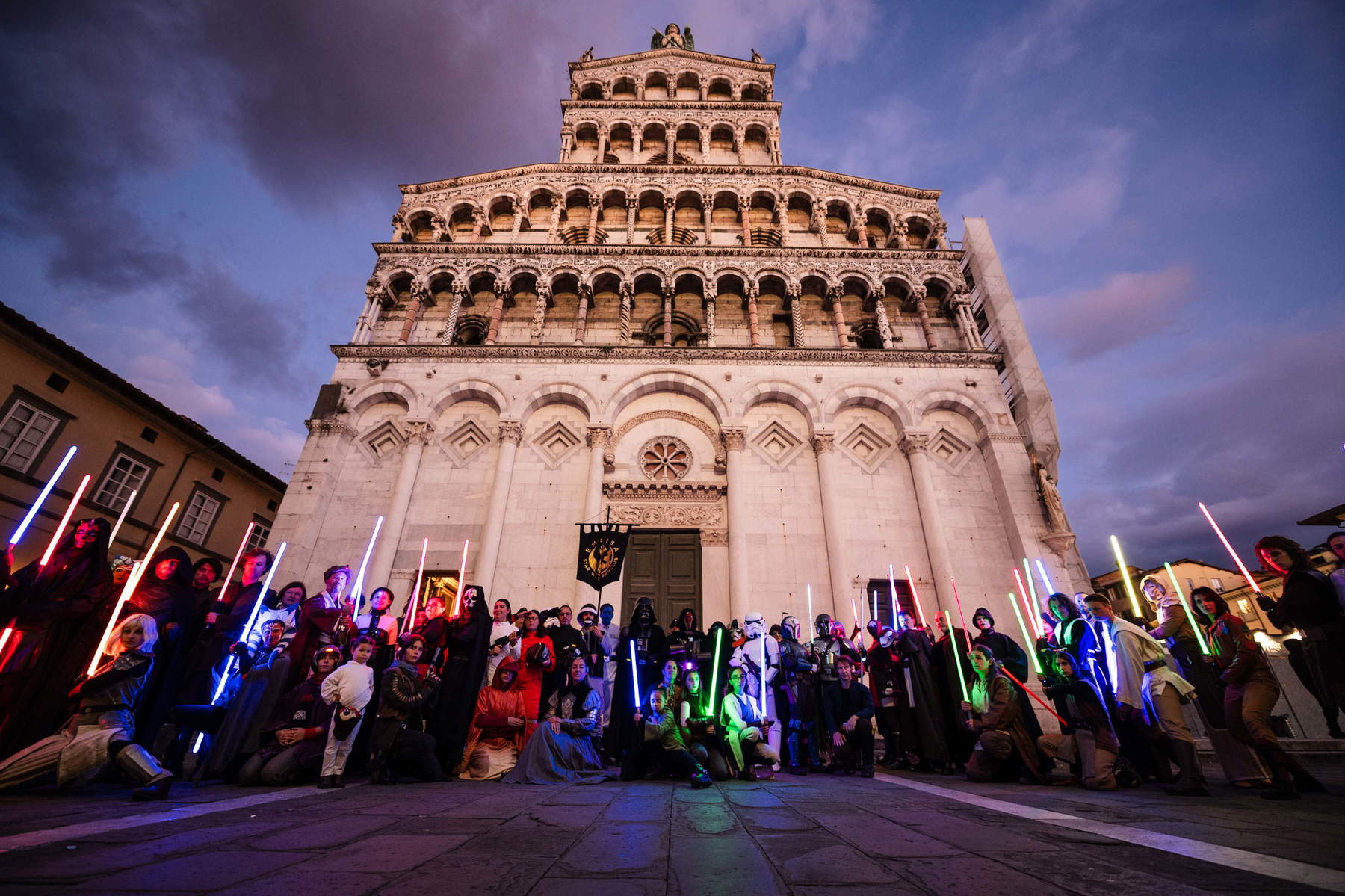
The theme becomes even more evident when you step out of the exhibition halls and into the heart of Lucca. Piazza San Michele, the city’s historic center, was one of the places where the festival was most visible, with installations tied to hugely popular narrative universes, such as that of Harry Potter, designed to launch the HBO series set to premiere in the coming months. On October 31, the same square served as the stage for another highly anticipated event: the Disney+ series *Percy Jackson and the Olympians* returned to Lucca, bringing actors Walker Scobell, Leah Sava Jeffries, and Aryan Simhadri to the festival for the first time; they greeted the audience right from Piazza San Michele.

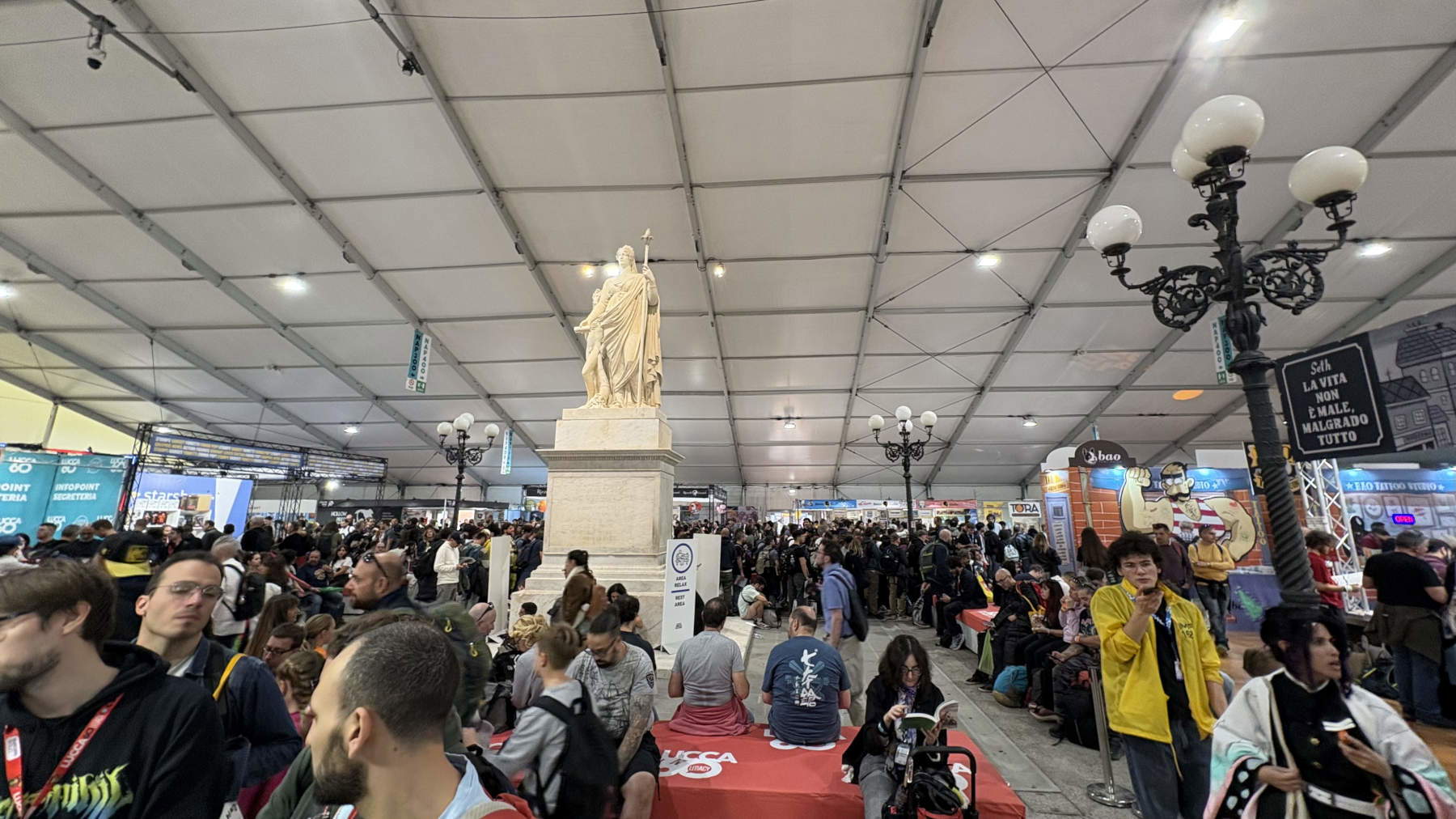
And while San Michele feels like a stage, Piazza Napoleone took a different approach. During the festival, the area in front of the Palazzo Ducale was transformed into a large exhibition space, featuring two gigantic booths. Overall, this arrangement yielded good results: the square maintained (as it does every year) an orderly layout, without completely losing its distinctive character, and successfully managed the flow of visitors. Here, too, however, there were long waits, with lines that at times ended up cutting into the time available to visit the booths.
The question remains whether a square like this, occupied by two large pavilions, can still remain true to itself or whether it becomes, for a few days, an extension of the fair—and whether this, ultimately, is a bad thing. It’s not a simple dichotomy: the installations attract new audiences and make the city an active protagonist, yet at the same time, the issue of striking a balance between public spaces, historical identity, and commercial interests arises. The historic center is not a neutral space: people live and work there every day, whether there’s a festival or not. Managing crowds, closures, and disruptions to daily life are all part of the equation, which cannot be reduced to mere attendance figures.
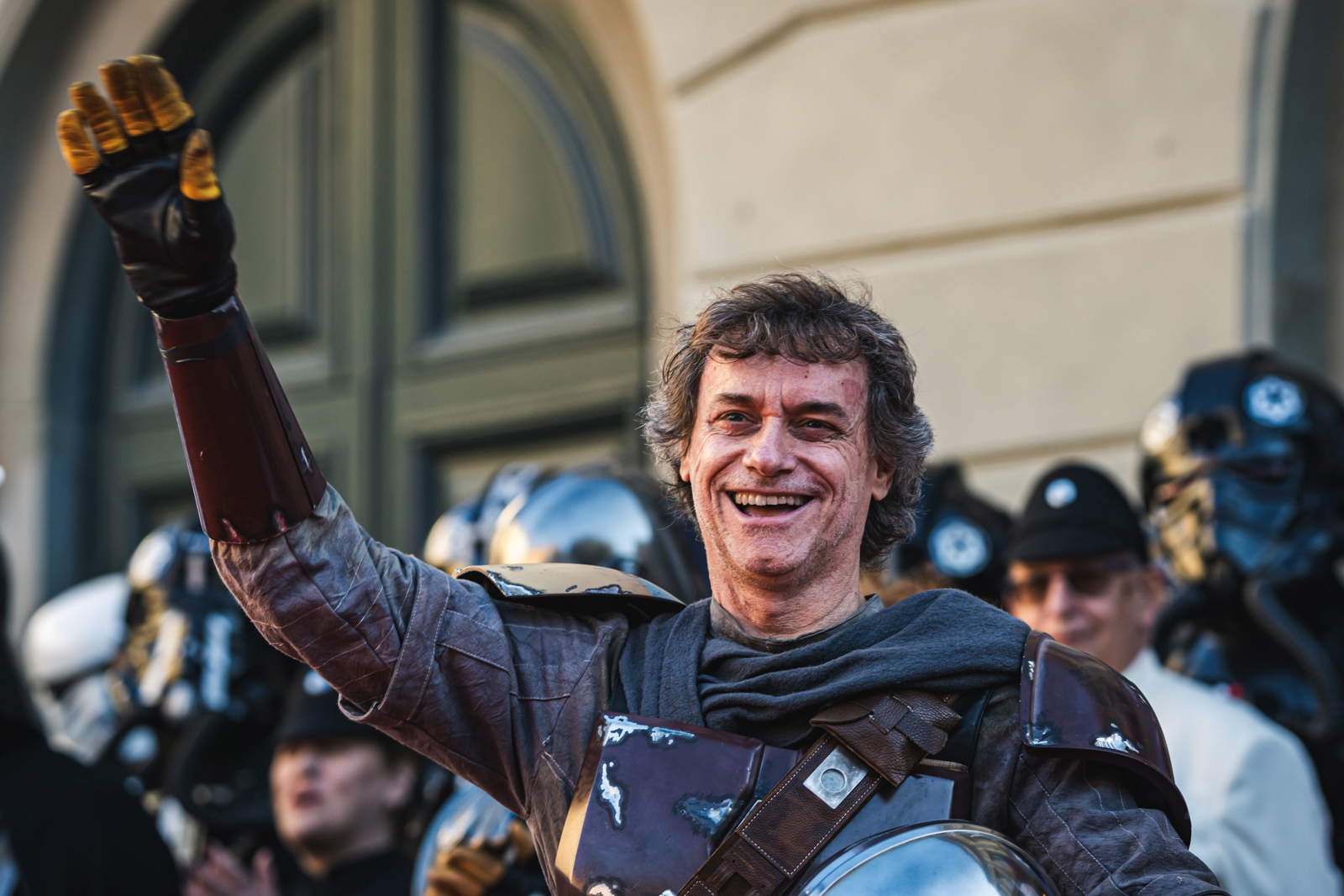
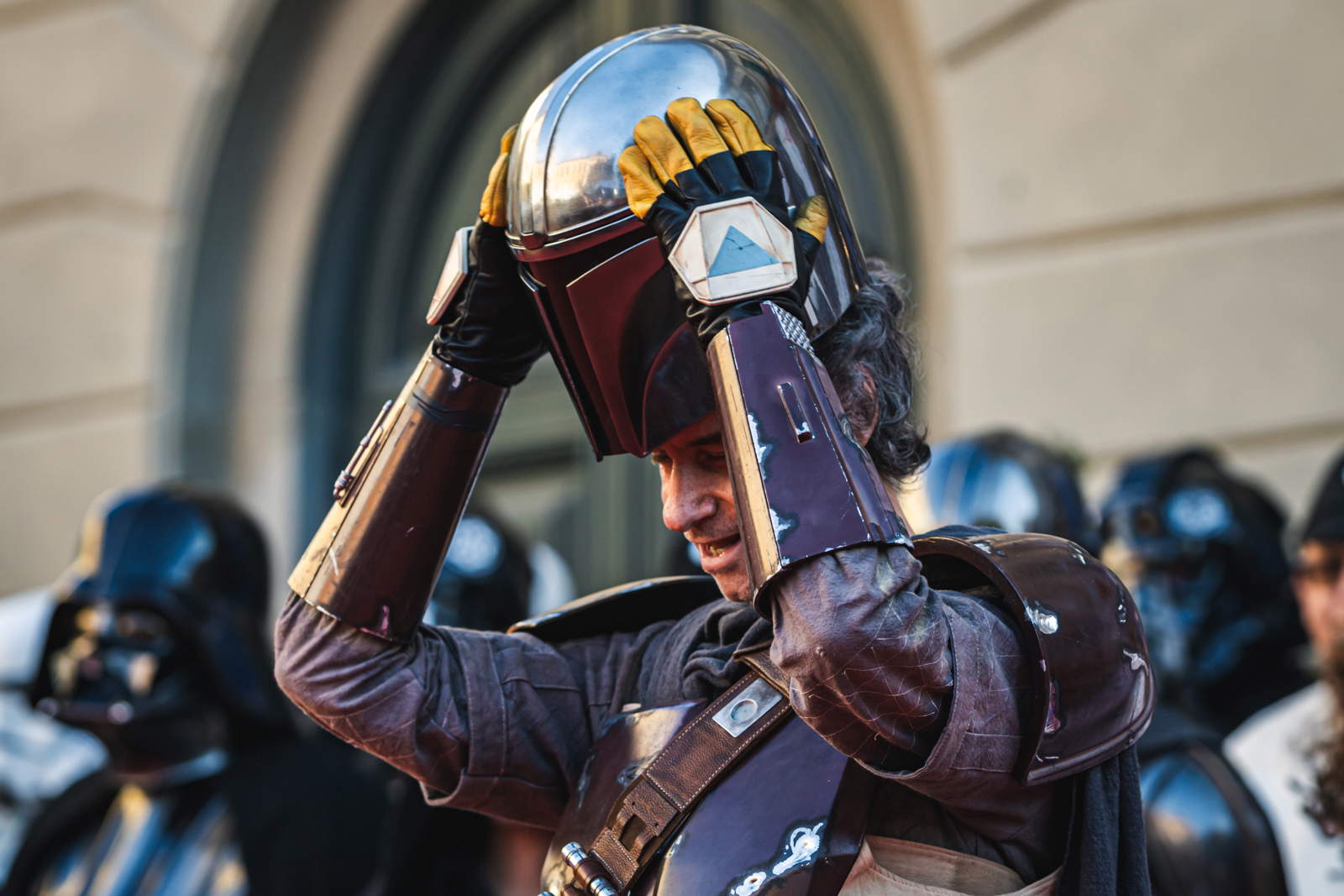
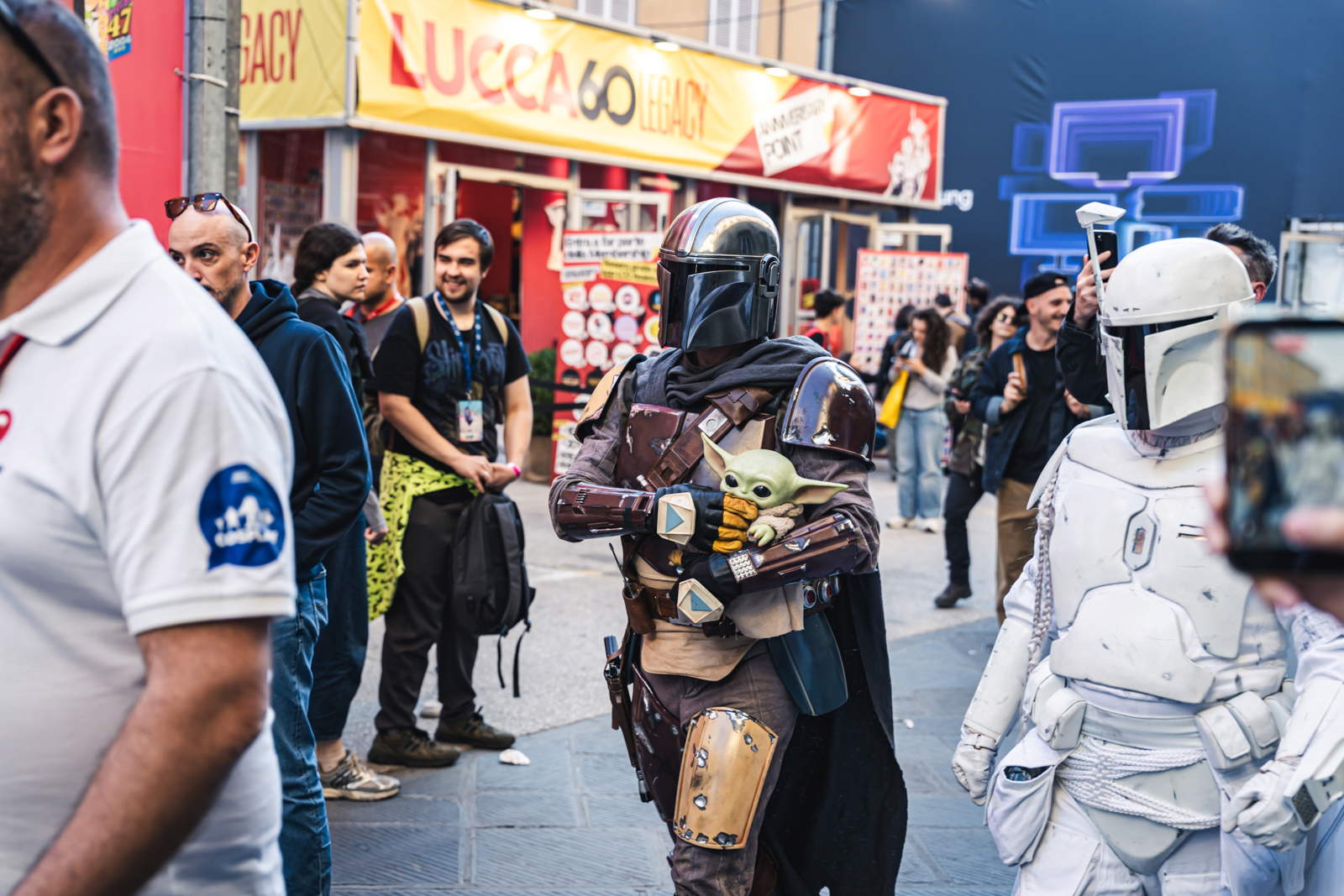
And if proof were needed of just how much Lucca can engage everyone, Alberto Angela provided it. On October 31, during his first appearance at Lucca Comics & Games, the science communicator took part in the Star Wars parade, marching alongside the other participants dressed as a Mandalorian. It wasn’t until the end of the event, once he reached the red carpet, that he removed his helmet, revealing his identity. Even he—a iconic figure in Italian cultural outreach—embraced the spirit of Lucca Comics and chose to join in the fun rather than watch from the sidelines. In the afternoon, he took the stage at the Teatro del Giglio Giacomo Puccini for the discussion “Knowledge Is an Adventure,” in conversation with Gianluca Gazzoli, dedicated to cultural outreach and the power of storytelling, based on the book *Caesar: The Conquest of Eternity* (Mondadori). From costume to theater in the span of a few hours— high culture and popular culture can coexist in the same day and, at times, I’d say, within the same person.
Now that the festival has ended, the overall assessment is one of highlights—and perhaps a few lowlights. Lucca Comics & Games brings together offerings that are very different in terms of style, audience, and objectives: some have fostered a structured cultural dialogue, while others have primarily catered to the logic of entertainment and commerce. Bringing them together means recognizing that their very coexistence compels us to question the role of a city of art during an event of this magnitude. Perhaps, then, the question isn’t whether a city of art can speak the language of manga, video games, or TV series. It’s whether it can do so without merely lending its squares, and whether it knows how to transform the encounter between heritage and nerd culture into an opportunity for learning. A city of art is not merely one that preserves the works of the past; it is also one that creates the conditions for those works to continue to be interpreted and compared with the images of the present.
Warning: the translation into English of the original Italian article was created using automatic tools. We undertake to review all articles, but we do not guarantee the total absence of inaccuracies in the translation due to the program. You can find the original by clicking on the ITA button. If you find any mistake,please contact us.