




by Redazione 24/11/2026



Categories: Tourism / Disclaimer
Renaissance villas, Italian-style gardens, and medieval castles: the Network of Historic Residences and Parks of the Marche Region showcases two important examples of the historical and architectural heritage of the province of Pesaro and Urbino.


From the Renaissance residences of the great noble families to ancient fortresses transformed into stately homes, the province of Pesaro and Urbino preserves sites that tell the story of centuries of local history. To catalog, organize, and make this heritage more accessible, the Marche Region has entrusted Fondazione Marche Cultura with a project to survey and promote the Marche’s historical, architectural, and landscape heritage. Active since 2023 and constantly expanding, the Network now includes 34 sites spread across the five provinces, classified as castles, monumental and architectural-landscape complexes, residences, parks and gardens, and villas.


The initiative collects and organizes information about individual sites, reconstructs their historical narratives, and makes this information accessible through texts, photographs, and other in-depth content. It also connects sites, owners, managers, institutions, and local areas, with the goal of promoting awareness of this heritage and, where possible, encouraging visits. In the province of Pesaro and Urbino, Villa Miralfiore in Pesaro and the Castello dei Conti Oliva in Piandimeleto are part of the network.


Pesaro, Villa Miralfiore
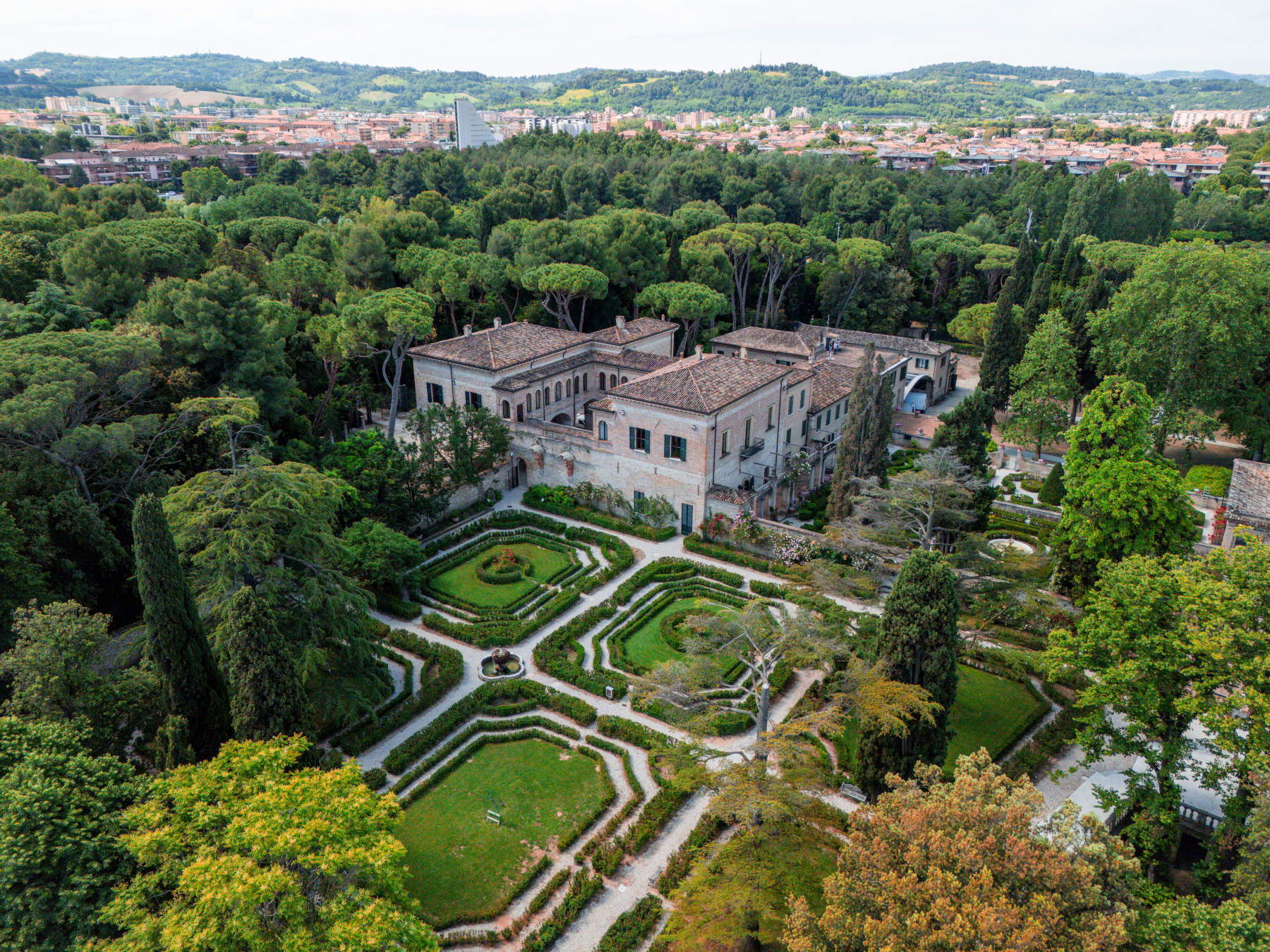
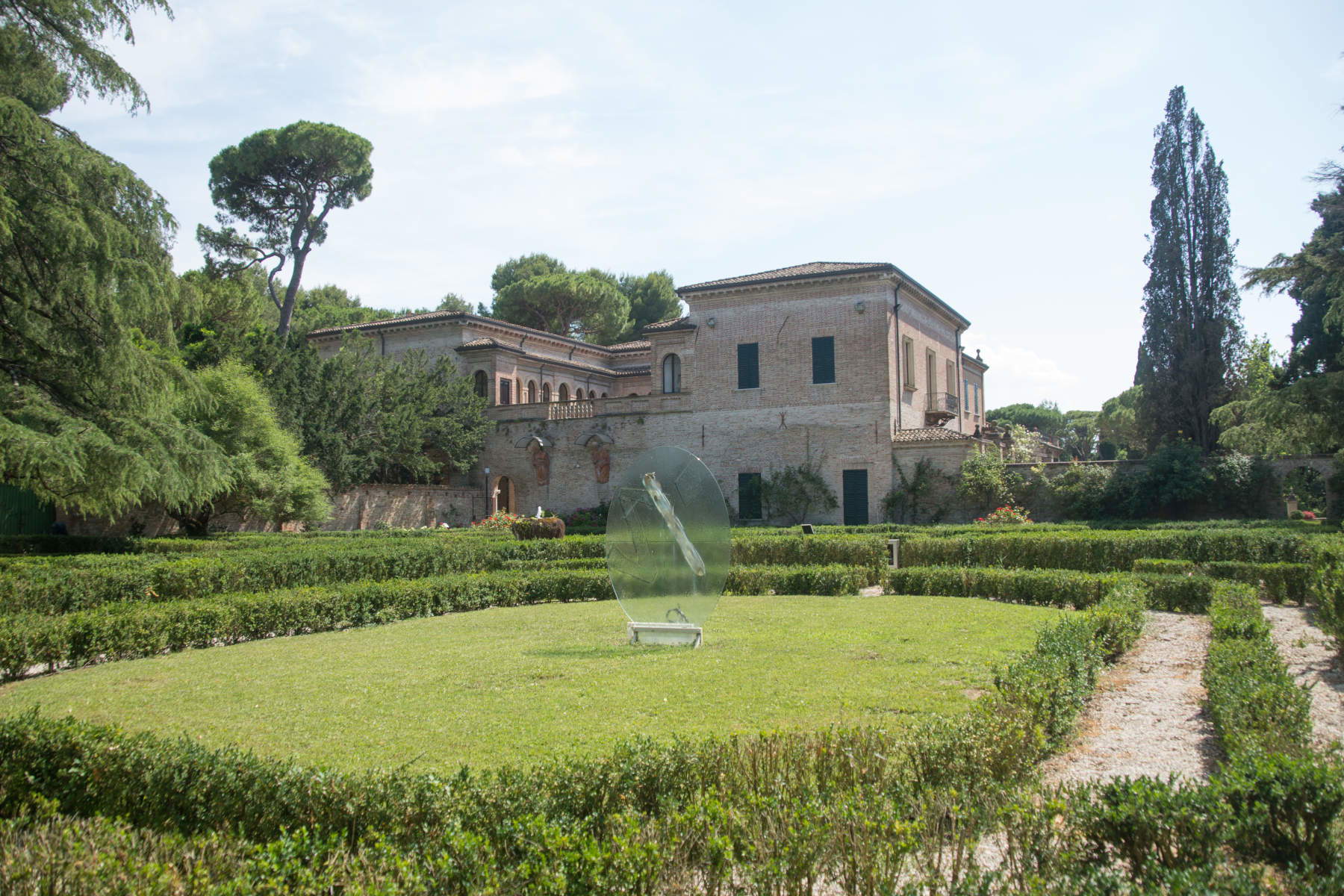
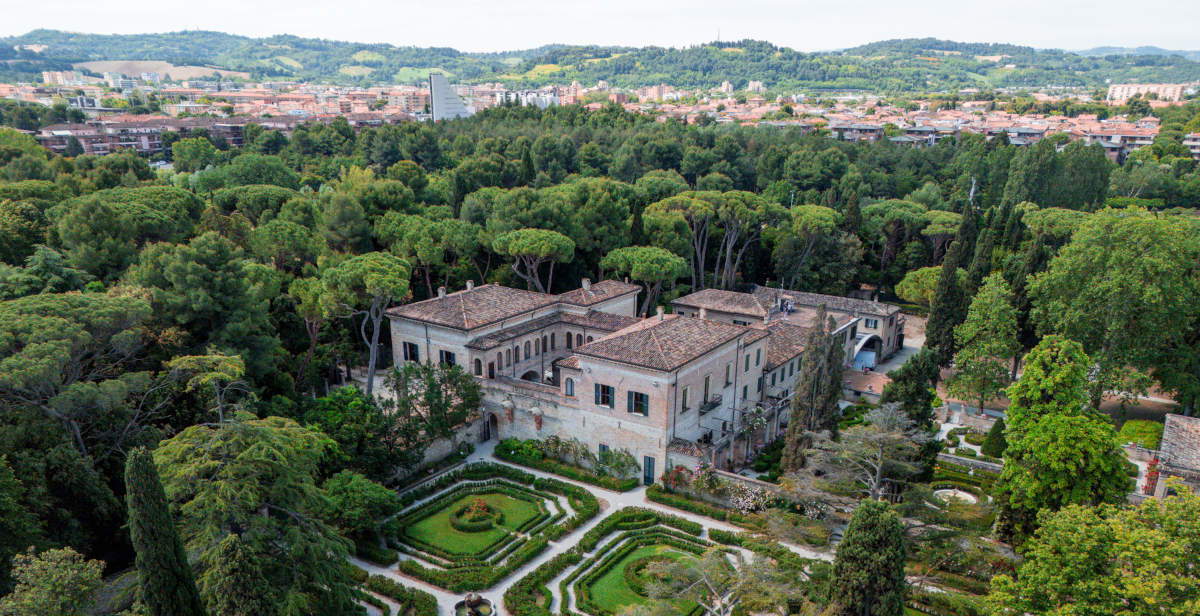
Located in Pesaro, Villa Miralfiore is a monumental complex whose origins date back to the 15th and 16th centuries. Originally known as Torrette, the residence is linked to the histories of some of the leading families that ruled the city, including the Sforza and the Della Rovere. The oldest section features a quadrangular layout organized around an inner courtyard and a loggia. The villa was enhanced by significant architectural and decorative additions, to which masters such as Bartolomeo Genga and Filippo Terzi contributed.


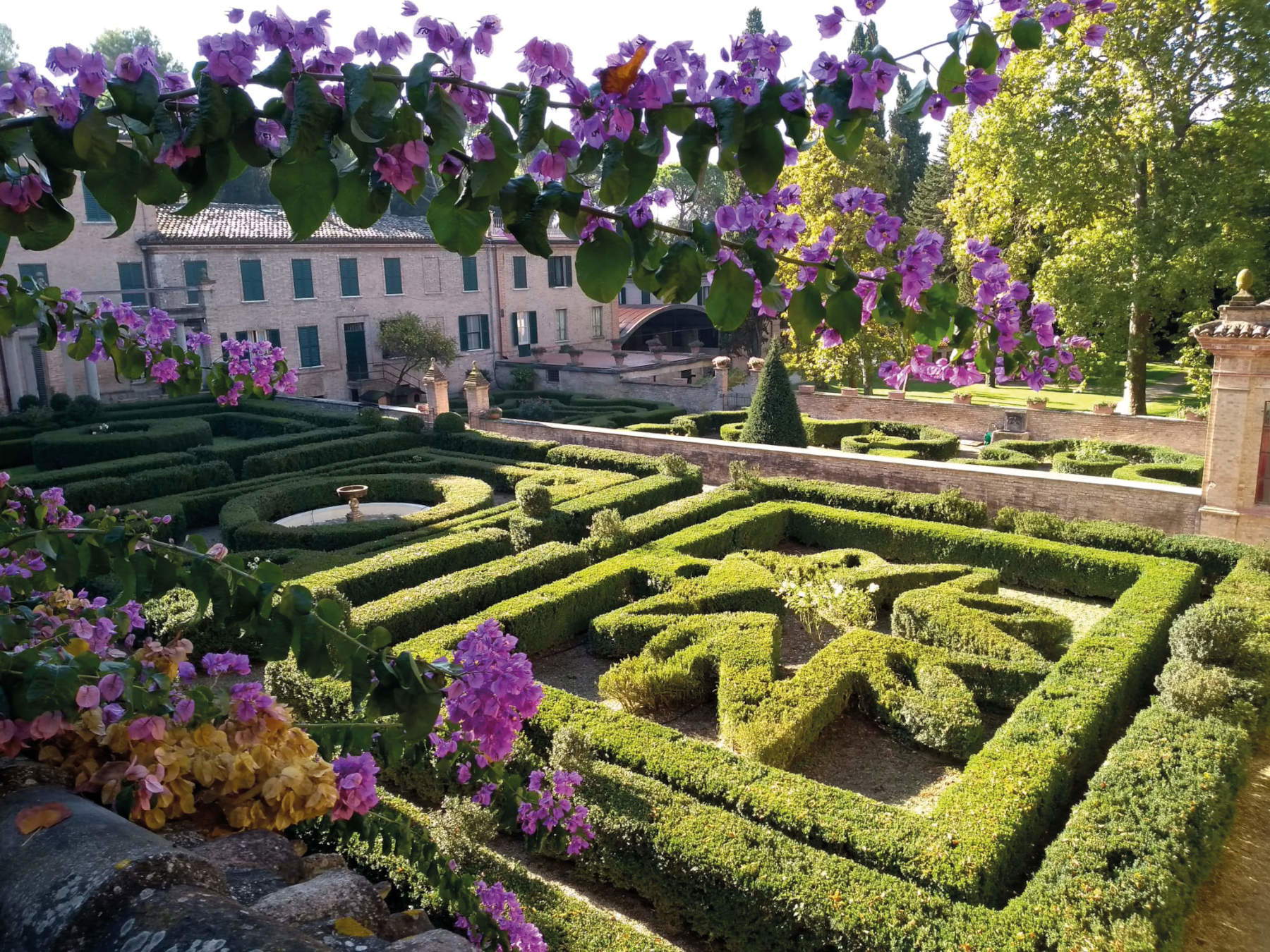
Of particular interest are the painting cycles preserved on the main floor, created by the brothers Taddeo and Federico Zuccari on commission from Guidubaldo II della Rovere. The interior spaces thus bear witness to the villa’s role as a stately residence and a place that expressed the family’s prestige. The complex also includes Italian-style gardens laid out on terraces, greenhouses, an orangery, and a private chapel. Nineteenth-century expansions further altered the appearance of the residence, which today retains traces of the various phases of its history. The villa is privately owned and can be visited by appointment; tickets can be purchased through the villa’s official website.
Piandimeleto, the Castle of the Counts of Oliva
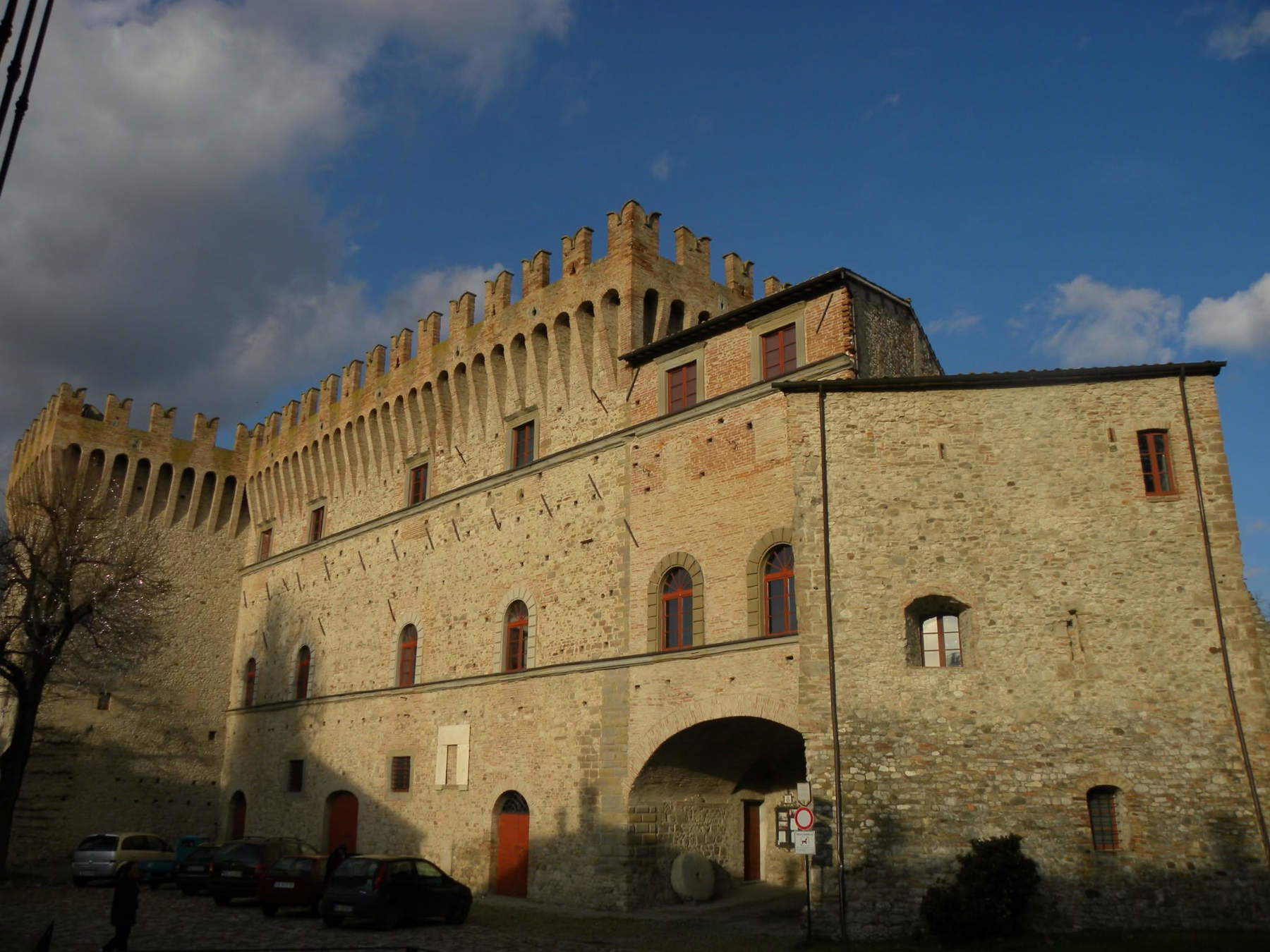
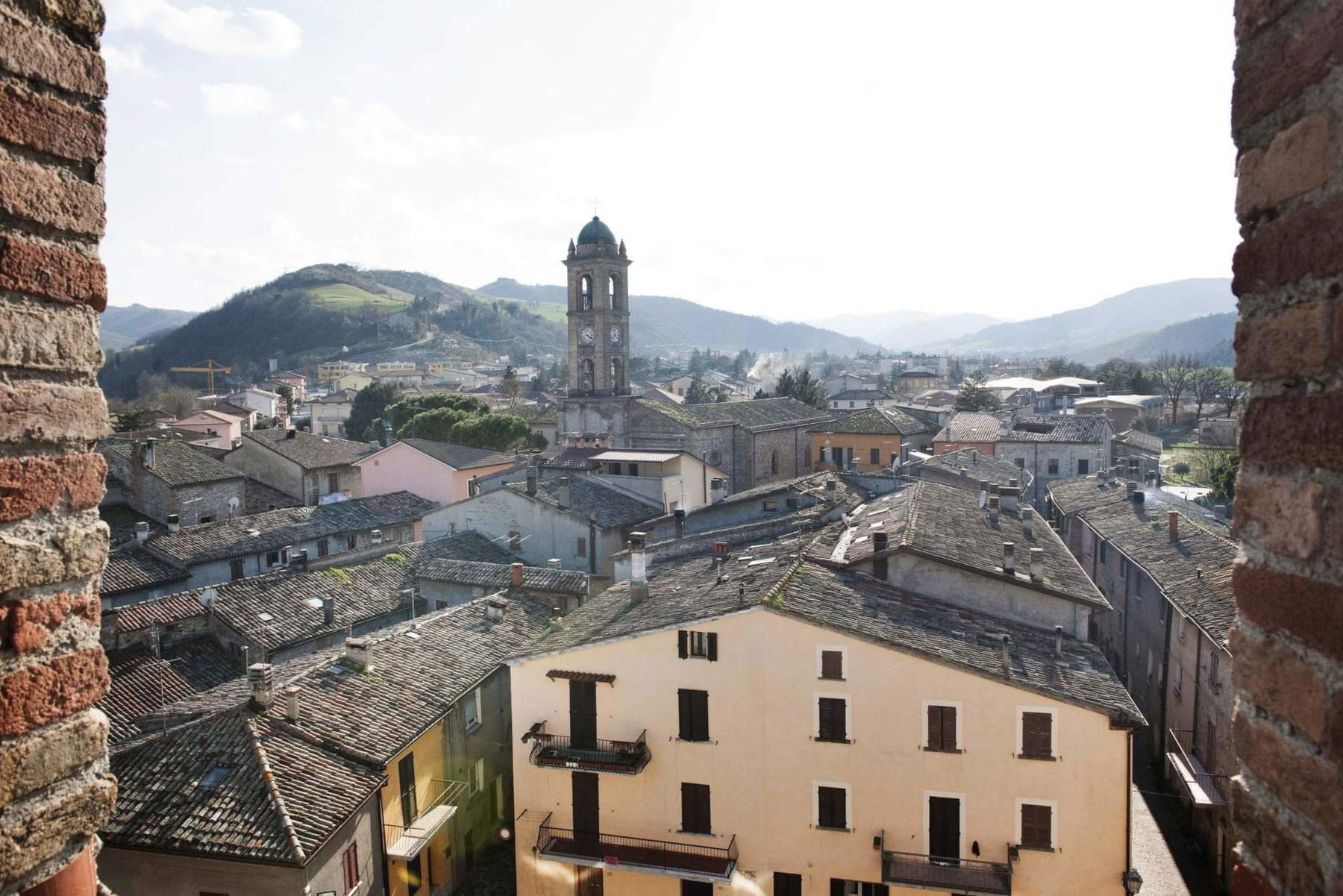
In the village of Piandimeleto, the Castle of the Counts of Oliva overlooks the Foglia River valley and still bears traces of its original defensive function. Built on the site of an ancient medieval fortress, the complex was transformed in the 15th century into a Renaissance residence at the behest of Count Carlo Oliva, an intellectual with ties to the courts of the Malatesta and Montefeltro families.
The castle’s architecture combines military elements with decorative features typical of the stately homes of the era. Ghibelline battlements, corbels, and parapet walkways evoke its fortified origins, while the windows and friezes draw inspiration from the architectural style of the Ducal Palace in Urbino. Inside, the vaulted ceilings and preserved decorations bear witness to the building’s transformation into a noble residence. Completing the complex is a circular tower that echoes the design principles of the architect and military engineer Francesco di Giorgio Martini.
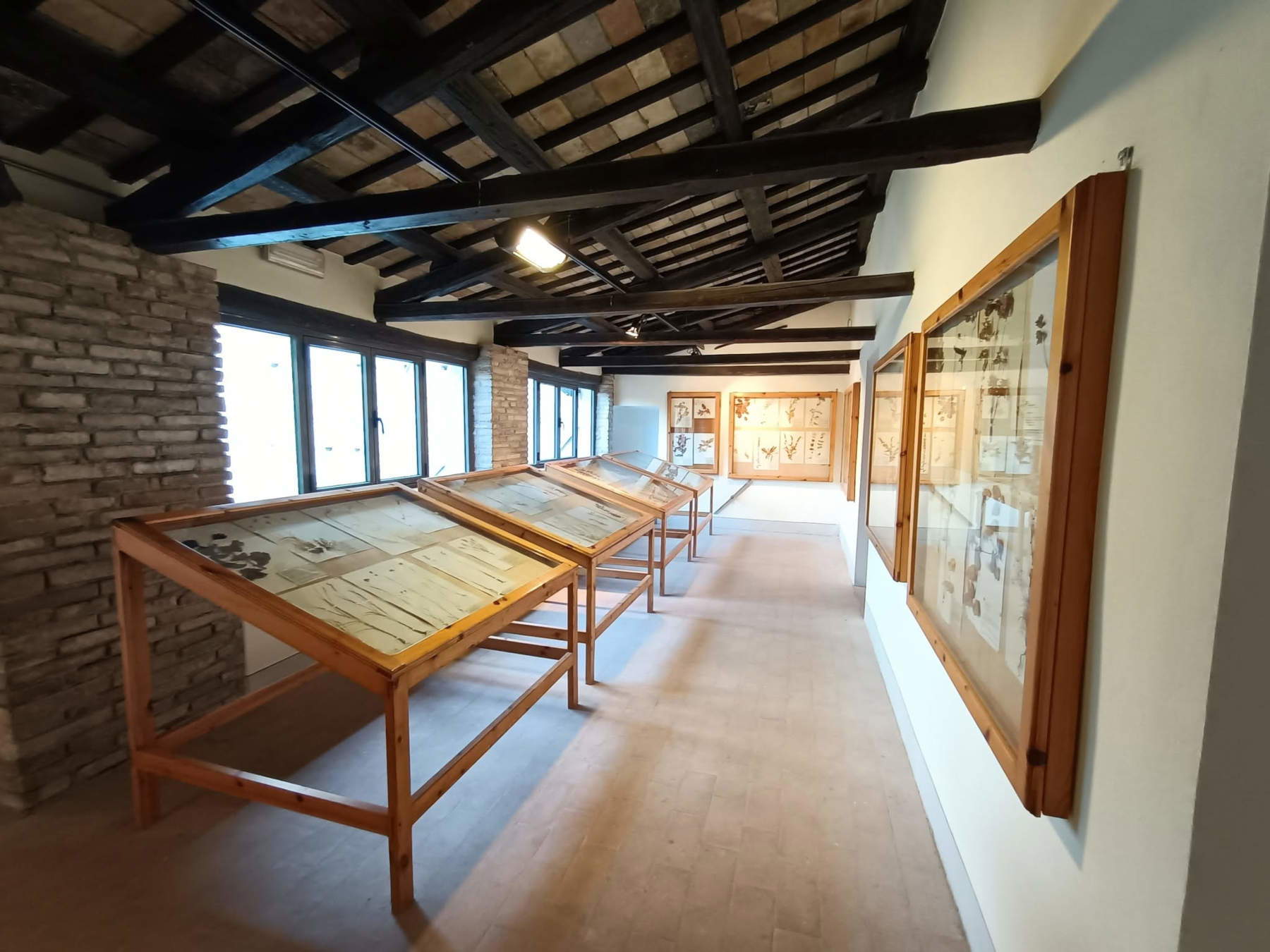
With the end of the Oliva family’s rule, the castle gradually assumed a central role in the public life of Piandimeleto. Today it is owned by the municipality and also houses the Civic Museums. From October through March, visits are available by reservation; from April through September, the complex is open daily from 9 a.m. to 12 p.m. and 4:30 p.m. to 6:30 p.m.
 |
| Two Residences, Two Stories: Discovering the Lesser-Known Heritage of Pesaro and Urbino |
Warning: the translation into English of the original Italian article was created using automatic tools. We undertake to review all articles, but we do not guarantee the total absence of inaccuracies in the translation due to the program. You can find the original by clicking on the ITA button. If you find any mistake,please contact us.