





There are museums that add works of art. And then there are museums that raise questions. The FAMM—Femmes Artistes Musée Mougins —definitely belongs to the second category. Founded from Christian Levett’s collection, the museum is the first in Europe entirely dedicated to women artists and offers a journey from Impressionism to contemporary art, featuringapproximately ninety artists spread across four floors.
The strength of FAMM lies not so much in affirming a now-widely accepted principle—the need to restore visibility to the many female artists who have remained on the margins of the official narrative—as in raising a question.
Walking through the galleries, observing works by Carla Accardi, Dadamaino, Ana Mendieta, Sarah Lucas, Tracey Emin, and many others, one often experiences a surprising sensation. And when standing before certain works, one naturally wonders: who influenced whom? Whether it’s a life partner or simply a companion on the same path, the question echoes throughout the visit.
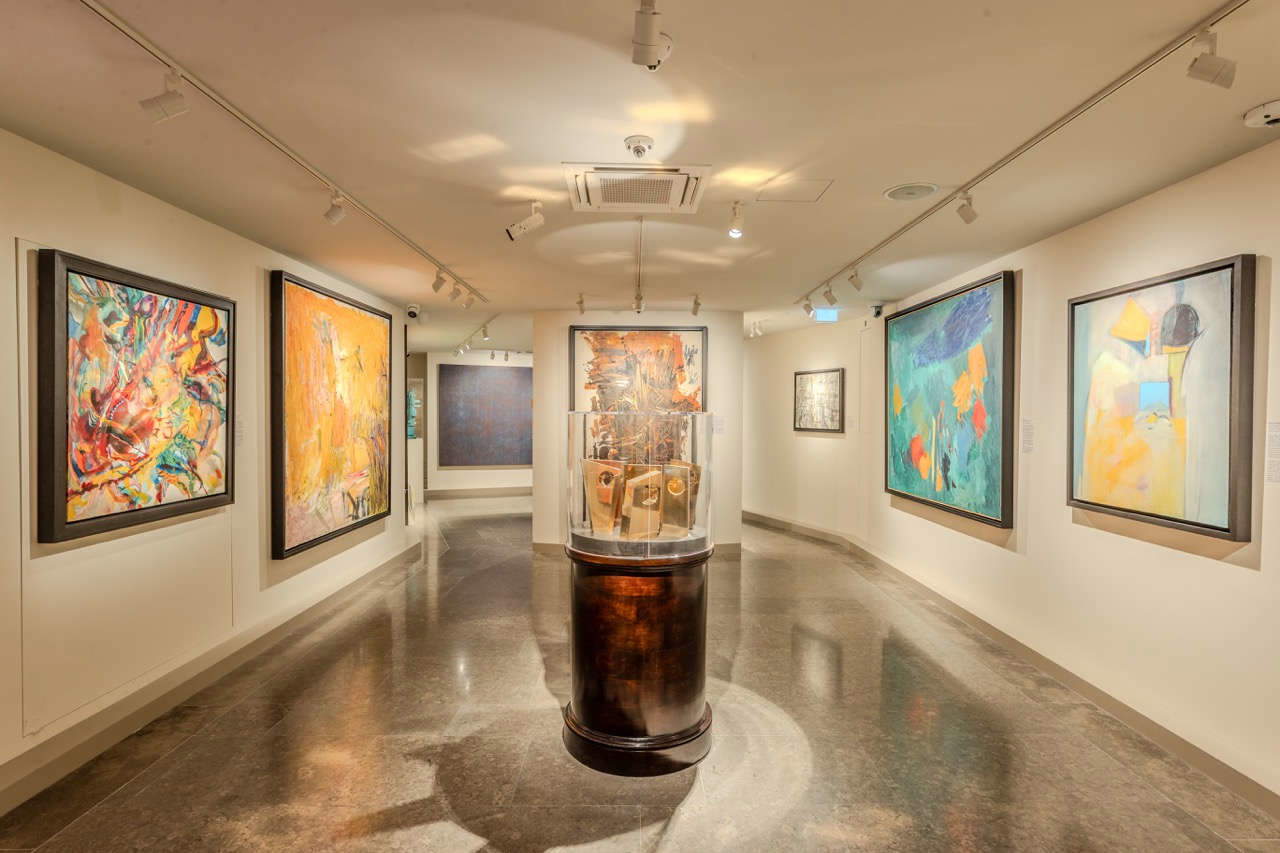
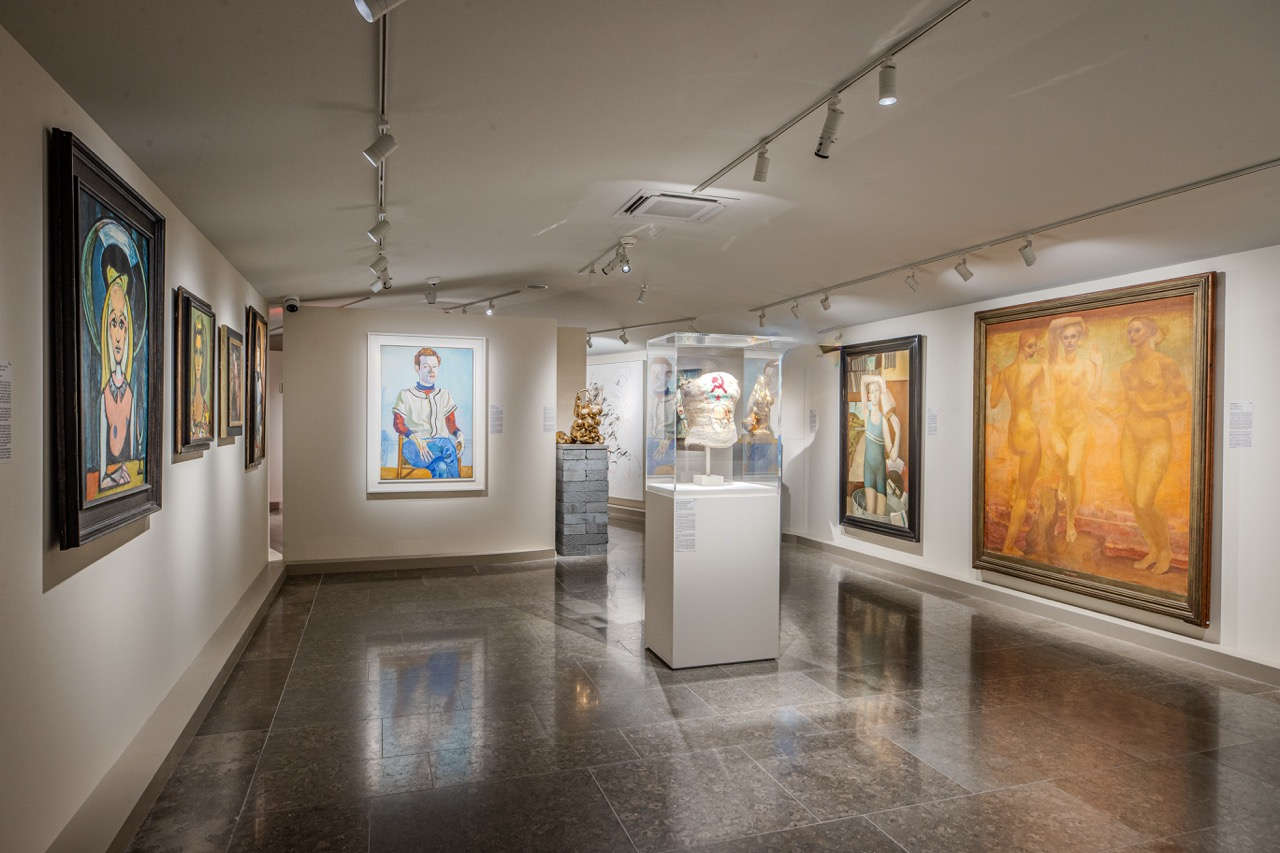
For decades, we’ve been accustomed to reading art history through the lens of male artists, while their partners, wives, or female colleagues remained in the background. Yet, as we view these works one after another, doubt becomes almost inevitable: are we sure it was they who followed in the footsteps of their more famous partners? Or didn’t the opposite happen, at least in some cases?
FAMM does not set out to forcibly rewrite history. It does something more intelligent: it finally creates the conditions for the works to engage in dialogue with one another, freeing them from the prejudices ingrained by historiography. It is an experience that produces a curious visual short circuit. You find yourself facing works that seem to belong to artistic languages traditionally attributed to the great male protagonists of the twentieth century. Except that here, the dates, the research, and the quality of the works compel the visitor to set aside their preconceptions. In this sense, the FAMM is not a “militant” museum: it is simply a museum that puts the direct observation of the works back at the center. And this is perhaps its most important quality.
You don’t leave with the idea that art history needs to be turned upside down; you leave with the realization that it has likely been told incompletely. In an era when many museums try to appear contemporary through identity-driven slogans or spectacular exhibitions, the FAMM chooses a more difficult path: it lets the works speak for themselves. And when that happens, the result is surprising.

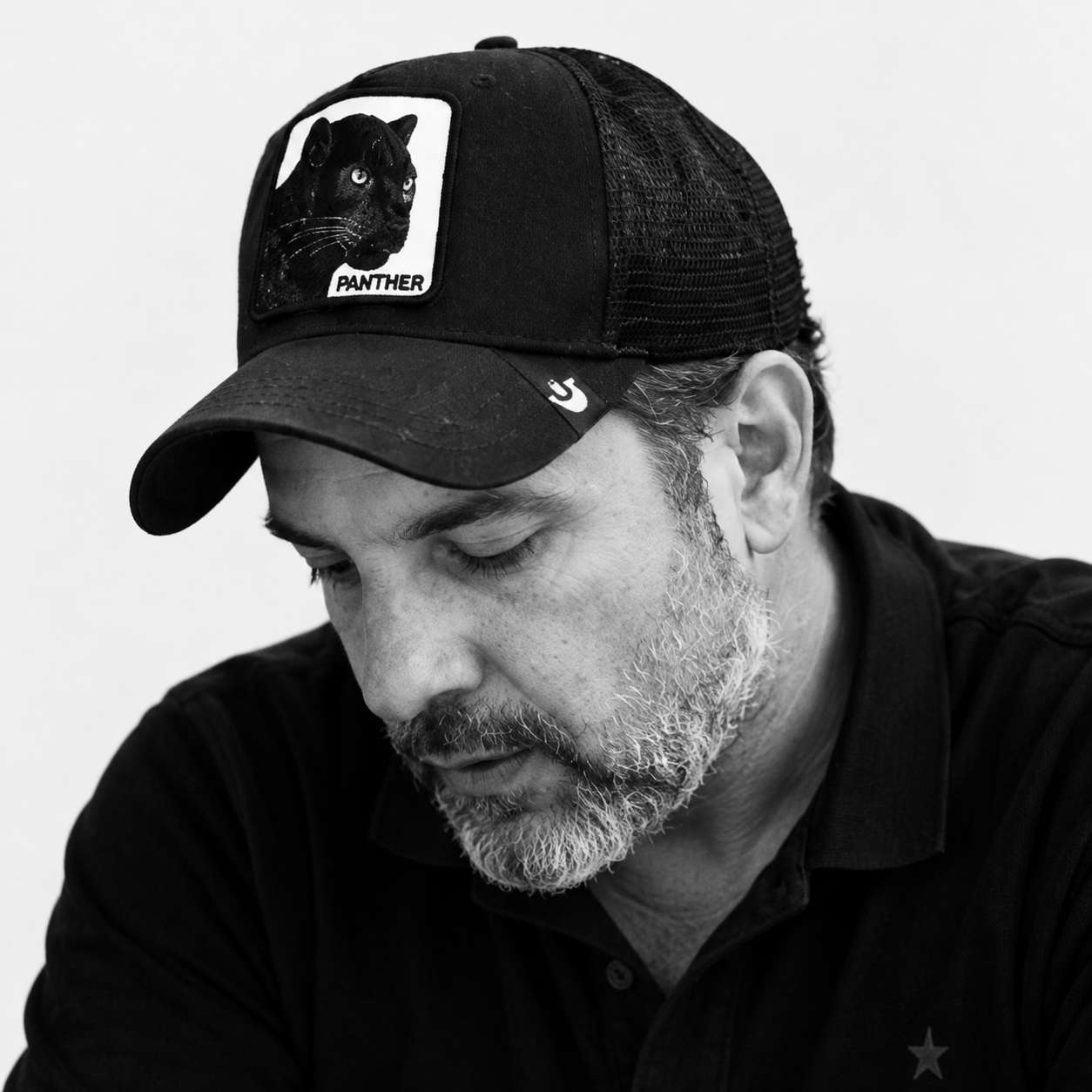
The author of this article: Luca Rossi
“Luca Rossi" è un nome di fantasia in cui idealmente convergono tutti i ruoli del sistema dell'arte: artista, critico, curatore, blogger e osservatore indipendente. È stato definito da Fabio Cavallucci “la personalità artistica più interessante d'Italia”. Dal 2009, “Luca Rossi”, collettivo aperto e figura controversa nel sistema artistico, cerca di stimolare quotidianamente un dibattito più critico nell'ambito dell'arte contemporanea, intesa come materia capace di rivestire un ruolo fondamentale nel nostro presente. Dalle sue riflessioni critiche, ampiamente diffuse, sue le definizioni di “Ikea evoluta”, “Sindrome del Giovane Indiana Jones” e “Nonni Genitori Foundation”, è nato un progetto artistico non convenzionale, che comprende anche attività di divulgazione e formazione, culminate nel 2016 con la creazione della Luca Rossi Art Academy & Coaching (documenta.live). Nel febbraio 2026, un Hidden Work di Luca Rossi è entrato nel nuovo percorso espositivo di Osteria Francescana di Massimo Bottura, segnando un ulteriore sviluppo del progetto e della ricerca intorno agli Hidden Works. Nel 2014 Giacinto Di Pietrantonio, in un’intervista, definì Luca Rossi la promessa futura dell'arte contemporanea, paragonandolo a ciò che Vanessa Beecroft avrebbe potuto essere negli anni Novanta. Alcuni “nodi critici” sviluppati nel corso degli anni da Luca Rossi sono entrati a far parte del linguaggio dell'arte italiana e hanno contribuito a cambiare la prospettiva e la visione di molte persone, dentro e fuori il settore. Nel 2014, la celebre critica d'arte Angela Vettese dichiarò che, dopo aver letto i testi di Luca Rossi, aveva deciso di non dedicarsi più alla pratica artistica, ma esclusivamente alla teoria.Warning: the translation into English of the original Italian article was created using automatic tools. We undertake to review all articles, but we do not guarantee the total absence of inaccuracies in the translation due to the program. You can find the original by clicking on the ITA button. If you find any mistake,please contact us.























 IT
IT FR
FR DE
DE ES
ES CN
CN


