On the French Riviera, there is a museum that is rewriting art history without resorting to slogans
by Luca Rossi 20 August 2026
Destination: Francia
What if art history had simply been told poorly? In Mougins, on the French Riviera, there is a museum—the FAMM—that brings together about 90 female artists from the Impressionist era to the present day and invites visitors to view the works without the filters of art history, raising an unexpected question: Who really influenced whom? An article by Luca Rossi.

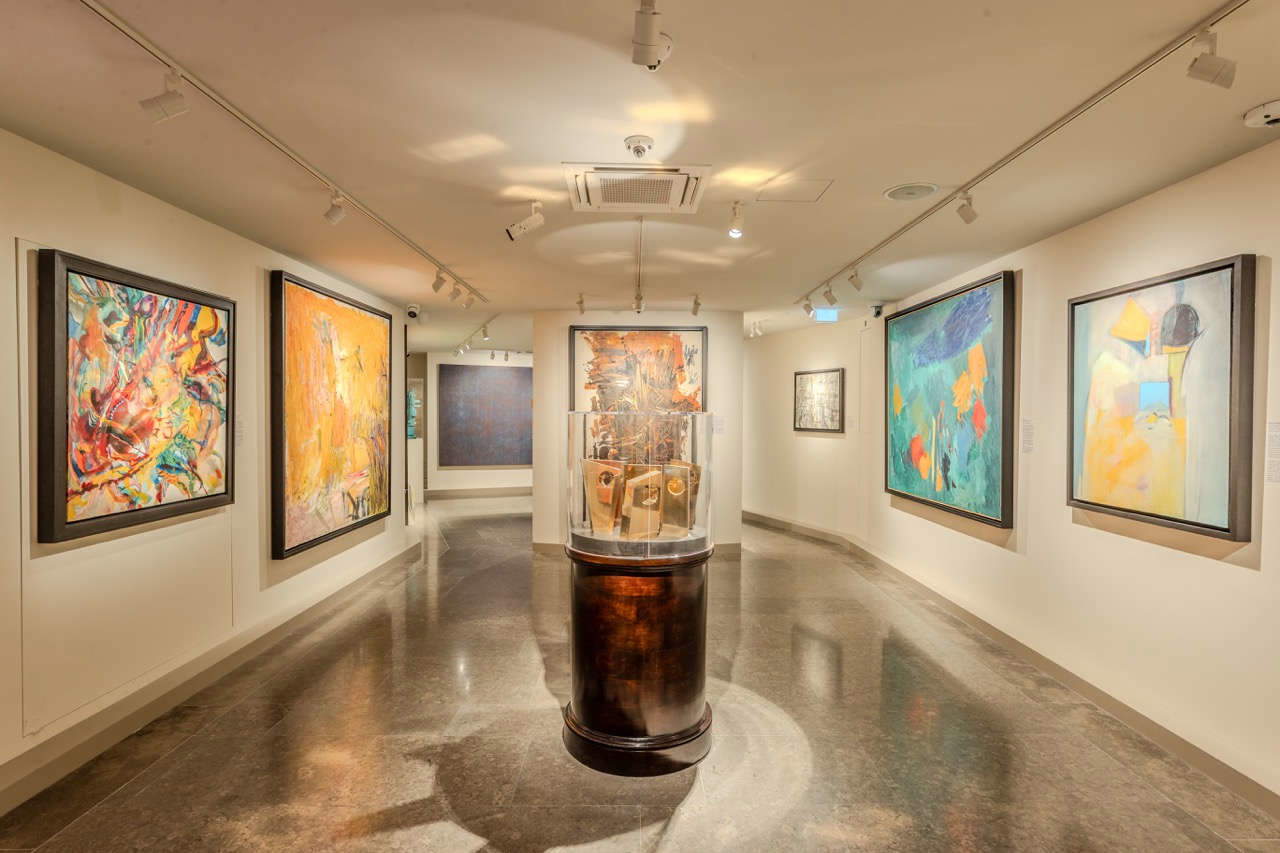
There are museums that add works of art. And then there are museums that raise questions. The FAMM—Femmes Artistes Musée Mougins —definitely belongs to the second category. Founded from Christian Levett’s collection, the museum is the first in Europe entirely dedicated to women artists and offers a journey from Impressionism to contemporary art, featuringapproximately ninety artists spread across four floors.
The strength of FAMM lies not so much in affirming a now-widely accepted principle—the need to restore visibility to the many female artists who have remained on the margins of the official narrative—as in raising a question.
Walking through the galleries, observing works by Carla Accardi, Dadamaino, Ana Mendieta, Sarah Lucas, Tracey Emin, and many others, one often experiences a surprising sensation. And when standing before certain works, one naturally wonders: who influenced whom? Whether it’s a life partner or simply a companion on the same path, the question echoes throughout the visit.
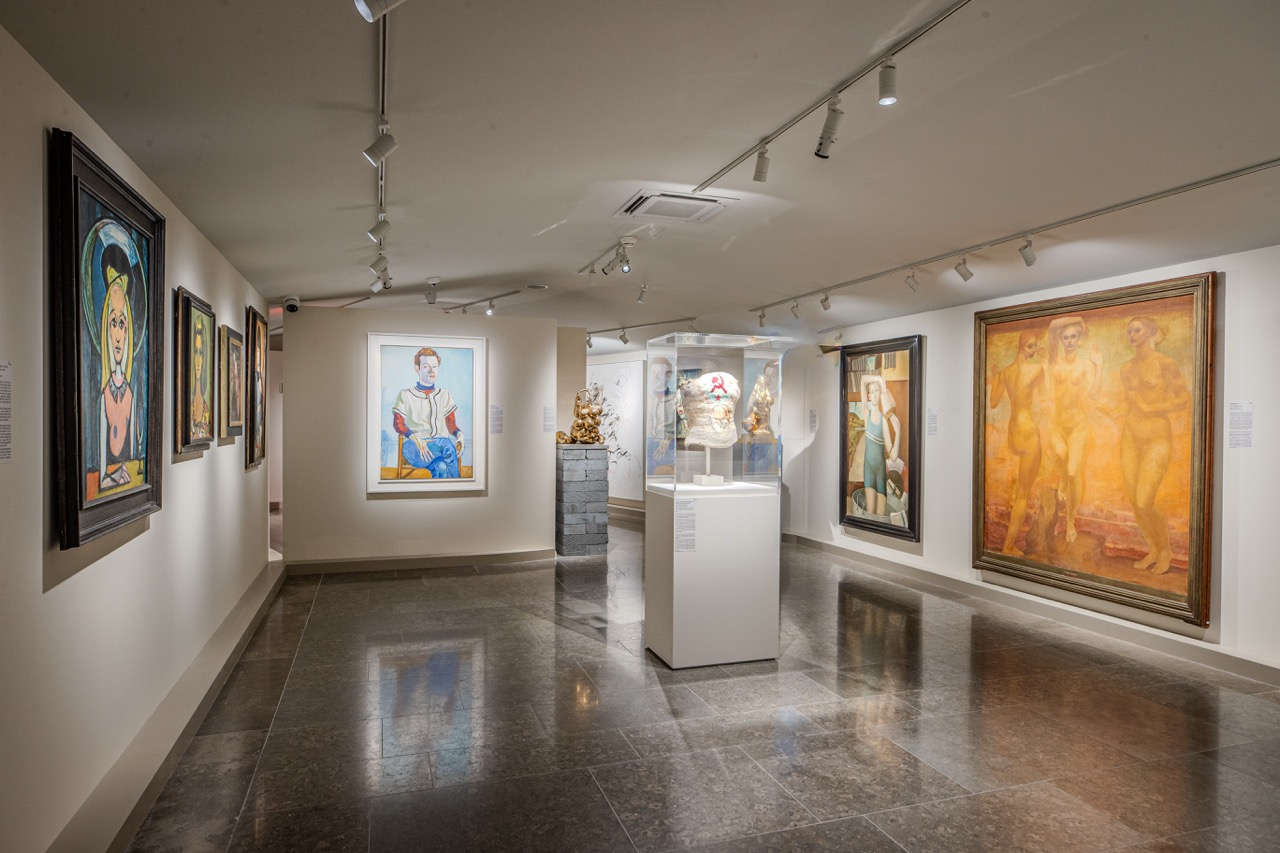
For decades, we’ve been accustomed to reading art history through the lens of male artists, while their partners, wives, or female colleagues remained in the background. Yet, as we view these works one after another, doubt becomes almost inevitable: are we sure it was they who followed in the footsteps of their more famous partners? Or didn’t the opposite happen, at least in some cases?
FAMM does not set out to forcibly rewrite history. It does something more intelligent: it finally creates the conditions for the works to engage in dialogue with one another, freeing them from the prejudices ingrained by historiography. It is an experience that produces a curious visual short circuit. You find yourself facing works that seem to belong to artistic languages traditionally attributed to the great male protagonists of the twentieth century. Except that here, the dates, the research, and the quality of the works compel the visitor to set aside their preconceptions. In this sense, the FAMM is not a “militant” museum: it is simply a museum that puts the direct observation of the works back at the center. And this is perhaps its most important quality.
You don’t leave with the idea that art history needs to be turned upside down; you leave with the realization that it has likely been told incompletely. In an era when many museums try to appear contemporary through identity-driven slogans or spectacular exhibitions, the FAMM chooses a more difficult path: it lets the works speak for themselves. And when that happens, the result is surprising.