




On the night of 1864, a devastating fire swept through the Schielandshuis Palace in the heart of Rotterdam, reducing to ashes more than two-thirds of the art collections accumulated up to that point by the city museum, which had been founded fifteen years earlier, in 1849, thanks to the bequest of the collector Frans Jacob Otto Boijmans ( 1767–1847), a lawyer from Utrecht: this was the future Boijmans van Beuningen Museum in Rotterdam (part of the collection was exhibited in Italy as part of the exhibition *From Monet to Van Gogh to Kandinsky: New Perspectives on Nature and Modernity. Masterpieces from the Museum Boijmans Van Beuningen and Other Important Collections, curated by Sandra Kisters and Vasilij Gusella, Ferrara, Palazzo dei Diamanti, September 19, 2026, through January 10, 2027). For a cultural institution that was still in its infancy—led at the time by director Ary Johannes Lamme and operating on a shoestring budget—such an event could have spelled its demise. Instead, it served as the spark for a renaissance rooted in Dutch pragmatism and visionary collecting: the substantial insurance payout, in fact, allowed the municipal administration to immediately launch a new and systematic acquisition campaign, not only of works by old masters but also of contemporary art.
The episode that best embodies the avant-garde spirit of the Rotterdam museum, however, took place in 1903. Director Pieter Haverkorn van Rijsewijk, who had led the institution since 1883 with an annual acquisition budget of approximately 5,000 guilders (just over 80,000 euros today), decided to allocate 750 guilders (about 12,000 euros today) toward the purchase of a painting by Vincent van Gogh, *The Poplars near Nuenen*. The painting was bought directly from Jo van Gogh-Bonger, Theo van Gogh’s widow, who at that time was struggling to gain recognition for her brother-in-law’s work. At the time, Van Gogh’s work was still considered eccentric and controversial by most critics, but thanks to that courageous act, the painting became the very first work by the artist to be included in a public collection in the Netherlands. It would not remain the museum’s only Van Gogh work; over time, the collection continued to grow, first thanks mainly to private bequests ( the history of the Boijmans van Beuningen is, in fact, the story of a museum born from the merger of several private collections), and later through public acquisitions or donations. Another important work by Van Gogh in the collection, *Still Life with Potatoes* from the fall of 1886, also came about through a private donation (albeit a partial one, as part of the acquisition was funded with support from various institutional sources). “The diverse interests of collectors,” wrote Sandra Kisters, “have helped shape the character of a museum distinguished by an incredibly wide range of masterpieces that were once privately owned. A visit offers the experience of an exciting journey through the history of Western art.”
![Edgar Degas, Young Dancer, Age 14 (1880–1881 [1922]; bronze and fabric, 98 x 49 x 50 cm; Rotterdam, Museum Boijmans Van). Photo: Studio Tromp](https://cdn.finestresullarte.info/rivista/immagini/2026/3672/edgar-degas-giovane-ballerina-di-quattordici-anni.jpg "Edgar Degas, Young Dancer, Age 14 (1880–1881 [1922]; bronze and fabric, 98 x 49 x 50 cm; Rotterdam, Museum Boijmans Van). Photo: Studio Tromp")
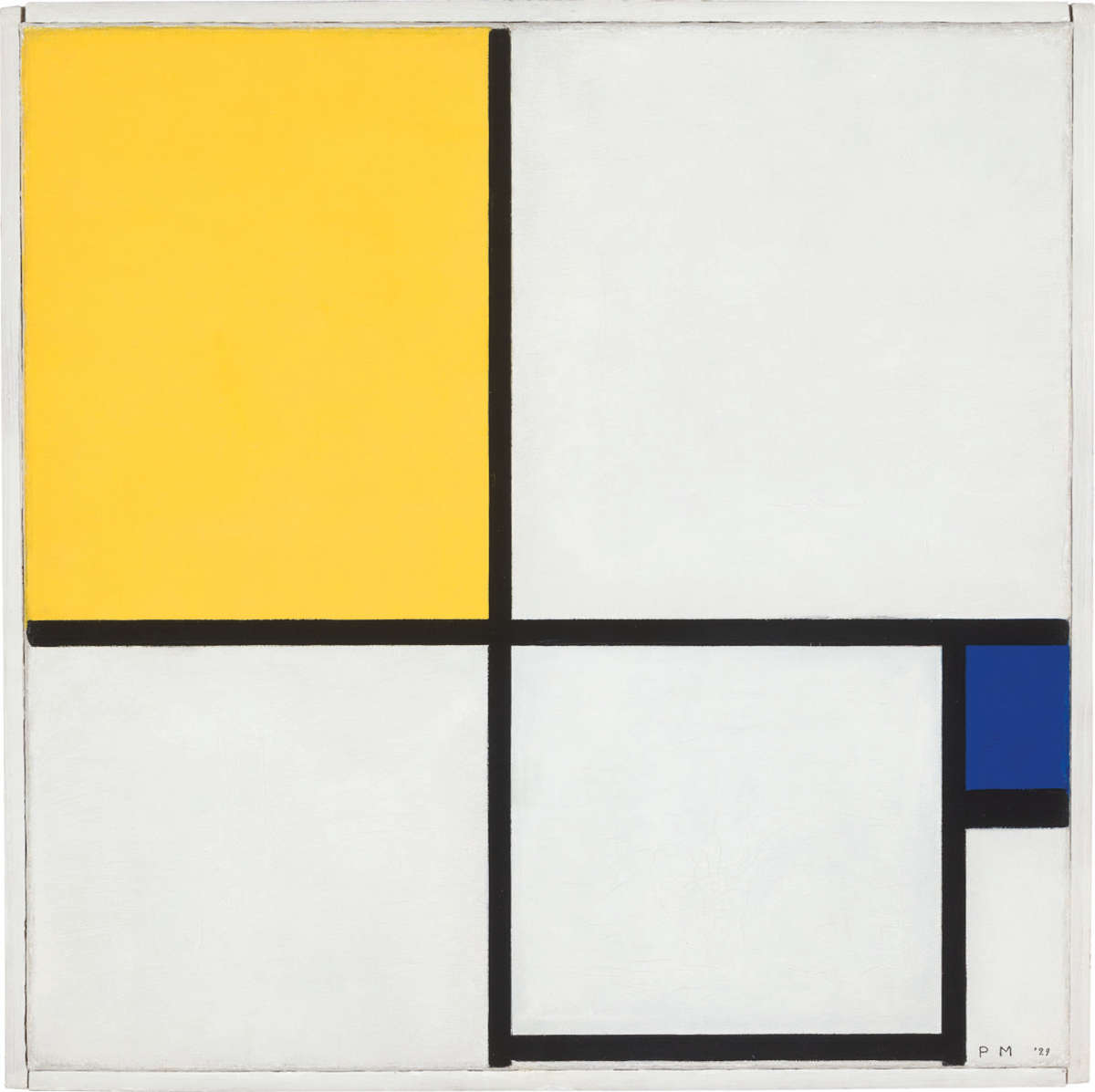
The transformation of the small municipal museum into a gem on the international scene is due to a successful partnership between talented directors and major private collectors. Following the directorship of Frederik Schmidt-Degener (1908–1921), who gave the acquisitions a more international focus, it was under the leadership of Dirk Hannema (in office from 1921 to 1945) that the modern art collection took a decisive leap forward in quality. In 1923, the bequest of entrepreneur J.P. van der Schilden provided the museum with a rich selection of paintings from the Hague School and a substantial financial endowment. Thanks to these resources, Hannema was able to acquire masterpieces of Impressionist art of fundamental importance on the international market: in 1928, Edgar Degas’s bronze sculpture *Grand Arabesque* and Claude Monet’s famous painting *The Fisherman’s House at Varengeville* were added to the collection. The following year, in 1929, a group of the artist’s friends and supporters donated Piet Mondrian’s austere *Composition No. II* to the museum.
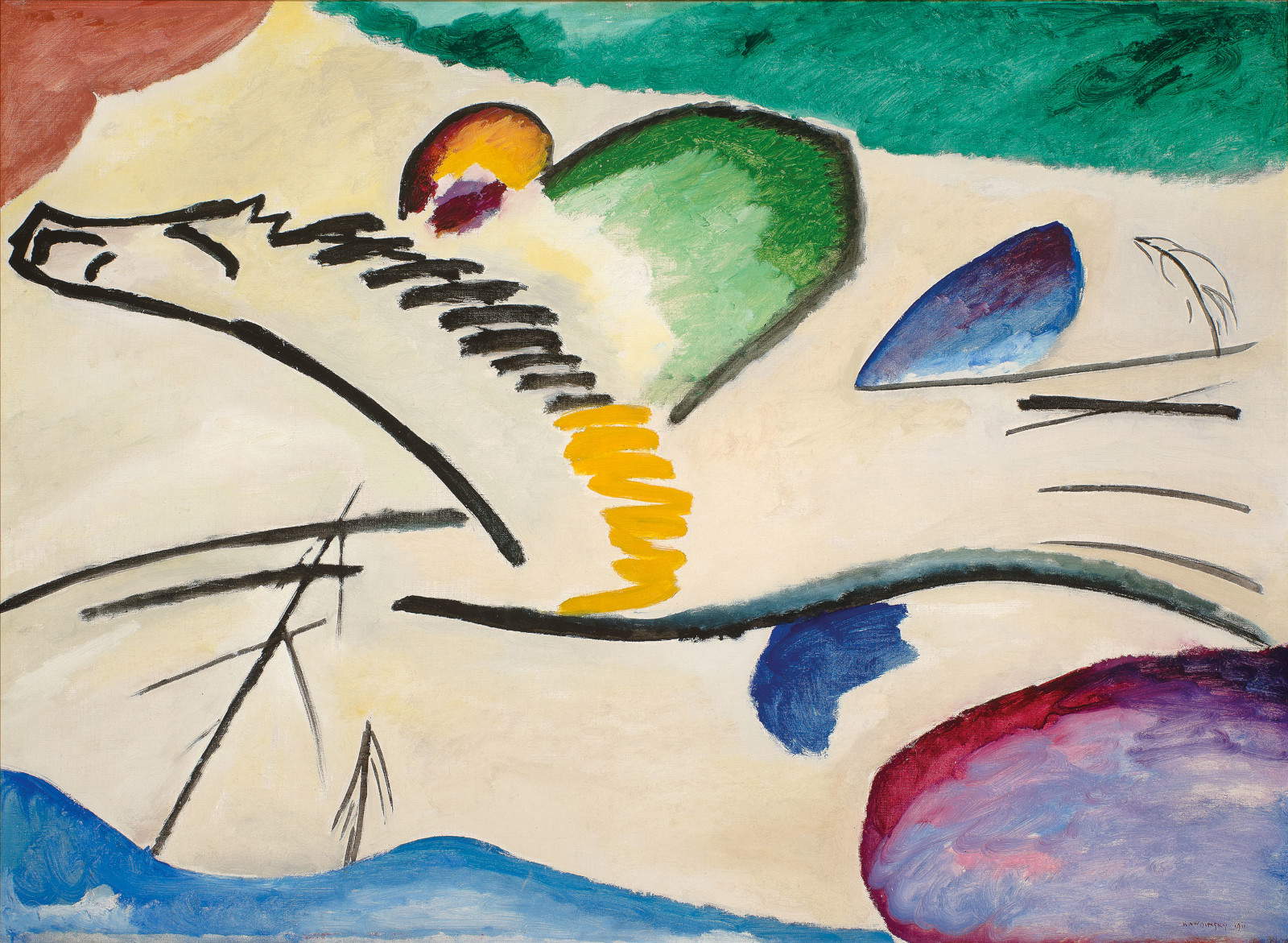
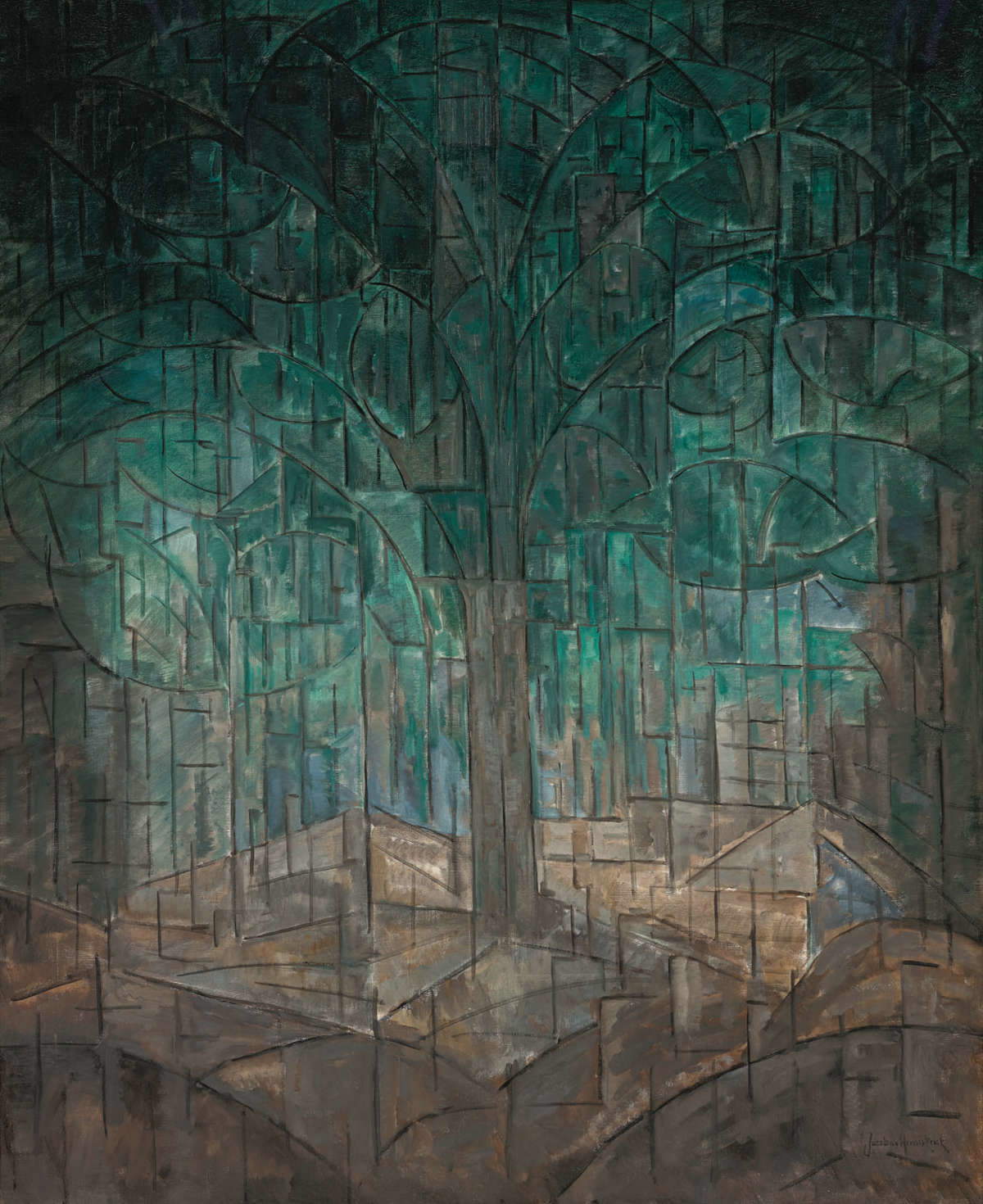
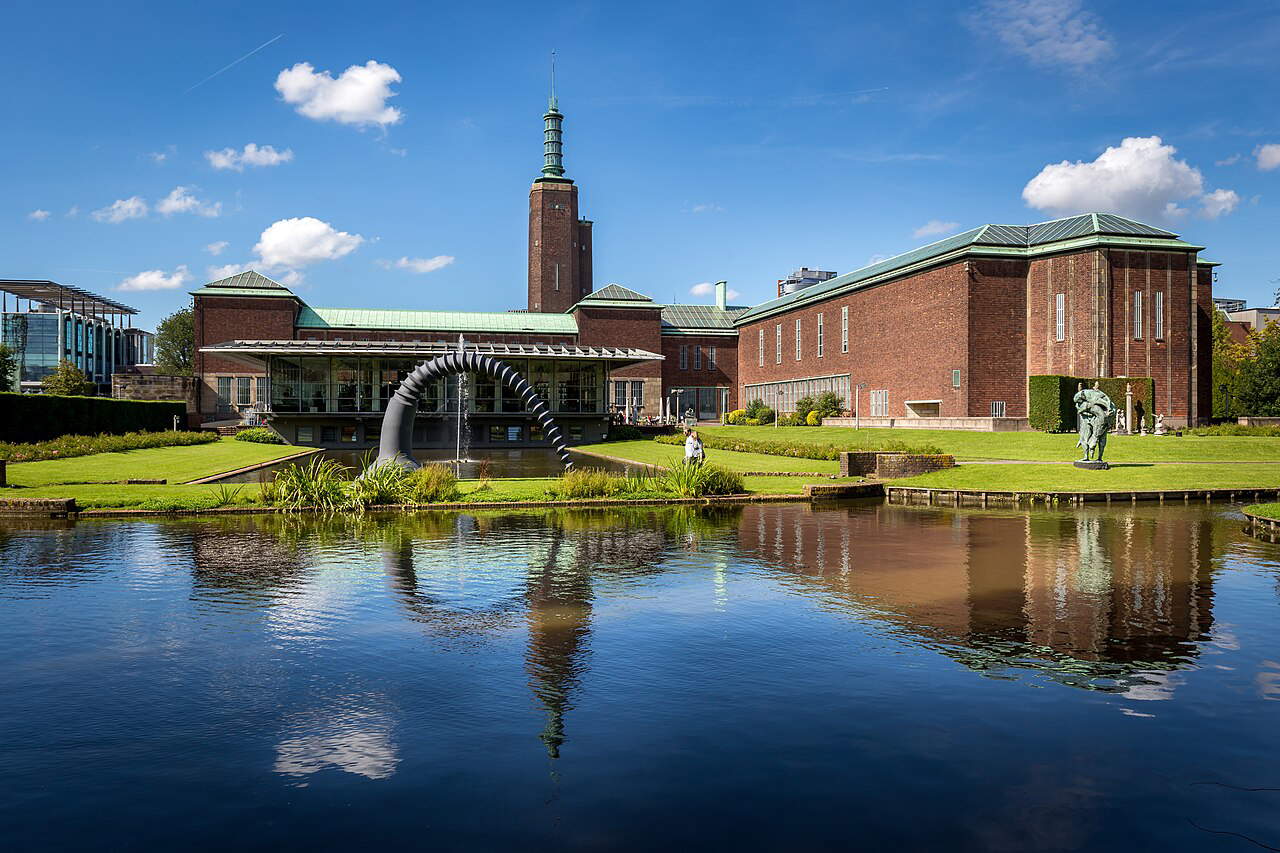
In 1932, another pivotal moment occurred: the bequest from Marie Tak van Poortvliet. A refined collector with ties to the circles of theosophy and symbolism, she bequeathed her extraordinary collection of avant-garde works to the museum. Thus, masterpieces of European abstract art and Expressionism found their way to Rotterdam, including Wassily Kandinsky’s *Lyric*, Franz Marc’s *The Sheep* , Lyonel Feininger’s *Weimar High*, and a substantial collection of paintings, drawings, and stained-glass works by his partner, Jacoba van Heemskerck. Also in the 1930s, the museum’s fortunes became intertwined with those of the great magnates of the Port of Rotterdam: The contribution of Daniël George van Beuningen (1877–1955) was fundamental; his collection was acquired by the museum in 1958, and this bequest was so significant that the museum was named after him. Even before his death, however, his relationship with the museum was strong: In fact, in 1935, Van Beuningen donated *Woman Seated at a Café*, painted by Pablo Picasso in 1901, and in 1940 he acquired the entire collection of banker Franz Koenigs to save it from being dispersed, donating the priceless drawings to the museum. In 1935, the new, modern exhibition building within the Museumpark, designed by architect Aad van der Steur, was also inaugurated.
Following the dramatic events of World War II (the Luftwaffe bombings of May 1940 caused only minor damage to the building), the museum’s directorship was entrusted to J.C. Ebbinge Wubben (who served from 1950 to 1978). It was Ebbinge Wubben who, in 1958, finalized the acquisition ofthe impressive Van Beuningen collection; following this event, as noted, the museum officially adopted the name Museum Boijmans Van Beuningen, and in 1972 secured a long-term loan of the collection from another major Rotterdam port magnate, Willem Van der Vorm. In 1964, recognizing the need to give voice to contemporary art, Ebbinge Wubben established the Department of Modern Art, entrusting it to curator Renilde Hammacher-van den Brande and focusing new acquisitions on Surrealism, from René Magritte to Salvador Dalí.
The history of the Boijmans Van Beuningen collection is also the historyof the evolution of the modern artistic gaze. The journey through the museum’s modern art collection begins in the 1830s, when the painters of the Barbizon School (Théodore Rousseau, Camille Corot, Constant Troyon, Charles-François Daubigny) left the academic studios to immerse themselves in the Forest of Fontainebleau, founding the tradition of en plein air painting. In a famous letter from 1883 to his brother Theo, Vincent van Gogh recalled with deep emotion the teachings of those masters: “Think of Barbizon—what a wonderful story. Those who arrived there in the early days—not all of them were, on the surface, what they truly were deep down. It was the countryside that shaped them; all they knew was: the city isn’t right for me; I must go to the countryside. I imagine they thought: I must learn to work, become something completely different—indeed, the opposite of what I am now. They told themselves: as I am, I am worthless; I will renew myself in nature.”
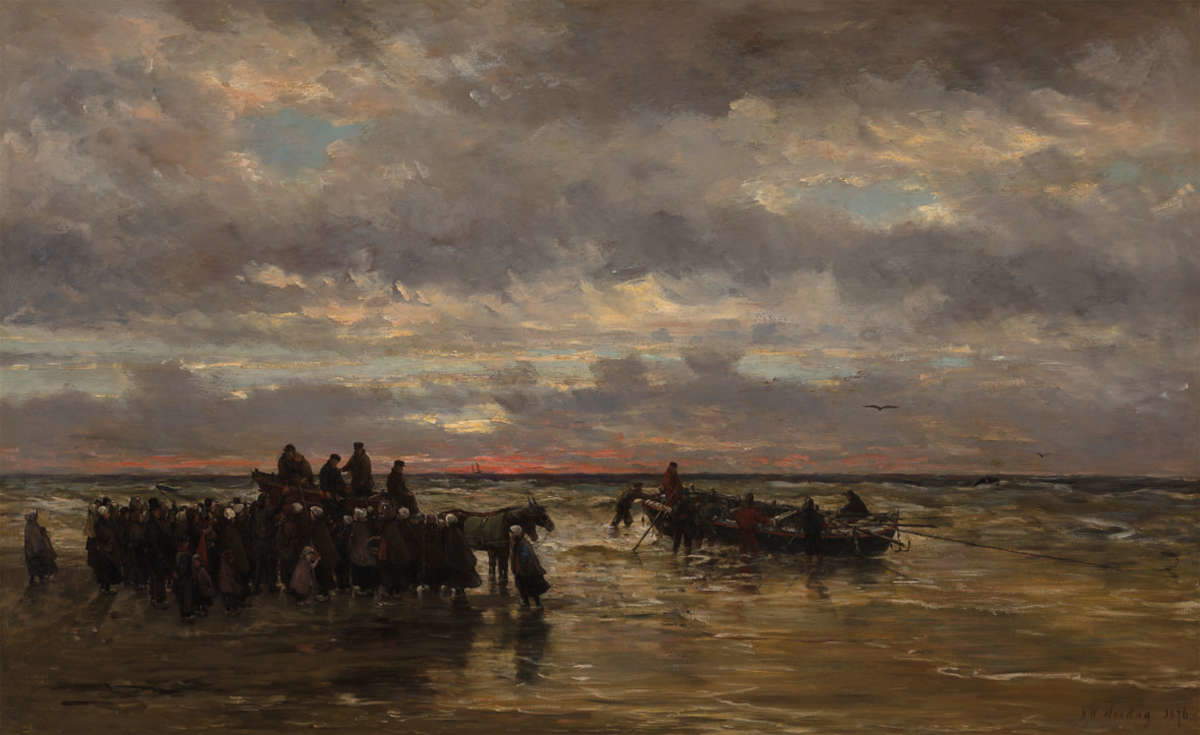
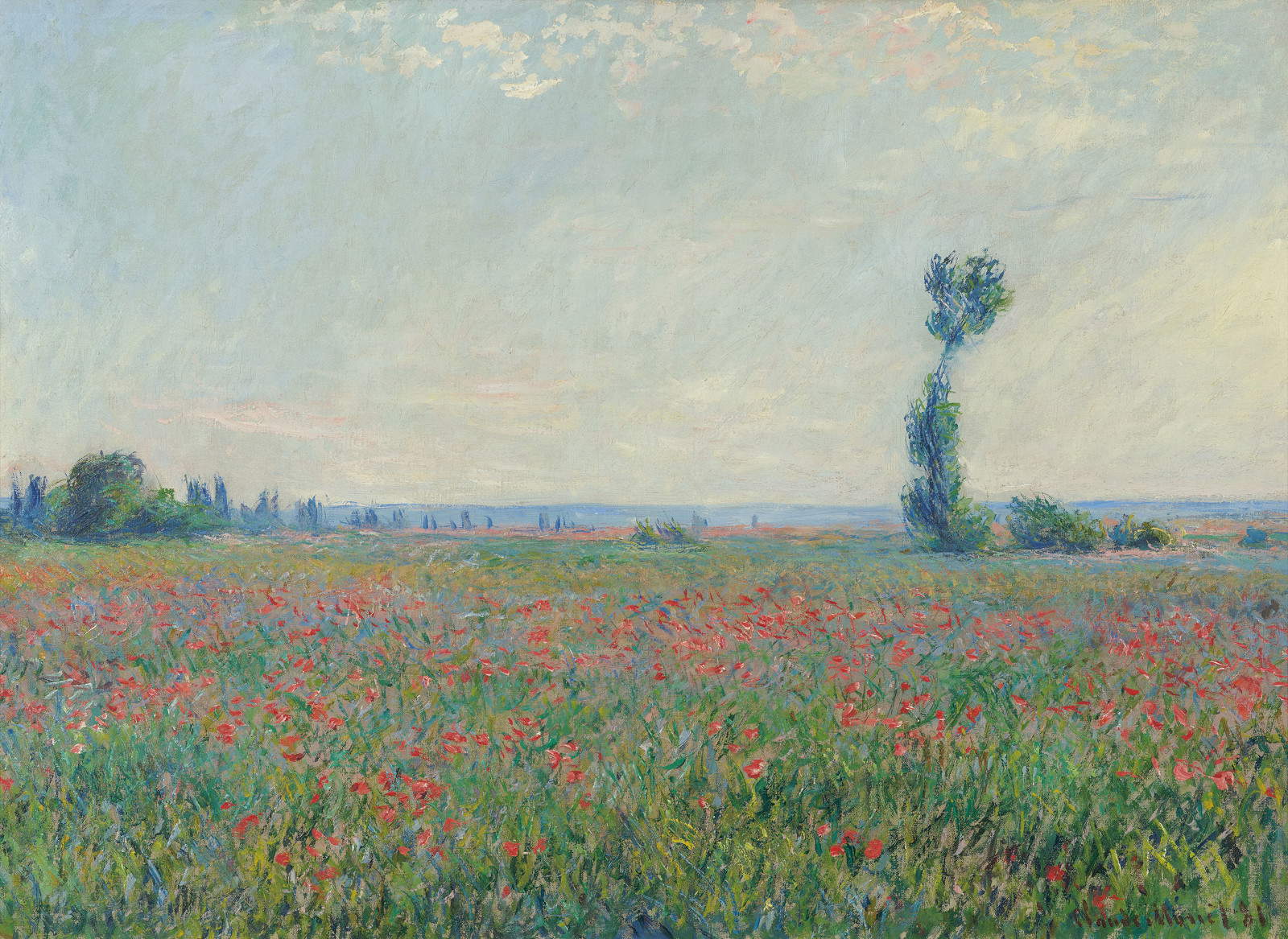
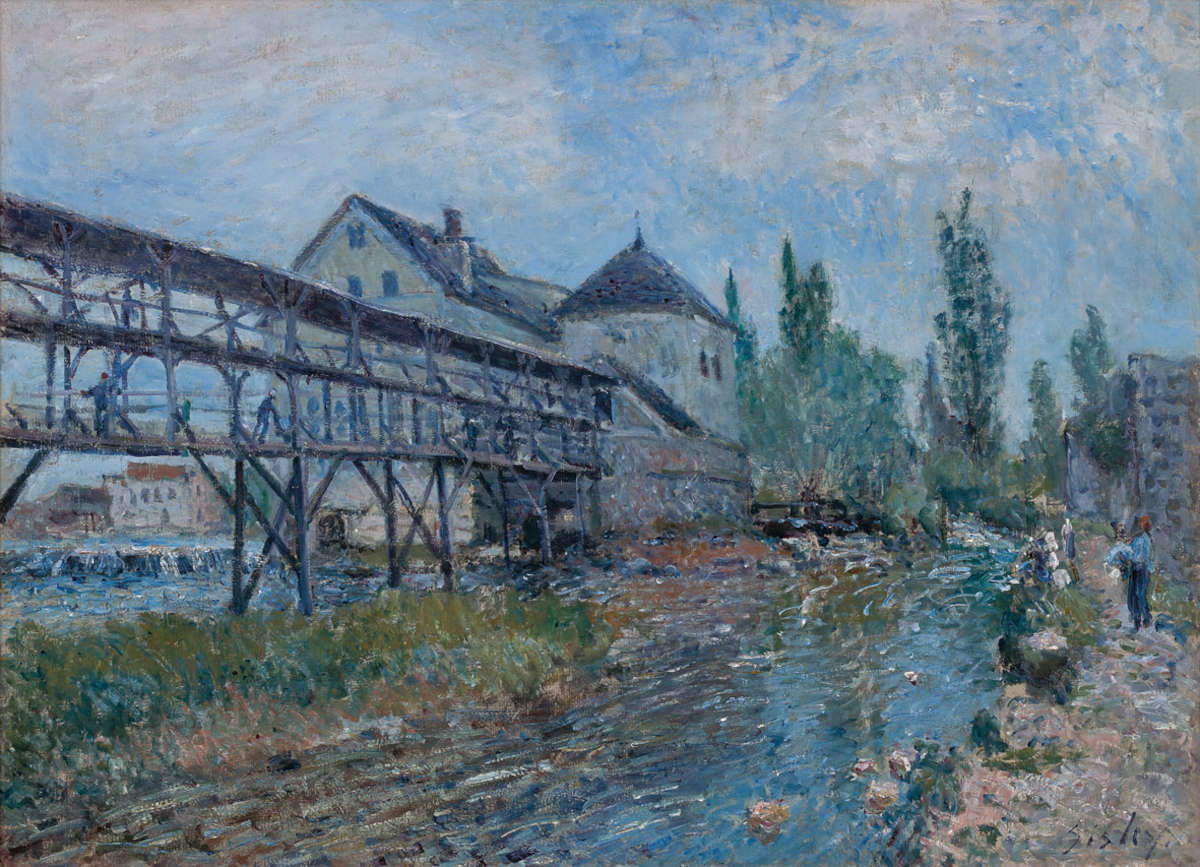
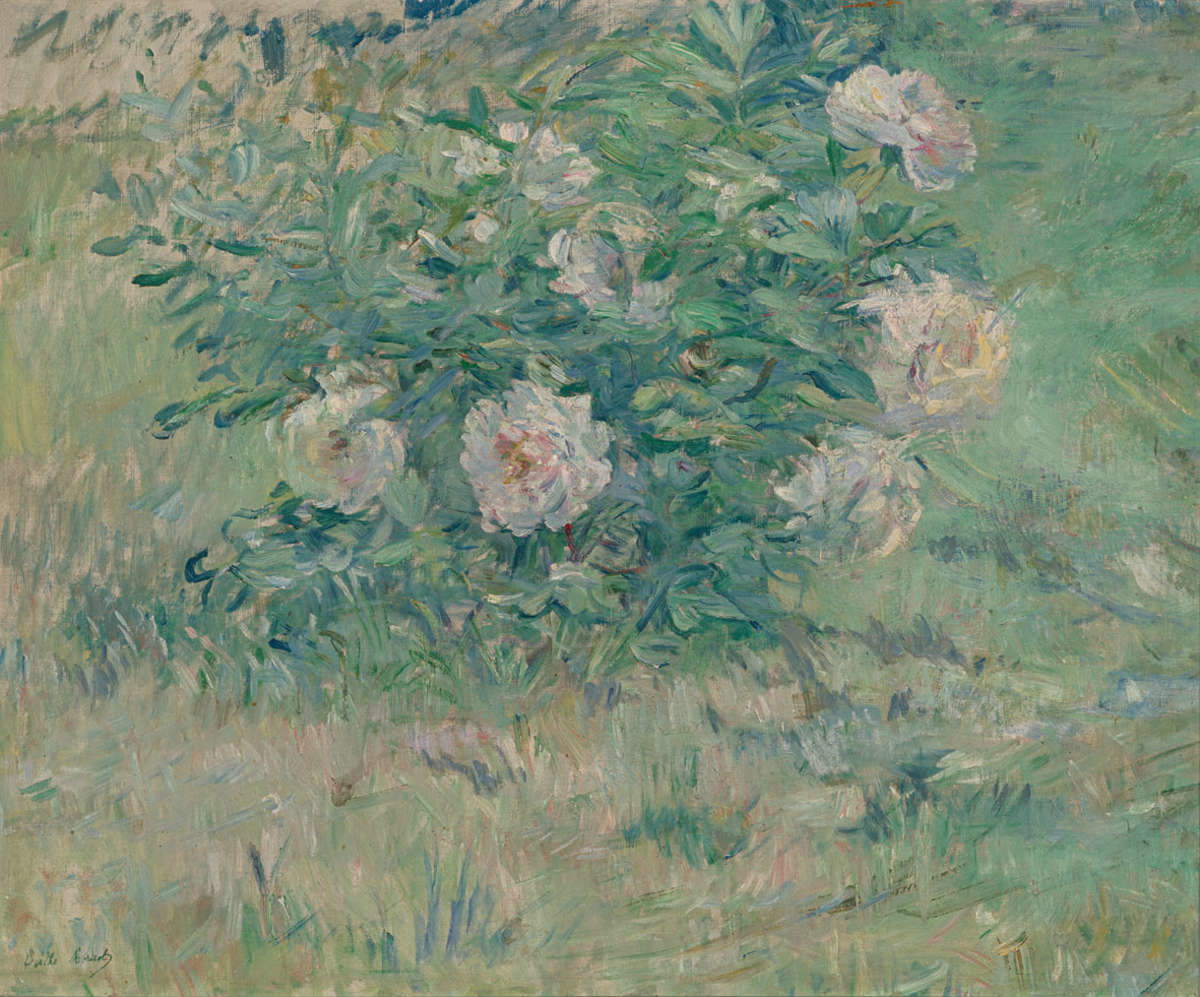
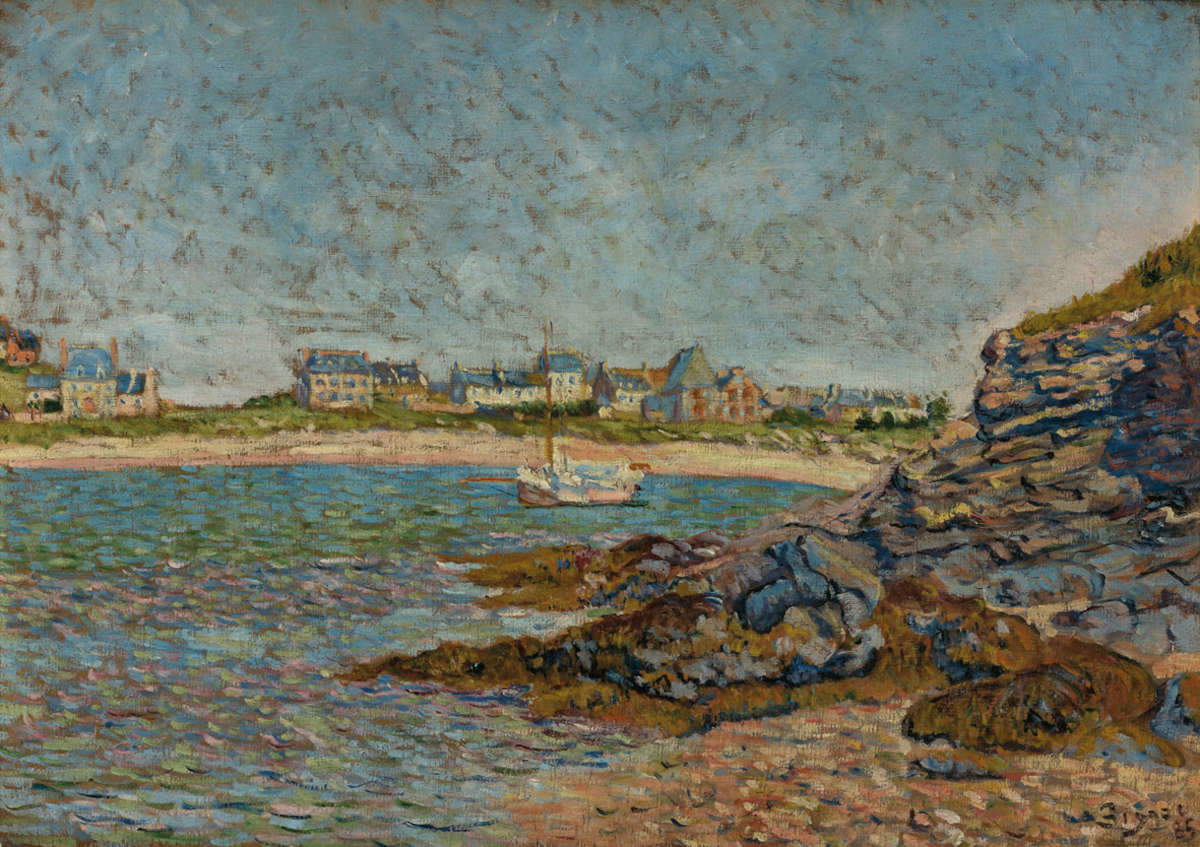
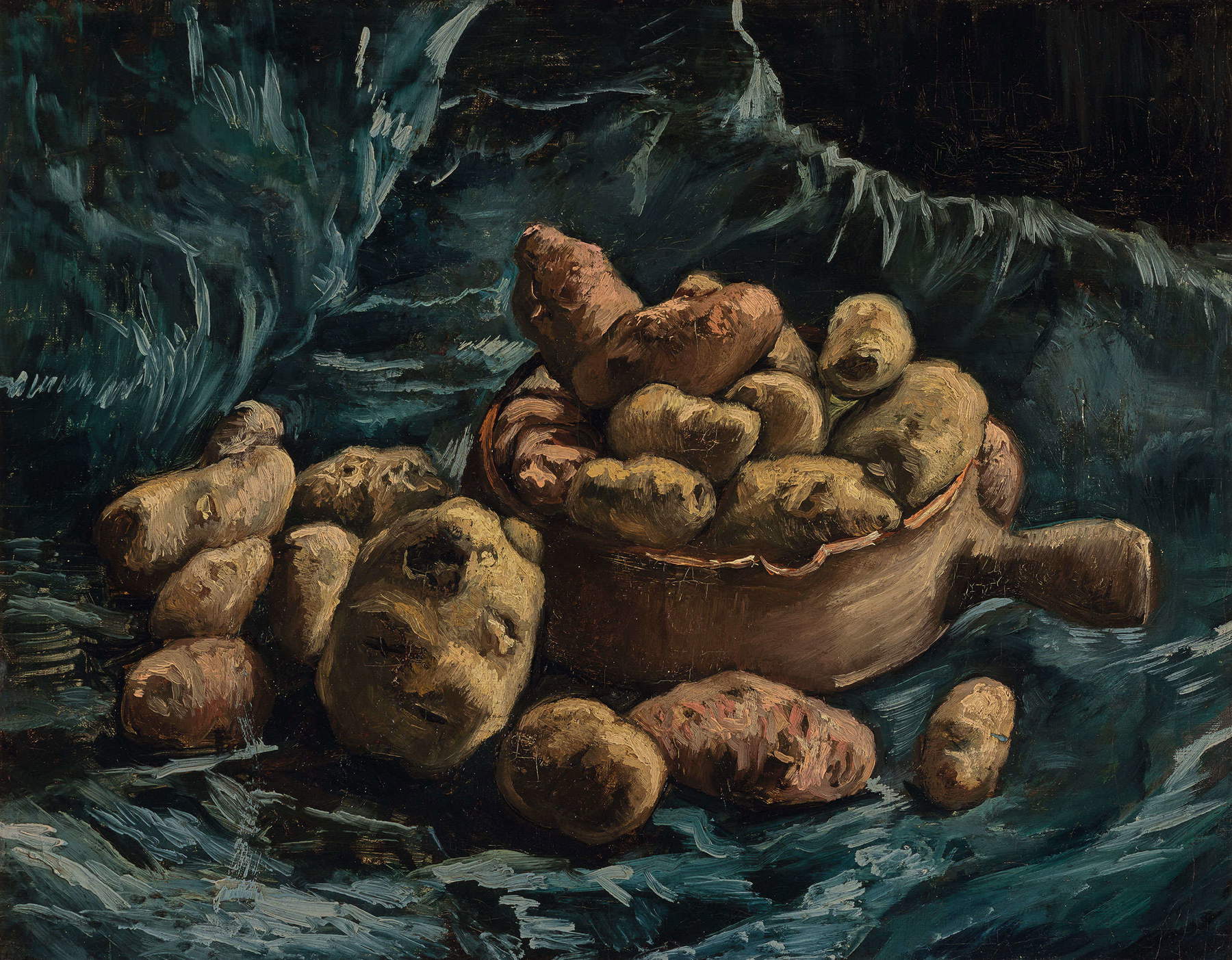
In the Netherlands, the influence of Barbizon gave rise to the Hague School (1860–1890). Artists such as Hendrik Willem Mesdag, Anton Mauve, Jacob Maris, Willem Roelofs, and Johan Hendrik Weissenbruch immortalized the flat polders, windmills, and leaden skies, earning the nickname the “Gray School” for their subtle shades of green and gray. Highly dramatic works such as Mesdag’s *The Return of the Lifeboat* (1876), inspired by a real shipwreck that occurred in Scheveningen, attest to the power of this style of painting nature and the sea. In Paris, the need to capture the fleeting nature of light led to Impressionism. The Boijmans collection features standout works such as Claude Monet’s *Field of Poppies* ( 1881) and *Fisherman’s House at Varengeville* (1882), where shadows are colored with complementary color harmonies, alongside works by Alfred Sisley, Berthe Morisot, and the sculptures of Degas. With Paul Gauguin’s Post-Impressionism (Cattle at the Watering Hole, 1886) and Paul Signac’s Neo-Impressionism (View of the Harbor, Saint-Briac, 1885), color became a systematic and autonomous method.
At the turn of the century, metropolitan life burst forcefully onto the canvas. Charles Baudelaire had defined modernity with words destined to become historic: “Modernity is the transitory, the fleeting, the contingent—one half of art, the other half being the eternal and the immutable.” In the fin-de-siècle Parisian atmosphere, Kees van Dongen (*Houses in Montmartre*), Albert Marquet (*The Pont-Neuf in the Sun*), Raoul Dufy (*Carriage in the Bois de Boulogne*), and Pablo Picasso (*Woman Seated at a Café*, 1901) transformed the streets, boulevards, and cabarets into the new grammar of the visible.
The final chapter of this parable coincides with the gradual dissolution of real form into the language of the spirit and the mind. As Paul Klee observed with profound insight: “Art does not reproduce what is visible, but makes visible what is not always so.” In 1911, Wassily Kandinsky founded the Der Blaue Reiter movement and painted *Lyric*, a pivotal work housed in Rotterdam in which the figures of the horse and rider dissolve into chromatic fields imbued with pure inner force. During the same period, Franz Marc (*The Sheep*), Lyonel Feininger (*Upper Weimar*), and Jacoba van Heemskerck (*Composition No. 6*) broke down natural forms into geometric and symbolic structures.
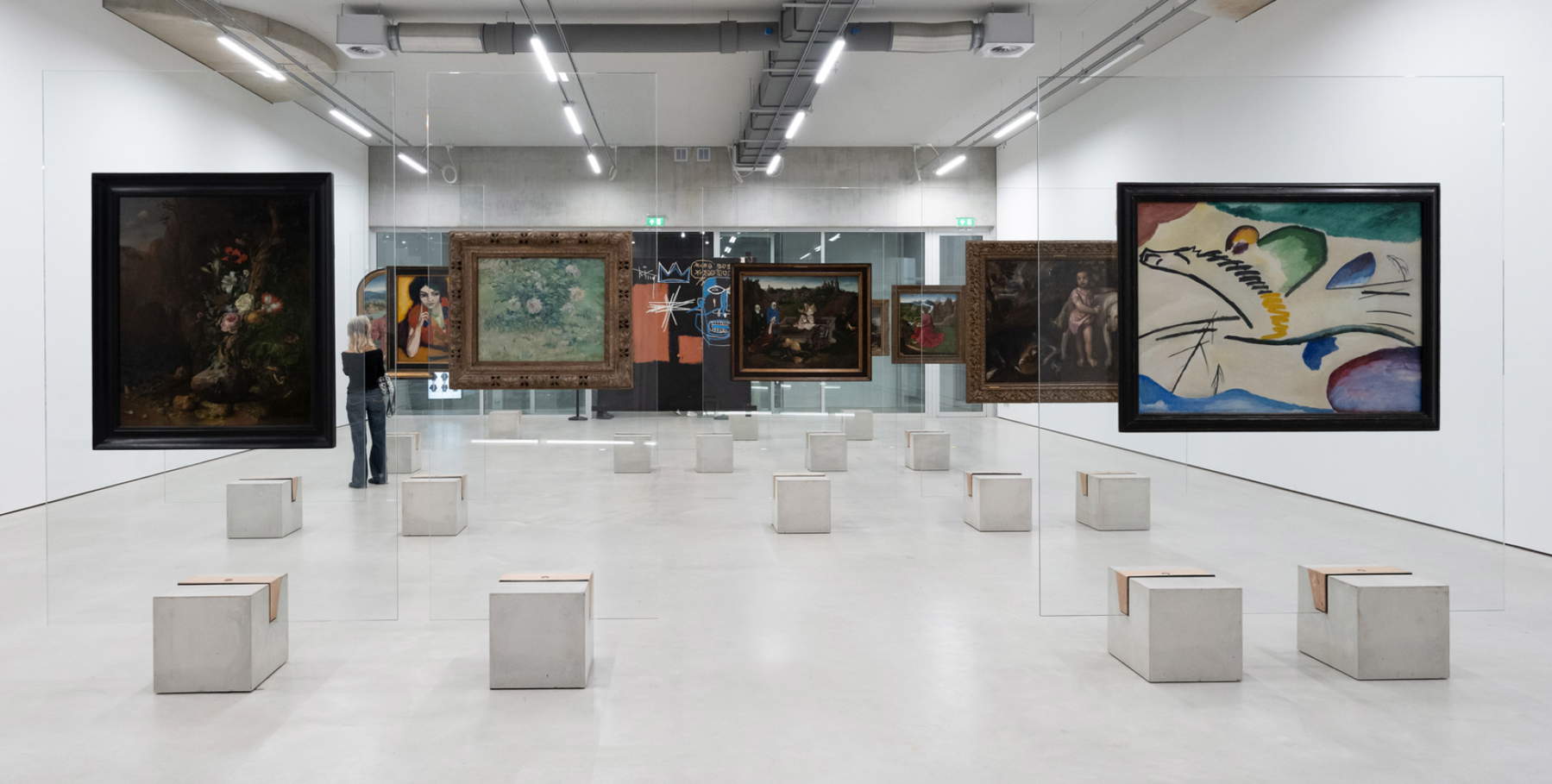
The culmination of modernism is represented by Piet Mondrian and the De Stijl movement. In his Composition No. II from 1929, every trace of the sensory world is definitively erased: a grid of orthogonal black lines encloses fields of primary colors (yellow and blue) juxtaposed with white. Mondrian explained his universal quest as follows: “The appearance of things in nature changes, while reality remains constant. There is therefore something that never changes, and painting must thus detach itself from details to become a clear expression of the universal.” The meaning of this long journey is summarized by Vittorio Sgarbi: “Painting undertakes the boldest journey in its history: it begins with the observation of the world, passes through its perception, and culminates in the construction of an autonomous, inner, universal reality.”
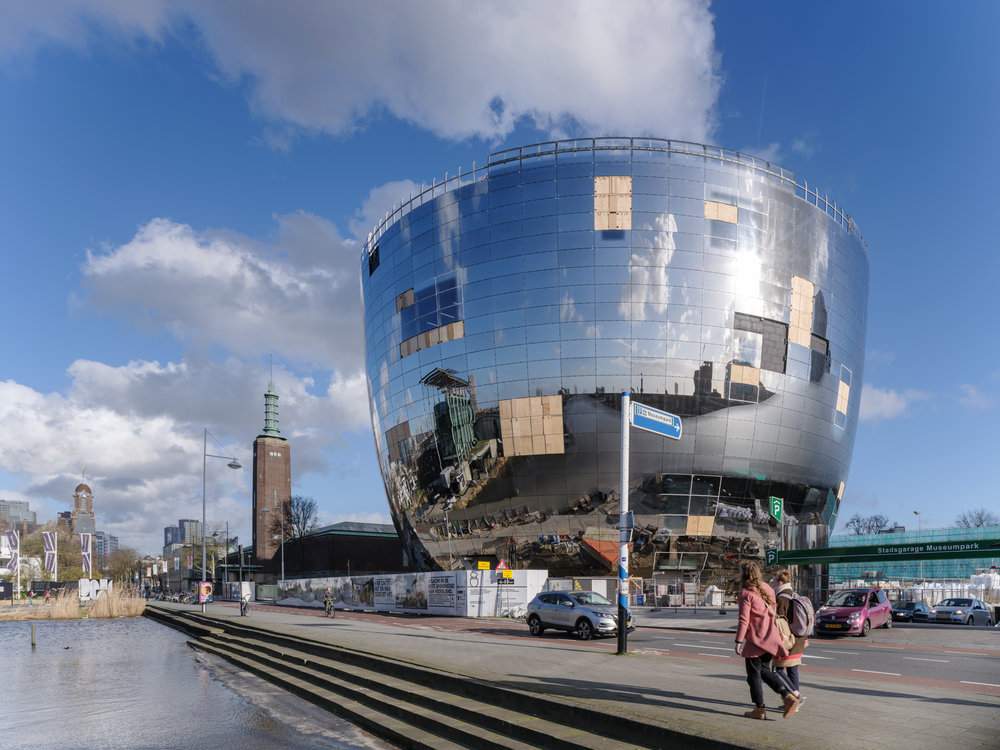
Today, the Museum Boijmans Van Beuningen continues to shape the future of museum collecting. While the historic building in the Museumpark is closed for a major restoration and remediation project, the institution’s entire collection of over 156,000 objects has been transferred to the Depot, which opened in November 2021 and was designed by the architectural firm MVRDV. It is the world’s first art storage facility entirely accessible to the public: a transparent structure open to visitors, who can explore the behind-the-scenes processes of conservation, restoration, and the care of the works—once again confirming the pioneering spirit of the city of Rotterdam. Meanwhile, the museum continues to acquire new works. “Although the museum has gradually expanded its selection of modern masters in recent decades,” writes Kisters, “most of the Impressionist and Post-Impressionist works, as well as the early examples of abstraction, were acquired thanks to relationships established with private collectors; following their donations or, as in the case of the Van Beuningen Collection, through the efforts of the city council. Overall, the acquisition policy cannot be labeled as markedly progressive. The very collectors who had purchased these masterpieces had done so in the 1920s and 1930s—or sometimes as early as the 1910s—but well beyond the period when these paintings were considered revolutionary and were criticized for their alleged incompleteness and garish colors. It remains undeniable that without these collectors, the museum would not possess one of the finest collections of Impressionist art in the Netherlands. A collection can never be considered complete. The Museum Boijmans Van Beuningen continues to enrich its collection, in part thanks to the contributions of contemporary patrons and collectors.”

Warning: the translation into English of the original Italian article was created using automatic tools. We undertake to review all articles, but we do not guarantee the total absence of inaccuracies in the translation due to the program. You can find the original by clicking on the ITA button. If you find any mistake,please contact us.


















 IT
IT FR
FR DE
DE ES
ES CN
CN


