




by Redazione 27/11/2026



Categories: Ancient art / Disclaimer
Following the restoration carried out between 2025 and 2026, Pieter Paul Rubens’s 1631 “Last Supper” reveals details that had previously been hidden: a plate covered by the tablecloth, changes in the positioning of the apostles, and new insights into the palette and the organization of the Flemish master’s workshop.


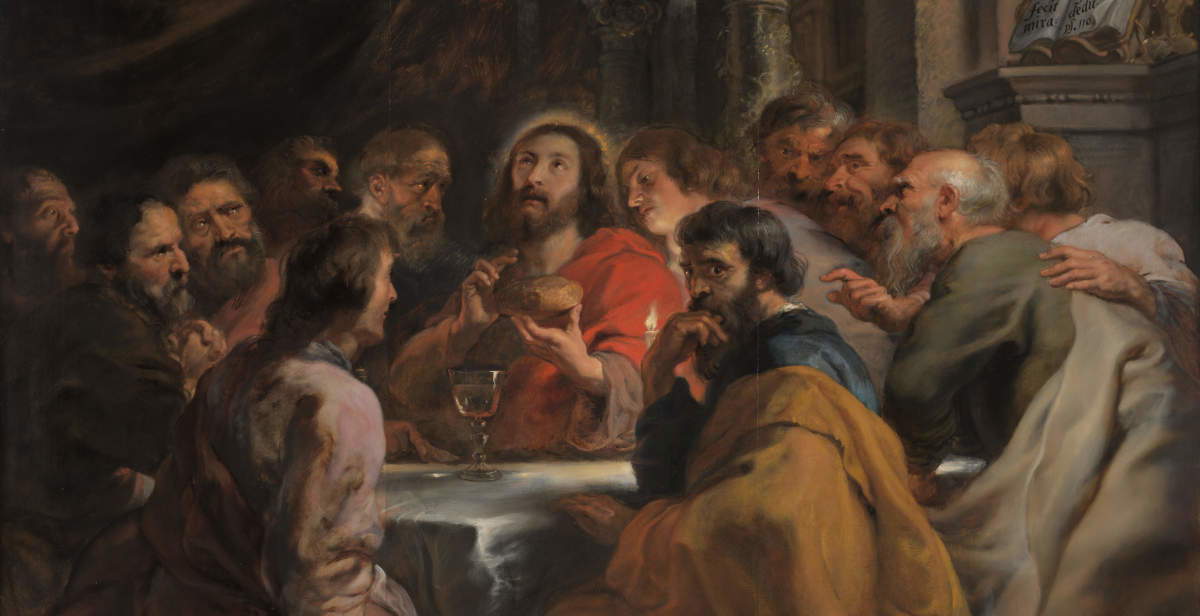
The Pinacoteca di Brera presents the restoration of *The Last Supper* by Pieter Paul Rubens ( Siegen, 1577 – Antwerp, 1640), painted in 1631 for St. Rombald’s Cathedral in Mechelen. Scientific analyses conducted during the restoration made it possible to identify changes made during the painting’s creation, reconstruct the Flemish master’s color palette, and gain deeper insight into the working methods of his workshop. The findings are compiled in the book *Pieter Paul Rubens: The Last Supper and Its Restoration*, edited by Andrea Carini and Francesca Debolini, published by Marsilio Arte.


The restoration, supported by PwC Italia, was carried out between 2025 and 2026 in the Brera Art Gallery’s laboratory, more than forty years after the previous restoration, which took place in 1984. The painted surface exhibited altered varnishes and retouching, which over time had altered the color relationships and diminished the depth of the darker areas. The wooden support also presented some critical issues, accompanied by localized deformation and lifting of the paint layers.
The Last Supper was painted in 1631, when Rubens was already the most accomplished painter in the Southern Netherlands. Commissioned for St. Rumbold’s Cathedral in Mechelen, the altarpiece reflects the artist’s engagement with Italian and Flemish painting traditions. The sceneof the Last Supper takes on the character of a drama centered on the mystery of the Eucharist: the apostles react to the announcement with different gestures and expressions, while Judas turns toward the viewer, drawing them directly into the scene.




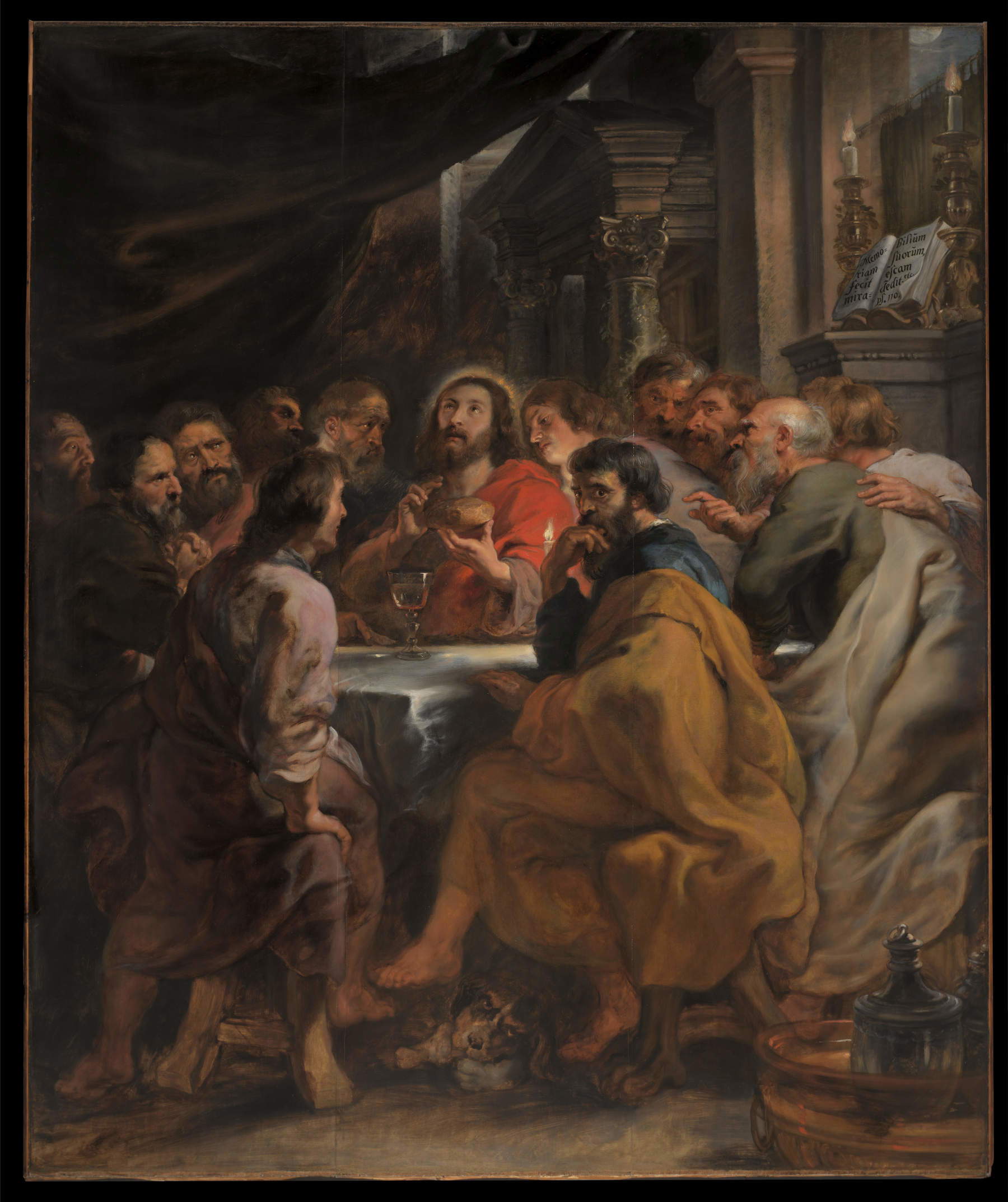
The work was part of an altarpiece complex that was later dismantled and arrived at the Brera in 1813 through an exchange with the Louvre. The history of the commission and the creation of the altarpiece has been the subject of new documentary research conducted by Nils Büttner in the archives of Mechelen Cathedral, which has also made it possible to clarify the roles of the various artisans involved.
The restoration involved both the support—composed of ten oak planks—and the painted surface. The work was carried out according to selective criteria, limiting treatments to those necessary for the preservation of the painting. The removal of varnishes and altered retouching, followed by pictorial restoration, made it possible to restore a more balanced interpretation of the composition, restoring depth to the shadows and bringing greater clarity to the light contrasts and the various layers of paint.
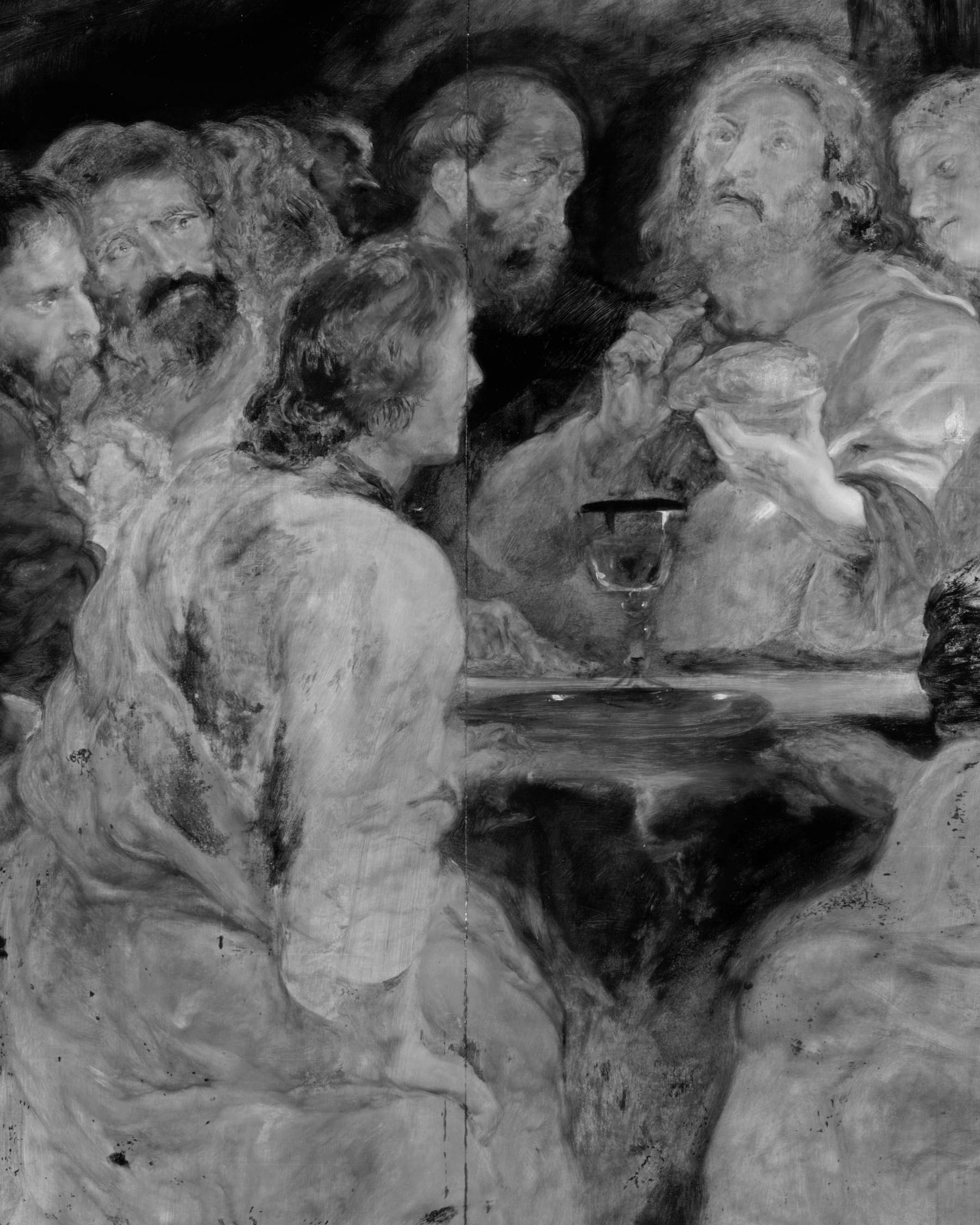
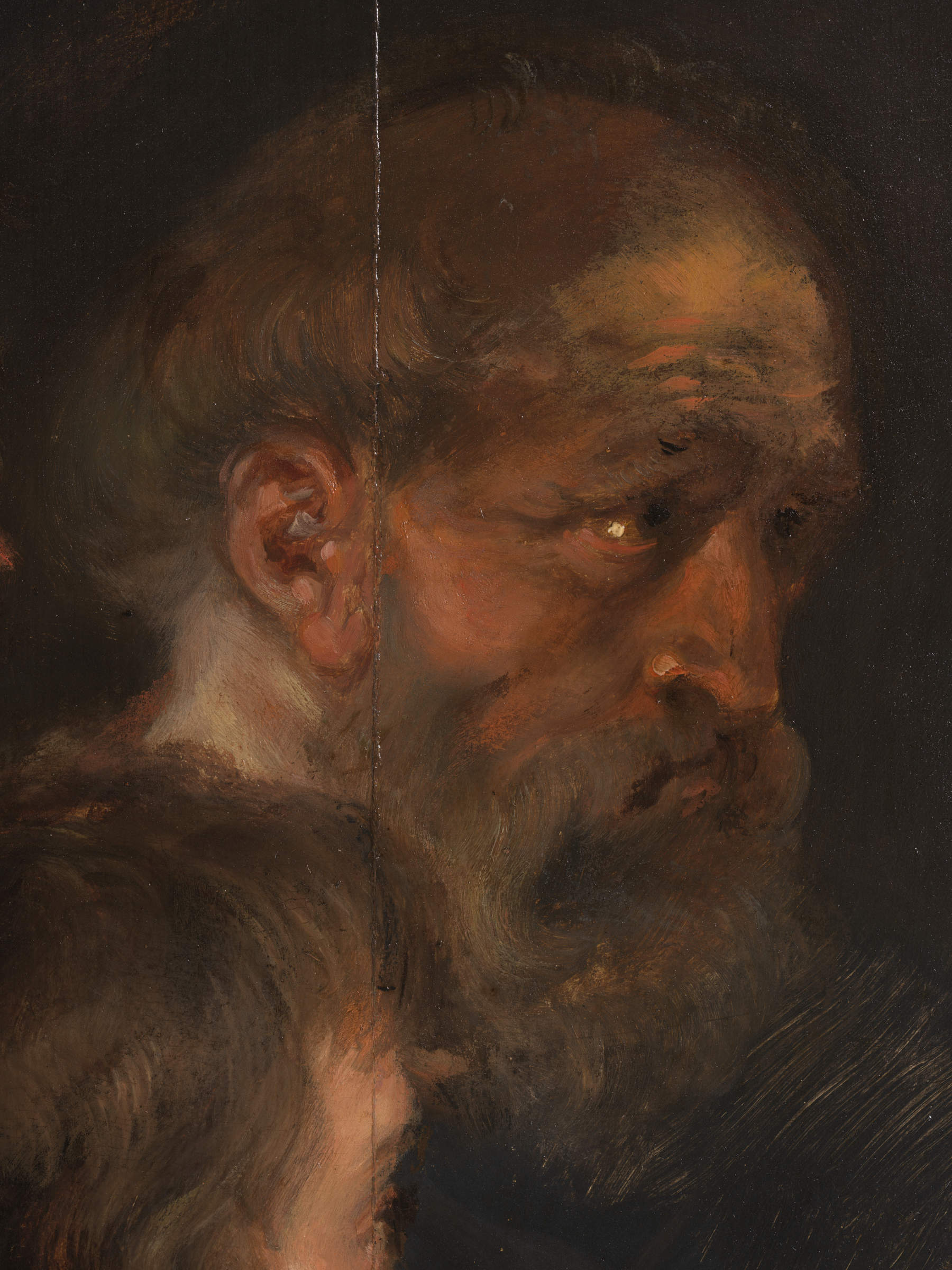
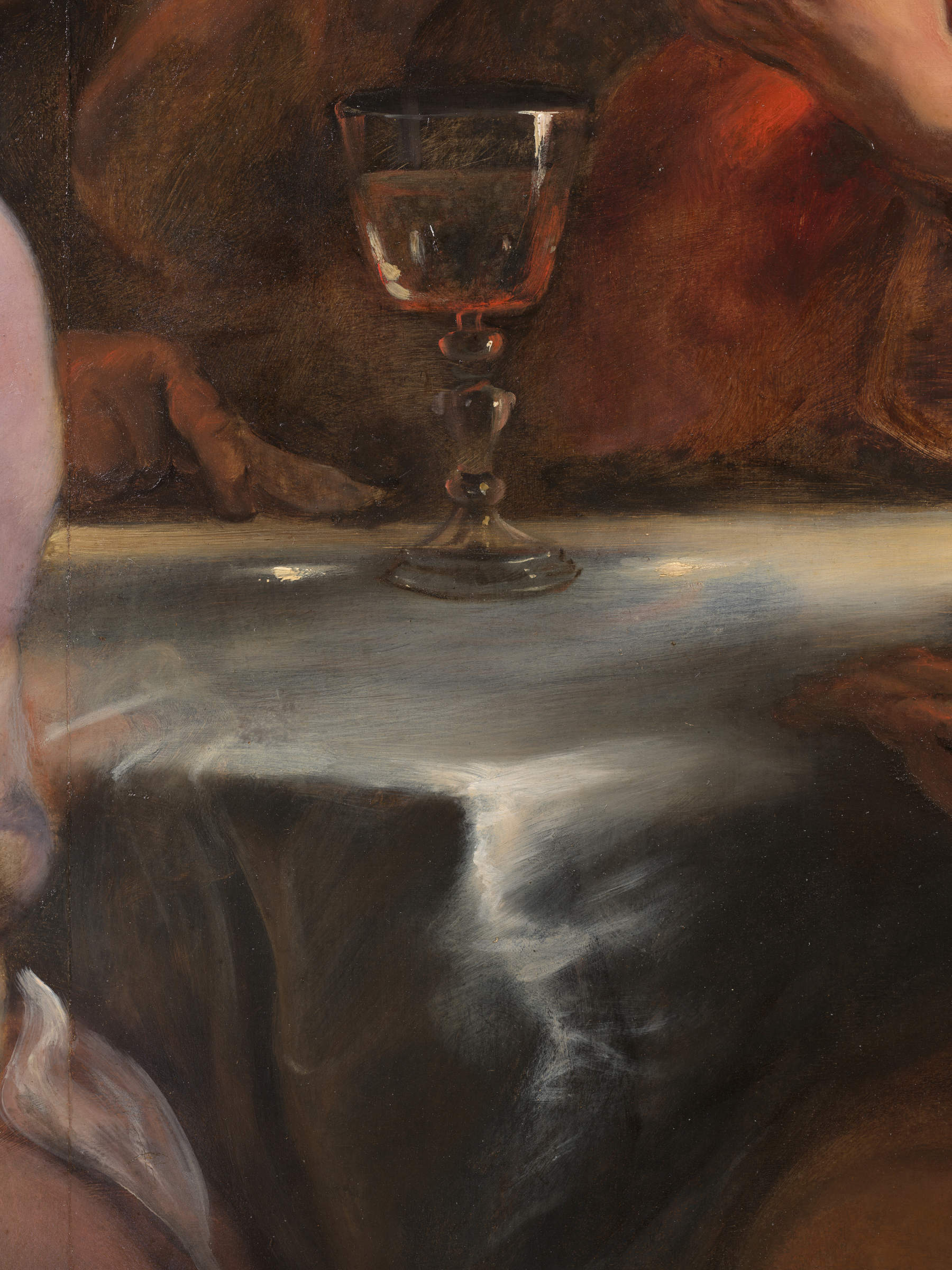
In parallel with the conservation work, an extensive diagnostic study was carried out in collaboration with universities and research institutes. The analyses led to the identification of several pentimenti—that is, modifications made during the painting’s execution. Diagnostic images revealed, for example, that the head of the fourth apostle from the left had initially been placed in a different position than its final one. The presence of a plate on the table was also detected, which was subsequently covered by the paint layer of the tablecloth.
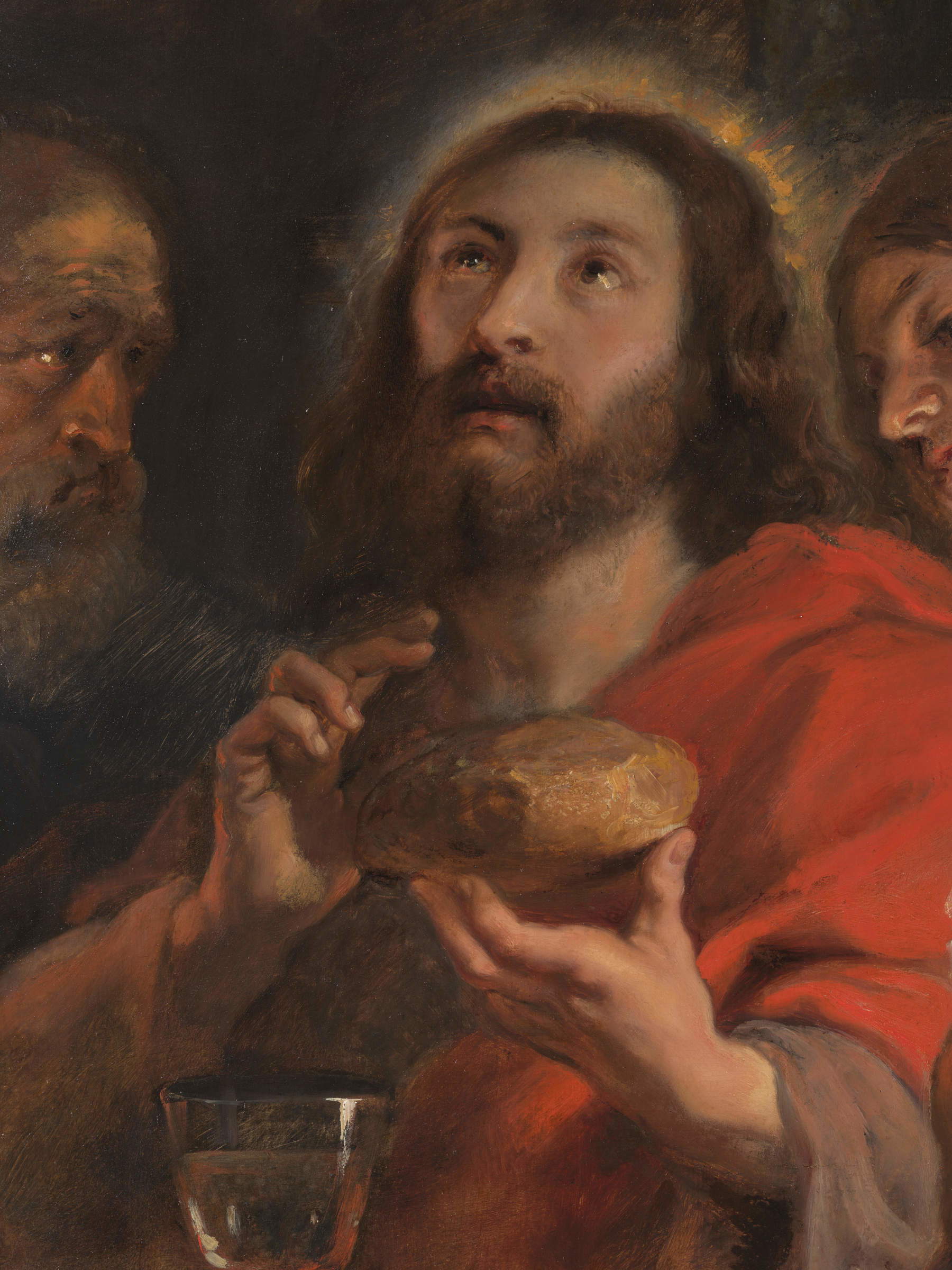
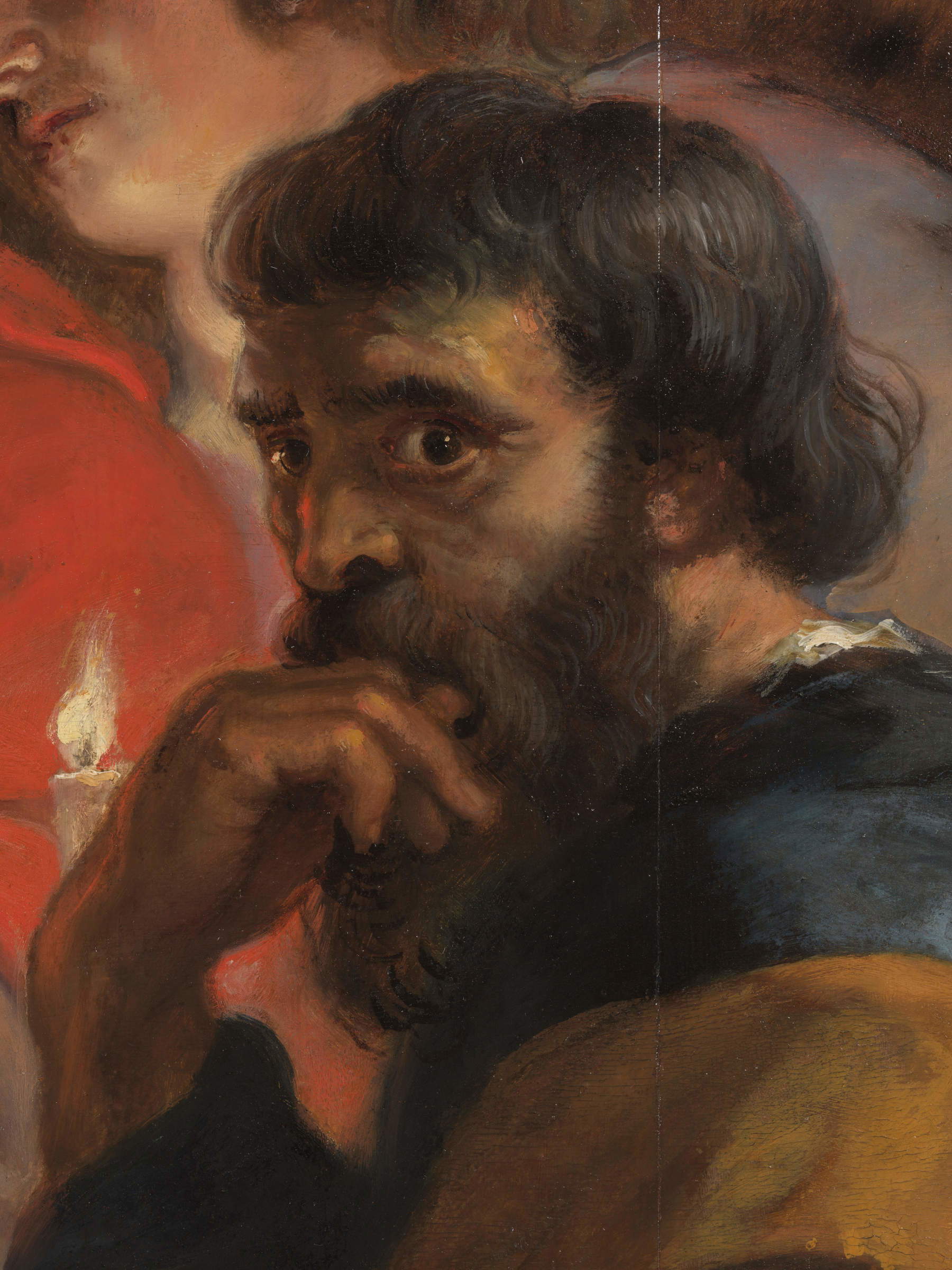
The investigations also made it possible to characterize the pigments and reconstruct the palette used by Rubens for the flesh tones, drapery, and other elements of the composition. The integration of various analytical techniques has provided deeper insight into how the artist achieved chromatic and lighting effects through his selection of materials and the layering of paint.
Close observation of the painted surface, together with the results of the analyses, has also provided insights into the various stages of the painting process, from the preparation of the painting to the final brushstrokes. The characteristics of the layers, the retouching, and the modifications made during the painting process offer insights into the organization of Rubens’s workshop—a structure capable of managing highly complex commissions. In this context, the comparison with the preparatory sketch preserved at the Pushkin Museum in Moscow takes on particular importance, as it helps clarify the relationship between the master’s creative vision, the possible contributions of his collaborators, and Rubens’s own final touches.
During the restoration, visitors to the Pinacoteca were able to directly follow the process thanks to the “Transparent Workshop,” located along the museum’s exhibition route, which made the various stages of the restoration and the restorers’ work visible.
The project was supported by PwC Italy as part of “PwC for Culture,” a program through which the company aims to contribute to the country’s socio-cultural growth and promote opportunities to share Italy’s artistic heritage, both within its own organization and in the local communities where it operates. The collaboration with the Pinacoteca di Brera is part of an initiative that began in previous years, which included the exhibition of Pablo Picasso’s *La Loge (Le Balcon) *—a work from Brera’s permanent collection—on the 27th floor of the PwC Tower; support for the exhibition *Bice Lazzari. I linguaggi del suo tempo, held at Palazzo Citterio, and its status as one of the first signatories of the Patto per Brera.
The restoration was carried out by the Brera Art Gallery’s Restoration Laboratory, with Andrea Carini, Valentina Balconi, and Ilaria Negri, in collaboration with Roberto Buda for the work on the wooden support. The diagnostic assessment involved the Brera Art Gallery’s Restoration Laboratory, the DIART Laboratory of the Department of Physics at the University of Milan, the Center for the Conservation and Restoration of Cultural Heritage at La Venaria Reale, the Archaeometry Laboratory at the University of Milan-Bicocca, and 3A Laboratori – Lifeanalytics.
The publication *Pieter Paul Rubens: The Last Supper and Its Restoration* brings together contributions from art historians, conservators, and diagnostic specialists. The art-historical essays trace the history of the commission, the cultural and religious context in which the painting was created, and its role in Rubens’s oeuvre. The section dedicated to conservation, on the other hand, traces the history of previous interventions, documents the recently completed restoration, and presents the results of the analyses, offering new insights into the work’s technique and materials.
Statements
“Restoring a work like Rubens’s Last Supper means restoring its full legibility while also re-examining it,” states Angelo Crespi, Director of the Pinacoteca di Brera. “More than forty years after the last intervention, the restoration has not only brought to light the depth of the shadows and the power of the contrasts in this masterpiece. It has also allowed us to closely observe Rubens’s working method, from his pentimenti to his final brushstrokes. And all of this took place in full view of the public, in the Transparent Workshop. It is part of Brera’s mission: to make conservation a shared understanding, a concrete way to showcase the preservation and research work that a museum carries out every day. I would like to thank PwC Italy for its support, which made this project possible and reaffirms a bond with the Pinacoteca that has been solidified over the years, from exhibitions to the Pact for Brera. We also thank Andy Detaille, the Belgian ambassador, for his presence; he has honored us with his visit to the Pinacoteca over the past few days. The painting was, in fact, created in 1631 for the cathedral in Mechelen.”
“The completion of the restoration work on Rubens’s Last Supper marks an important milestone in the collaboration between PwC Italy and the Pinacoteca di Brera,” comments Giovanni Andrea Toselli, president and CEO of PwC Italy. “We are proud to have contributed to the preservation of this masterpiece and to the research that has allowed us to delve deeper into its history and bring to light previously unknown aspects of its creation. This project also offered visitors the opportunity to witness the various stages of the restoration and, as a result, gain a closer understanding of this type of work, which usually takes place behind the scenes. This initiative, in all its complexity, fully embodies PwC’s mission for culture: to preserve our country’s heritage while promoting the sharing of knowledge.”
 |
| How Did Rubens Work? The Restoration of *The Last Supper* Reveals the Secrets of His Painting |
Warning: the translation into English of the original Italian article was created using automatic tools. We undertake to review all articles, but we do not guarantee the total absence of inaccuracies in the translation due to the program. You can find the original by clicking on the ITA button. If you find any mistake,please contact us.