



by Redazione 20/10/2026


Categories: Ancient art / Disclaimer
To mark the 800th anniversary of the death of Francis of Assisi, the Special Superintendency of Rome organized a restoration and diagnostic project in the Cella of the Convent of San Francesco in Ripa Grande, which included maintenance of the wooden altar and an examination of the Franciscan icons.


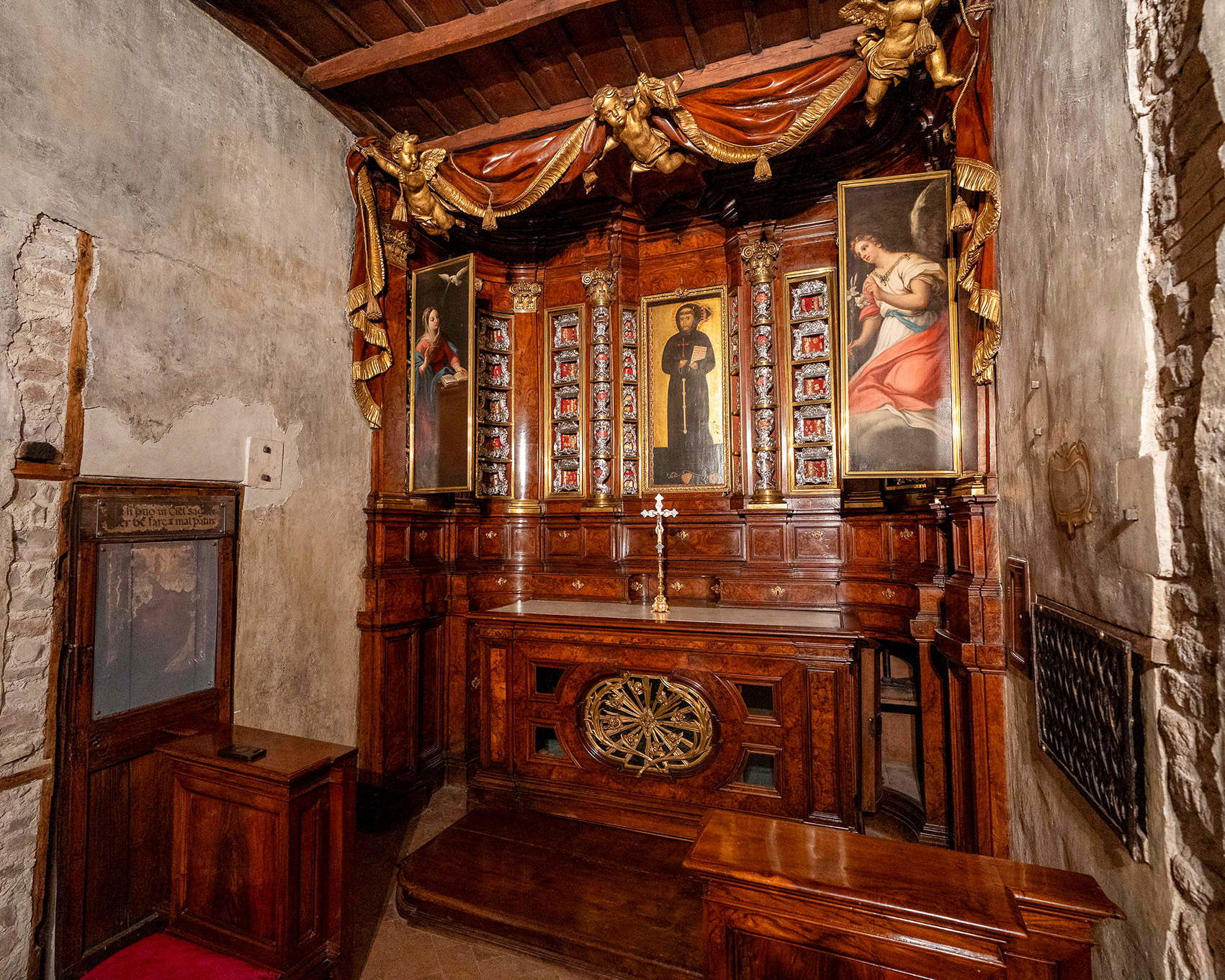
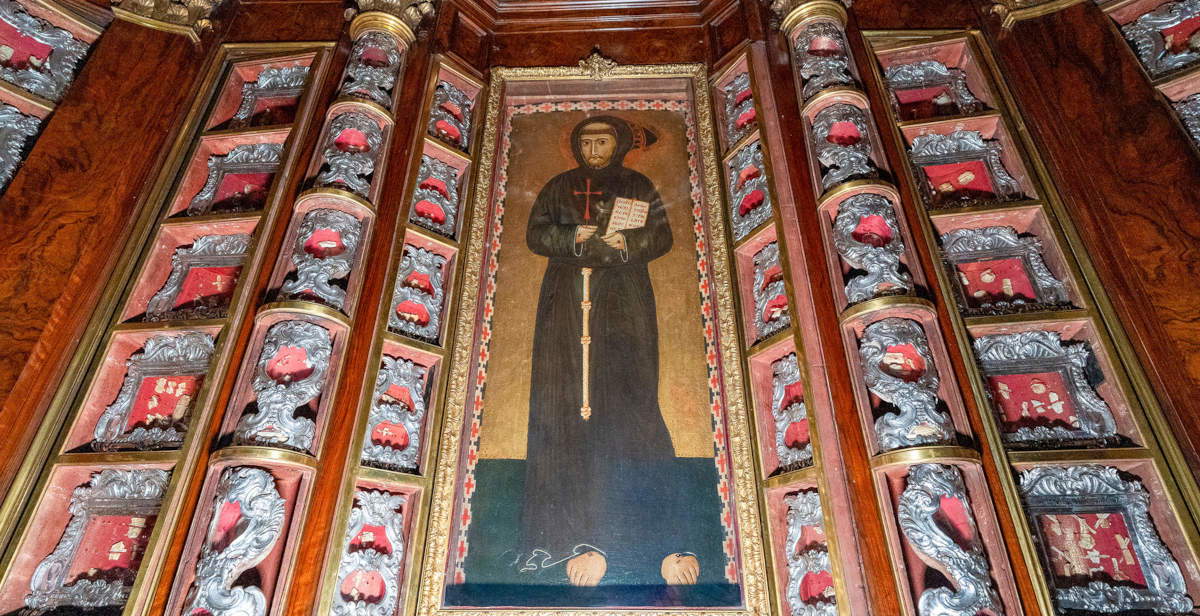
The fifty silver-leaf reliquaries housed in the Cell of St. Francis, in the convent of San Francesco a Ripa Grande in Rome’s Trastevere district, have been restored. The restoration, carried out between July and October 2026, was sponsored by the Special Superintendency of Rome, directed by Daniela Porro, to markthe eighth centenary of the death of Francis of Assisi. The project also included maintenance of the wooden altarpiece and diagnostic examinations of two icons.

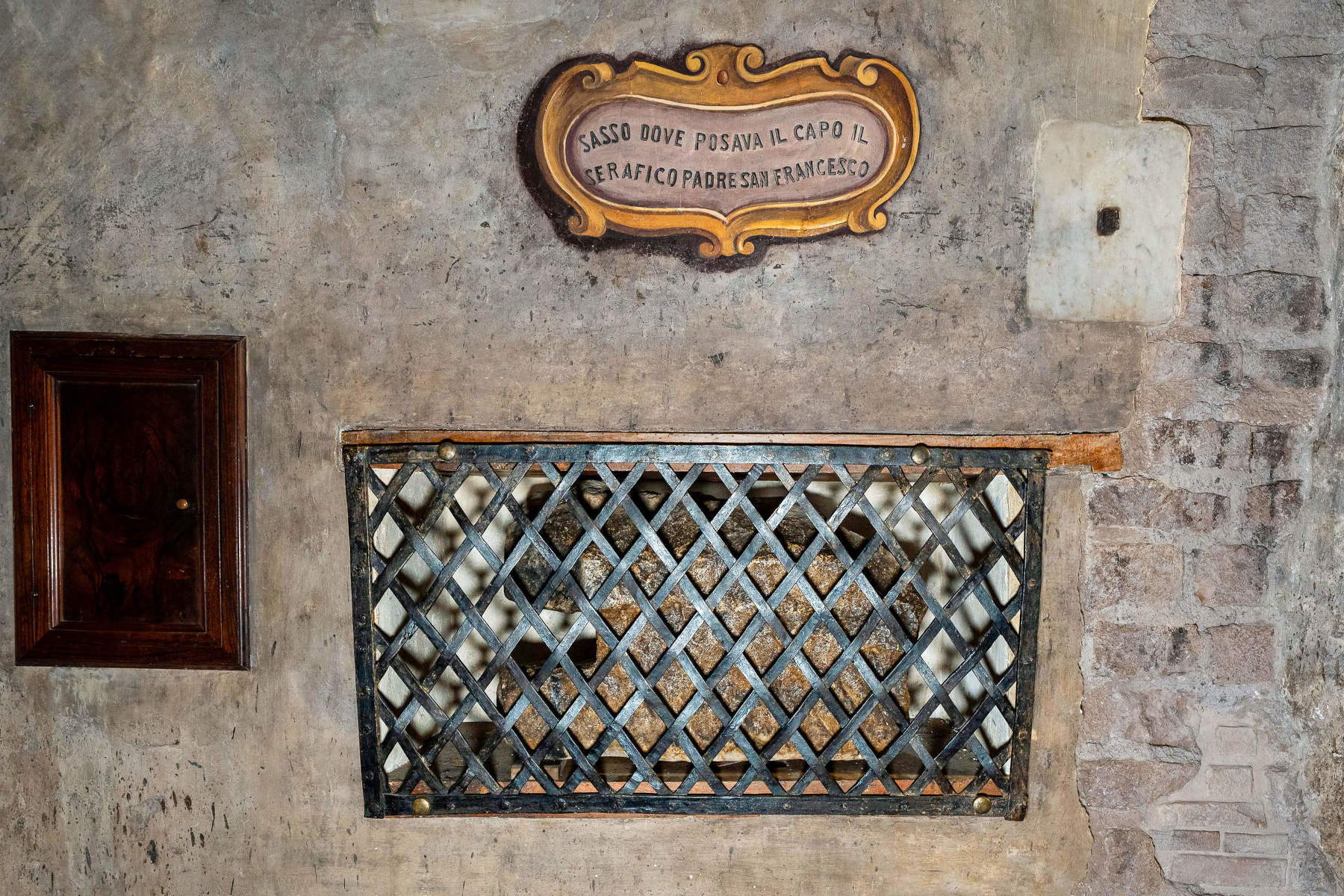
The Cella is one of the most significant sites of Franciscan heritage in the capital. According to tradition, Francis stayed there during his trips to Rome to meet with Pope Innocent III, as a guest of the former hospice of San Biagio, run by the Benedictines of Ripa Grande. Already known as a shrine at the beginning of the 16th century, the site was elevated to the status of a sanctuary by Clement VIII and took on its current form between the late 17th and early 18th centuries.


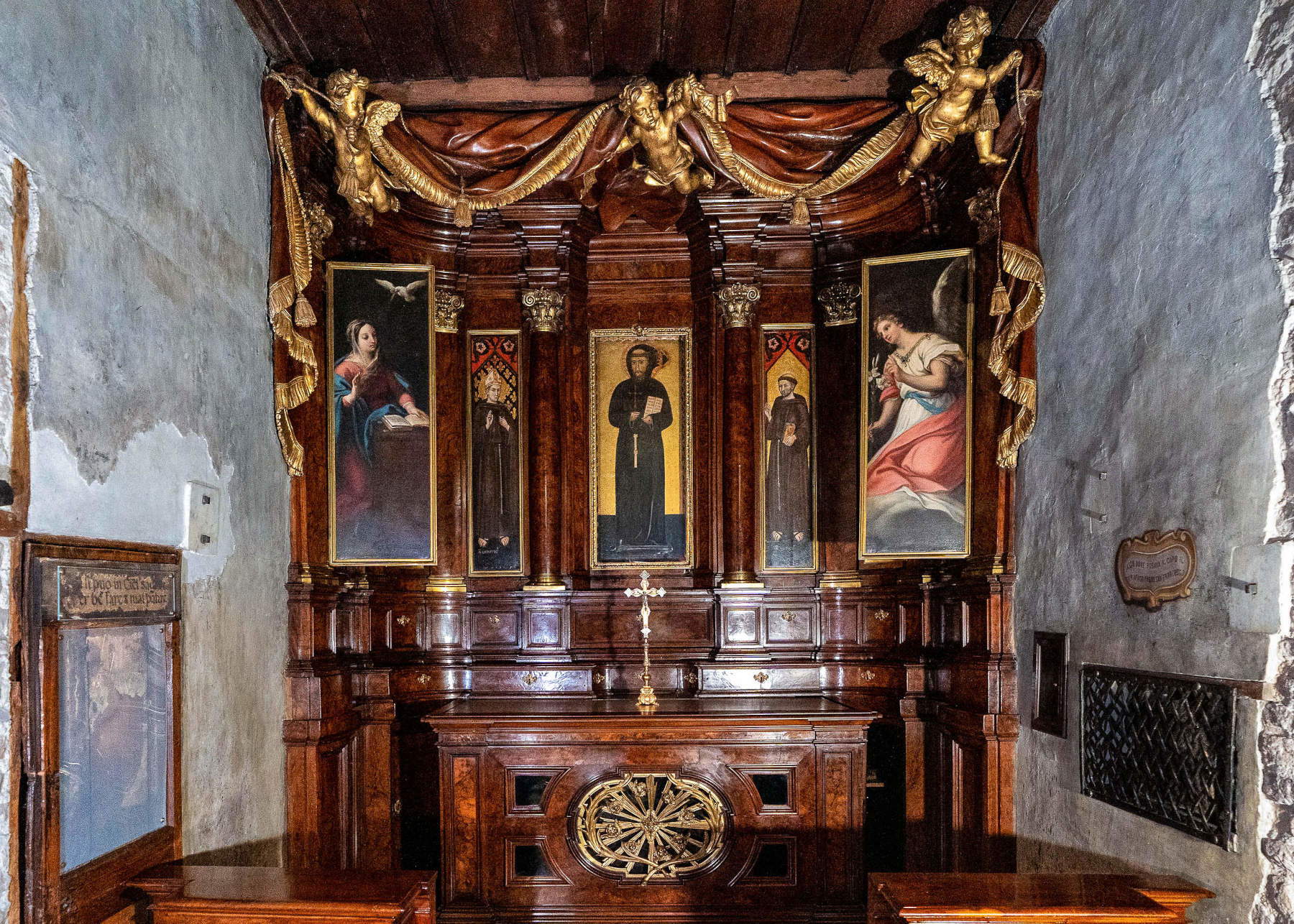
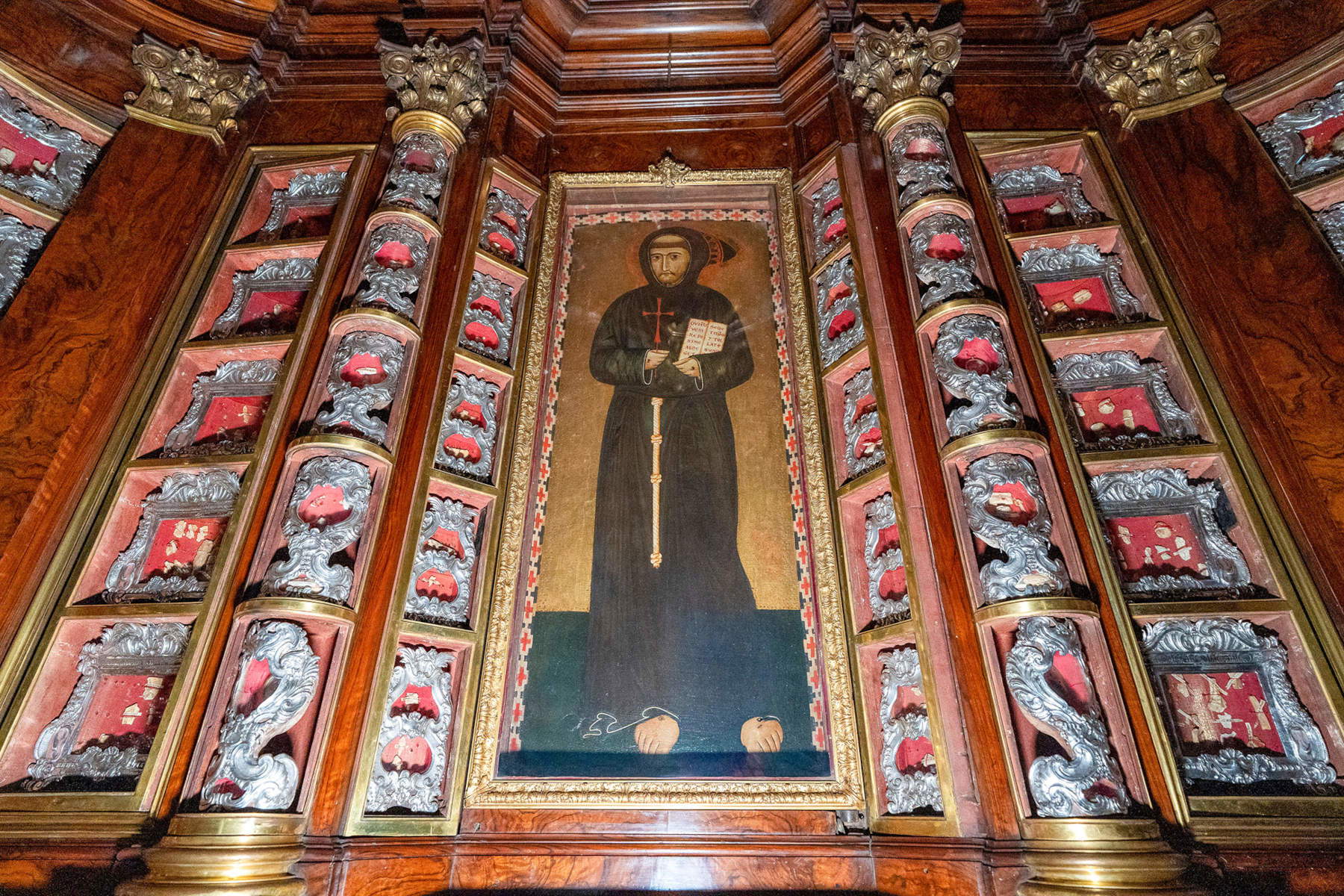
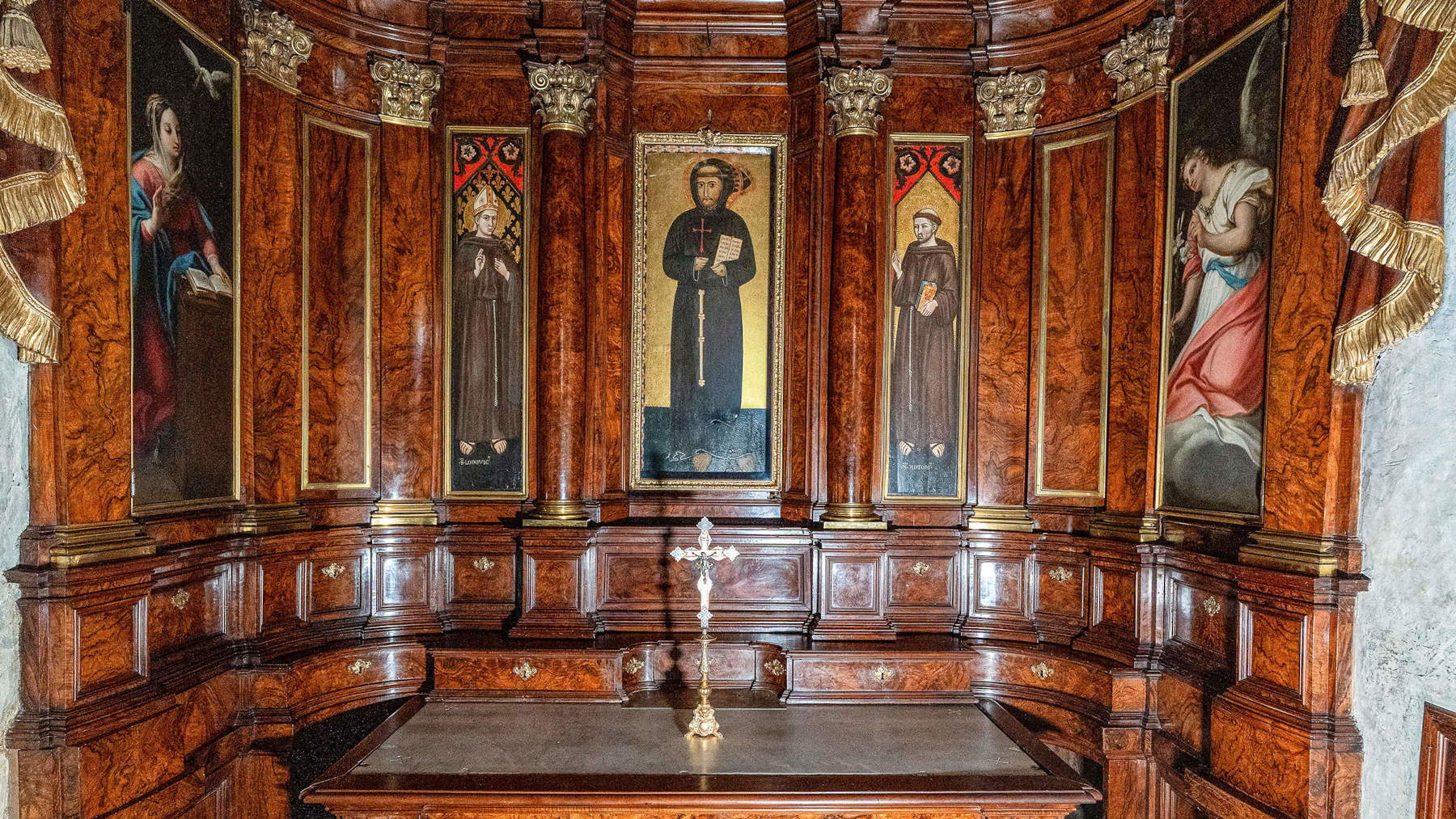
The back wall is dominated by the wooden altar crafted by Bernardino da Jesi during the renovations commissioned by Cardinal Ranuccio Pallavicini. Inside, the fifty silver reliquaries dedicated to the saints of the Franciscan family symbolically form a great tree representing the Order. The works showed signs of oxidation and corrosion, which were addressed through a conservative restoration project, accompanied by the removal of dust from the altar.
The project, overseen by Alessandra Acconci, an art historian with the Superintendency who served as its scientific director, also included diagnostic studies of the icons of St. Anthony of Padua and St. Louis of Toulouse to gain a deeper understanding of their techniques and material characteristics. The two panels, attributed to Lello da Orvieto and dated to around 1325, are part of the collection of Franciscan icons preserved in the Cella. Among these is also the Portrait of St. Francis by Margarito d’Arezzo, painted in tempera and gold leaf and dating to the 13th century, considered one of the oldest images of the saint.
The project was carried out in collaboration with the Fondo Edifici di Culto (FEC), the owner of the complex, with technical sponsorship from the Associazione Mecenati Roman Heritage ETS. The restoration of the reliquaries and the dusting of the altar were carried out by Eleonora Baldo, while the diagnostic examinations were entrusted to M. Beatrice De Ruggeri of Emmebi Diagnostica Artistica. The project received the patronage of the Ministry of Culture’s National Committee for the Celebration of the 800th Anniversary of the Death of St. Francis of Assisi.
Statements
“In the year marking the eighth centenary of St. Francis’s death, this project takes on special significance because it refocuses attention on one of the Roman sites most closely linked to the memory of the saint,” states Daniela Porro, Special Superintendent of Rome. “This project was made possible by the collaboration between the Superintendency, the Fund for Places of Worship, and the Roman Heritage Patrons, who financed the restoration: the completion of the work and the public presentation of the results represent an opportunity to make the historical, artistic, and devotional value of this space more visible and accessible, thereby promoting a broader understanding of it. The Church of San Francesco a Ripa Grande, in the heart of Trastevere, is the place in Rome that, more than any other, preserves the presence of the Saint of Assisi and serves as the guardian of devotion to him. For this reason, according to Ugo Pierucci, president of Mecenati Roman Heritage, “we enthusiastically welcomed the valuable restoration project of his Cella within the church.” This project perpetuates the fruitful collaboration between the public and the Mecenati in preserving and enhancing Rome’s artistic heritage, further enriched by the patronage granted by the National Committee for the eighth centenary of St. Francis’s death.”
“The goal was to consider the Cella as a whole: not merely a collection of individual works, but a unified space in which furnishings, images, and devotional artifacts come together to tell its story,” says Alessandra Acconci. “The project, which integrated conservation, research, and enhancement, allowed us to reconstruct this comprehensive narrative and fully restore the value of a place that preserves its strong historical and devotional identity intact.”
 |
| Rome: 50 Silver Reliquaries Restored in the Chapel of St. Francis at Ripa |
Warning: the translation into English of the original Italian article was created using automatic tools. We undertake to review all articles, but we do not guarantee the total absence of inaccuracies in the translation due to the program. You can find the original by clicking on the ITA button. If you find any mistake,please contact us.