





The Antiquarium delle Scuderie at Villa Albani Torlonia in Rome is expanding its exhibition program and opening a new space to the public dedicated to the exhibition *Marmora Romana*. Curated by Carlo Gasparri, the exhibition explores the history and extraordinary variety of polychrome marbles used in the Roman world and also pays tribute to the memory of Raniero Gnoli (1933–2025), a scholar and collector of ancient marbles.
This expansion marks a new milestone in the journey of the Torlonia Foundation, which is committed to the research, conservation, and promotion of antiquity. The project allows the Foundation to present to the public a selection of the results of the restoration work carried out in the Torlonia Laboratories, with the support of the Bvlgari Foundation, and to give greater visibility to the research activities made possible by the support of Chiomenti.
With the opening of the new space, twenty new sculptures from the Torlonia Collection are being added to the permanent exhibition, fifteen of which have recently undergone restoration. The Antiquarium now houses a total of 44 works, including original sculptures and columns from the Torlonia Museum.
The theme of the exhibition is the extraordinary variety of stones used for buildings and furnishings in the Roman world. Busts, capitals, architectural elements, table legs, and sculptures offer a glimpse into the richness of the stone materials employed in ancient settings and the transformations these artifacts have undergone over the centuries. Among the highlights of the exhibition is the Torlonia Bowl, also known as the Medici Bowl. It is a monumental krater made of Egyptian green breccia, dating from the Roman era and featuring a foot created in the 16th century. The material from which it was crafted comes from the quarries of Wadi Hammamat in Egypt and was known in Greek as ectontalitis, which translates as “a thousand stones.” A particularly rare and precious material, it attests to the level of sophistication achieved in the use of colored stones in ancient architecture and decoration. Alongside the large cup, other significant works will be on display, including the so-called “Alexander” from the Giustiniani Collection and a series of busts placed on the capitals of ancient columns, in a presentation that draws on the Torlonia Museum’s historical exhibition tradition.
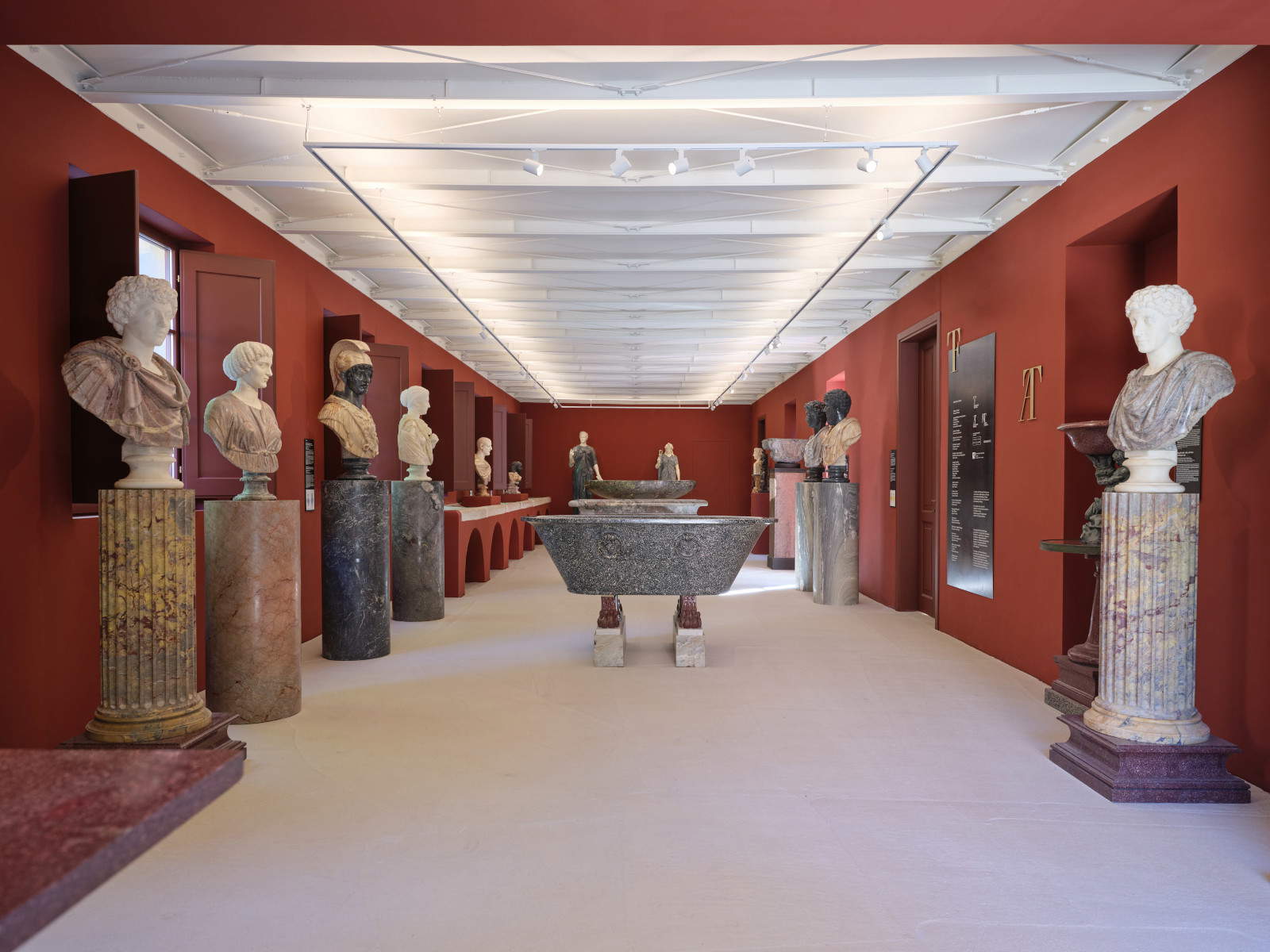
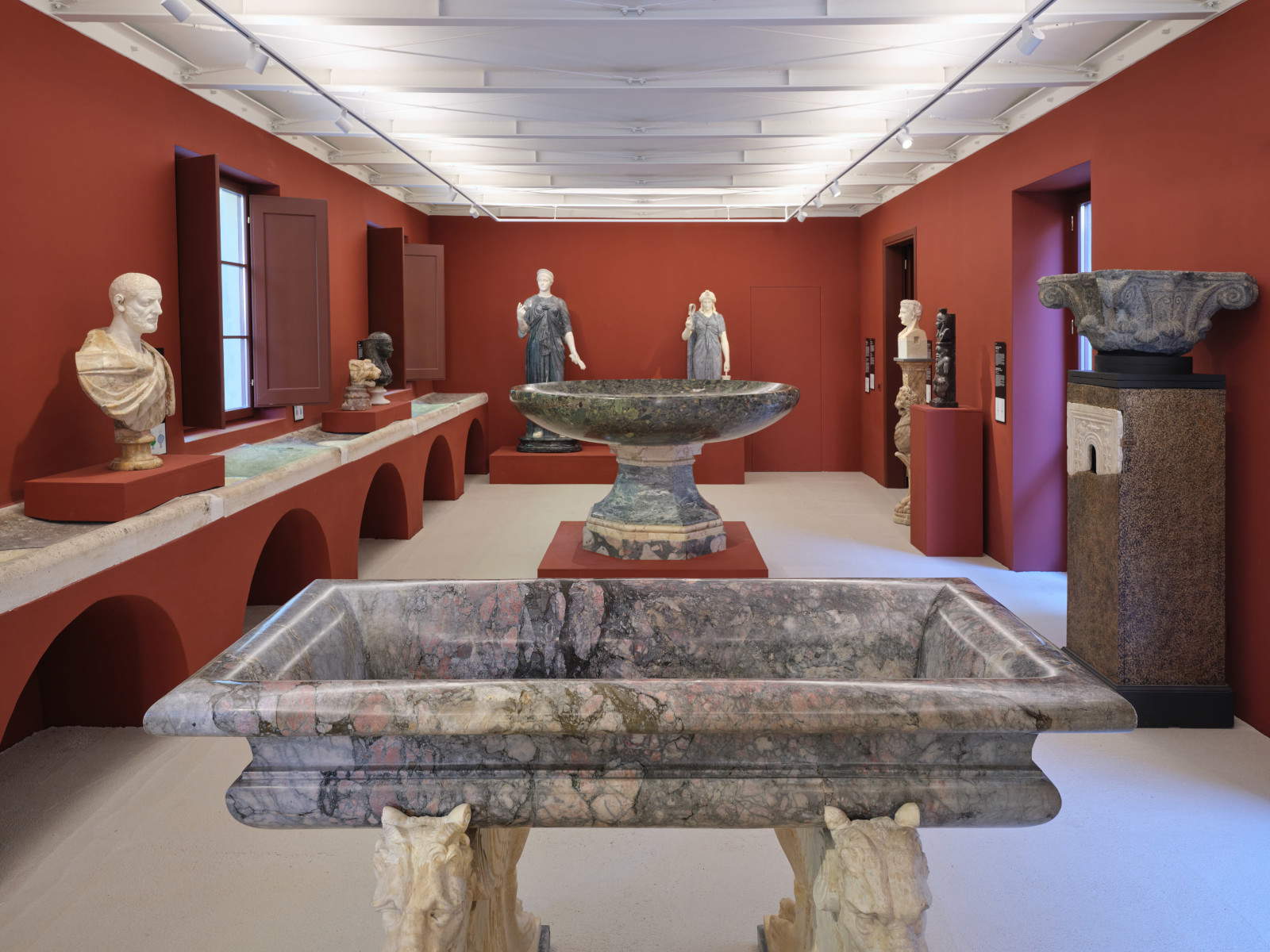
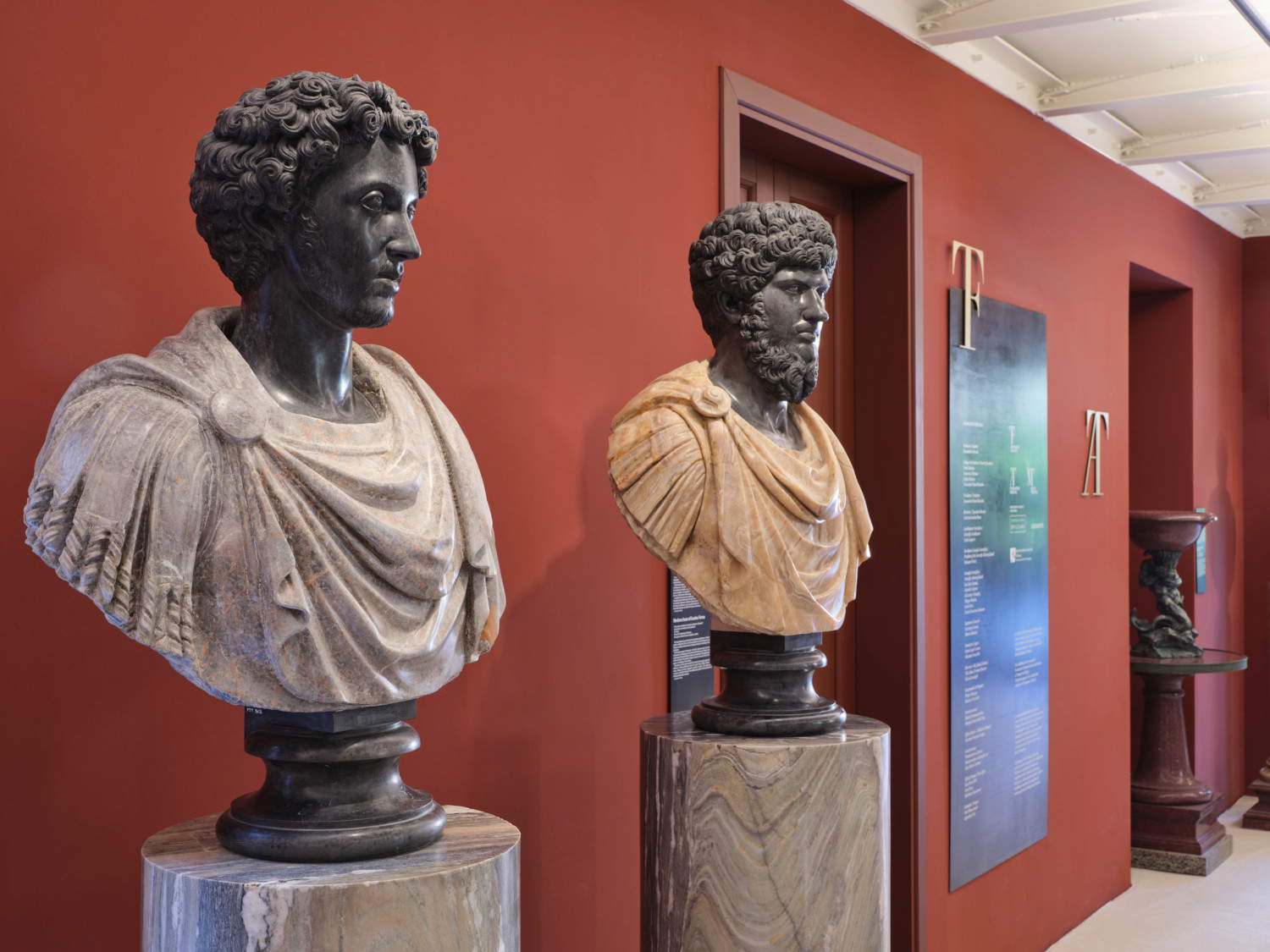
The spread of polychrome marbles in Rome is linked to the expansion of Roman power throughout the Mediterranean. Beginning in the late 2nd century B.C., conquest and relations with eastern territories brought Rome into contact with the great Hellenistic architectural traditions and a wealth of stone materials that had been little known until then. This led to the development of a vast network for the extraction and trade of stone, transforming Rome into one of the main centers for the dissemination of colored marbles in the Mediterranean.
During the Augustan age, materials initially considered exceptional and intended for prestigious settings gradually found their way into the architecture and decoration of imperial buildings. Their appeal, however, did not end with the fall of the Roman Empire: through the reuse of works, collecting, and antiquarian studies, these materials continued to influence European taste for centuries.
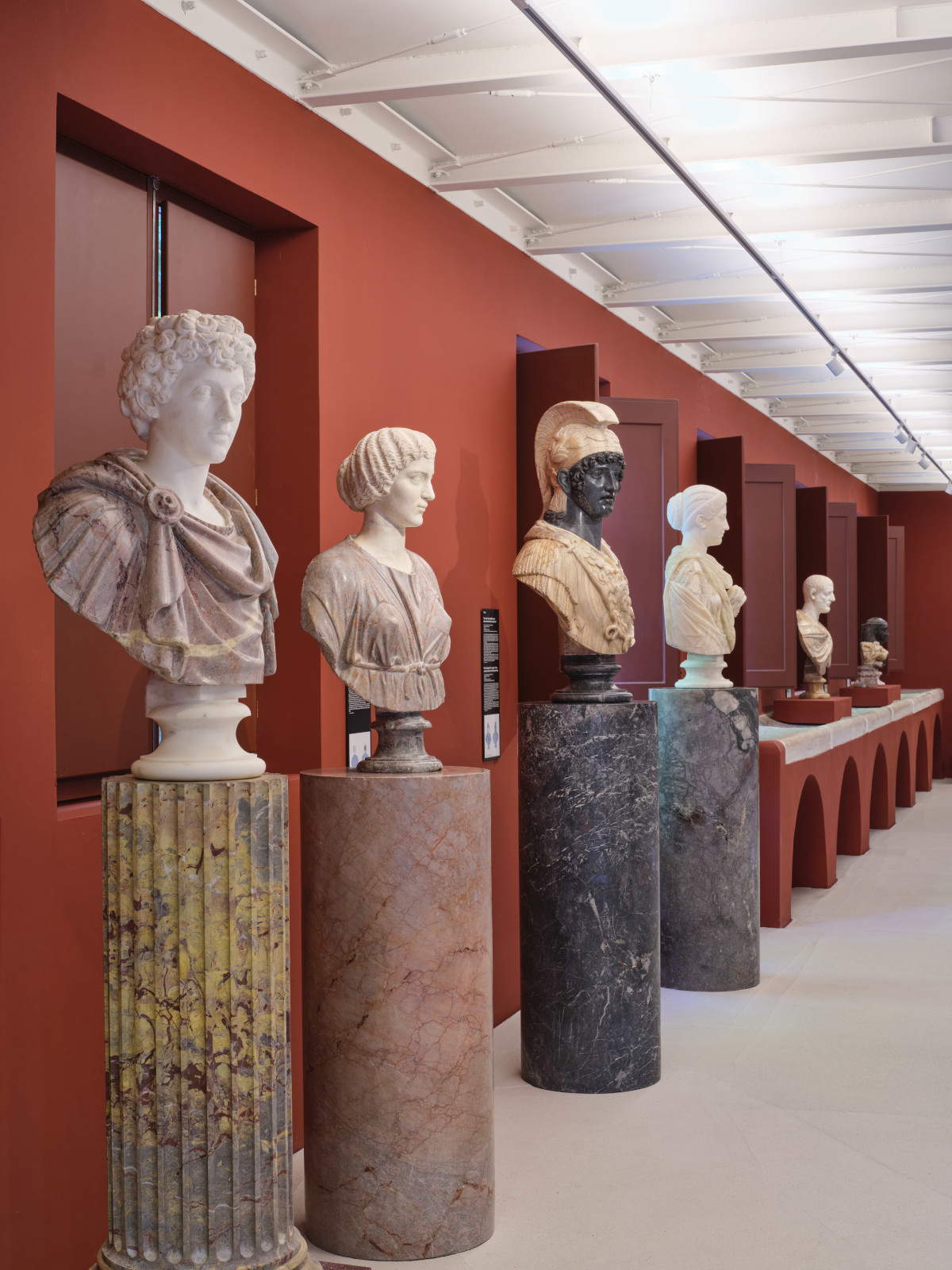
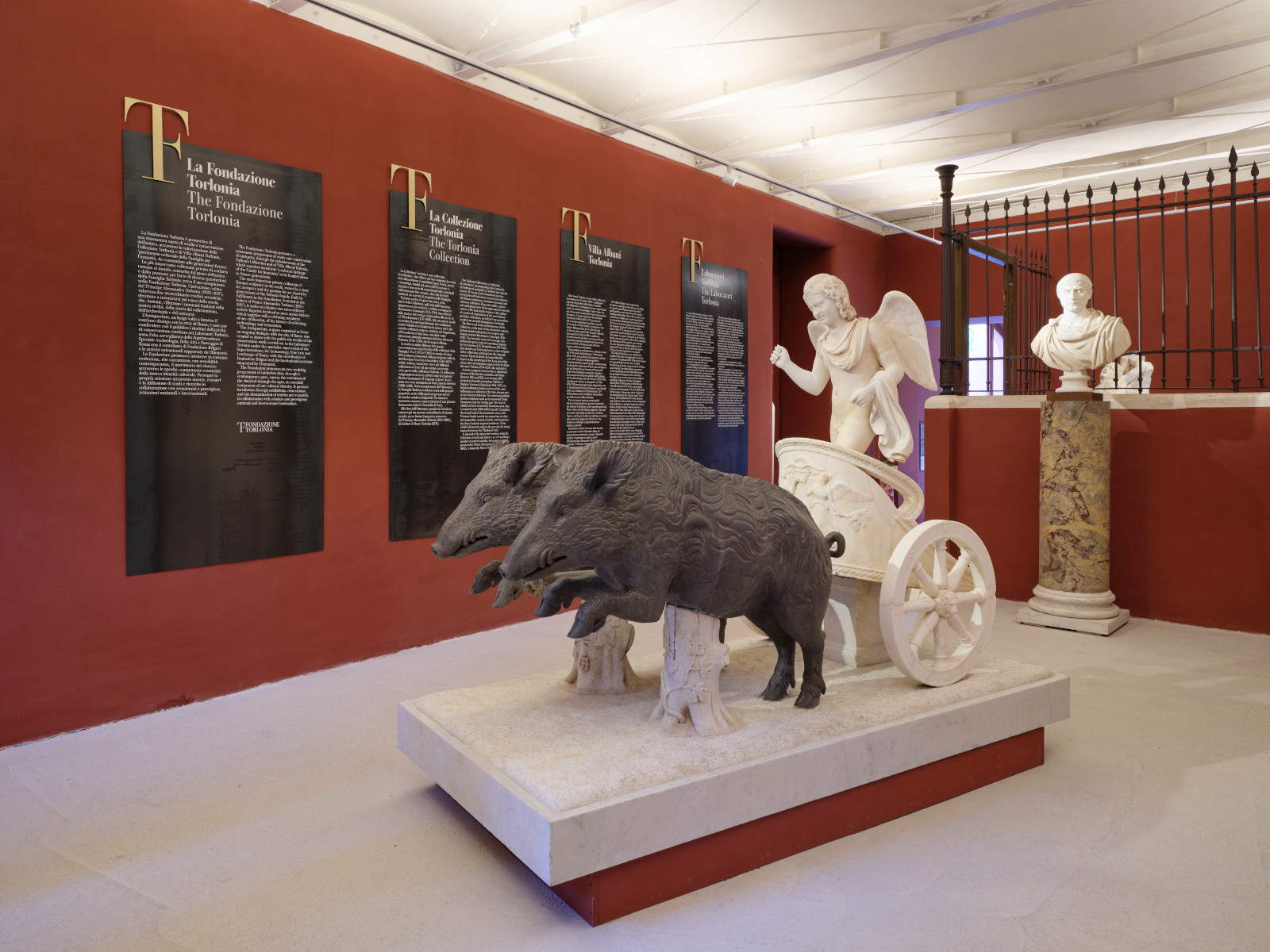
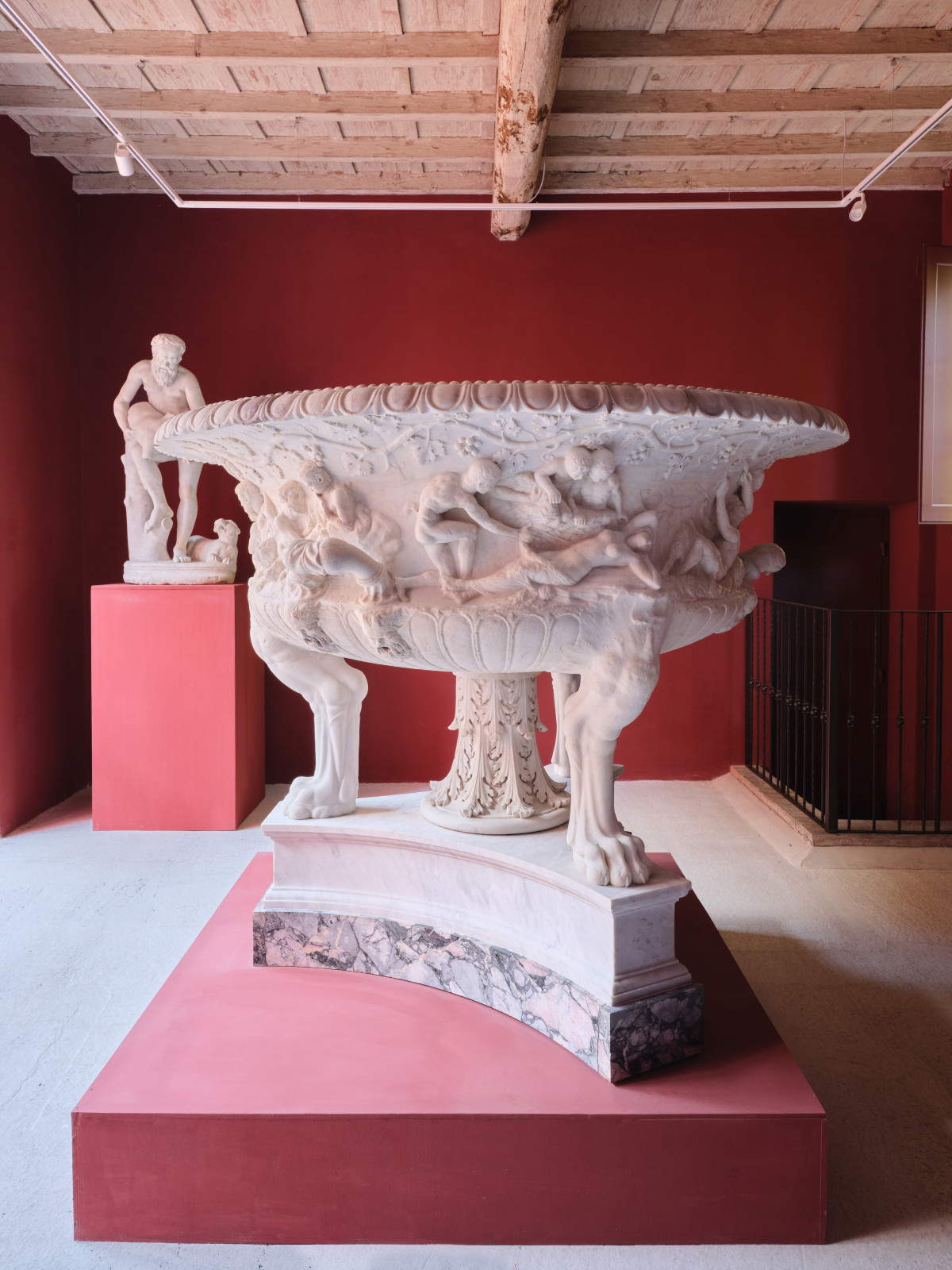
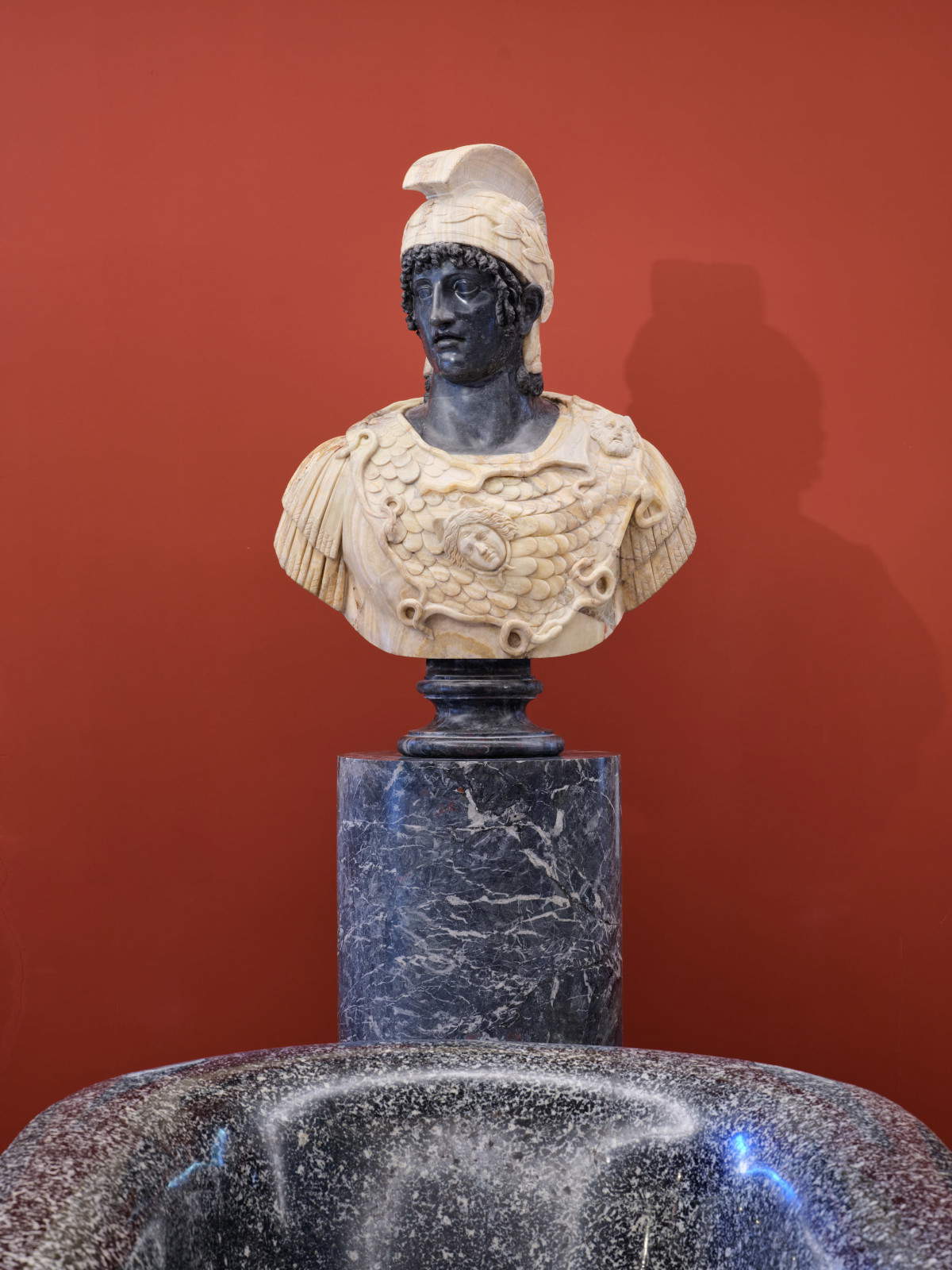
The opening of “Marmora Romana” thus reinforces the project of the Antiquarium at Villa Albani Torlonia. The newly restored works allow visitors to rediscover some masterpieces from the Torlonia Collection, while the new exhibition design offers the public additional tools to understand their history and value.
The Foundation’s partners, Bvlgari and Chiomenti, play an important role in the project; they have supported the institution’s activities for years and contribute to the creation of new programs. Among these is OLTRE IL TEMPO. “The Torlonia Foundation’s Works: Between Memory and the Contemporary”—the new podcast series produced by Chora Media in collaboration with the Torlonia Foundation and hosted by Silvia Beltrametti and Carlotta Loverini Botta.
The Antiquarium thus presents itself as a place where the memory of antiquity is reinterpreted through research, restoration, and new communication tools, keeping the dialogue open between the Torlonia Collection, Rome, and the contemporary public.
The Antiquarium is open free of charge from Tuesday through Sunday, from 9 a.m. to 1 p.m.
“We were very keen to expand the spaces of the Antiquarium, which was inaugurated in 2024 to mark the Foundation’s 10th anniversary,” stated Alessandro Poma Murialdo, President of the Torlonia Foundation. “The Antiquarium is, in fact, the place where the city of Rome can see the results of the daily work we carry out: the restoration, study, and dissemination of the Torlonia Collection and the appreciation of antiquity that characterized the family’s collecting, culminating in the opening of the Torlonia Museum.”
“The curatorial work involved in organizing exhibitions, both in Italy and abroad, as well as the publications and the efforts to preserve and promote antiquity that the Torlonia Foundation is carrying out thanks to the support of long-standing partners such as the Bulgari Foundation for restoration and Chiomenti for institutional activities, are a continuation of the eternal dialogue between the ancient world and the present: a narrative rooted in universal gestures and values that we find in the marbles we preserve,” explains Carlotta Loverini Botta, Director of the Torlonia Foundation. “In challenging times like those we are experiencing now, marked by profound technological transformations, they remind us of the deepest meaning of our humanity.”
|
| The Antiquarium at Villa Albani Torlonia is expanding and adding twenty new polychrome marble sculptures to its collection |

Warning: the translation into English of the original Italian article was created using automatic tools. We undertake to review all articles, but we do not guarantee the total absence of inaccuracies in the translation due to the program. You can find the original by clicking on the ITA button. If you find any mistake,please contact us.




















 IT
IT FR
FR DE
DE ES
ES CN
CN


