





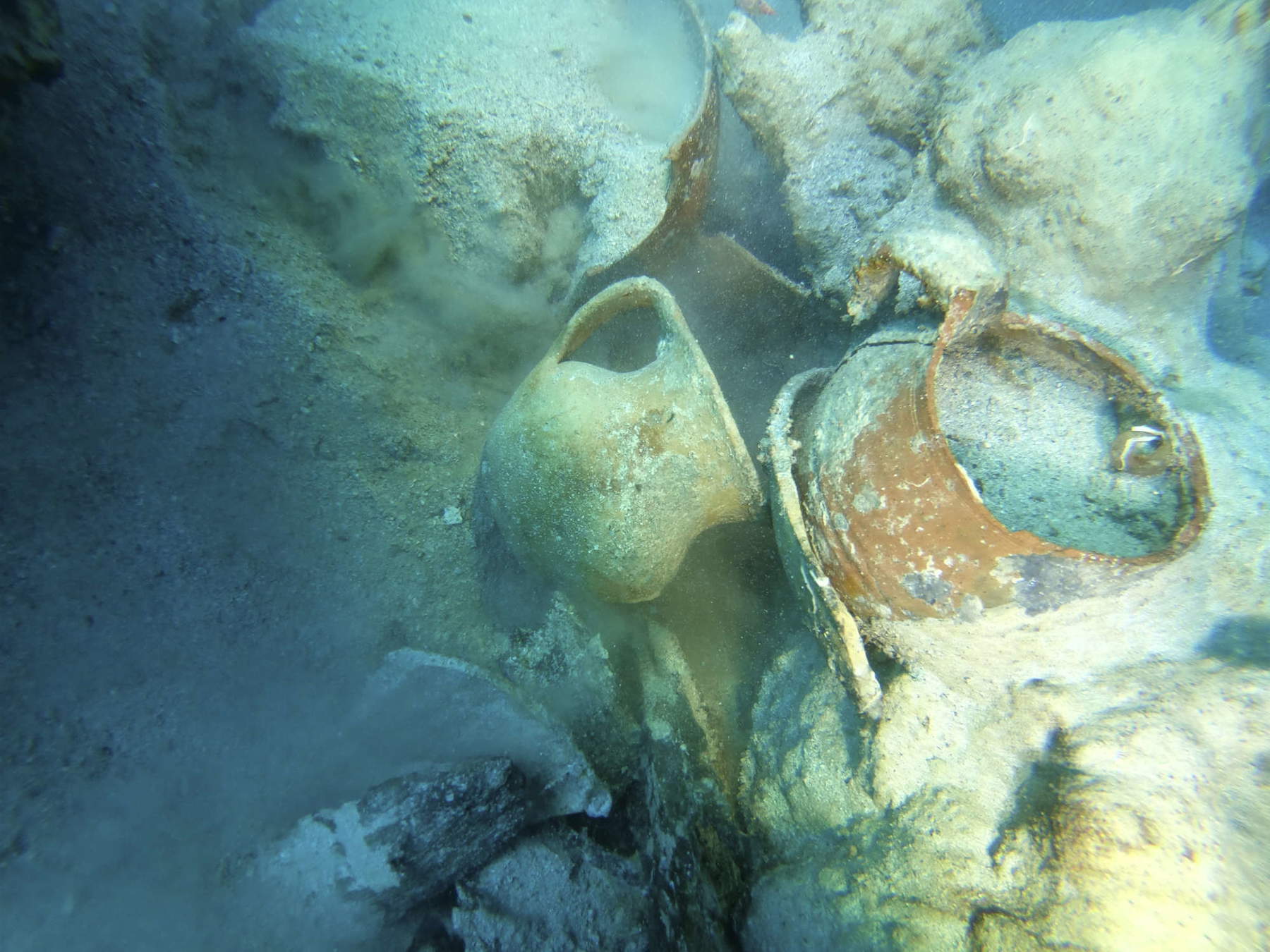
In Croatia, the sea surrounding the island of Meleda (Mljet) has yielded one of the most significant discoveries in underwater archaeology in the eastern Mediterranean. After nearly a decade of excavation campaigns, archaeologists have recently unearthed a Byzantine shipwreck dating from the 7th to 8th centuries AD, whose exceptional state of preservation and rich cargo make the site one of the most significant ever discovered along the eastern Adriatic coast. Among the recovered artifacts are precious gold ornaments that belonged to high-ranking officials of the Byzantine Empire, gold coins, an extremely rare imperial ring, and a vast collection of goods that help reconstruct the trade routes of the early medieval Mediterranean.
The research is being conductedby the Croatian Institute for Conservation (Hrvatski restauratorski zavod), through its Department of Underwater Archaeology, which has been carrying out systematic surveys in the waters off the island of Meleda for nineteen years. The project is directed by underwater archaeologists Igor Miholjek, head of archaeological research, and Pavle Dugonjić, head of the Department of Underwater Archaeology.
The research conducted in the area has yielded significant results far beyond the Byzantine shipwreck alone. Over the past nineteen years, archaeologists have in fact identified twenty previously unknown shipwrecks, dating from the 2nd century B.C. to the 16th century. Of all these, however, the Byzantine ship dating to the 7th–8th centuries represents the most important find, both due to the exceptional state of preservation of its cargo and the rarity of the artifacts recovered, making it one of the most significant archaeological discoveries related to the Byzantine period in the entire Mediterranean basin.
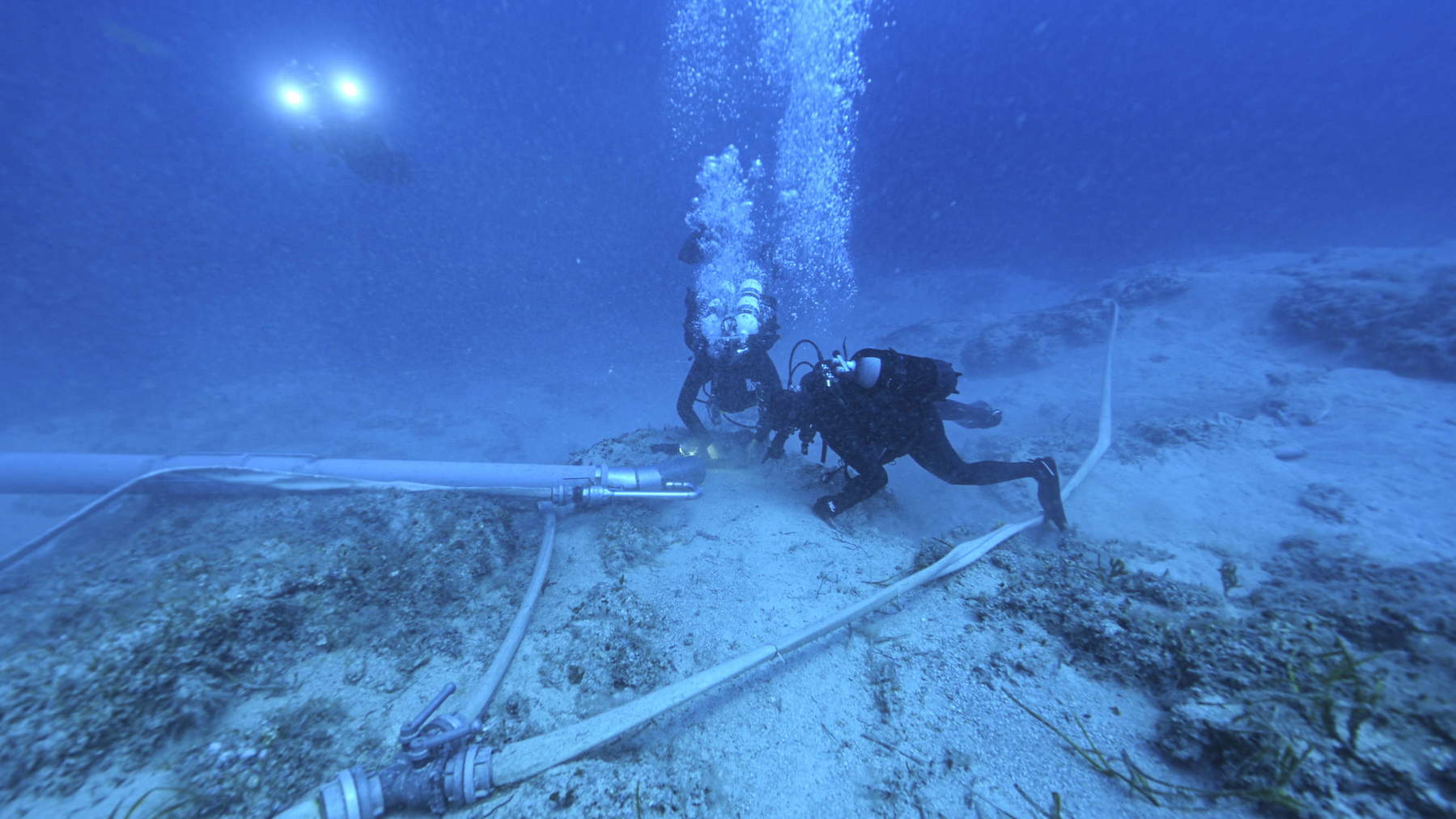
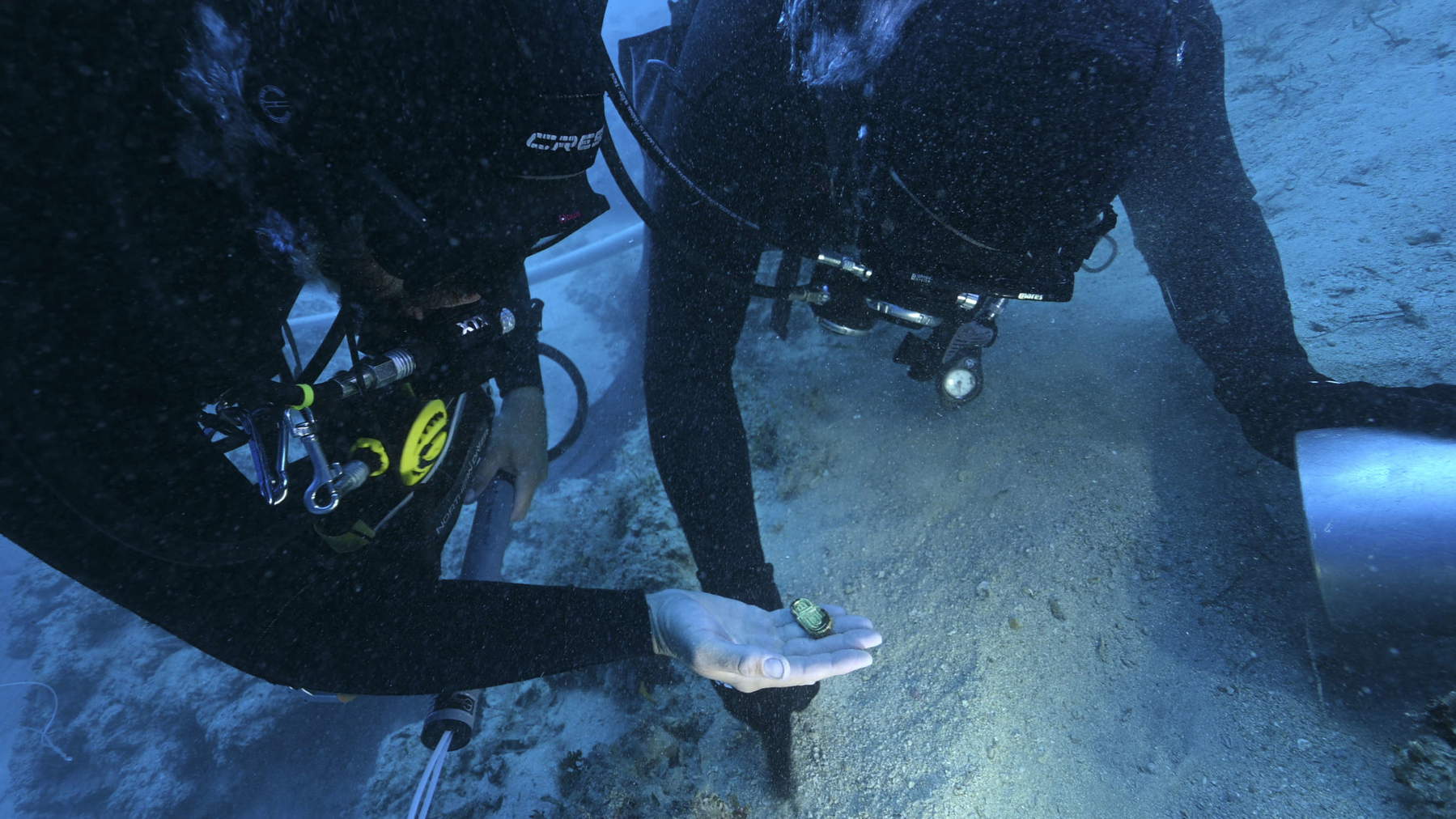
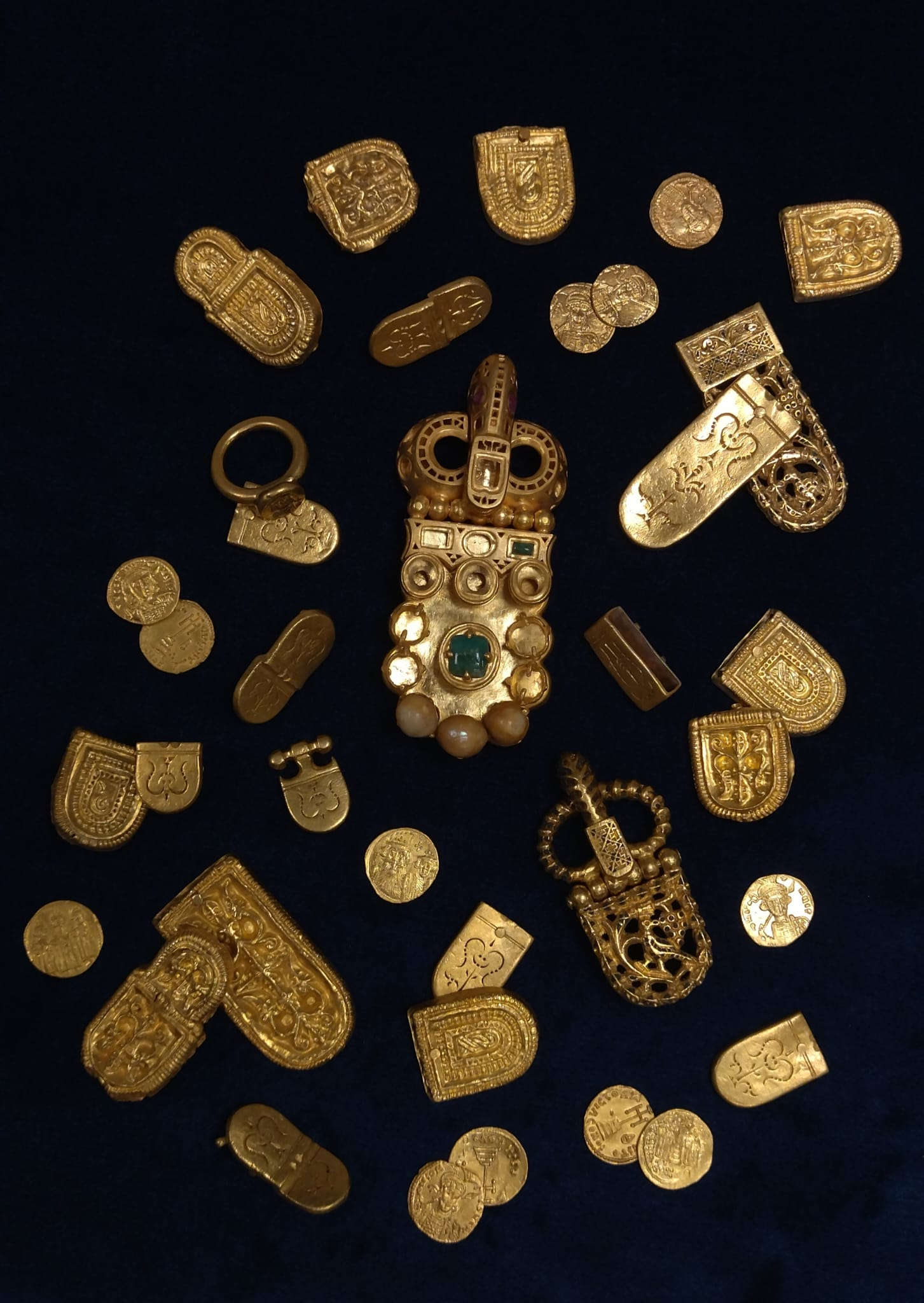
Investigations of the shipwreck began in 2015 and, to date, have involvednine research campaigns coordinated by the Croatian Institute for Conservation. The excavations have yielded a collection of artifacts that provide extraordinary insight into the material culture and trade networks of the Byzantine Empire during the second half of the 7th century. The most significant find consists of four sets of gold belts accompanied by precious buckles—also made of gold—decorated with emeralds, rubies, and pearls. These were luxury items intended to adorn the leather belts of high-ranking officials in the Byzantine administration. According to archaeologists, artifacts of this type had never before been found on the seabed of the Mediterranean, a fact that lends the site truly exceptional value.
Alongside the personal ornaments, numerous gold coins belonging to four emperors of the Heraclius dynasty were recovered. Their presence is also a key element from a chronological standpoint, as it will allow scholars to determine the date of the ship’s sinking with greater precision, placing it most likely toward the end of the 7th century.
Among the most significant objects is a gold ring depicting an emperor of the Heraclius dynasty. Scholars emphasize that such a piece of jewelry could have belonged exclusively to a figure of the highest political or military rank, authorized to use the imperial seal to authenticate official documents. The ring may therefore have been a diplomatic gift or a personal item belonging to an important official of the Byzantine administration. In either case, the artifact suggests the prestige of the passengers on board and confirms the value of the ship’s entire cargo.
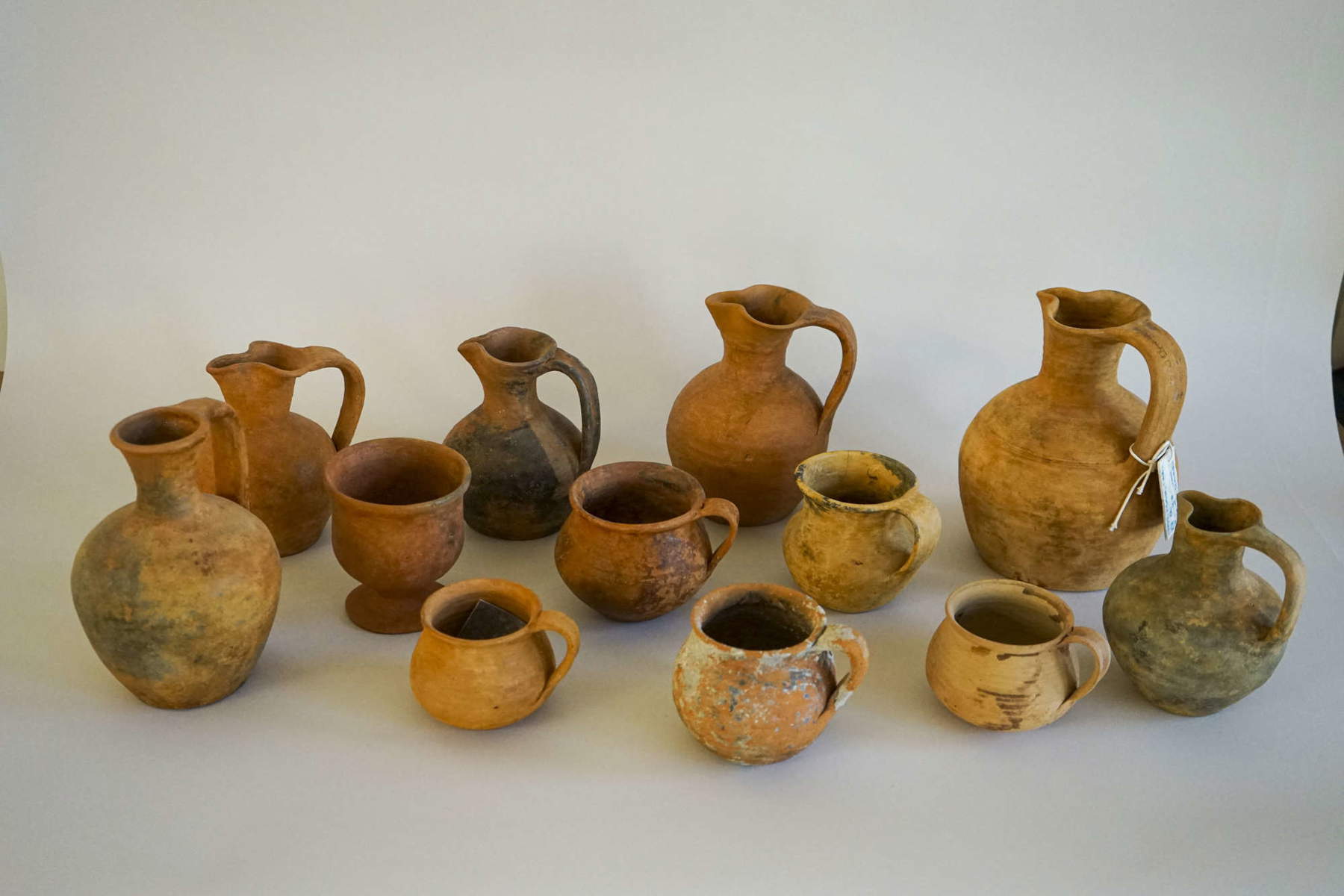
The wreck also yielded a rich commercial cargo, attesting to the role of Byzantine shipping in Mediterranean trade at the time. Archaeologists have recovered numerous amphorae used for transporting goods, commercial scales used in trade transactions, ivory tokens, and a large quantity of ceramic tableware, including bowls, jugs, and plates. Together, these artifacts provide a detailed picture of the economic activities and trade relations that linked the two shores of the Mediterranean during the Byzantine era.
The location of the discovery also helps shed light on the circumstances of the shipwreck. The island of Meleda occupies a strategic point along one of the main maritime routes that, for centuries, connected the eastern and western Mediterranean. Scholars believe the ship sank while seeking shelter in Polače Bay. The presence of the late-antique palace and the bay’s natural conformation had made it, for centuries, one of the safest havens for ships caught in bad weather while sailing along the Adriatic.
The research is the result of a well-established collaboration among various institutions and specialists. In addition to staff from the Department of Underwater Archaeology at the Croatian Institute for Conservation, divers from the Intervention Command of the Croatian Police General Directorate (MUP RH), Mario Orlandini, the Aquatica Mljet diving center—which provides logistical support for operations at sea—and the company NavArchos, led by Anton Divić.
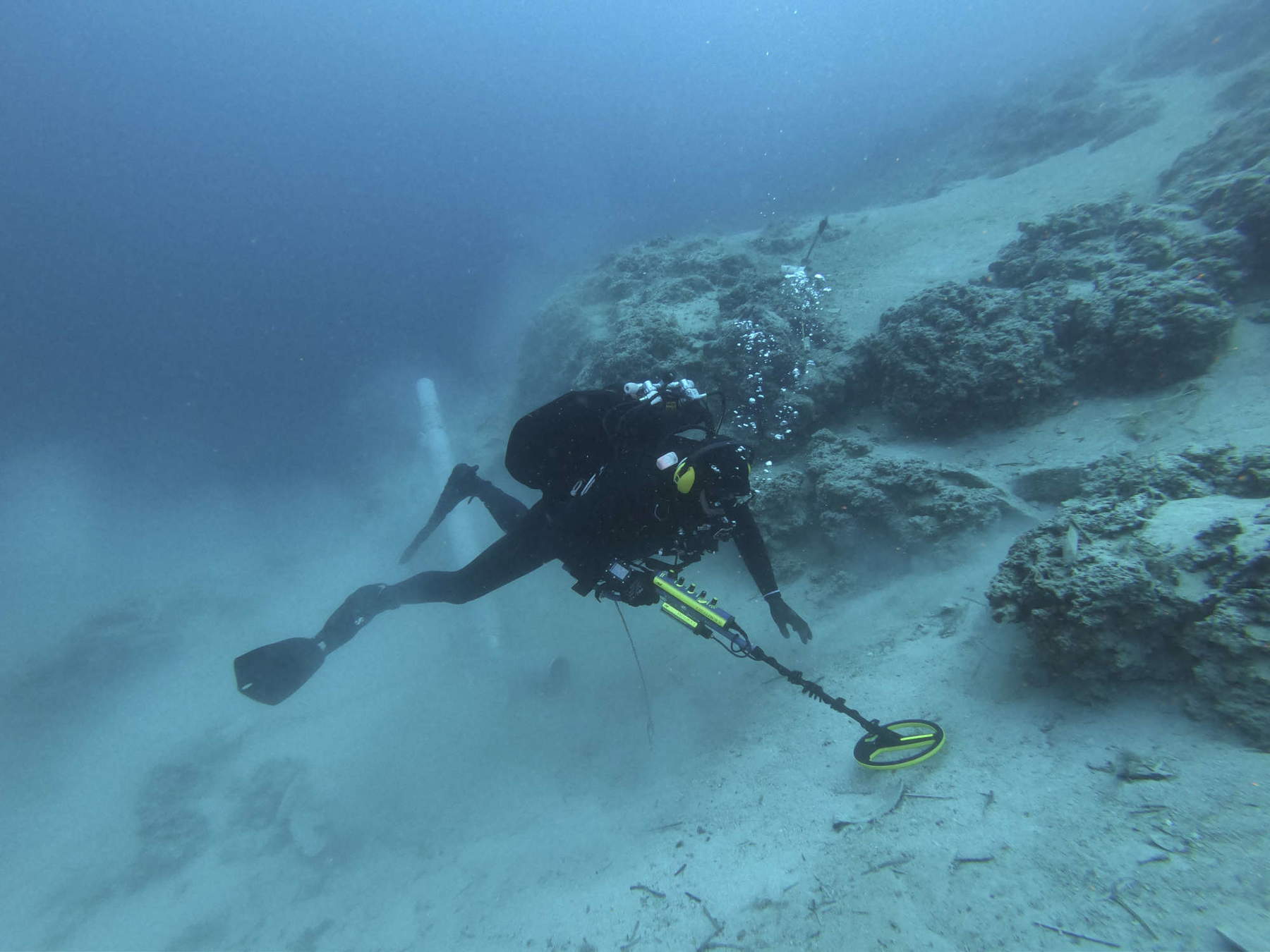
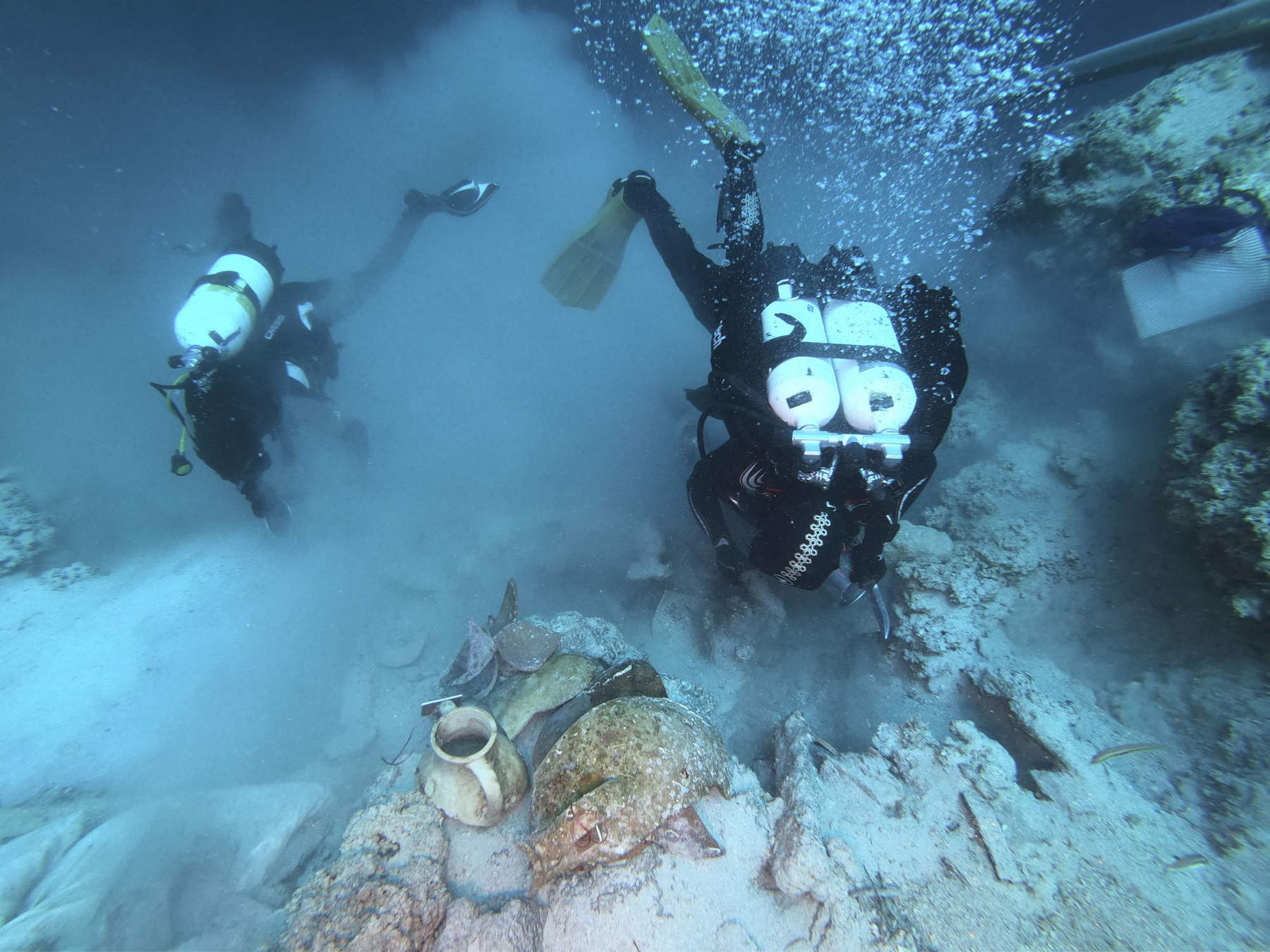
The 2026 research campaign is also being conducted in collaboration with a team of archaeologists from Stanford University led by Professor Justin Leidwanger. The U.S. team’s work focuses specifically on studying the ship’s cargo, with particular attention to amphorae and ceramic vessels; analysis of these artifacts may help reconstruct the routes traveled by the vessel and the origin of the goods it carried.
The project also benefits from the contributions of international specialists who are examining various aspects of the scientific analysis of the artifacts. Long-standing partners include Professor Falko Daim and Levante Samu, who are studying the production techniques and decorative motifs of the precious sets of gold belts. The coins recovered from the wreck, meanwhile, are the subject of numismatic analyses conducted by Željko Demo.
The collection of recovered artifacts and the ongoing research promise to significantly expand our knowledge of the Byzantine Mediterranean between the 7th and 8th centuries. The combination of luxury items belonging to the imperial elite and a substantial commercial cargo makes the Meleda shipwreck an exceptional testament not only to the maritime routes of the time but also to the political, diplomatic, and economic relations that characterized the Byzantine Empire at the height of the Early Middle Ages. The continuation of excavations and scientific analyses will provide new insights into the identity of the crew and passengers, the nature of the ship’s mission, and the historical context in which the shipwreck occurred, confirming the site as one of the most important research centers for Mediterranean underwater archaeology.
|
| Croatia: Byzantine Shipwreck Discovered with Extraordinary Gold Treasures, Including an Imperial Ring |

Warning: the translation into English of the original Italian article was created using automatic tools. We undertake to review all articles, but we do not guarantee the total absence of inaccuracies in the translation due to the program. You can find the original by clicking on the ITA button. If you find any mistake,please contact us.






























 IT
IT FR
FR DE
DE ES
ES CN
CN


