





The natural phenomenon known in Mexico as “mar de fondo”—characterized by intense wave action that alters the coastal landscape—has brought to light new evidence of ancient civilizations along the coast of the state of Colima. In Playa Tecuanillo, in the municipality of Tecomán, community members reportedto the Instituto Nacional de Antropología e Historia (INAH) — the National Institute of Anthropology and History (which released the news)— , the discovery of over 90 archaeological artifacts and skeletal remains. Following the report, the INAH Colima Center launched a program focused on recovery, documentation, conservation, and community engagement.
“Communities have the right to know the history of their territories and to participate in the preservation of their heritage,” states Claudia Curiel de Icaza, Mexico’s Secretary of Culture. “At the Ministry of Culture, through the INAH, we take responsibility for ensuring that research and conservation translate into shared knowledge. In Tecuanillo, this work must strengthen residents’ connection to the history of the Colima coast.”
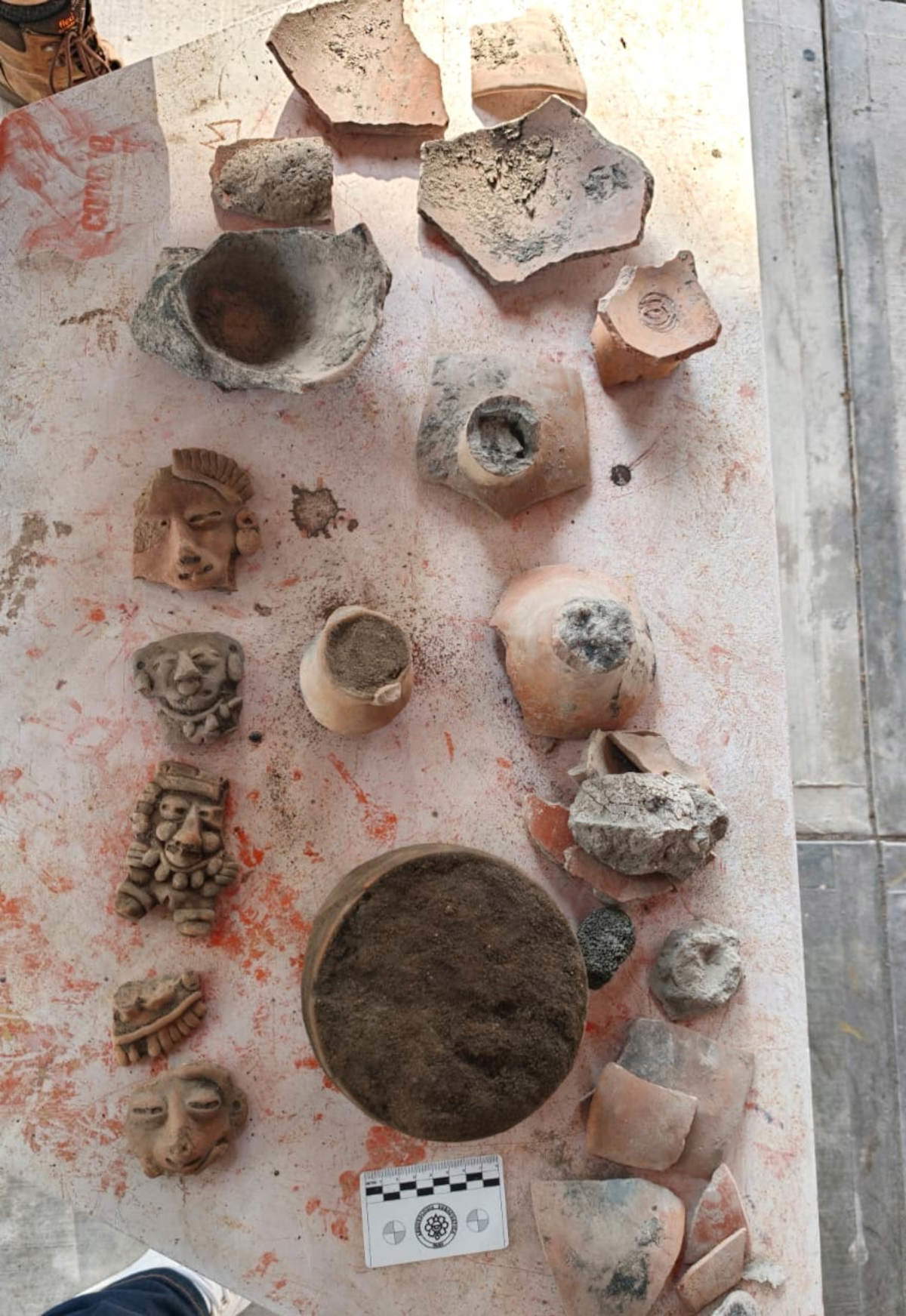
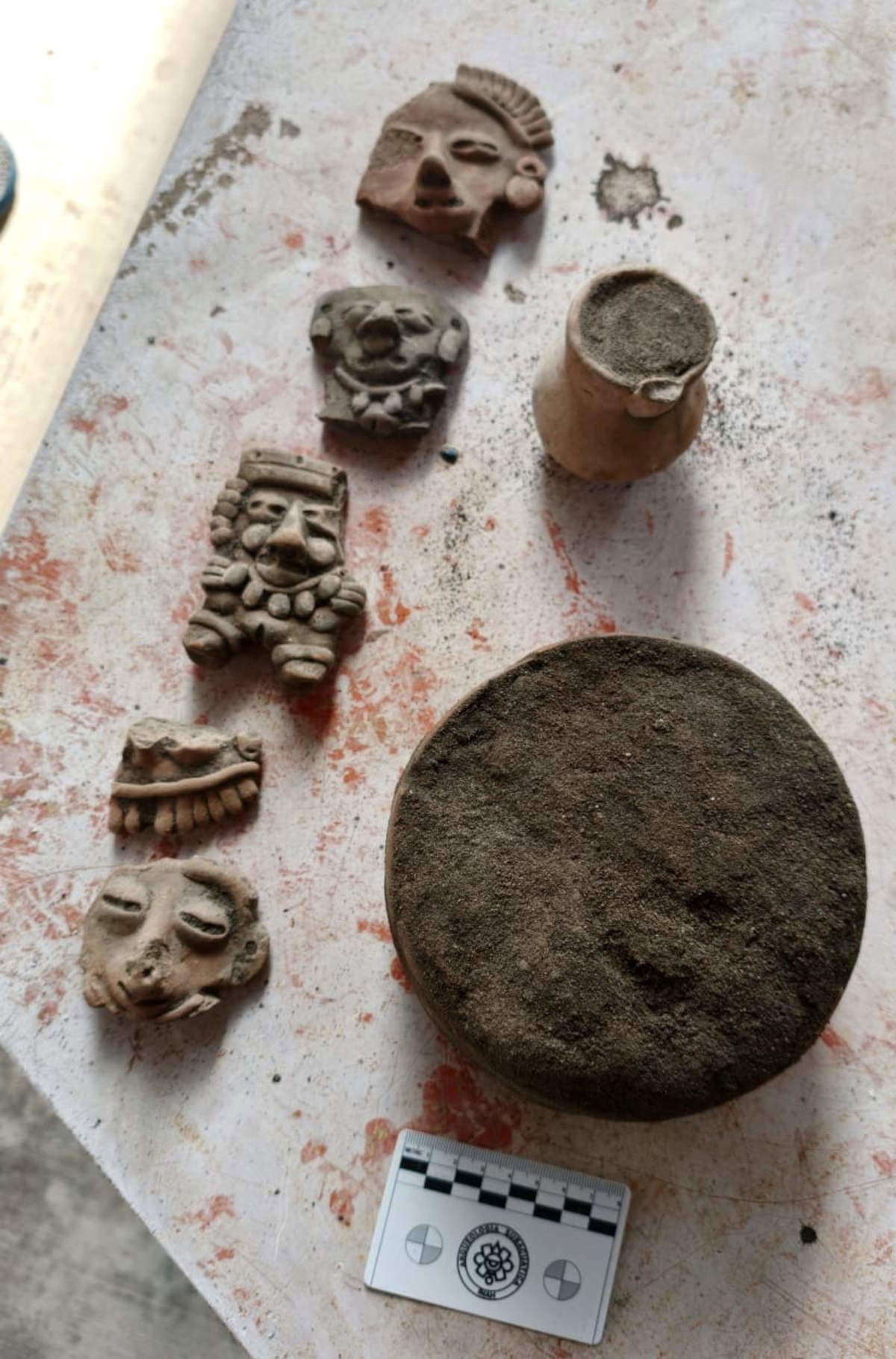
The intervention program was developed in collaboration with the fishermen’s cooperative, the ejido commission, the lifeguards, the teachers at the “María Guadalupe Benítez” elementary school, and the local community. Activities include the recovery and handover of artifacts, raising awareness about cultural heritage, and initiatives aimed at fostering community involvement in learning about the artifacts discovered in the area. After receiving the report, in June 2026, the director of the INAH state office, Alex Ochoa Lozano, and archaeologists Fernando González Zozaya and Jimena Ruiz Barrios conducted a site visit to Playa Tecuanillo. During the survey, local residents provided artifacts, information, and directions to the discovery sites, enabling the identification and documentation of various artifacts.
A total of 38 artifacts, mostly ceramics, were recovered during the operations. These included nine cups and 16 fragments of female anthropomorphic figurines. The artifacts were handed over by the community commissioner, José de Jesús Meraz Méndez; the president of the Fishermen’s Cooperative, Jorge Cabellos Guevara; and the Tecomán Tourism Coordinator, Miguel Barbosa. Additional artifacts were handed over by Saúl Ayala Calvario and his family, who collected further finds and skeletal remains in the area. The skeletal remains were analyzed by Rosa María Flores, a physical anthropologist at the INAH Colima Center. The archaeological complex examined in this case comprises 66 pieces: 47 ceramic fragments, of which 18 rims and 29 bodies have been identified; ten cup fragments; one possible bead; four fragments classified as miscellaneous materials; and four female figurines.
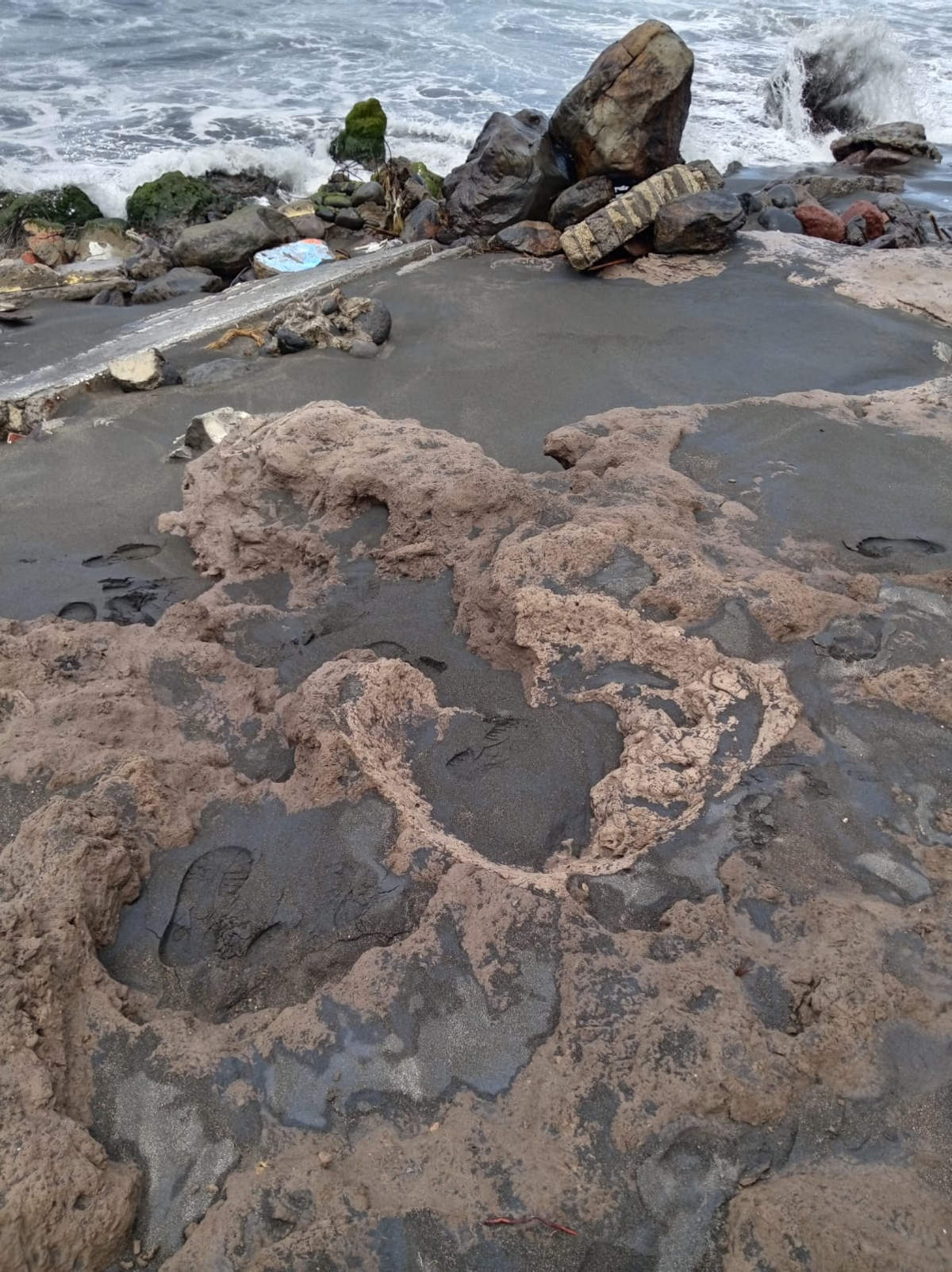
The chronology of the recovered materials has been provisionally placed within a range spanning from the Middle Preclassic period, dated between 1200 and 400 BCE, to the Postclassic period, between 900 and 1521 CE. As for cultural attribution, the evidence appears to point to western Mexico and the central and north-central regions of Mesoamerica. The precise origin of the artifacts, however, is still under study. Ongoing research should make it possible to define the provenance of the materials with greater precision and to gather further information about the populations that inhabited the coastal areas of Colima in ancient times.
In parallel with the recovery efforts, the INAH Colima Center has launched a community outreach program in Playa Tecuanillo. Emilio Garcés García, a researcher with the INAH’s Subdirección de Arqueología Subacuática (Sub-Directorate of Underwater Archaeology), participated in the project and presented some of the initiatives developed by the institute in various regions of Mexico. Garcés García also assisted with the photographic and laboratory documentation of the materials and the cleaning of some artifacts, with the support of staff from the Restoration Workshop at the Colima Regional History Museum.
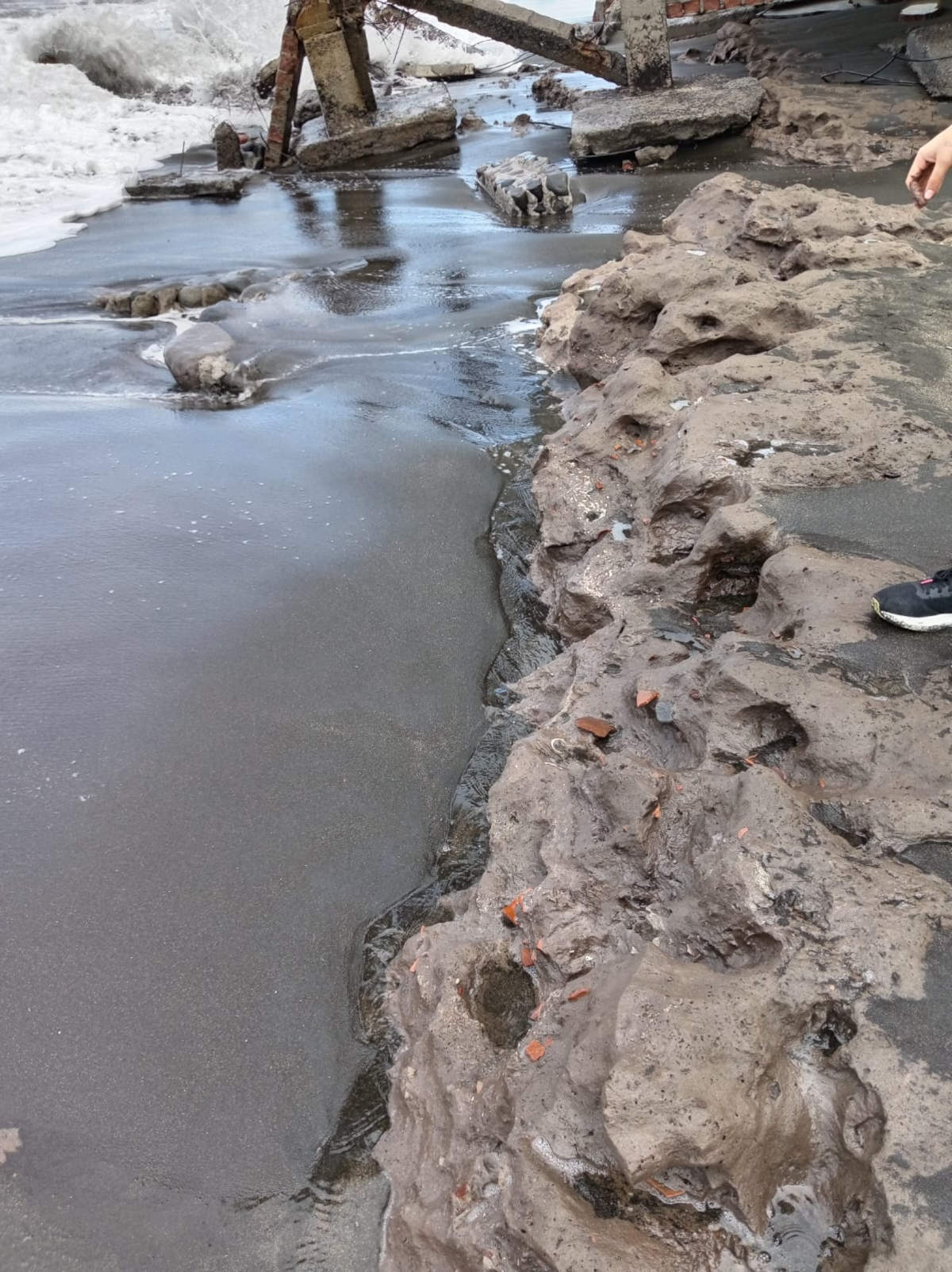
In a subsequent phase, another visit to the site was conducted, in which Israel David Lara Barajas, a physical anthropologist from the INAH Colima Center, participated. This effort allowed for the collection of additional bone and ceramic material. Among the artifacts is a cajete (vessel) made of fine clay, characterized by straight walls, a smooth surface, and an orange color; its chronology has been attributed to the Armería phase, dated between 500 and 1100 CE. The collected bone remains, on the other hand, belong to a canid, likely from the same period. The area where the finds were made is located along the Pacific coastline, where tidal dynamics cause constant changes to the ground surface. The soil consists of recent sandy deposits formed by coastal processes, which leave the archaeological materials in the subsoil particularly exposed.
The investigations conducted at Playa Tecuanillo also have a direct precedent dating back to December 12, 2025, when the INAH responded to a report from the fishermen’s cooperative at Los Desmontes Beach. On that occasion, an area of archaeological occupation had been identified that was subject to erosion caused by the sea and hurricanes. The area featured a layer consisting of a carbonate bioclastic concretion with inclusions of archaeological material. This is a solidified muddy substrate extending over 50 meters along the beach. Within this layer, ceramic materials were identified, including polished red and orange artifacts, charcoal, and polished stone tools. The evidence was attributed to the Ortices phase, dated between 500 B.C. and 100 A.D.; the Comala phase, between 0 and 400 A.D.; the Colima phase, between 300 and 700 CE, and the Armería phase, between 500 and 1100 CE.
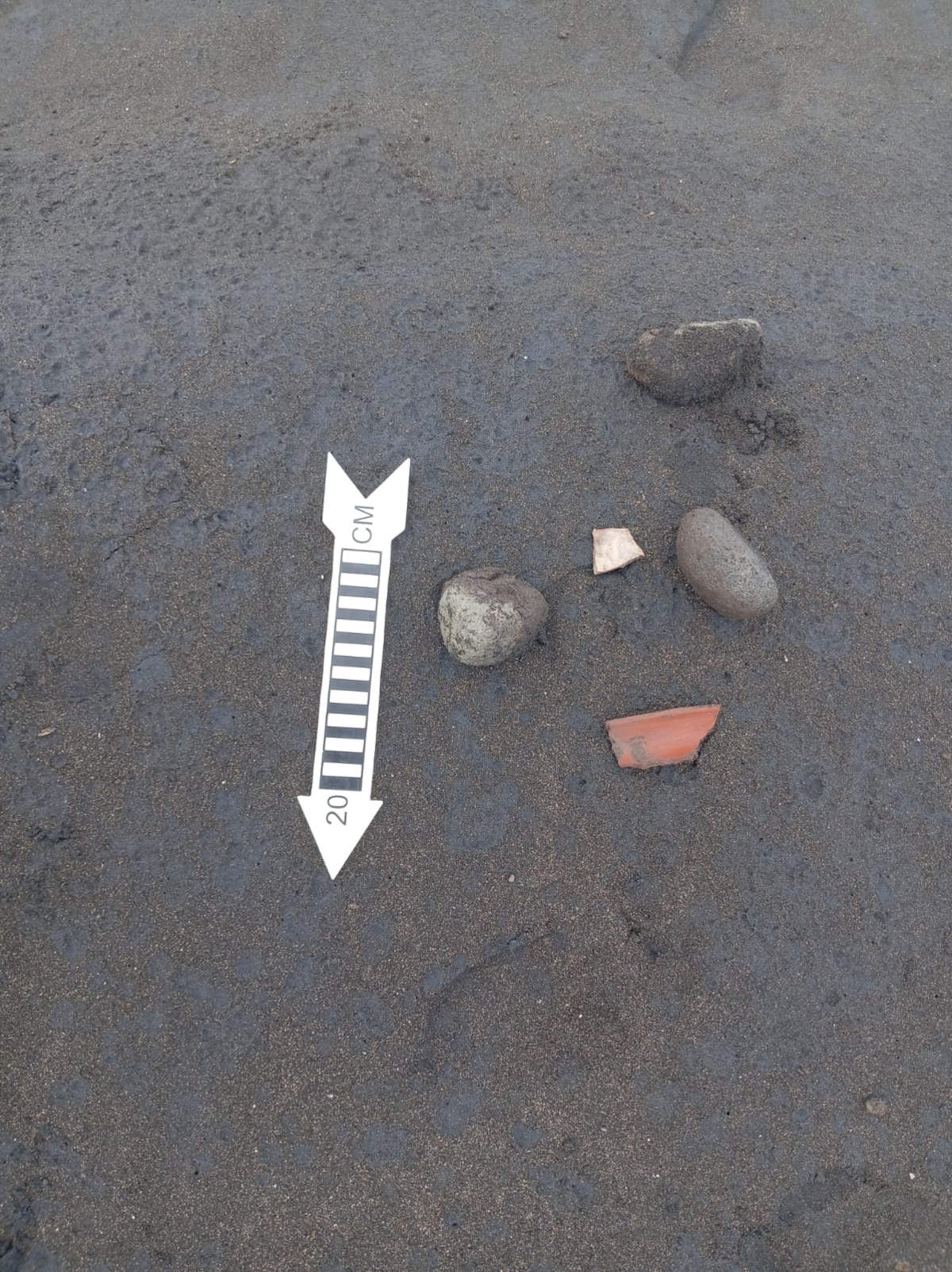
The archaeological materials recovered during the various excavations are currently in the custody of the INAH Colima Center, where they are being studied and documented. The institute is also evaluating the availability of a suitable space that will allow the artifacts to be returned to the Tecuanillo community once the research is complete.
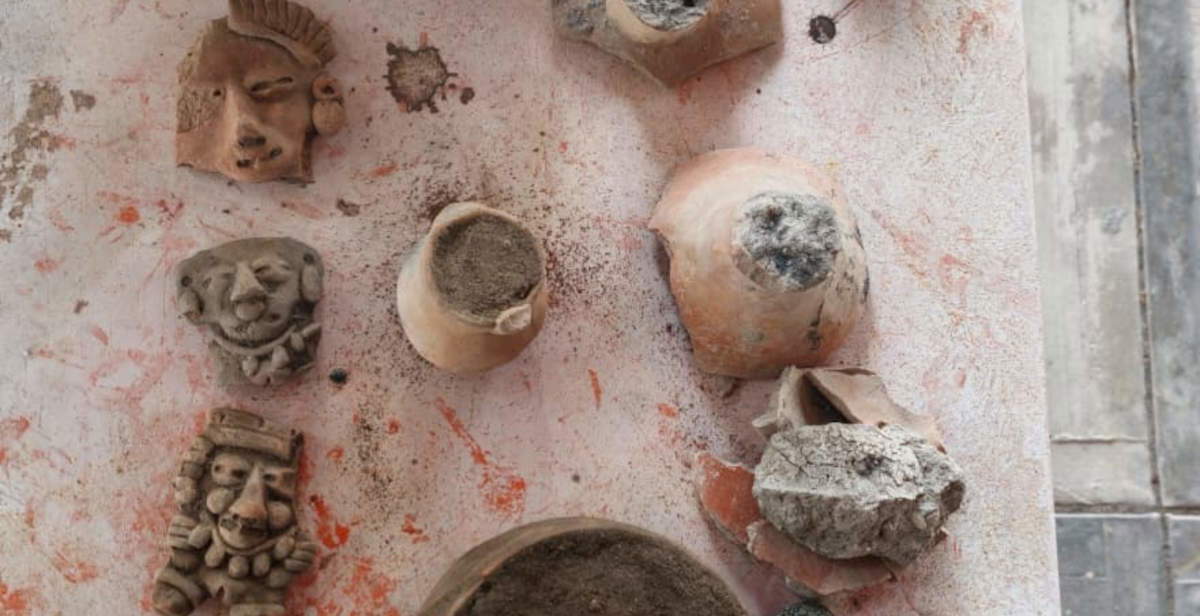 |
| In Mexico, the sea has yielded more than 90 archaeological artifacts dating from 1200 B.C. to 1521 A.D. |

Warning: the translation into English of the original Italian article was created using automatic tools. We undertake to review all articles, but we do not guarantee the total absence of inaccuracies in the translation due to the program. You can find the original by clicking on the ITA button. If you find any mistake,please contact us.




























 IT
IT FR
FR DE
DE ES
ES CN
CN


