




A discovery set to enrich our understanding of Etruscan civilization has come to light from the excavations at ancient Kainua, now known as Marzabotto. The 39th archaeological excavation campaign conductedby the University of Bologna has concluded with findings of extraordinary scientific significance; during the campaign, a unique Etruscan ritual well was discovered inthe sacred urban area dedicated to the goddess Uni. The excavations, funded by the General Directorate of Museums of the Ministry of Culture and directed by Professor Elisabetta Govi of the University of Bologna – Alma Mater Studiorum, have yielded perfectly preserved artifacts of exceptional historical and archaeological value, set to expand our understanding of the founding rites of Etruscan cities.
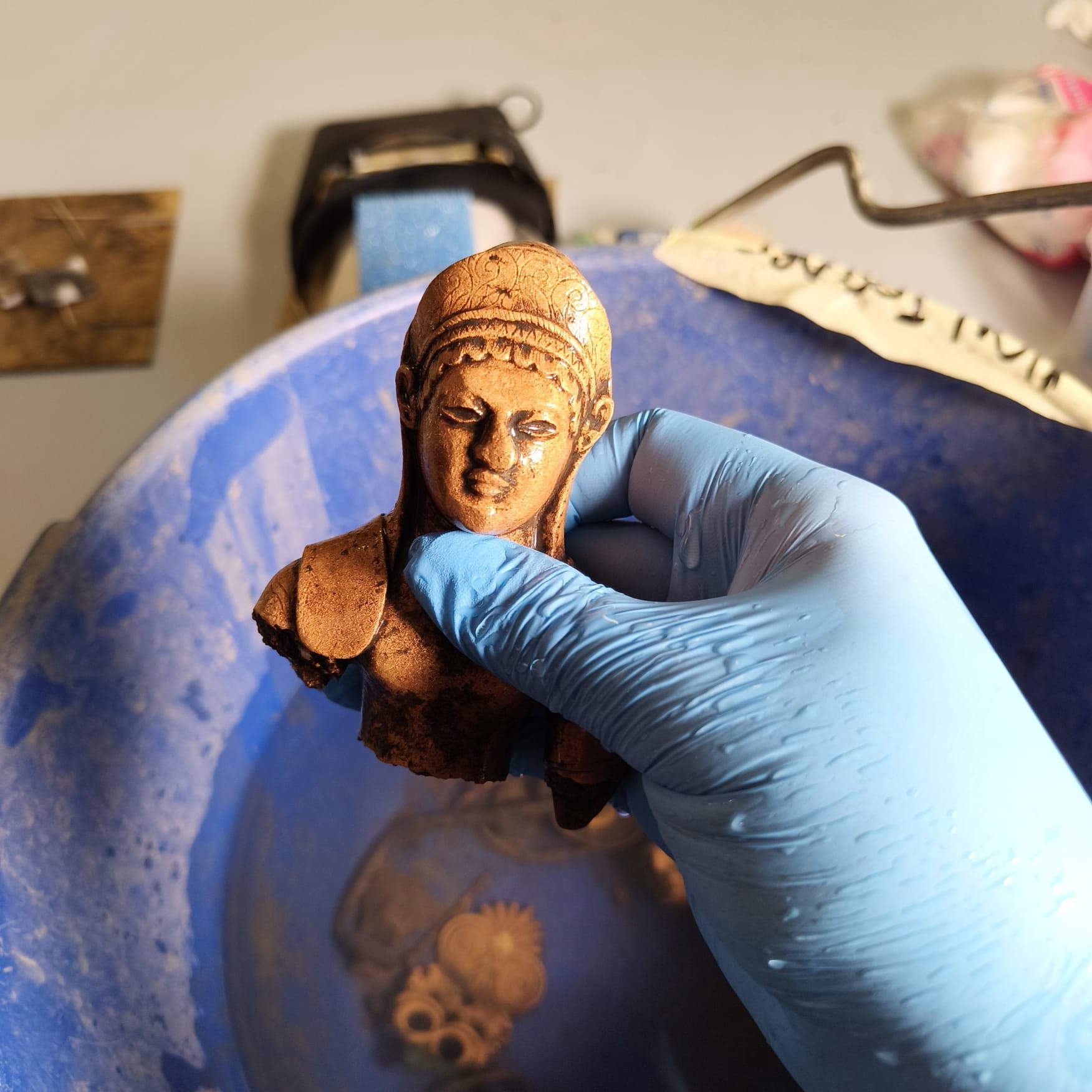
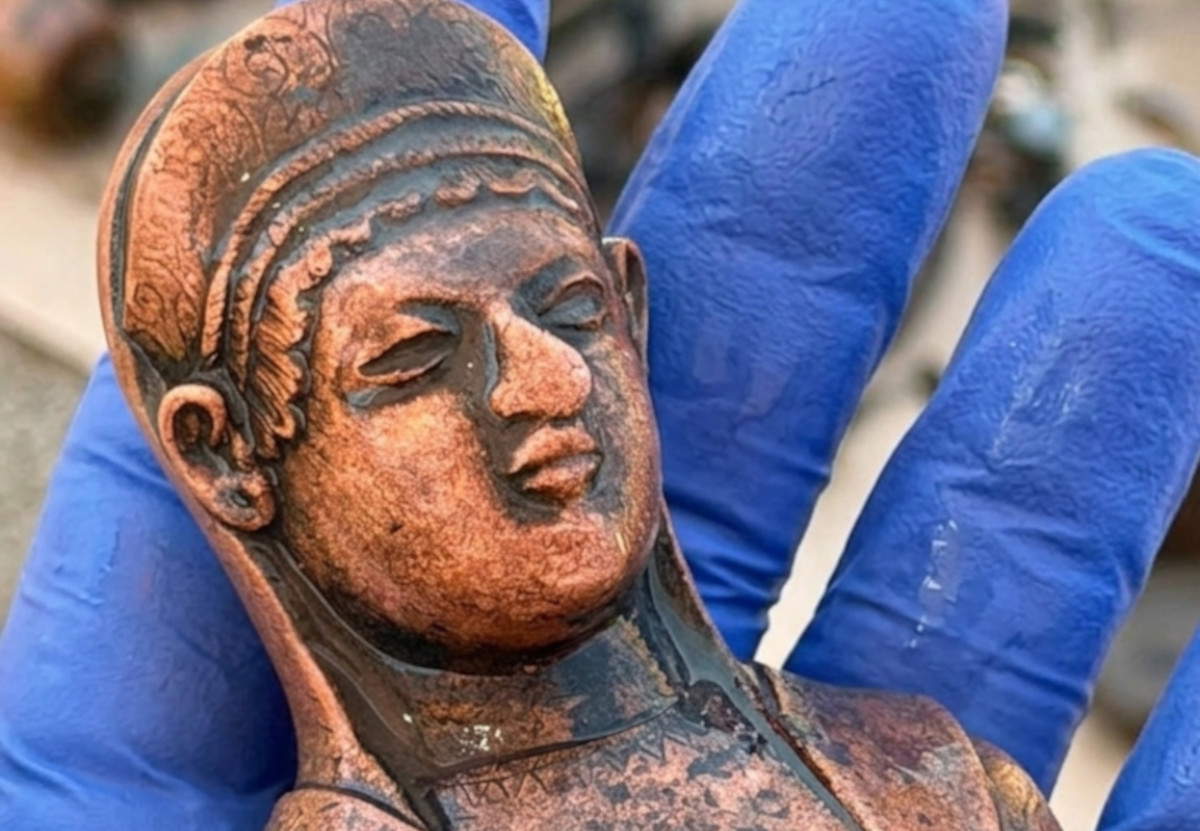
The excavation, carried out in collaboration with the Ravenna Archaeological Group (G.R.A.), made it possible to explore the well’s fill, where two female bronze statuettes and an extremely rare bronze plate—which still retain the metal’s original luster—were discovered at the bottom. According to archaeologists, these objects represent votive offerings deposited during the well’s founding ritual, which dates to between the late 6th and the early decades of the 5th century B.C., coinciding with the founding of the Etruscan city of Kainua.
Furthermore, two human skeletons belonging to adults were discovered, interpreted as part of a closing ritual that marked the end of the well’s use, thus documenting the final phase of the well’s life.
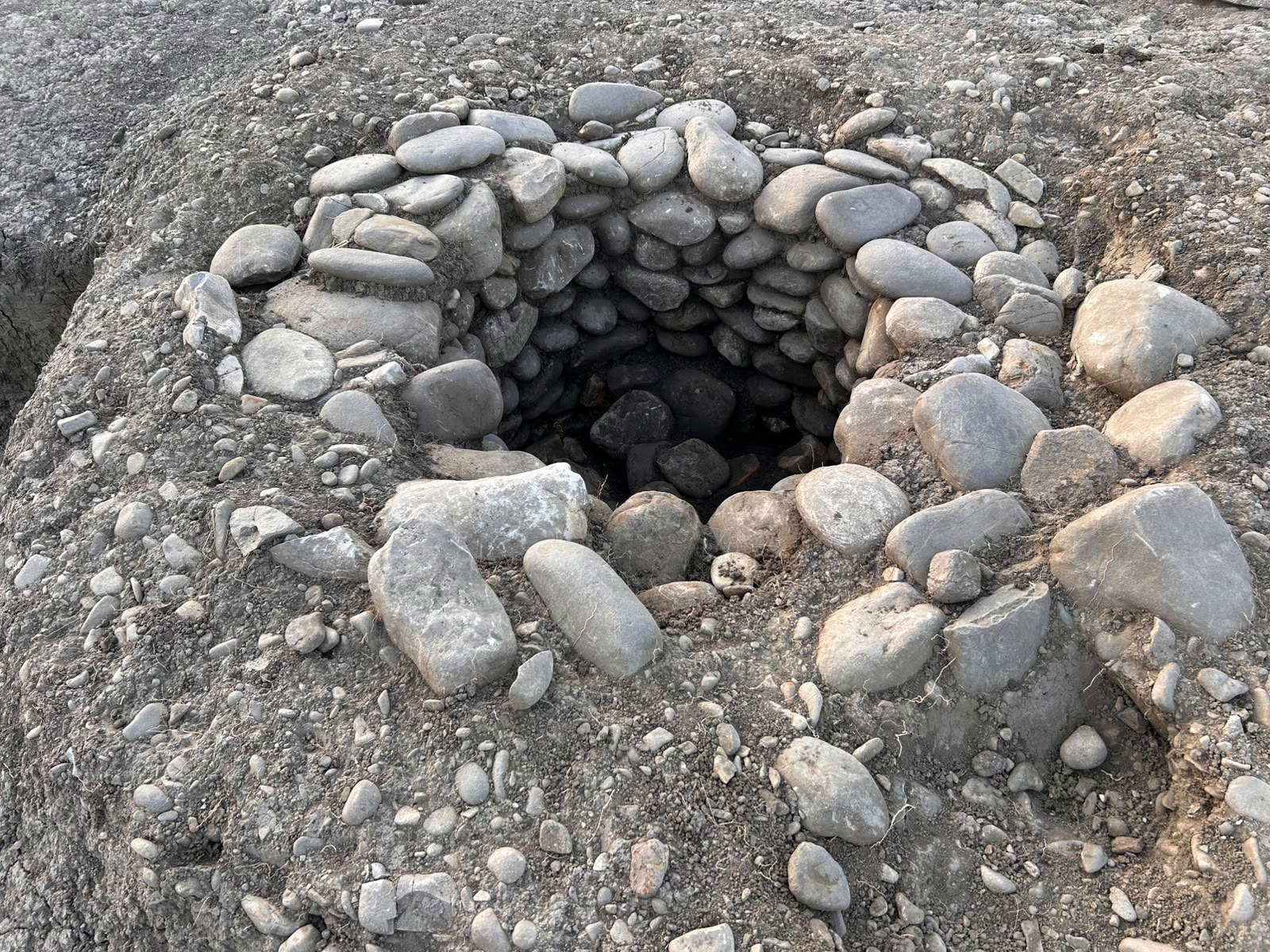
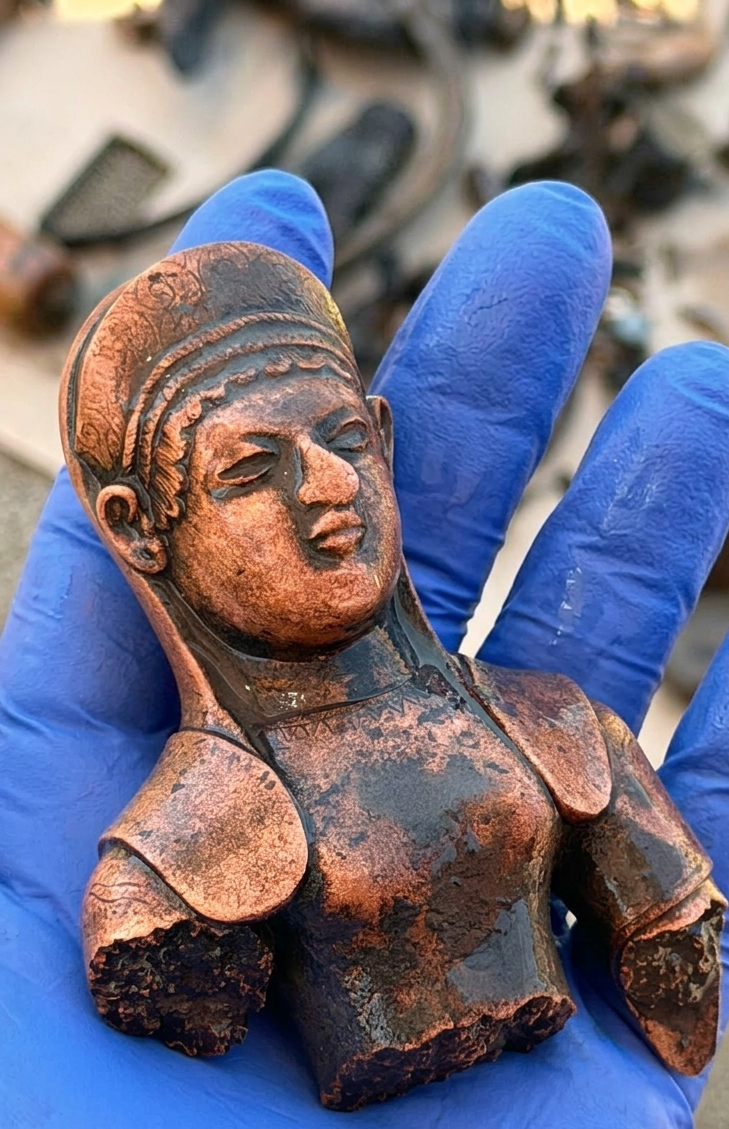
The discovery confirms that the well did not merely serve a practical function related to water supply but also played a deeply symbolic and religious role.Water was, in fact, central to ritual practices closely linked to the city’s founding and the worship of the principal Etruscan deities.
The well is located within the large urban sacred area, where archaeologists have already identified two monumental temples dedicated to Tinia, the supreme deity of the Etruscan pantheon corresponding to the Greco-Roman Zeus/Jupiter, and to his consort Uni (Hera/Juno). The same complex also provides evidence of the cult of Vei (Demeter/Ceres), a deity associated with the fertility of the earth and humankind. This new discovery adds a crucial piece to the reconstruction of Etruscan religiosity and offers new insights into the complex rituals that accompanied the founding of Etruscan cities.
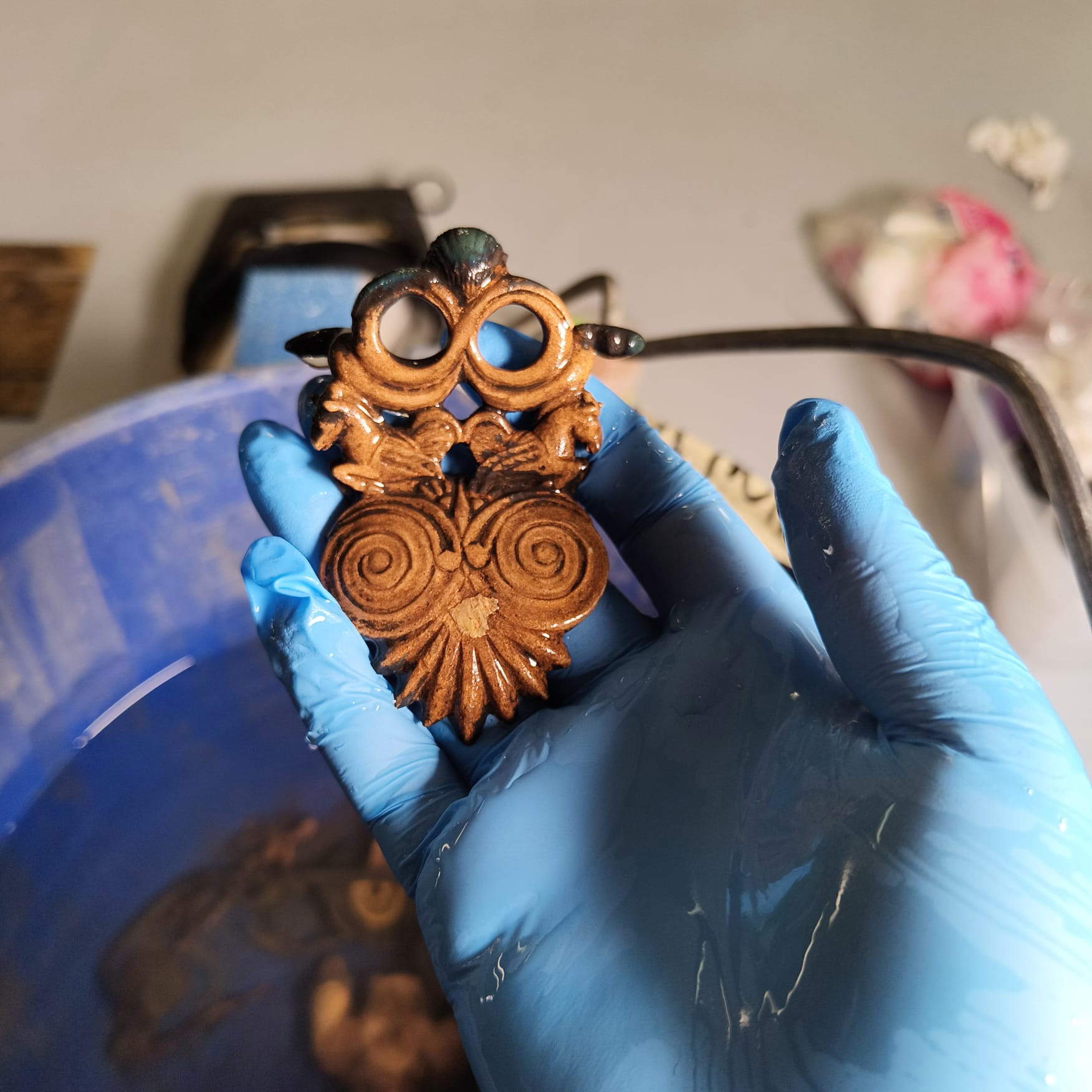
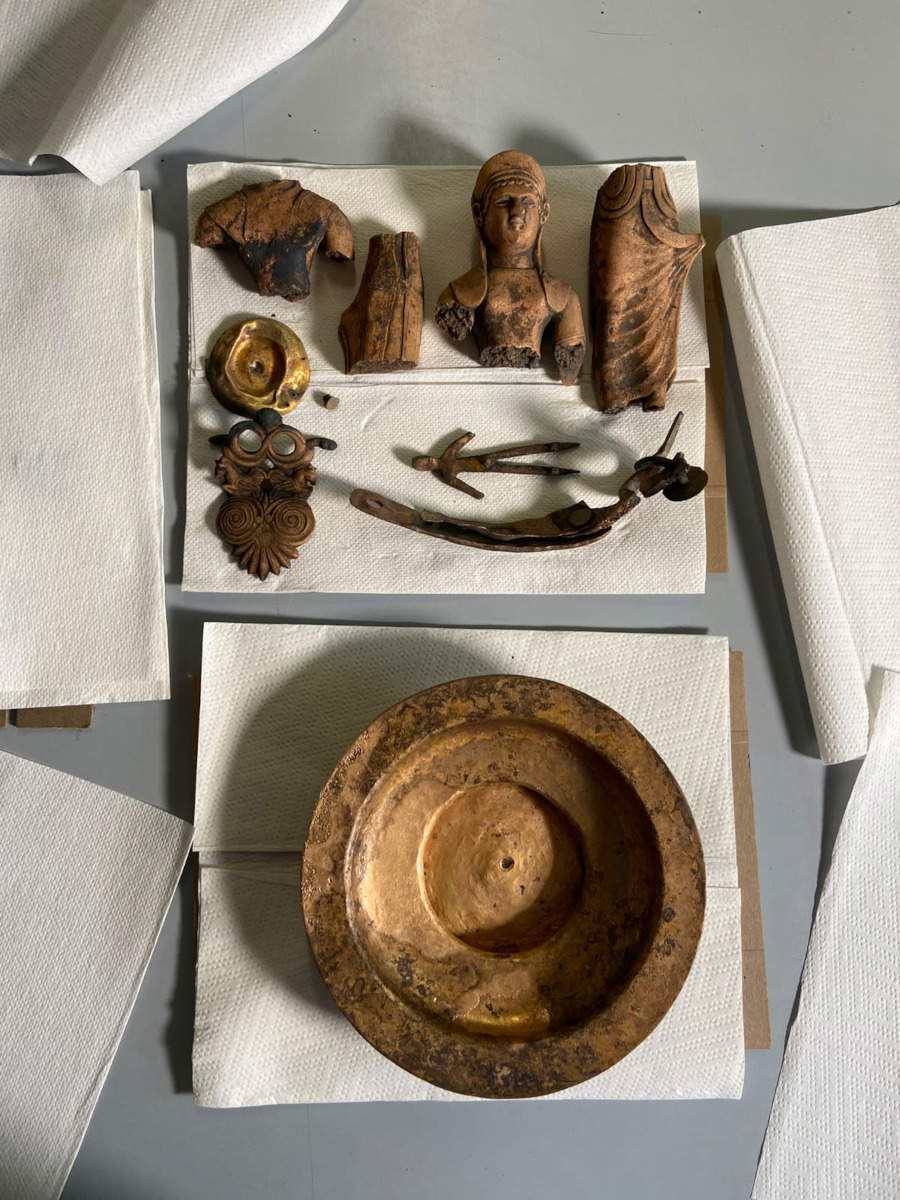
The University of Bologna has been conducting archaeological research at the Kainua Archaeological Park since 1988. The 2026 excavation campaign was made possible thanks to a grant of 140,000 euros from the General Directorate of Museums, supported by DiVA—the Department for the Promotion of Cultural Heritage. The project is part of the framework agreement signed in 2023 between the MNEMA – National Etruscan Museum of Marzabotto and the University of Bologna, which allowed the excavation activities to be extended for an additional two weeks. It was precisely this expansion of the investigations that led to the discovery of the ritual well. The initiative serves as an example of inter-institutional collaboration, resulting from the synergy between the National Museums of Bologna —Regional Directorate of National Museums of Emilia-Romagna, the MNEMA – the National Etruscan Museum of Marzabotto, andthe University of Bologna, with the aim of integrating scientific research, heritage preservation, and museum promotion.
The discovery is part of the new museum itinerary at the MNEMA – National Etruscan Museum of Marzabotto, which recently reopened to the public following a major renovation. The new exhibition design was conceived to showcase a heritage in constant evolution, transforming the museum into a dynamic space capable of progressively incorporating the results of ongoing archaeological research. As soon as the studies and restoration work are completed, the artifacts found in the ritual well will become part of the exhibition, offering visitors the opportunity to observe up close a discovery destined to become a landmark in Etruscan studies.
 |
| Marzabotto: Etruscan Ritual Well Discovered in Kainua; Votive Bronzes and Unique Artifacts Unearthed |

Warning: the translation into English of the original Italian article was created using automatic tools. We undertake to review all articles, but we do not guarantee the total absence of inaccuracies in the translation due to the program. You can find the original by clicking on the ITA button. If you find any mistake,please contact us.























 IT
IT FR
FR DE
DE ES
ES CN
CN


