





A monumental marble statue depicting a young man has been discovered inthe ancient city of Sardis (or Sardi), in what is now the Turkish province of Manisa. The discovery, announced by Turkish Minister of Culture and Tourism Mehmet Nuri Ersoy, is a work dating to the first half of the 5th century B.C., with a preserved height of 2.2 meters. Given its size, state of preservation, and details related to Lydian culture, the sculpture represents a significant contribution to the study of the art and society of that era.
The discovery was made during excavation campaigns coordinated by the General Directorate of Cultural Heritage and Museums of the Turkish Ministry of Culture and Tourism in ancient Sardis, in the district of Salihli, where a larger-than-life standing male figure was identified. The statue, dating from between 470 and 450 B.C., was found in two large fragments, while the feet and some minor parts are missing.
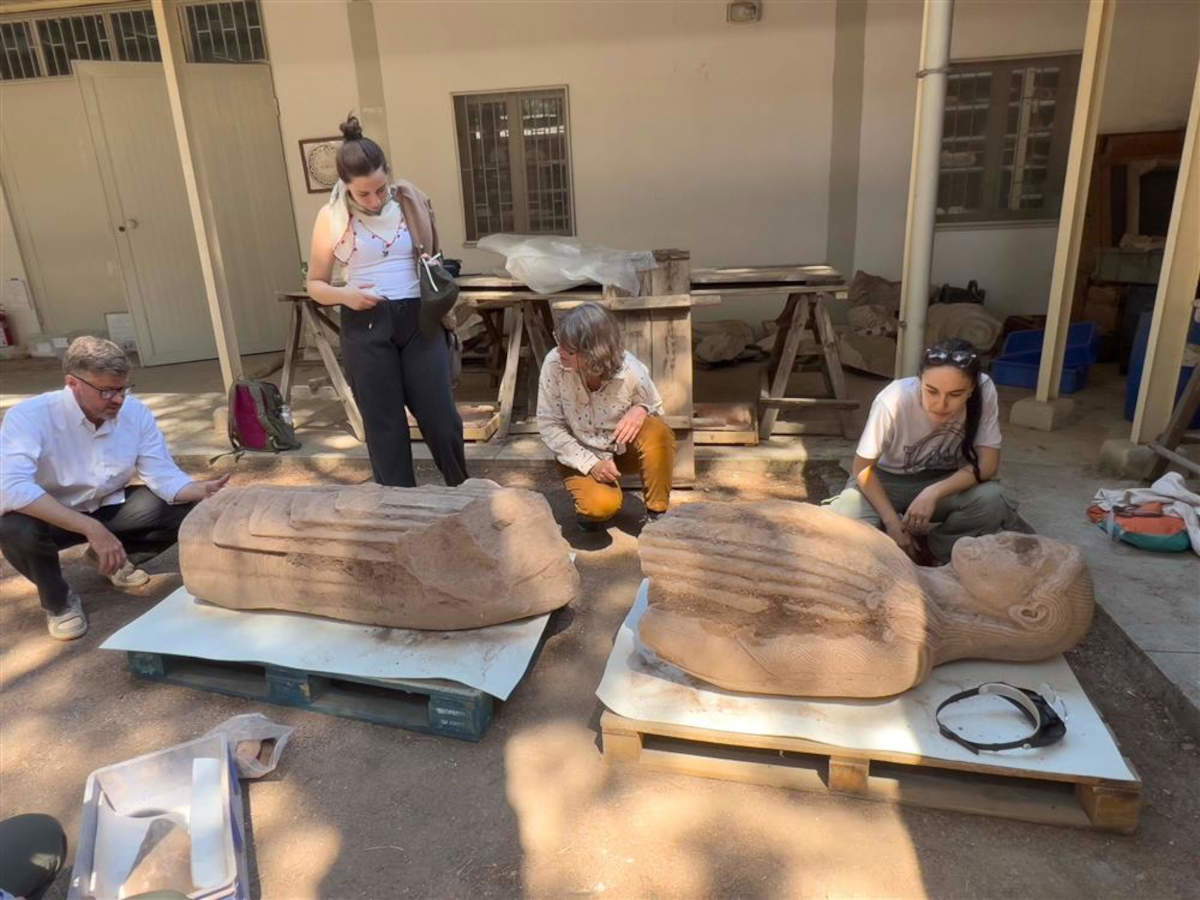
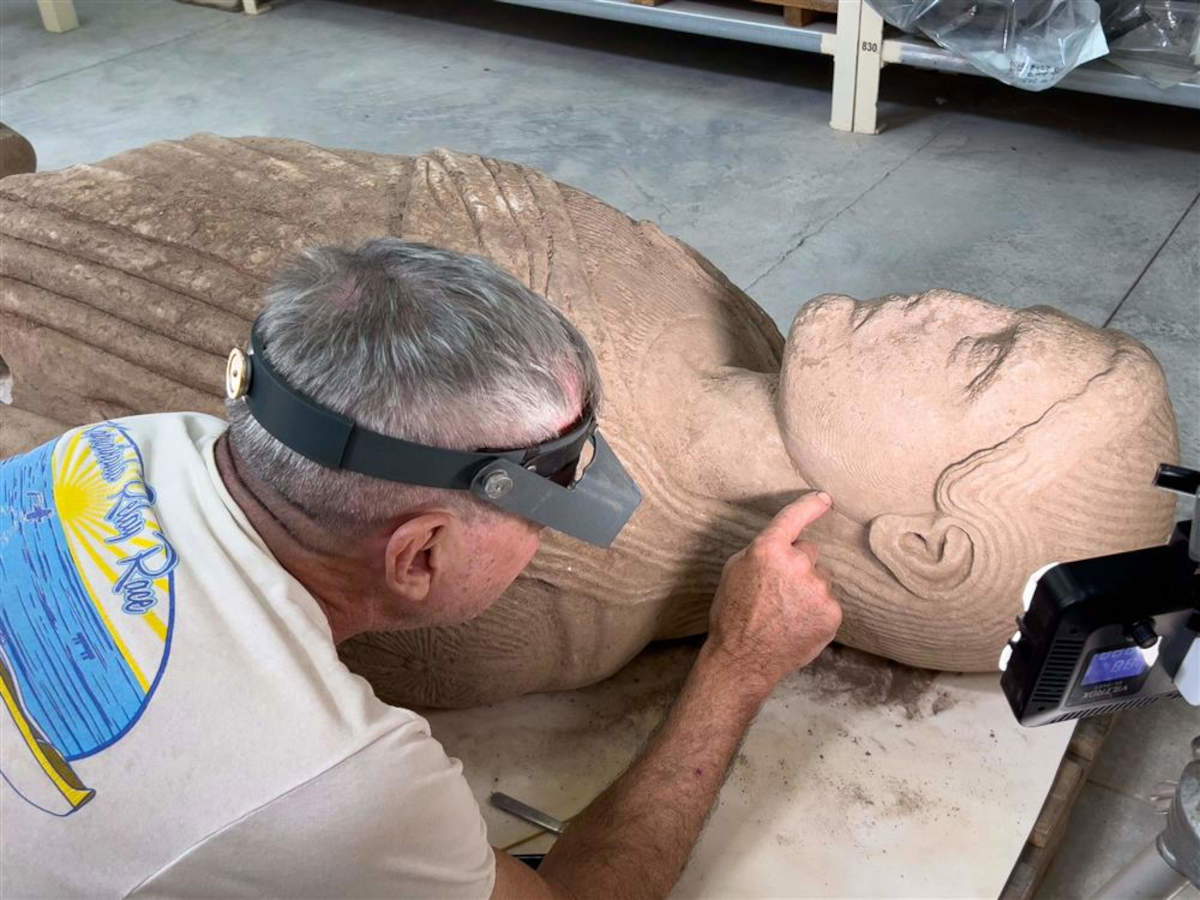
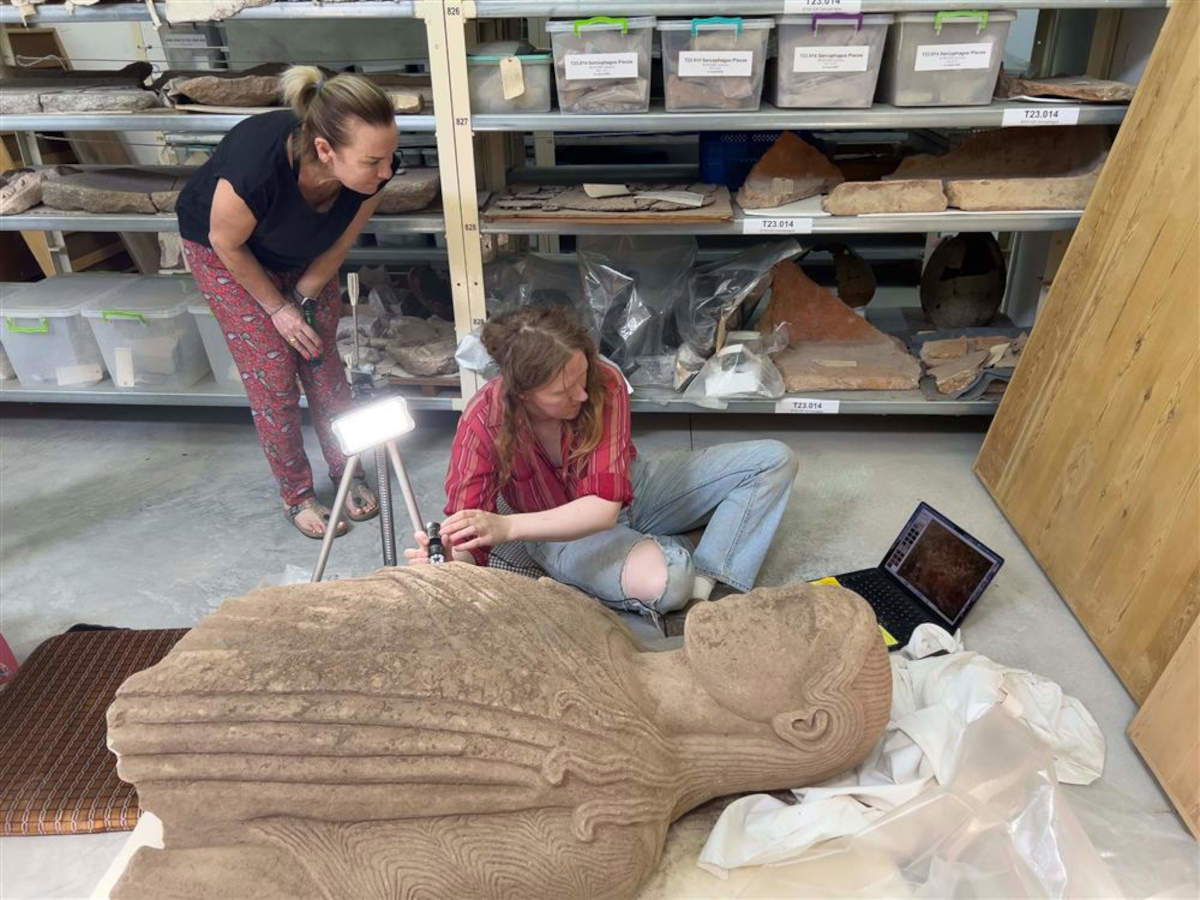
Archaeologists have determined that, during the Roman era, the sculpture was reused as building material in the paving of the colonnaded street at the entrance to Sardis. The statue had been placed face-down, a position that likely contributed to the preservation of the facial features and numerous surface details. After carefully removing the deposits covering it, the statue was lifted from the site of its discovery using the necessary procedures to ensure its safety.
The figure features elements reminiscent of the artistic tradition of the 6th century B.C., such as the upright posture and long hair, but the facial features, the anatomical rendering of the hands, and other stylistic details date it to the first half of the 5th century B.C. Particular attention was paid to the young man’s clothing, consisting of a heavy himation ( garment), a light chiton (a garment of Eastern origin), and an additional undergarment characterized by horizontal lines. This type of garment, not attested in similar sculptures from Anatolia and Greece, would highlight the work’s local character and its connection to Lydian culture.
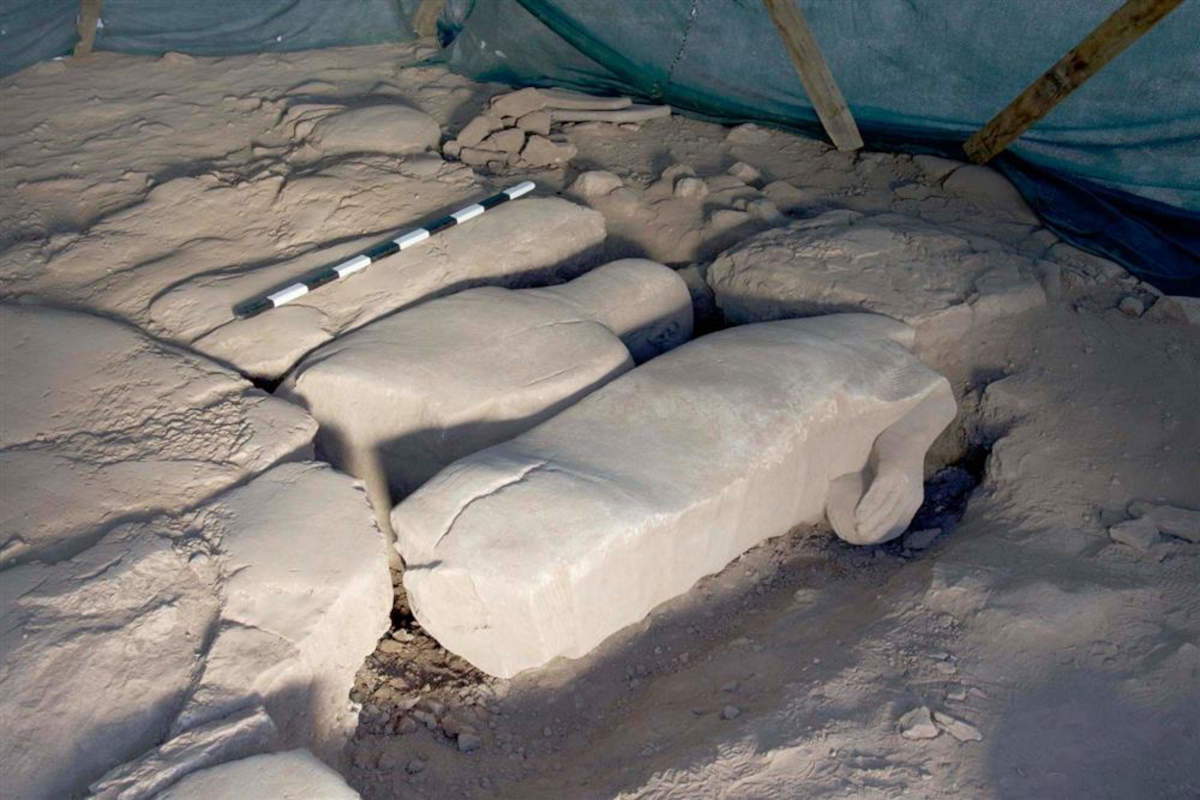
In his right hand, the figure also holds a fruit, likely intended as a votive offering to a deity. Scholars speculate that it may be a quince, a detail that could provide further insight into the sculpture’s ritual significance.
The statue dates to the period when Sardis was the capital of the western satrapy of the Achaemenid Persian Empire. In fact, the work combines aspects of the classical tradition that developed in the Aegean with elements of Lydian clothing and figurative language, offering new insights into the cultural, religious, and social context of the city in the early 5th century B.C.
The discovery is particularly significant given the rarity of monumental sculptures of this size and in such good condition in Mediterranean regions dating to the earliest phases of the Classical period. Scholars believe that the work will help shed light on the lives of the elites of Sardis, their religious practices, and the cultural models adopted during Persian rule.
In the coming months, scientific investigations will be launched to check for any traces of polychromy. Like many marble sculptures from antiquity, this statue was likely originally painted. The surface of the work is now covered by a thick layer of consolidated deposits, and the conservation team will proceed with a controlled cleaning process, taking care not to damage any pigments that may still be present. The analyses will also involve specialists in ancient polychromy and will include the study of the sculpture’s surface and the surrounding sediments, in search of possible color residues. Upon completion of the cleaning, scientific analysis, and restoration, the statue will be exhibited at the Manisa Museum.
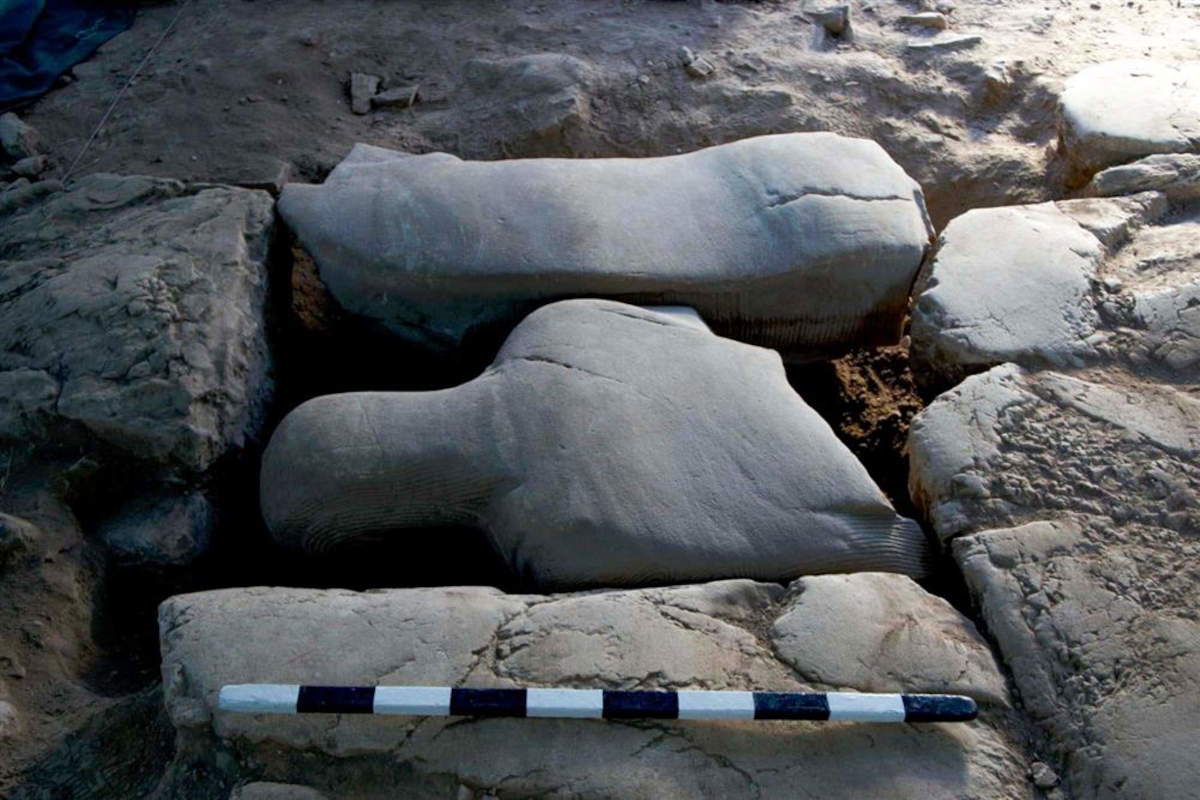
“An extraordinary discovery in Sardis, destined to shed light on the archaeology of Anatolia! During excavations conducted in the ancient city of Sardis, in the province of Manisa, we have unearthed a statue of a young man dating back to the first half of the 5th century B.C., with a history spanning approximately 2,500 years,” stated Minister of Culture and Tourism Mehmet Nuri Ersoy. “The 2.2-meter-tall marble sculpture stands out among the rare examples of sculptural art from that period due to its monumental size, excellent state of preservation, and particularly interesting details. Reused during the Roman era as building material for the paving of the colonnaded street, the work was placed face-down, a position that aided its preservation for many centuries. The unusual details of the clothing preserved on the figure, however, bear traces of Lydian culture. The statue, depicted holding a fruit in its hand, will provide important insights into daily life, the religious world, and cultural exchanges in Sardis at that time. As part of the thorough scientific analyses and conservation work to be carried out, researchers will also search for any traces of color still present on the surface of the work. Once the studies and work are complete, this precious artifact will be displayed to visitors at our Museum in Manisa. I would like to thank the General Directorate of Cultural Heritage and Museums, the academics, the experts, and all members of the field teams for their contribution to the discovery of this important work.”
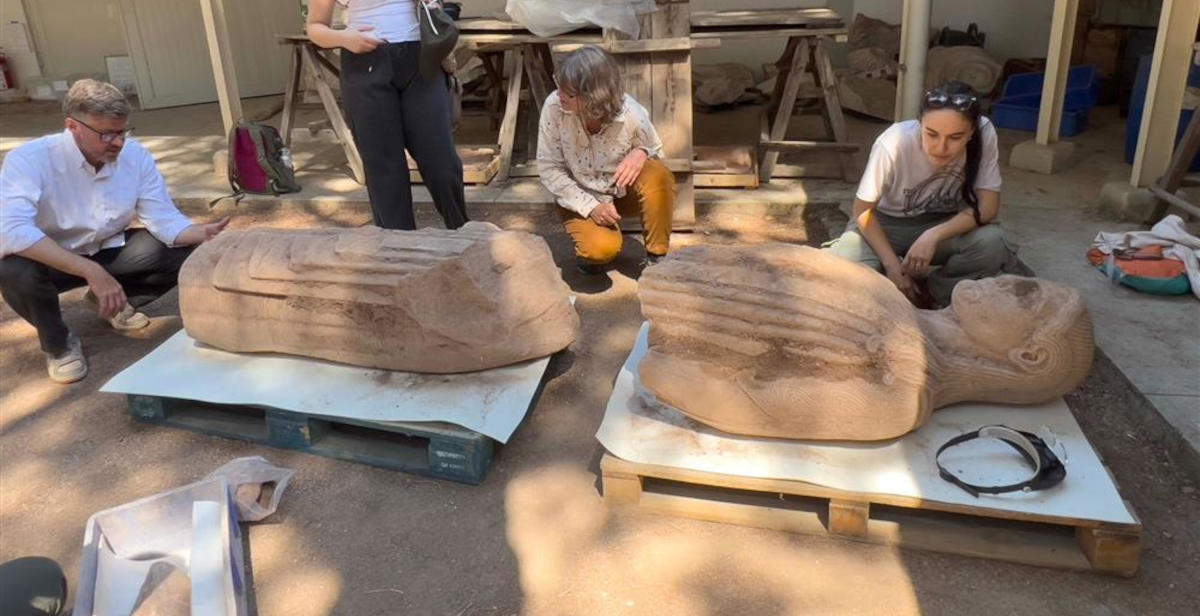 |
| Turkey: A 2,500-year-old marble statue has been unearthed in the ancient city of Sardis |


The author of this article: Noemi Capoccia
Originaria di Lecce, classe 1995, ha conseguito la laurea presso l'Accademia di Belle Arti di Carrara nel 2021. Le sue passioni sono l'arte antica e l'archeologia. Dal 2024 lavora in Finestre sull'Arte.Warning: the translation into English of the original Italian article was created using automatic tools. We undertake to review all articles, but we do not guarantee the total absence of inaccuracies in the translation due to the program. You can find the original by clicking on the ITA button. If you find any mistake,please contact us.


























 IT
IT FR
FR DE
DE ES
ES CN
CN


