





A new excavation campaign at the Polledrara necropolis, in the ancient Etruscan city of Vulci, has unearthed an important funerary complex from the Orientalizing period. At the heart of the discovery is the Stone Chamber Tomb, a monumental burial site that offers new insightsinto the Vulcian aristocracy at the end of the 7th century B.C.
The investigations, conducted as part of the international “Return to Vulci” project, have made it possible to re-identify the circular enclosure associated with the so-called Gsell Tumulus, which had already been unearthed by the École française de Rome in 1889 but had not yet been fully excavated. A large monumental tomb was also unearthed within the burial area.
Launched in 2023 thanks to a grant from the Ministry of Culture and directed by Laura Maria Michetti, Alessandro Conti, and Christian Mazet, “Ritorno a Vulci” represents a significant example of international cooperation in the fields of archaeological research, conservation, and the promotion of Vulci’s heritage. The project involves an international team dedicated to studying the necropolises located in the southeastern sector of the ancient Etruscan city. Fieldwork is complemented by the analysis of archival sources and the study of artifacts preserved in Italian and foreign collections. This multidisciplinary approach aims not only to deepen our understanding of Vulci’s archaeological history but also to reconstruct the often-complex events surrounding the major discoveries made in the 19th century and to return these artifacts to their respective contexts of origin.
The research stems from a collaboration between the École française de Rome, the Department of Ancient Sciences at Sapienza University of Rome, and the Department of Greece and Rome at the British Museum, together with Italian institutions committed to the protection and promotion of the region’s archaeological heritage: the Superintendence of Archaeology, Fine Arts, and Landscape for the province of Viterbo and Southern Etruria, the Lazio Regional Directorate of National Museums, and the Vulci Foundation.
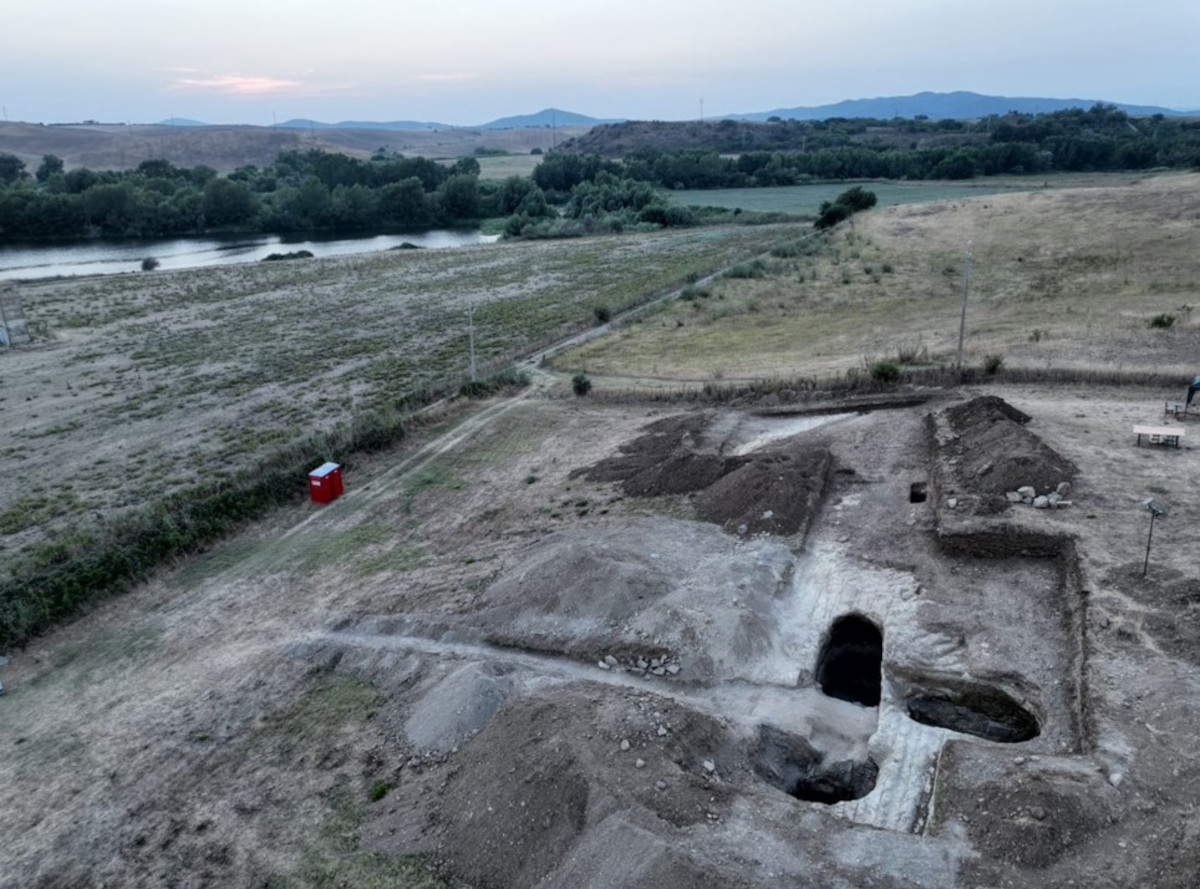
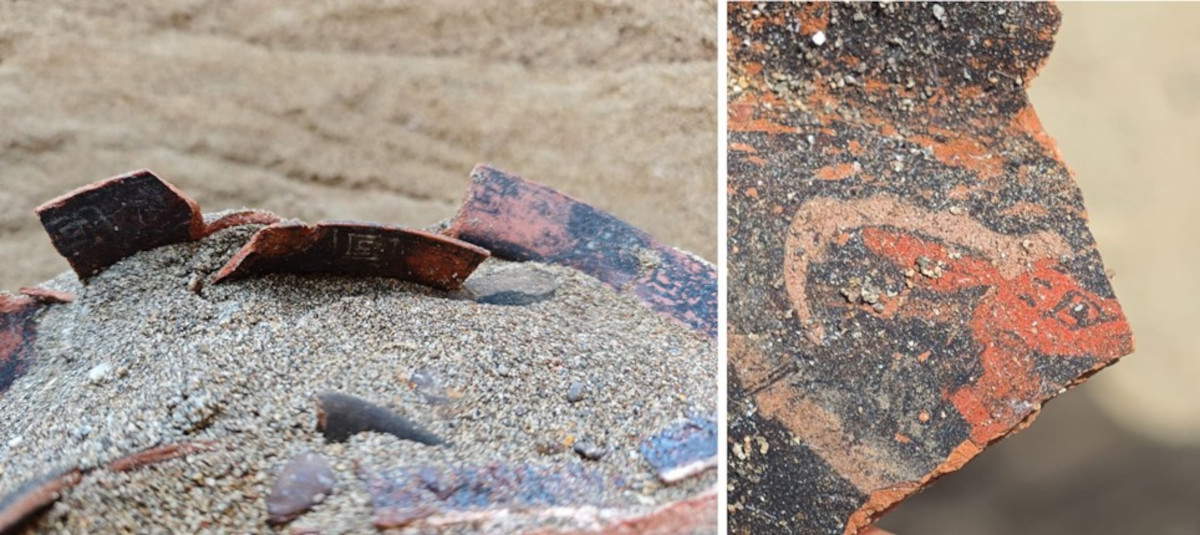
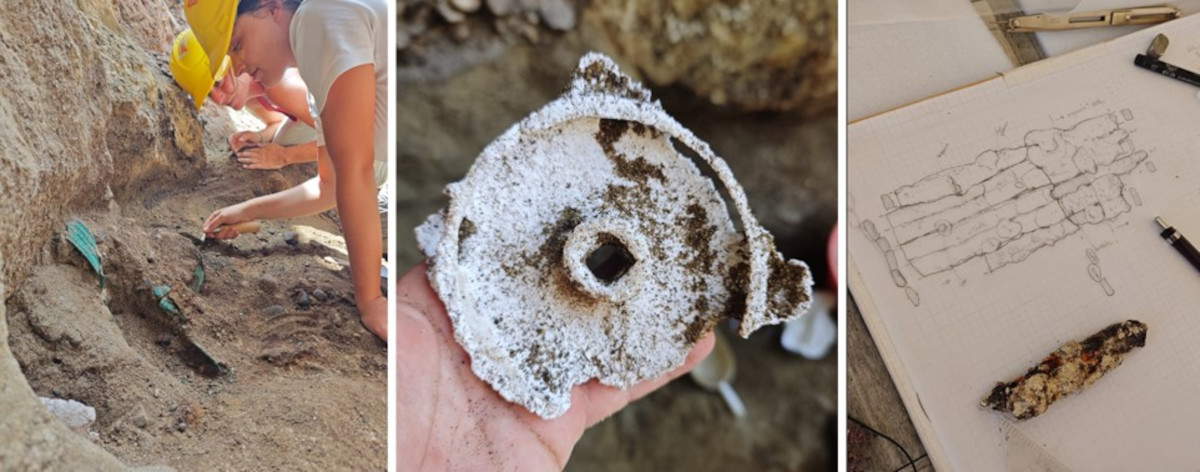
“Return to Vulci” is also part of the activities dedicated to the study of dispersed archaeological heritage promoted by the Department of Ancient Sciences at Sapienza University. The project is also linked to “Vulci nel Mondo,” the freely accessible online database that is constantly updated and, within a virtual museum, brings together artifacts from Vulci now preserved in museums around the world.
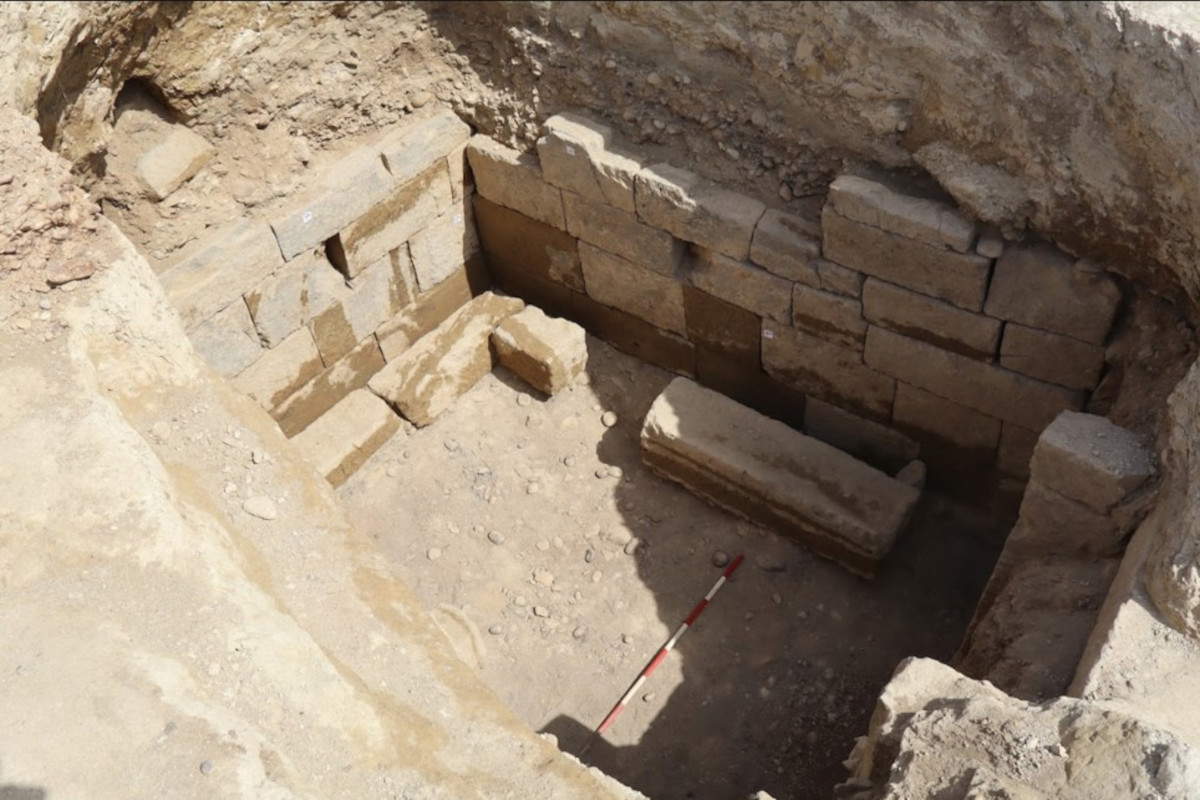
Of particular significance is the discovery of the Stone Chamber Tomb, a large funerary chamber that expands our understandingof Vulci’s aristocracy at the end of the 7th century B.C. This was a crucial phase in the history of the Etruscan city, characterized by remarkable economic prosperity and intense relations and trade with the Mediterranean world. Although the tomb was subjected to several clandestine incursions during the 20th century, recent archaeological investigations have revealed a surprising state of preservation of the internal architectural structures. Of particular interest are the retaining walls of the main chamber, built with large blocks of nenfro, a volcanic stone widely used in Etruscan architecture.
The monumentality of the structure thus conveys the image of a funerary complex of great importance, carved directly into the natural deposits formed along the ancient course of the Fiora River. This new discovery therefore helps to define with greater precision the role and prestige of Vulci’s elite during the period when the city was most open to the Mediterranean.
|
| Vulci: Discovery of the "Tomba della Camera di Pietra," a monumental tomb of the Etruscan aristocracy |

Warning: the translation into English of the original Italian article was created using automatic tools. We undertake to review all articles, but we do not guarantee the total absence of inaccuracies in the translation due to the program. You can find the original by clicking on the ITA button. If you find any mistake,please contact us.



























 IT
IT FR
FR DE
DE ES
ES CN
CN


