





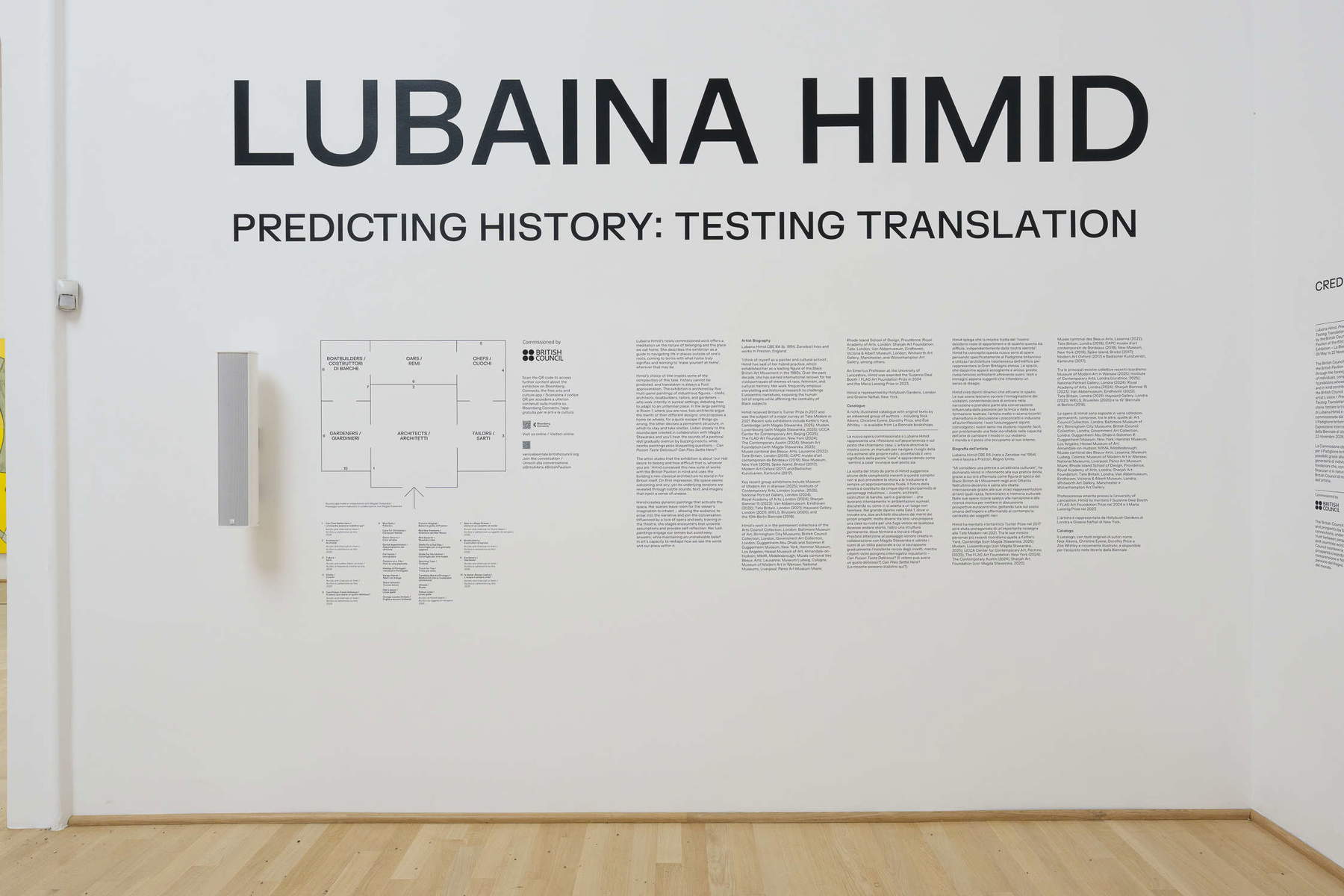
At the 61st Venice Biennale, the United Kingdom is represented by Lubaina Himid, who is presenting the project *Predicting History: Testing Translation* in the British Pavilion. The exhibition addresses one of the most personal and, at the same time, most political issues of contemporary experience: what it means to make a home in a new place, and how the meaning of belonging changes when the space one inhabits was not designed for those who pass through it. For Venice, Himid has created an environment in which large-scale paintings interact with works made from found objects, paintings inspired by East African kangas, and a soundscape created in collaboration with artist Magda Stawarska. Painting, text, objects, and sound thus come together to create an experience in which the British Pavilion itself takes on a central role. Its architecture, in fact, becomes a symbol of the United Kingdom, and through this very building, the artist explores the relationship between place, identity, and home, as well as the different possibilities of movement in a world where some people can move freely while others are perceived as “out of place.”
The title *Predicting History: Testing Translation* alludes to a state of uncertainty and interpretation. Predicting history and testing translation means grappling with something that is never completely stable, with the attempt to understand and be understood while traversing different places, cultures, and frames of reference. For Himid, the exhibition thus becomes a sort of guide to navigating life and a sense of belonging beyond one’s own roots—a way to reflect on what it might mean to call a place “home” that was not initially one.
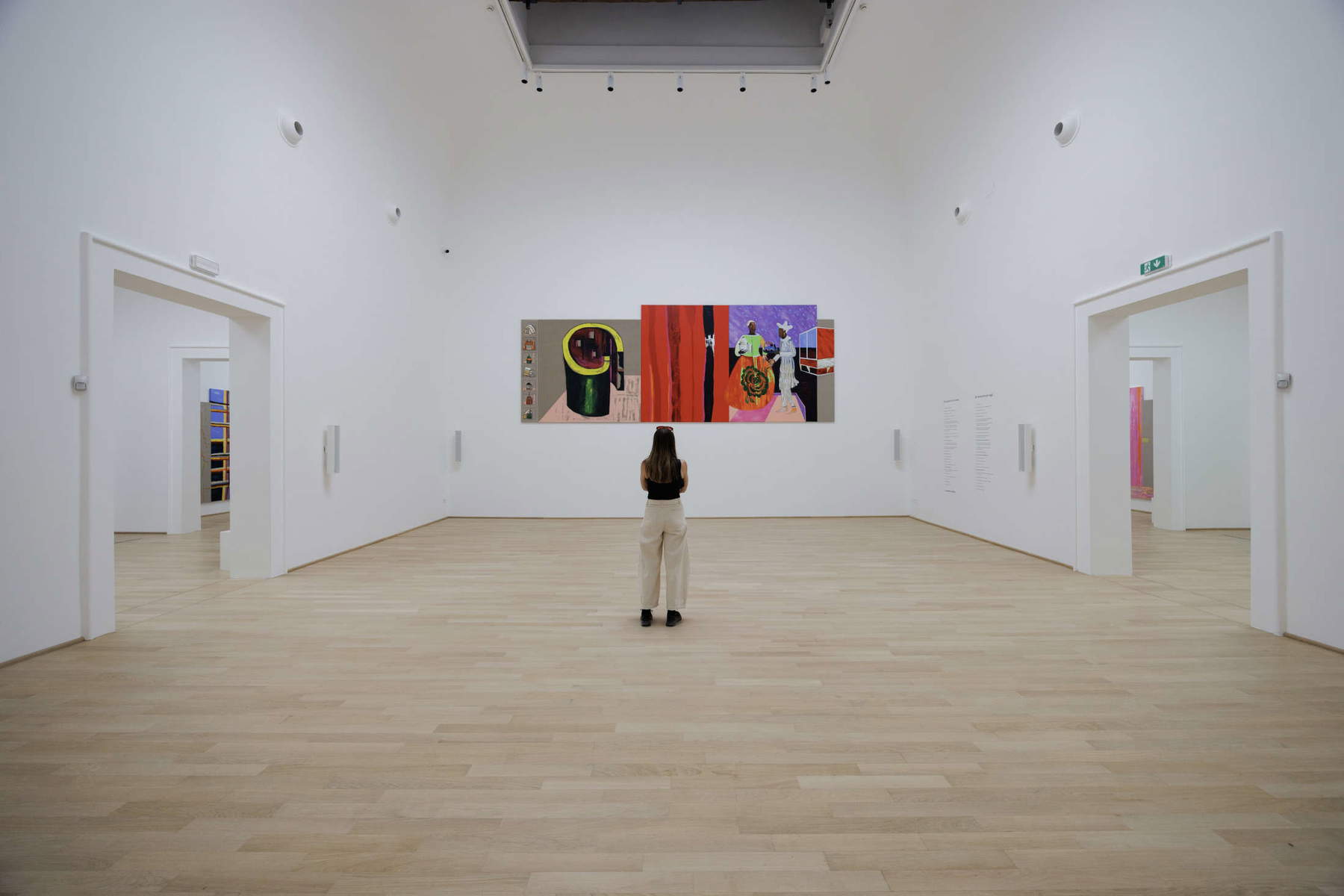
The artist, who has a background in theatrical set design and a particular passion for opera, conceives the halls of the Pavilion as immersive, multisensory spaces. Painting is therefore not viewed merely as an image to be observed, but as part of an environmental installation imbued with a distinct theatrical energy. Visitors are invited to form an emotional connection with the characters and the actions unfolding in the paintings, almost as if they were watching a theatrical performance.
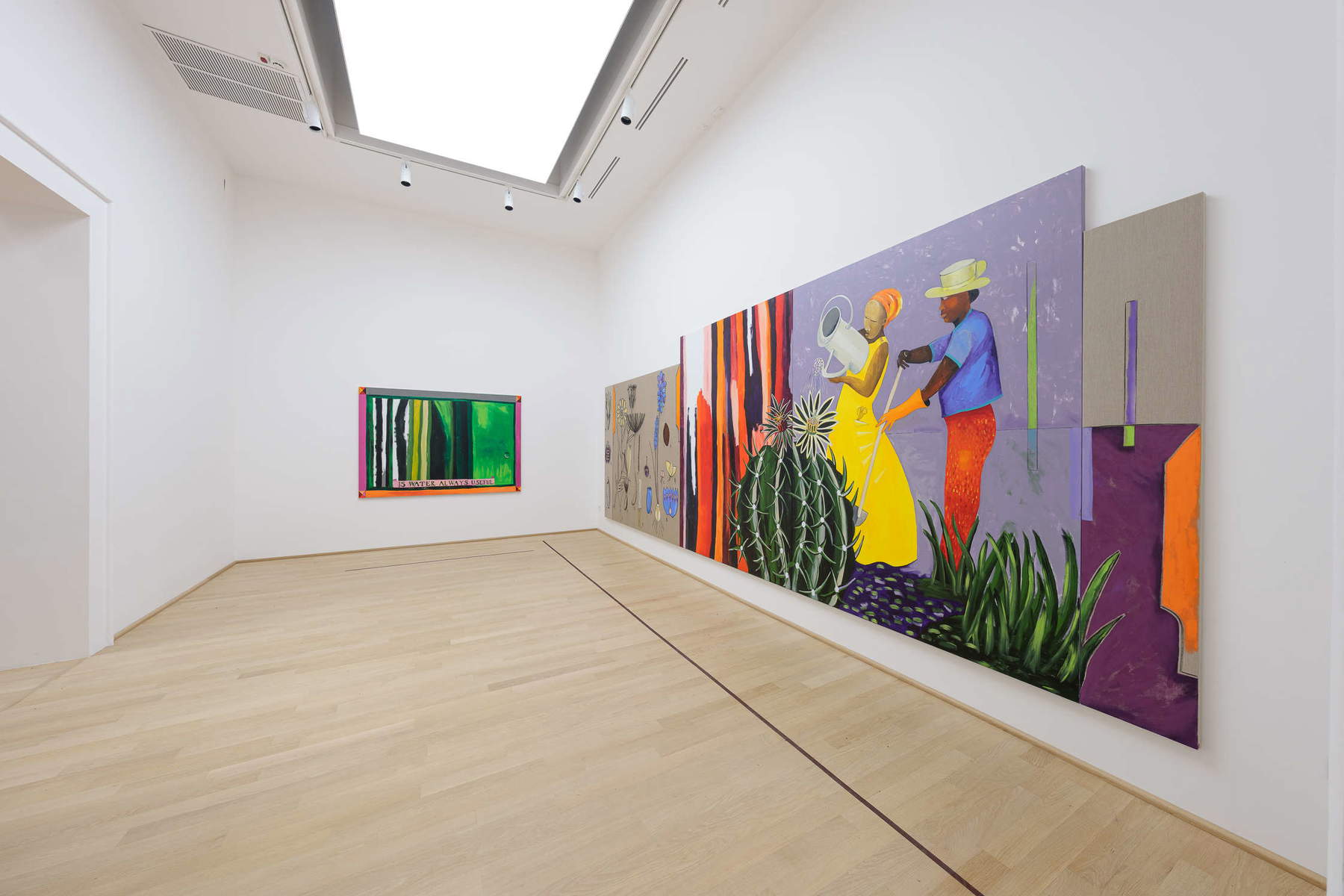
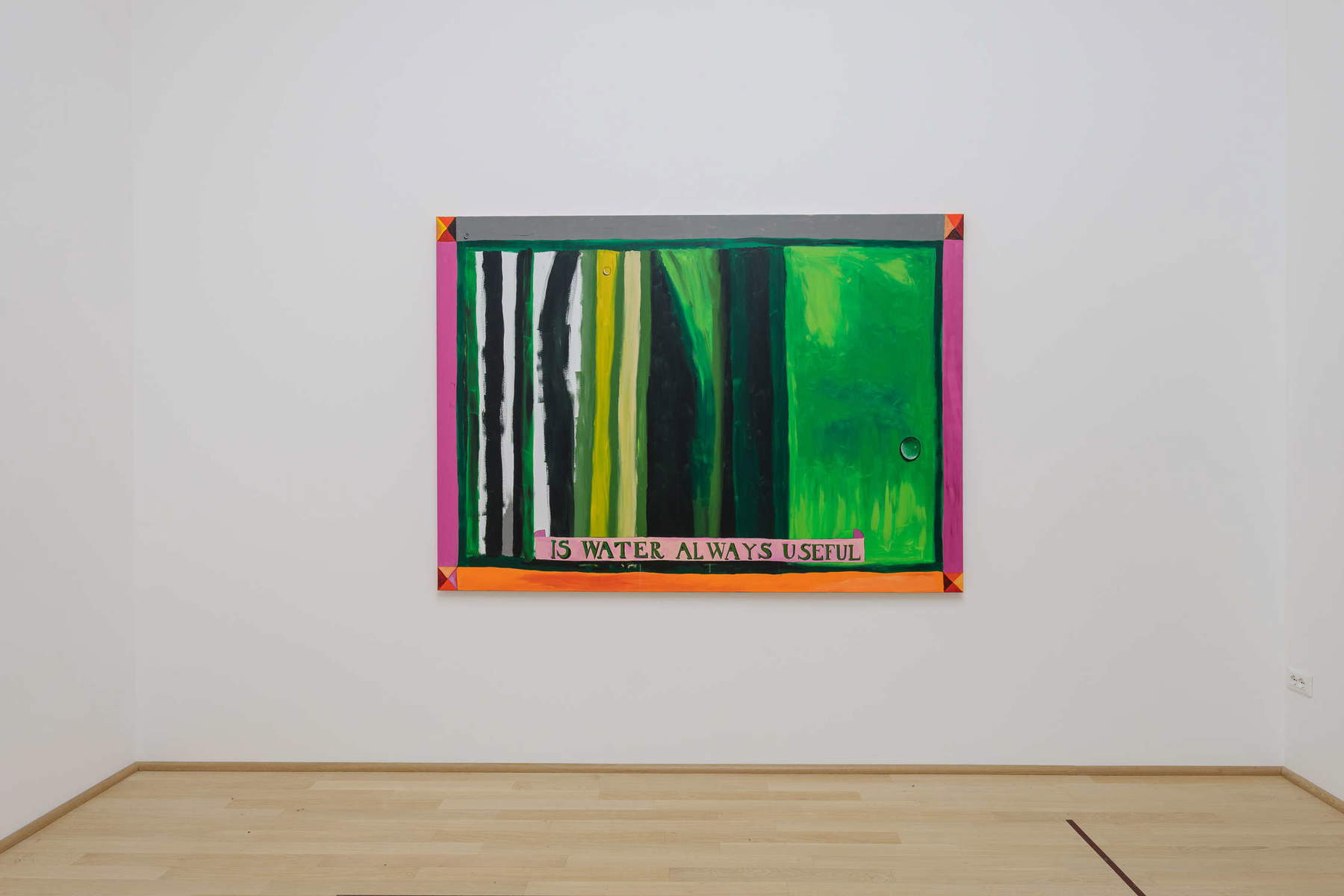
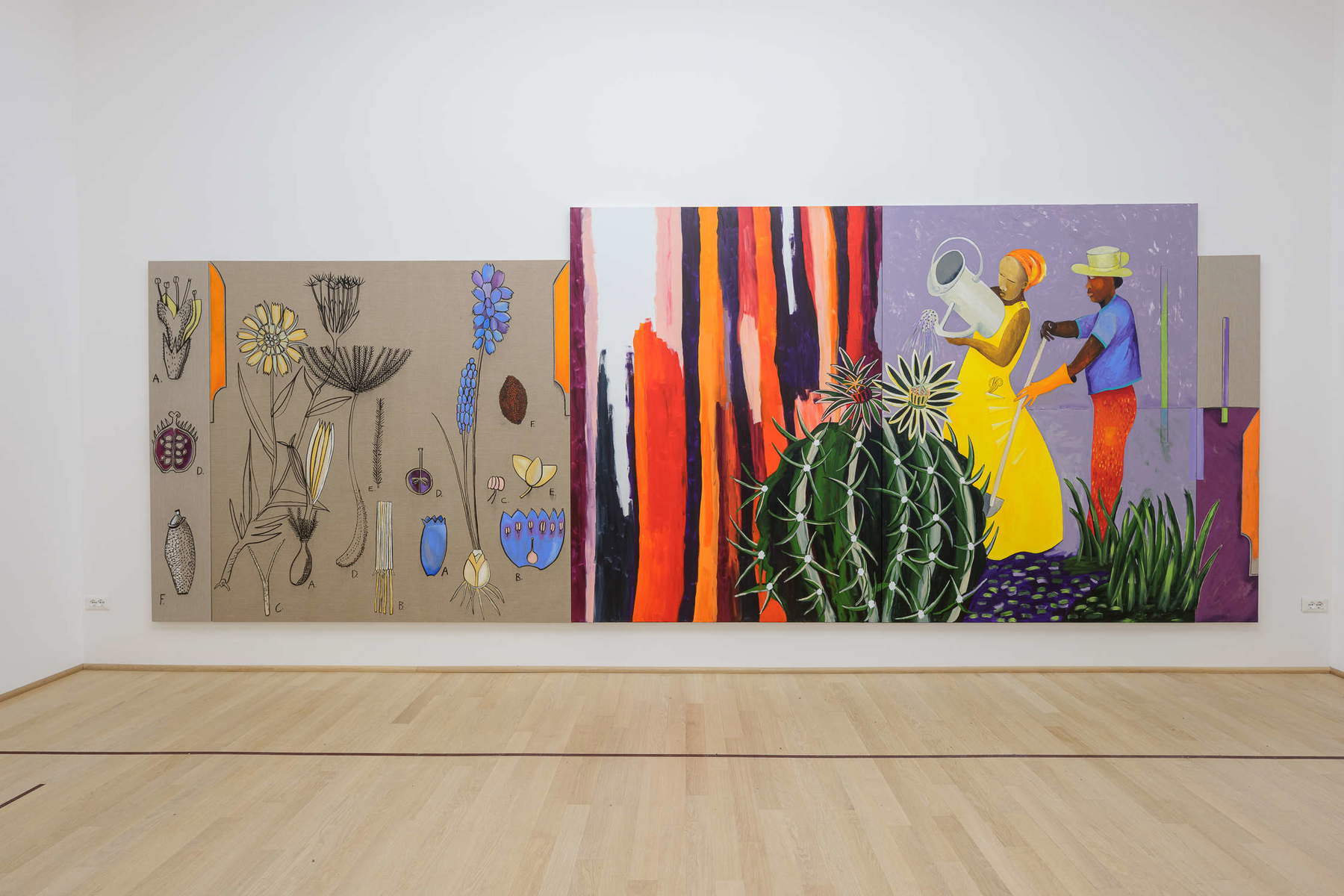
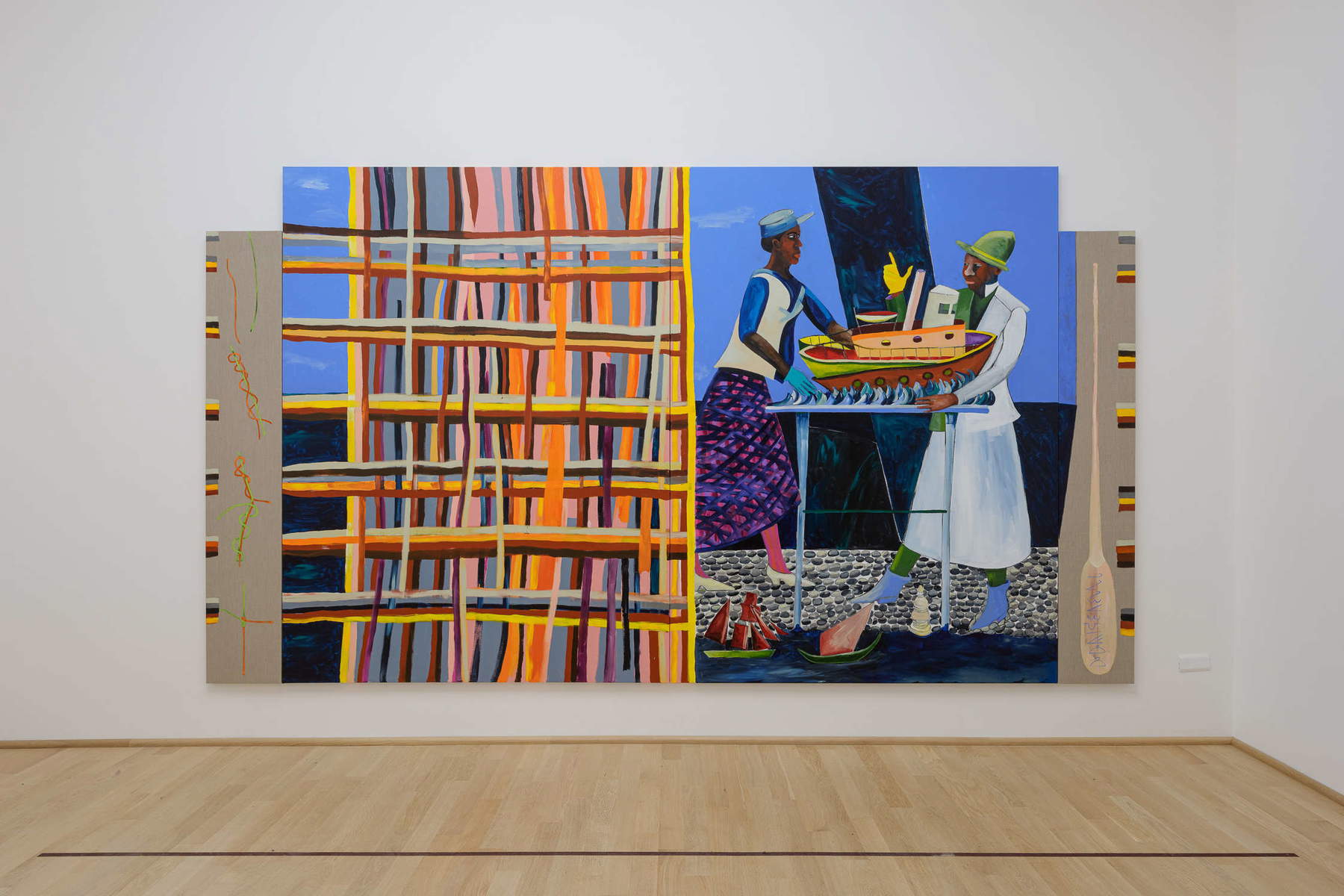
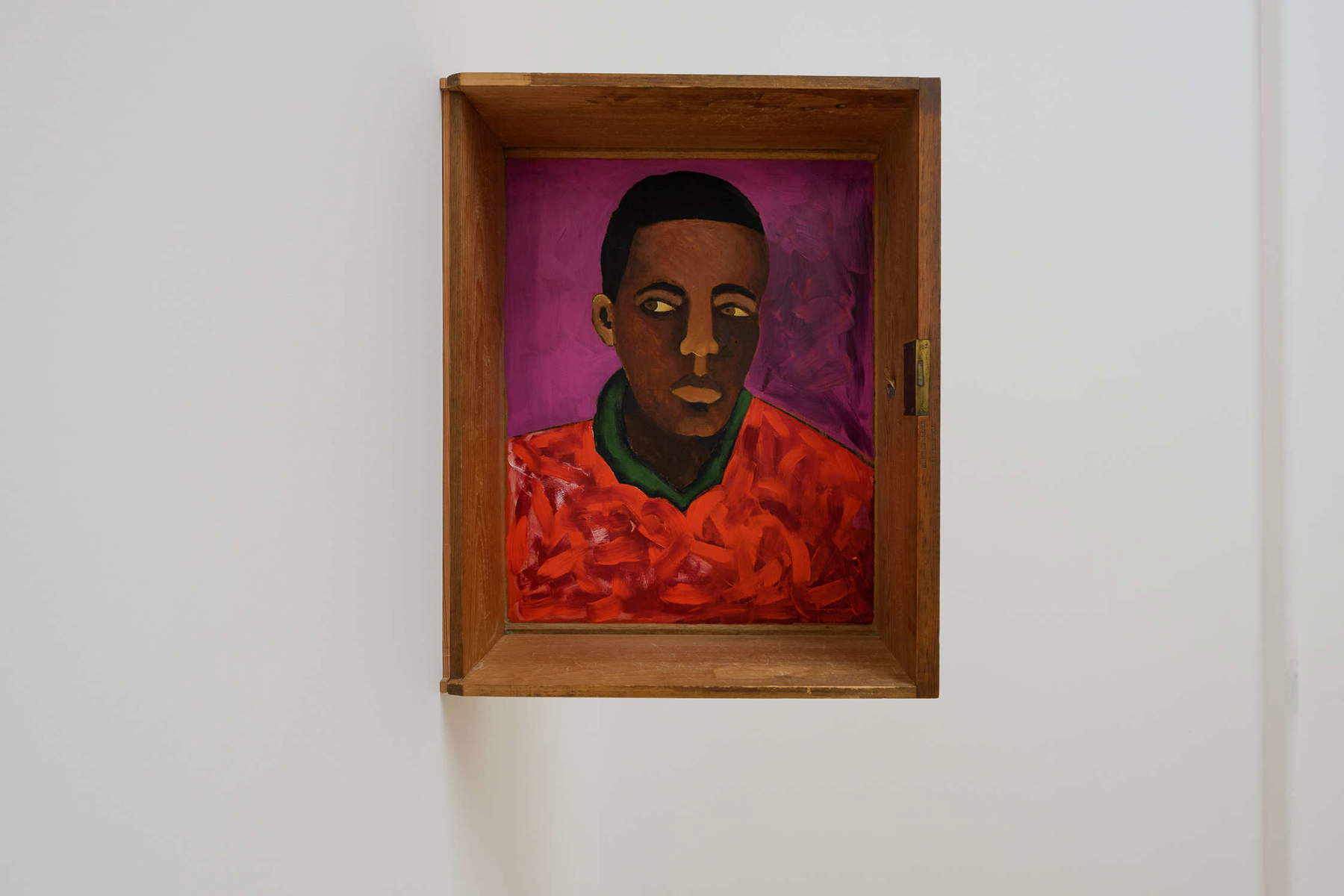
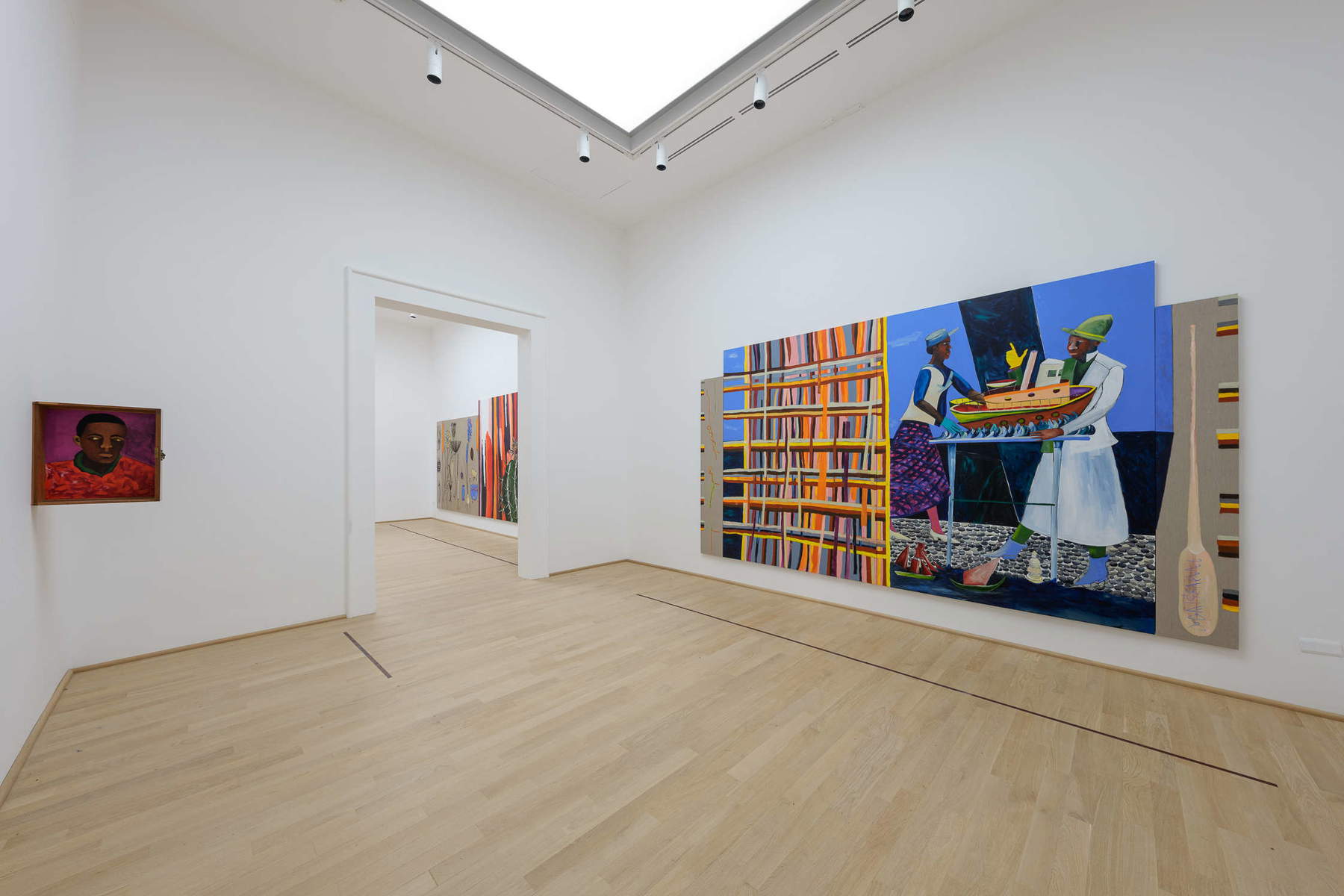
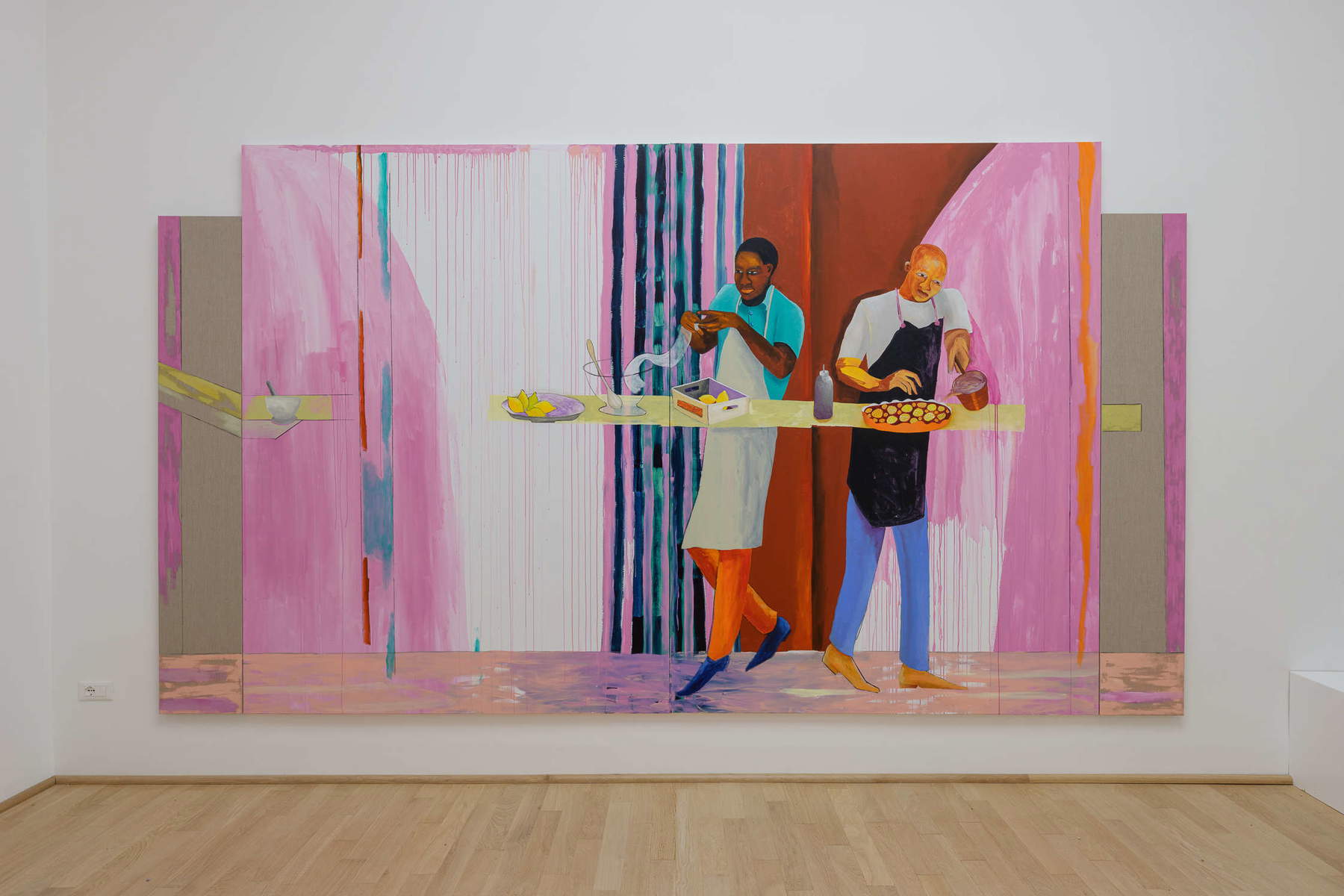
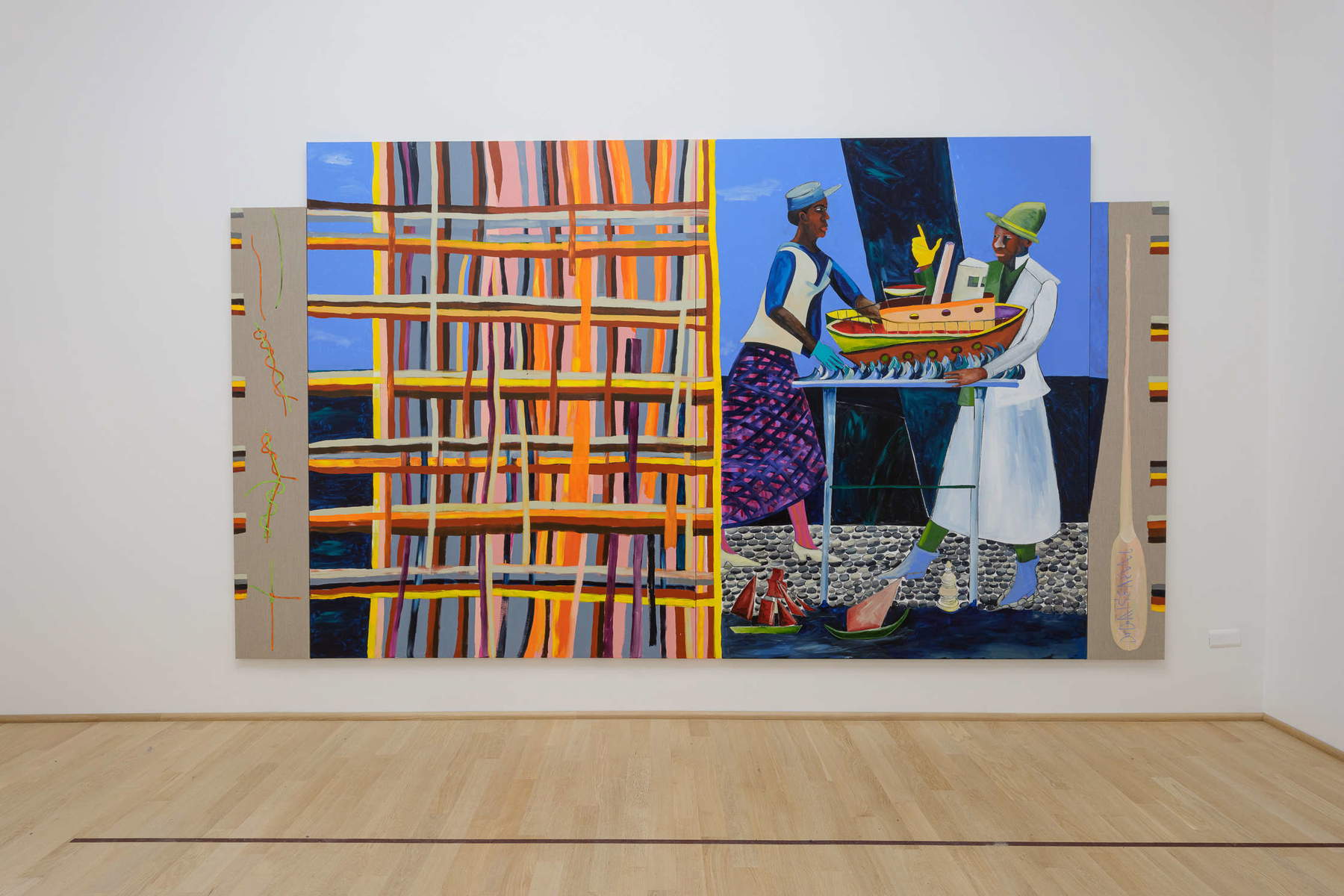
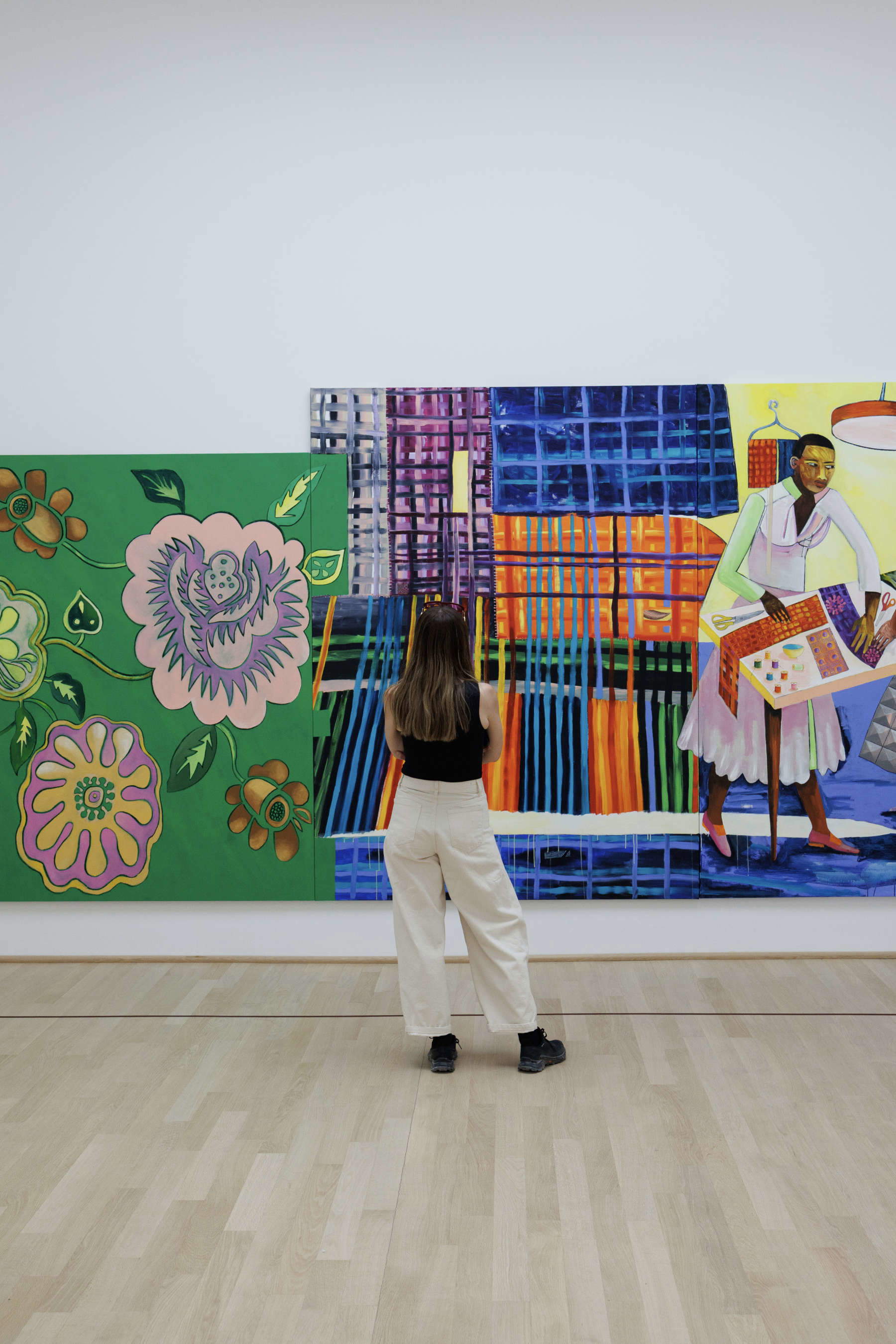
Five large canvases form one of the project’s main focal points: Architects, Tailors, Chefs, Boatbuilders, and Gardeners. The works depict surreal settings in which figures engaged in their work meet and interact: the characters indicated by the titles converse intensely with one another and discuss practical and creative problems, seeking solutions to the difficulties involved in adapting to an unfamiliar environment. The act of working thus also becomes a metaphor for the construction of a sense of belonging—a process in which individuals must continually negotiate their relationship with the place where they find themselves.
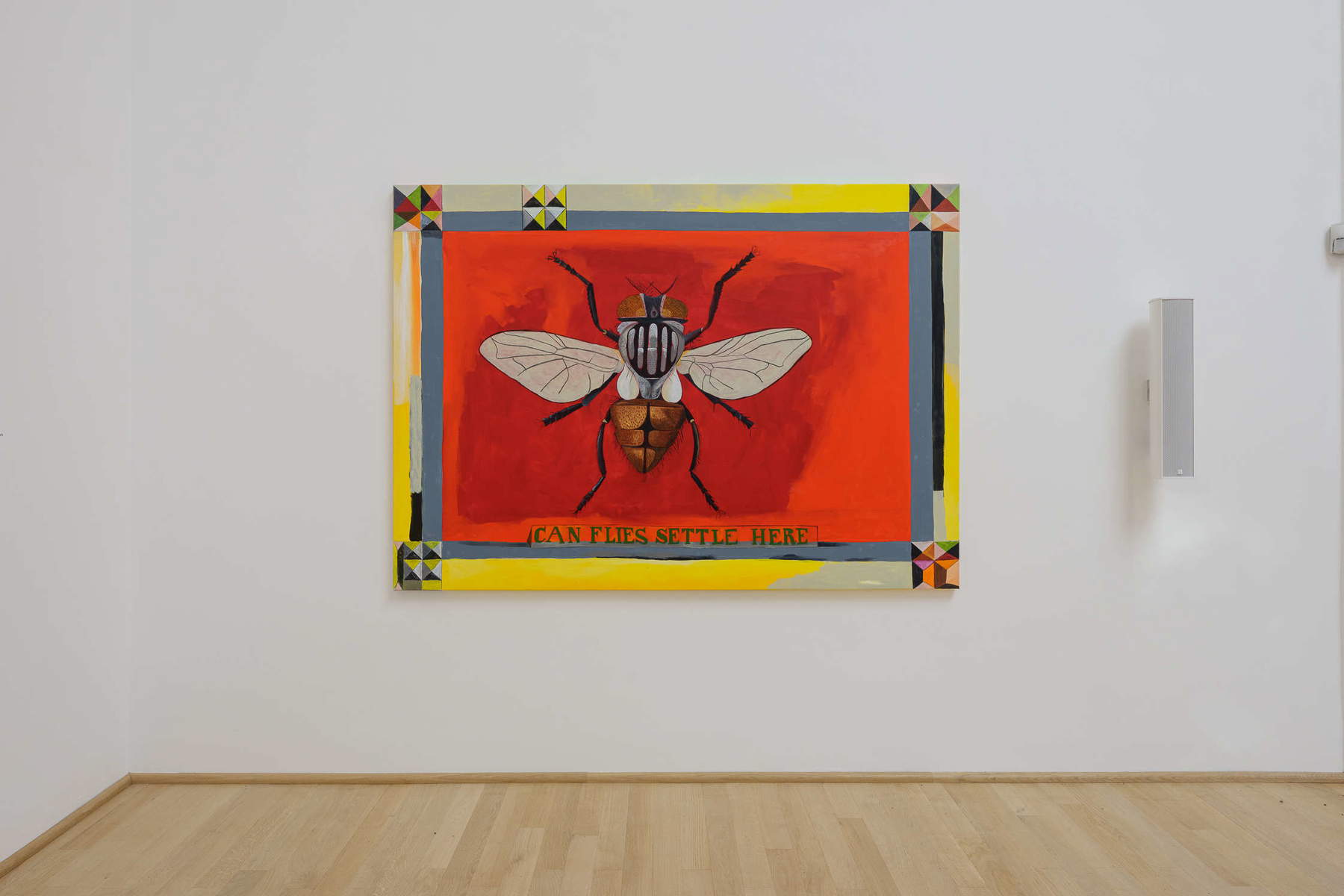
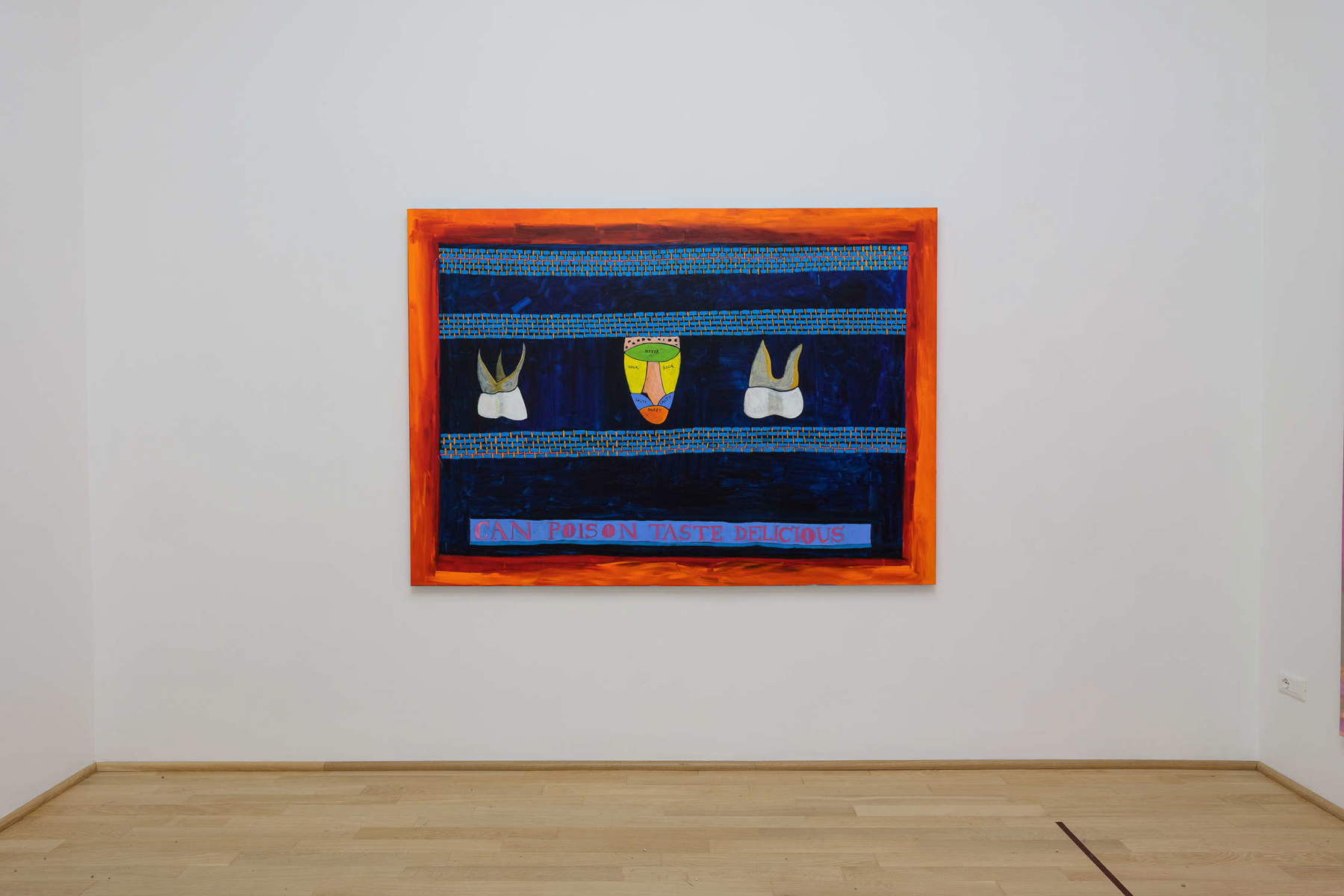
Himid uses the British Pavilion as a symbol of Great Britain: at first glance, it appears welcoming, bright, airy, and full of possibilities, and its atmosphere may evoke that of an idealized British summer day, but this feeling is gradually disrupted by more unsettling elements. Sounds, texts, and images introduce a series of dissonances that call into question the space’s apparent serenity. Some of the questions posed in the paintings serve precisely this unsettling function: *Can Flies Settle Here* and *Can Poison Taste Delicious* question the possibility of inhabiting, welcoming, and recognizing a place, introducing doubt where there would otherwise seem to be only openness. Added to these images is the sound of Nana Mouskouri’s voice performing the folk song “Early One Morning,” contributing to the creation of a melancholic atmosphere linked to loss.
The Pavilion’s neoclassical architecture also becomes an integral part of the reflection. Often interpreted as a symbol of authority and permanence, Himid transforms it into a place where ideas of national and personal identity are put to the test. The building represents Great Britain, but it is precisely this representation that allows us to question what it means to belong to a nation, to be welcomed into a place, or to perceive oneself as an outsider.
The exhibition begins with *Architects*, the first painting visitors encounter. At the center of the scene, two figures discuss how to build a safe place where they can belong. Surrounding them are architectural structures from different climates, belief systems, and traditions: an igloo, a beehive, a church, and a mosque. The variety of architectural forms immediately suggests the multitude of ways in which human beings can conceive of and build a space to inhabit. One of the two figures wears brightly colored clothing inspired by a specific historical period and holds a solid model of a cylindrical house—a structure that offers privacy and protection. The other, elaborately dressed in fringes or feathers, proposes an alternative on wheels, ready to be moved and to flee if necessary. This contrast highlights two different ideas of home: on the one hand, the stability and protection of an enclosed space; on the other, the ability to move and escape from a place that does not guarantee safety.
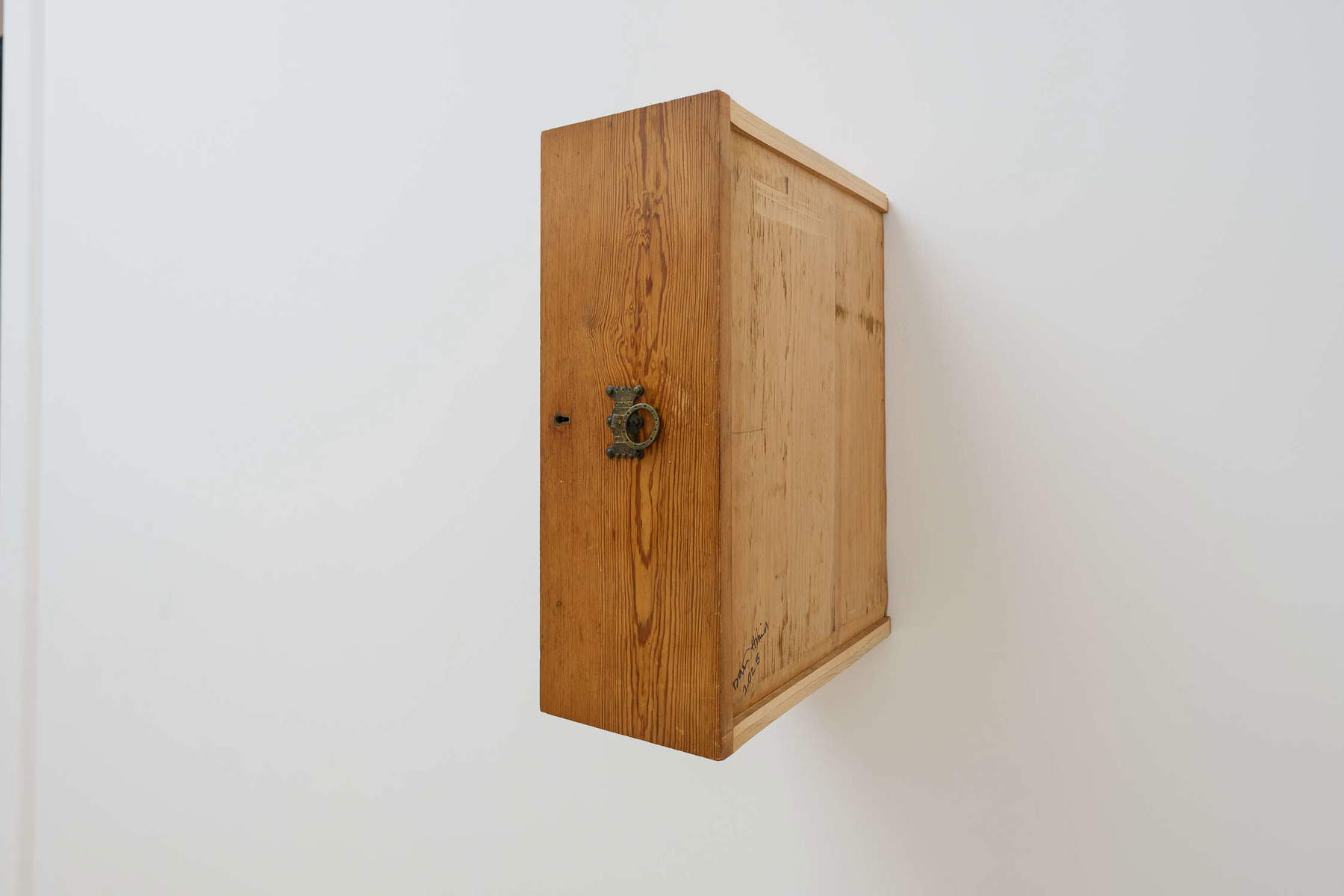
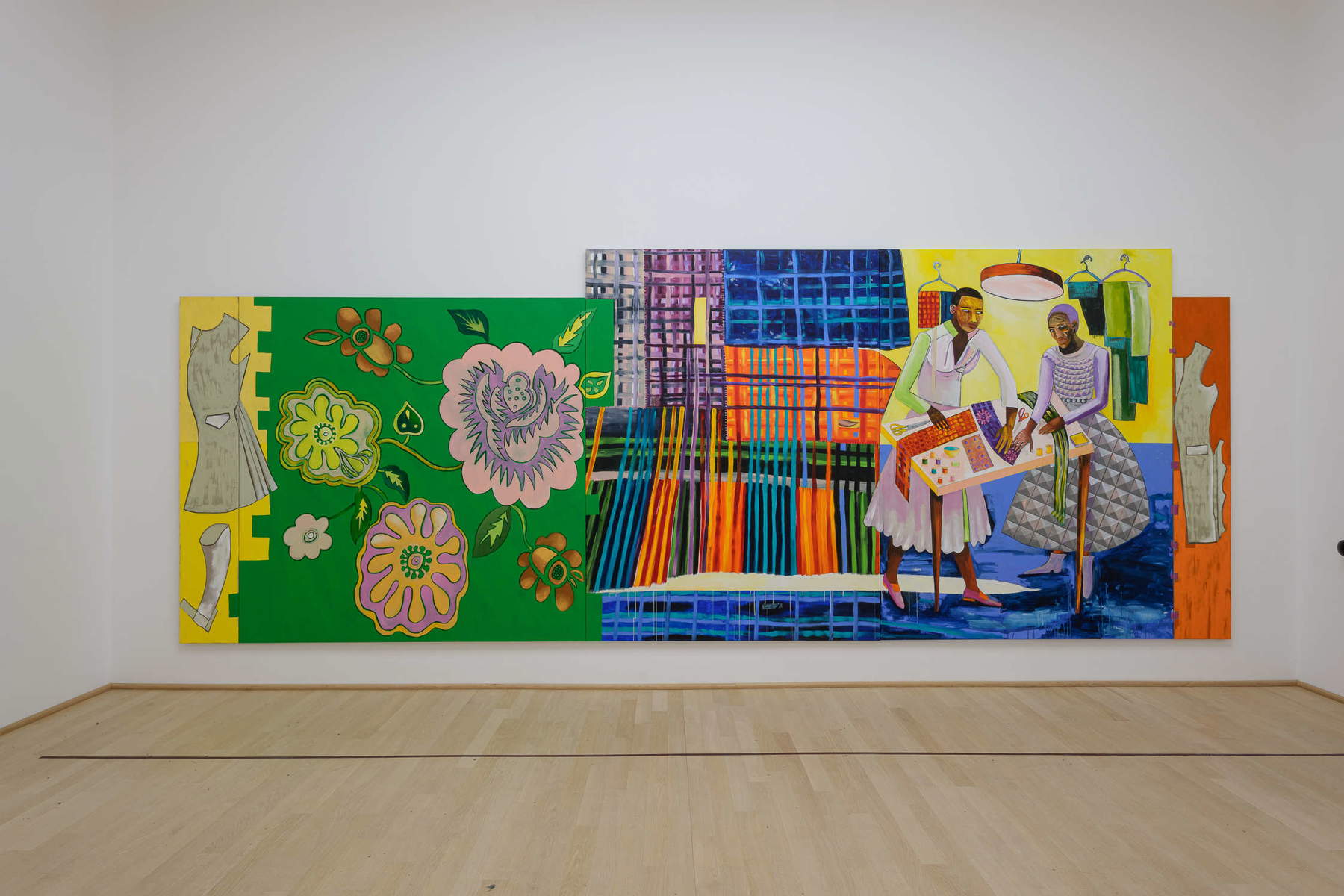
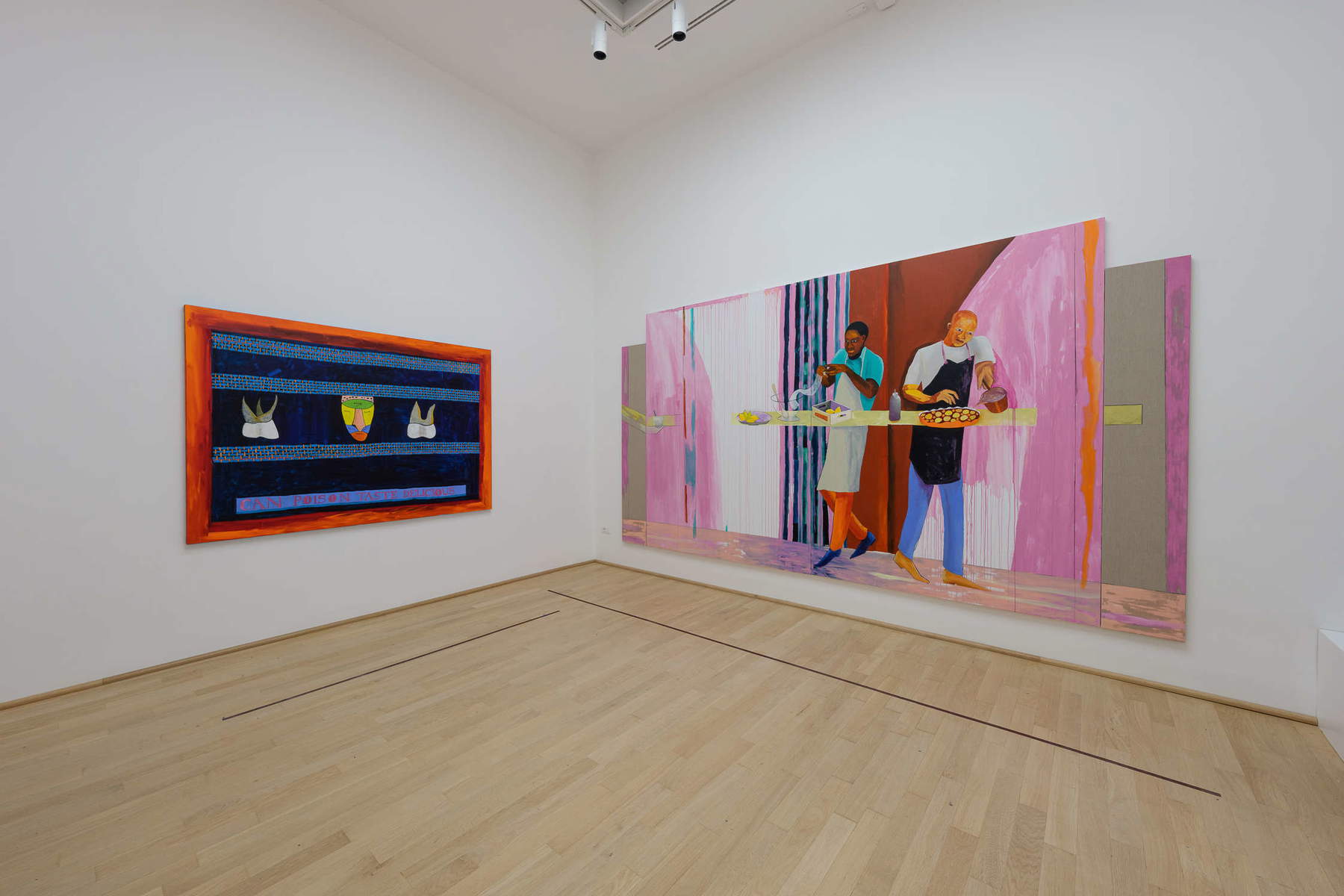
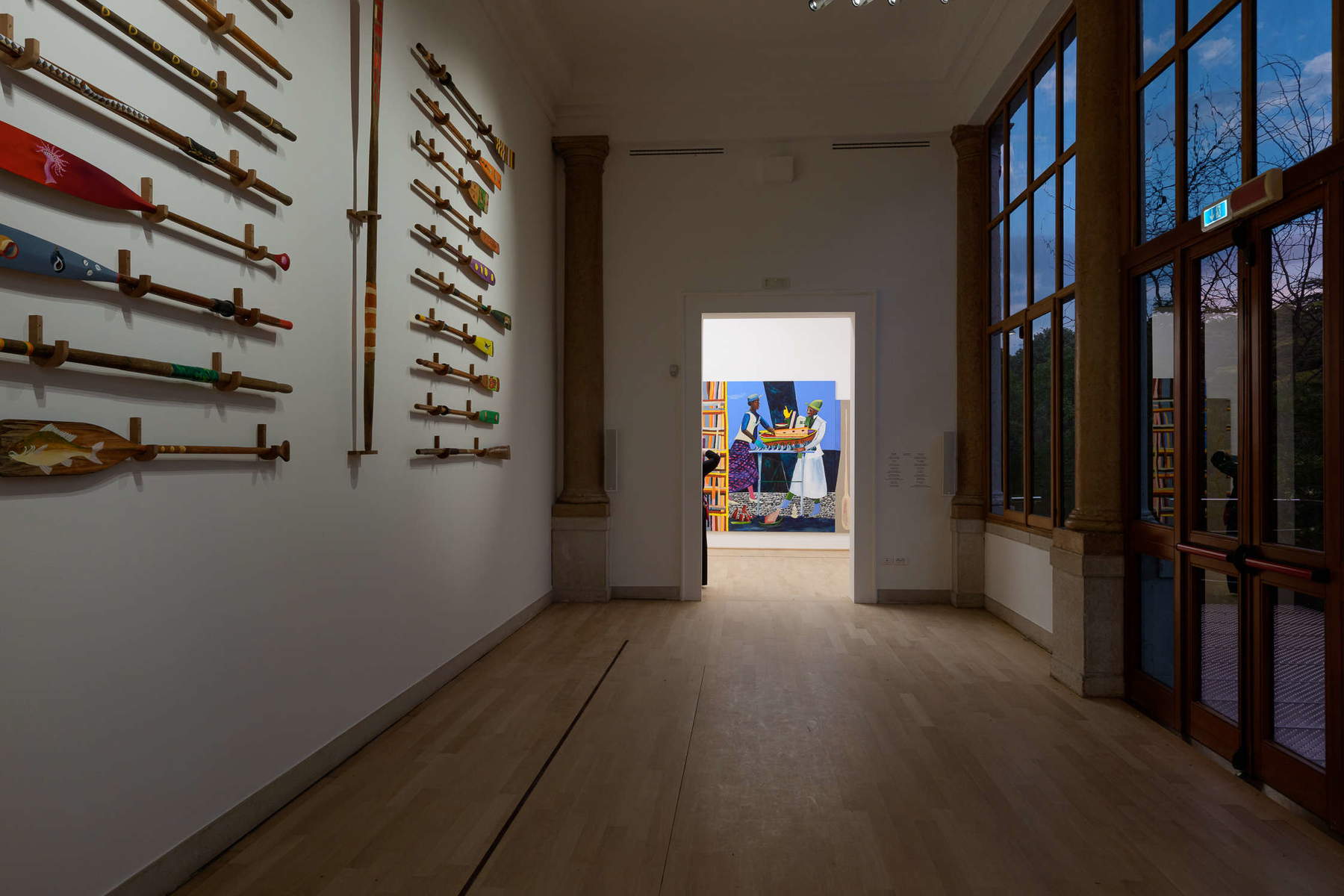
The theme of water and the ocean has been a recurring motif in Himid’s work for decades. In *Predicting History: Testing Translation*, this theme takes on particular significance because it carries with it the history of British maritime power, closely linked to the expansion of the Empire and the slave trade. The ocean is therefore not merely a geographical or natural element, but becomes an archive of history, memory, and violence. This dimension emerges particularly clearly in *Boatbuilders*, where two elegantly dressed figures engage in a lively exchange in front of a model boat: here, too, the characters are deep in discussion, weighing the various options available to them.
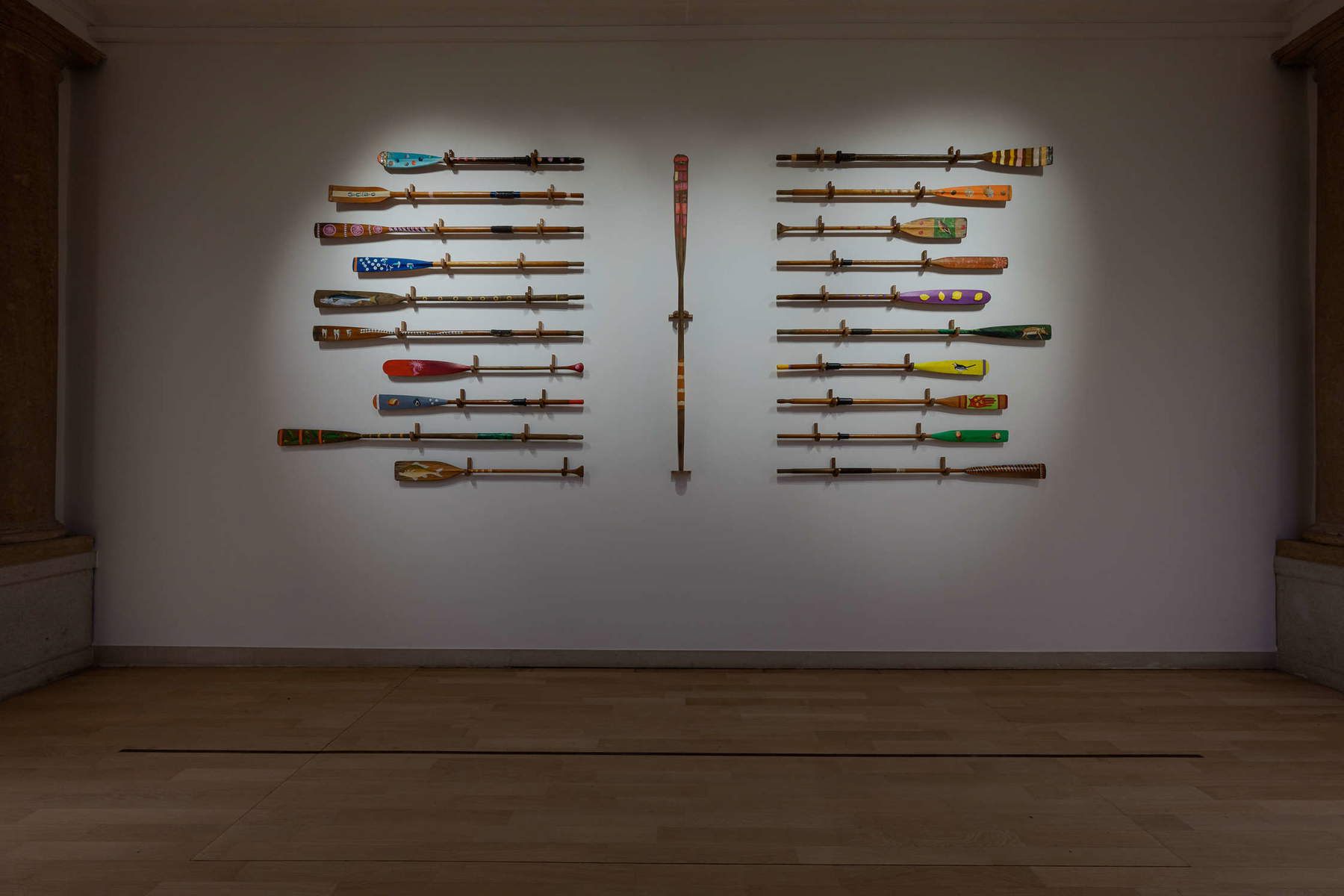
Next to the scene, several painted wooden oars evoke the maritime history of Venice, a city built on its relationship with water and historically linked to commerce and trade. Looking toward the lagoon, the oars seem to create an illusion of escape. They might suggest the possibility of setting sail and leaving one’s current location, but their mismatched shapes quietly introduce the opposite idea: departure is not so simple, and the illusion of always being able to escape does not necessarily correspond to reality.
The project also continues with a series of works that expand on Himid’s research into East African kangas. These are traditionally decorated textiles worn by women, often featuring humorous or satirical images and a structure in which a central image is accompanied by proverbs capable of conveying codified social meanings. Himid adopts this format and transforms it into a tool for reflecting on language as a lived form of communication. Words and images pass from one body to another, from one story to another, from one context to another. The translation evoked by the exhibition’s title thus becomes something broader than mere linguistic conversion: it concerns the need to interpret meanings, gestures, behaviors, and identities when navigating different cultural environments.
Following the conclusion of the Venice Biennale, *Predicting History: Testing Translation* will also be presented at several venues in the United Kingdom thanks to the support of Art Fund. The tour will thus allow the installation to continue its journey beyond Venice and engage with new audiences. The planned stops will be at the Herbert Art Gallery and Museum in Coventry from February 12 to May 23, 2027, at the MAC Belfast from June 11 to August 22, 2027, and at the Glynn Vivian Art Gallery in Swansea from September 24, 2027, to January 9, 2028. Art Fund is supporting the commission and the tour that will bring the installation to these UK venues. The project also benefits from the support of several Supporting Partners: Frieze, in its second collaboration with the British Council’s commission for the British Pavilion; Cork Street Galleries, an initiative of The Pollen Estate; the Henry Moore Foundation; the Rothschild Foundation; the Girlfriend Fund; and Bloomberg Philanthropies, the digital partner. Significant support also comes from the Himid Circle, comprising Jill Hackel and Andrzej Zarzycki, Elia Mourtzanou, Suzanne McFayden, and the Nelumbo Collection, the Cingilli Collection, Hollybush Gardens, and Greene Naftali, as well as from Shane Akeroyd and the British Council’s Ambassador Circle and Global Circle. The British Council’s commission for the British Pavilion at the Venice Biennale is curated by Ese Onojeruo and directed by Emma Dexter as commissioner.
Born in 1954 in Zanzibar, Lubaina Himid is one of the pioneers of the Black British Art Movement. Throughout the 1980s and 1990s, she curated several major exhibitions dedicated to the art of Black women artists, helping to bring visibility to a body of work that had been excluded from mainstream gallery circuits.
Himid’s training in theater is key to understanding the performative nature of her works. The artist studied Theater Design at Wimbledon College of Art and has since developed a deep interest in the materiality and performativity of painting. This approach is also evident in her cut-outs—figurative paintings created on freestanding, shaped panels that allow visitors to walk among the figures.
Himid lives and works in Preston, United Kingdom, and is Emeritus Professor of Contemporary Art at the University of Lancashire. She received the Turner Prize in 2017, the Maria Lassnig Prize in 2023, and the Suzanne Deal Booth | Flag Art Foundation Prize in 2024. She has exhibited extensively in the United Kingdom and internationally. The artist is represented by Hollybush Gardens in London and Greene Naftali in New York.
In recent years, her solo exhibitions have been held at major international institutions. In 2025, she exhibited at MUDAM in Luxembourg and at Kettle’s Yard in Cambridge—in both cases with Magda Stawarska—as well as at UCCA in Beijing. In 2024, she presented *Make Do and Mend* at Contemporary Austin in Texas and at the FLAG Art Foundation in New York, *Barricades* at Hollybush Gardens in London, and *Street Sellers* at Greene Naftali in New York.
In 2023, she exhibited *Plaited Time/Deep Water* at the Sharjah Art Foundation in the United Arab Emirates and *What Does Love Sound Like? * at Glyndebourne in Lewes. In 2022, she presented *So Many Dreams* at the Musée cantonal des Beaux-Arts in Lausanne, *Water Has a Perfect Memory* at Hollybush Gardens in London, and *Zanzibar* at the Van Abbemuseum in Eindhoven. In 2021, a solo exhibition dedicated to the artist was hosted at the Tate Modern in London.
In 2019, *Lubaina Himid* was presented at Tate Britain in London, *Spotlights* and *The Grab Test* at the Frans Hals Museum in Haarlem, *Lubaina Himid* at the CAPC in Bordeaux, and *Work From Underneath* at the New Museum in New York. In 2018, *Gifts to Kings* was presented at the MRAC Languedoc-Roussillon-Midi-Pyrénées in Sérignan, and *Our Kisses Are Petals* at the BALTIC Center for Contemporary Art in Gateshead. In 2017, the artist presented *The Truth Is Never Watertight* at the Badischer Kunstverein in Karlsruhe, *Navigation Charts* at Spike Island in Bristol, and *Invisible Strategies* at Modern Art Oxford.
Her participation in group exhibitions is equally extensive. In 2025, she took part in *Connecting Thin Black Lines 1985–2025* at the ICA in London, *Feelings in Common* at the Pera Museum in Istanbul, *Remember Respond Resist* at The Box in Plymouth, and *Changes* at the CCA Łaźnia in Gdańsk, Poland. In 2024, she was included in *Friends in Love and War – L’Éloge des meilleur.es ennemi.es* at macLYON in Lyon and the Ikon Gallery in Birmingham, *The Time is Always Now: Artists Reframe the Black Figure at the Philadelphia Museum of Art, The Box in Plymouth, and the National Portrait Gallery in London; Entangled Pasts, 1768–now at the Royal Academy of Arts in London; and Women in Revolt! at the National Galleries of Scotland in Edinburgh and Tate Britain in London. In 2020, she was featured in *Risquons-Tout* at the WIELS Contemporary Art Center in Brussels.
Lubaina Himid’s works are held in numerous museum and public collections. These include the Tate in London, the British Council Collection, the Arts Council Collection, the UK Government Art Collection, the Victoria & Albert Museum in London, National Museums Liverpool, and the Whitworth Art Gallery in Manchester. They are also held in the Women’s Art Collection at the University of Cambridge, the Museum Ludwig in Cologne, the Musée cantonal des Beaux-Arts in Lausanne, the Museum of Modern Art in Warsaw, the Van Abbemuseum in Eindhoven, the CAPC Musée d’art Contemporain de Bordeaux, the Guggenheim in New York, the Guggenheim Abu Dhabi, the Hammer Museum in Los Angeles, the Baltimore Museum of Art in Maryland, the Rhode Island School of Design in Providence, and the Sharjah Art Foundation in the United Arab Emirates.
|
| Lubaina Himid brings a reflection on home and belonging to the British Pavilion in Venice |

Warning: the translation into English of the original Italian article was created using automatic tools. We undertake to review all articles, but we do not guarantee the total absence of inaccuracies in the translation due to the program. You can find the original by clicking on the ITA button. If you find any mistake,please contact us.



















 IT
IT FR
FR DE
DE ES
ES CN
CN


