



by Redazione 22/10/2026


Categories: Events / Disclaimer
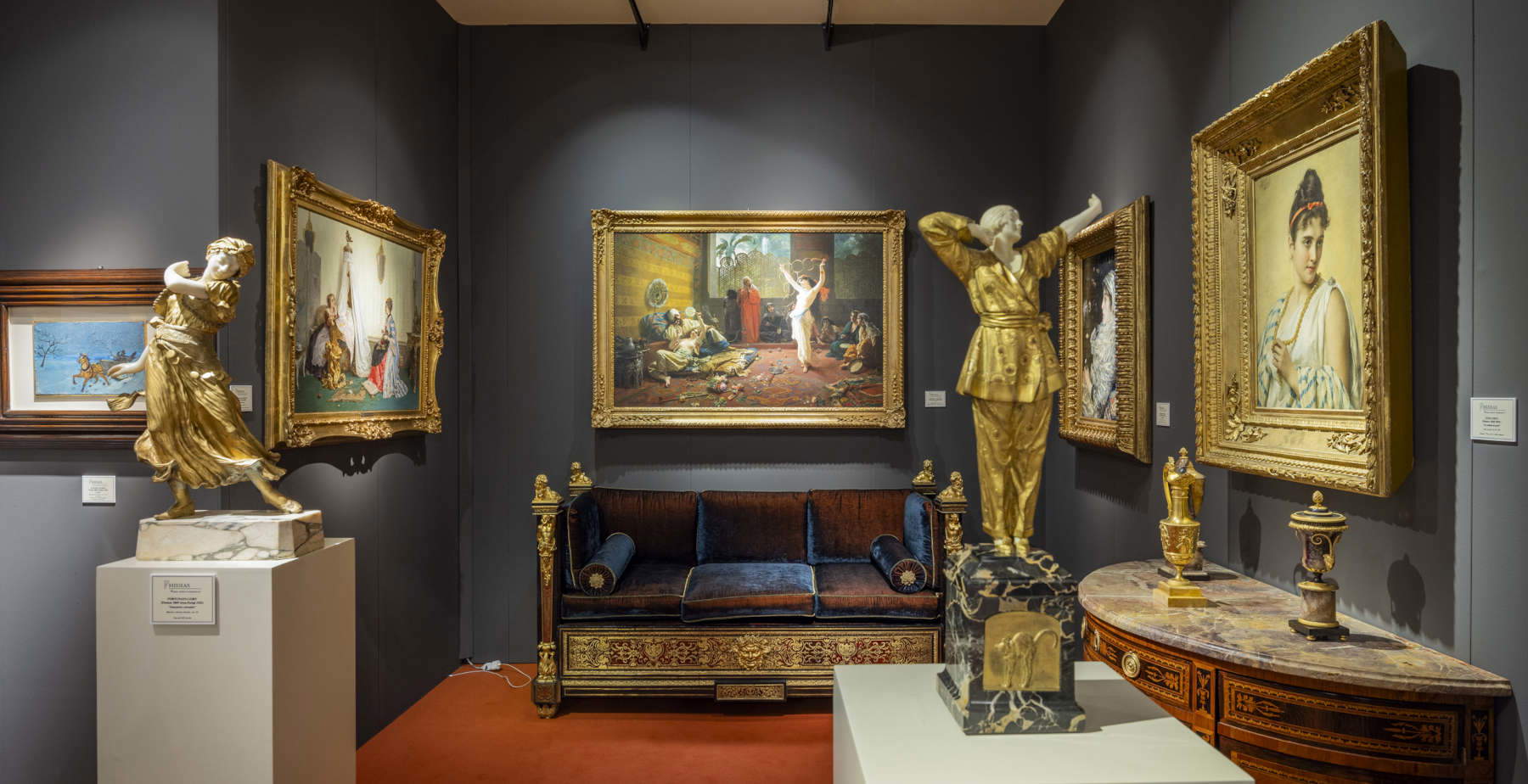
From November 5 to 8, the Museo della Permanente will host the eighth edition of AMART, featuring over 60 Italian and international galleries. Alongside ancient paintings and sculptures, the event will also showcase design and the decorative arts. Here are a few highlights.


Paintings, sculptures, furniture, silverware, rugs, and decorative art objects, along with modern works and design pieces:the world of antiques encompasses diverse fields, all united by the history of the objects and the research that deepens our understanding of them. AMART, the Milanese antiques fair, focuses on this very diversity. It returns from November 5 to 8, 2026, at the Museo della Permanente, featuring over 60 Italian and international galleries.

Now in its eighth edition, the event is organized by the Associazione Antiquari Milanesi and PROMO.TER Confcommercio Milano. Launched in 2018, it brings together exhibitors specializing in various sectors, from paintings to sculptures, from furniture to silverware, from jewelry to rugs. The aim is to present a selection of works and artifacts in which the quality of the pieces and the expertise of the antique dealers are the primary selection criteria.
The exhibition is aimed at collectors, scholars, and enthusiasts, as well as the general public interested in gaining a deeper understanding of a field in which the valuation of an object depends on research, study, and accurate attributions. Alongside works traditionally associated with the antiques market, the event also includes modern art, design, and the decorative arts, broadening the dialogue across eras, artistic styles, and types of artifacts.



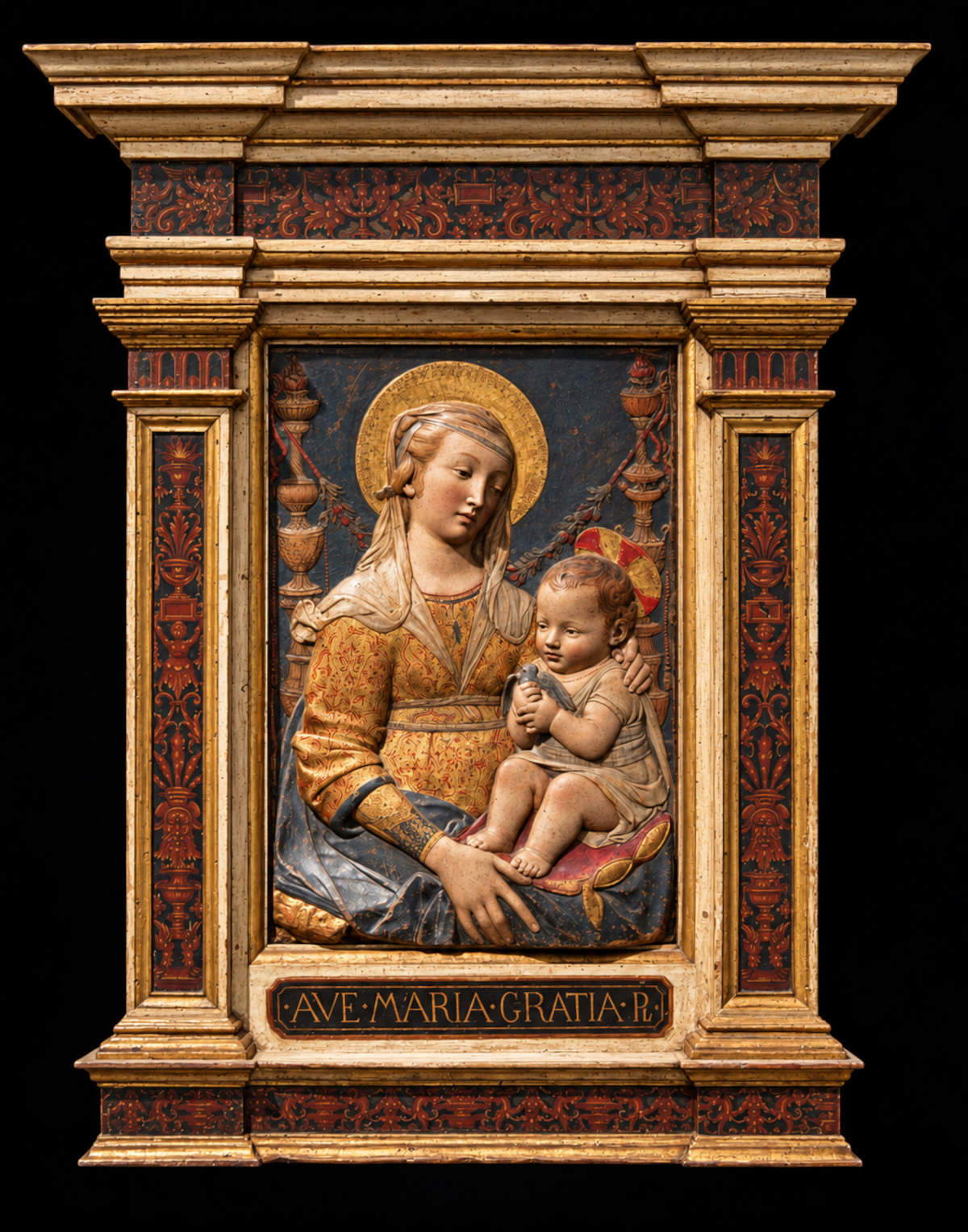
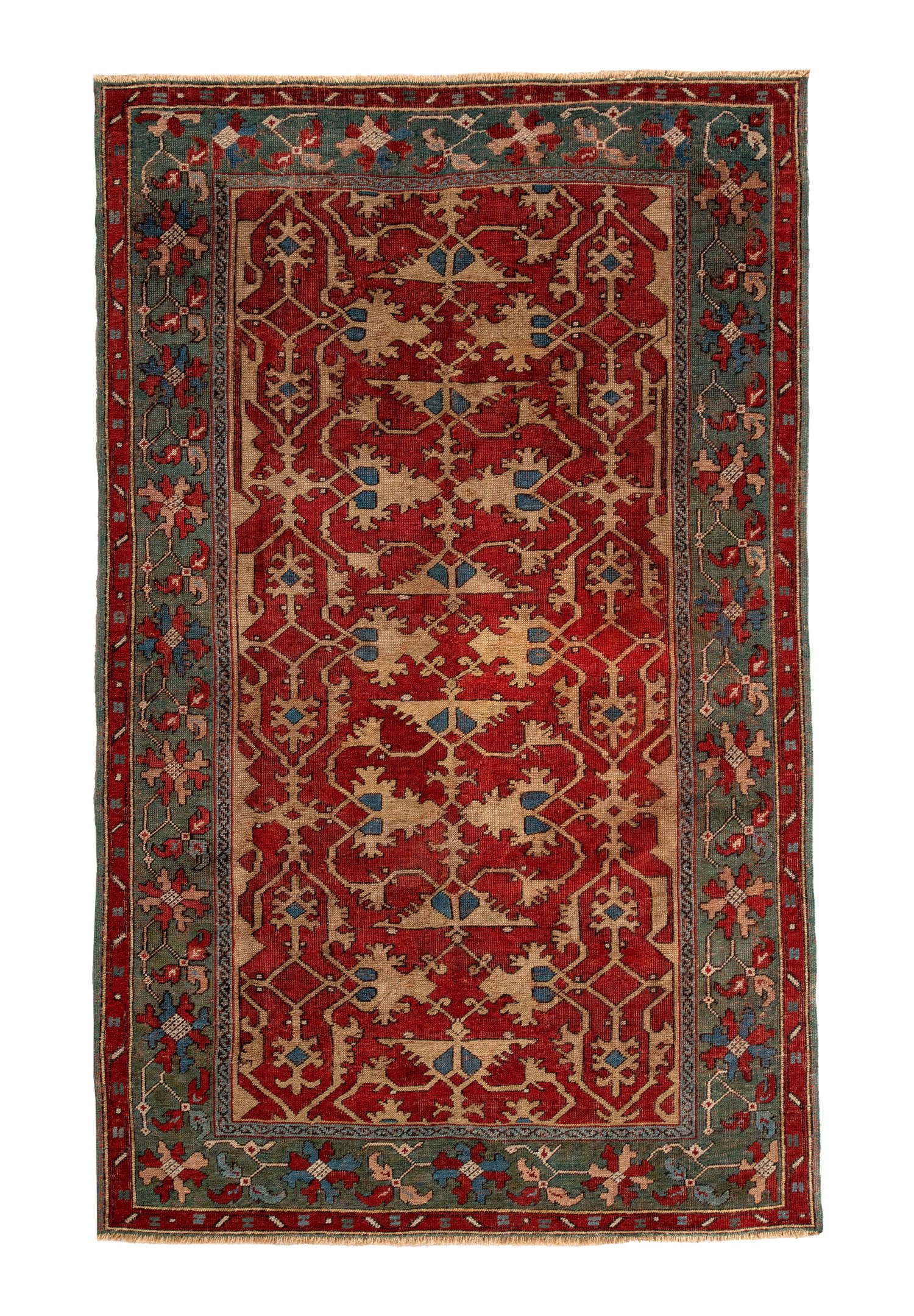
Among the announced works is Antonio Rossellino ’s *Madonna delle candelabre* (Settignano, 1427 – Florence, 1478/1481), dated to circa 1457–1461 and presented by Altomani & Sons: the bas-relief is made of stucco and retains its original polychromy and gilding. Another object of particular interest is the late 16th-century Anatolian carpet offered by Mirco Cattai: measuring 175 by 107 centimeters, it originates from the Uşak region in Central Anatolia and is described by the gallery as one of only four known examples in the world.
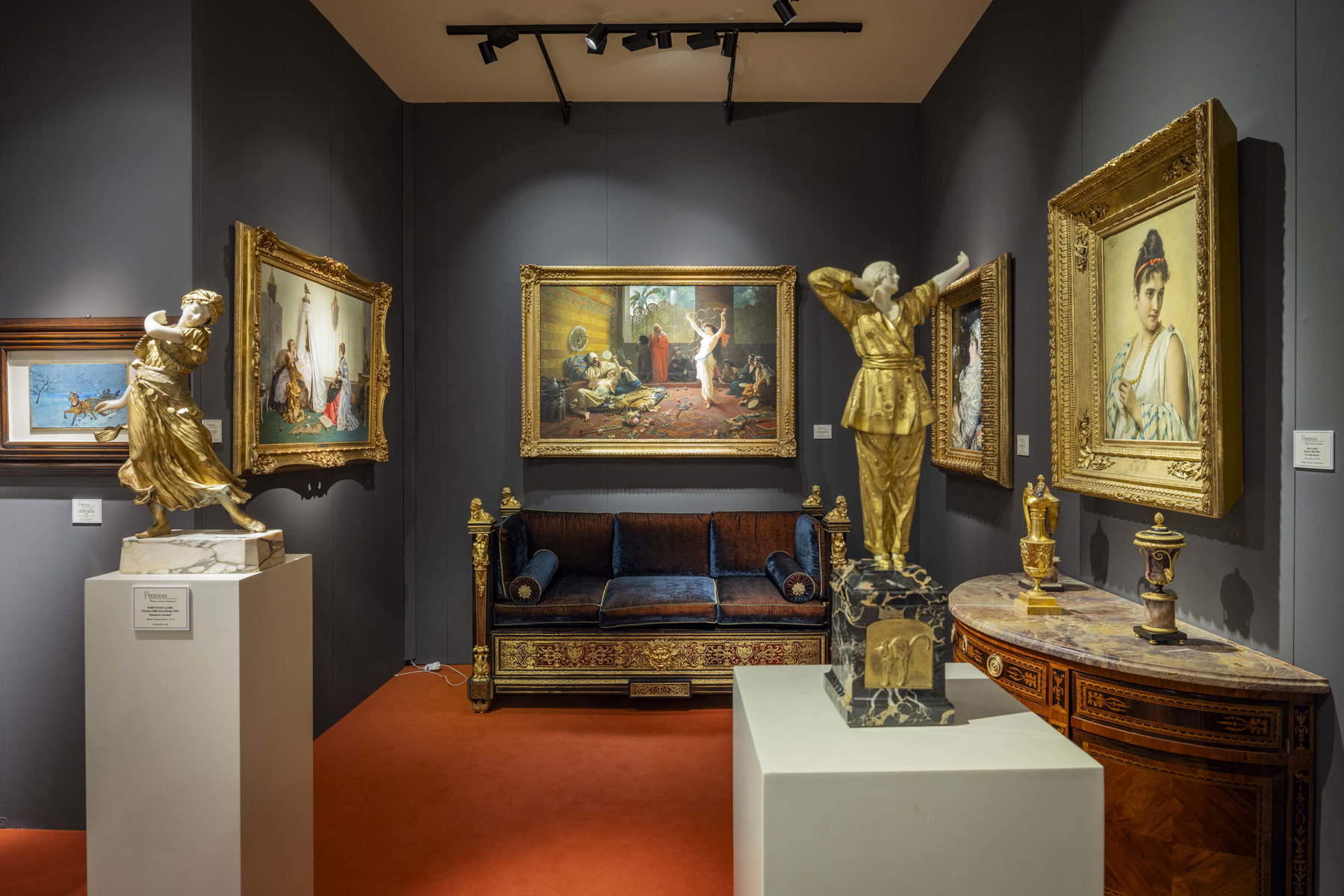
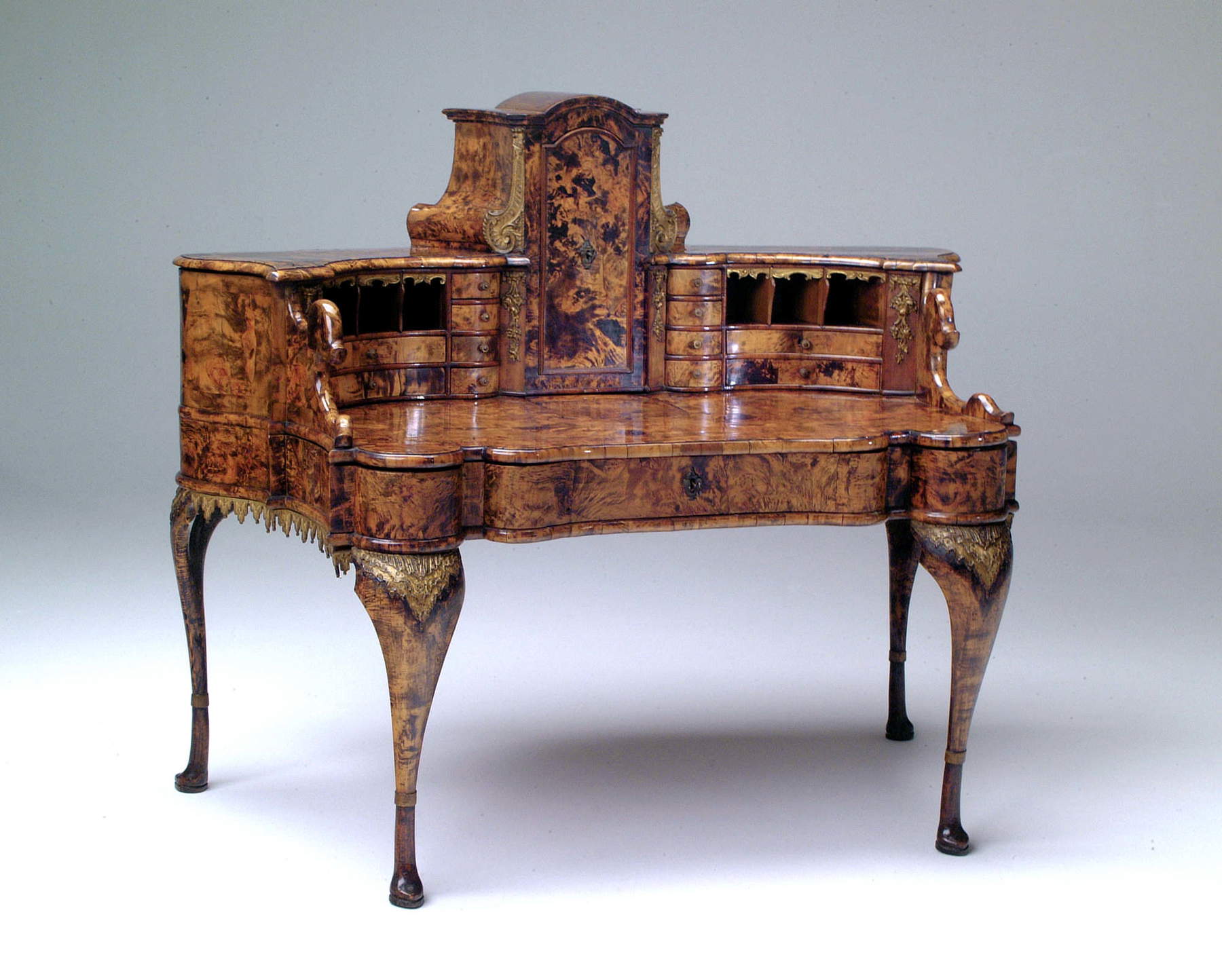
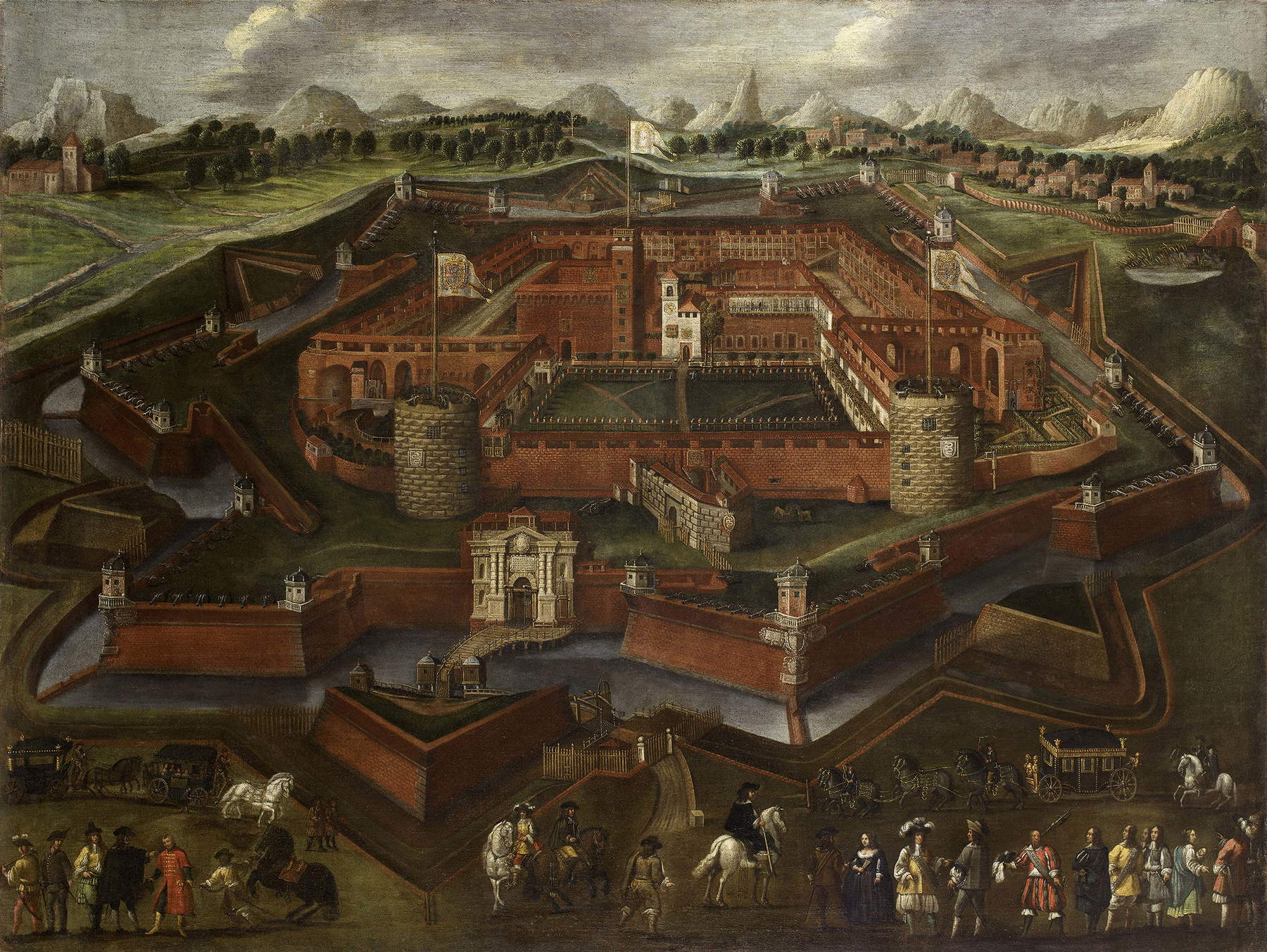
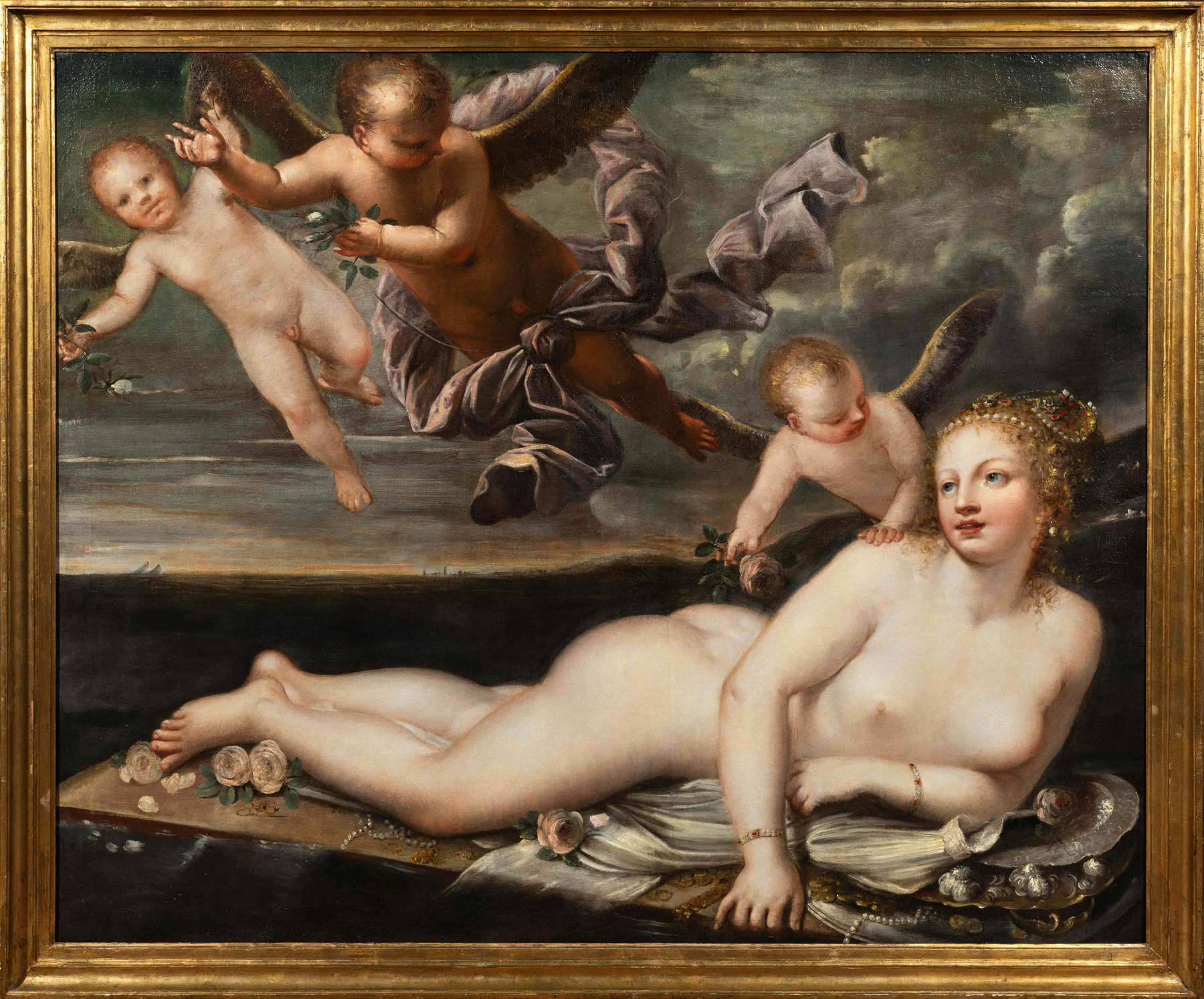
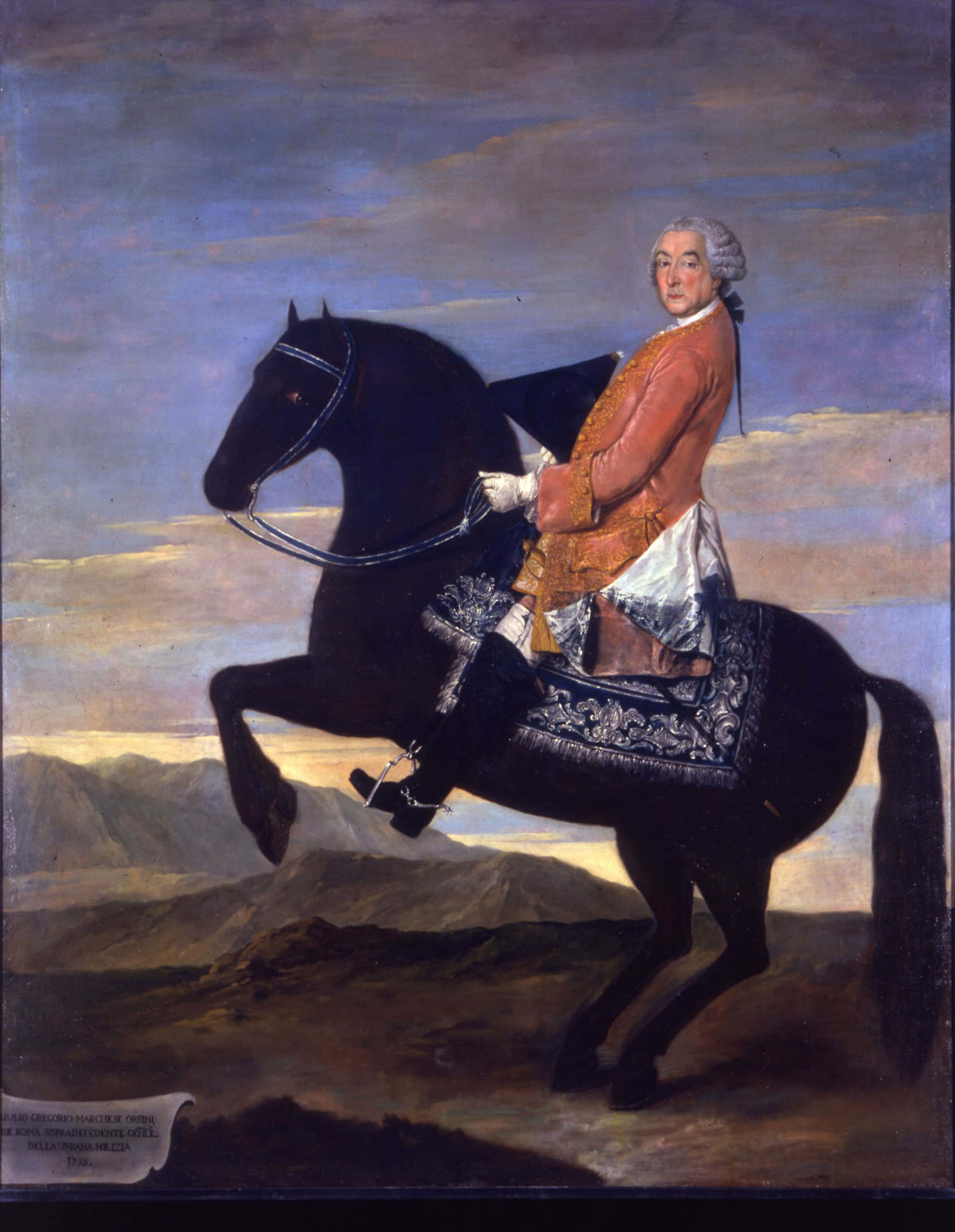
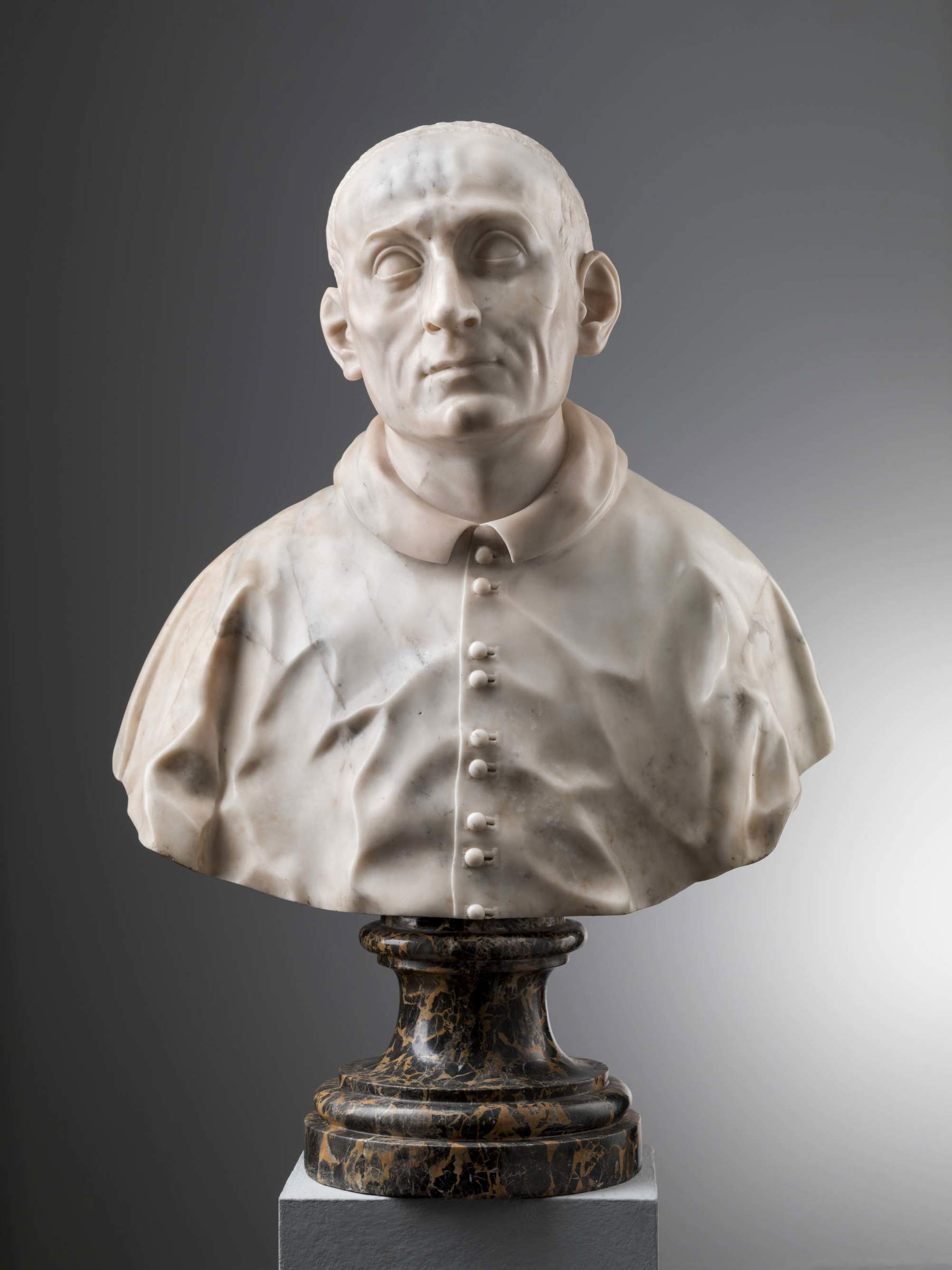
The exhibition also includes a mid-18th-century center desk, crafted in the Ferrara cabinetmaking tradition and featuring gilded carvings, presented by Piva & C. Among the paintings, Carlo Orsi will exhibit a View of the Sforza Castle in Milan from the 17th-century Lombard school, an oil on canvas measuring 150 by 198 centimeters, with an estimated value of 100,000 euros. Also announced is a large portrait by Giacomo Ceruti (Milan, 1698–1767), depicting Giulio Gregorio Orsini, general superintendent of the Urban Militia, dated 1755. Among the other notable works is *Venus and Cupids* by Marco Liberi (Venice, 1644 – documented until 1696), offered by Tornabuoni Arte Antica. Botticelli Antichità, on the other hand, will present a marble bust of Saint Charles Borromeo by Ercole Ferrata (Pellio Inferiore, 1610 – Rome, 1686), and rounding out the selection will be a complete set of Pisan-style armor, crafted by a Milanese master armor-smith in the last quarter of the 16th century and presented by the Gallori Turchi gallery; the armor is made of etched iron.
The variety of objects reflects the fair’s approach, which emphasizes the quality of the works and the ability to reconstruct their history, provenance, and characteristics. Michele Subert, president of the Milanese Antique Dealers Association and head of a historic gallery in central Milan, identifies the selection of pieces as one of the event’s central criteria. To bring antiques to a city associated with design, fashion, and contemporary culture, he states, it is necessary to offer works of “high quality and in excellent condition. Today’s market, which is more cultured and discerning, disregards the mediocre and the ordinary, focusing instead on the rare and the unusual—provided they are of unquestionable quality and philologically impeccable.”

The selection of exhibitors and works is one of the aspects on which the organizers place the greatest emphasis. Michele Subert, president of the Milanese Antiquarians Association and head of a historic gallery in central Milan, emphasizes the need to present objects selected with particular attention to quality and condition: “High quality and in excellent condition. Today’s market, which is more cultured and discerning, disregards the mediocre and the ordinary, focusing instead on the rare and unusual—provided they are of unquestionable quality and philologically impeccable.”
In recent years, AMART has also strengthened its international presence, with the participation of galleries from Monte Carlo, Paris, and London, among other cities. The president’s work is supported by that of Lorenza Salamon, the association’s vice president, and Mirco Cattai and Tomaso Piva, who have served on the board for five years. The presence of foreign galleries has contributed to the event’s growth and its integration into the international antiques circuit.
Salamon traces the fair’s identity back to Domenico Piva’s original vision, which centered the project on the quality of the exhibitors and the works. “AmArt,” she states, “was born from an idea by Domenico Piva: a fair built on the quality of the exhibitors and the works. An approach that, year after year, has proven its strength, helping to renew interest in antiques.” According to the vice president, the event now also attracts younger visitors, drawn by the quality of craftsmanship, the design of the objects, and the opportunity to find more affordable pieces alongside works of particular significance. For experienced collectors, however, the research that accompanies knowledge of the artifacts remains central: study, expertise, and attribution are essential elements for understanding the historical and artistic value of what is on display.
The fair takes place at the Palazzo della Permanente on Via Turati, a building designed in the late 19th century in the Neoclassical style and restored in the early 1920s. After the bombings of World War II, the structure was rebuilt—with the exception of the façade—according to a functionalist approach. The galleries are dedicated to exhibitions organized by the Society for Fine Arts and Permanent Exhibition, from which the building takes its name.
AMART also aims to strengthen its ties with some of Milan’s historic institutions through collaborations that will be announced in the coming weeks. The first opening day will be reserved for the press and collectors; subsequently, the event will open to the public, offering the opportunity to meet gallery representatives and view a selection of works spanning various periods and fields of artistic production. The eighth edition of AMART will take place from November 5 to 8, 2026, at the Museo della Permanente on Via Turati in Milan. Information and updates are available on the website www.amart-milano.com.
 |
| AMART, the antiques fair, returns to Milan: a sneak peek |
Warning: the translation into English of the original Italian article was created using automatic tools. We undertake to review all articles, but we do not guarantee the total absence of inaccuracies in the translation due to the program. You can find the original by clicking on the ITA button. If you find any mistake,please contact us.