




by Redazione 03/09/2026



Categories: Events / Disclaimer
Saturday, October 3, 2026, marks the return of “Carte in Dimora. Archives and Libraries: Stories Between the Past and the Future” returns on Saturday, October 3, 2026. This initiative, promoted by the Association of Italian Historic Residences (ADSI), invites visitors to discover correspondence, books, photographs, maps, parchments, and corporate archives housed in historic residences,

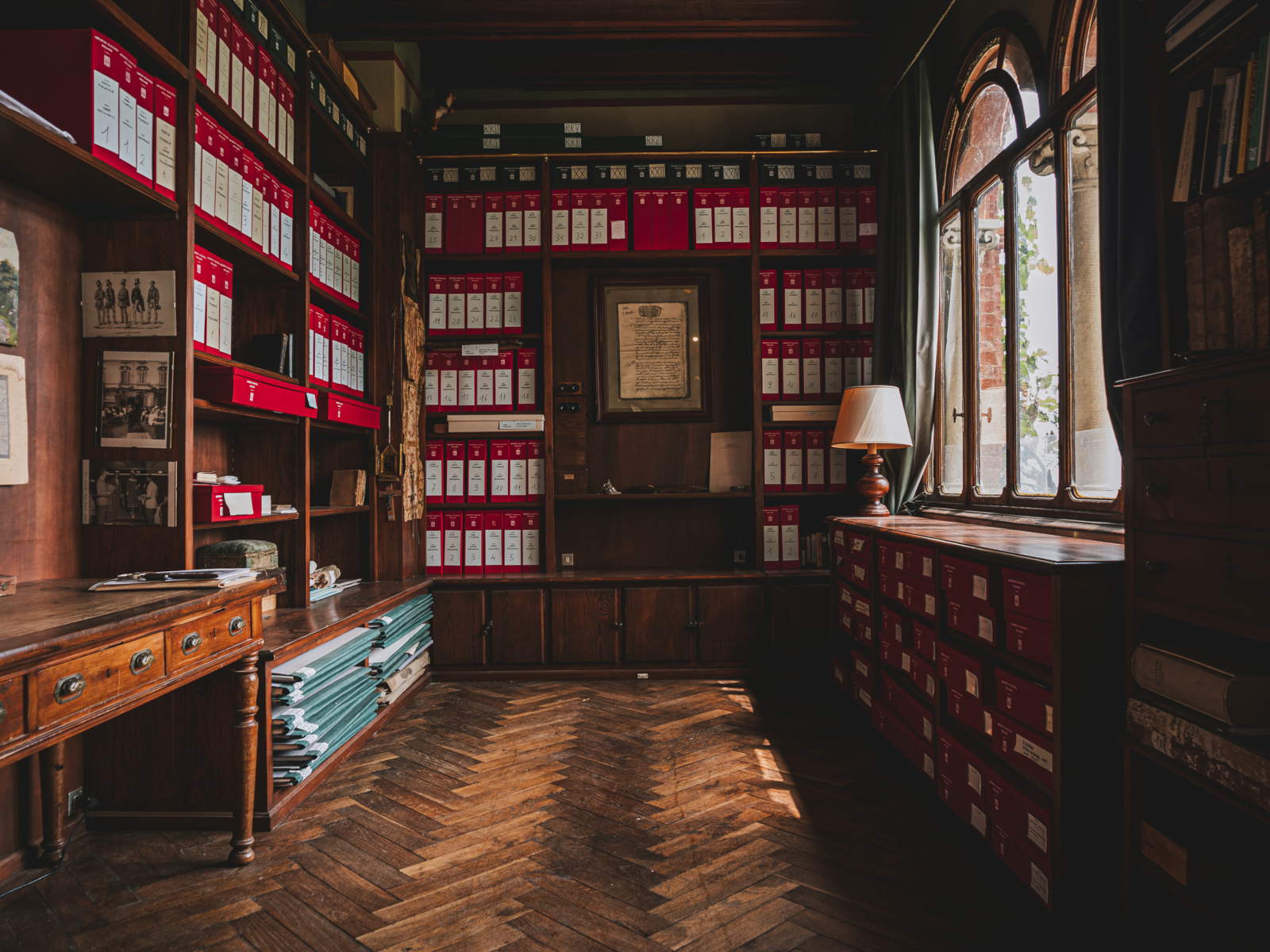
On Saturday, October 3, 2026 , “Carte in Dimora” returns for its fifth edition . “Archives and Libraries: Stories Between the Past and the Future,” an initiative promotedby the Association of Italian Historic Residences (ADSI), invites visitors to discover correspondence, books, photographs, maps, parchments, and corporate archives housed in historic residences, foundations, and museums across various Italian regions. Amid documents, correspondence, ancient maps, parchments, photographs, volumes, and corporate archives, a collective memory unfolds that spans generations and centuries of Italian history. These materials allow us to reconstruct the evolution of communities and territories, chronicling economic, social, landscape, and cultural transformations. This heritage is, therefore, anything but static: these documentary collections continue to be the subject of study and new interpretations, becoming tools for understanding the present and developing new perspectives on the future.

The 2026 edition of Carte in Dimora is held under the patronage of the Ministry of Culture, the Italian National Commission for UNESCO, and ANCI. To further expand the initiative’s scope and strengthen its cultural value, this year’s event will once again be open not only to private archives belonging to historic residences associated with ADSI but also to collections held by public and private foundations and museums. The goal is to highlight a heritage that is often lesser-known but essential to understanding the history of these regions. Through Carte in Dimora, ADSI thus renews its commitment to the protection and promotion of private cultural heritage, presenting historic residences as widespread cultural infrastructure deeply rooted in local communities.


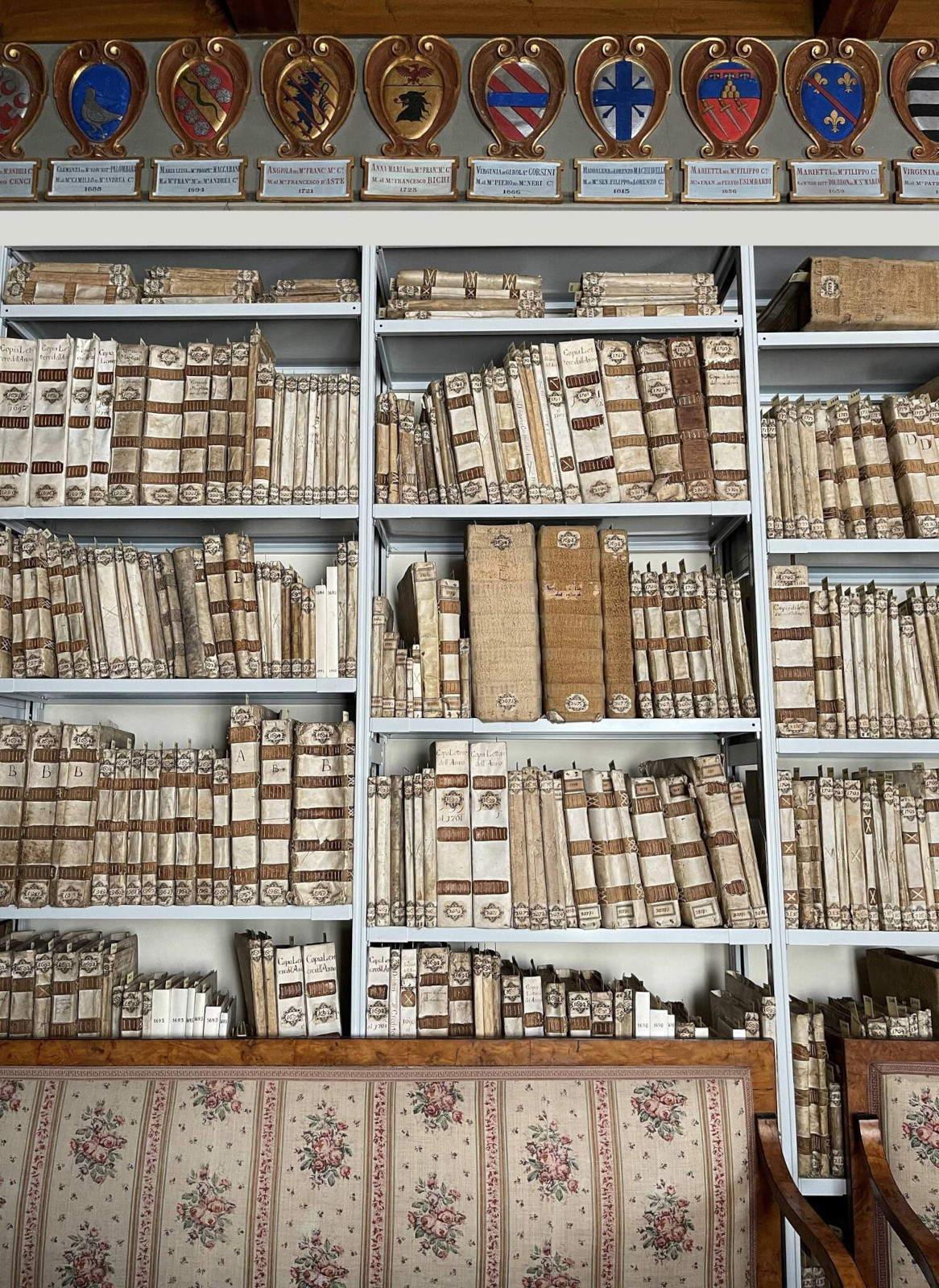
The provisional program for Carte in Dimora 2026 includes numerous historic residences, archives, and libraries located across various Italian regions.
In Abruzzo, visitors will be able to tour Palazzo Nardis in L’Aquila, the Summa Foundation in Pescara, and Palazzo De Sanctis in Lettomanoppello, in the province of Pescara.
In Calabria, the “Giorgio Amarelli” Licorice Museum—Palazzo Amarelli, located in Contrada Amarelli in Rossano, in the province of Cosenza—is participating in the initiative.
Campania will be represented by Palazzo Mazzacca in San Lorenzo Maggiore, in the province of Benevento; Palazzo Lanza in Capua, in the province of Caserta; Astapiana Villa Giusso in Vico Equense; and the Cuomo Pasta Museum in Gragnano, in the province of Naples. In the province of Salerno, Palazzo Ricci XVIII in Ascea will participate. In Puglia, visitors can tour Palazzo Rossi in Canosa di Puglia, in the province of Barletta-Andria-Trani. In Sardinia, the Amat Private Archive in San Filippo, Cagliari, is participating in the fifth edition of “Carte in Dimora.”
In Emilia-Romagna, Palazzo dalla Rosa Prati in Parma and Palazzo Fava Marescotti in Bologna will open to the public. In Friuli-Venezia Giulia, visitors can explore La Brunelde, Casaforte d’Arcano, in Fagagna, in the province of Udine. In Lazio, the program includes Castello Orsini Naro in Mompeo, in the province of Rieti; Casale Sant’Eusebio 146 and the Fondazione Opera Lucifero in Rome; as well as Villa Muti Bussi in Viterbo.
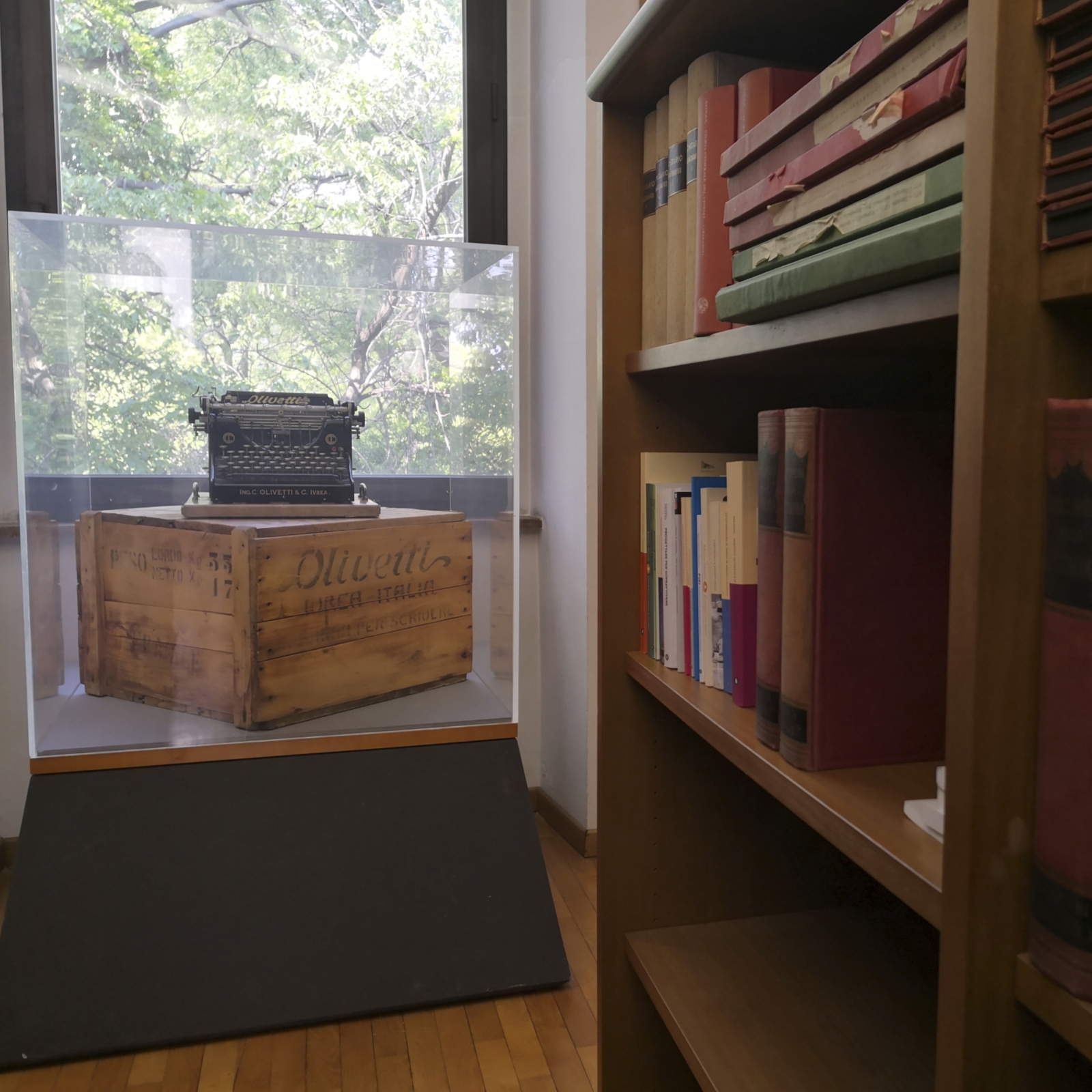
In Lombardy, participants include the Solaro Foundation Archive in Milan and the National Historical Archive of Italian Restorers (ASRI) in Lurano, in the province of Bergamo. In the Marche region, the Gino Augusti 900 House Museum in Brugnetto di Trecastelli, in the province of Ancona, will be open. Piedmont features a particularly diverse program, including Palazzo Conti di Bricherasio in Bricherasio, the Olivetti Historical Archive Association in Ivrea, the Reale Mutua Museum and Archive in Turin, and Pralormo Castle in Pralormo. In the province of Biella, the Piacenza Family Foundation in Pollone is also participating.
In Veneto, the public can visit Villa Foscarini Rossi in Stra, in the province of Venice, and the Gianfranco Fedrigoni Fabriano Foundation: History, Science, and the Art of Paper in Verona. In the province of Vicenza, Thiene Castle, the Congregation of the Ursuline Sisters SCM, and the Cathedral Parish—the latter two in Vicenza—will also be open.
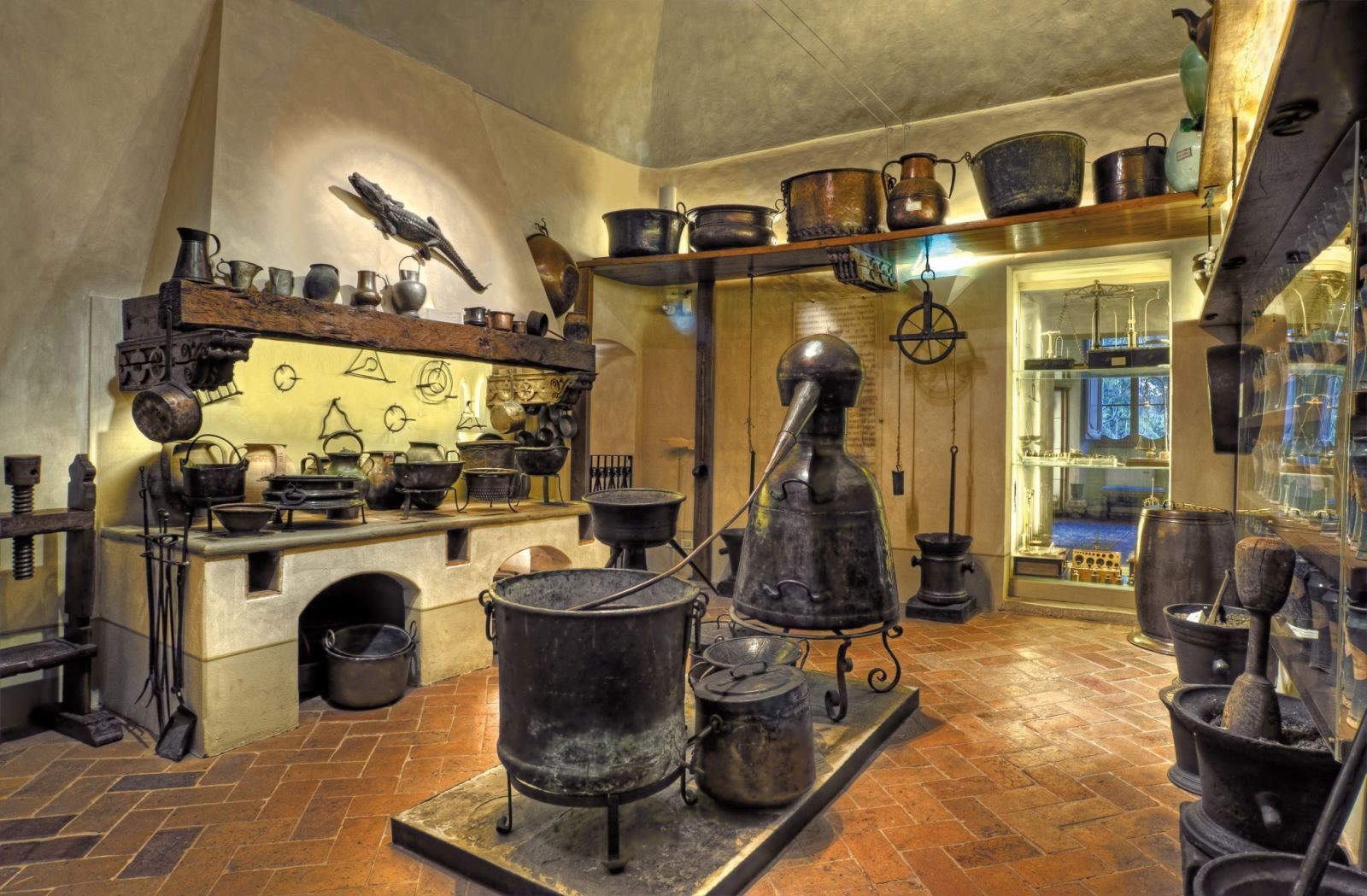
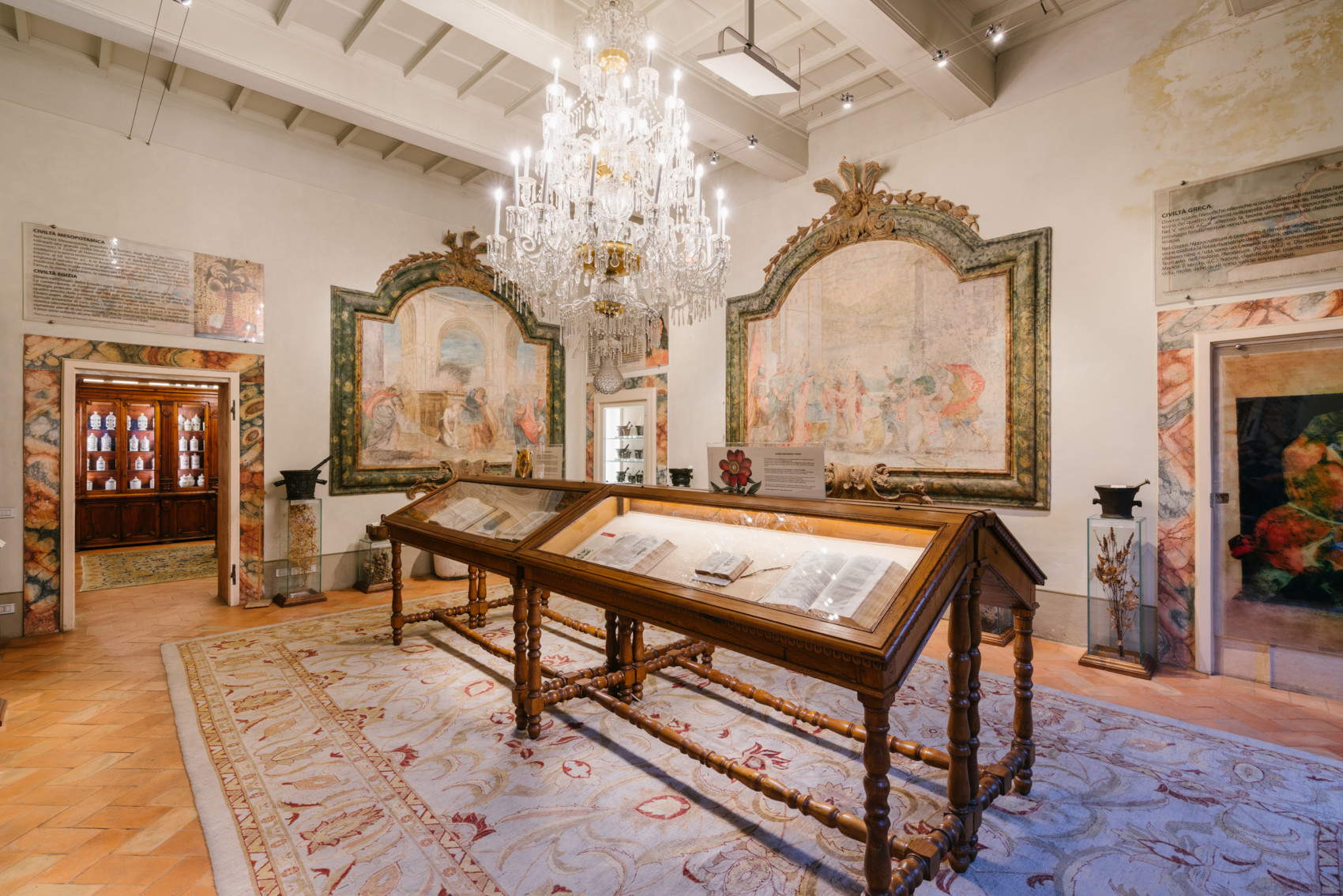
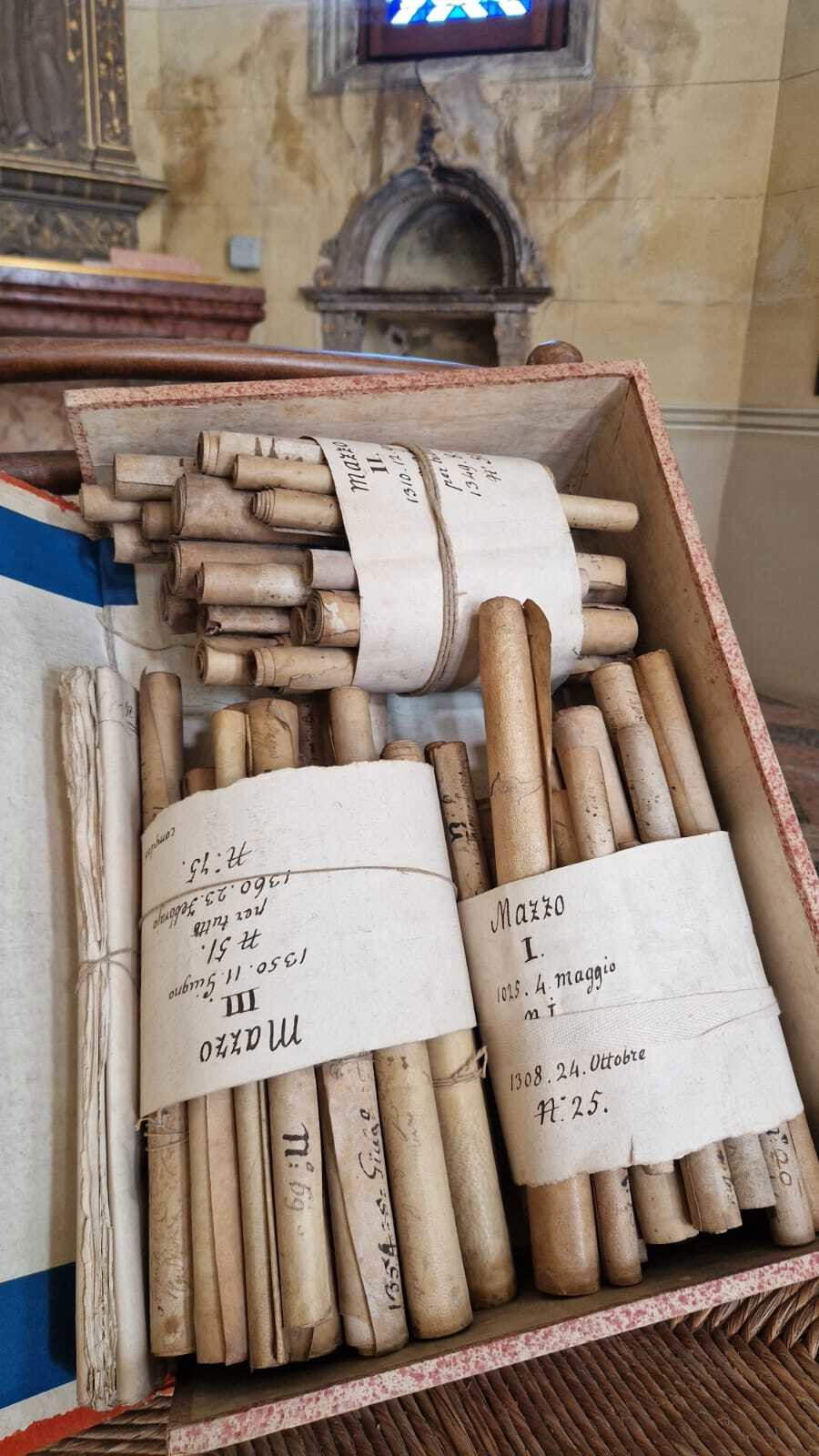
Tuscany’s program is particularly extensive. In the province of Arezzo, the Bibliotheca Antiqua at the Aboca Museum in Sansepolcro is participating. In Florence and the surrounding area, the Guicciardini Archive, Villa Le Corti, the Franco Zeffirelli Foundation, and Palazzo Pepi will be open. In Livorno, visitors will be able to tour the Carlo Morelli Archive, while in the province of Lucca, the Simonetta Puccini Foundation in Torre del Lago, Villa Tambellini de Fondra in Cerasomma, and the Giovanni Pascoli House Museum in Castelvecchio Pascoli–Barga are participating. In Pisa, the Scuola Normale Superiore – Palazzo della Carovana will be the highlight. In the province of Pistoia, Villa Amalia in Borgo a Buggiano and the Museo della Carta di Pescia ETS in Pietrabuona, in the Pescia area, will be open. Rounding out the Tuscan program is the Historical Archive of the Contrada della Chiocciola in Siena. In Umbria, the Ranieri di Sorbello Foundation ETS, based in Perugia, will participate.
The fifth edition of “Carte in Dimora” thus offers the opportunity to explore places that are normally less accessible and to discover documentary heritage that preserves unique testimonies of Italian history. Through libraries, family and corporate archives, foundations, and museums, the initiative links the preservation of memory with research and cultural promotion, returning to local communities documents and testimonies that reveal their identities and transformations.
|
| "Carte in Dimora 2026": Historical Archives and Libraries Open to the Public Throughout Italy |
Warning: the translation into English of the original Italian article was created using automatic tools. We undertake to review all articles, but we do not guarantee the total absence of inaccuracies in the translation due to the program. You can find the original by clicking on the ITA button. If you find any mistake,please contact us.