



by Emanuela Zanon 23/10/2026


Categories: Exhibition reviews / Disclaimer
Black fur, white carpet, and smokestacks transformed into paws: the Cuoghi Corsello duo transforms Bologna’s MAMbo into an animal, and the exhibition “Tra le nuvole” invites visitors to experience the space with their bodies, through a work that renews the artistic exploration of two artists who grew up in Bologna’s counterculture. A review by Emanuela Zanon.


Anyone who spent time in Bologna in the 1990s surely remembers a stylized goose with long, jointed legs that chased itself from one street to another across walls, doorways, roll-up doors, and electrical cabinets—whose appearances seemed to signal a network of secret passages that, interconnected, traced the alternative map of a parallel metropolis, crisscrossed by connections omitted from official cartography. It was Pea Brain, both the creature and the pseudonym with which Monica Cuoghi (Mantua, 1965) had begun to dot the urban landscape of the Emilian capital in the mid-1980s, destined to become one of the symbols of her partnership with Claudio Corsello (Bologna, 1964), who in those years signed the walls as CK8. Begun in 1986, their collaboration would solidify in 1989 into a single identity. During that period, fueled by the ferment of social centers, graffiti, and a counterculture that sought its gathering places in the city’s cracks, Cuoghi Corsello practiced a form of art on the fringes, consisting of spontaneous interventions in public spaces, ephemeral installations, and found objects—all resistant to market logic. It was the same artistic milieu in which the Mutoid Waste Company operated—a British collective that, beginning in 1990, had found in Santarcangelo di Romagna, in the village of Mutonia, a base for its sculptures assembled from scrap metal and car wrecks, and within which the Bolognese graffiti community—from Dado to Rusty, with whom Cuoghi herself would later engage—transformed walls into a collective canvas. Bologna, after all, had been among the first European cities to grant that art form museum-worthy status: in 1984, Francesca Alinovi had brought the leading figures of New York graffiti to the Galleria d’Arte Moderna with the exhibition *Arte di Frontiera*. Thirty years later, the situation seemed to have been reversed. In 2016, Blu erased his own murals in Bologna in protest against an exhibition that was removing other murals from their original locations, thereby taking them away from the community—a gesture that iconoclastically underscored the incompatibility between that culture and the museum. In stark contrast, ten years later, Cuoghi Corsello chose to exhibit at MAMbo with *Tra le nuvole* (*Among the Clouds*), agreeing to engage with the museum institution without renouncing the ethics of their early days—deeply rooted in the practice of squatting— the reclaiming of abandoned spaces transformed into places of life and creation. This is not the first time the duo has engaged with a museum institution: Cuoghi Corsello participated in the 12th Rome Quadriennale in 1996, in the section dedicated to the latest generations; in “Rolando” at MACRO in 2017; and in the 2020 Quadriennale FUORI —always on their own terms and preserving the autonomy of their artistic practice.

Over the course of a decade, the duo has taken up residence in three disused industrial complexes in the Mazzini neighborhood: the former Magazzini Generali, renamed Giardino dei Bucintori (1994–1996), the former Silma mattress factory, which became Cime Tempestose (1996–2001); and, finally, the former FIAT dealership (2001–2005). They transformed these spaces into a home, studio, and total work of art, in which every domestic gesture—from moving a piece of furniture to arranging the stones collected in the courtyard—took on the value of a composition, in accordance with an idea, championed by the artists themselves, that turned everyday life into an installation in a state of perpetual becoming. The former factories, originally built to mark the rhythms of mass production, were thus stripped of their productive purpose and restored to a time of leisure and ritual, in which artistic practice coincided with a way of life and a form of resistance to normalization. Alongside the walls and occupied spaces, the duo expressed themselves through music, video, comics, photography, electromechanical constructions, and neon light sculptures, populating this universe with irreverent fairy-tale characters such as Petronilla, Bello, Suf, or Schifio—each with their own backstory (Petronilla, a hybrid of a duck and a female sexual organ born in 1992 from the metamorphoses of Pea Brain; Bello, a silly-looking smile traced on a light box and since then replicated identically in neon; Suf, the signature of a little girl who aspires to draw at least enough letters; Schifio, the city’s guardian demon).


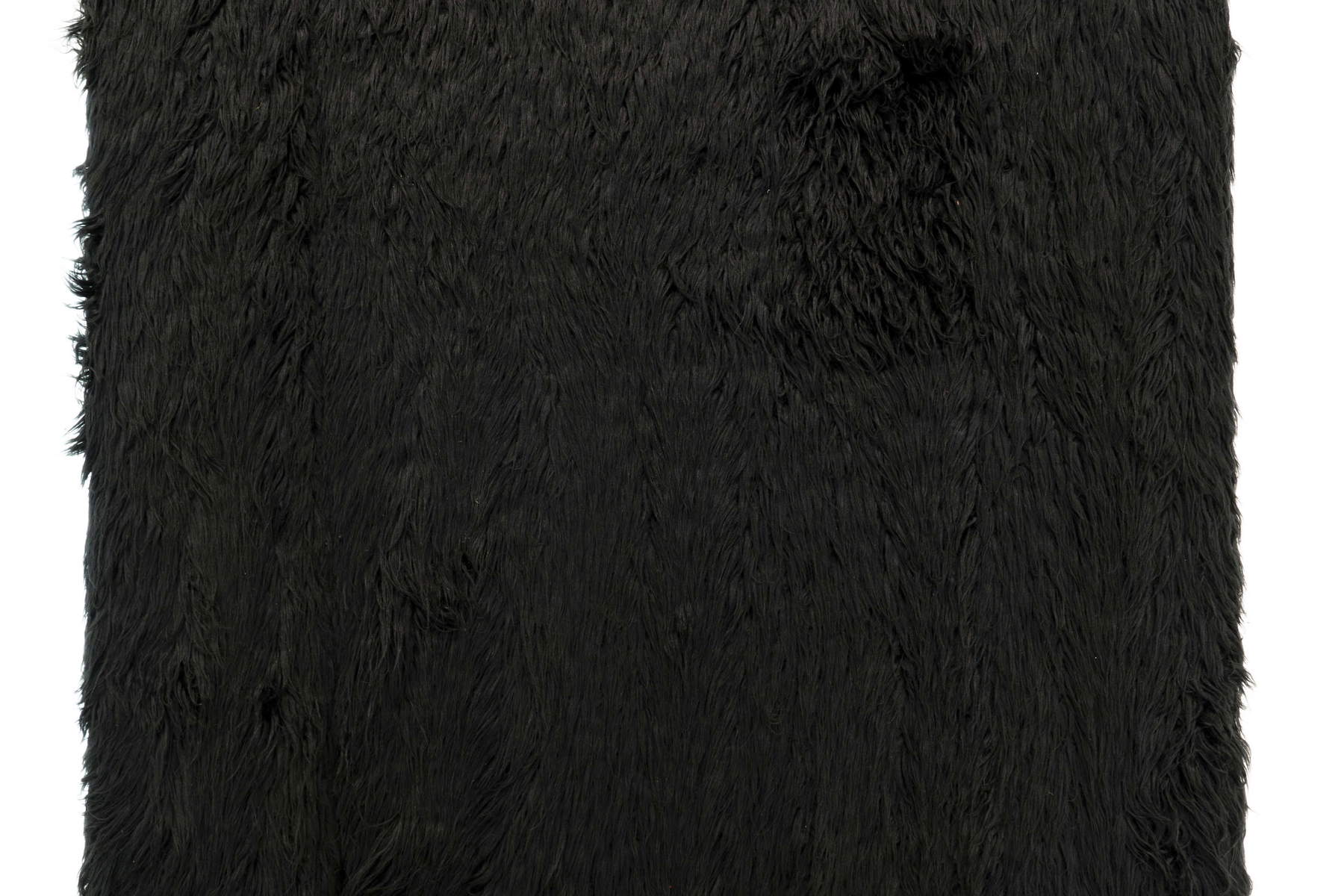
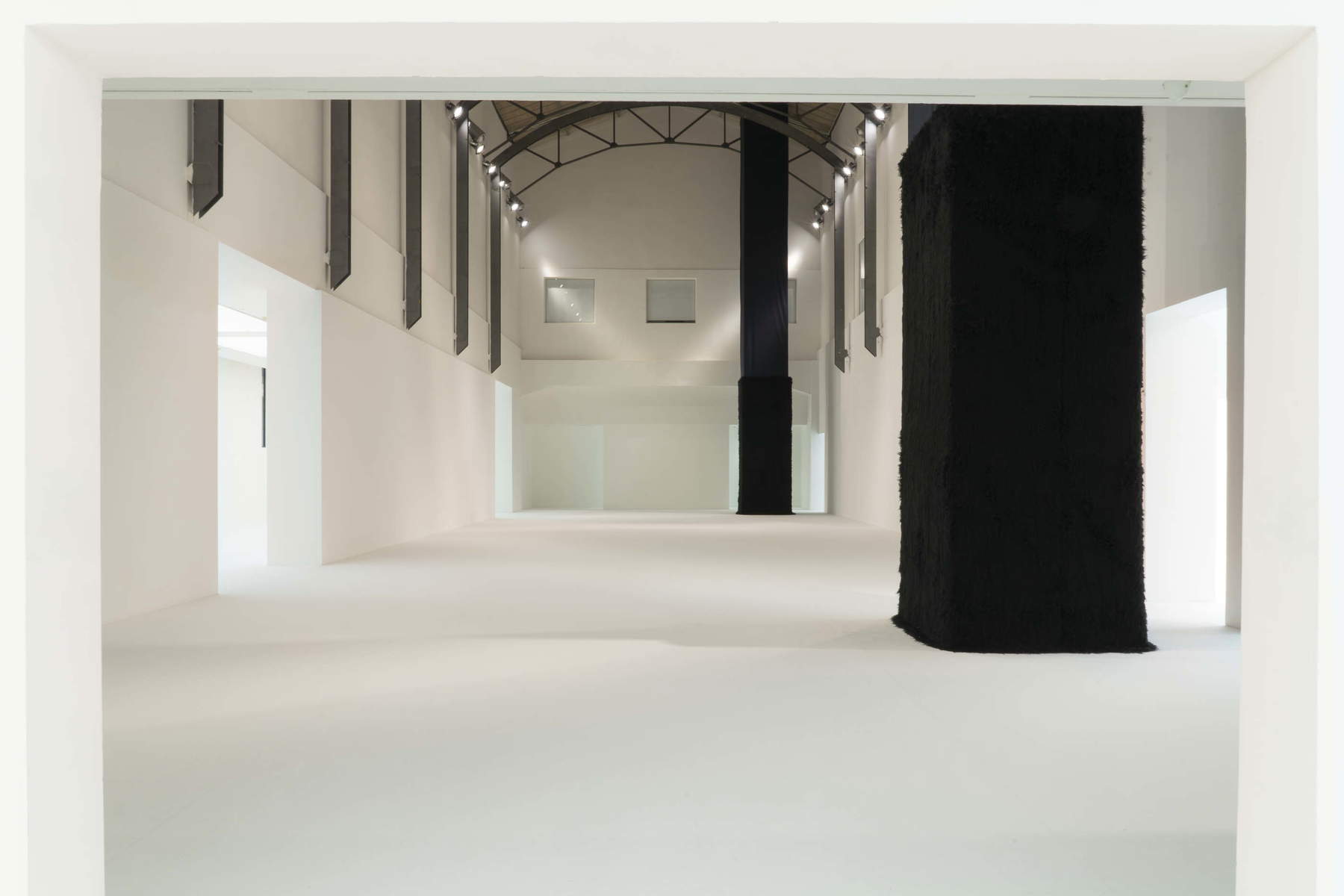
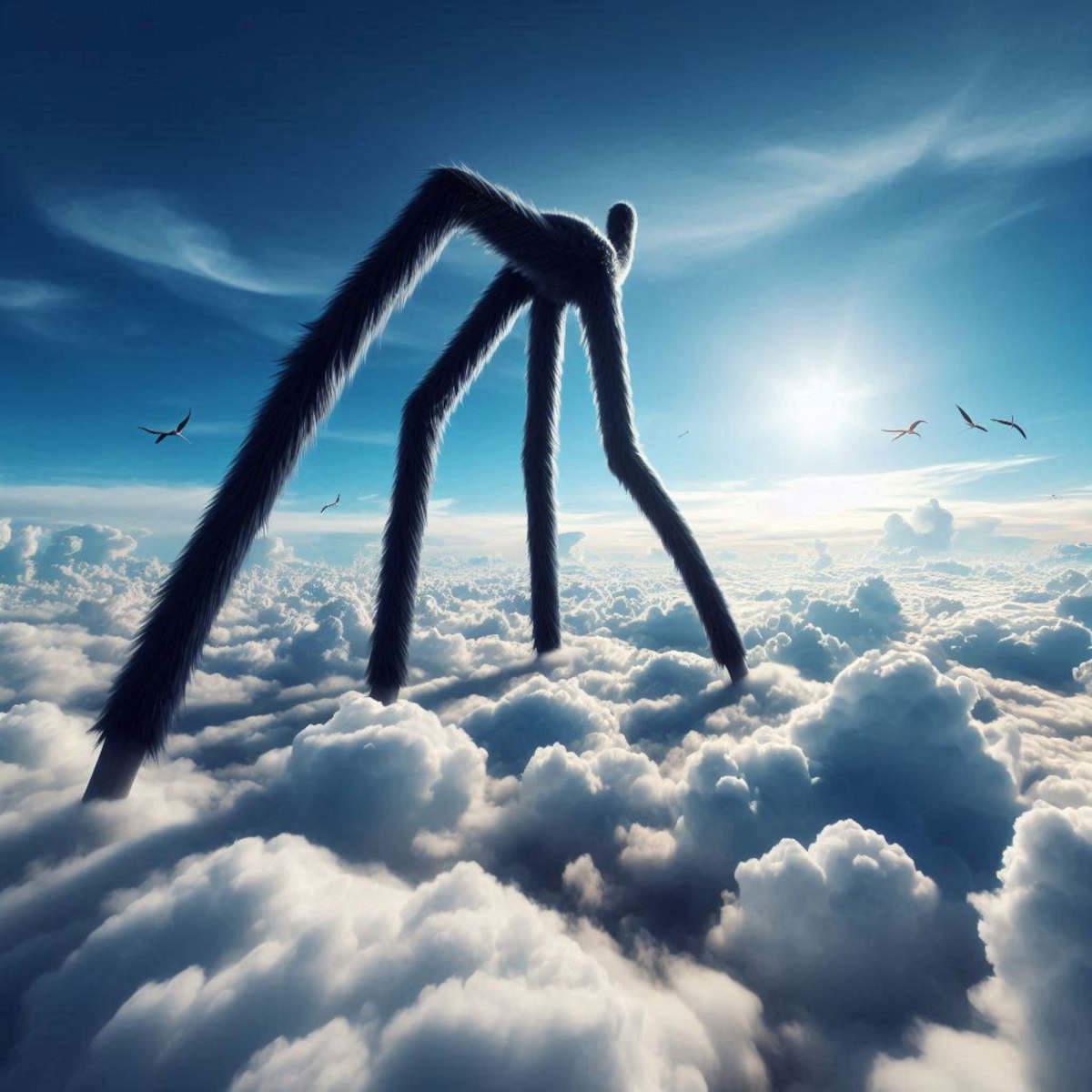
Curated by Lorenzo Balbi and Fulvio Chimento and organized into two distinct phases—the first of which has just opened in the Sala delle Ciminiere— “Among the Clouds” eschews the retrospective format and brings into a civic museum the same radicalism with which, thirty years ago, the duo inhabited abandoned factories. Instead of an anthology of historical works, Cuoghi Corsello chooses to make a single gesture that takes over the entire architecture and transforms it into a living body. The protagonist of the installation is Quadrupede, one of their most enigmatic characters, born as a comic strip in 1994 and since then recognized by the duo in the most disparate objects: an old beam propped up on two trestles, the support poles of a tent, the fur coat upon which a friend—a pranic healer—would lay her hands. In the original comic strips, drawn in pen with a simple, childlike stroke, the creature has the cylindrical body of a log, four stubby legs, and a tubular snout resembling a chimney. It climbs stairs, curls up to sleep, contorts itself into improbable poses, lets itself be hugged, and carries on its back anyone who asks for a ride—all with that combination of innocence and absurdity that characterizes the duo’s imagination. Viewed today, that tubular silhouette almost seems to foreshadow the chimney. Quadrupede possesses an enormous snout and senses different from those of humans, which allow it to navigate dimensions of existence inaccessible to us, and it embodies with particular effectiveness the status of the duo’s creatures: fragments of a world eroded and recycled, in which the artists have always identified a latent form of life. In Bologna, in 2000, the exhibition *Quadrupedi* at the Ercolani studio had brought together a first herd, while in the project *Quadrupedi al pascolo*, curated by Gabriele Tosi for Localedue, the sculptures were sheltered at night in the gallery as if in a stable and emerged during the day to graze in the square in front, among passersby. Finally, an image generated by artificial intelligence in 2024 shows the creature walking across a sea of clouds, its black, furry legs sinking into the white—a vision from which the exhibition’s title and the transformation of the exhibition space derive.
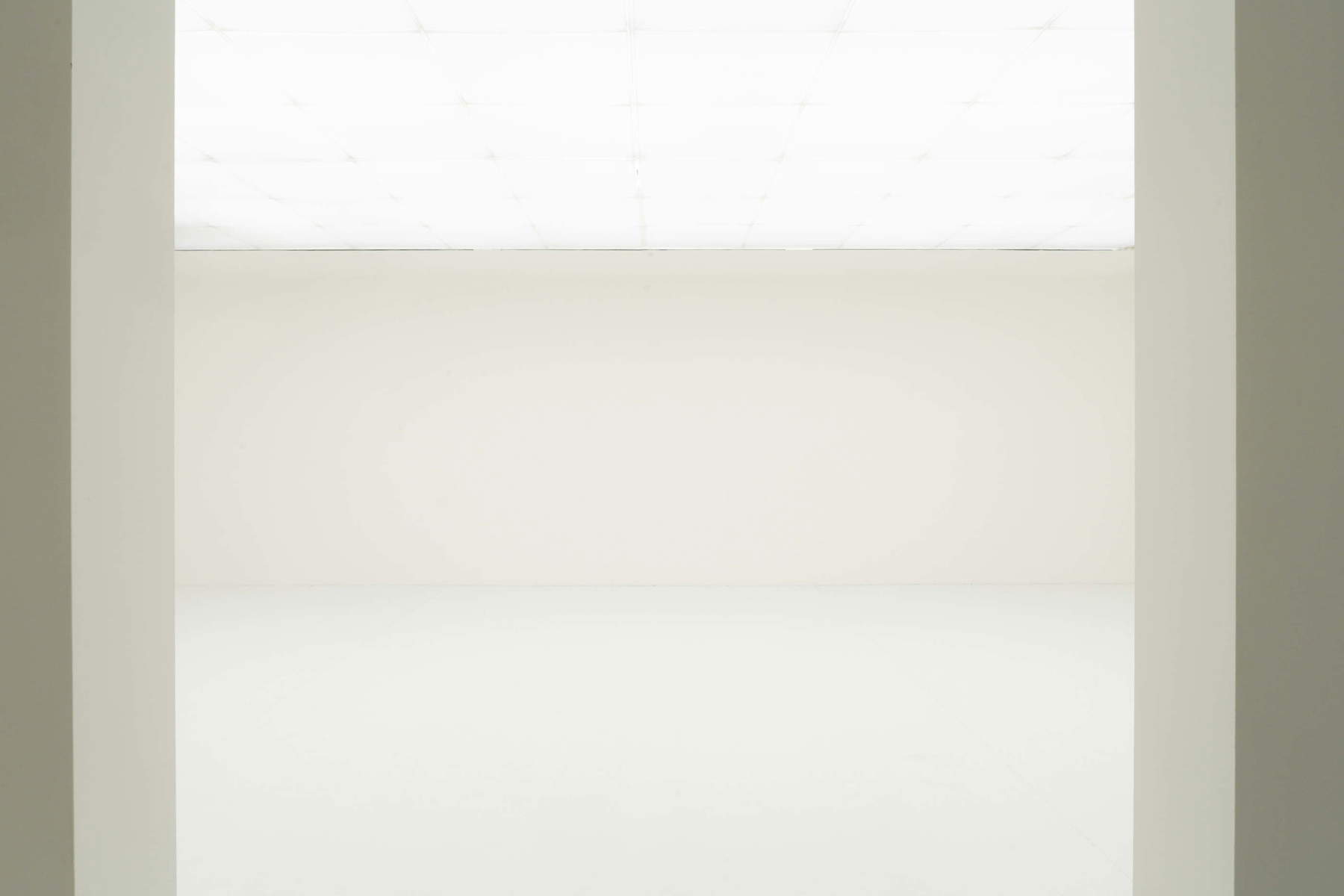
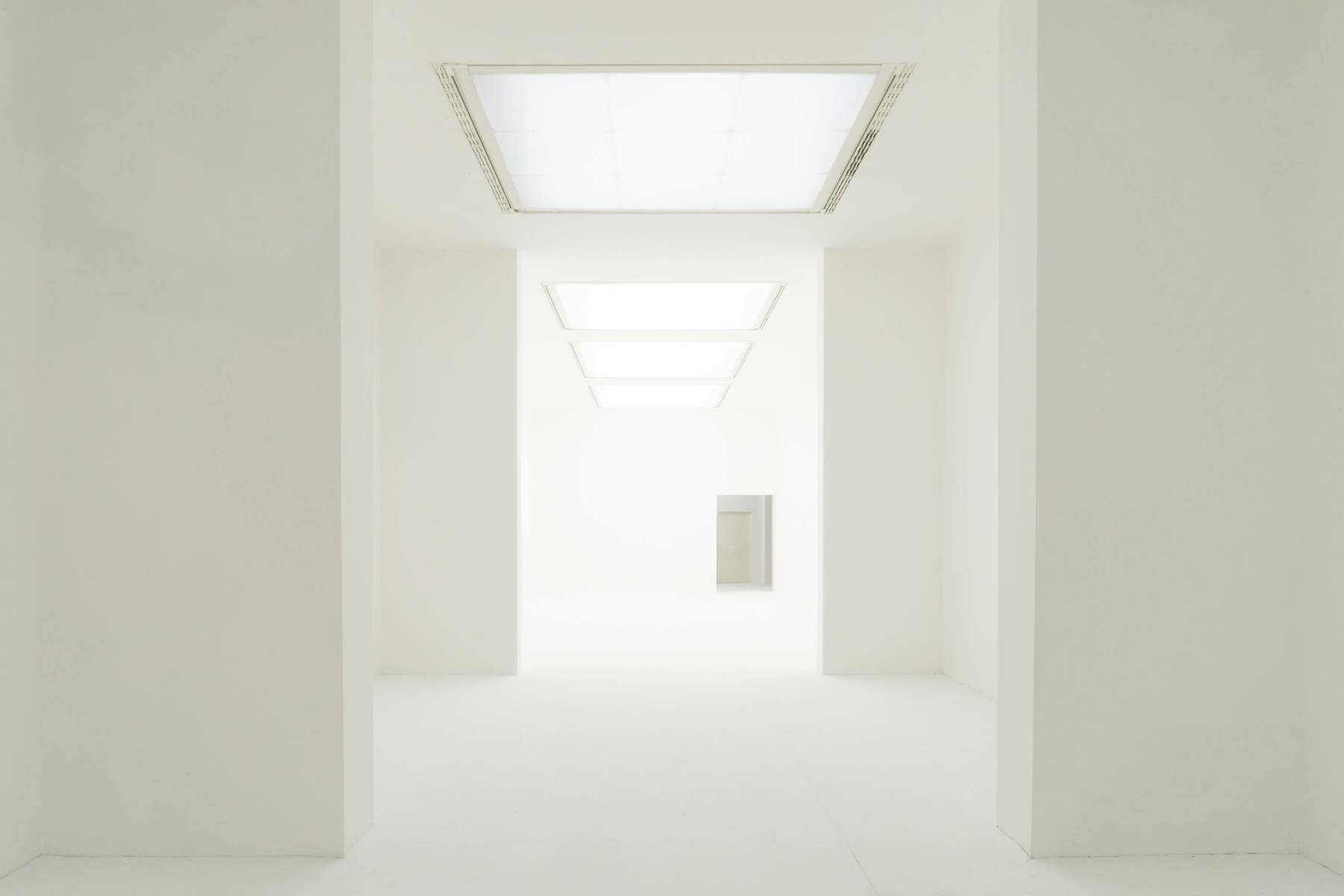
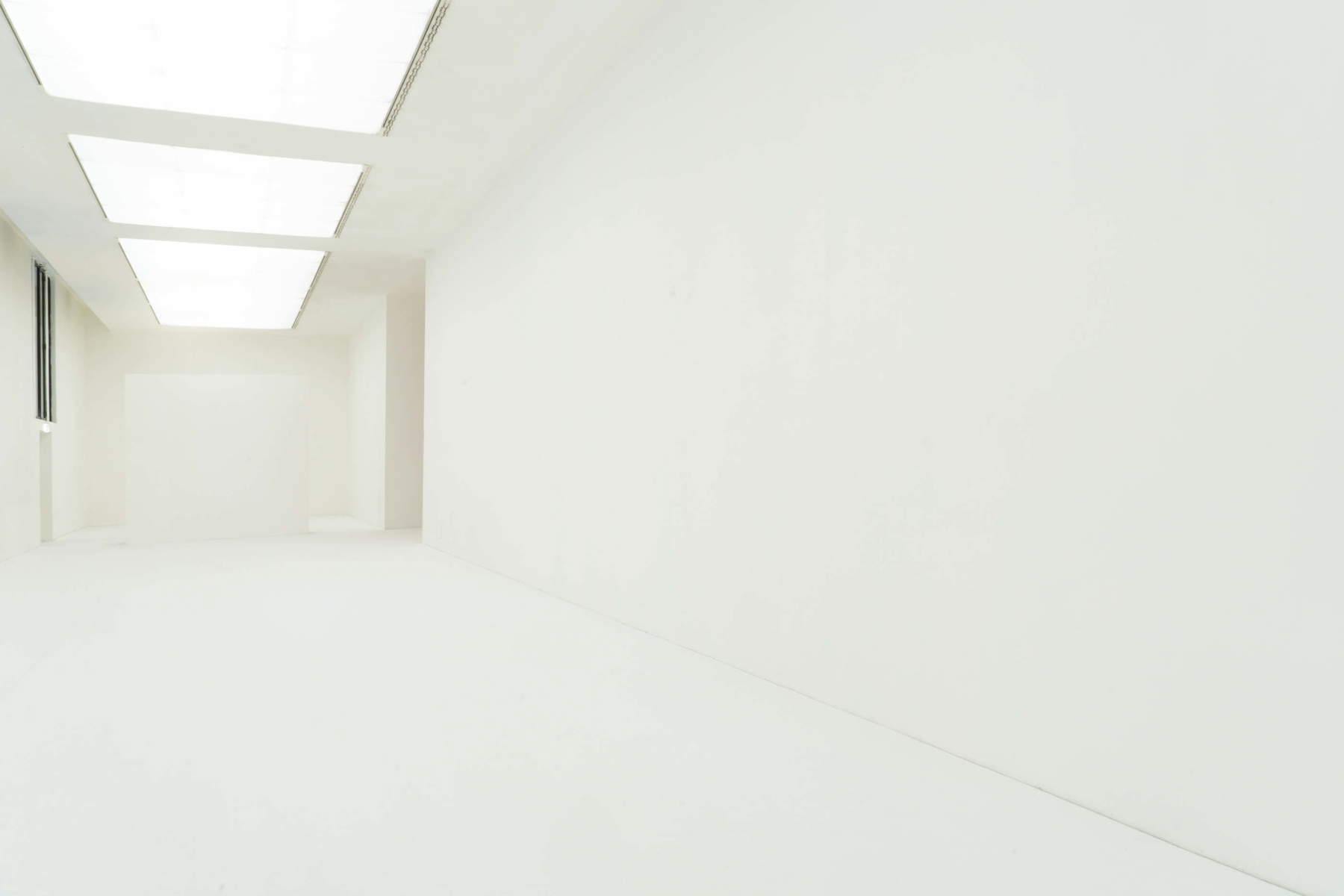
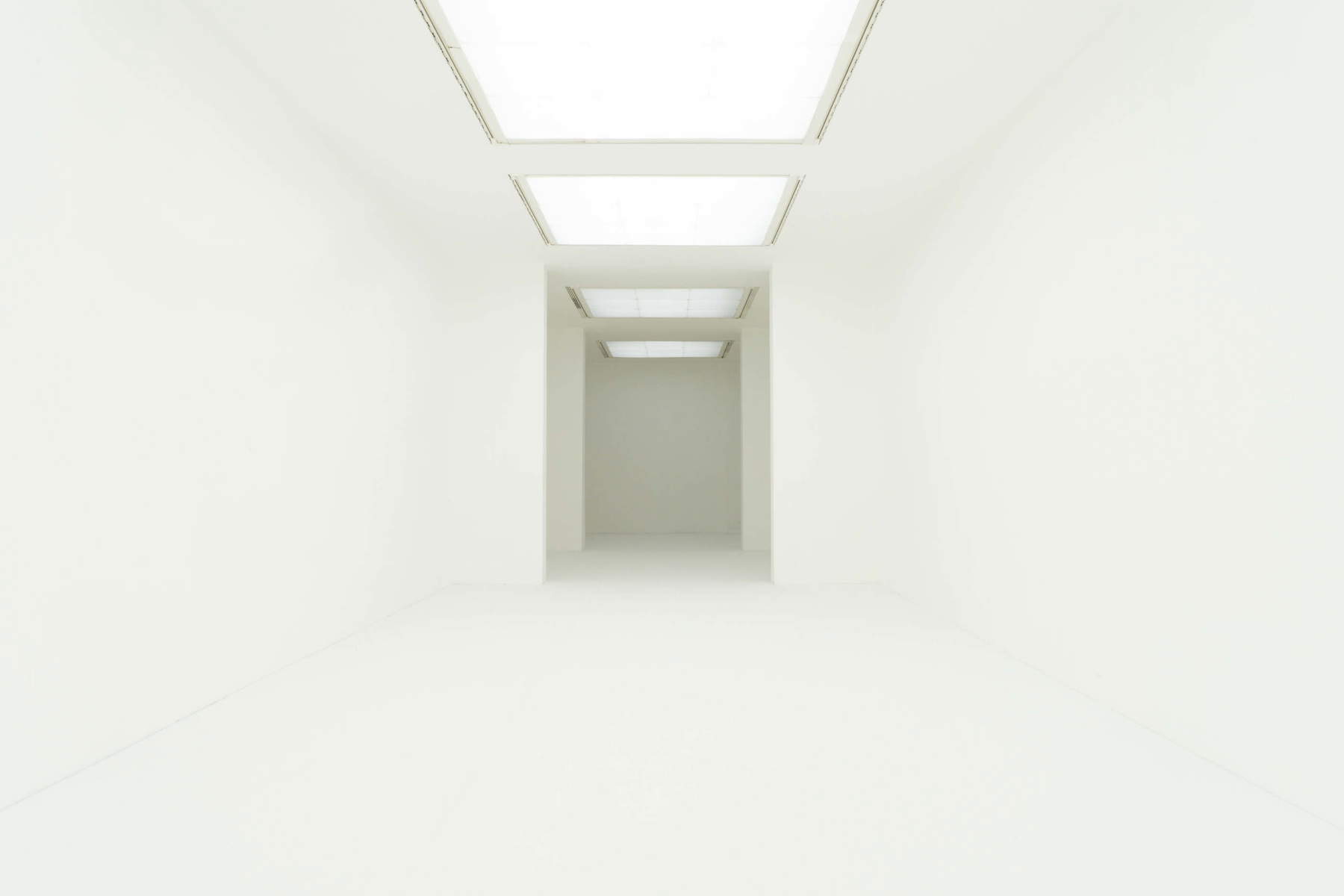
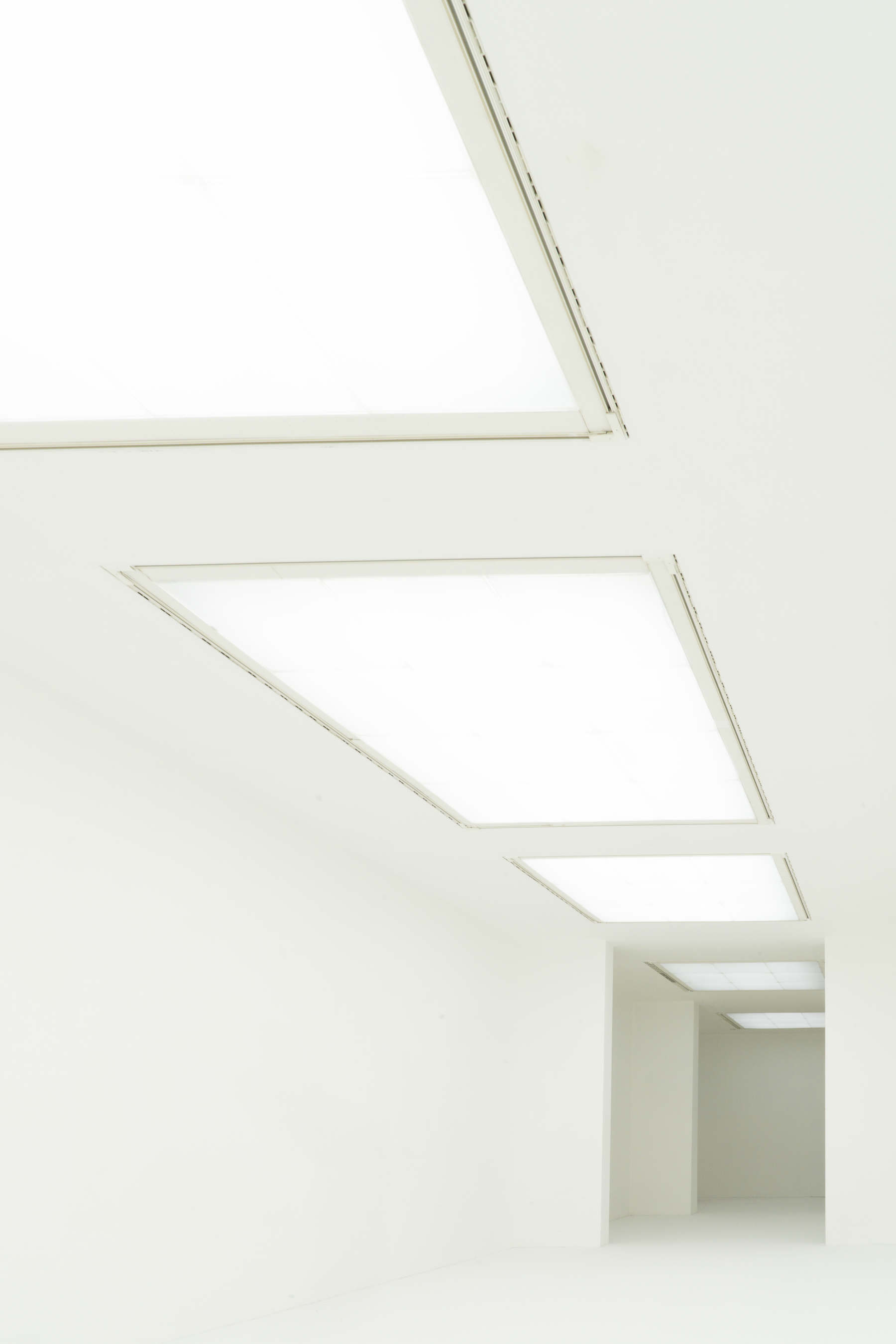
The Sala delle Ciminiere constitutes the exhibition heart of MAMbo, which since 2007 has occupied the former Forno del Pane, a municipal bakery built during World War I to provide the population with bread at a controlled price, later converted into a museum based on a design by Aldo Rossi’s studio in collaboration with Arassociati. For two artists who have always been committed to reshaping abandoned spaces, the choice of an industrial building returned to the city seems to respond to that logic of correspondences that Cuoghi Corsello has always loved to recognize in events. On the ground floor, beneath a roof supported by arched metal trusses, two tall masonry chimneys still bear witness to the building’s original function. Cuoghi Corsello have clad their bases in black, long-pile synthetic fur and, higher up, in a dark fabric, transforming them into the legs of a black Quadruped resting on the back of a second, white specimen, which coincides with the floor covered in pure white carpet. The adjacent rooms, stripped of all objects and clad in the same white, are illuminated by large ceiling panels that dazzle the eye and blur the edges, creating a sort of residual space expanded to infinity. The visitor thus finds themselves walking through a partial view of two immense bodies, the entirety of which extends beyond the museum’s walls and is left to the imagination: they walk along the back of the white animal and can brush against the fur on the black one’s paws, without being able to take in its true proportions with a single glance.
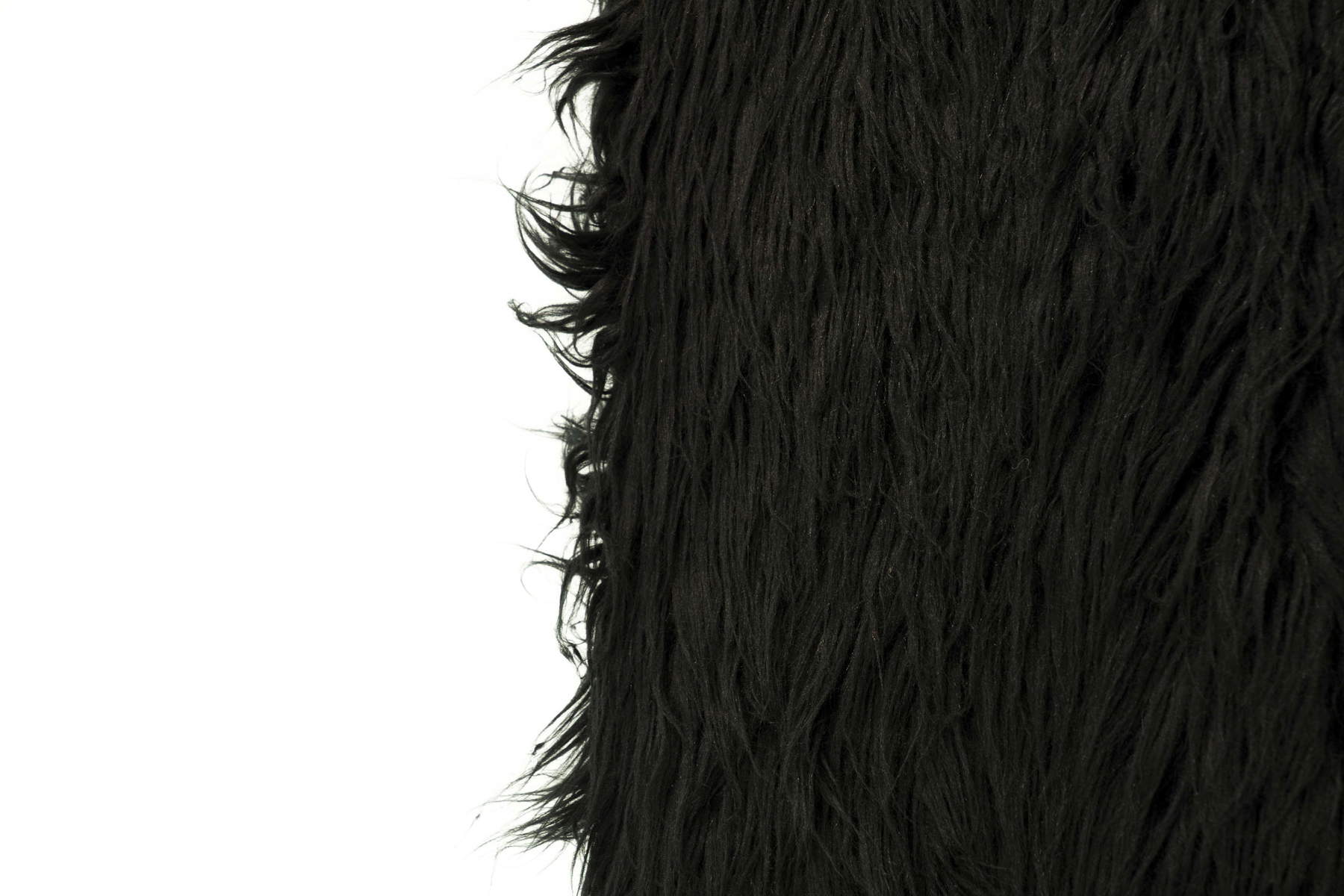
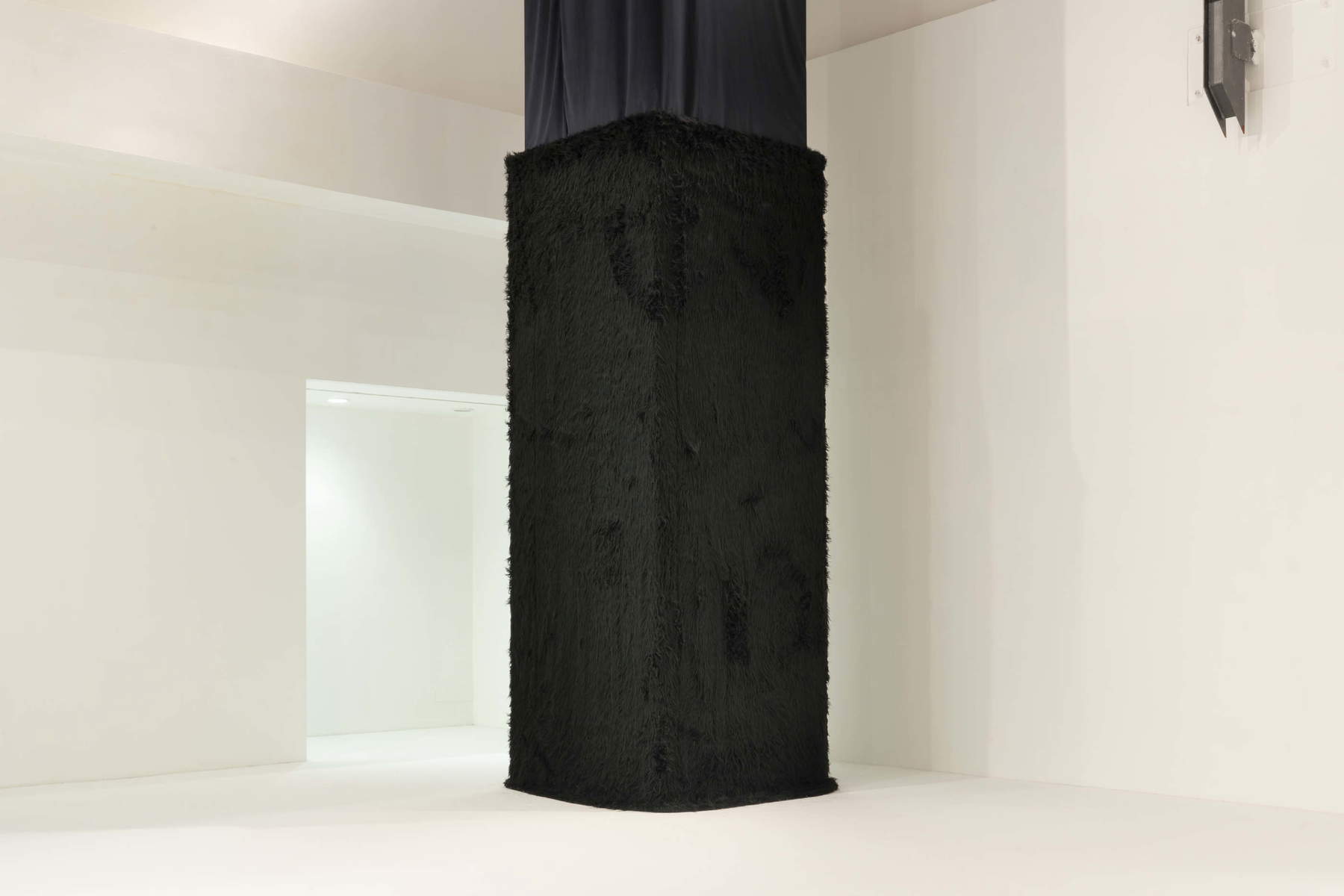
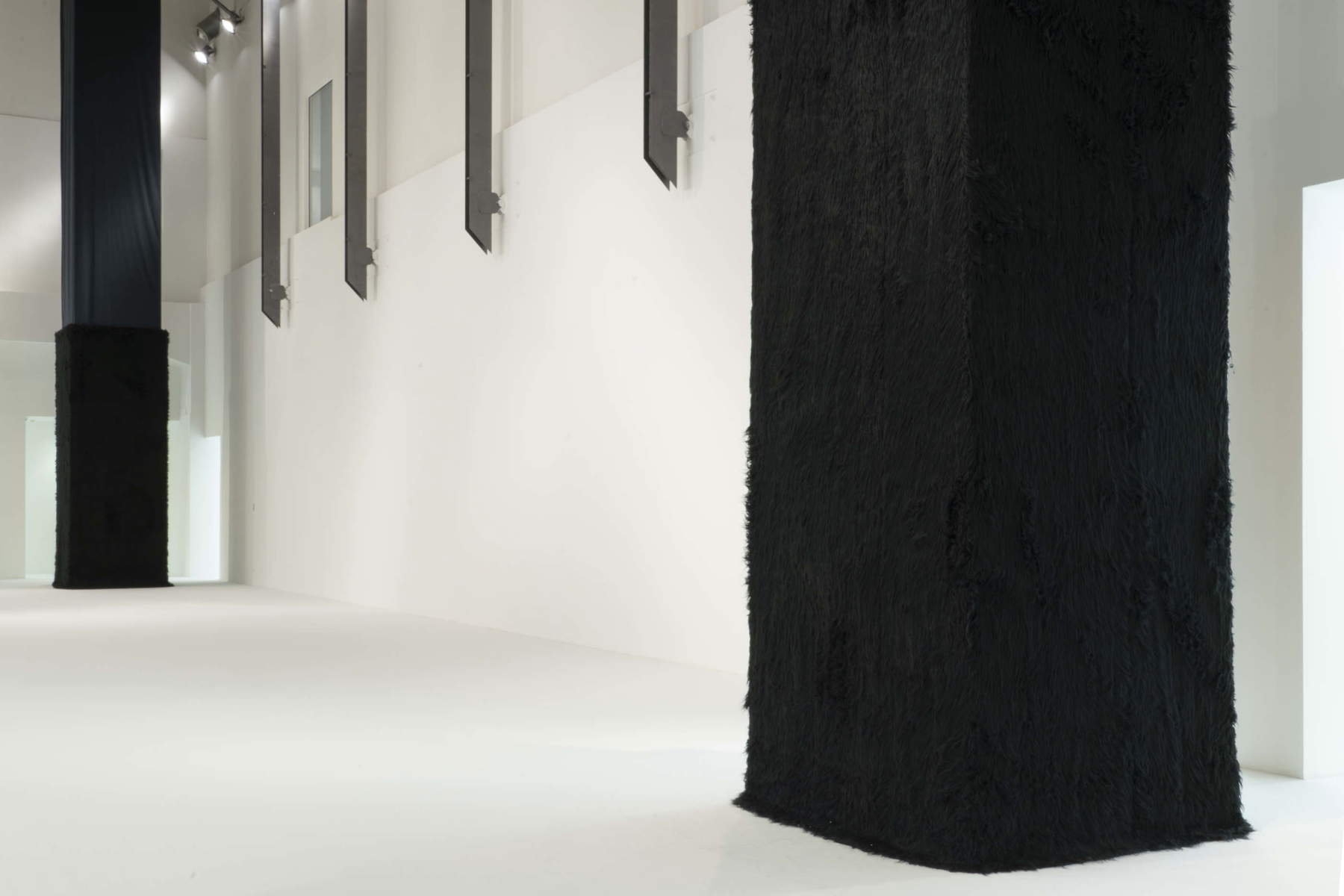
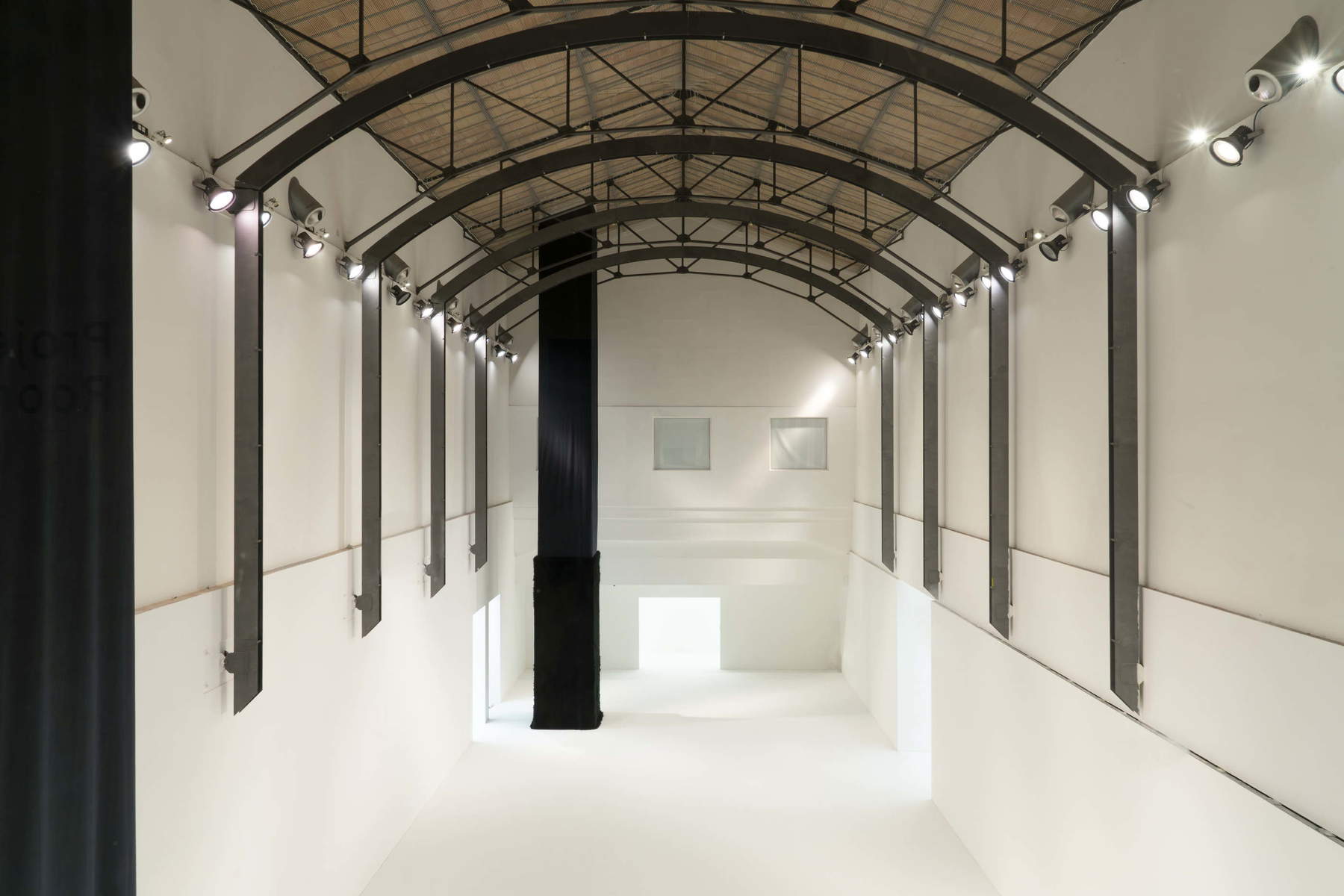
Stripped of its usual installations, the architecture reveals itself in its bare structure (the metal arches supporting the vault, the dark pillars aligned along the walls like ribs, the two square windows high up at the back), disguising itself as an animal to reveal its own anatomy. It is an unorthodox minimalism, devoid of the geometric and icy rigor of its historical counterpart: the furry chimneys, with tufts fraying along the edges like a mane blowing in the wind, retain the irony and tenderness of the duo’s characters, and mark the entry of comics into the realm of architecture. From Meret Oppenheim’s *Déjeuner en fourrure* in 1936, in which she covered a teacup with fur, to the wrapped monuments by Christo and Jeanne-Claude, cladding has often stripped objects of their function, revealing them to the eye with a fresh clarity. Cuoghi Corsello offers an affectionate and domestic interpretation of this concept, in which fur transforms the flue of an industrial oven into an animal limb and the chimney—a 20th-century emblem of labor—into a paw to be stroked. Visitors enter the room barefoot, placing their shoes in compostable bags customized by the artists, and walks across a soft surface that muffles footsteps and awakens every other sense—with a perceptual impact that many so-called immersive exhibitions pursue in vain, yet which here springs from a rare simplicity of thought and materials. By drawing on the alternative sensory capabilities of “Quadrupede,” the visitor is invited to perceive the space through the soles of their feet, silence (or interactions with other visitors), and diffused light, and ends up feeling diminished, almost dematerialized, like a tiny guest moving among the legs of a giant or exploring its belly. This evocative experience takes on further depth when one considers the building’s history: the oven that fed the city a century ago becomes the belly of a fantastical creature, and the museum, once a container for works of art, becomes an organism that welcomes its visitors as nourishment.
The context in which this project emerged also adds to its significance. At a time marked by a gradual reduction in resources allocated to public culture—a trend that has also affected Bologna’s civic museums (Giorgia Boldrini, head of Bologna’s civic museum sector, has highlighted the impact of cuts to local governments and the lack of staff turnover, emphasizing the need for individual museums to relinquish autonomous budget management in favor of economies of scale), *Tra le nuvole* was produced with limited resources, thanks to technical support from companies in the textile sector and a fundraising campaign launched through the Art Bonus program. The result demonstrates how the power of an idea can compensate for a limited budget when it stems from intelligent, sincere research—uninfluenced by market pressures—and is thus capable of retaining, forty years after its inception, the freshness of its original inspiration. A few materials, a clear intuition, and trust in the audience’s capacity for empathy are enough to produce an experience of surprising intensity—further proof that, for Cuoghi Corsello, limited resources have always been the primary condition for a poetics grounded in subtraction and reinvention. At the end of the exhibition, the carpet will be removed and regenerated into new yarn, following a logic of recovery that revives, in a contemporary key, the practice of recycling that the duo has cultivated since the years of the squats, when furniture, dolls, and stuffed animals collected from the trash became magical catalysts for everyday enchantment.
On November 19, just before the close of the first phase, RN—a band founded in the 1980s and currently featuring Claudio Corsello on bass, Monica Cuoghi on harp and vocals, and Ico on drums, will celebrate the “carpet ritual” outside the museum, designed to bring to life the works that have long remained rolled up in preparation for the second act. Starting December 2, in fact, the Sala delle Ciminiere will take on a new look to host a broad selection of the duo’s paintings created between 2001 and 2021: carpets, sheets, and prepared canvases, some painted and others left untouched. The suspended void of the first chapter will thus be followed by repopulation, and the immaculate Quadrupede that currently welcomes visitors will give way to what the exhibition text describes as its dreams—evoked without any hierarchy, as if the creature, having digested the museum, were returning its dreamlike contents.
Warning: the translation into English of the original Italian article was created using automatic tools. We undertake to review all articles, but we do not guarantee the total absence of inaccuracies in the translation due to the program. You can find the original by clicking on the ITA button. If you find any mistake,please contact us.