



by Mauro Minardi 10/09/2026



Categories: Exhibition reviews / Disclaimer
Featuring approximately 150 works—including paintings, engravings, sketchbooks, drawings, pastels, and watercolors, as well as objects and furnishings, the Whistler exhibition at Tate Britain, curated by Carol Jacobi, traces the artistic career of the eccentric and refined painter-dandy, astonishing us with some extraordinary portraits and the magical atmospheres of his nocturnes. A review by Mauro Minardi.
Born in New England in 1834 and having moved to Europe at a very young age, James McNeill Whistler was not only a key figure in European painting during the Post-Impressionist era, but also a theatrical character, witty and irreverent, a polemical pamphleteer, a dandy immersed in the fervor of London’s social life, and, last but not least, a committed defender of the doctrine of art for art’s sake. The solo exhibition organized at Tate Britain in London—which is set to travel to Amsterdam and The Hague—is among the most notable exhibitions dedicated to him since those held in London, Paris, and Washington in 1995. In Italy, where—unlike among his French counterparts—Whistler is only relatively well-known, it is difficult to see his works, and admirers of his art are therefore all the more encouraged to set out on a journey. Thanks to the presence of a substantial number of his works in British institutions (Tate Britain itself, alongside the University of Glasgow, which benefited from the artist’s generous posthumous donation), the exhibition presents a fairly rich and undoubtedly varied overview of his body of work, taking into account the insurmountable obstacle posed by collections (such as the Freer Collection at the Smithsonian Institution in Washington, D.C., which holds over a thousand of the master’s works) that, by statute, are closed to external loans.
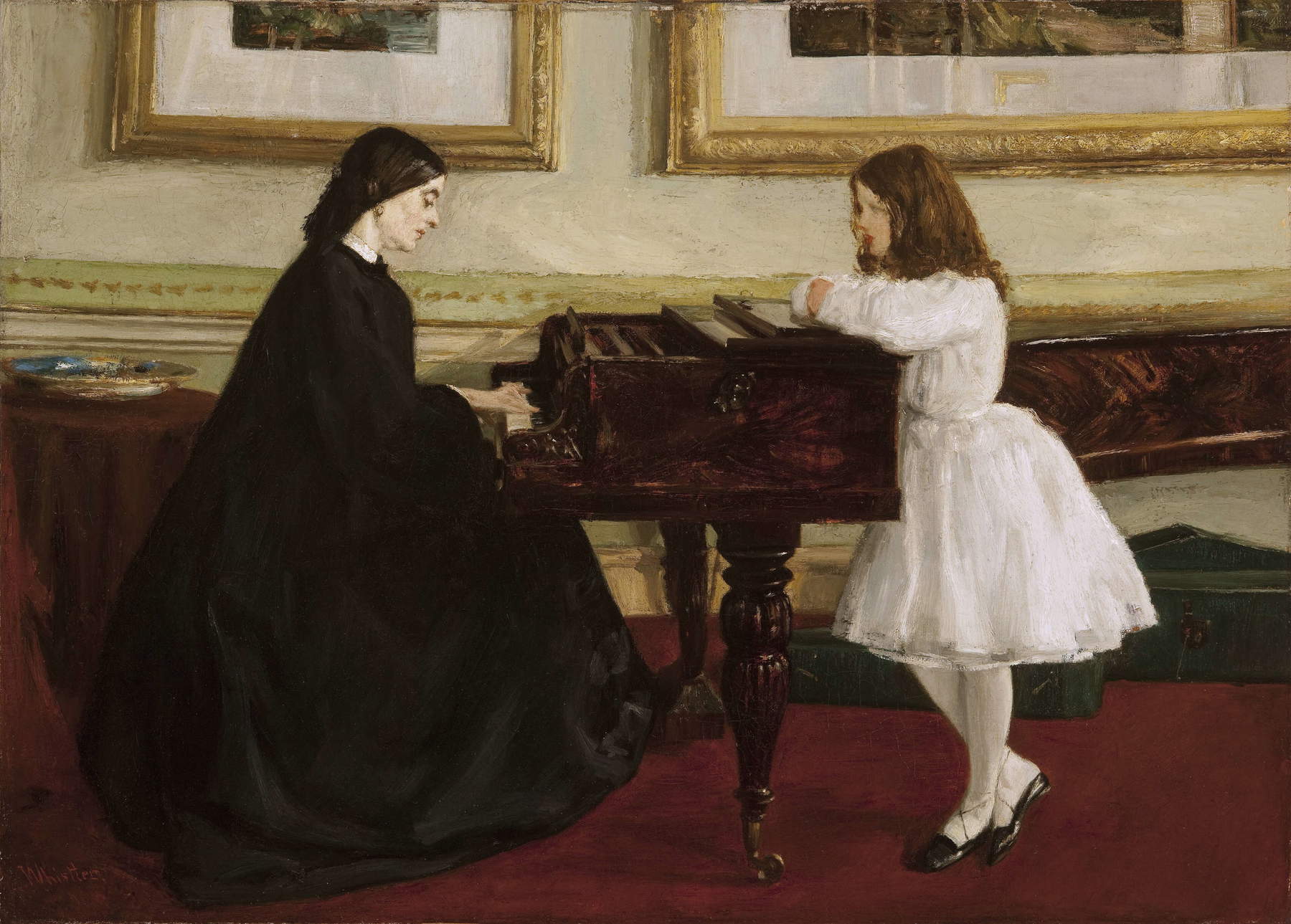
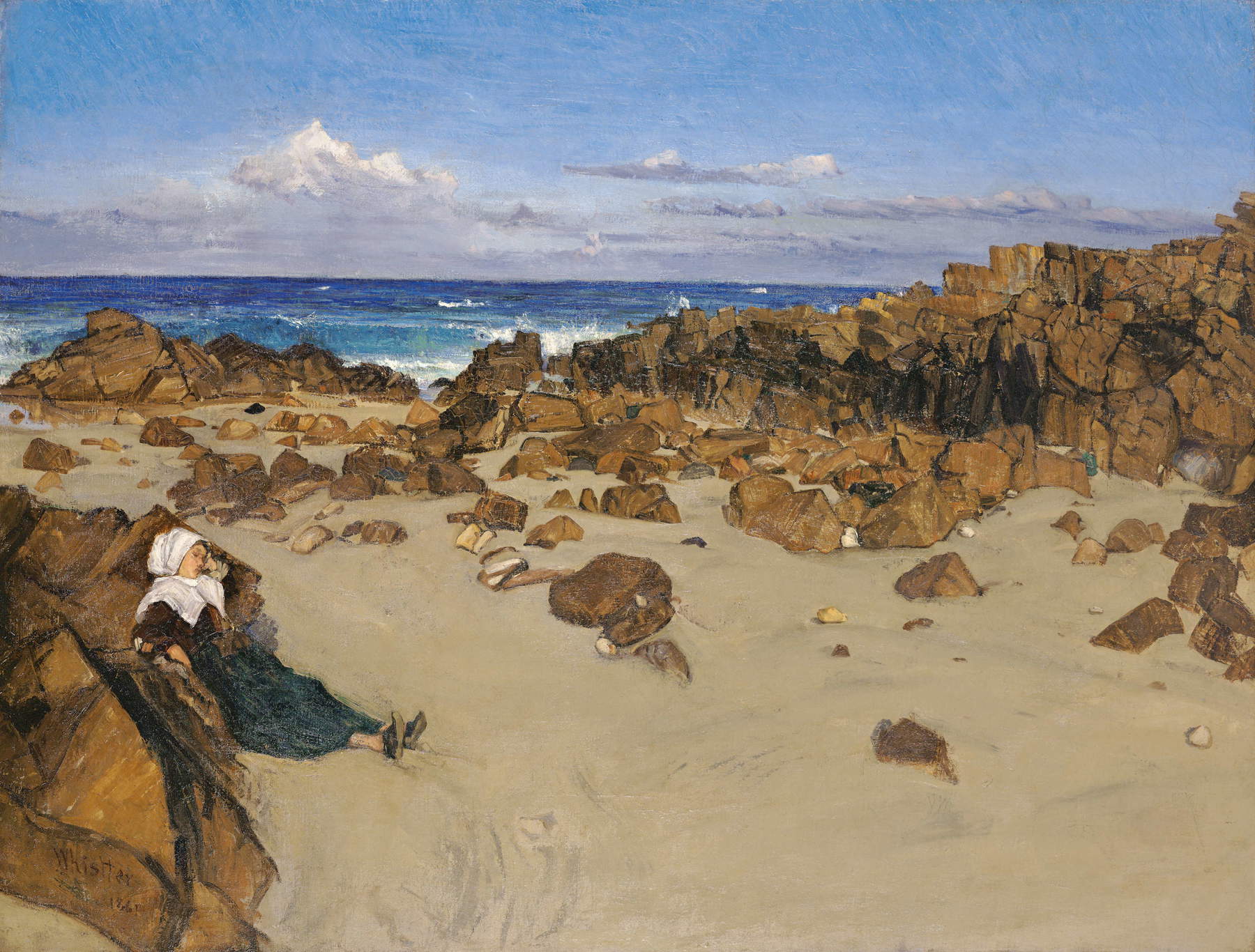
The son of an engineer who had moved with his family to St. Petersburg, the fifteen-year-old Whistler was already determined to become an artist. After his father’s death, he had to return to the United States, where, much to his dismay, he was steered toward a military career; but in 1855, at just over twenty years of age, he decided to emigrate to France with the firm intention of devoting himself to artistic studies. This was not merely a temporary move, but a turning point in his life. In Paris, he began to lead a bohemian lifestyle, embracing Baudelaire’s teachings; he joined Charles Gleyre’s studio and forged connections with Courbet and Fantin-Latour, while simultaneously developing a passion for the Old Masters, particularly Rembrandt. The exhibition provides a thorough account of the early stages of his career, which unfolded primarily in the field of printmaking, following in the footsteps of the Dutch master’s exceptional artistry; indeed, it was through prints that Whistler first exhibited at the Salons. Two of the paintings on display are emblematic of this Parisian period: *On the Floor* ( Cincinnati, Taft Museum of Art), rejected by the 1859 Salon, depicts an interior scene with a perspective similar to that of his mentors and Manet, yet on the verge of giving way to the Impressionist vision; *Coast of Brittany* (Hartford, Wadsworth Atheneum) is clearly conceived in the spirit of Courbet. This latter painting dates from 1861. For two years, Whistler had been living in London, where he would remain—save for a few trips and without severing his ties to the Parisian art scene—until his death.


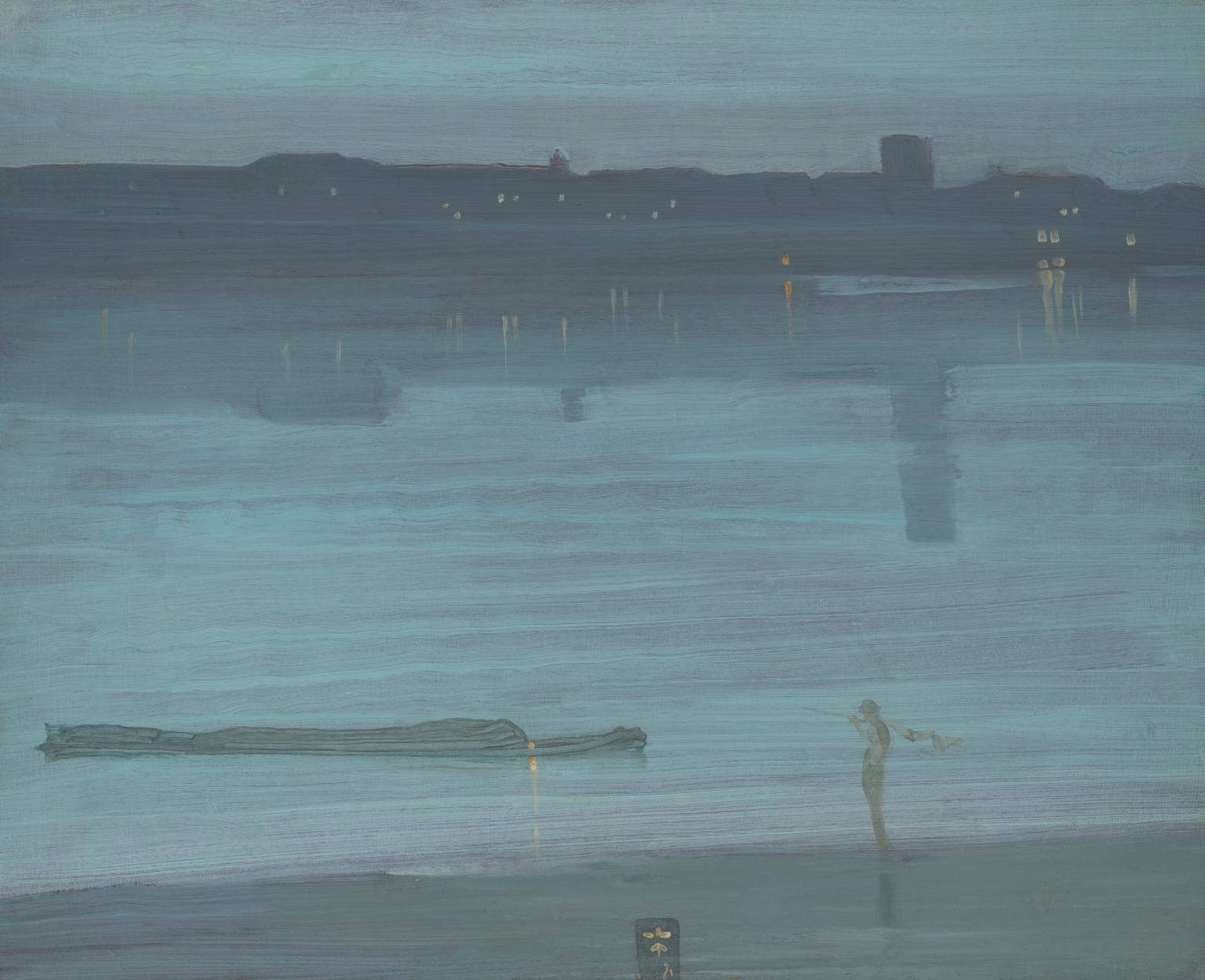
It is here that the decisive transformation toward the sophisticated style we know takes place; it is here that the painter embarks on a path of formalism imbued with a diaphanous and ethereal beauty, attuned to musical genres: symphony, nocturne, arrangement, and harmony will henceforth be the favored titles of his compositions, intended to evoke the subtle chromatic harmonies of Whistler’s painting. It suffices, then, to compare *The Brittany Coast* with *Chelsea in the Ice* (Waterville, Colby College Museum of Art) from 1864 to realize how the iridescent palette is reduced to an almost monochromatic modulation of velvety grays, as it conveys the hazy London mists so far removed from the sharp contrasts produced by the light of Brittany. In the British capital, Whistler found the most fertile ground on which to cultivate his art and bring his bold, complex personality to full maturity: he engaged with Pre-Raphaelite painting without being subjugated by it, with Oscar Wilde in advocating a conception of art free from those social and moral objectives so dear to the Victorian mindset; he made his White House in Chelsea a hub of social life as well as the setting for his second career as a dandy; and he was enchanted by the rampant Japonism. This latter influence was decisive in shaping Whistler’s mature style: in the prints of Hiroshige and his compatriots—a selection of which is on display in the exhibition—the painter admired the essential compositions, tending toward two-dimensionality and abstraction, the elegance of the figurines and stylized forms set against seascapes or flowery backgrounds, and the suffused lyricism that takes precedence over the subject.


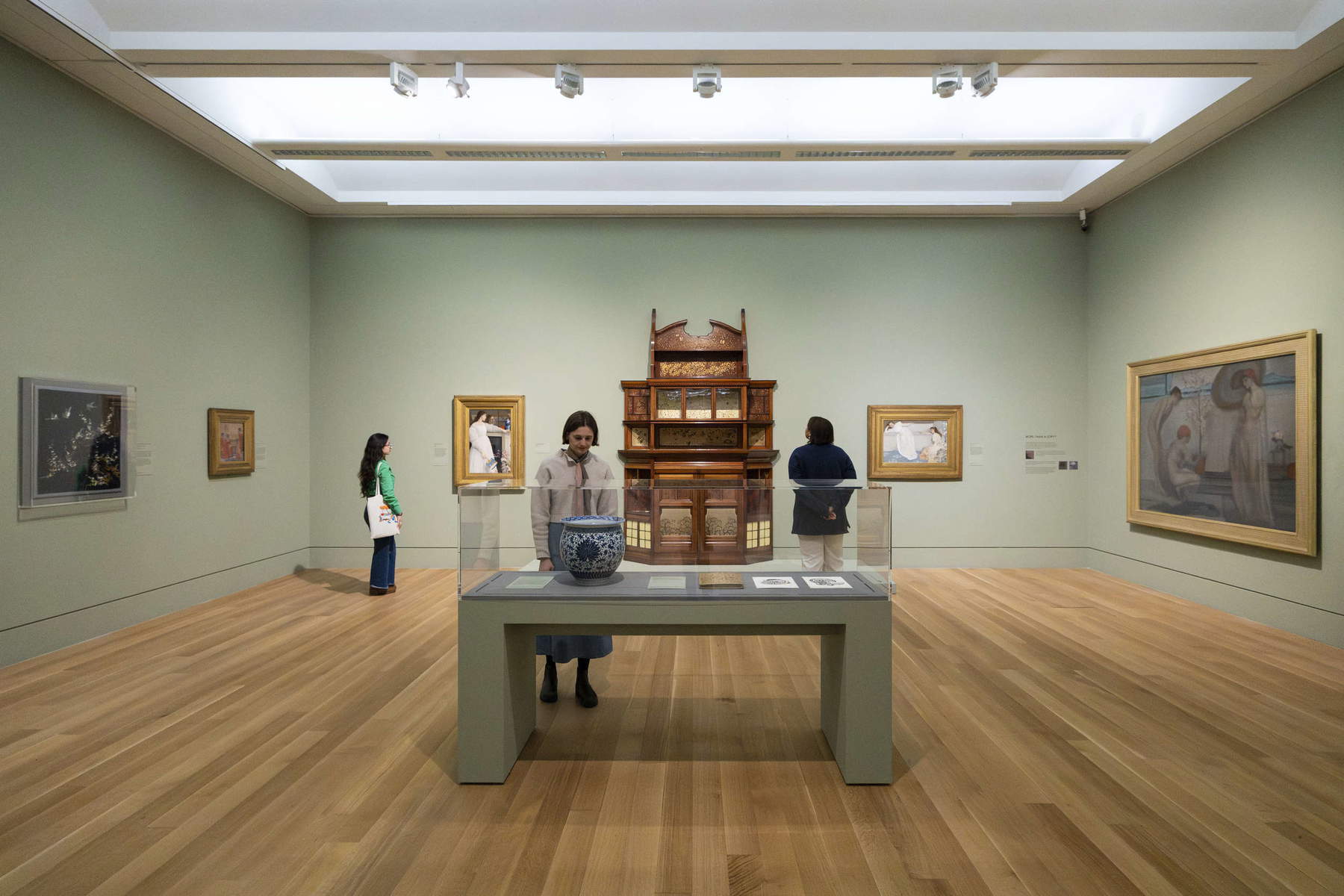
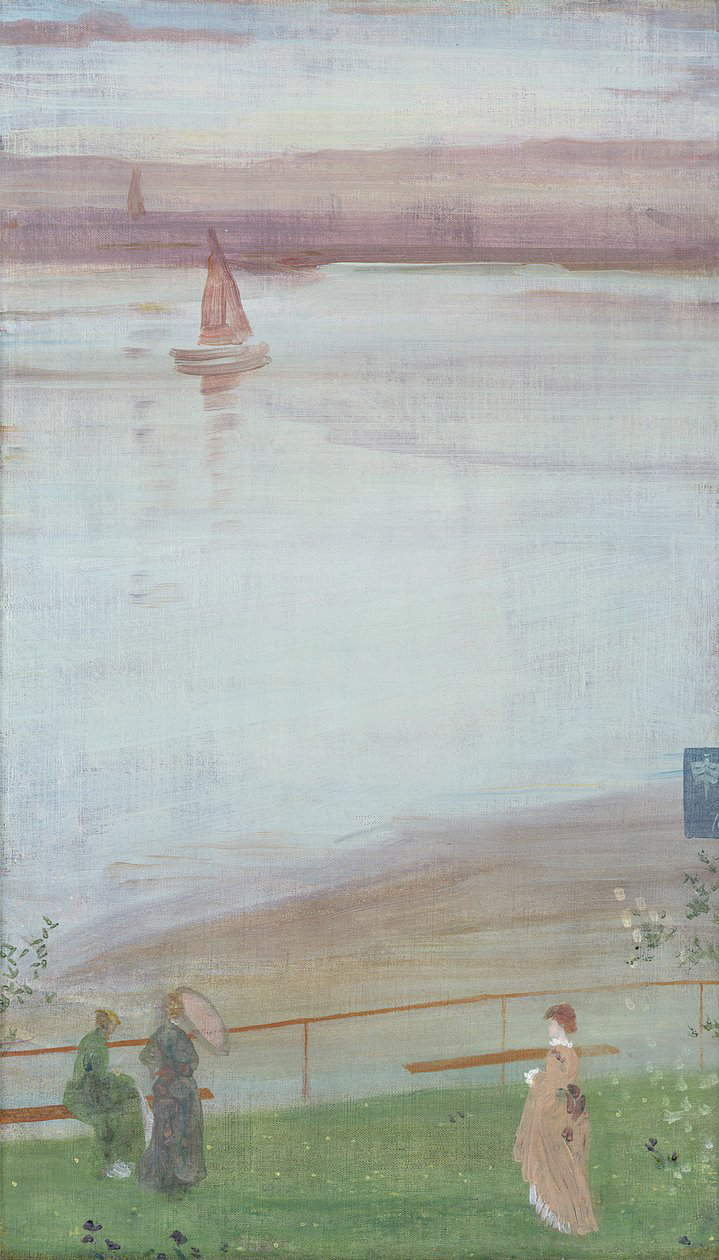
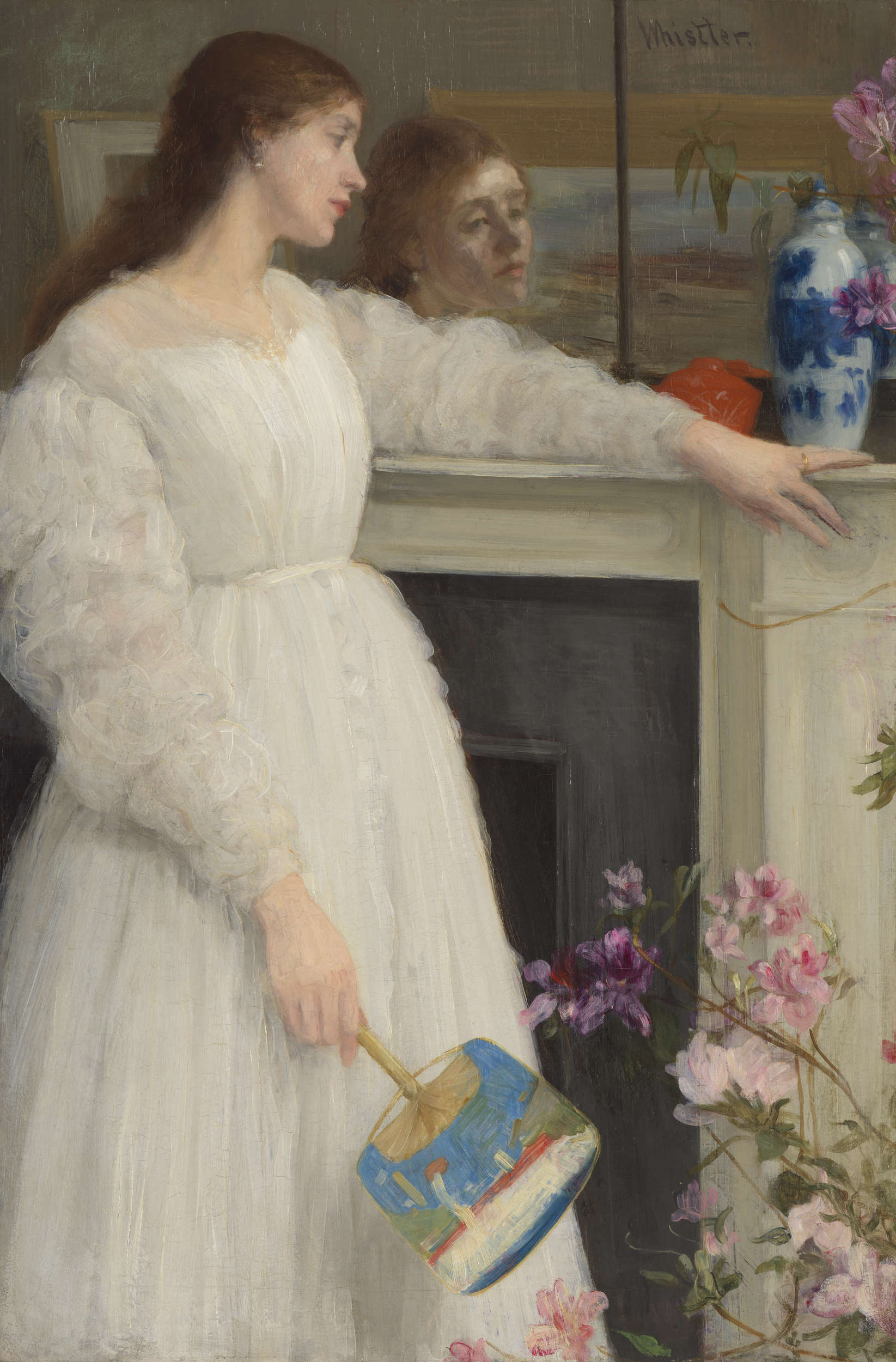
At the same time, Whistler began collecting porcelain, especially Chinese (he amassed over three hundred pieces), scattering them throughout his paintings, and, drawing inspiration from the marks stamped on Oriental ceramics, he devised that butterfly motif (resembling the initials J and W) which he used as the hallmark of his creations. This gave rise to works such as *Variations in Purple and Green* (Paris, Musée d’Orsay), *Harmony in Flesh and Red* (Boston, Museum of Fine Arts), and *The Artist in His Studio* (The Art Institute of Chicago), which, in a programmatic and evocative manner, opens the exhibition. In these works appear pale silhouettes made of an ethereal substance—young women draped in loose, colorful kimonos and sumptuous robes. *Symphony in White, Portrait No. 2* (London, National Gallery), which inspired Swinburne’s poem *Before the Mirror*, perfectly captures the fusion of Far Eastern allure and Pre-Raphaelite aesthetics. It is, however, a pity that, in this room dedicated to the reception of Japonism, the place of honor at the center of a wall is given to a reproduction of a work (Violet and Pink: The Lange Leizen of the Six Marks; Philadelphia Museum of Art) rather than to the original canvas or another work.
![James Abbott McNeill Whistler, *Chelsea on the Ice* (1864; oil on canvas, 45.1 x 61 cm; Waterville [ME], Colby College Museum of Art)](https://cdn.finestresullarte.info/rivista/immagini/2026/3656/james-whistler-chelsea-ghiaccio.jpg "James Abbott McNeill Whistler, *Chelsea on the Ice* (1864; oil on canvas, 45.1 x 61 cm; Waterville [ME], Colby College Museum of Art)")
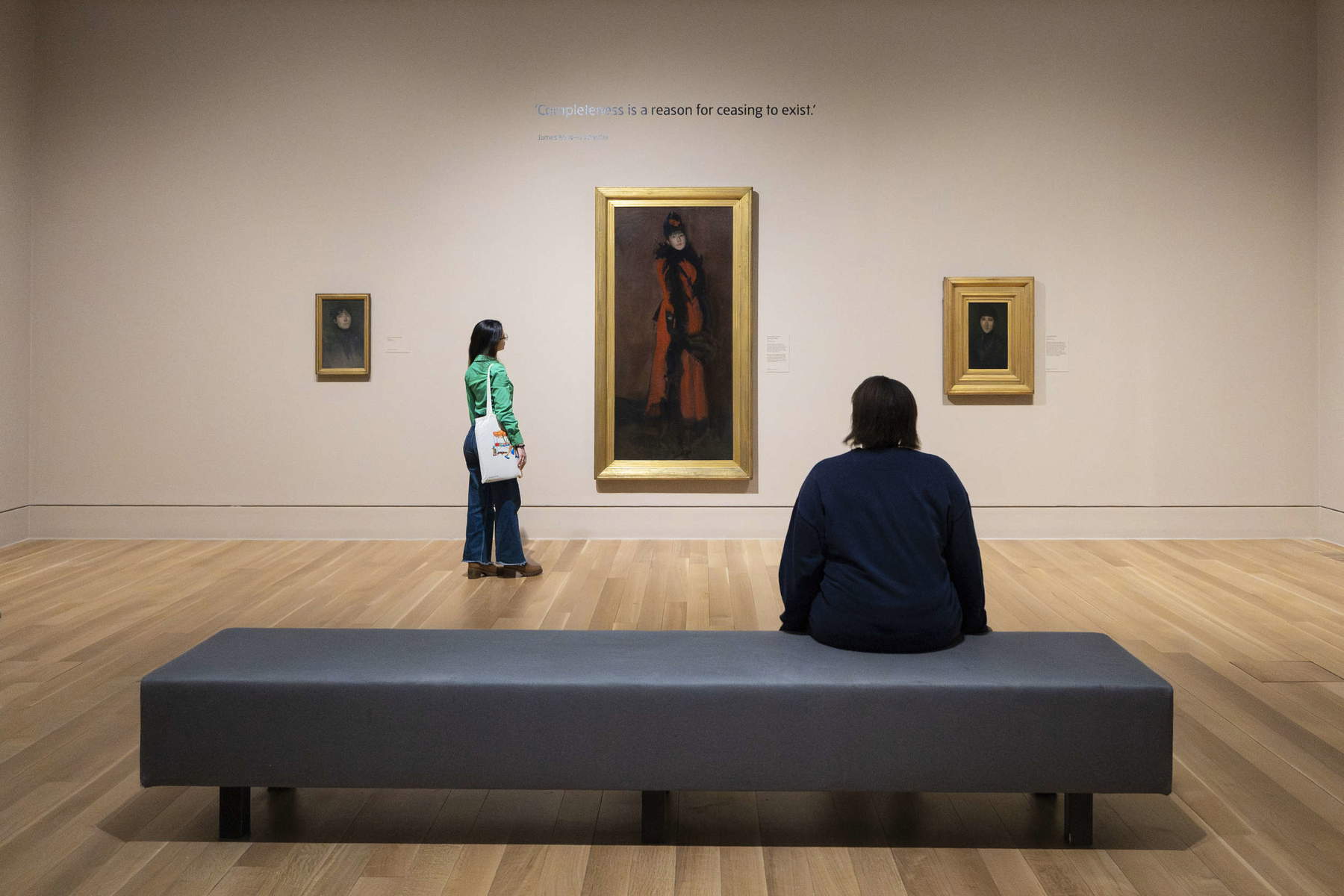
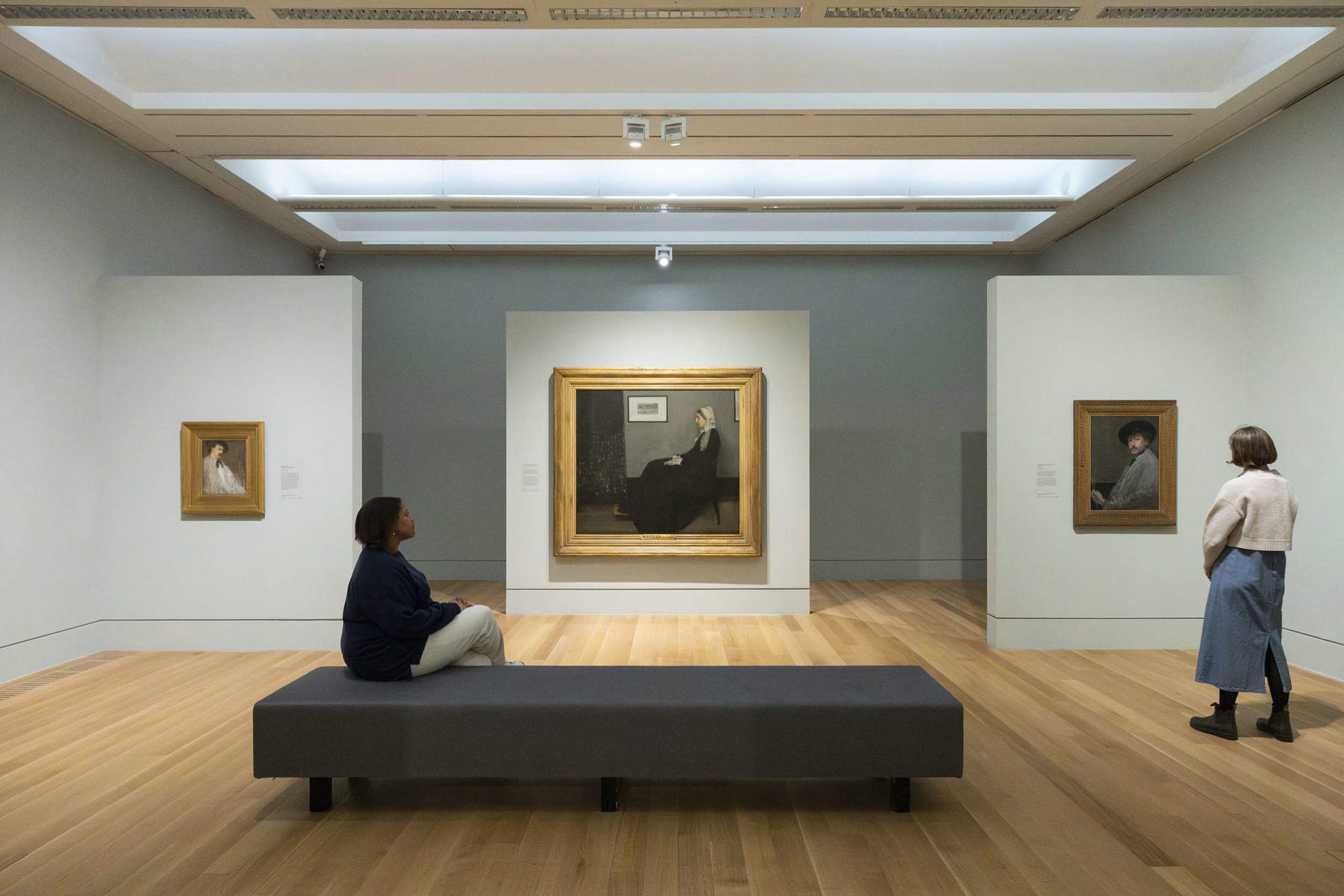
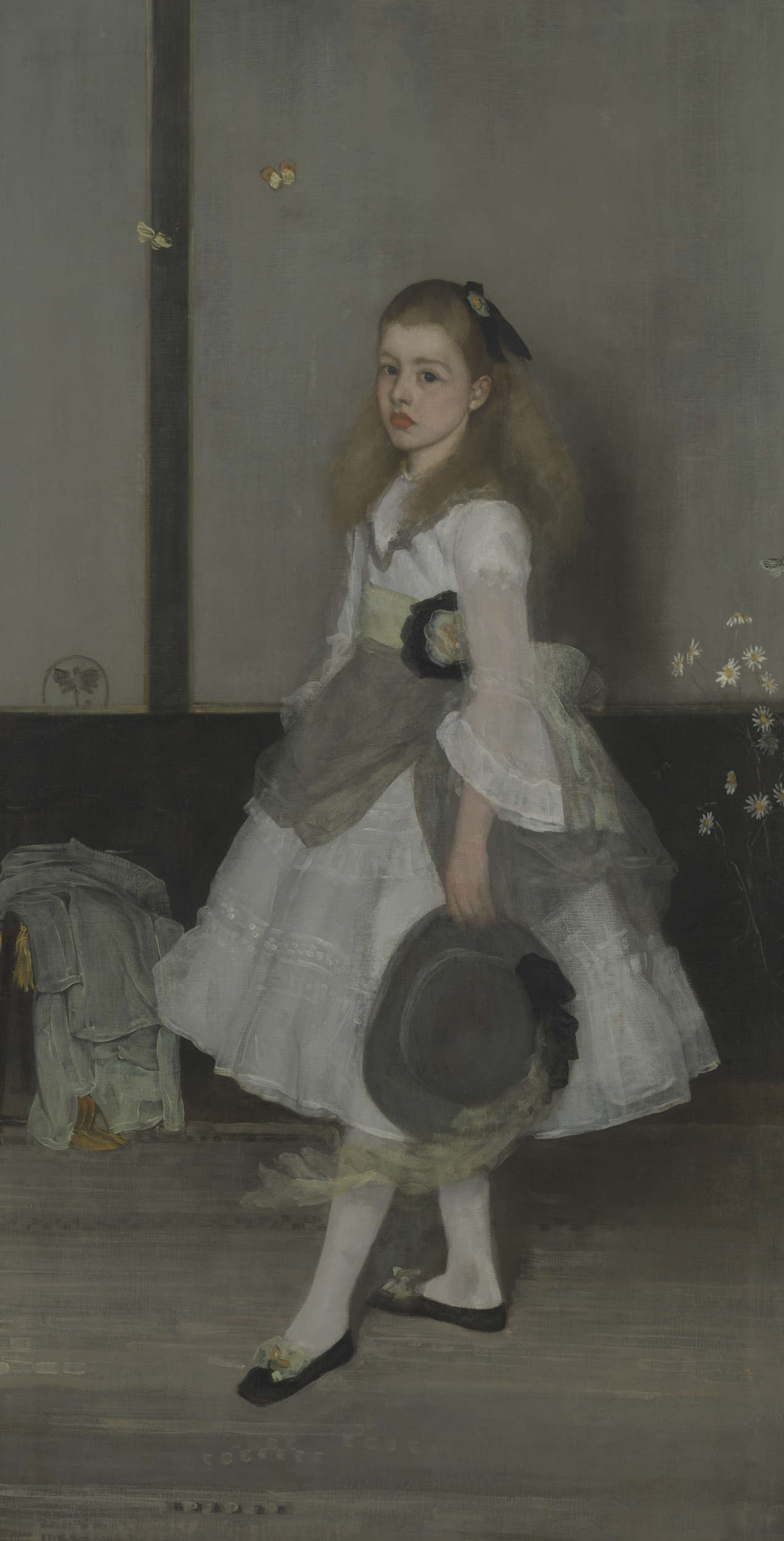
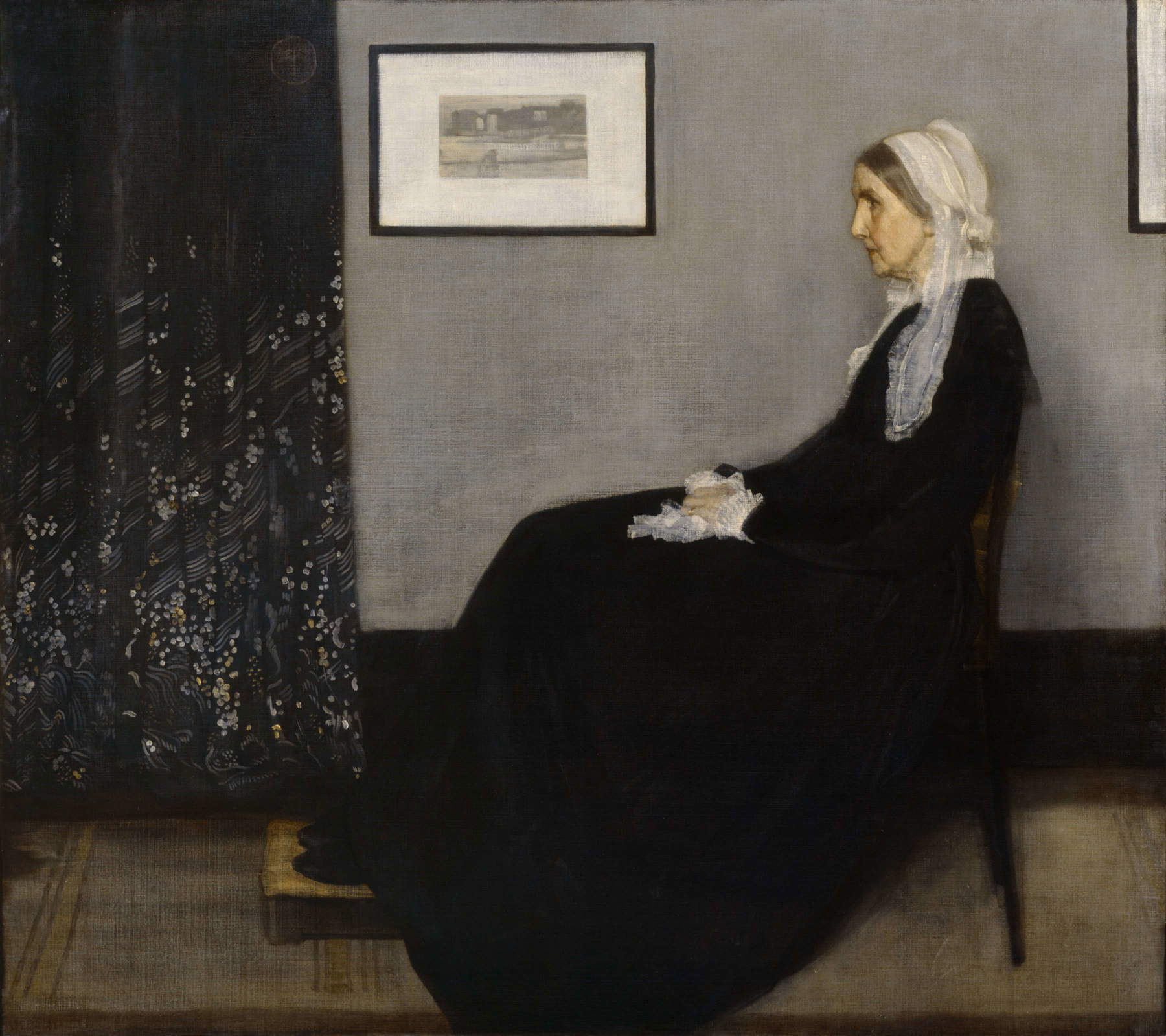
These paintings, in which the aesthetic element predominates, are imbued with a melancholy and languor that Whistler tones down in most of his full-length portraits, which—as products of the fashionable tastes of certain wealthy patrons—were viewed by official institutions with ill-concealed, reluctant skepticism: how can we forget that *Symphony in White, Portrait No. 1* (now at the National Gallery of Art in Washington) had been rejected by both the Royal Academy and the Paris Salons, only to become, alongside Manet’s *Luncheon on the Grass*, one of the stars of the *Salon des Refusés*? This brings us to some of the exhibition’s most important works, foremost among which is *Harmony in Gray and Green: Miss Cicely Alexander*, in which Velázquez’s influence seems to have been absorbed through Manet’s filter, alongside the portrait of his sister, Miss May Alexander ( like the previous one housed at Tate Britain), whose unfinished state enhances that evanescence and that sense of chromatic dust in which Whistler’s brushwork excels. In *Arrangement in Gray and Black: Portrait of the Artist’s Mother* (Paris, Musée d’Orsay), the two colors of the title are instead applied in broad, distinct swaths, as in a Japanese print; echoing, in their contrast with the white, in the engraving/print (a copy of one by Whistler himself) hanging on the wall. The choice of this dark, smoky color scheme alludes to the subject’s status as a widow, who, twenty years after her husband’s death, had not yet laid aside her mourning clothes. The figure, outlined within a soft, undulating contour, once again evokes Eastern prints, and the visitor can observe it in comparison with the figure—seen almost in profile—of the protagonist of the aforementioned *On the Floor*, which has been aptly placed on the opposite wall in the exhibition, thus highlighting the evolution toward the refined synthesis of form and color that makes the maternal portrait one of the American painter’s best-known masterpieces.
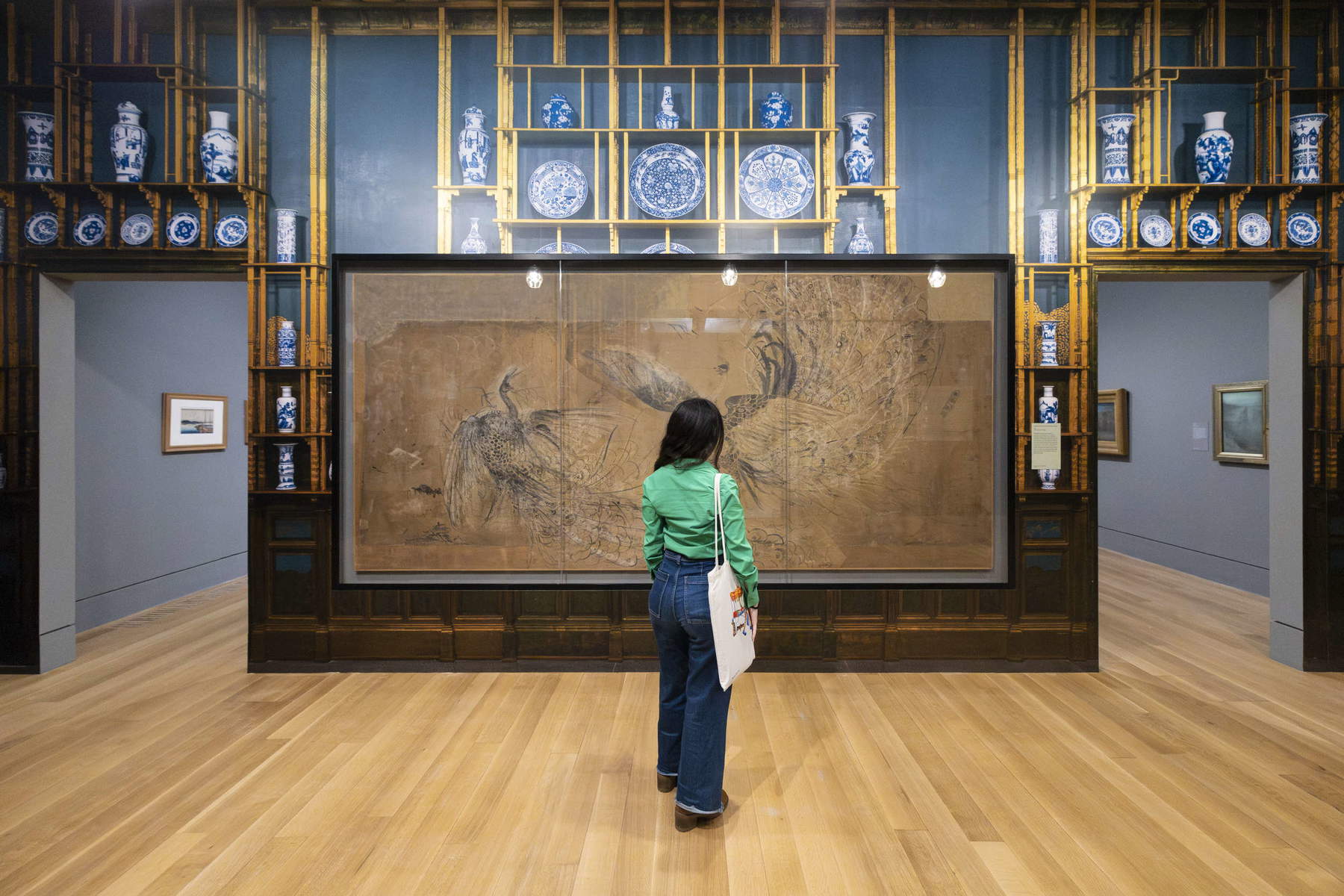
Before reaching another key section of the exhibition, visitors pass through a room that, thanks to the reproductions covering all four walls, recreates the equally famous Peacock Room on a 1:1 scale. This was the dining room of Frederick R. Leyland’s London residence, which architect Thomas Jekyll and Whistler designed to showcase the wealthy shipowner’s collection of Chinese porcelain. Dismantled and later relocated to the Freer Gallery of Art (now the National Museum of Asian Art) in Washington, it is a permanent installation, with its blue-green and gold panels on which, in strict adherence to the aesthetic sensibility and poetics of Symbolism, pairs of majestic peacocks are depicted, displaying their plumage like cloaks woven with golden threads. In the absence of the original, we can view the preparatory sketch depicting the two fighting peacocks (Glasgow, Hunterian Art Gallery).
The second focal point of the exhibition, following the portraits from the 1860s and 1870s, is the section dedicated to the nocturnes. Whistler defined them as such not so much because of the darkness—illuminated only by faint and distant glimmers that engulf the landscapes—but because they are immersed in an evocative dimension that, recalling Chopin’s compositions, imbues the views with an enchanted lyricism. Water is almost always the protagonist; in the distance, one can make out a shore dotted with a few flashes of yellow, set against an almost monochromatic harmony of shades of blue. The ten or so canvases on display in this room mark the pinnacle of Whistler’s poetry, in a quest for rarefied atmospheres that earned him the acclaim of the French Symbolists.
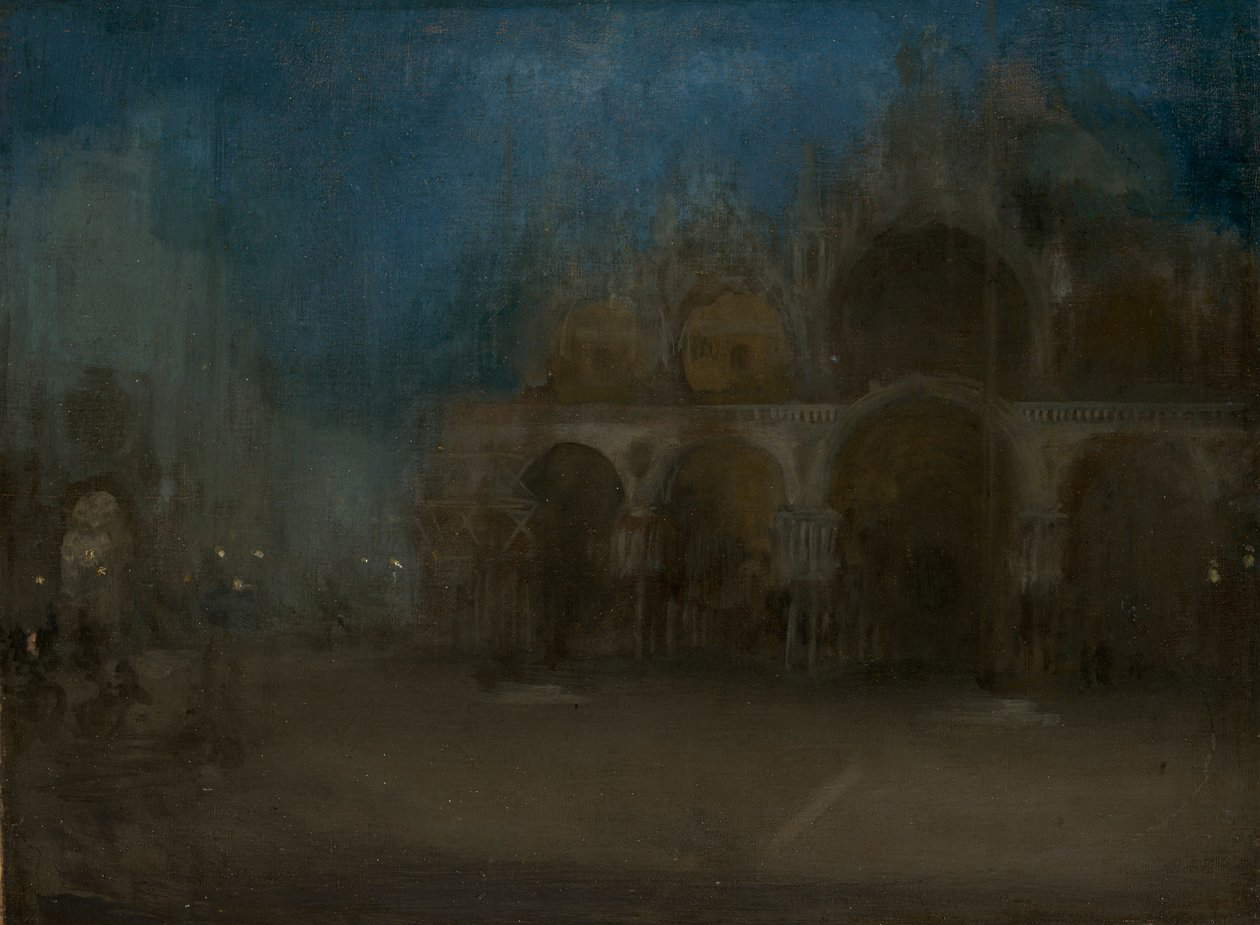
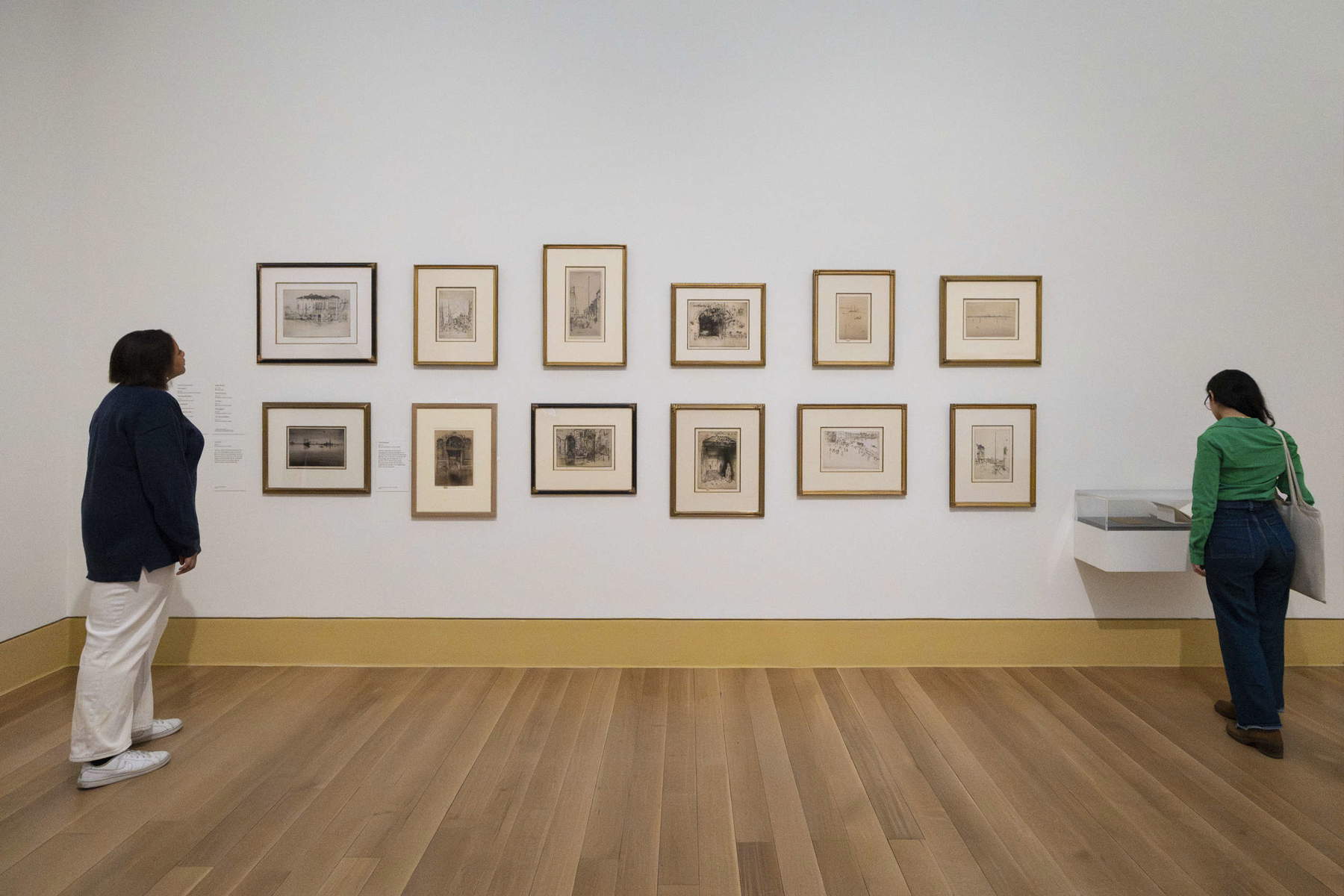
The influential British critic John Ruskin adored Turner, loved the Pre-Raphaelites, but did not understand Whistler. The accusations of gross sloppiness leveled against these masterpieces convinced the artist to take him to court on charges of defamation. Whistler emerged victorious, but the burden of legal fees and Leyland’s refusal to pay what was owed to him for the decoration of the Peacock Room drove him into bankruptcy. Thus ended what, in some respects, had been the golden age of a long career. Although he maintained a firm base in the capital, in the following years Whistler traveled throughout the continent and beyond, reaching as far as Algeria, in a desire to distance himself from his disappointments in London. In 1879 he was in Venice, having received a commission for twelve engravings: he stayed there for a year and a half, and when he returned to England, he brought with him a collection of about fifty engravings, over a hundred pastels, and various paintings, including another masterpiece, *Nocturne: Blue and Gold, St. Mark’s in Venice* (Cardiff, National Museum of Wales). This Venetian chapter was therefore not without fruit. With its effects of delicate and almost abstract opalescence, the second series of engravings (London, British Museum) marks an important maturation in Whistler’s graphic art. The subjects include not only the lagoon with its sunrises and sunsets, but also glimpses of canals bathed in silence, deserted waterways, and palaces encrusted with the marks of time—which Proust admired so much that he mentioned them in *In Search of Lost Time*.
On his subsequent travels, Whistler devoted himself primarily to printmaking, favoring everyday subjects, cityscapes, and landscapes on small-format sheets. Green and White, Dieppe (New Haven, Yale Center for British Art), one of the most beautiful works on view in the exhibition, is a watercolor on paper reminiscent of Degas’s pastels on similar subjects.
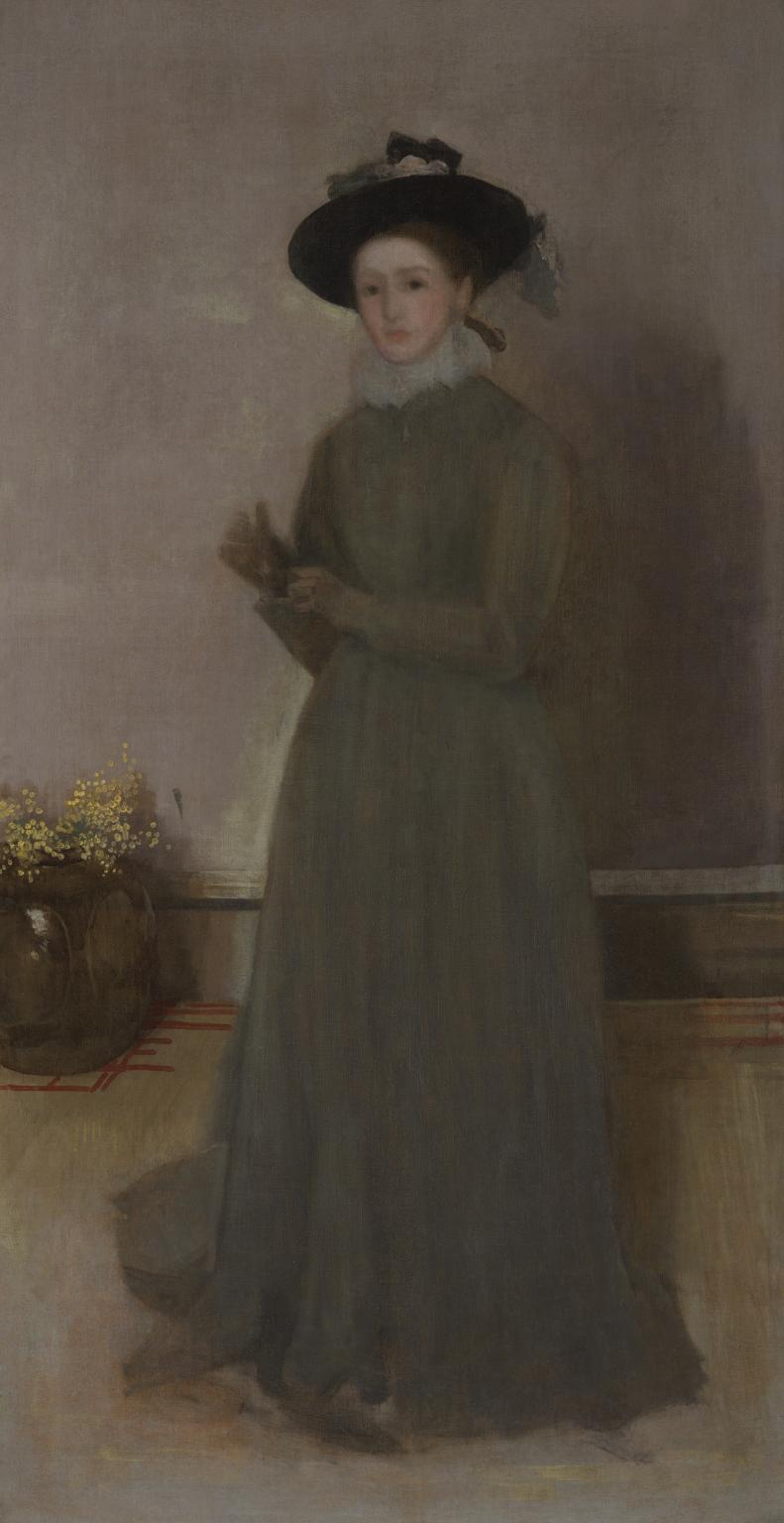
One gets the impression that, with a few notable exceptions such as the Chelsea Girl (Bentonville, Crystal Bridges Museum of American Art), his later portraiture increasingly struggled to recapture the brilliance that characterized his work prior to 1880. In a society that considers him culturally obtuse, Whistler becomes increasingly involved in defending his conception of the artist—and thus the role of art—and, ever the combative spirit, he continues to publish pamphlets (the best known being *The Gentle Art of Making Enemies*), he took to the stage to offer his lessons in aesthetics to a paying audience (Mr. Whistler’s Ten O’Clock), aware—well ahead of his time—that satire and scandal were the best forms of publicity.
Rather than a guide to the exhibition itinerary and the interpretation of individual works—some of which are not even reproduced in the catalog—it is a useful collection of essays on the painter. All that remains, then, is to take advantage of the unmissable opportunity presented by this event to gain a deeper understanding of the master who signed his works with a butterfly and who was so aware of his own artistic persona that, faced with the impatience of his models—worn out by grueling posing sessions— he would ask them to look at him for just a few more moments while he was painting their portraits, so that they might gaze for eternity.
Warning: the translation into English of the original Italian article was created using automatic tools. We undertake to review all articles, but we do not guarantee the total absence of inaccuracies in the translation due to the program. You can find the original by clicking on the ITA button. If you find any mistake,please contact us.