



by Emanuela Zanon 09/11/2026


Categories: Exhibition reviews / Disclaimer
To mark the centennial of Marisa Merz’s birth, three exhibitions in Turin (at the Castello di Rivoli, the Fondazione Merz, and the GAM) shed light on the complexity of an artist often described simply as the only woman of the Arte Povera movement. Yet her artistic practice follows an independent path, where matter is transformed into an emotional and spiritual language. A review by Emanuela Zanon.


The phrase that is almost automatically associated with Marisa Merz’s name is “the only woman of Arte Povera,” a definition that risks establishing her uniqueness solely to exploit it as symbolic capital for the group’s benefit: once articulated, the exception tends to subsume her work under its own label and to cast into the shadows what makes her eccentric. The facts, however, are less straightforward than the phrase suggests. Maria Luisa Truccato (Turin, 1926–2019), a student and model of Felice Casorati, married Mario Merz (Milan, 1925 – Turin, 2003), taking his surname, and in the same year their daughter Beatrice was born. In 1967, she held three solo exhibitions in Turin: at the Luna 2 gallery in May, at Gian Enzo Sperone’s gallery in June, and at the Piper Pluri Club (an experimental venue blending design and the avant-garde) in December, yet the first Arte Povera exhibition curated by Germano Celant at the Galleria Bertesca in Genoa in September (“Arte Povera – Im Spazio”) was staged without her, and she was also omitted from the list the critic published at the end of the year in *Flash Art* in the article “Arte povera. Notes for a Guerrilla Campaign, while in the Manifesto designed by Boetti, only the surname Merz appears. Marisa is associated with the group at a later stage, once its identity had been established, beginning with the exhibition *Arte povera più Azioni povere*, an exhibition of process-based works, actions, happenings, and performances organized in 1968 on the initiative of collector and publisher Marcello Rumma and curated by Germano Celant in Amalfi, at the Arsenali dell’Antica Repubblica, the documentation of which was impromptu and incomplete. The official biography notes that Merz kept his distance from both the primary structures of Minimalism and the group to which he is attributed, while still internalizing some of its fundamental tenets, demonstrating an eccentric sensibility from the very beginning. Fully understanding the nature and consequences of that distance is the goal that three Turin exhibitions—organized to celebrate the centennial of his birth—seek to explore through different approaches as part of a major, widespread exhibition event.

Each of the three venues—the Castello di Rivoli, the Fondazione Merz, and the GAM in Turin—presents the artist from its own perspective and, in the exhibition’s design, reflects its own institutional identity. The Castello di Rivoli, a museum with a collection and large spaces, has entrusted Francesco Manacorda and Marianna Vecellio with an environmental and spiritual interpretation, which takes its cue from the reconstruction of *E il naufragar m’è dolce in questo mare*, the installation presented in 1980 by Tucci Russo and re-staged that same year at the Venice Biennale, around which hover choral evocations of the sky, flight, angels, and the feminine. Bringing the idea of legacy to life, alongside Marisa in the castle’s luminous *Manica Lunga*, are ten living artists (Leonor Antunes, Micol Assaël, Beatrice Bonino, Miriam Cahn, Tacita Dean, Thea Djordjadze, Lara Favaretto, Daiga Grantina, Armineh Negahdari, and Solange Pessoa), invited for their affinity in process or perspective, and a triptych by Agnolo Gaddi depicting the Annunciation, on loan from the Cerruti Collection, placed alongside an angel by Merz, so that the only woman in the group finds herself the progenitor of an all-female relay. The Merz Foundation, under the direction of Sébastien Delot and Beatrice Merz, shifts the focus from the result to the act of making and brings together—around concepts of process and transformation—a variety of materials, ranging from copper to wax, to raw earth, plastic caps, and rose petals—highlighting their mutual interdependence. Here, many of the previously unseen works are on display, drawn from the Turin home-studio on Via Milano and from storage, along with the room dedicated to Tacita Dean, whose film can be viewed (if it works) in Rivoli, while photographs of the Turin home are shown on Via Limone and at the GAM. Finally, at the GAM, the curatorship by Chiara Bertola and Chiara Parisi takes the house as its framework and the museum’s collection as its memory. Seven rooms break down the chronological sequence into thematic clusters (the chronology, with Merz, remains a challenge for persistent archivists, given that most of the works are untitled and undated), creating a dialogue between her artistic journey and a selection of works drawn from the gallery’s civic collection—an approach that guides the entire series of concurrent exhibitions staged in its galleries.


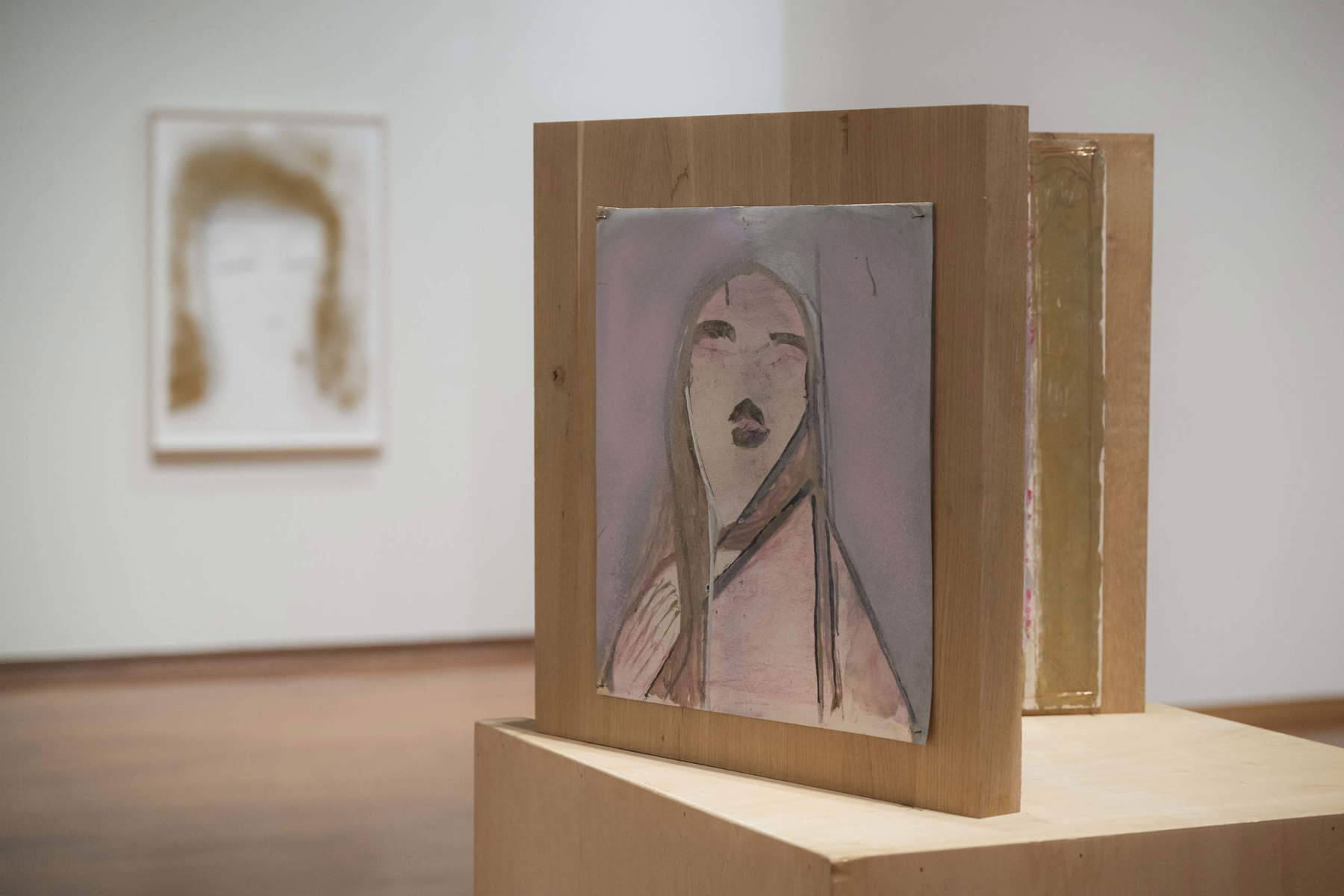
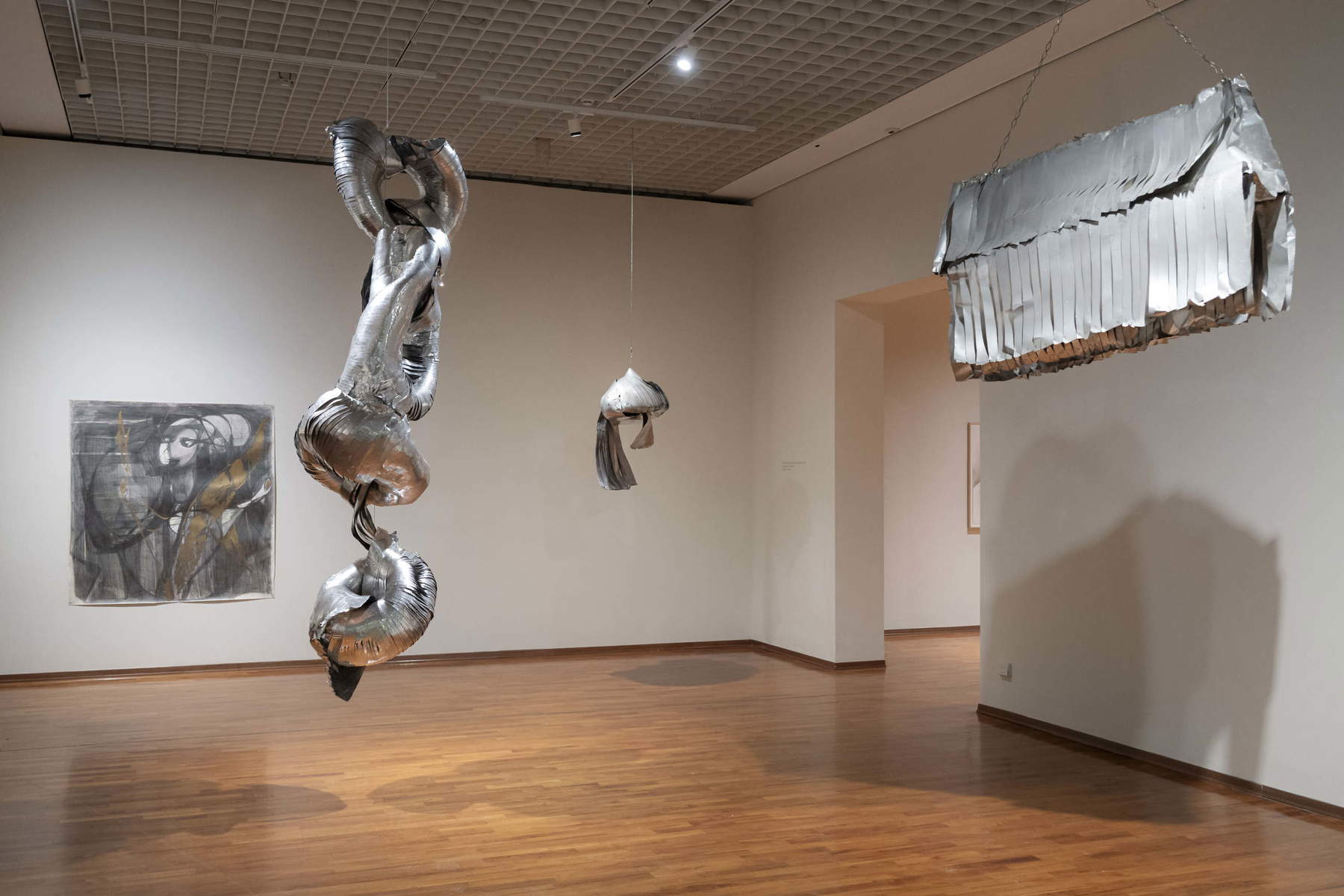
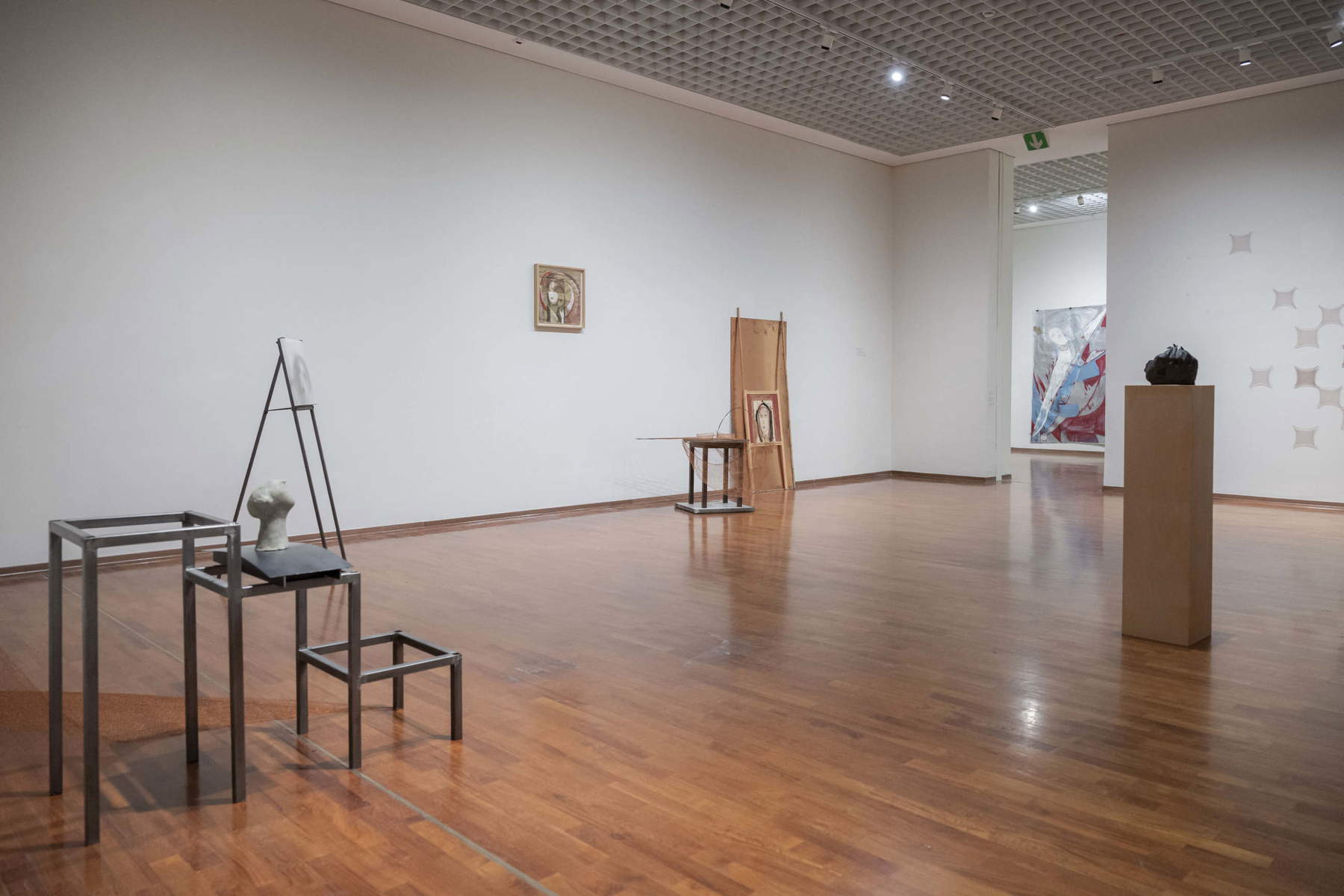
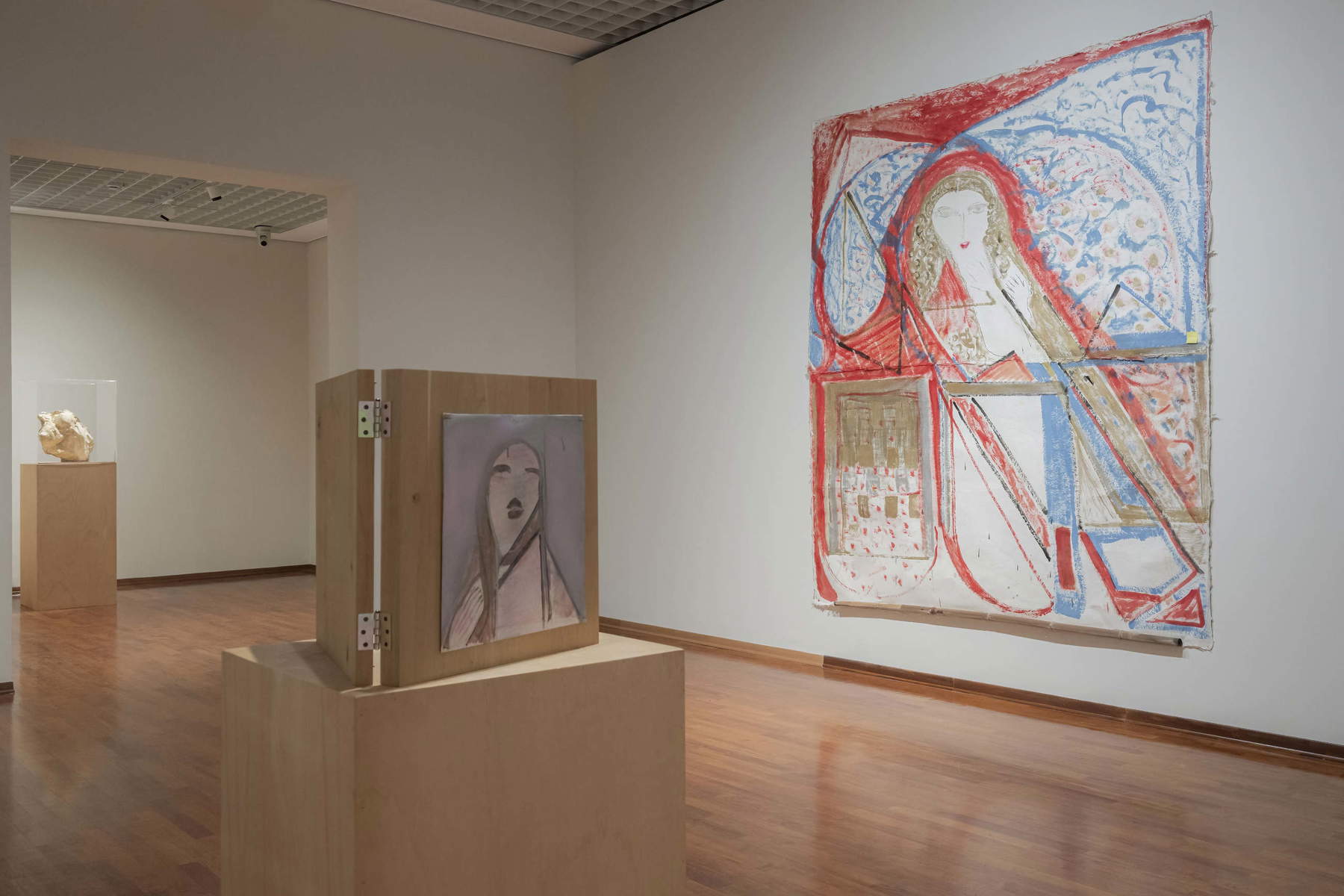
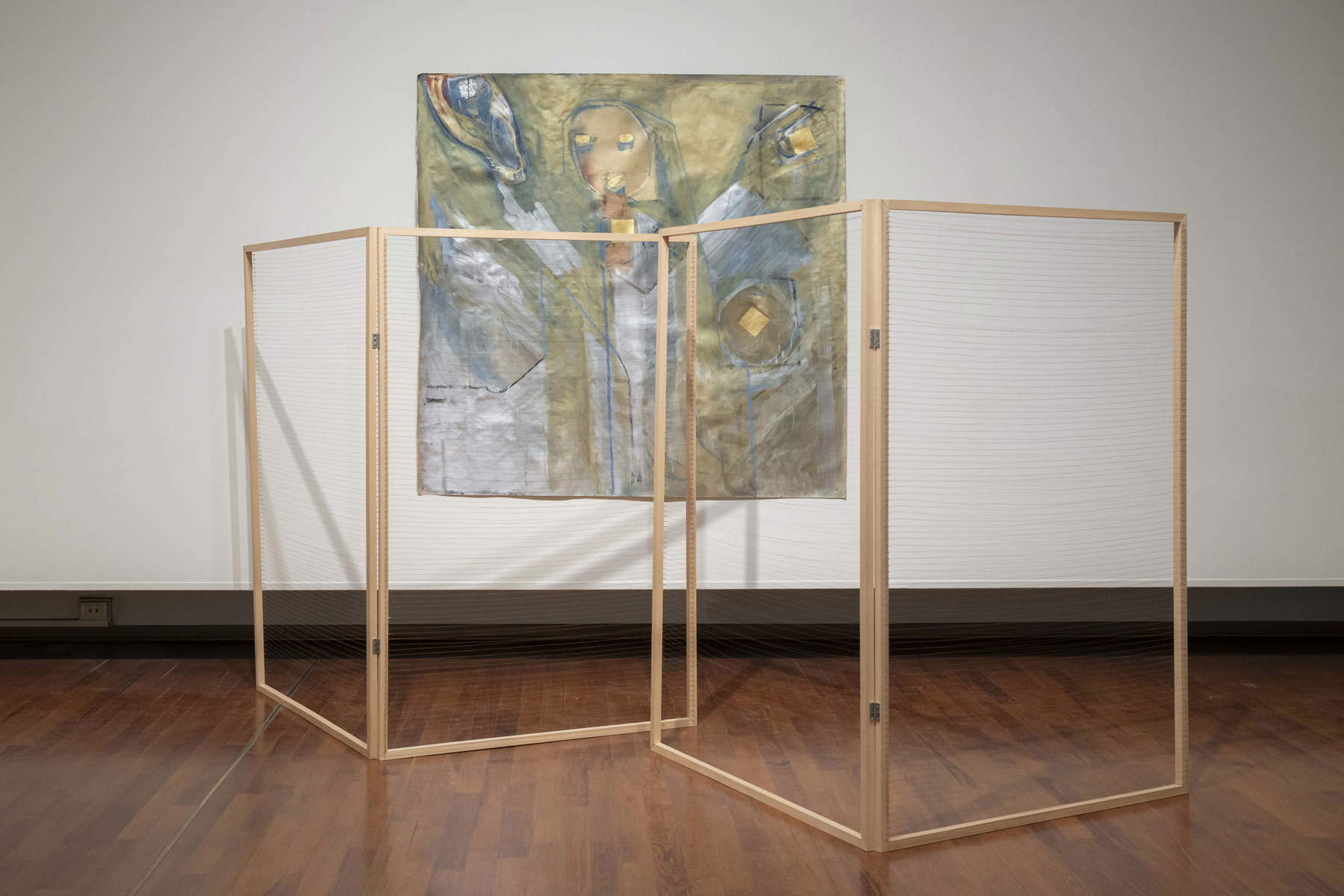
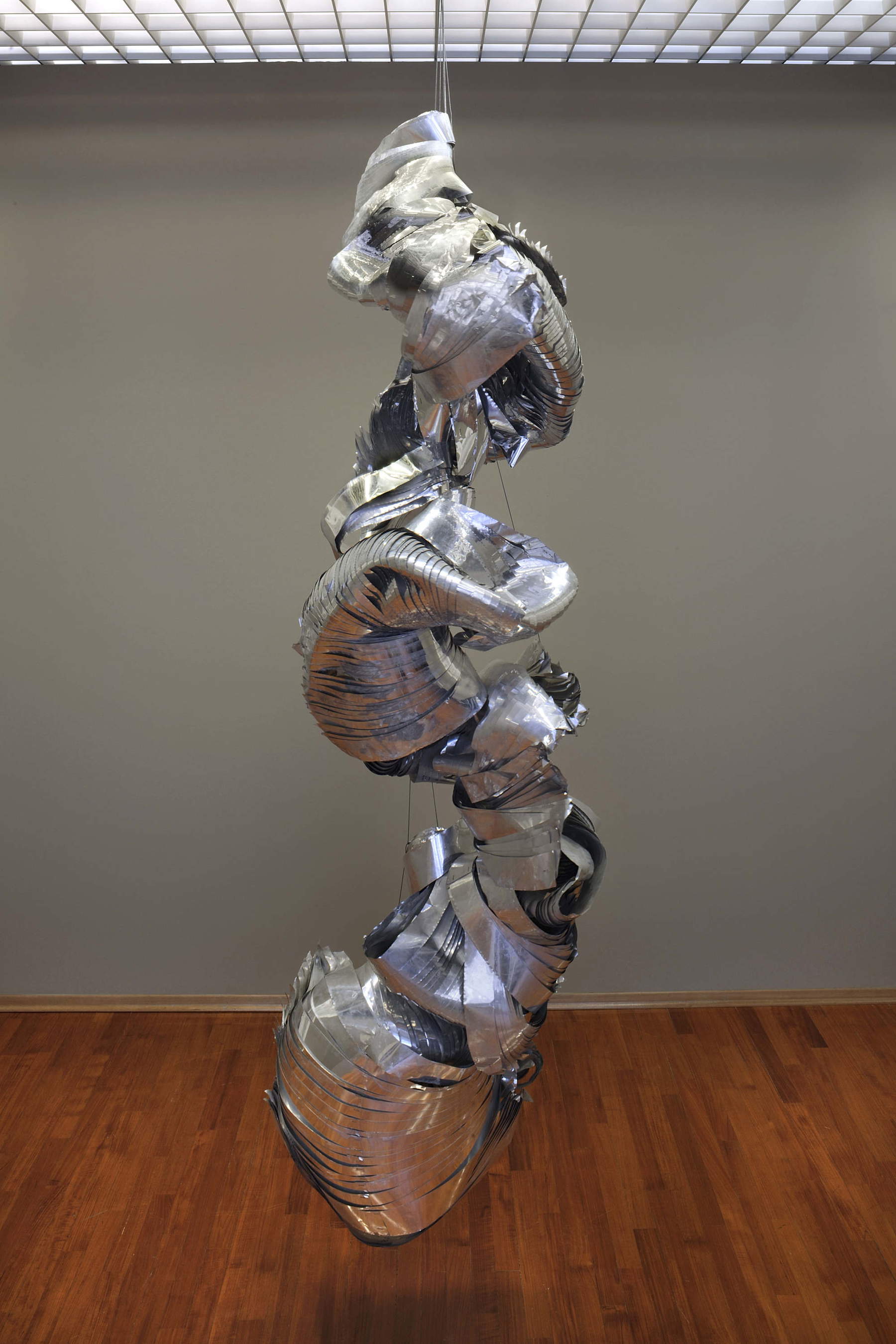
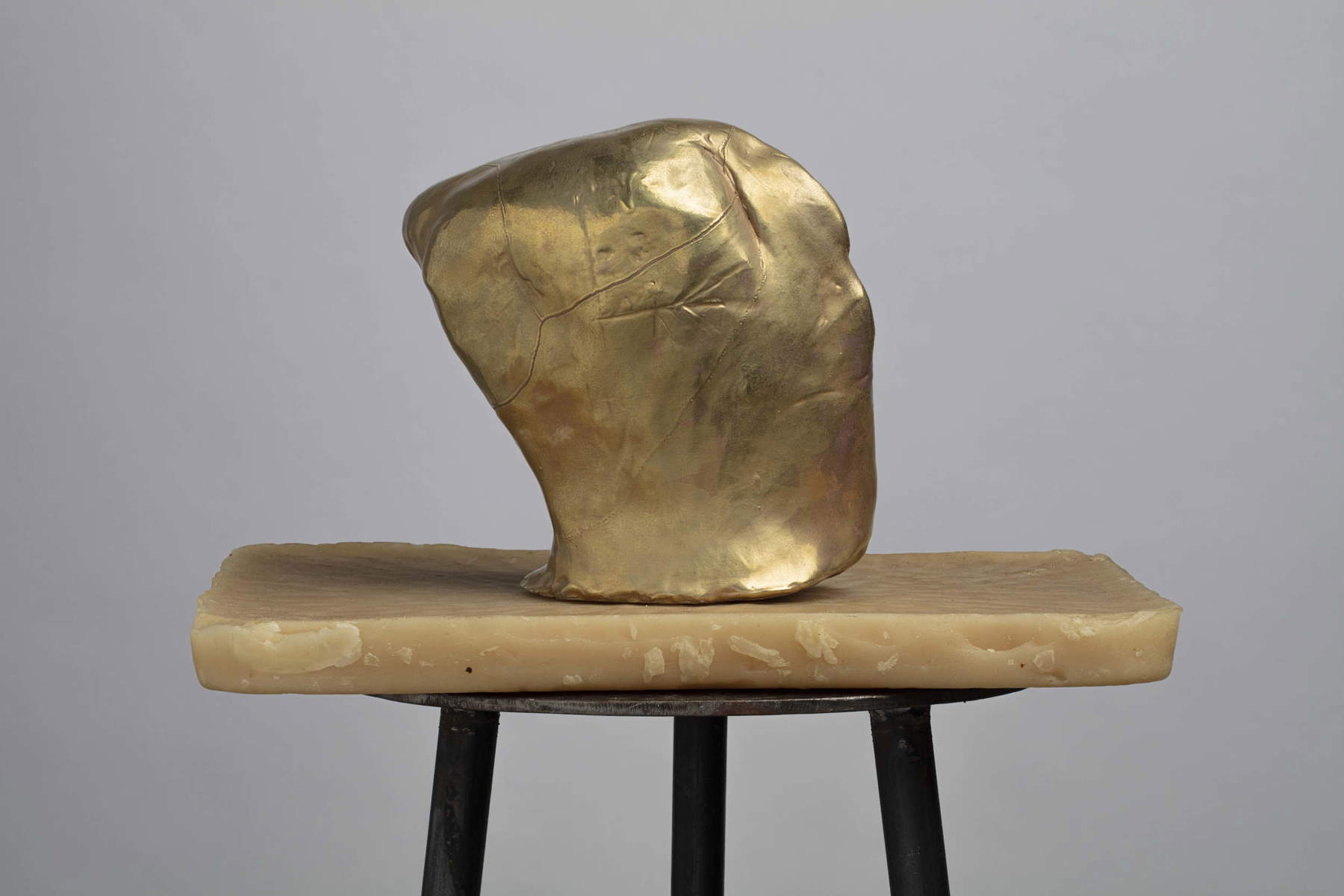
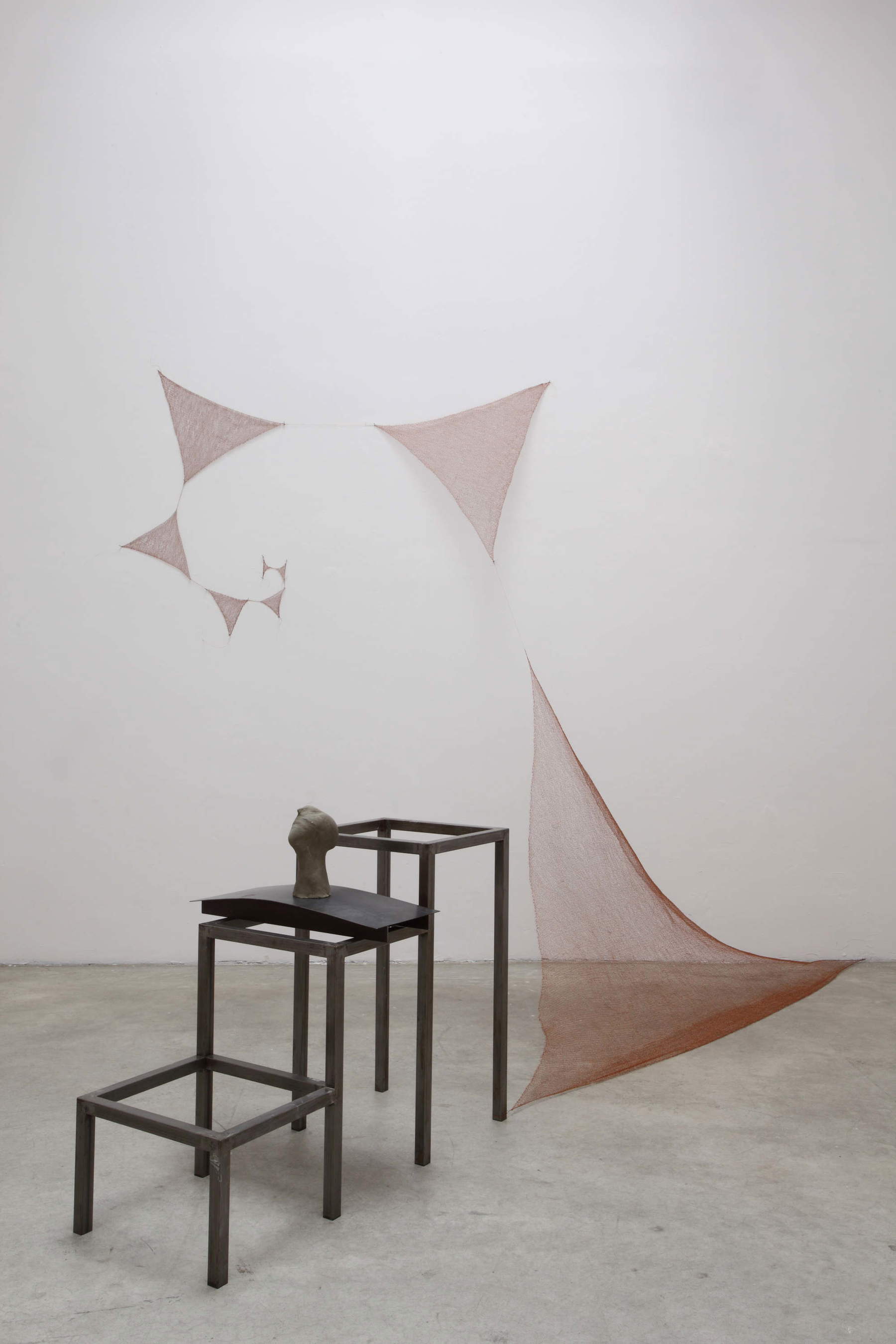
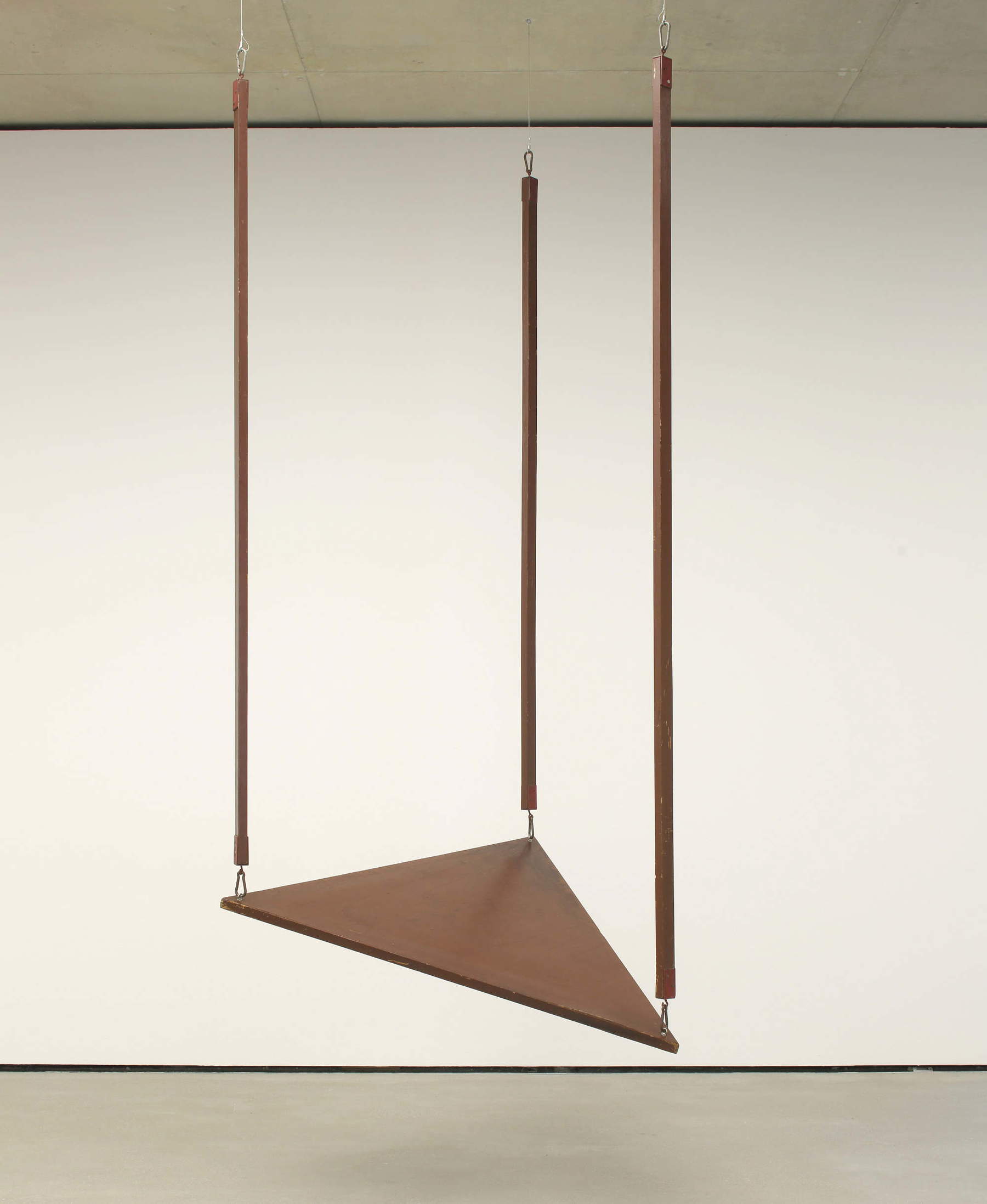
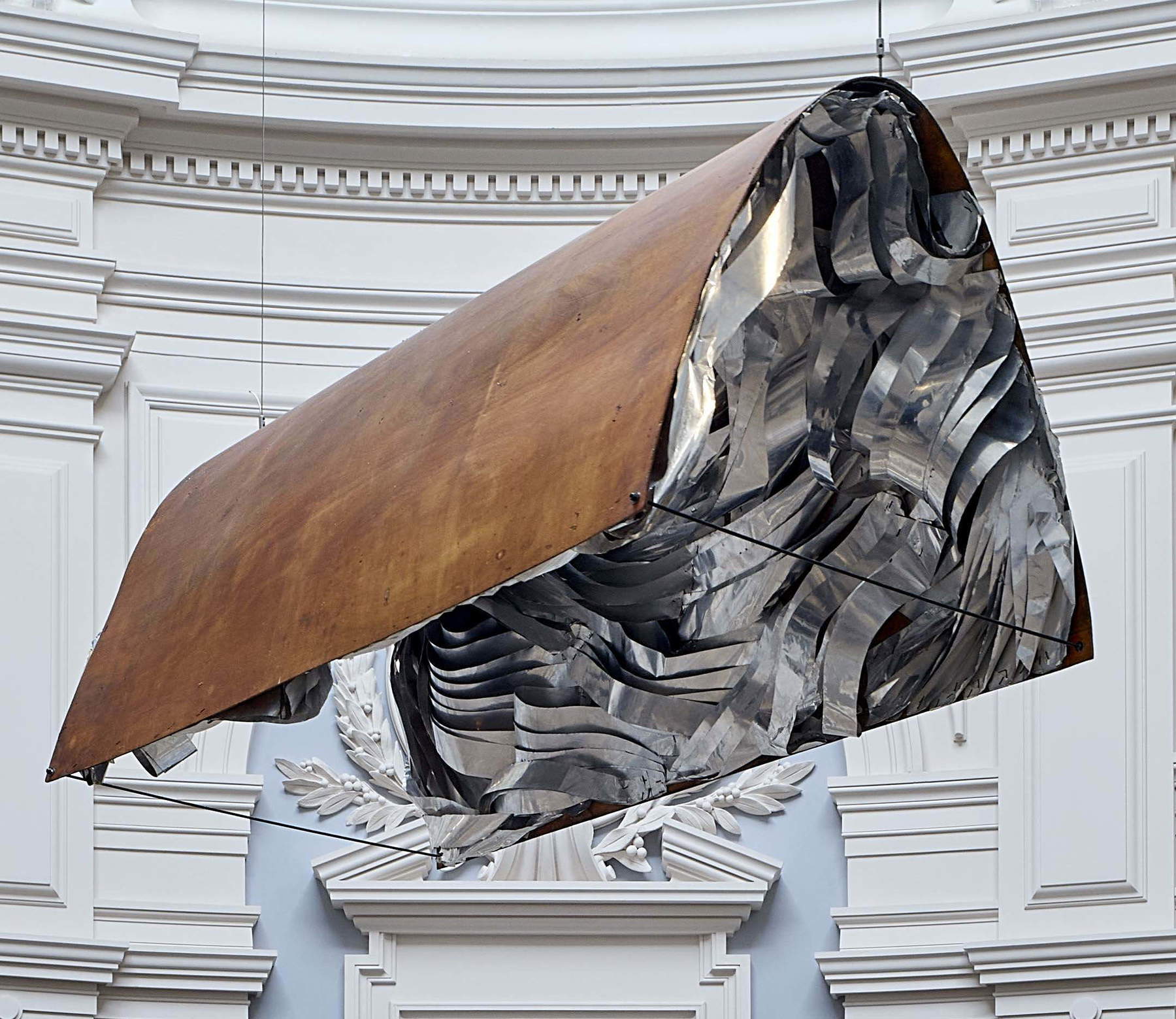
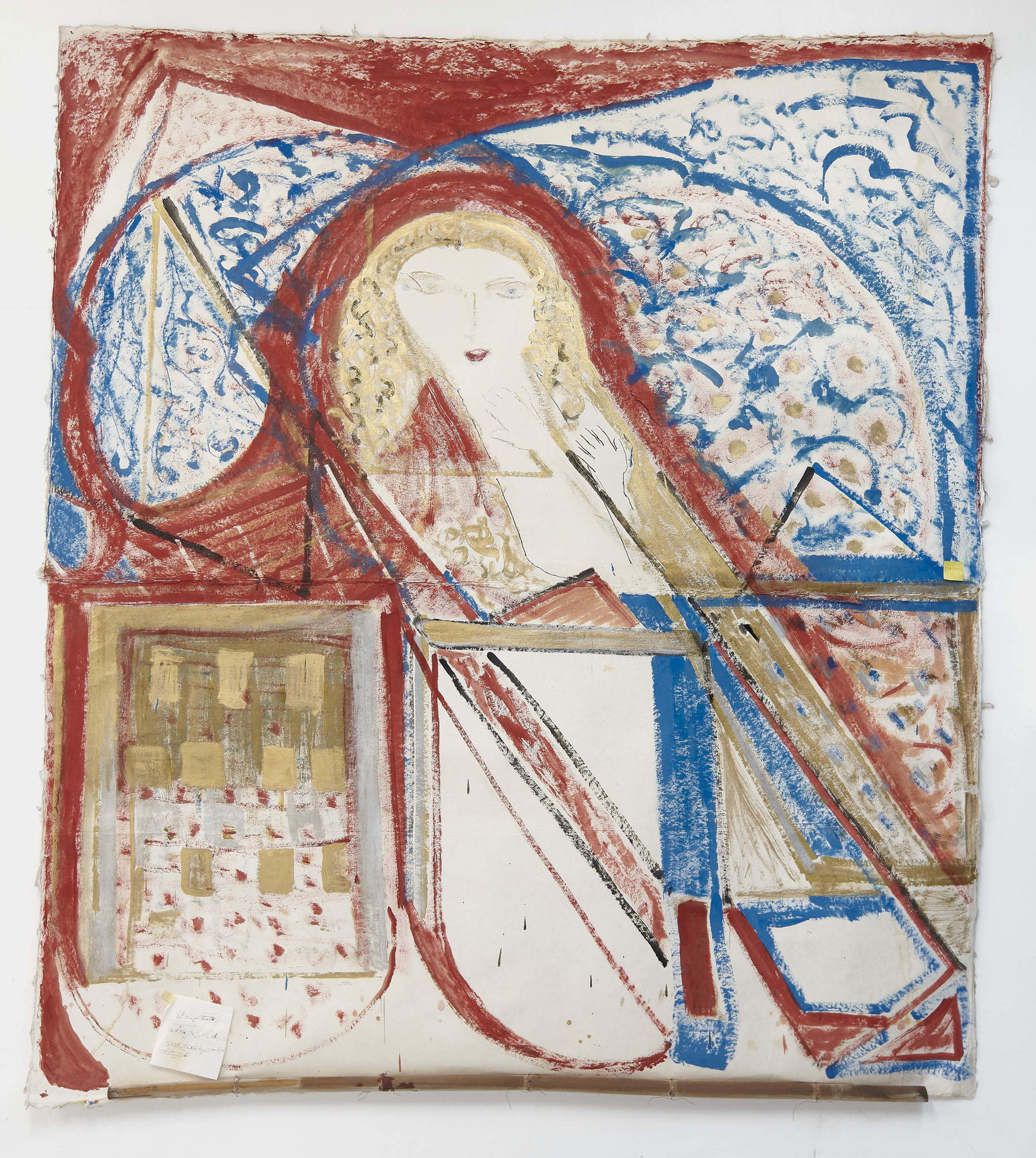
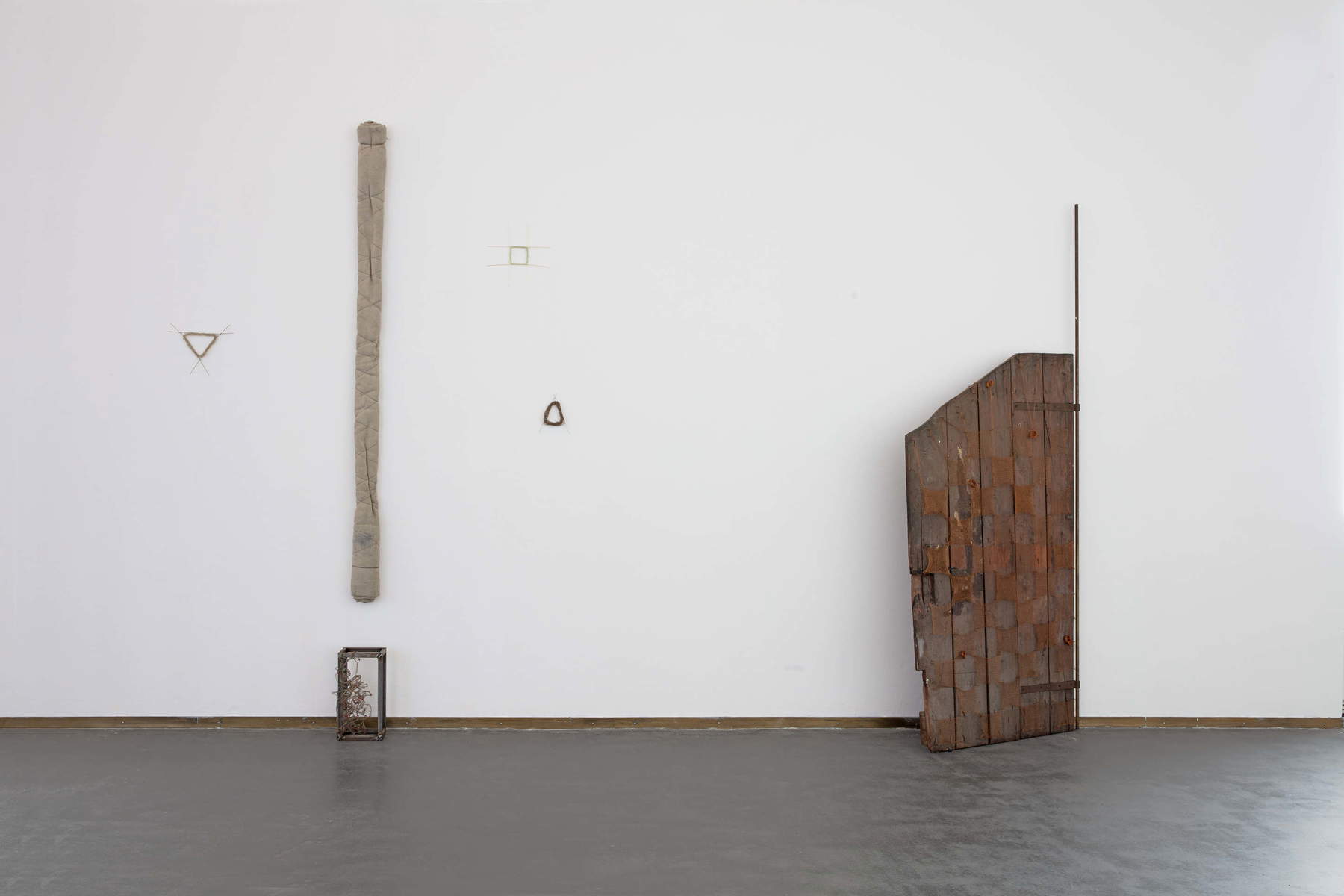
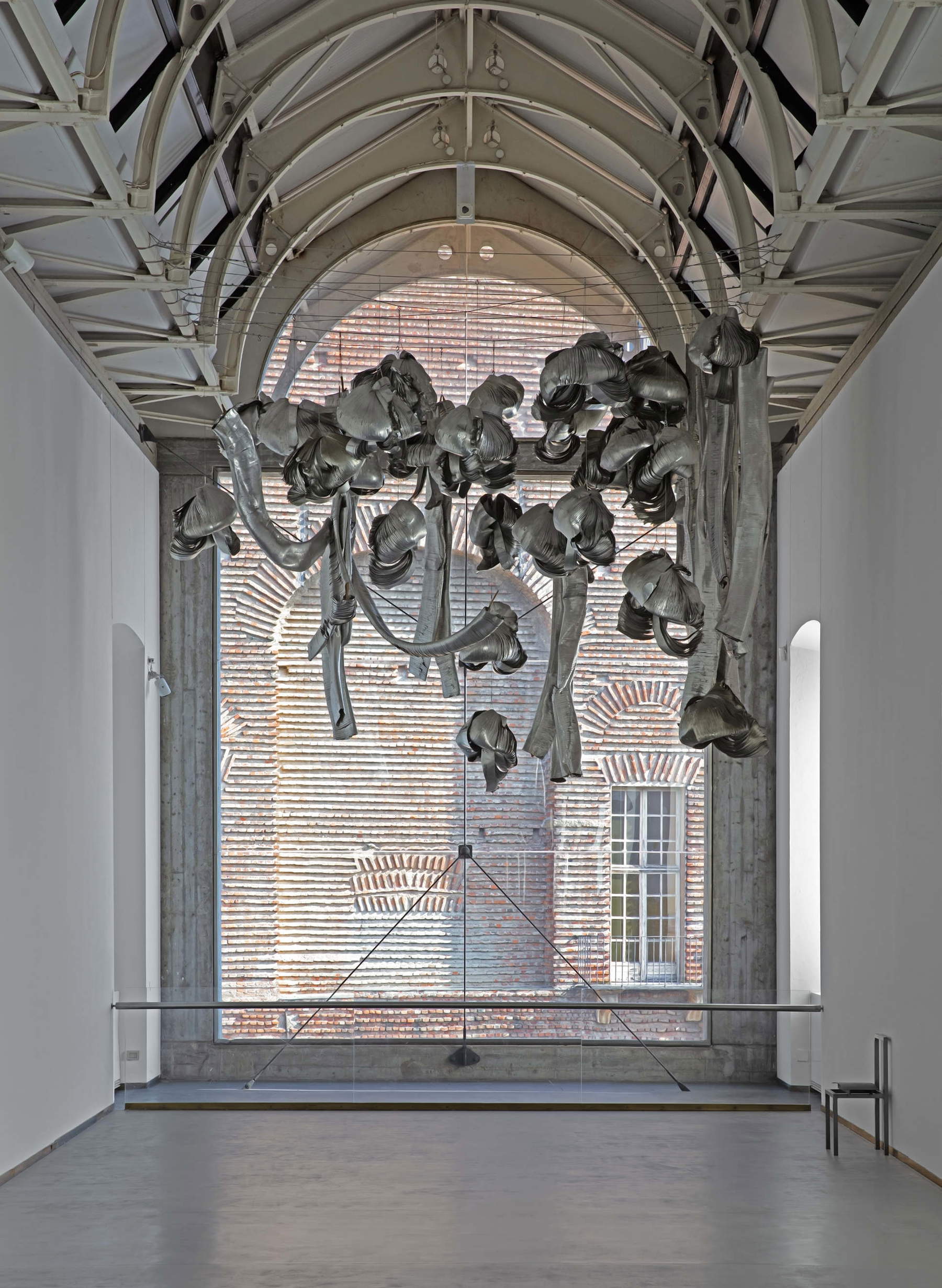
This three-part exhibition effectively immerses the viewer in Marisa Merz’s emotional and intellectual current, where a continuous osmosis between materials leads each to speak the language of the other: copper wire, knitted to form nets and shaped primarily into triangles, shoes, or twisted tubular structures resembling lively pipe cleaners reaching out to probe space, echoes the exquisitely refined weave of the densest sheets, which from a distance appear as a tangle and up close reveal a preciousness in which one loses oneself, so that the copper sculptures, on the other hand, appear as drawings in space, traced by the overlapping of meshes rather than lines. The same interplay extends to the Living Sculptures, which, in Rivoli as at the GAM, seem to allow a breath to emerge from the metal, hovering above the visitors’ heads. The series, begun in 1965 in his Turin home—where it grew to fill the entire space and was presented in 1967 by Sperone—consists of thin aluminum sheets cut, folded, and joined into suspended structures that respond to air and light with varying glimmers (Mario Merz called them “cosmic clouds”).

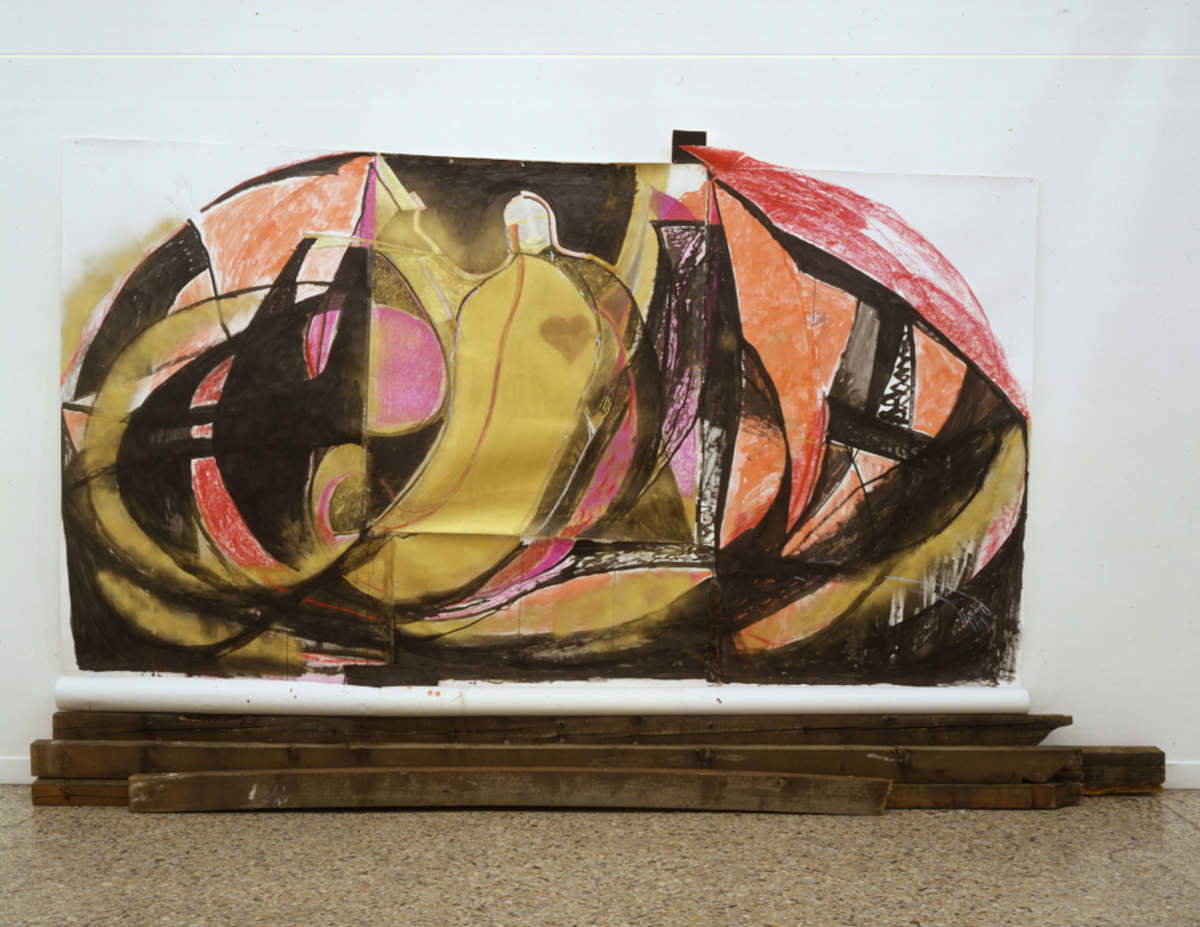
This luminous quality seems to continue in his paintings through the metals that Merz applies as background layers: silver, used liberally, and gold, which is sometimes a pigment—a golden powder scattered to create a veil—and at other times is gold leaf applied as is, in circumscribed patches, as also appears in the raw clay heads. Aluminum, silver, and gold thus form a range of materials that interact with light and allude to an abstract and spiritual realm, much like the gilded backgrounds of medieval painting—as exemplified by the Gaddi triptych in Rivoli— while cutting and gluing—domestic practices in their calculated ordinariness—extend the metaphysical dimension into the home.
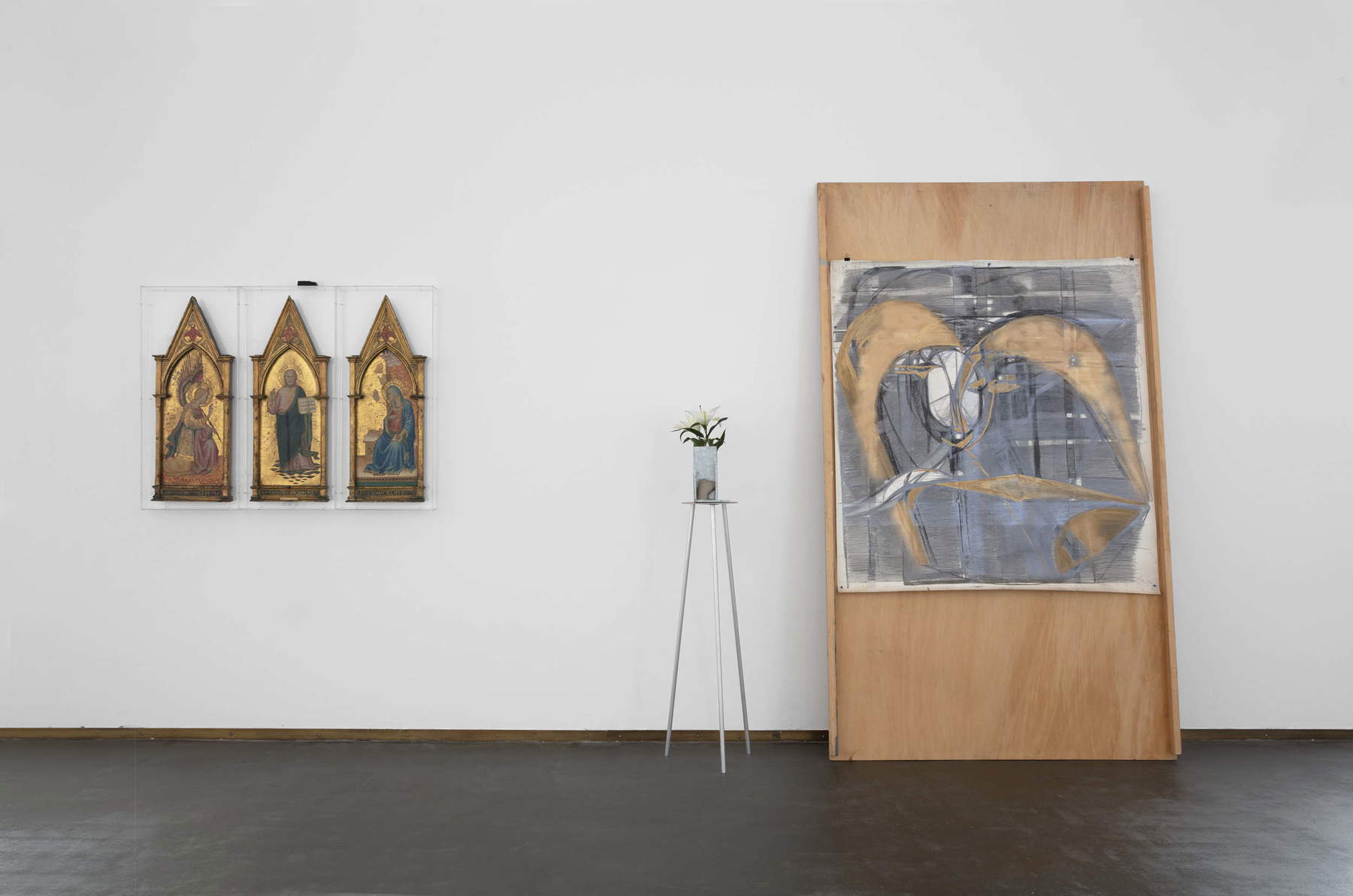
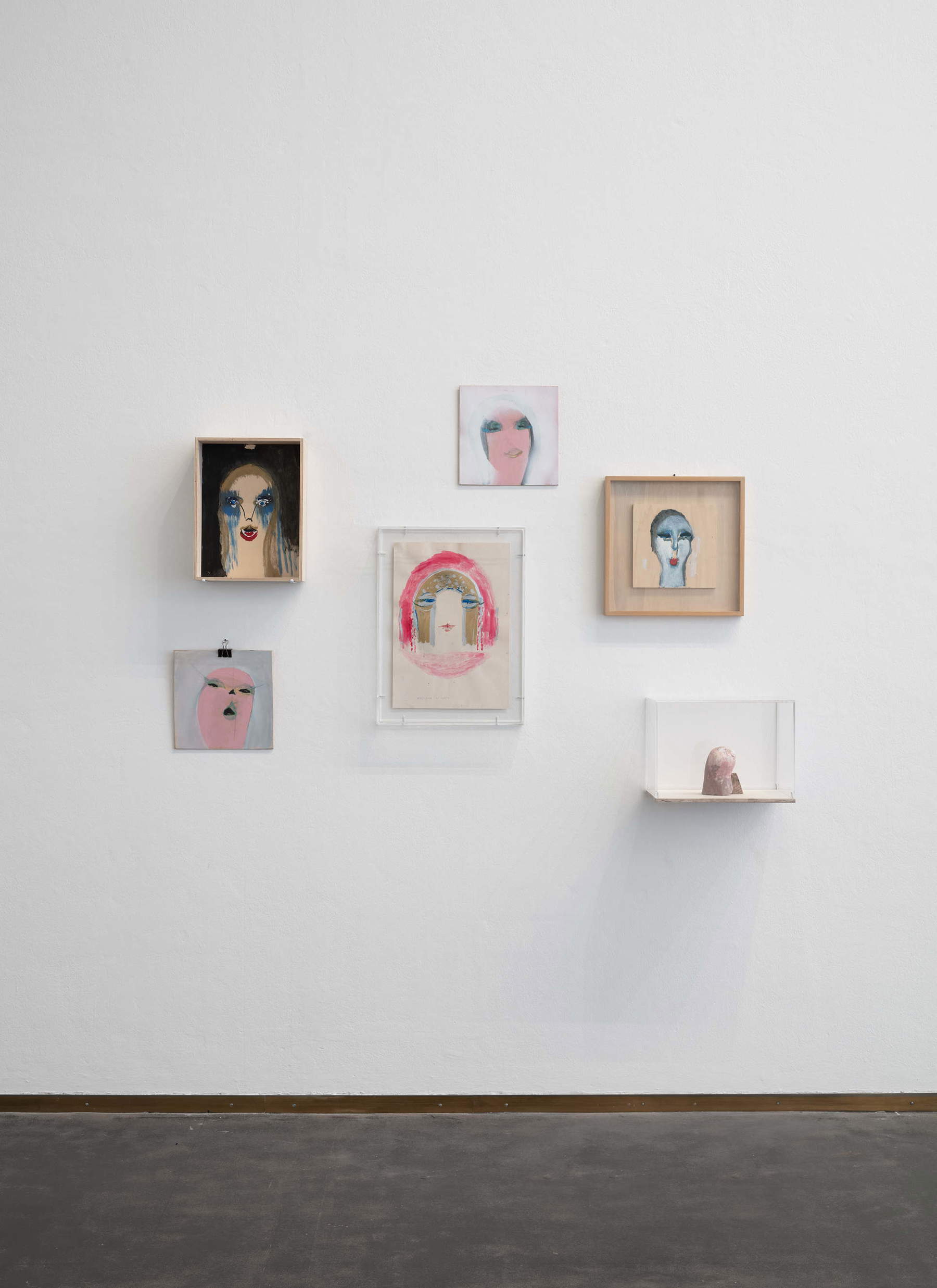
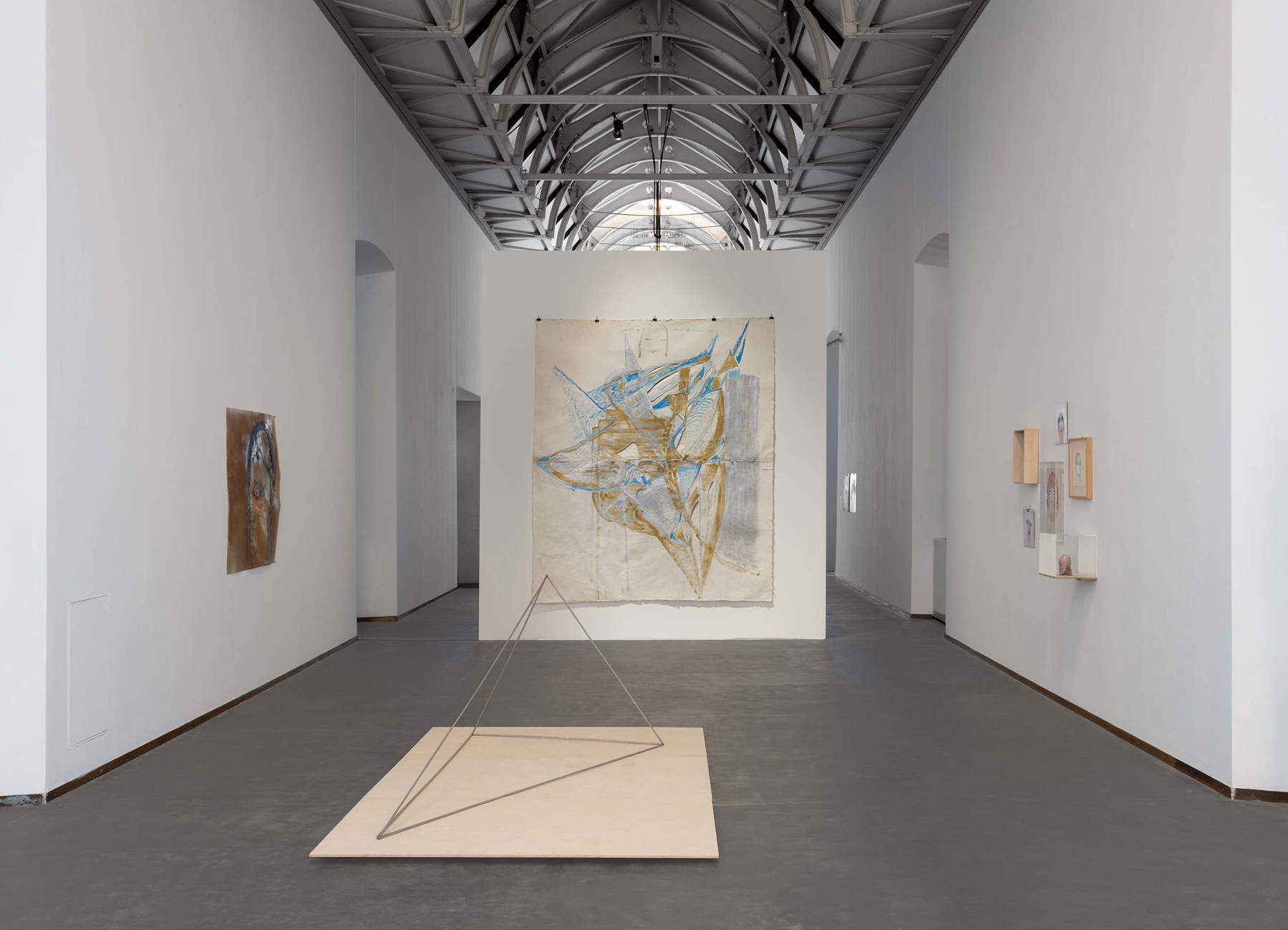

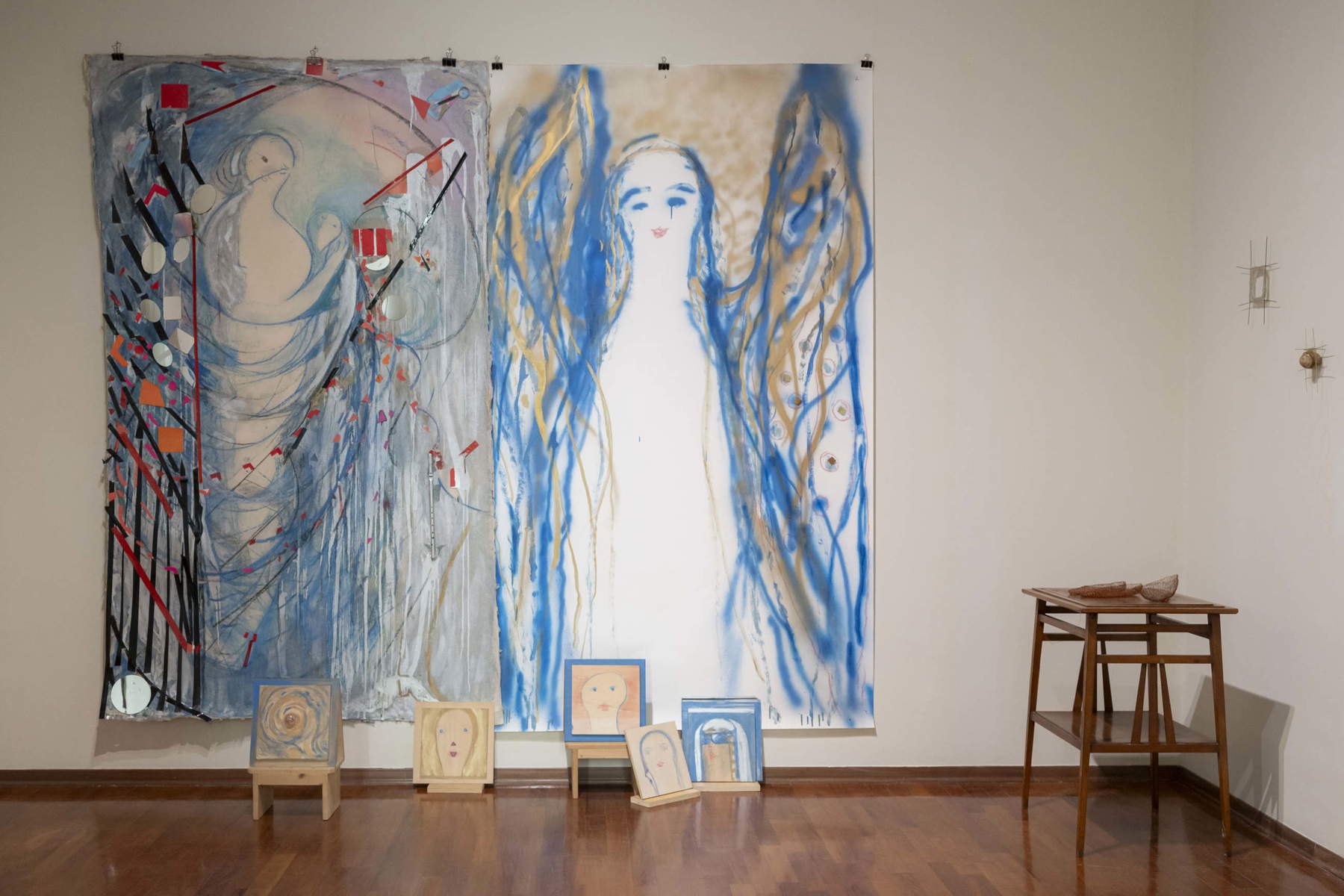
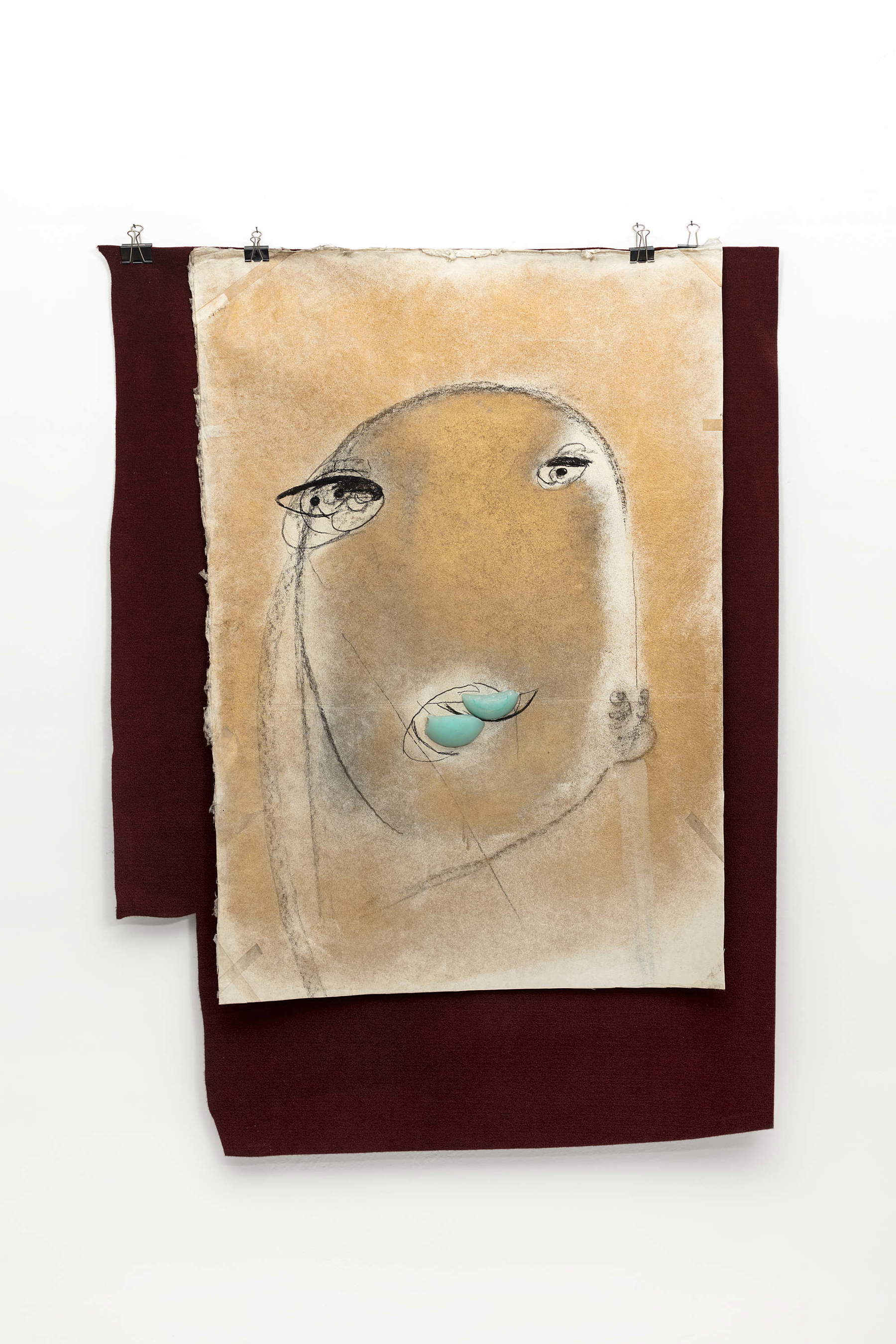
The paintings on paper and canvas, in turn, display an incredibly varied range of approaches to color and line, serving a repertoire of subjects that remains almost unchanged: female heads sketched, hatched, and modeled with inexhaustible creativity and urgency. In Merz’s work, repetition takes on a meditative, almost mystical significance: what recurs—the mesh, the line, the head—ceases to function merely as a means and becomes an existential reckoning, a whispered mantra for measuring time. The most stripped-down embodiment of this formula is *La conta* ( 1967), a black-and-white 16mm film on view at the GAM, in which the artist sits at the kitchen table, opens a can of peas, and counts them one by one, placing them on a plate with a care that borders on ritual. The gesture, devoid of purpose yet imbued with attention, shares the same nature as the copper wires intertwined stitch by stitch, as the layers of graphite superimposed on paper until it becomes a fabric, and as the clay heads that emerge one after another from between her fingers, and shows how, in that repetitive act, time becomes a constitutive element of the work. As he counts, Merz leaves his ego in the spaces left behind by the action, and behind him, in the darkness of the kitchen, a metal sculpture reflects the flashes of the camera.
In his paintings, moreover, materials inherently foreign to the genre are masterfully incorporated: intertwined copper wires, mirrors, stones, aluminum strips (the same as those used in the Living Sculptures), colored cutouts, and even small objects, such as a snail or even a flute. Finally, on some sheets of paper and canvases, tags and Post-it notes bearing brief phrases by the artist—found on the works in the house or in storage—remain affixed with the original adhesive tape; yet even words sometimes become drawings, in a form of writing that exists in symbiosis with the hand’s movements on the pictorial surface. What one discovers while exploring the three exhibitions is the coherence, the visionary quality, the breadth, and the boundlessness of a creative language that knows how to continually regenerate itself without repeating itself—down to the minutest details, in which repetitive action (stitching, line work, instinctive modeling) seems to open up a dimension in which the subject dissolves into a cosmic constellation, where each element keeps the other in orbit through a subtle entanglement.
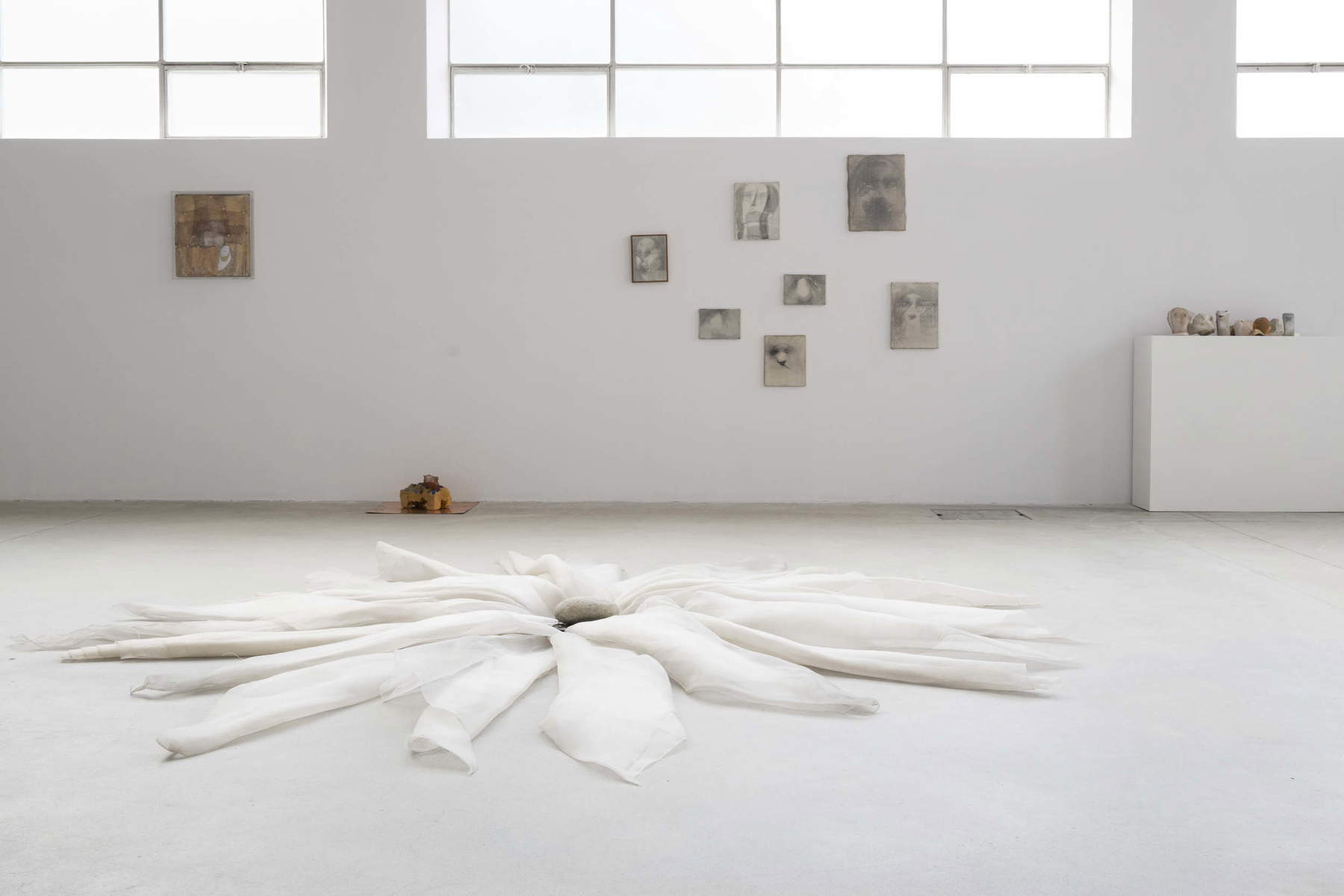
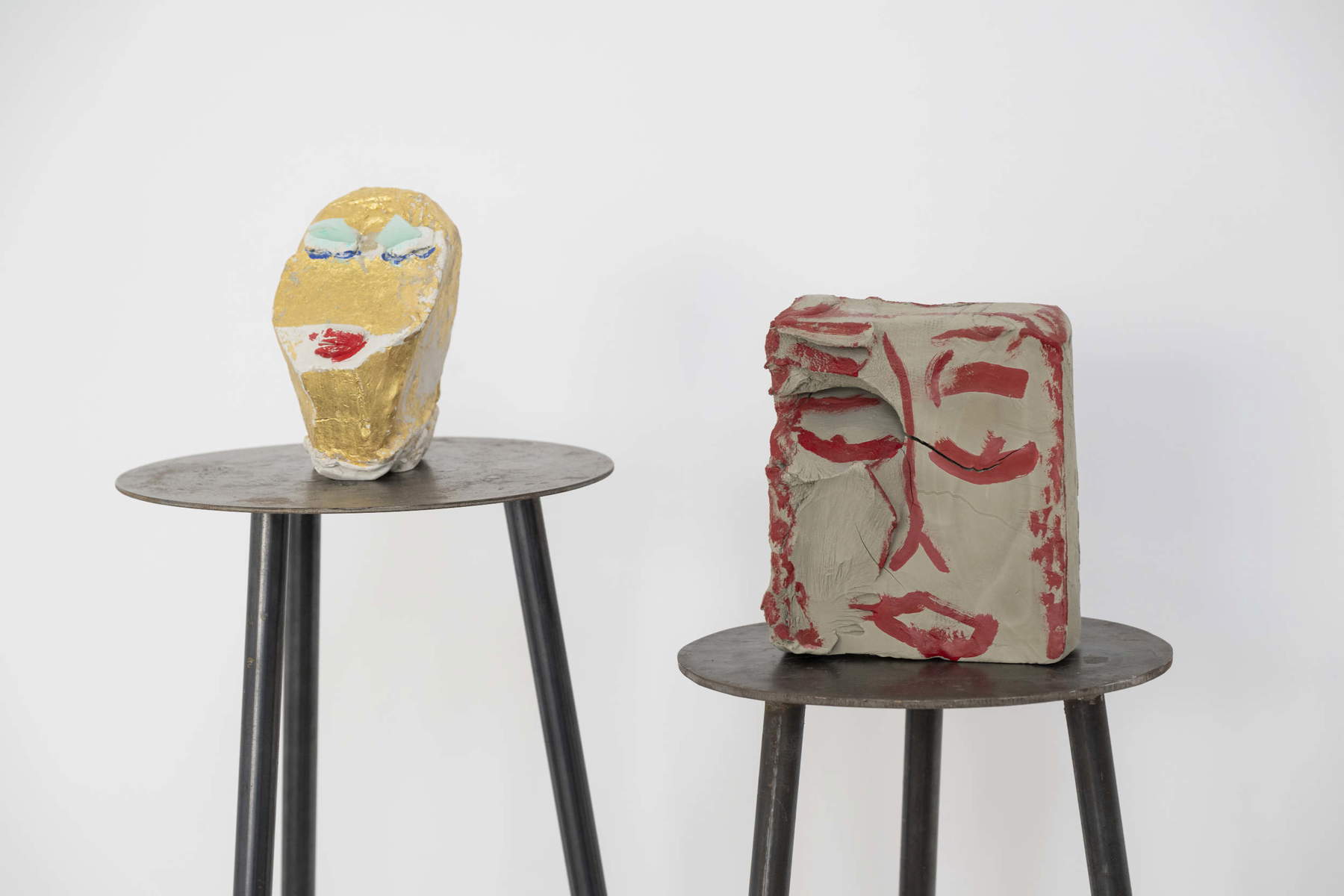
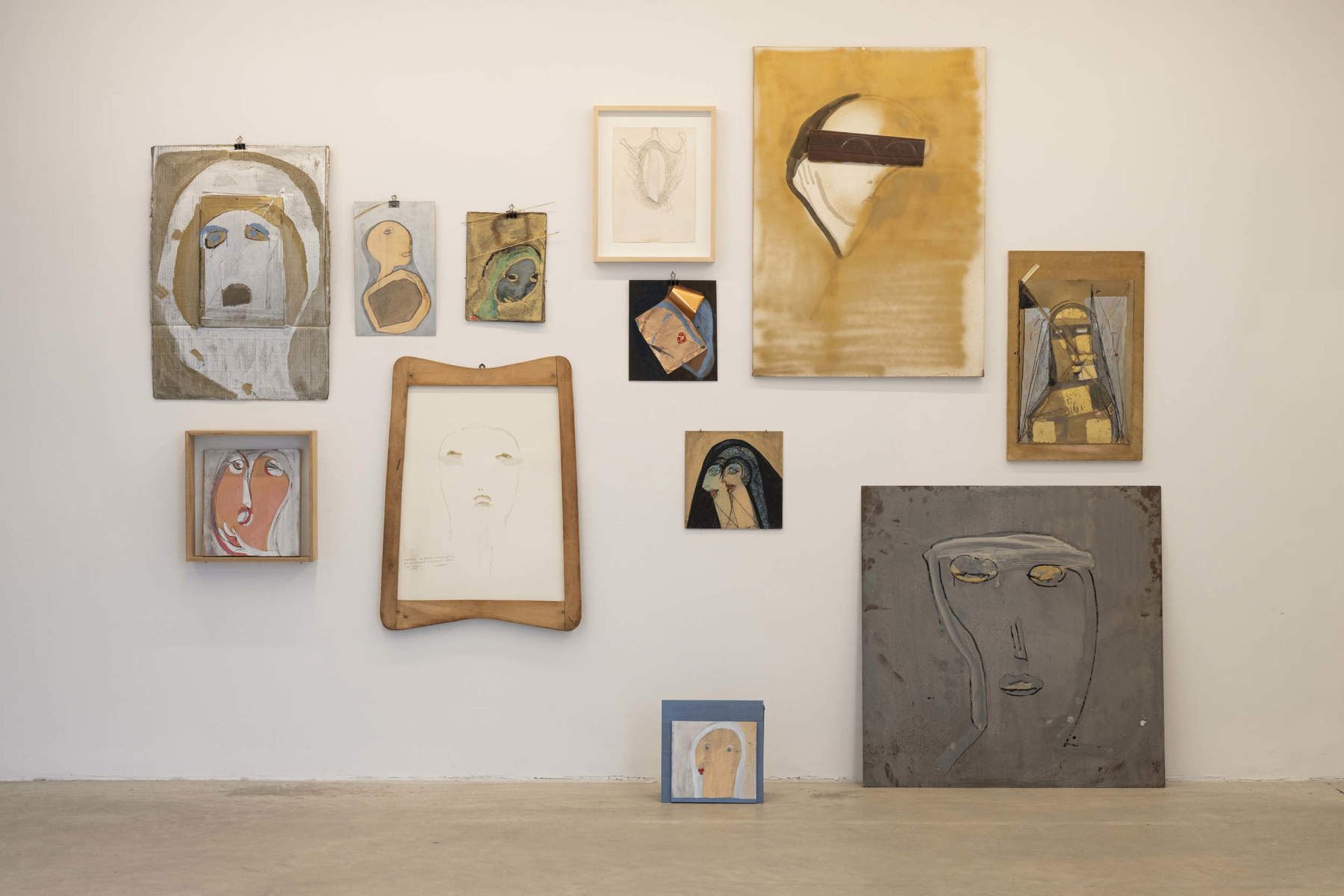
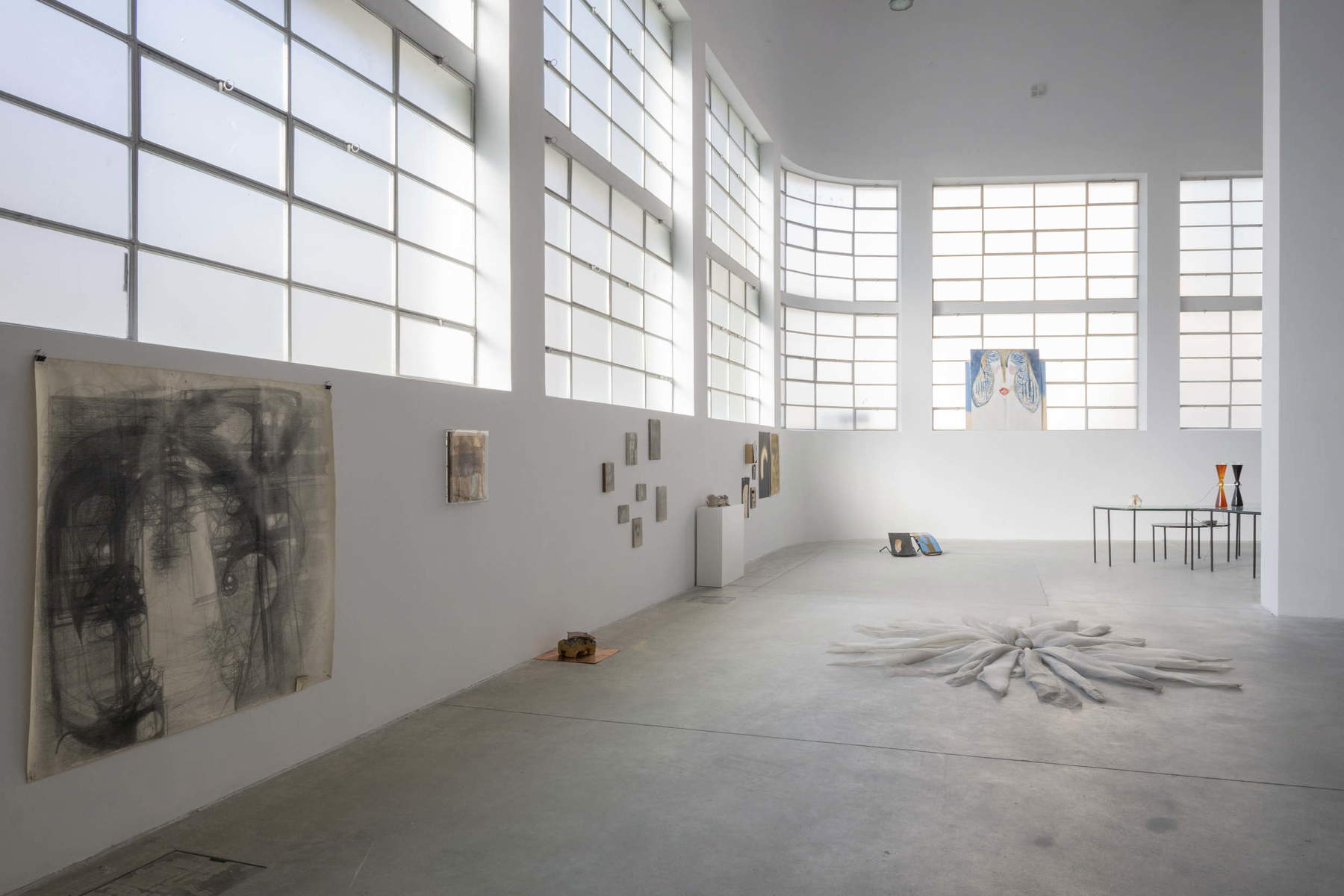
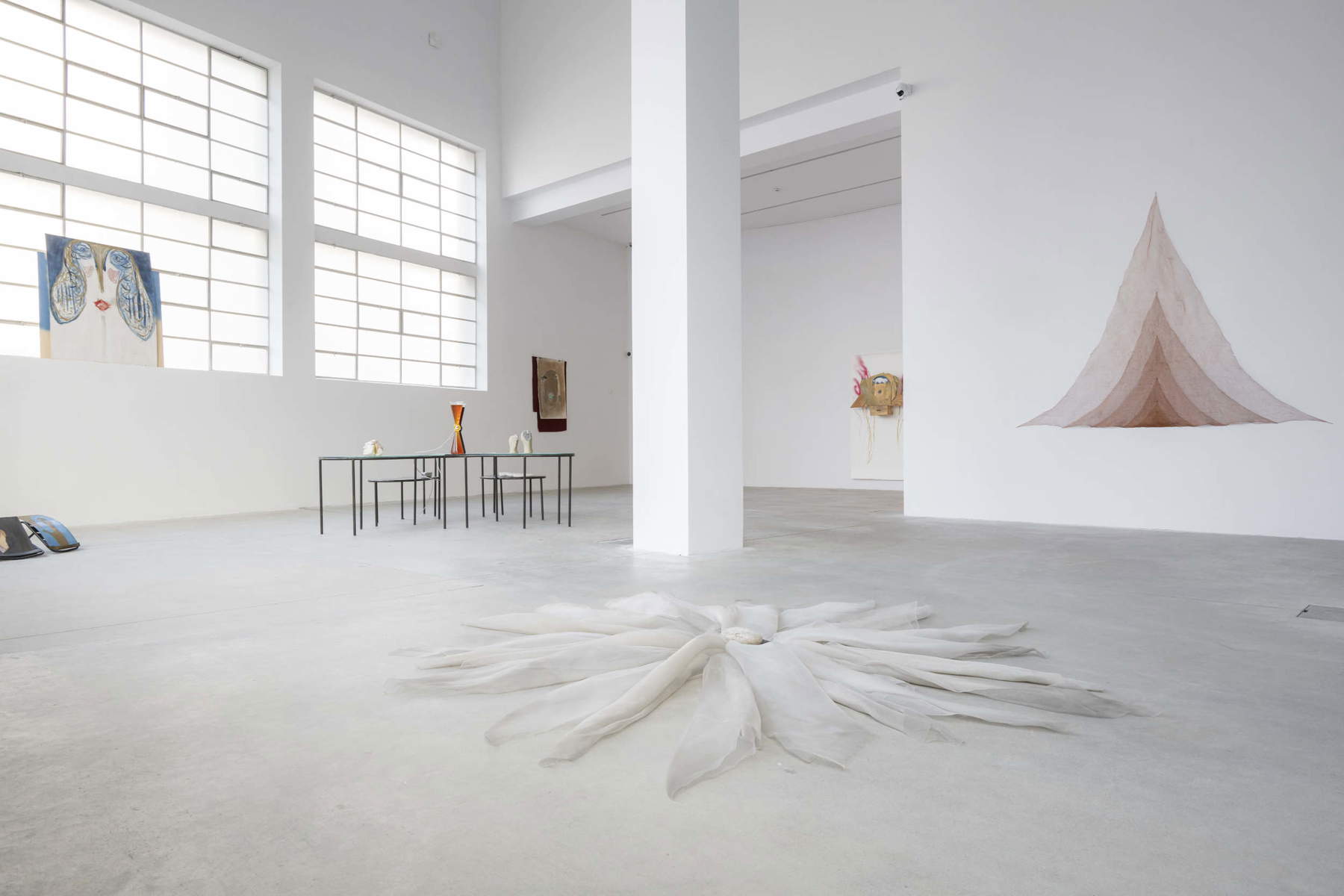
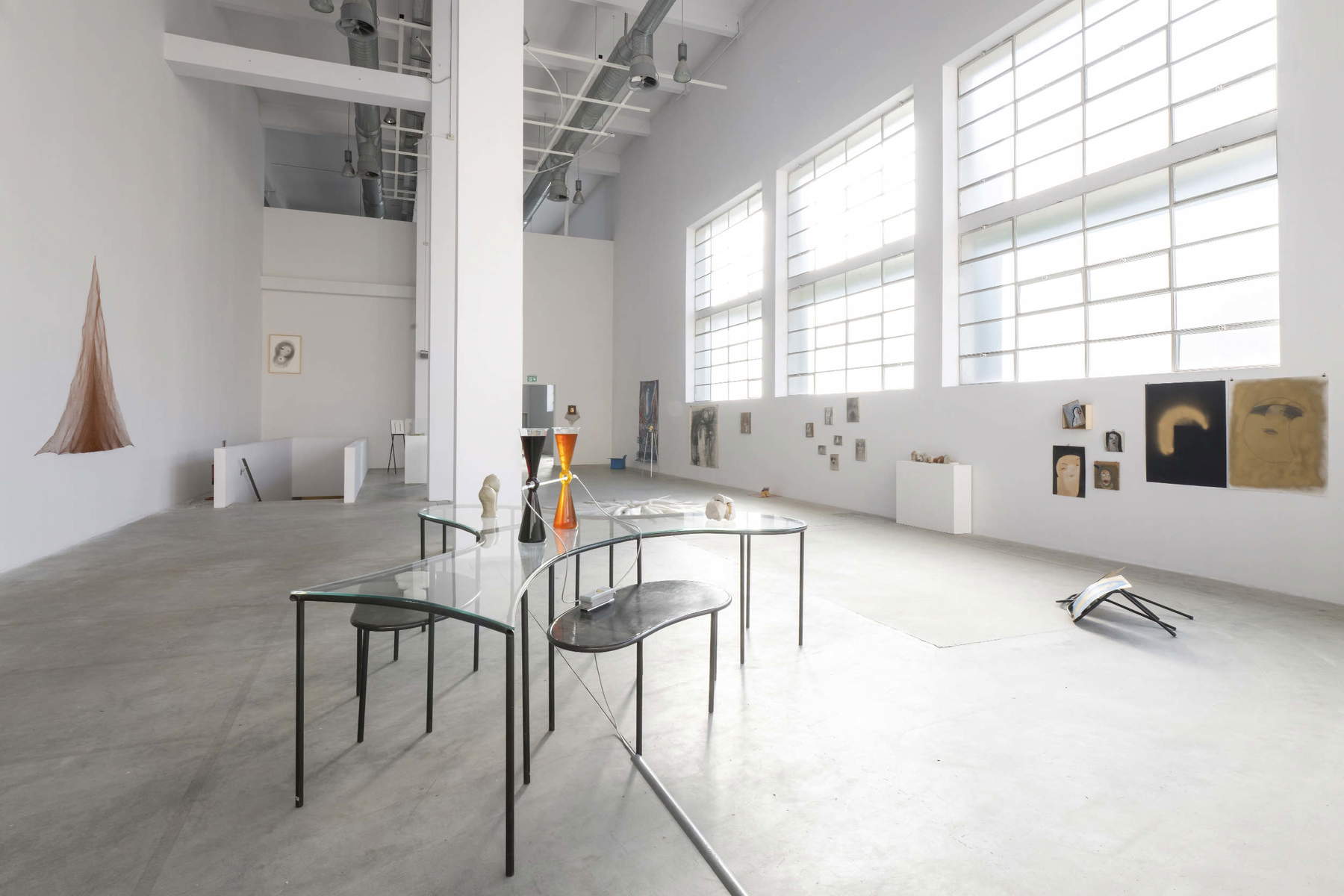
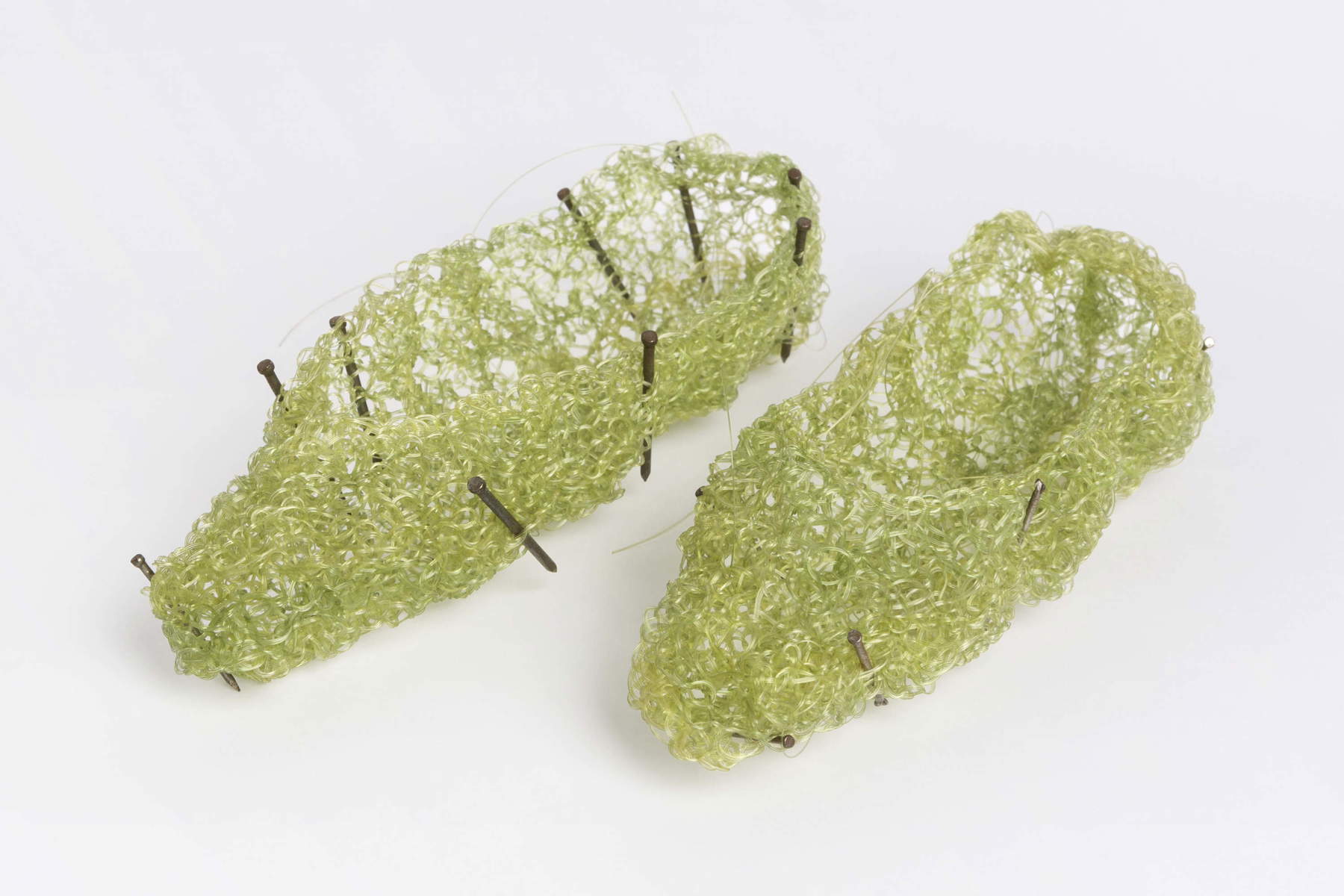
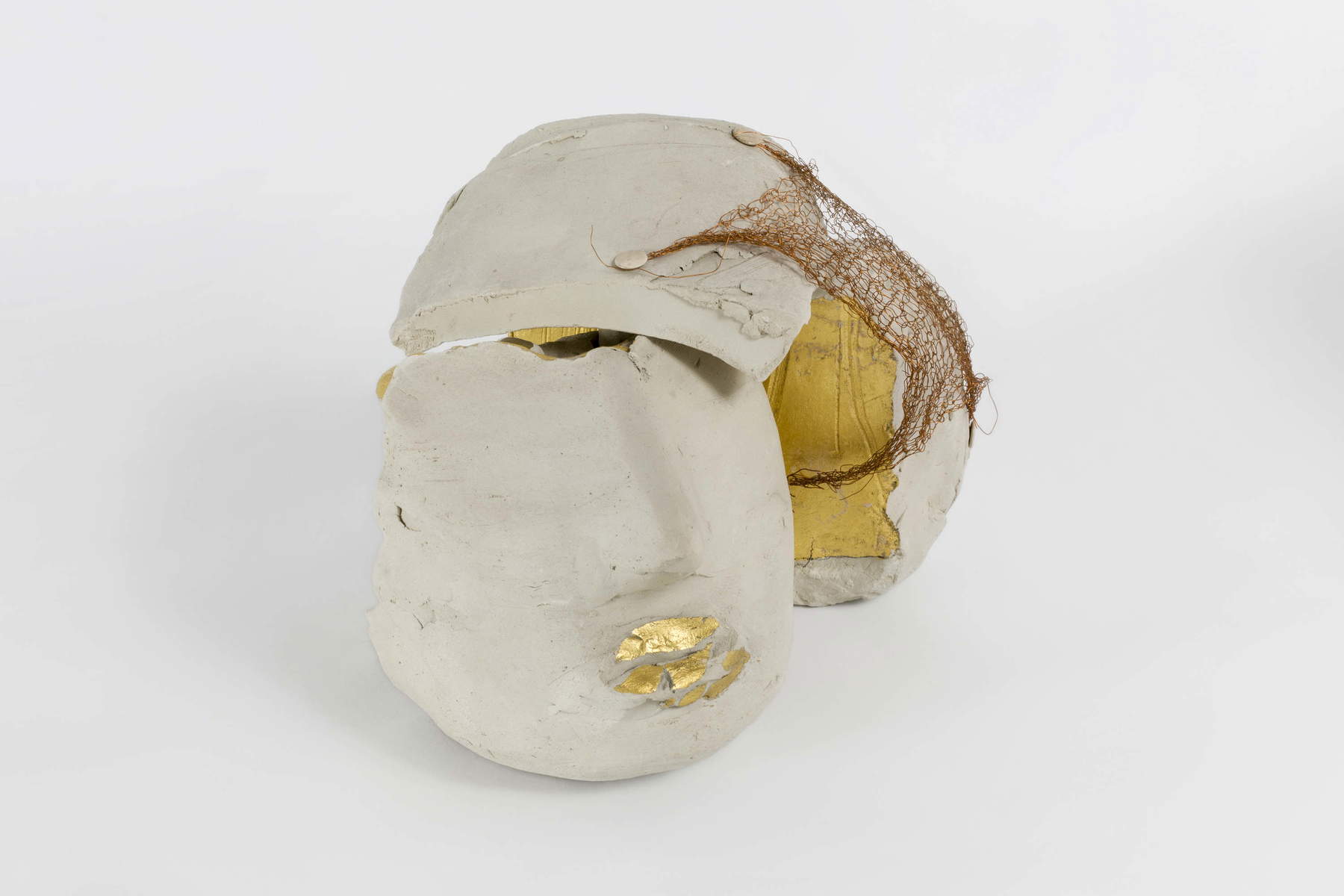
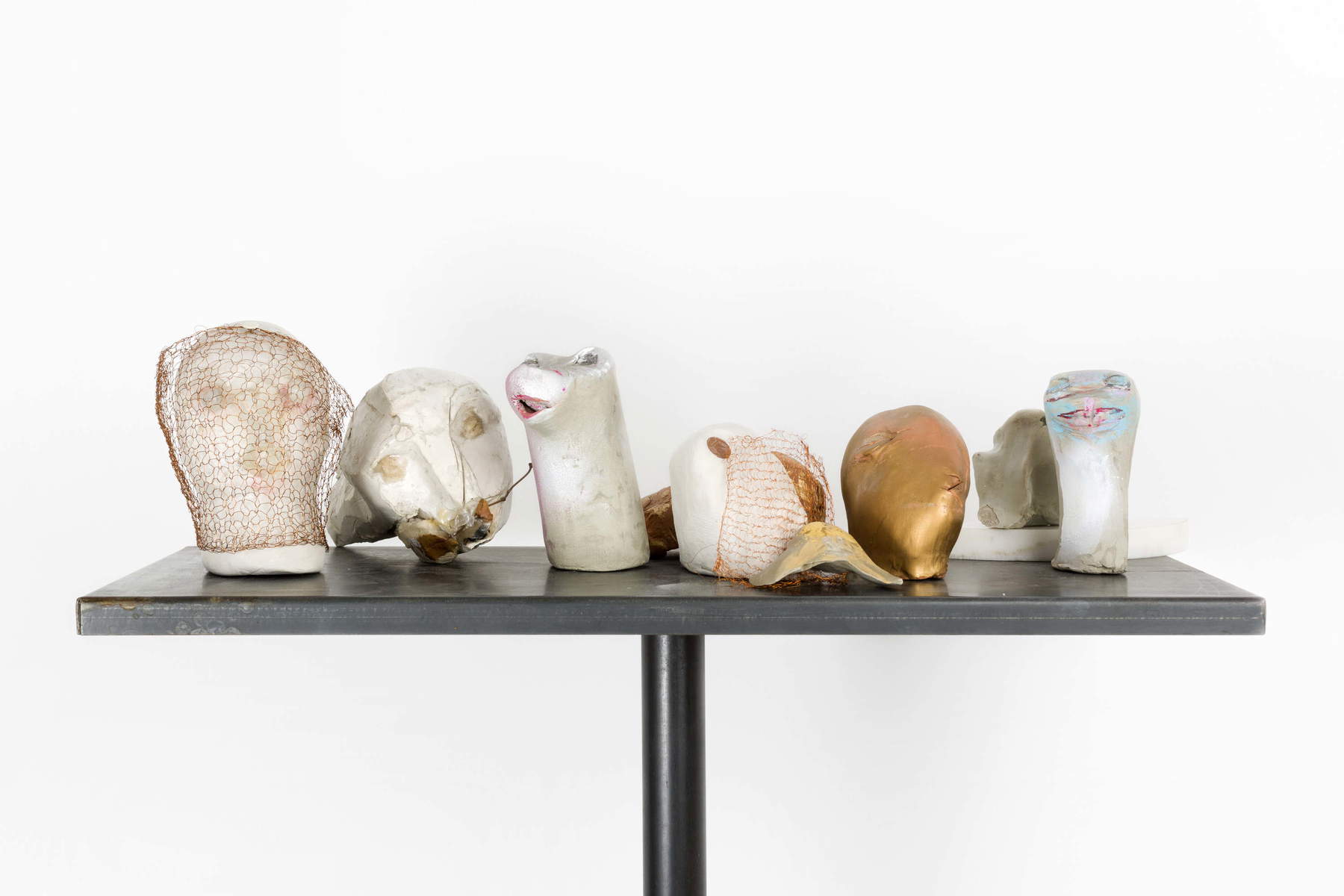
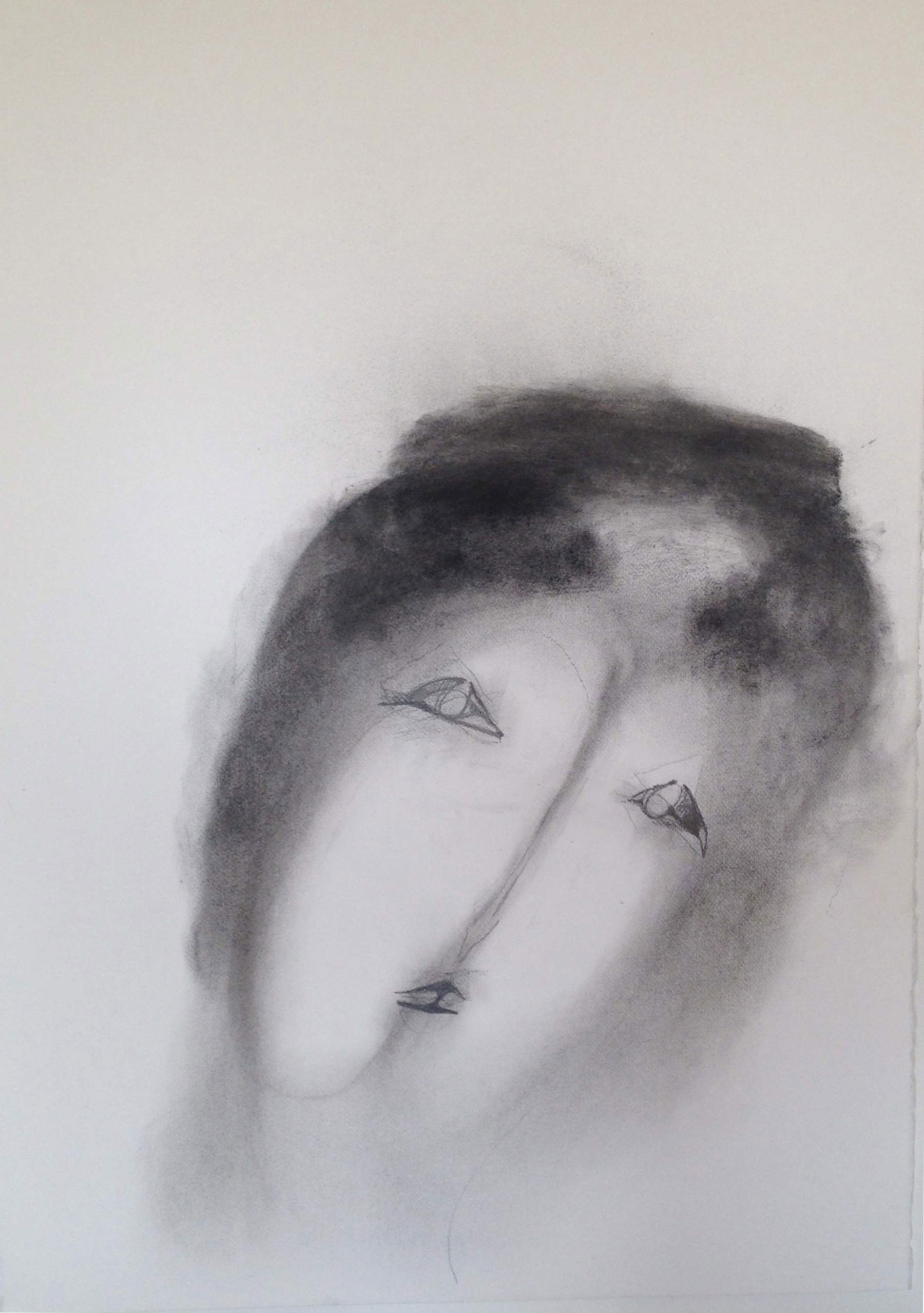
At this point, the full scope of Marisa Merz’s originality in relation to Arte Povera becomes clear: rather than an exception to the genre, she is an exception in her approach. She shares with her colleagues a faith in the energy of matter (copper wire, a natural conductor, is its most literal medium) and the idea of a work that is composed and recomposed over time; yet whereas in Celant’s manifesto the contrast between heavy and light, organic and inorganic sparks a tension, and the guerrilla artist chooses the battlefield; in her, energy circulates through attraction, and the material, rather than a statement of claim, is a household staple, tied to days and moods. Hers is an affective interpretation, and affection—which Celant’s lexicon would have relegated to the margins—becomes the constructive principle of that network of distant connections that keeps threads and minds in orbit, so that each element is inseparable from the others and all support one another.
There is also another similarity—and another difference. Like his fellow artists, Merz rejects the hierarchy of materials and believes that the humblest element can bear the weight of a thought; but whereas the manifesto strips the identification between man and nature of its ancestral theological purpose to consign it to a pragmatic intent of liberation, she readmits that dimension in its most unassuming form, and amid the copper, graphite, and wax, she allows gold, faces, and wings to shine through, as if the poverty of the material were the shortest path to that which transcends it. The sacred, in her work, emerges without fanfare, like a residue that the material yields through the very act of being worked, and this is the difference that renders her irreducible to the group while at the same time preserving its most secret core: an “arte povera” in the term’s most ancient sense—that of one who, having little, discovers that it is enough. To accompany this strong recommendation to experience the visit in all three of its stages, a technical note: especially at the Castello di Rivoli, but to some extent everywhere, it is difficult to match the critical commentary and captions to the works, so visitors seeking a more historiographical and analytical understanding of the artist would do well to arm themselves with patience (the exhibition, after all, teaches this).
Warning: the translation into English of the original Italian article was created using automatic tools. We undertake to review all articles, but we do not guarantee the total absence of inaccuracies in the translation due to the program. You can find the original by clicking on the ITA button. If you find any mistake,please contact us.