



by
Federico Giannini  @federicogiannini1
22/10/2026


Categories: Exhibition reviews / Disclaimer
At Palazzo Bertazzoli in Bagnolo Mella, the exhibition *Incantamenti* presents fifteen years of works by Maurizio Donzelli to the public, inviting viewers to rethink the relationship between vision, imagination, and meaning. Because an image is not limited to what it shows, and looking can become a way to lose oneself. A review by Federico Giannini.


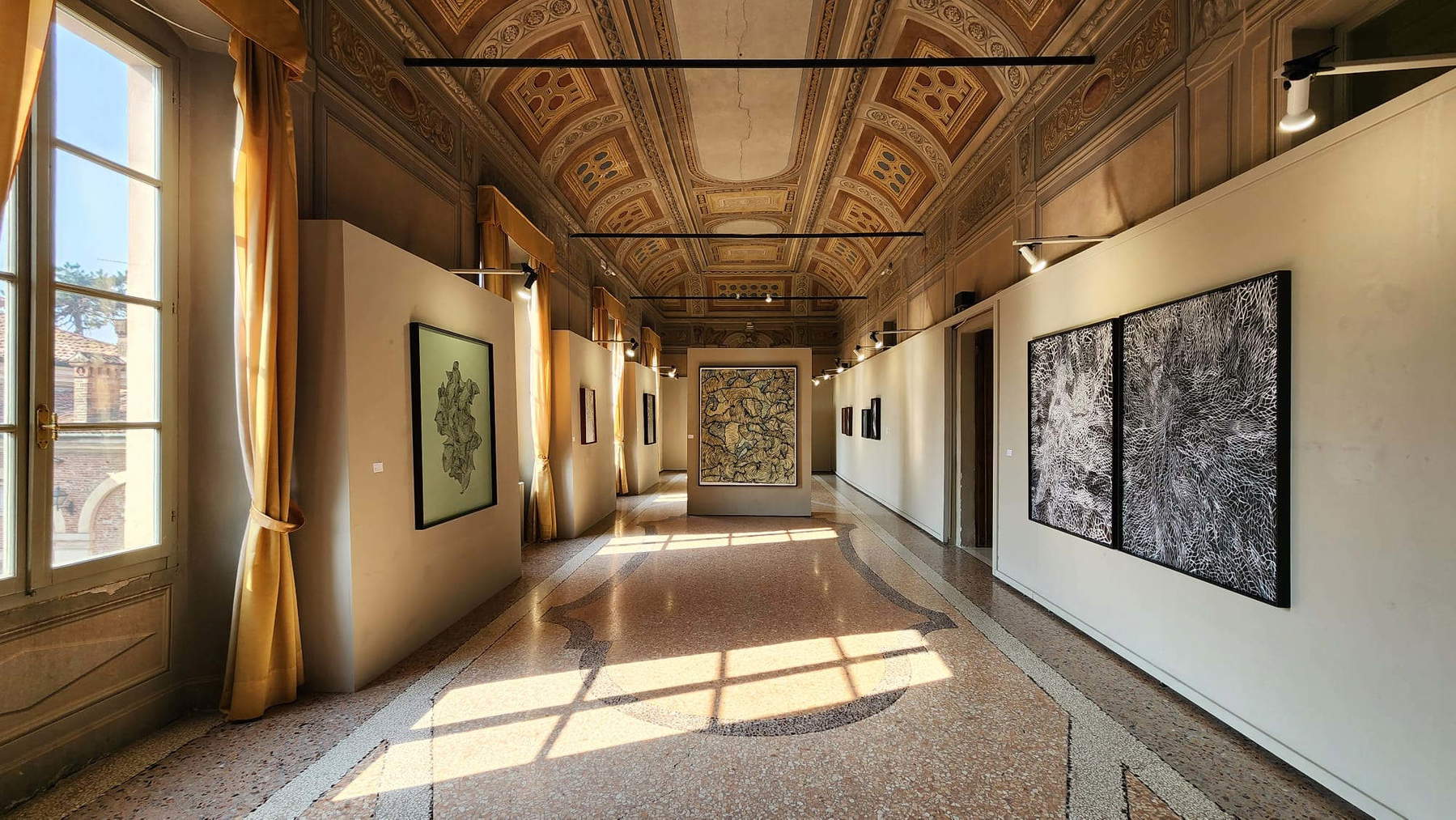
Mechanically distracted by an illusion of decisive—if not definitive—meaning when faced with a work of art (or, more simply, even when looking at an image or a shape), we tend to forget any possible dissonance, any possibility of openness; we tend to forget that the visible does not provide the conclusion, that the visible does not settle every question. If one were to ask Maurizio Donzelli, he would reply that there is no conclusion, and perhaps that there isn’t even a matter to be settled; and since “we are unaware,” he says, “of the expansion that the thing produces upon the thing,” then our attention should be limited to going far. One might therefore assume that each of his works inflicts upon the viewer a form of harassment that one subsequently cannot do without. Or that it at least provides some delightful, indescribable kind of annoyance, like when, in the summer, one drinks a pint of cool water and quenching one’s thirst is so pleasant that one ends up wanting to endure the nuisance of thirst. Beneath the 17th-century frescoes in the gallery of Palazzo Bertazzoli, in Bagnolo Mella, an exhibition has brought together fifteen years of Donzelli’s work, and it is like entering a sort of luminous tunnel from which one emerges ultimately agreeing with him when he suggests that the perceptible is richer than what we see, that imagination is a faculty that precedes language, and that the visible (Donzelli quotes James Hillman) should not be confused with the image.

Signs, traces of a law that apparently governs the artist’s work—a generative principle of an image that almost ends up intimidating because it is ineffable, because it is unsettling, because it is silent, because it is changeable, because it is magical, because it is potentially infinite: one could, if one wished, start from here, from a minimal unit. Yet this unit is always elusive in its fluidity, in the impossibility of taking a single direction (or in the possibility of taking them all). At Palazzo Bertazzoli, visitors might even enjoy trying to figure out how far the flow can go, what light it seeks to evoke, what unexpected turn it wishes to follow. And perhaps they’ll then find themselves thinking that there’s everything in there. Sensory ganglia, neural networks, tentacles, scales, branches, trunks, annelids, waves of a calm sea, waves of a stormy sea, phosphenes, photopsia, ribbons, laces, bonds, bacteria, Byzantine mosaics, miniature monsters, flower petals, flames, neurons, windows, atoms, plants, visual hallucinations, necklaces, tracings, mirrors, lenses, the image of oneself, floors, monera, the memory of oneself, circuits, polygons, polyhedra, apparatus, stones, leaves, tufts of grass, haystacks, doors, graffiti, camouflage, tubes, tongues, caresses, stars, sparklers, rushing water, waterfalls, then light streams in through the large windows of Palazzo Bertazzoli, settles on the surfaces, and relentlessly calls for different rules, as if it wanted to produce more of those enchantments evoked by the exhibition’s title; but the only certainty, in the end, is that perhaps you leave here feeling a little disoriented. In fact: you might leave knowing less than when you entered, and that’s not necessarily a bad thing.


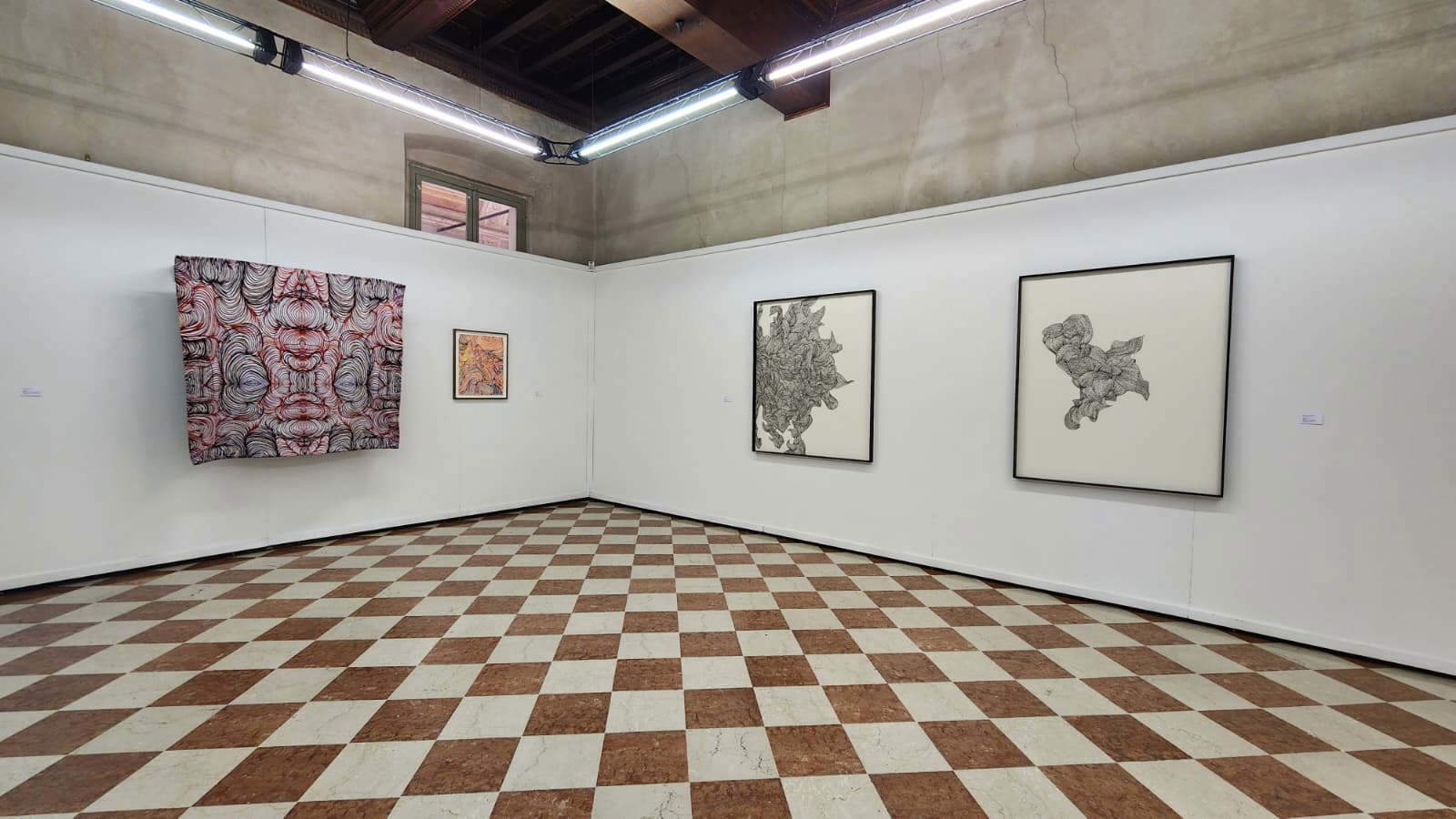
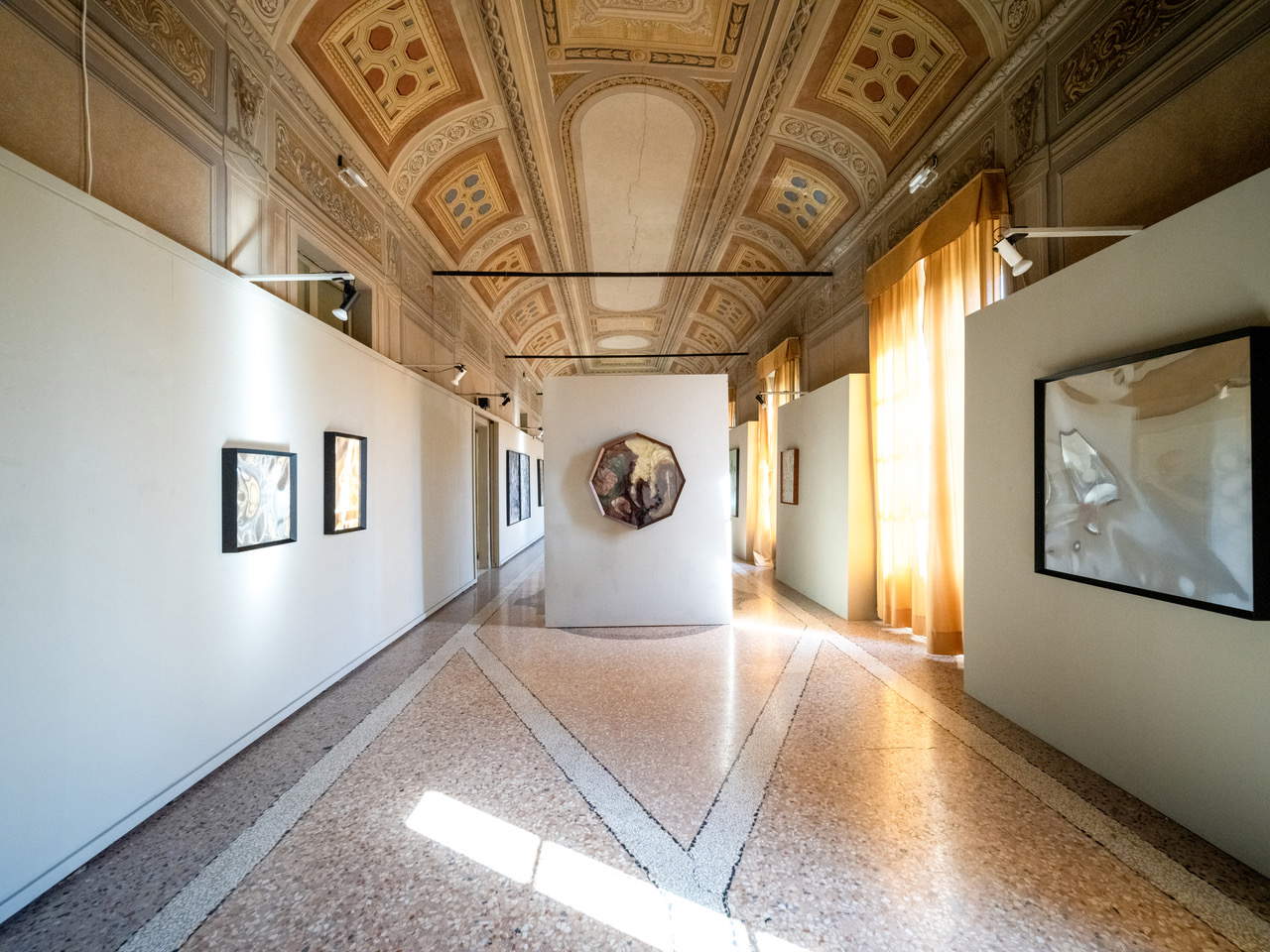
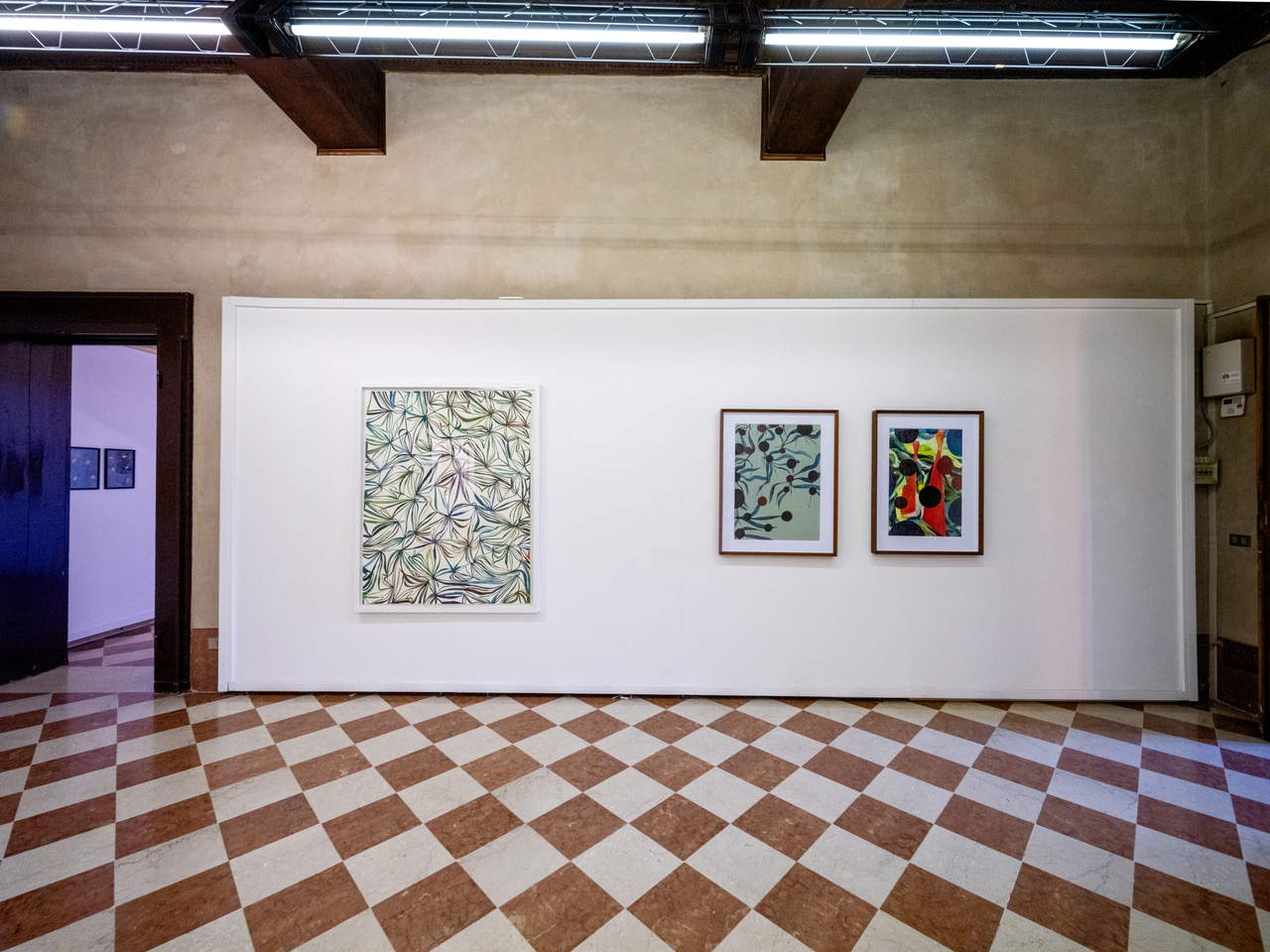
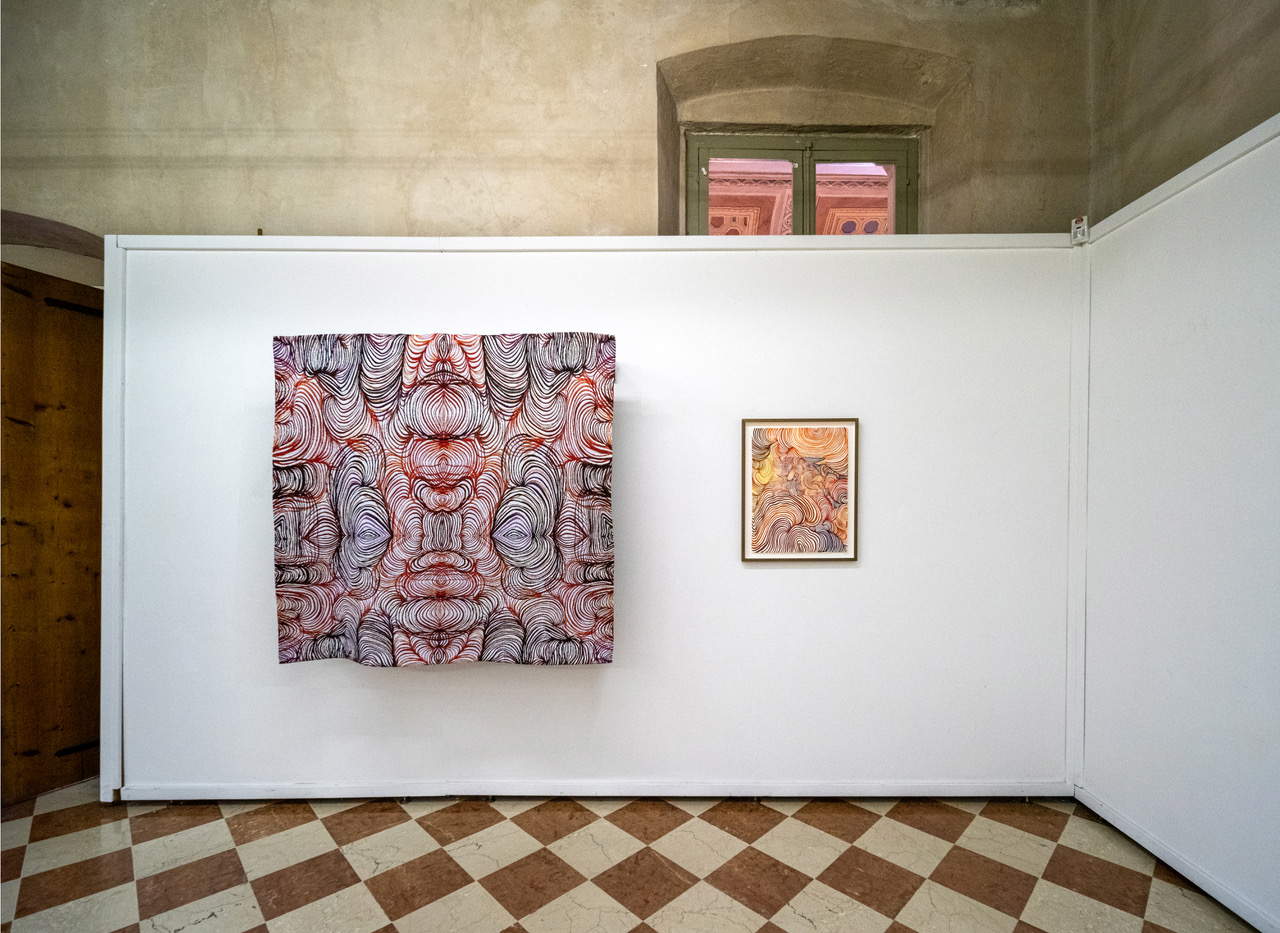
The thing is, Maurizio Donzelli’s works seem to convey the idea that the image is never exhausted. What we see before our eyes is a fiction. A fiction not understood as the creation of an imaginary world, but in the sense defined by Jacques Rancière: “a work that creates dissensions, that modifies the modes of sensory presentation and the forms of enunciation by altering frames, scales, or rhythms, and by constructing new relationships between appearance and reality, between the singular and the common, between the visible and its meaning. This work shifts the coordinates of the representable; it transforms our perception of sensory events, the way we relate them to subjects, and the way our world is populated by events and figures.” Upon entering the long gallery on the main floor of Palazzo Donzelli, one is immediately drawn into a sequence of *Disegni del Quasi* and *Waves*—the waves that constitute the most recent strand of his work, exhibited here for the first time in a solo show. “Quasi” because every drawing is a possibility: the hand begins with a molecule, trusts itself, and continues until it exhausts itself. “Donzelli’s drawing,” wrote Luca Cerizza, “is above all a trace, a path, a rhizome. It is a path, a journey, an itinerary. A path that is not prepared in advance according to a preordained scheme or a defined plan. If anything, it is the starting point that sets the direction, because what matters most in the drawing is the beginning—its image as a revelation, as the artist has said.” Maurizio Donzelli’s anarchic germination defies any attempt at visual domination, any distance that allows one to see the whole, any aspiration to be accessible to the gaze. As if the *Disegni del Quasi* were not enough, at Palazzo Bertazzoli one passes through a small drywall partition to encounter the *Mirrors*, perhaps Maurizio Donzelli’s most recognizable works, reminding the viewer that multiplicity defies any attempt at domestication, so much so that even the artist confesses to being a spectator of himself when he stands before his finished work. *Mirrors*: works in which the image remains behind a prismatic lens, which, when viewed head-on, reveals what lies behind the mirror but at the same time also reflects what surrounds the work; yet it is enough to take a single step to see the view change, to the point that, from the side, the work disappears, and only the mirror remains. There is no definitive view. It is like standing on a threshold, a passageway that makes the viewer feel like a sort of unstable supporting character, a precarious collaborator, a temporary inhabitant of something that may or may not concern them.

A threshold is, by definition, a point of entry, a beginning, a place of passage, a moment from which an effect is generated—a minimum degree of intensity. Perhaps, however, the image of the threshold is an unsuitable one, because when viewing Donzelli’s works, there is never a clear-cut transition: it is not as if one abandons one world to enter a completely new dimension. There is no “invisible” to be understood as a truth to be grasped; there is no truth of which one is unaware and which comes through revelation. Nor is the intention to assign a meaning that lies beneath the surface and that the discerning viewer is expected to grasp (not least because this would revert to a thoroughly traditional conception of art). For Donzelli, one could perhaps more appropriately speak of convergence: a point at which the visible opens up to perception and imagination without ceasing to be visible.
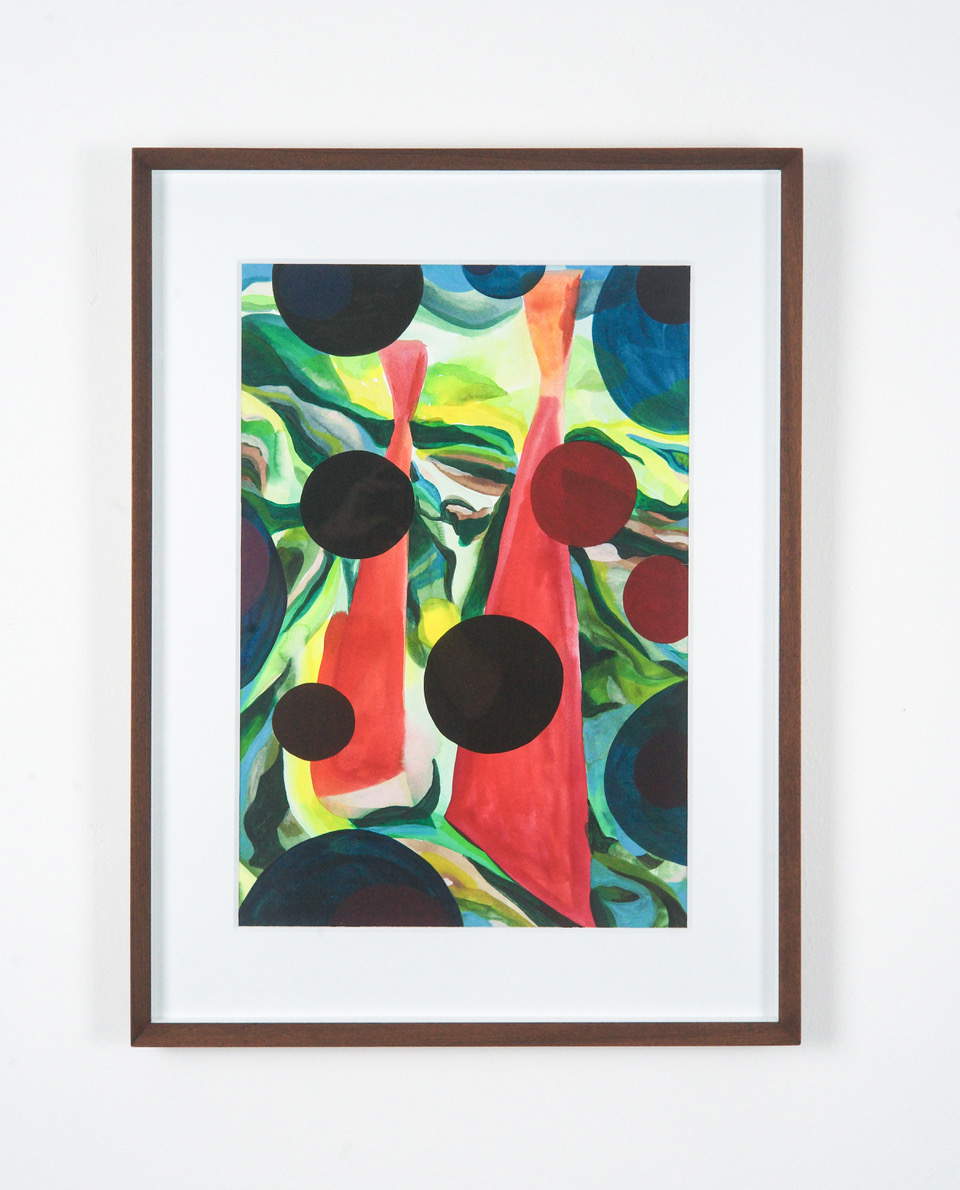
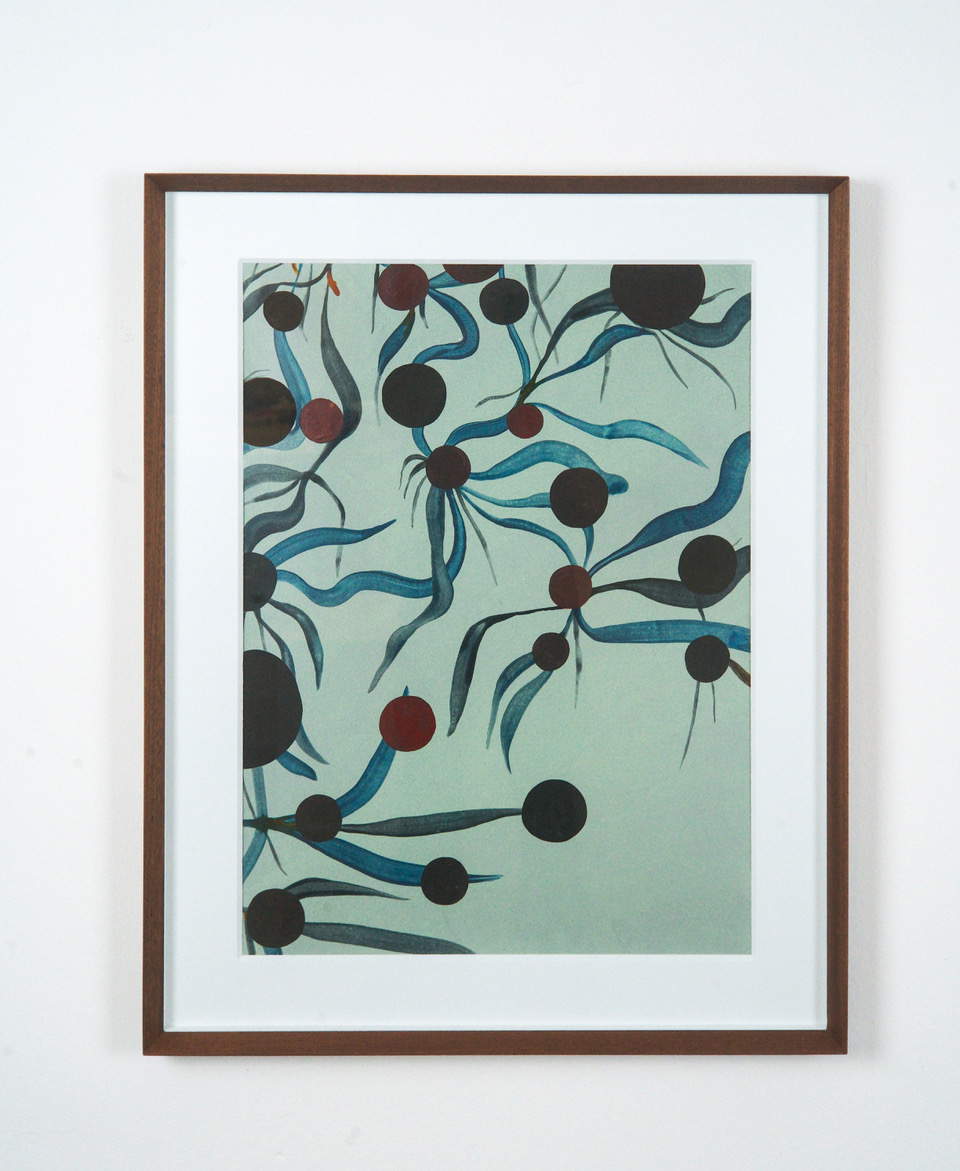
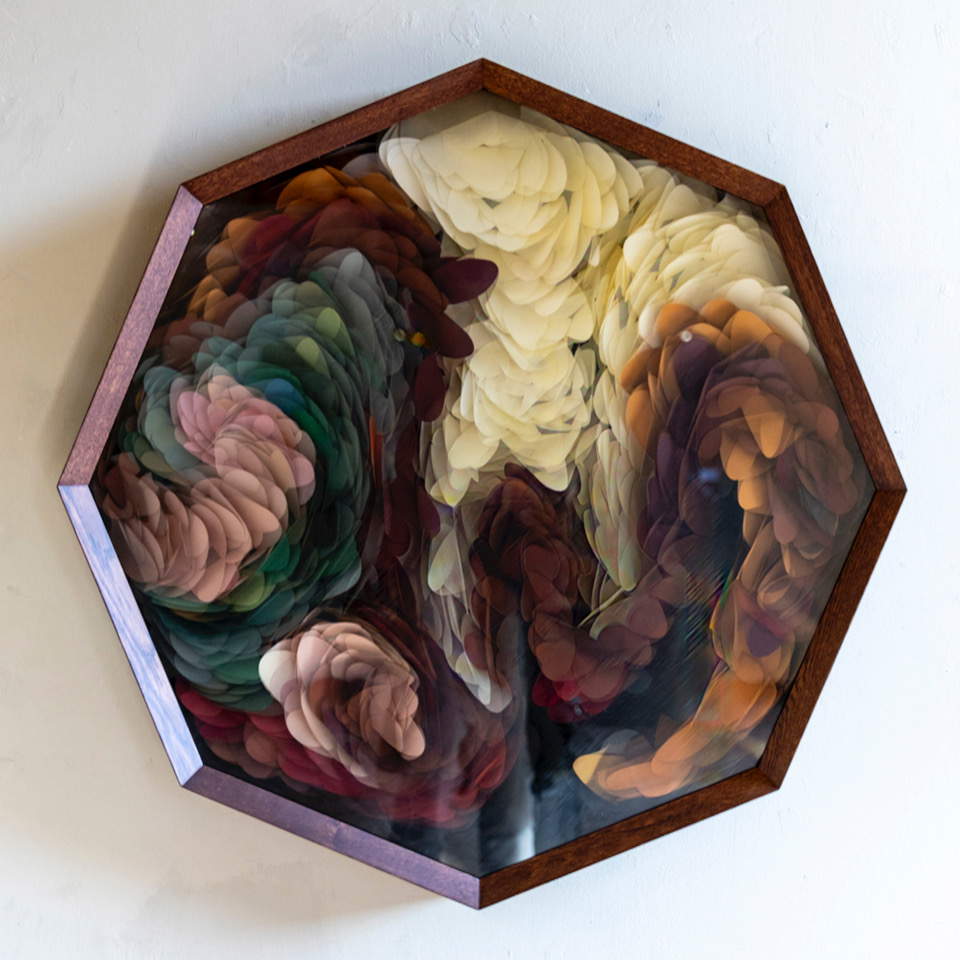
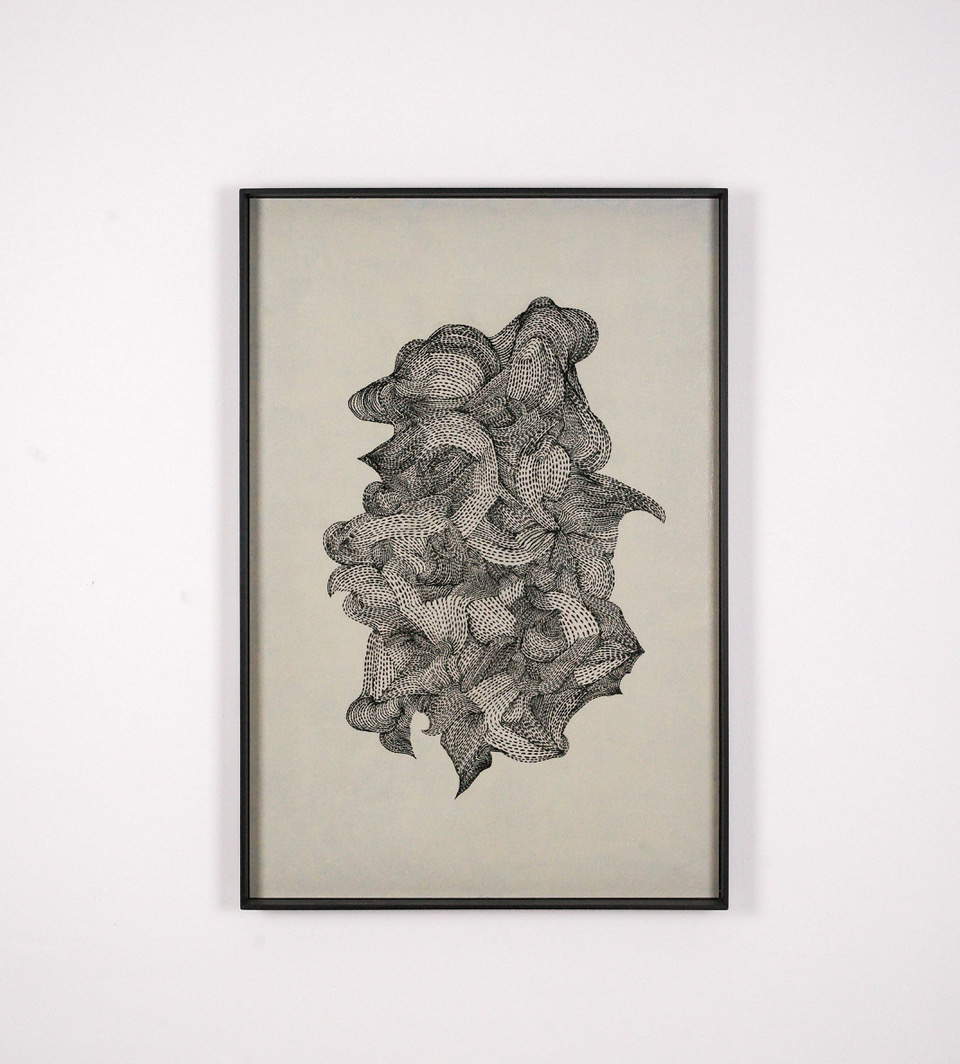
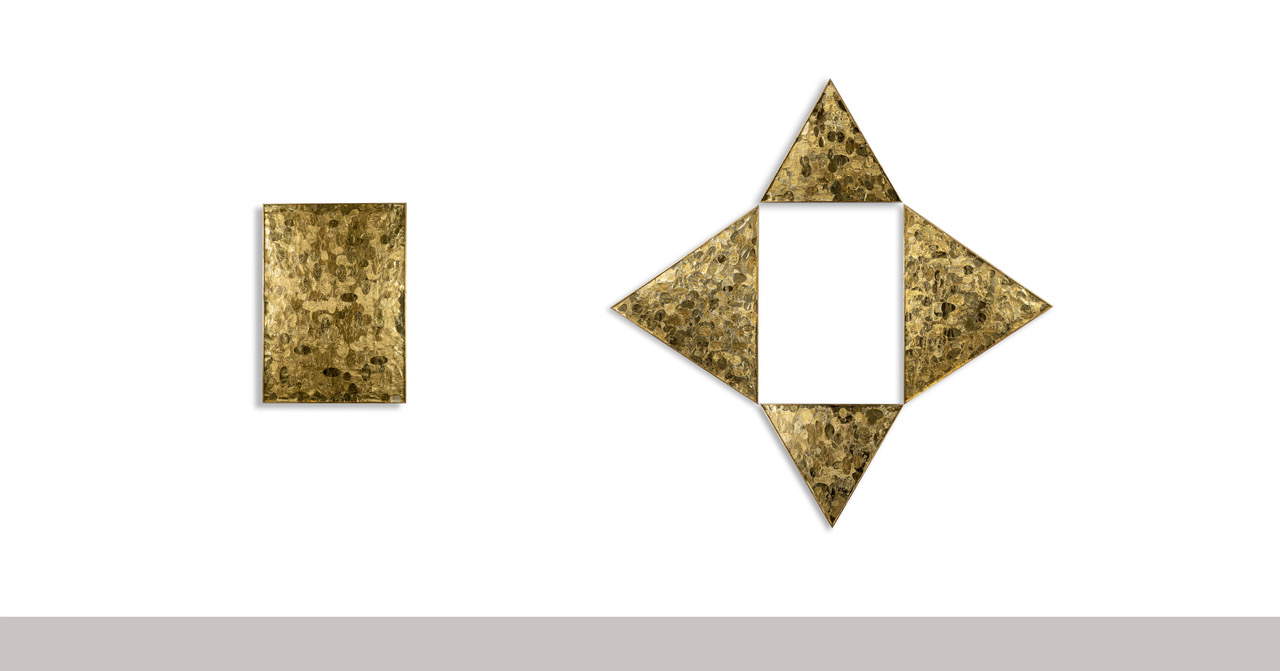
For the exhibition’s curator, Marco Ticozzi, it is also a matter of bringing together two ideas of beauty—one “perceptual,” he says, and one “conceptual”—and the connection occurs through a “pareidolia of the unconscious”: abstraction thus becomes a “fantastic evocation of the mind.” Beauty is not merely an experience, therefore, nor does it coincide solely with aesthetic pleasure: beauty also lies in the convergence between what is seen and what is imagined. And it is also in this convergence that wonder is generated. Of course, the fact that associations are potentially unlimited and that abstraction becomes a fantastical evocation does not mean that there is some sort of arbitrariness in the face of the image (if that were the case, Maurizio Donzelli’s works would be Rorschach tests), nor that aesthetic openness should be mistaken for vagueness. Meanwhile, the image can be considered a sort of guide, a conduit. Furthermore, the image also preserves a prior memory (in the vast body of critical writing on Maurizio Donzelli, reference is often made to Merleau-Ponty: painting and drawing do not mean “producing something positive out of nothing,” rather, “the line, the brushstroke, and the visible work are nothing but the trace of a total movement of the Word, which extends to Being as a whole”), and one might also add that in Donzelli’s works, abstraction is not pure abstraction. Examples could be drawn from all the works on display. Take the tapestries, for example: the transition from paper to weaving allows a certain medieval, Renaissance, or sixteenth-century fantasy to emerge, offering a sense of stratification. Consider the “O”s—golden mosaics that shimmer with iridescence and flashes of light, at times capable of triggering a sort of descending parabola, at other times of imbuing the image with a clarity that borders on the mystical. Consider, toward the end of the exhibition, the “Talisman Drawings,” which, right from the title, suggest the idea of something imbued with magical, propitiatory properties. And then, if drawing and painting mean entering into a relationship with a world that has already taken root in experience, then there may also be a reverse flow—a flow that moves from the image to the viewer and acts upon their memory. It is also within this exquisite, inescapable duality that Maurizio Donzelli’s works reside. Not all works, however, produce the same experience: there are series built around the proliferation of the mark, there are series built around perceptual instability, and there are series built around the qualities of light. These are formal choices through which possibility begins to manifest itself.
There are no boundaries, then. There are softenings, openings, potentialities. There is a fluidity that is at once the condition in which the artist operates and his relationship with the world: Donzelli’s contemporaneity lies above all in a fluidity that challenges the idea that seeing means establishing, in a fluidity that becomes almost an organism for the construction of the image, in a fluidity that prevents the viewer from being merely a viewer and the artist from being merely an artist, in a fluidity capable of assuming the precision of a line that separates what the image suggests from its further, infinite openings. In a fluidity that transforms the impossibility of an ultimate meaning into a sort of open discipline of the image. There is an autonomous exploration that has drawn upon the experiences of kinetic art and Op Art (experiences that appear to be the most immediate backdrop to Donzelli’s work, though the matter is more complex, since his visual memory is broad and robust and his dialogue with antiquity gives rise to experimentation: all reasons why Maurizio Donzelli’s art is thoroughly Italian) leading, however, to a broader reflection that engages with our condition and even, one might say, the human condition in relation to nature. There is a recognizable artistic pursuit, yet—by the artist’s own admission—it strives never to be a slave to itself. There is an intention to place the viewer before the work so that they may exercise that delightful freedom that consists in looking at something without necessarily having to know what to look at, to the point of setting off in a direction without finding a way out—or deliberately ignoring the way out—to the point of getting lost. As if by magic.
Warning: the translation into English of the original Italian article was created using automatic tools. We undertake to review all articles, but we do not guarantee the total absence of inaccuracies in the translation due to the program. You can find the original by clicking on the ITA button. If you find any mistake,please contact us.