





These are silences that permeate the Maremma countryside, the result of a mind that viewed those fields, those pine trees, those rivulets, and those marshes as one might view a gold ground, a painting by Piero della Francesca, or a geometric abstraction. Memo Vagaggini’s landscapes are not landscapes: they are rough matter cracked by light, constrained within a composition. One might therefore conclude that the limited fame of this magical surveyor—to whom Bibbona is dedicating a small exhibition this summer at the Palazzo del Comune Vecchio—is likely the result of a misunderstanding, certainly due to his substantial isolation (though this is not entirely true: throughout the 1930s, Vagaggini exhibited three times at the Venice Biennale and three times at the Rome Quadriennale, and his paintings even traveled abroad at the time), but also—and perhaps above all— to a narrow-minded critical establishment that neglected him, confined him to the category of “postcard painters,” either by placing too much trust in the limitations of its own judgment or by giving excessive credence to those who, perhaps intending to pay him compliments, ended up paving the way for his oblivion. This situation played out in a number of all-too-telling episodes: it happened, for example, that Vagaggini, in the mid-1930s, secured a solo exhibition at a Turin gallery—which, incidentally, was inaugurating its operations with his show— and Enrico Paulucci, in his review, wrote that his “lighthearted landscape painting has found the most joyful and practical reception in the public’s taste and the interest of art lovers.” Or one might mention the journalists running out of ideas who, whenever forced for whatever reason to write about Vagaggini, are compelled to recycle the anecdote about Hitler visiting the 1934 Biennale ’34 and forced the Fascists to give him one of his paintings of boats that he had liked: an anecdote which, due to some idiotic form of associative ownership, has contributed—and with no small amount of effort—to devastating Vagaggini’s reputation. We can, however, be fairly certain that Vagaggini’s condemnation is due above all to the image of him that has become entrenched in people’s memories—that of a second-rate Macchiaioli painter who arrived too late to claim he could say anything meaningful, or, perhaps even more so, that of a cheerful, harmless producer of Maremma souvenirs.
This is, of course, an inadequate memory, and a certain amount of critical work has been necessary—especially in recent years—to unearth Vagaggini and free him from the encrustations so as to attempt a somewhat more informed interpretation. This is also what the exhibition in Bibbona, curated by Ambra Margheri and Marco Vindali, seeks to do; to introduce him to visitors, it provides an updated context, placing his work alongside that of Magical Realism. It is true that Vagaggini has always been aligned with the fragmented group of post-Macchiaioli (a label under which people have tried to lump everything), and it is true that Vagaggini was a Tuscan who began his studies in Tuscany (in Florence) and that almost all of his memorable paintings are linked to Tuscany; but to begin considering Vagaggini from a more well-founded perspective, perhaps it would be appropriate to also regard him as a Piedmontese, a metaphysician, and a fine landscape painter who had been persuaded to move to Turin by his future wife, Gina Dumonal, and who had remained there, utterly captivated by Casorati’s teachings, from whom he had evidently learned the possibility of turning a landscape into a mechanism of the mind. Indeed: the exhibition, drawing primarily from the works left to the painter’s heirs and from a few private collections, focuses most of its attention on the decisive period—the 1930s—when Vagaggini’s painting took on its most recognizable form.
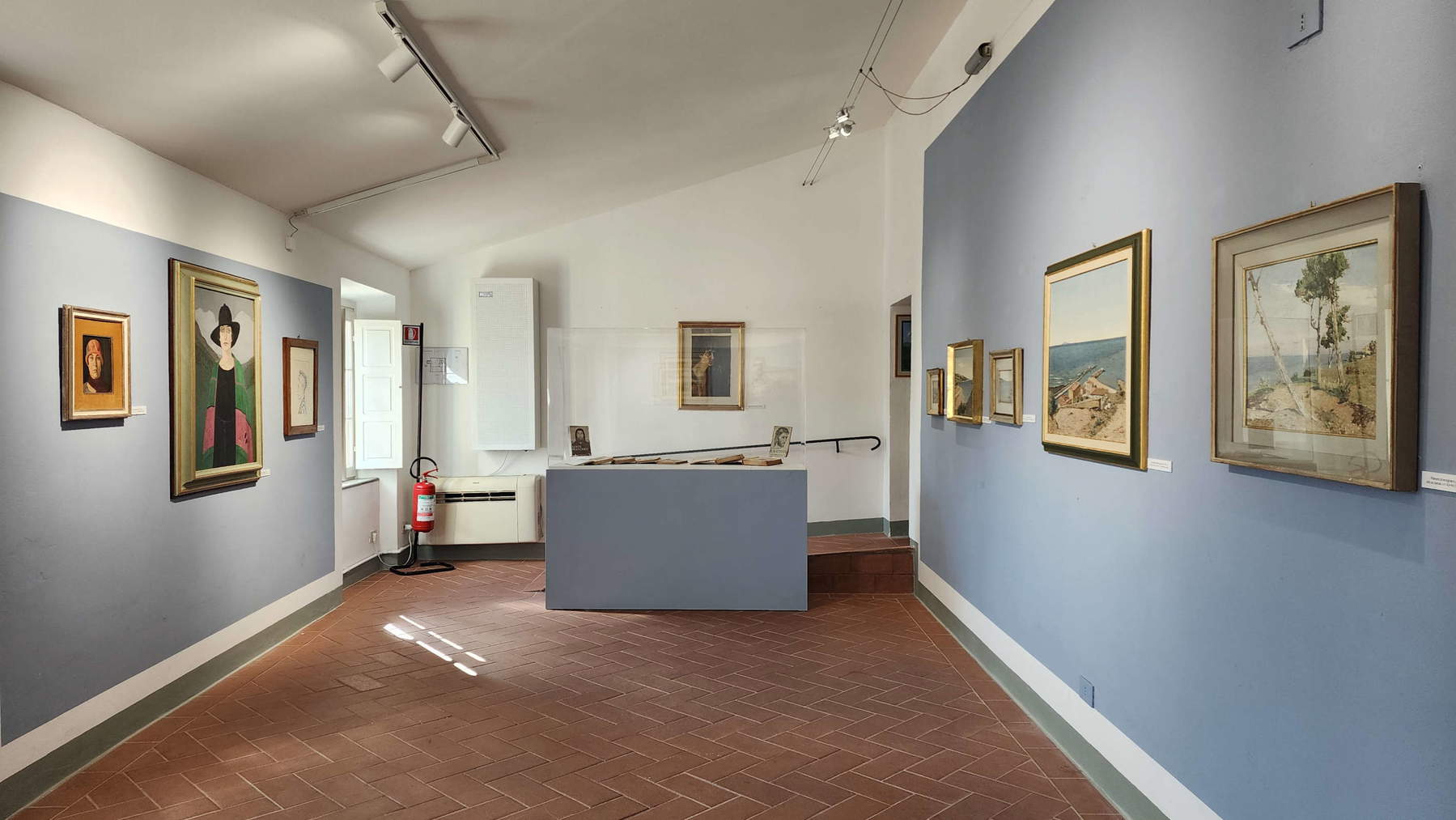
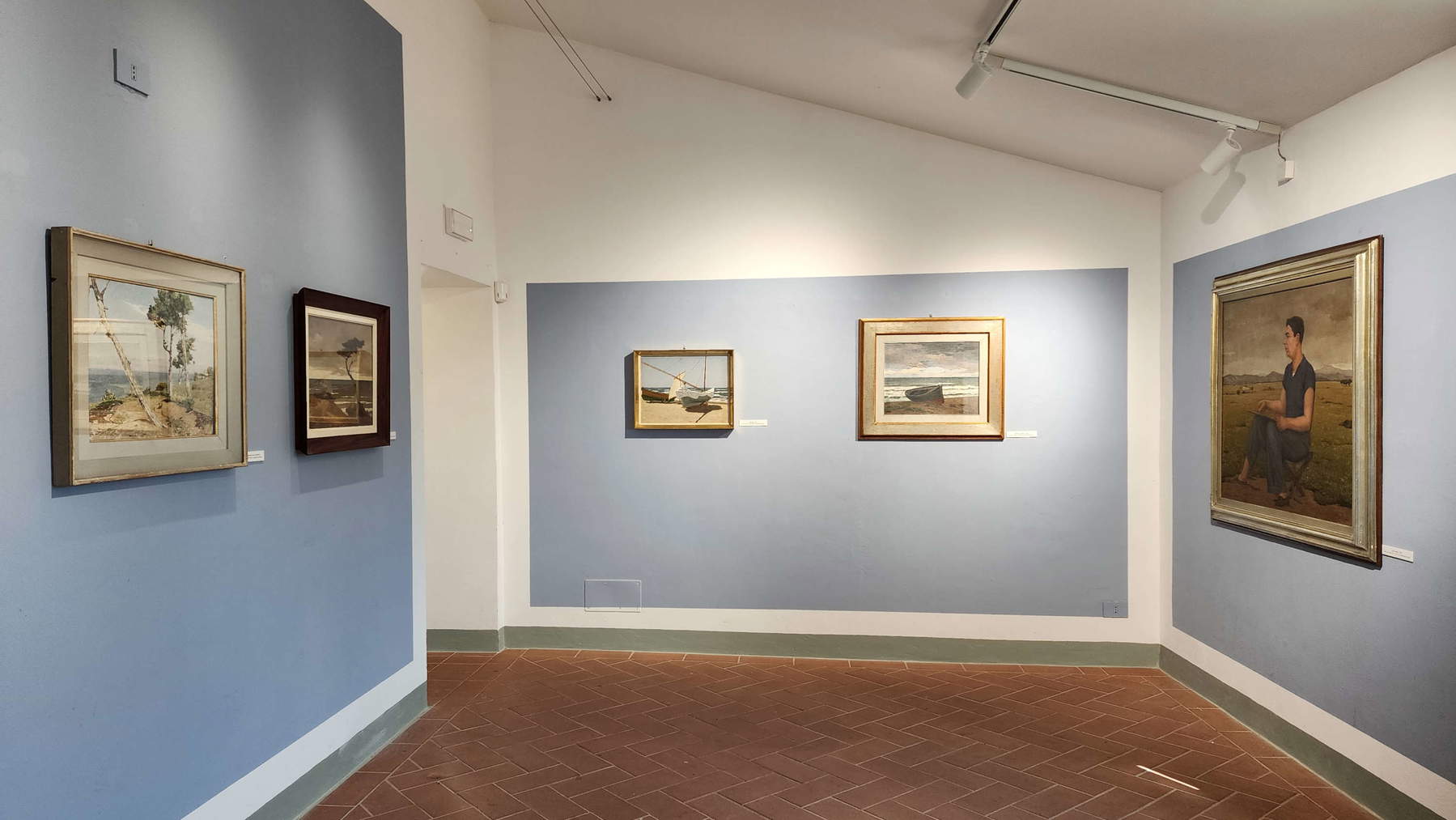
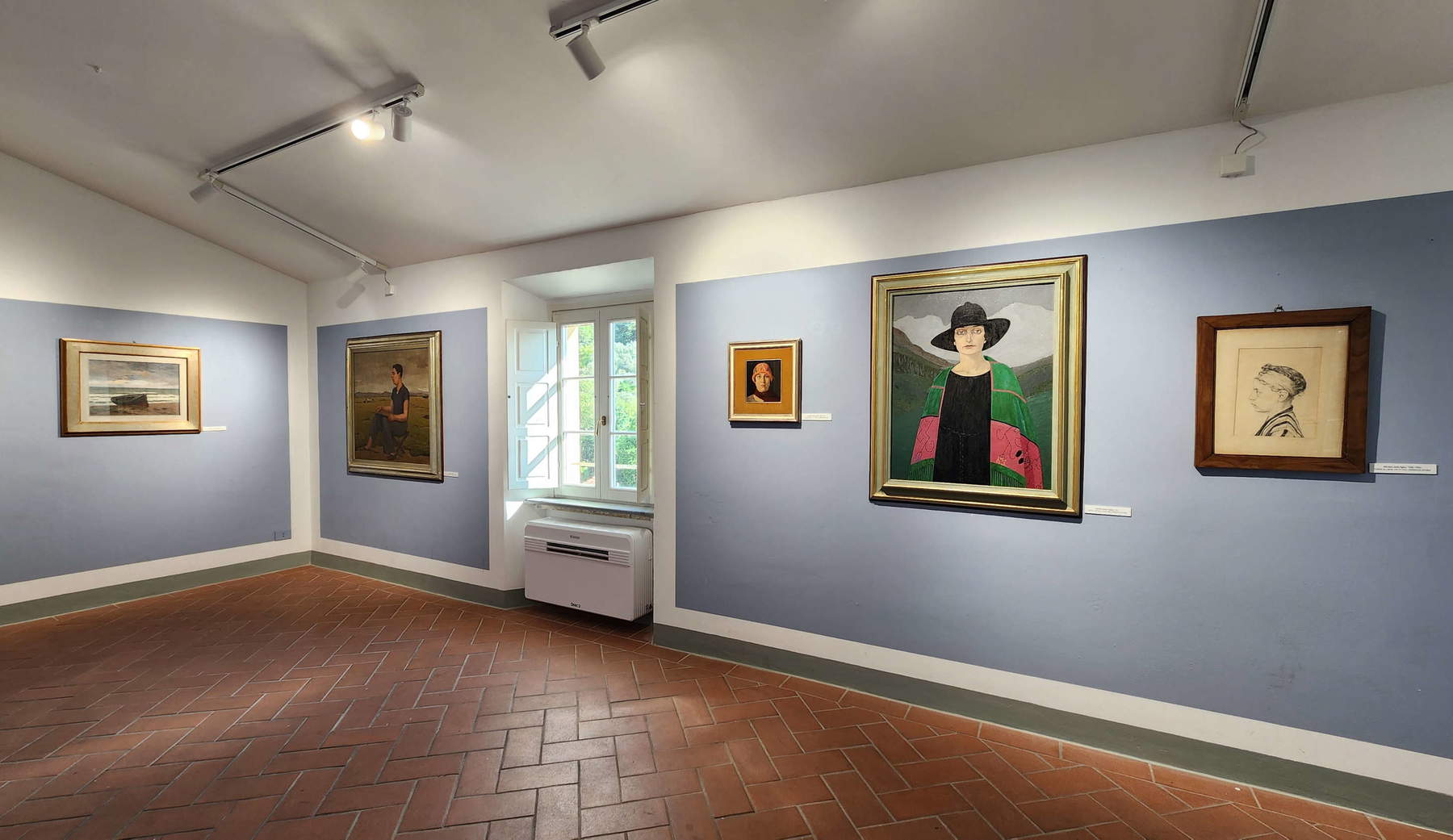
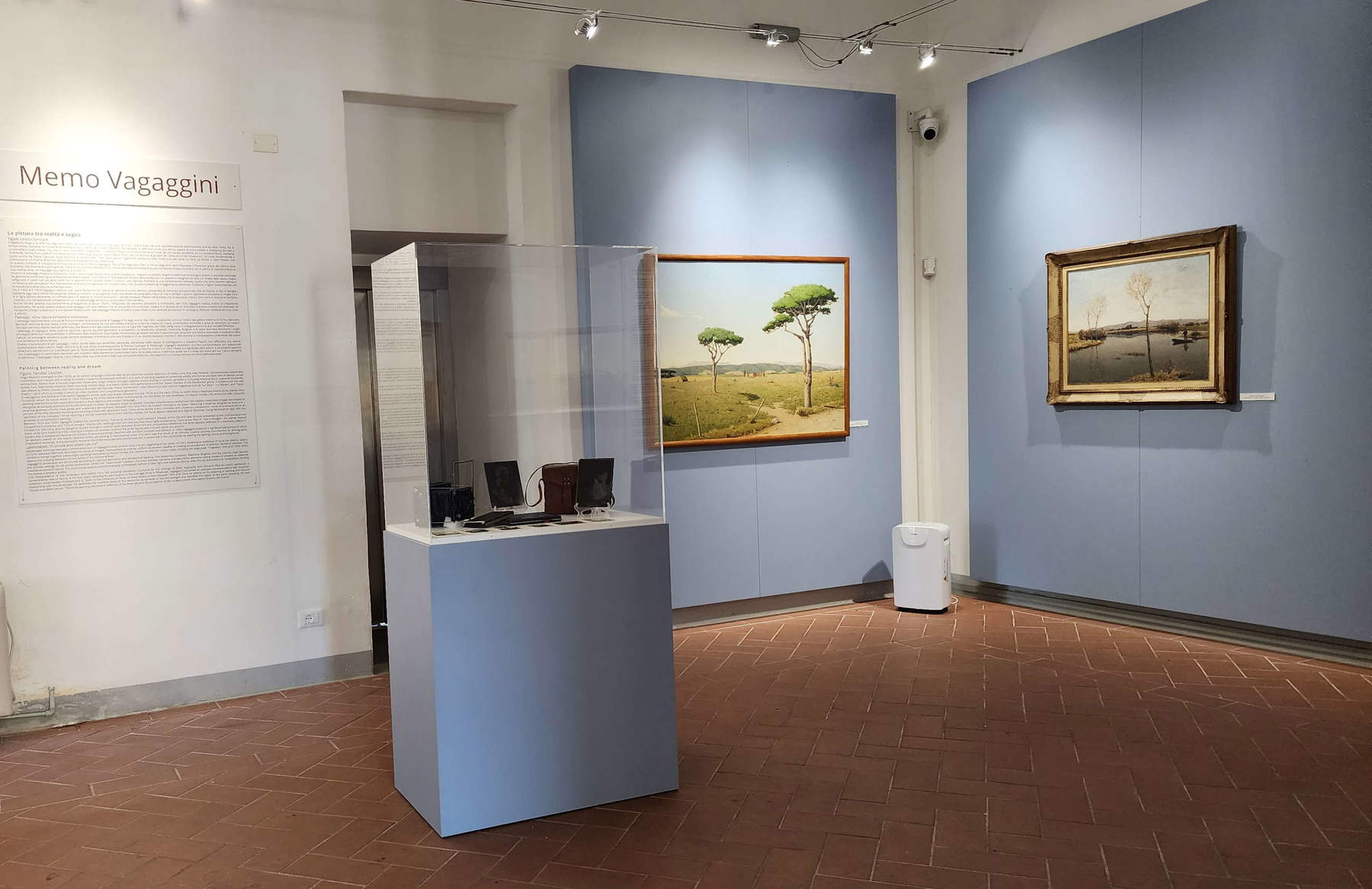
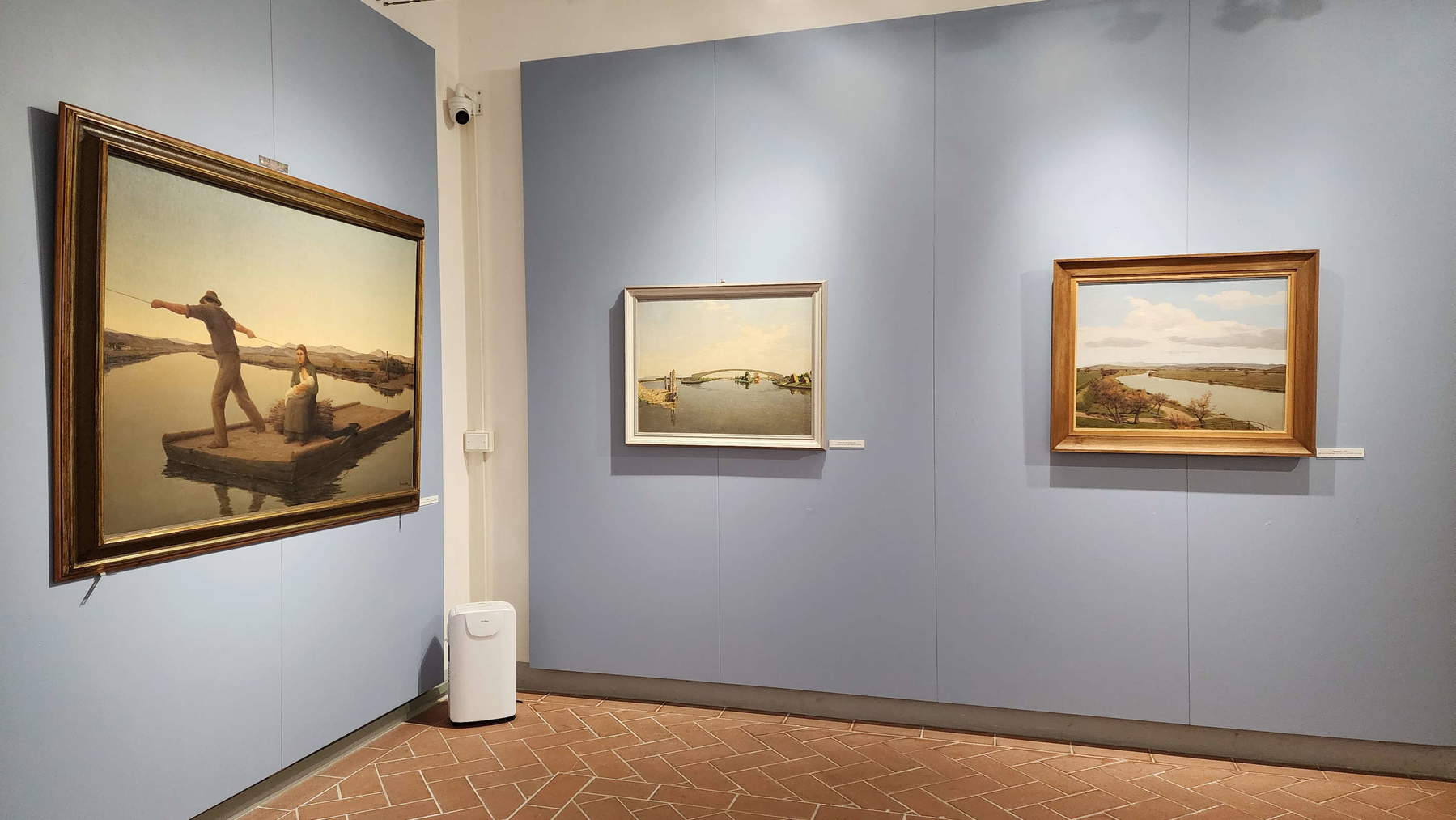
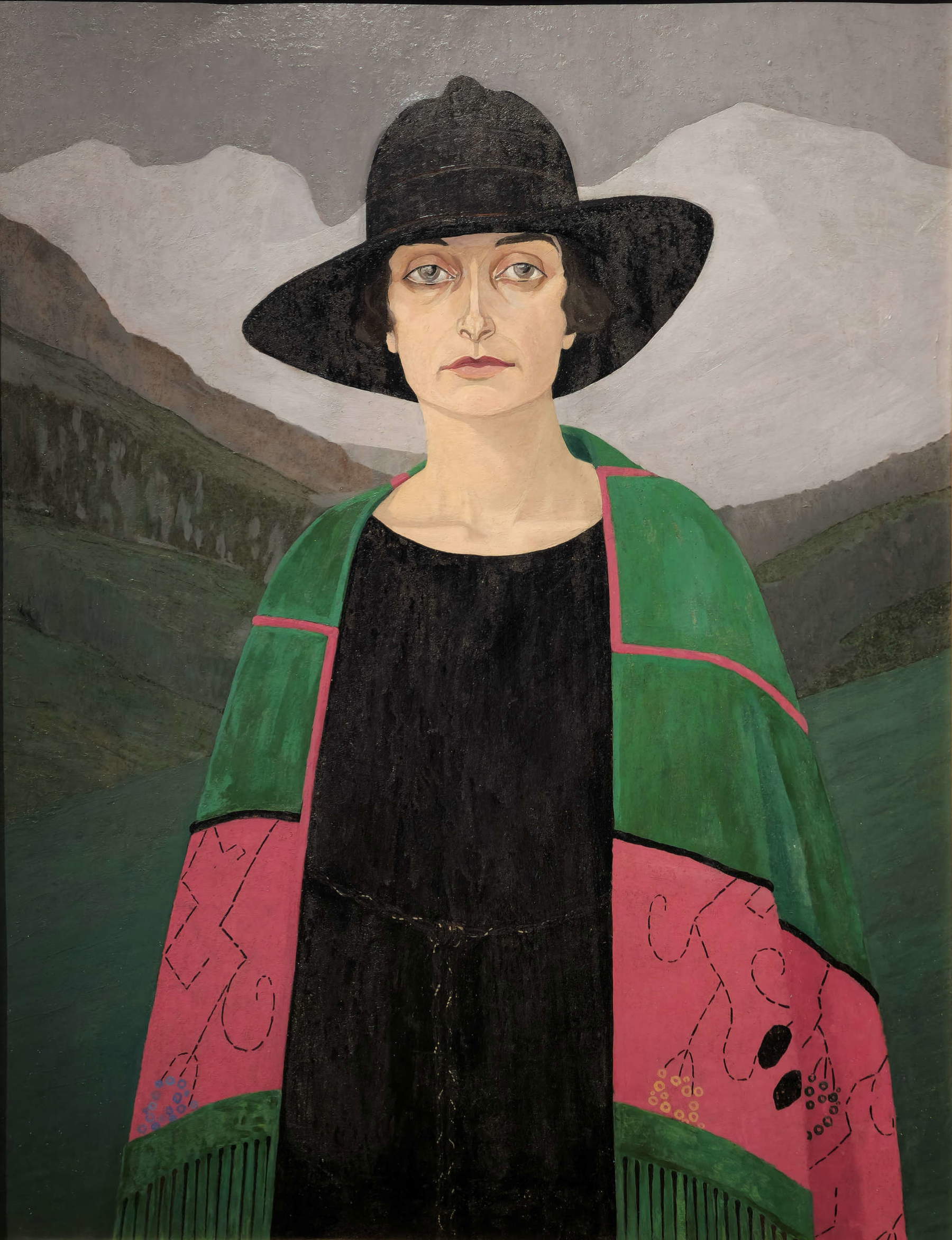
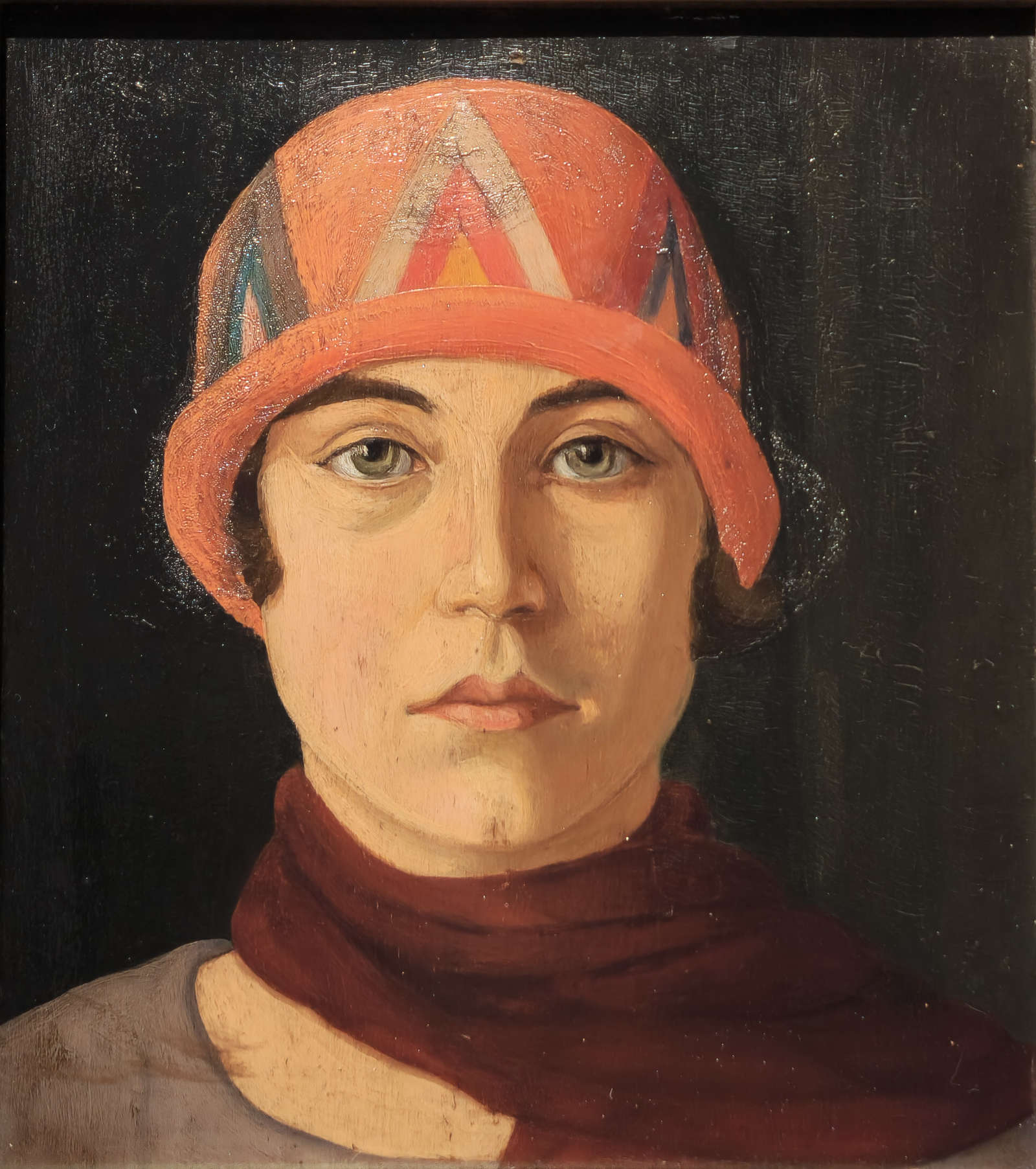
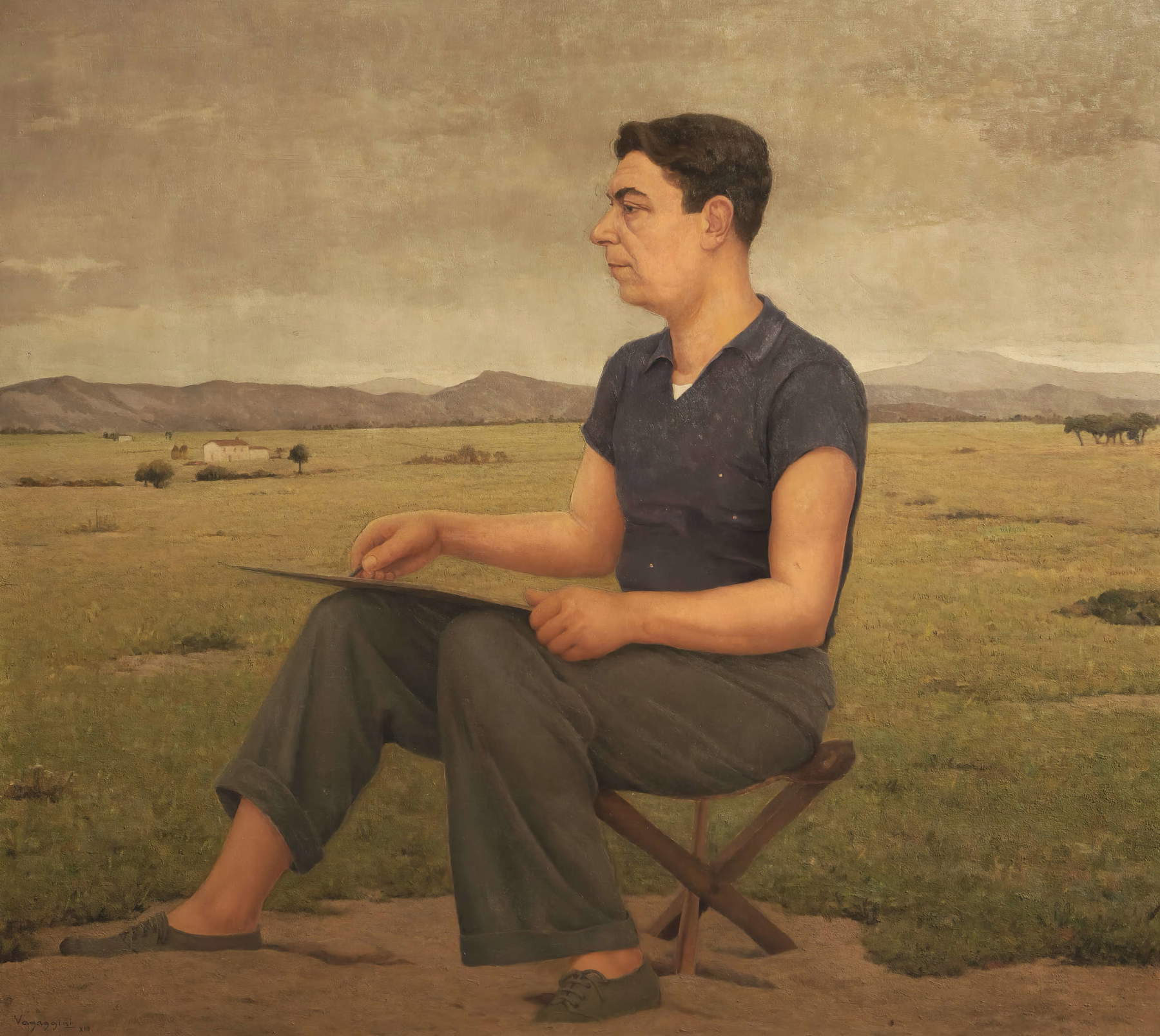
Then, of course, there is more: there is, for example, the postwar Vagaggini, a painter who by then had little left to say and had reduced himself, in that case, to a lighthearted style of landscape painting—obviously reluctant to renounce the suspensions, the stillness, and the lingering moments of the era that had preceded it, yet nonetheless inclined to satisfy a taste rather than a need, transformed into style and atmosphere. No longer, then, a painter who painted because something had to be said, but a painter who painted because something had to be seen. Then there is a lesser-known Vagaggini: the book illustrator, including works of children’s literature (there are also some of his illustrations for *The Jungle Book*, for example). This is largely a side note, since the only period in Vagaggini’s career when he truly had something to say lasted ten, fifteen years or so, but that “something” is by no means insignificant. The settings are those that the Macchiaioli had already explored before him: the Grosseto Maremma, the Livorno coast, and the fields of the Tuscan hinterland. And Vagaggini treats them with the same ascetic rigor with which he approached a portrait. There are a few on display, and perhaps it’s best to start here—with his wife Gina, his sister, and his own self-portrait—works about which one could say the same thing that has been said, for example, of the portraits by Antonio Donghi or Felice Casorati—namely, that they are faces hostile to any movement, frozen in a sort of translucent, motionless, and precarious perfection, detached from reality even when Vagaggini attempts a setting imbued with an appearance of concreteness. When we lookat the 1935 Self-Portrait , we do not see a forty-three-year-old painter depicting himself while painting, immersed in one of those Maremma landscapes so dear to him: we see a man from the fifteenth century who, due to some error of time, has found himself catapulted five hundred years into the future; he tries to look at what surrounds him, yet he continues to think of himself as an ancient painter and to imagine the landscape as a hypothesis of clarity, as a purified construction, as an abstraction that descends in a direct line from a Botticelli, a Baldovinetti, or a Filippino Lippi. The work, the exhibition informs us, is the “result of a complex creative process documented by photographs, preparatory drawings, and subsequent revisions: from the initial seascape, we move to a version set in the countryside, achieved by modifying the light, colors, and background.” This result, as noted by Eliana Princi—to whom much of the critical reinterpretation of Vagaggini is owed—isolates the figure of the painter from his landscape to such an extent that the painting appears almost like a photomontage, an unreal fabrication.
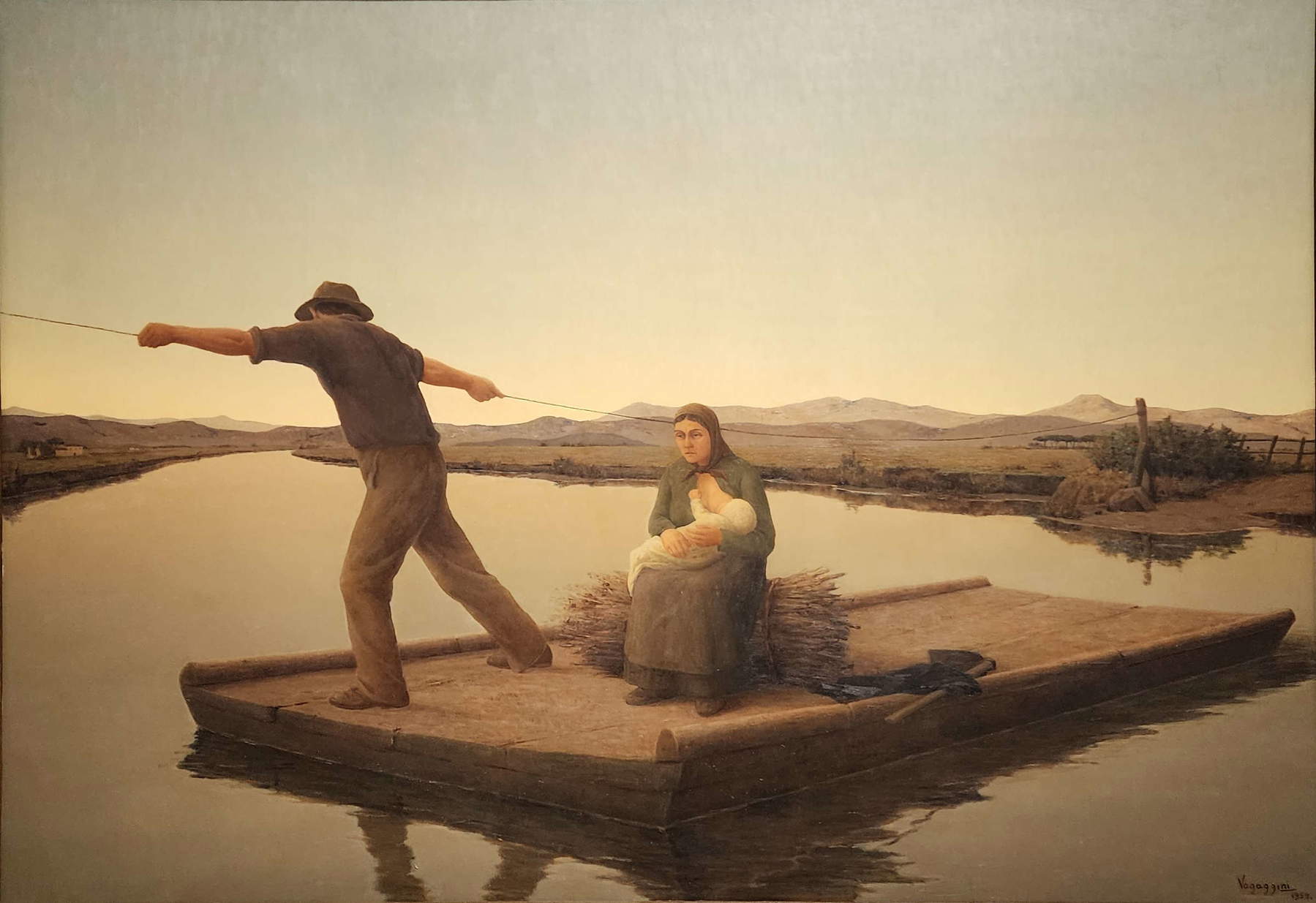
Vagaggini applies the same treatment to his landscapes, which cease to be the Maremma, cease to be a place, and instead become the idea of a place; they become something liberated from its very existence, freed from chance, from current events, from the materiality of the world, and from the need to tell a story. Vagaggini’s Maremma is a metaphysical Maremma. An unreal Maremma. In the exhibition, the only concession to any form of narrative is the 1939 painting *Traghetto* , which at first glance might appear to document the curious system of transport from one bank of the Ombrone to the other (so much so that a few years ago the painting appeared in an exhibition on the peasant culture of Tuscany at that time): a rope stretched across the water, wrapped around a pole fixed to the riverbank, the boatman pulling the barge by pulling on the rope. At first glance, it might seem, then, that the painting merely reveals to us that “diligent and loving seeker of form, of subtle color, of delicate poetry” that Vagaggini was, according to the definition given by a painter of keen sensitivity such as Llewelyn Lloyd (and he certainly deserves credit for having recognized early on that the painter from the Maremma was, first and foremost, a “seeker of form”), a painter capable, at most, of cloaking an everyday episode in the colors of the earth to restore to that scene of rural banality—frozen in the uniform light of sunset—a sort of essential material order. Peasant painting, then, steeped in the earth—and perhaps *The Ferry* is this as well—but it is equally obvious that it is, at the same time, something else: it is at once a landscape that no longer belongs to time, an instant held in the moment of greatest precariousness, a scene that remains in place just as someone seems to have set reality aside. There is nothing fanciful or bizarre, much less dreamlike, and yet everything seems to come from a dream.
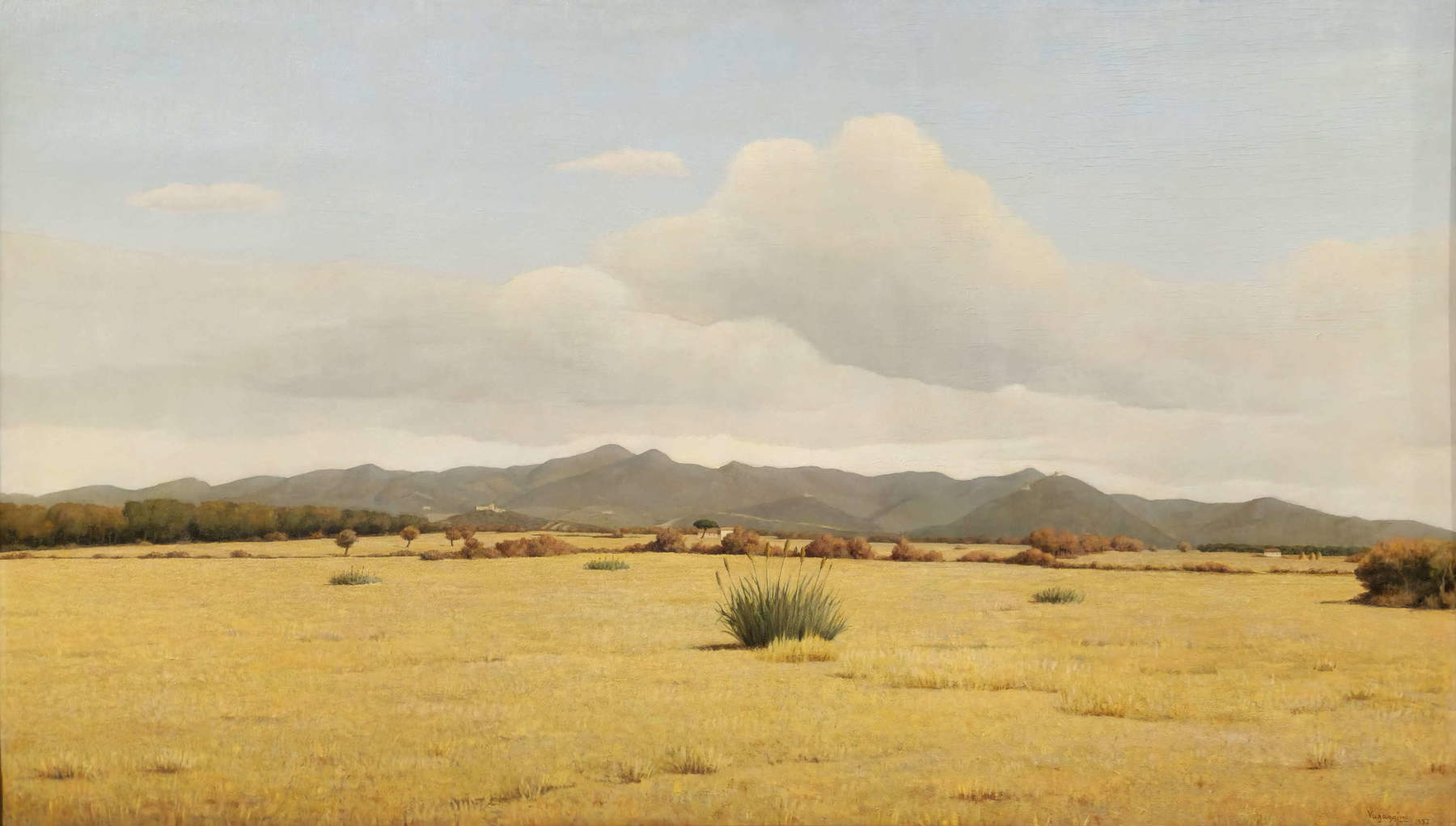
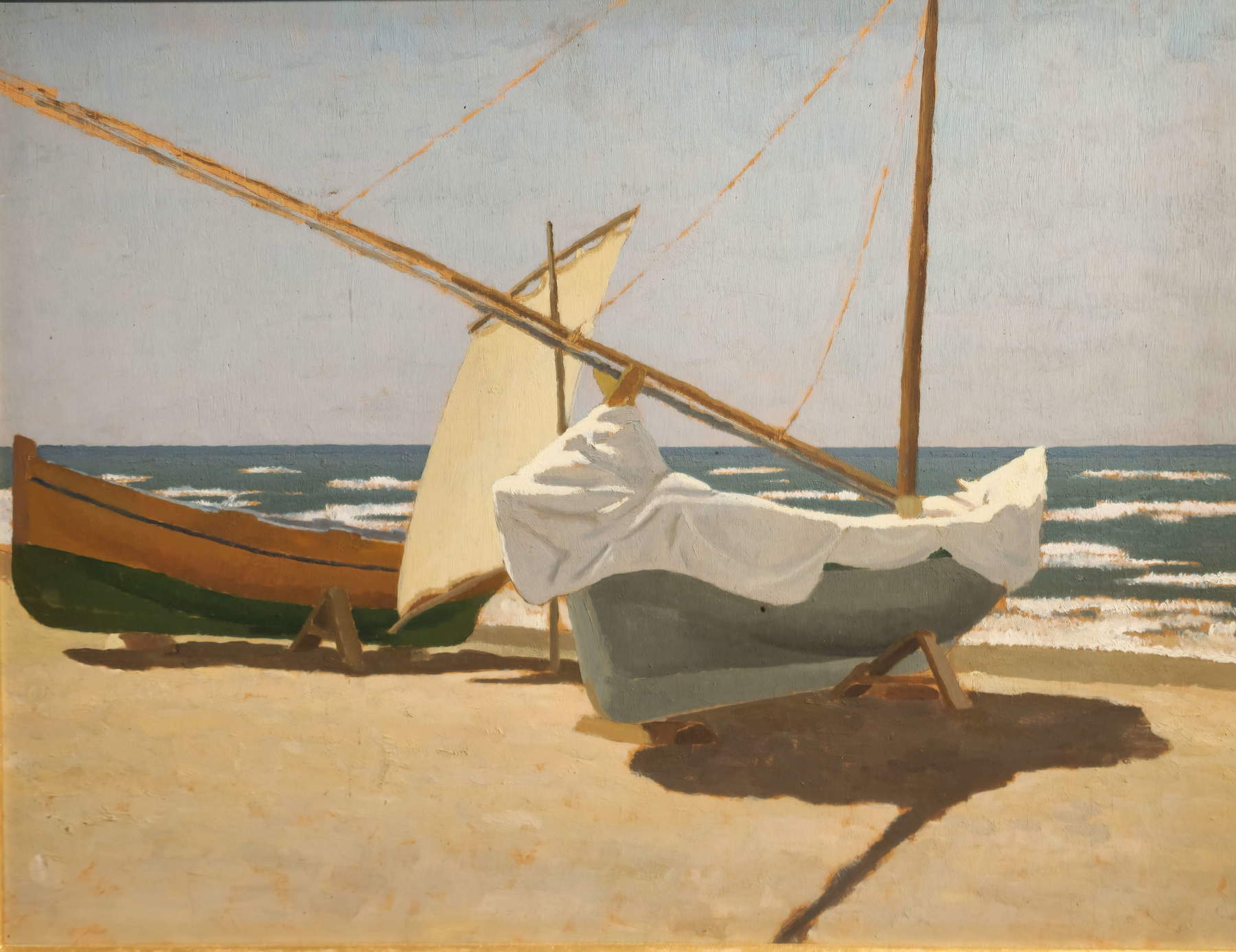
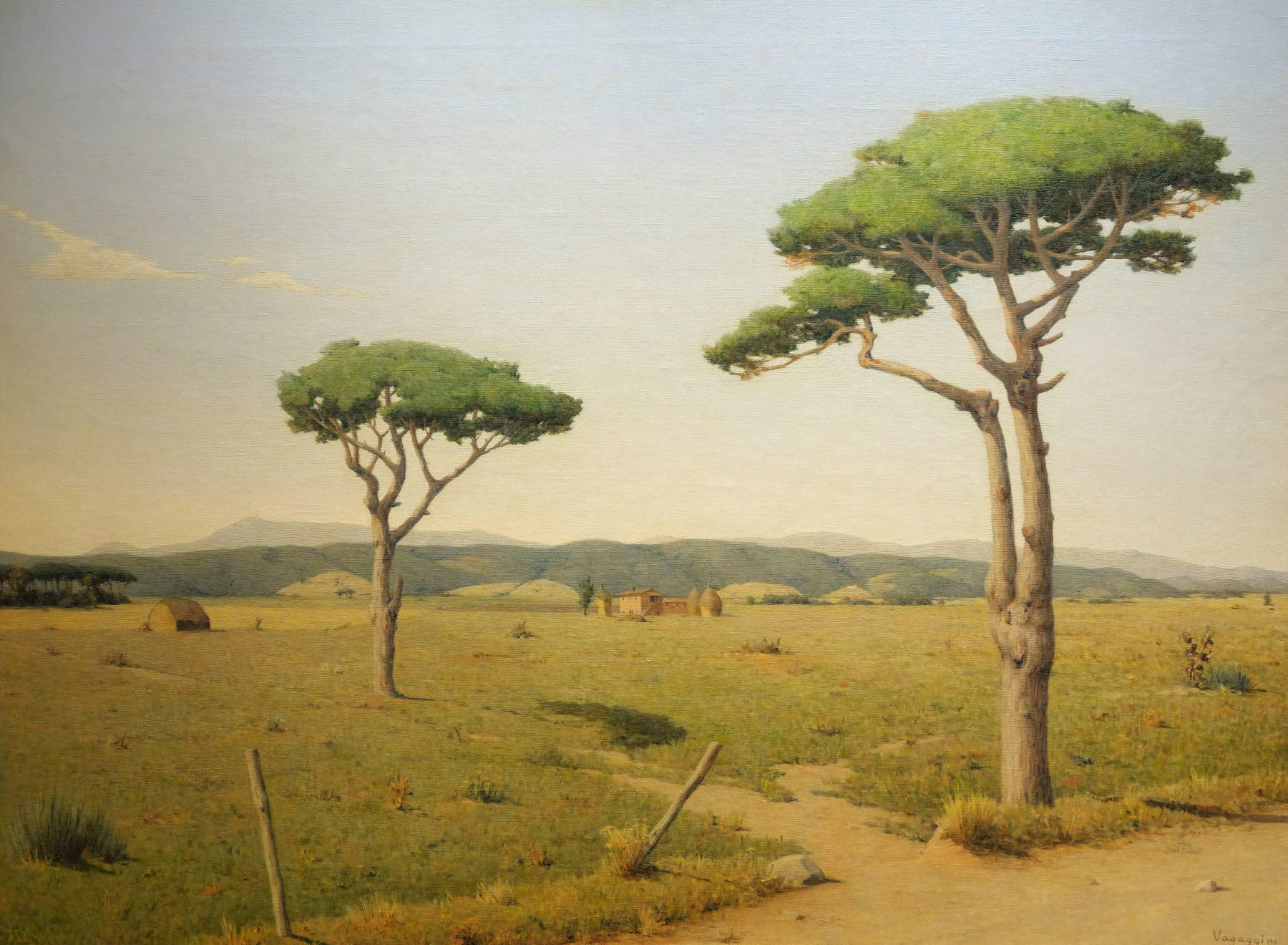
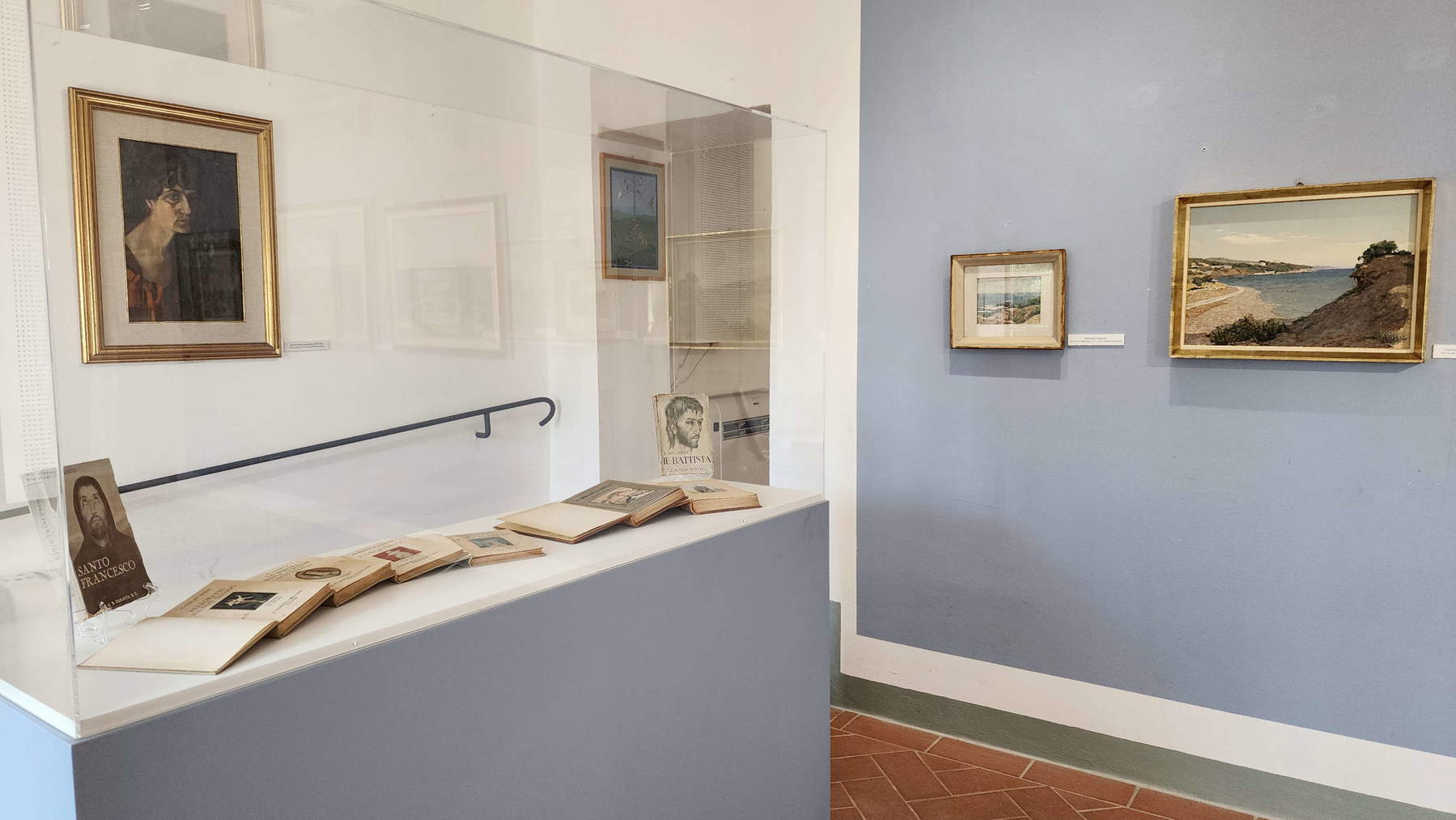
It is interesting to note that Vagaggini often began with a photograph (a display case in the exhibition features, alongside his camera, several snapshots of Tuscany—some even corresponding to specific paintings on view, such as the landscape of Castiglione della Pescaia or the Maremma with the bridge from the 1950s, which, among the paintings from Vagaggini’s later phase, is perhaps the one that most recalls his earlier period)— in keeping with a tendency he shared with other painters associated with Magical Realism: namely, that one needed to start from a foundation in order to achieve that abstraction, that “translation of nature into solids,” as Eliana Princi described some of his landscape paintings. The pine trees, for example (see *Maremma* from 1938), are not trees: they are “various combinations of luminous forms,” achieved through a meticulous process, algebraically applied to every view of the Maremma: “the artist arranges the misty patches of foliage against the sky, aligns them, juxtaposes them, separates them, raises the verticals of the trunks that fork or break into diagonal segments, multiplies the planes of perspective to create distant views into the depths, constructing a diorama of the Maremma.” His work from the 1930s is almost a catalog of solids and volumes, always motionless under a warm, zenithal light that never casts shadows (and if there are shadows, they are never areas produced by objects interfering with a light source: they, too, are constructions, and the only noteworthy moment in the exhibition is provided by the *Boats* of 1933: in all the other works from the same period, shadows do not exist; the painting almost seems to want to deny the laws of physics).
It is not a reassuring style of painting, just as all art in which everything seems motionless is not reassuring, because we know that sooner or later that stillness will be shattered. There are never, as in the paintings of Fattori or the second generation of the Macchiaioli (from the Giolis to Cannicci, from Ferroni to the Tommasis), peasants working or resting, oxen plowing, or water-carriers bearing jugs. Nothing happens. In Vagaggini’s paintings, there is no presence—neither human nor animal. They seem frozen, even though the Maremma sun is hot. The paint is sparse, compact, and thin—so much so that at times the underdrawing is visible; it almost seems engraved, even as Vagaggini’s light dazzles. The clouds, when they appear—for sometimes bad weather creeps even into Vagaggini’s rural fantasies (Campagna grossetana)—become a functional abstraction. Everything is recognizable, yet it is also inexplicable. Everything seems so normal, repetitive, even boring, yet at the same time, everything is too precise, too alien, too undefined: Vagaggini’s Maremma is trapped in a time that knows no time, in a time that denies time. And if there is a variation, it is not because the painter wants to say something different: it is because he wants to change the meaning of the works (Princi: “the expansive and monumental opening for one [scene]—and thus a more strictly spatial quality—and the emphasis on the chromatic element, which is more vivid,” for another).
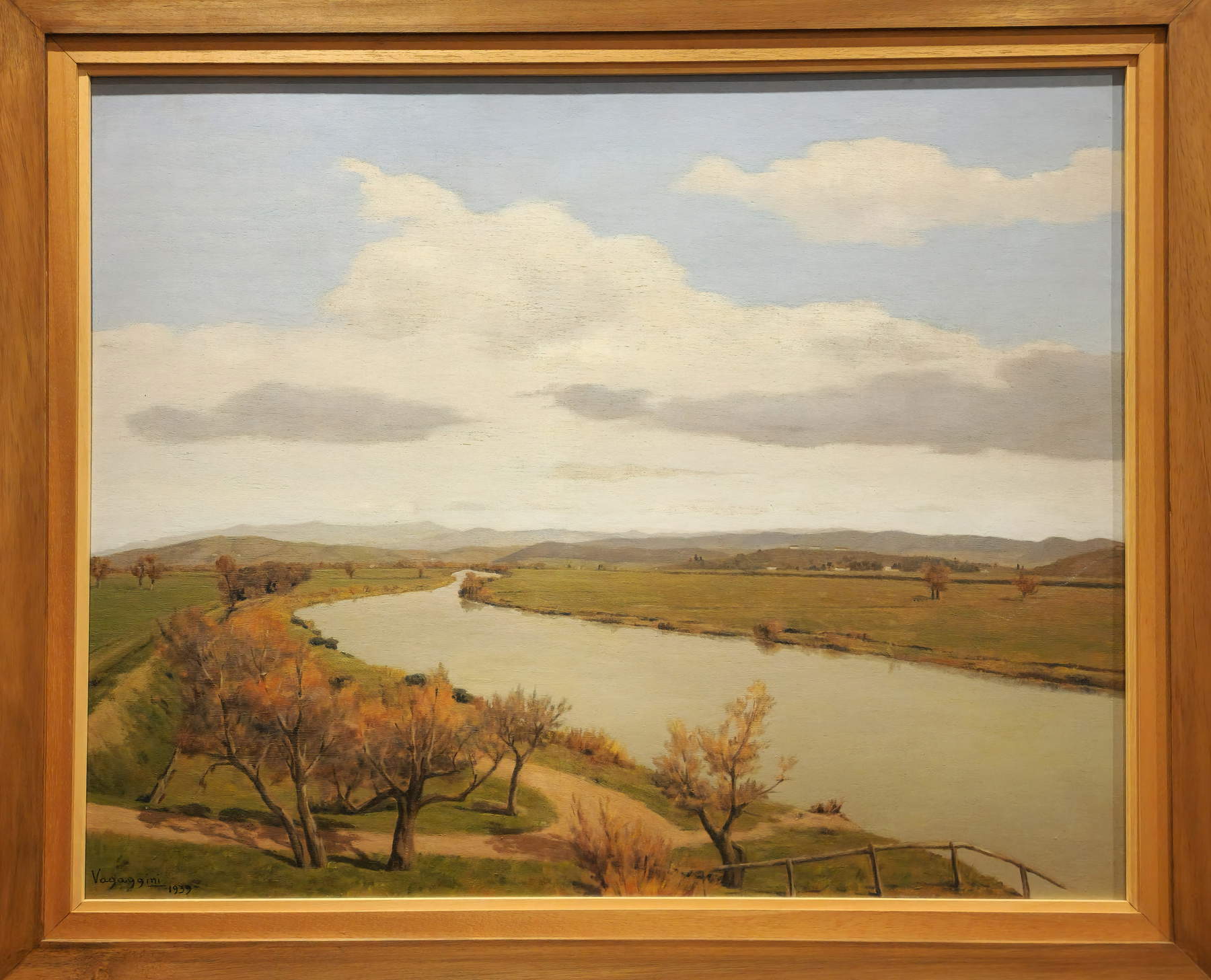
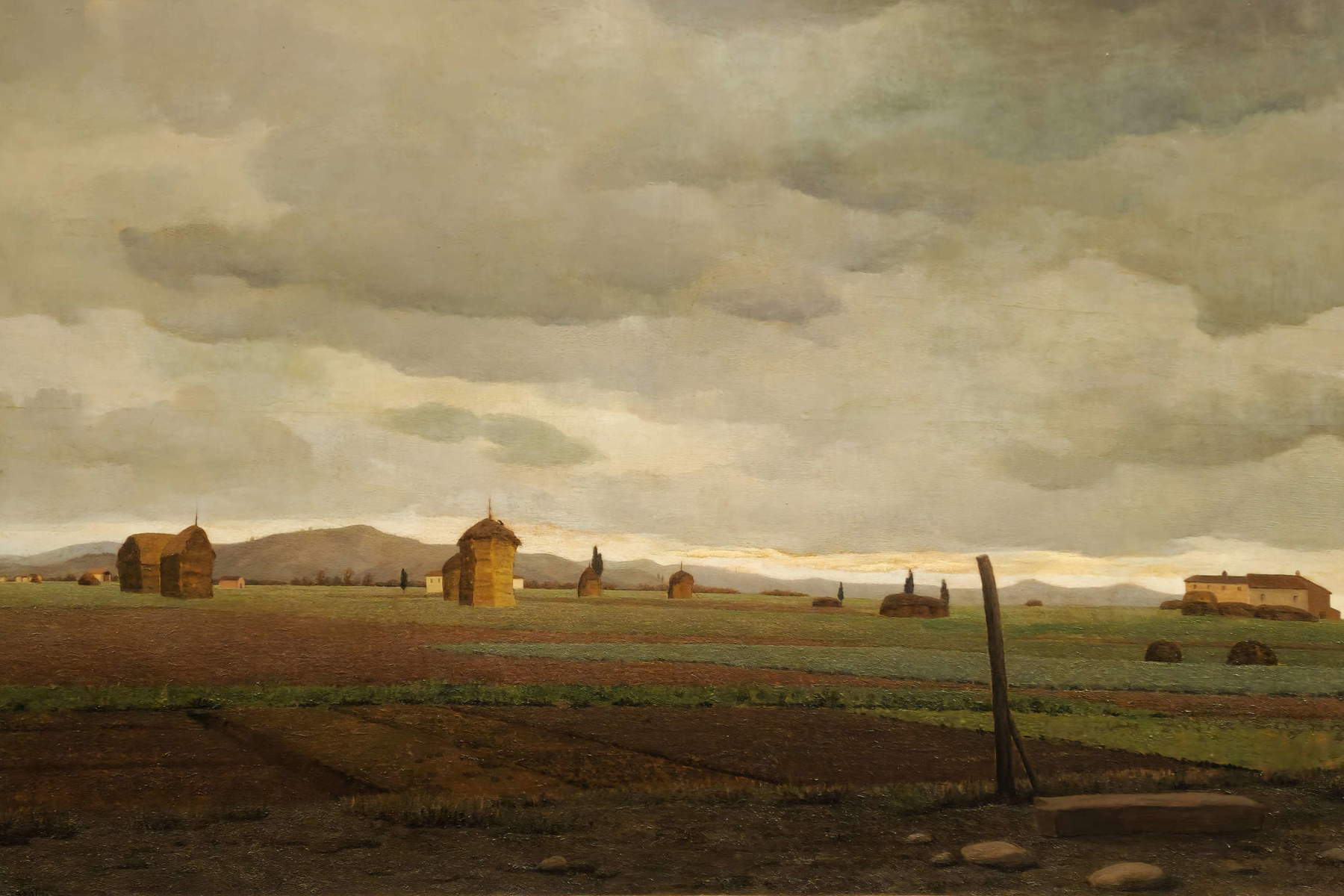
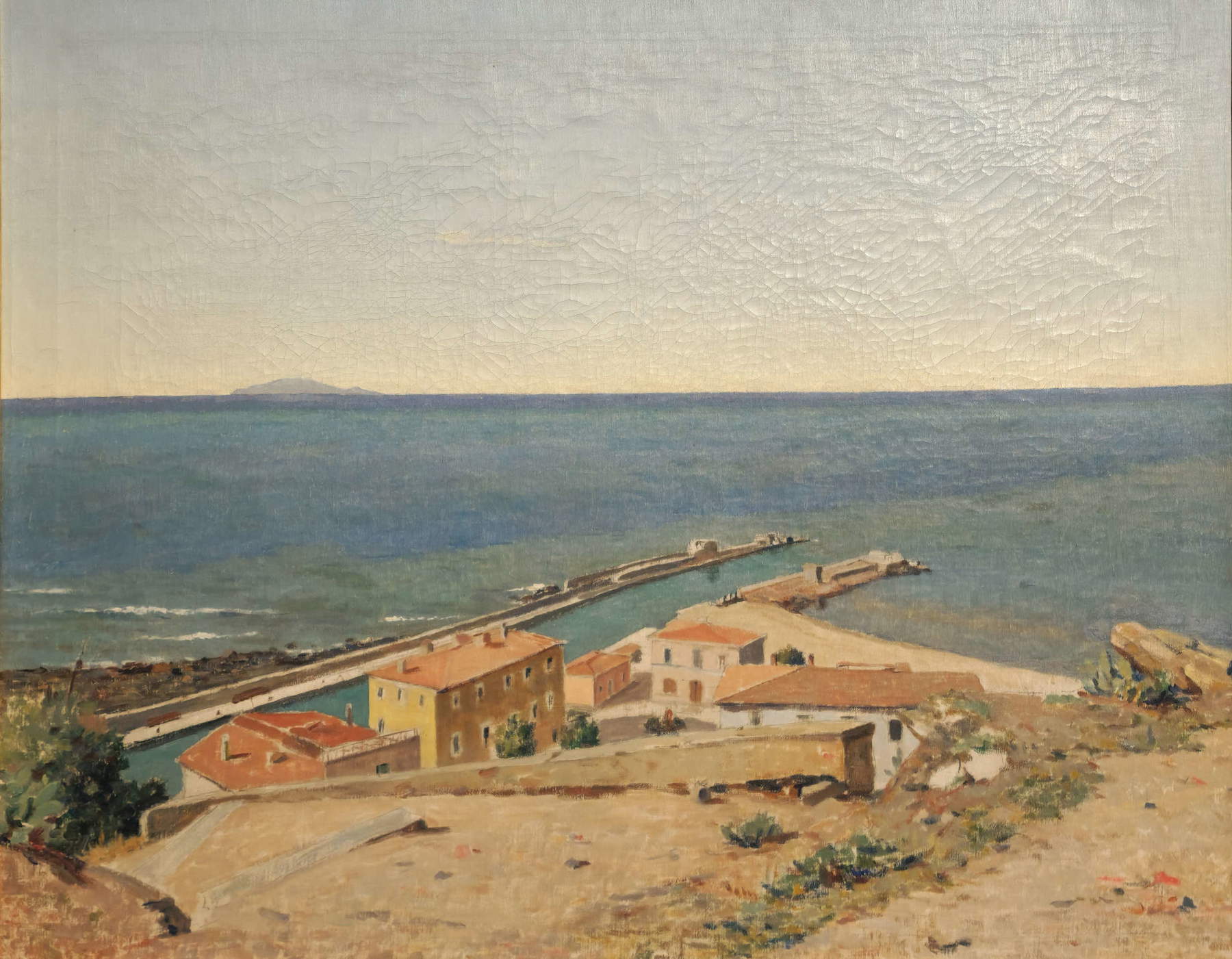
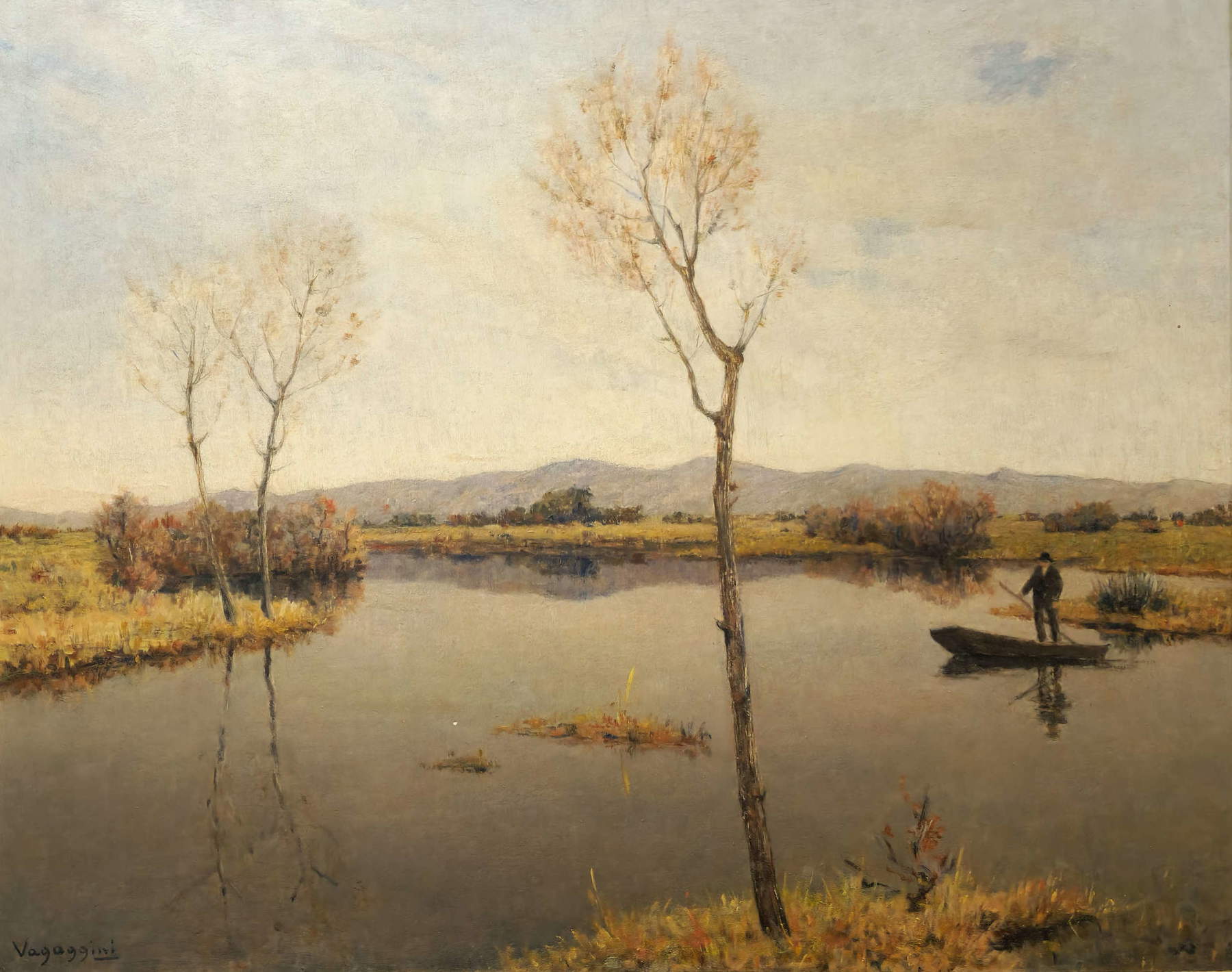
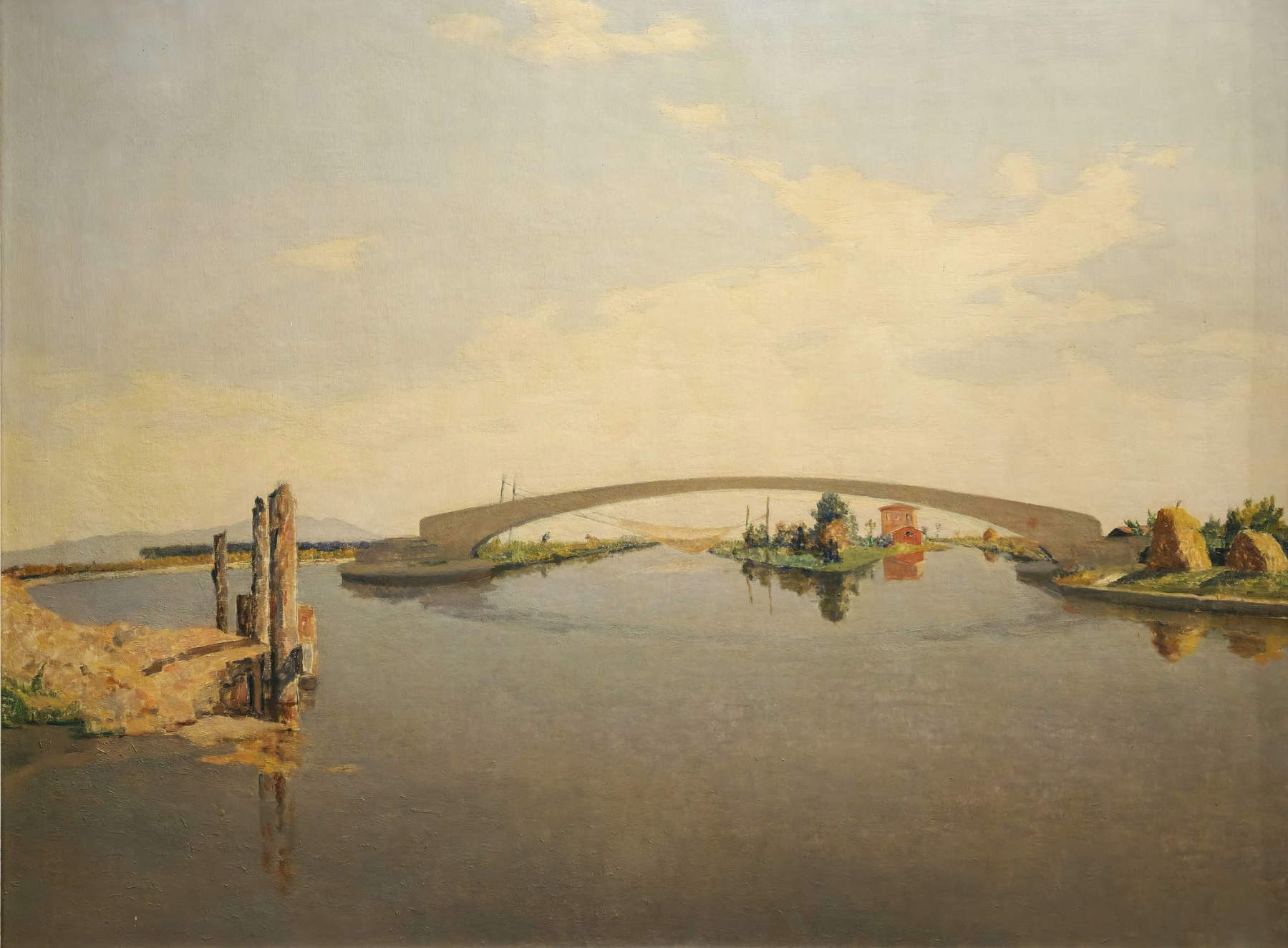
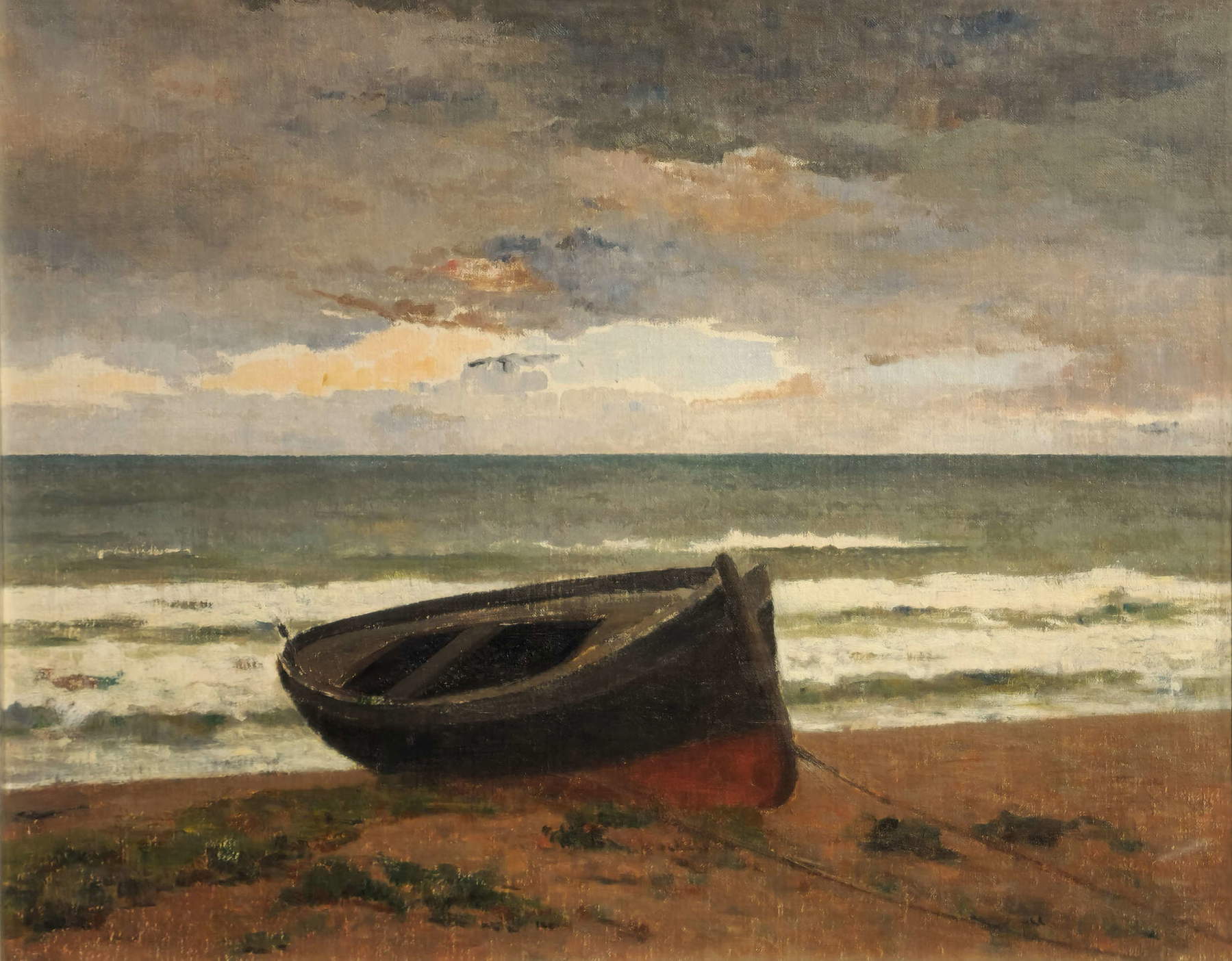
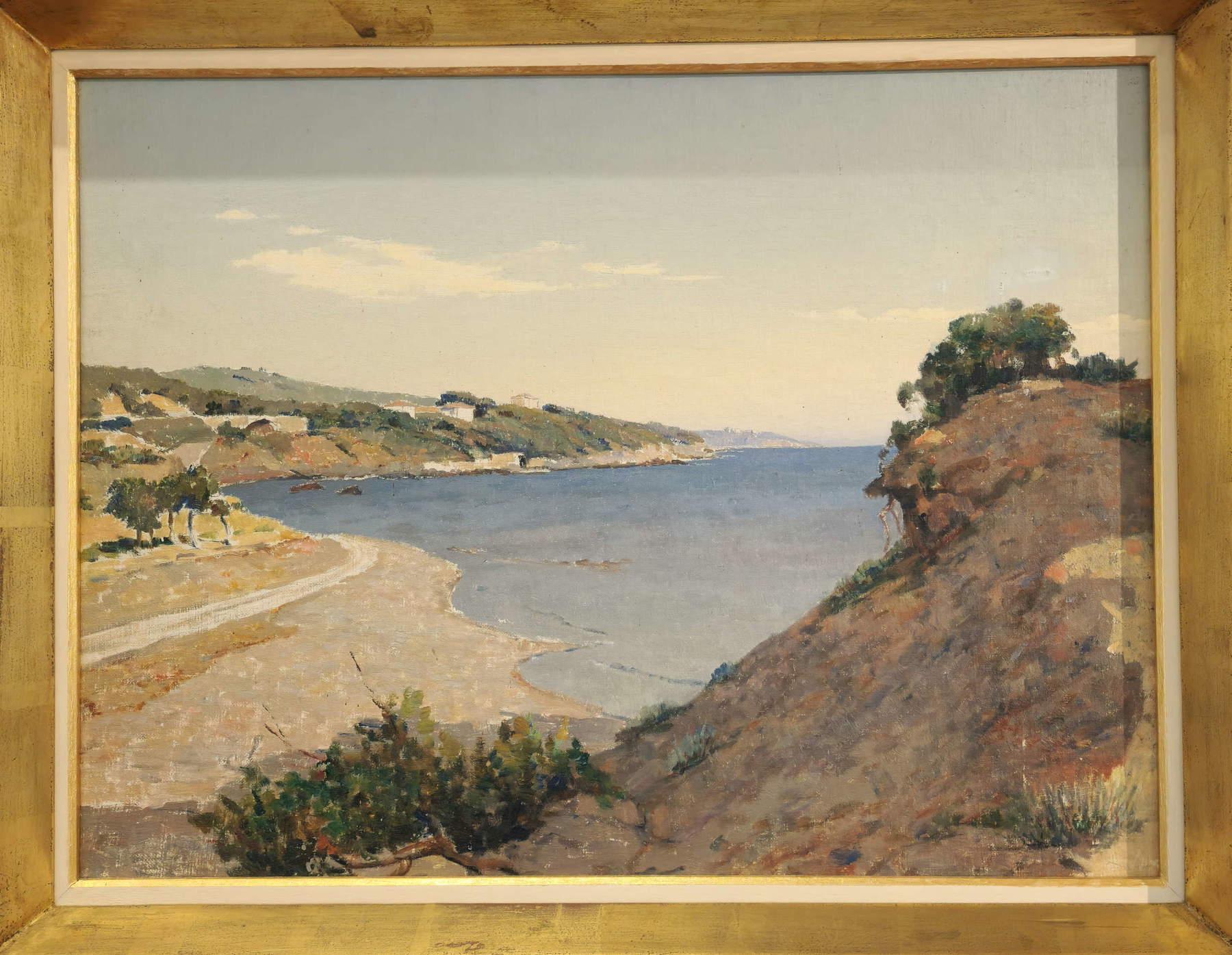
Even in the modest exhibition in Bibbona, there are moments when Vagaggini seems to want to resist himself, as if he were trying to close that window through which his painting had acquired a distinctive character. A landscape of Castiglione della Pescaia from the 1930s, for example—painted on canvas—where the paint appears much more vibrant and thus risks reducing that landscape to an atmosphere (which is, precisely, what would happen to the bulk of his work from the postwar period onward, during the last ten years of his life). These were, evidently, experiments that would later—years later—transform into a necessity, an attempt to survive in a world that Vagaggini no longer recognized as his own or that, quite simply, as always happens, had simply moved on. One could certainly say that Vagaggini was not a pioneer, a forerunner, or someone who blazed unexplored trails, but just as certainly, he had a clear vision of the entirely personal code with which to decipher his landscapes.
That code consisted of the sun at its zenith, of lights that seem natural but are geometric calculations, of depths that carve out space, of close-up planes that, however, with a sudden shift, seem to expand beyond what is expected—and the same holds true for those perspectives that appear compressed yet instead push the gaze forward, as well as the chiaroscuro, the masses of color set against one another as if the light must first choose which side to take and then, in the end, decide to settle anywhere, and finally, above all, that sense of suspension whereby everything that is recognizable seems to belong, at the same time, to our world and to a world that is not our own. It is impossible to know whether it is correct to imagine Vagaggini as a painter who resembled someone else, who followed some trend, who adhered to some school, or rather as an artist who discovered a possibility—that of allowing painting to inhabit a reality that was alien to itself. The only thing certain is that Vagaggini was not a mere offshoot of the Macchia school, nor was he a monad, an unexpected phenomenon: for several years, he belonged to the same circle as Casorati, Donghi, Oppi, and Cagnaccio, and he did so through his own artistic exploration. One might therefore say that, to shake off that dust that still partly whitens his overcoat, Vagaggini might simply need a little company.

The author of this article: Federico Giannini
Nato a Massa nel 1986, si è laureato nel 2010 in Informatica Umanistica all’Università di Pisa. Nel 2009 ha iniziato a lavorare nel settore della comunicazione su web, con particolare riferimento alla comunicazione per i beni culturali. Nel 2017 ha fondato con Ilaria Baratta la rivista Finestre sull’Arte. Dalla fondazione è direttore responsabile della rivista. Nel 2025 ha scritto il libro Vero, Falso, Fake. Credenze, errori e falsità nel mondo dell'arte (Giunti editore). Collabora e ha collaborato con diverse riviste, tra cui Art e Dossier e Left, e per la televisione è stato autore del documentario Le mani dell’arte (Rai 5) ed è stato tra i presentatori del programma Dorian – L’arte non invecchia (Rai 5). Al suo attivo anche docenze in materia di giornalismo culturale all'Università di Genova e all'Ordine dei Giornalisti, inoltre partecipa regolarmente come relatore e moderatore su temi di arte e cultura a numerosi convegni (tra gli altri: Lu.Bec. Lucca Beni Culturali, Ro.Me Exhibition, Con-Vivere Festival, TTG Travel Experience).
Warning: the translation into English of the original Italian article was created using automatic tools. We undertake to review all articles, but we do not guarantee the total absence of inaccuracies in the translation due to the program. You can find the original by clicking on the ITA button. If you find any mistake,please contact us.


















 IT
IT FR
FR DE
DE ES
ES CN
CN


