





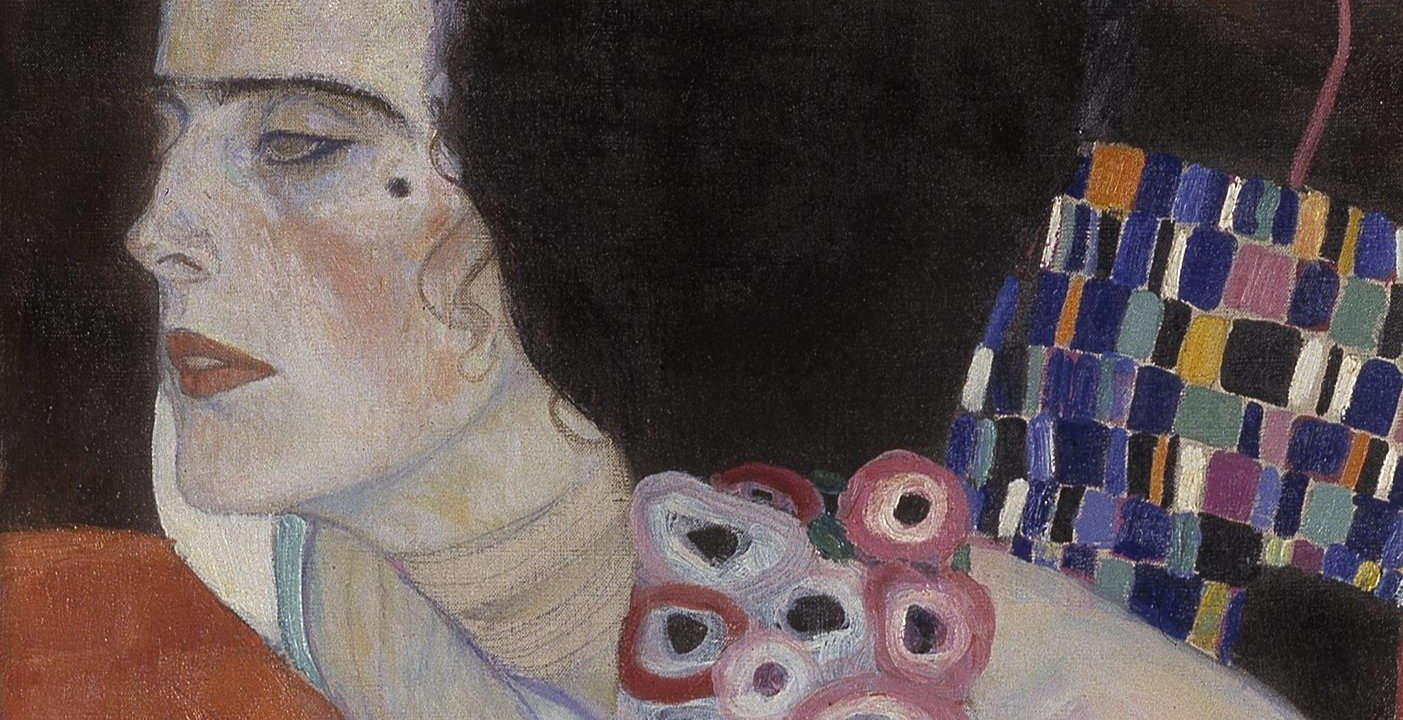
In Mestre, the MUVEC - Casa delle Contemporaneità will host the exhibition *Klimt, Schiele, Kokoschka and the Body in Contemporary Art, an exhibition that takes its cue from three leading figures of the Vienna Secession: Gustav Klimt ( Vienna, 1862–1918), Egon Schiele (Tulln an der Donau, 1890 – Vienna, 1918), and Oskar Kokoschka ( Pöchlarn, 1886 – Montreux, 1980), and goes on to explore one of the most profound and complex issues of the 20th century: the representation of the body and its relationship to individual and collective anxieties.
The project, curated by Elisabetta Barisoni and housed on the third floor of MUVEC, is part of a series of exhibitions dedicated to the masters of the 20th century, their legacies, and the reflections that modernity continues to inspire. The starting point is thus the iconic figures of the Vienna Secession, through whom the exhibition addresses the theme of the body not only as the subject of artistic representation but as a site where tensions, conflicts, and transformations manifest themselves. In the work of Klimt, Schiele, and Kokoschka, in fact, the body takes on a function that goes beyond the simple rendering of an image. It is a body that breaks apart, contorts, and becomes charged with psychological and social tensions. The human figure thus becomes a space in which the anxieties of the individual and society converge, taking on a value that is no longer exclusively aesthetic or figurative. From this perspective, the body becomes a field of conflict.
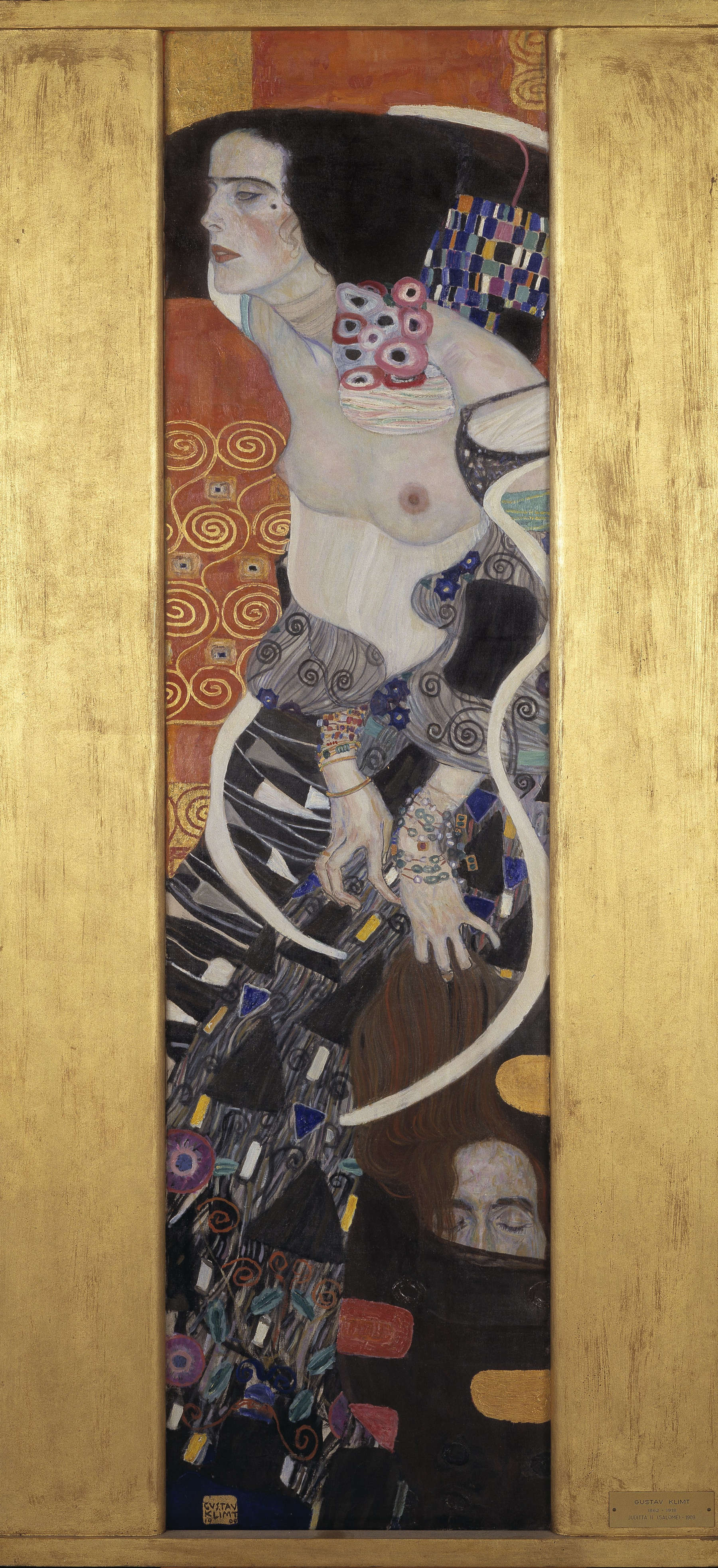
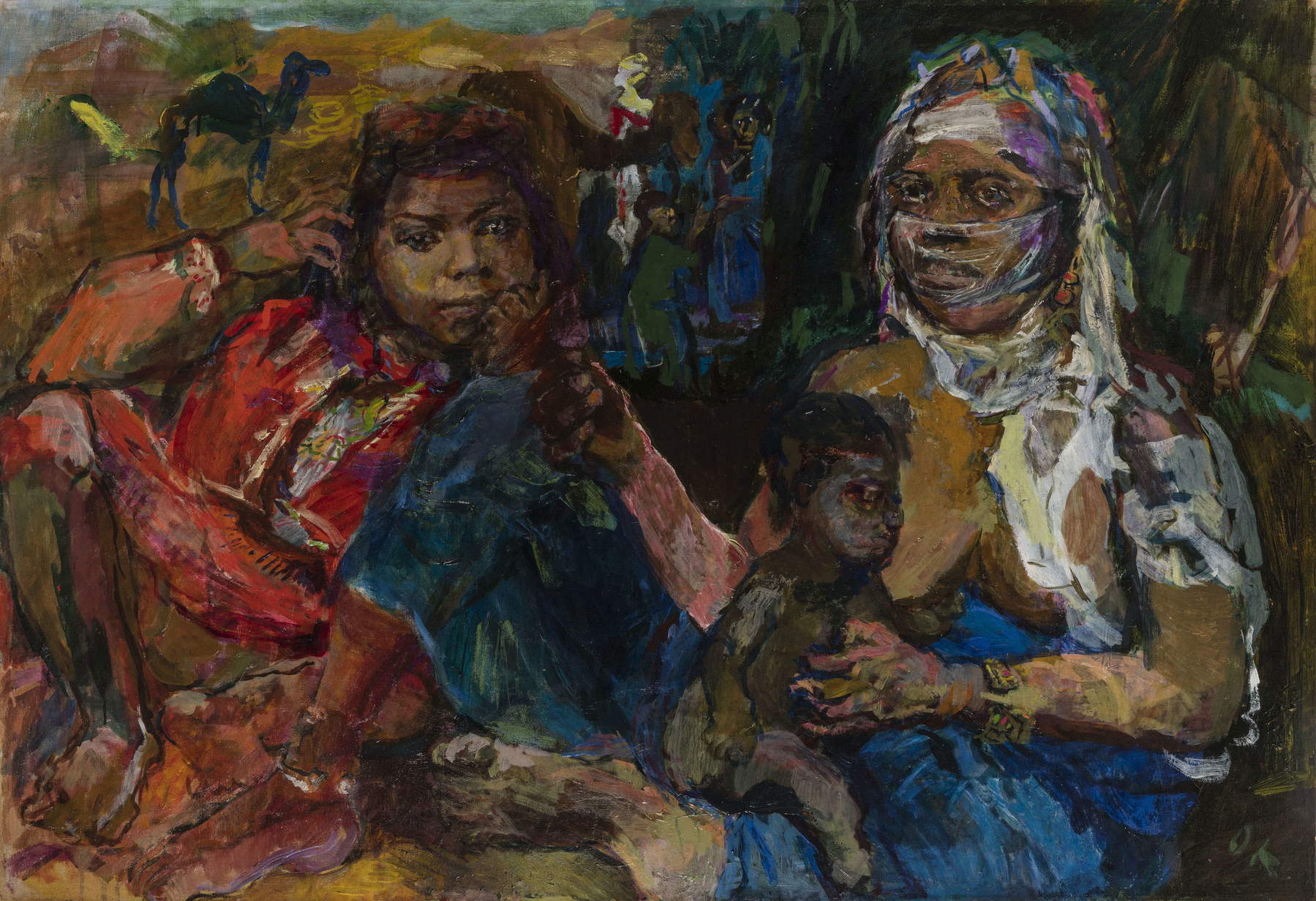
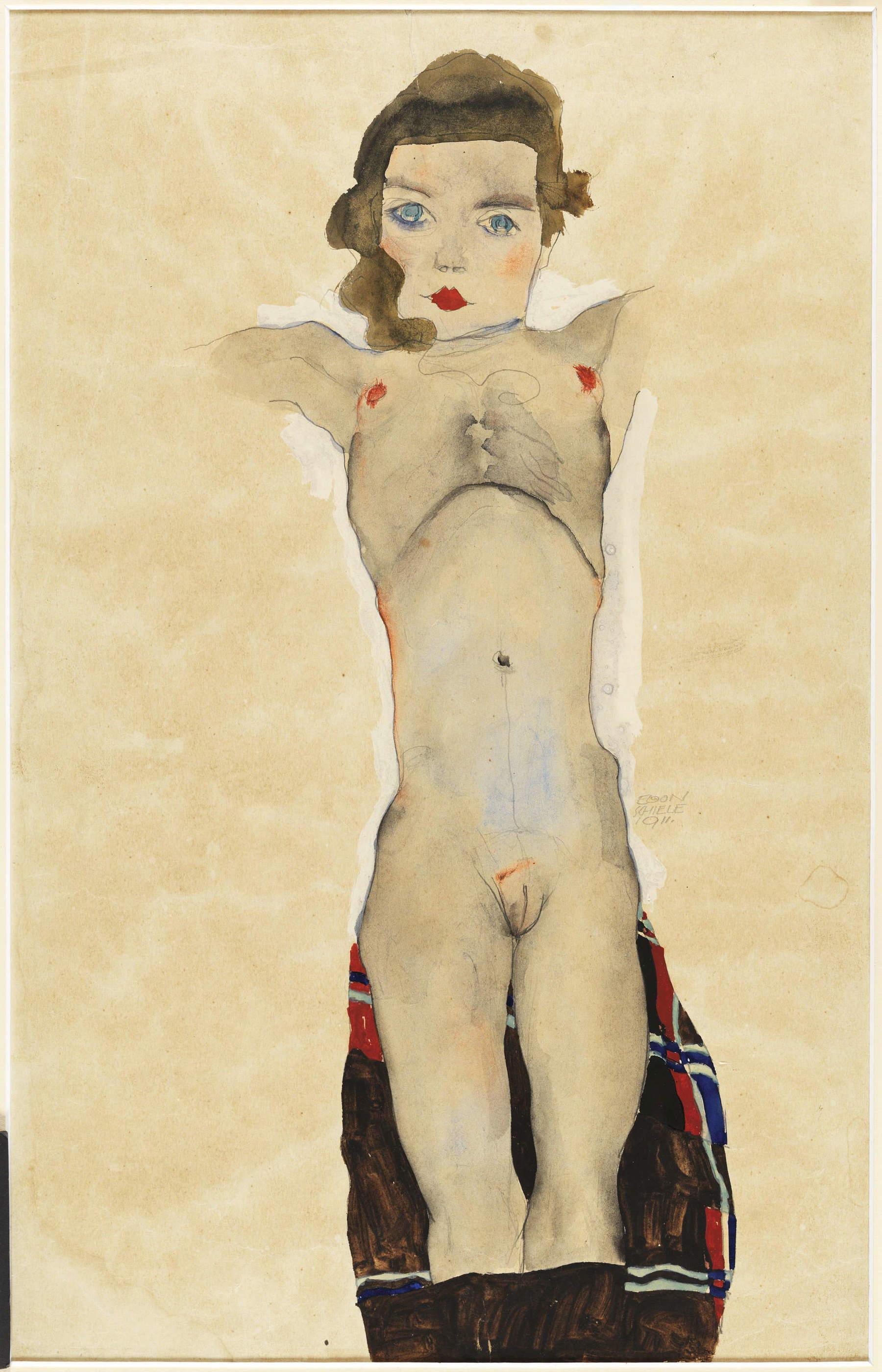
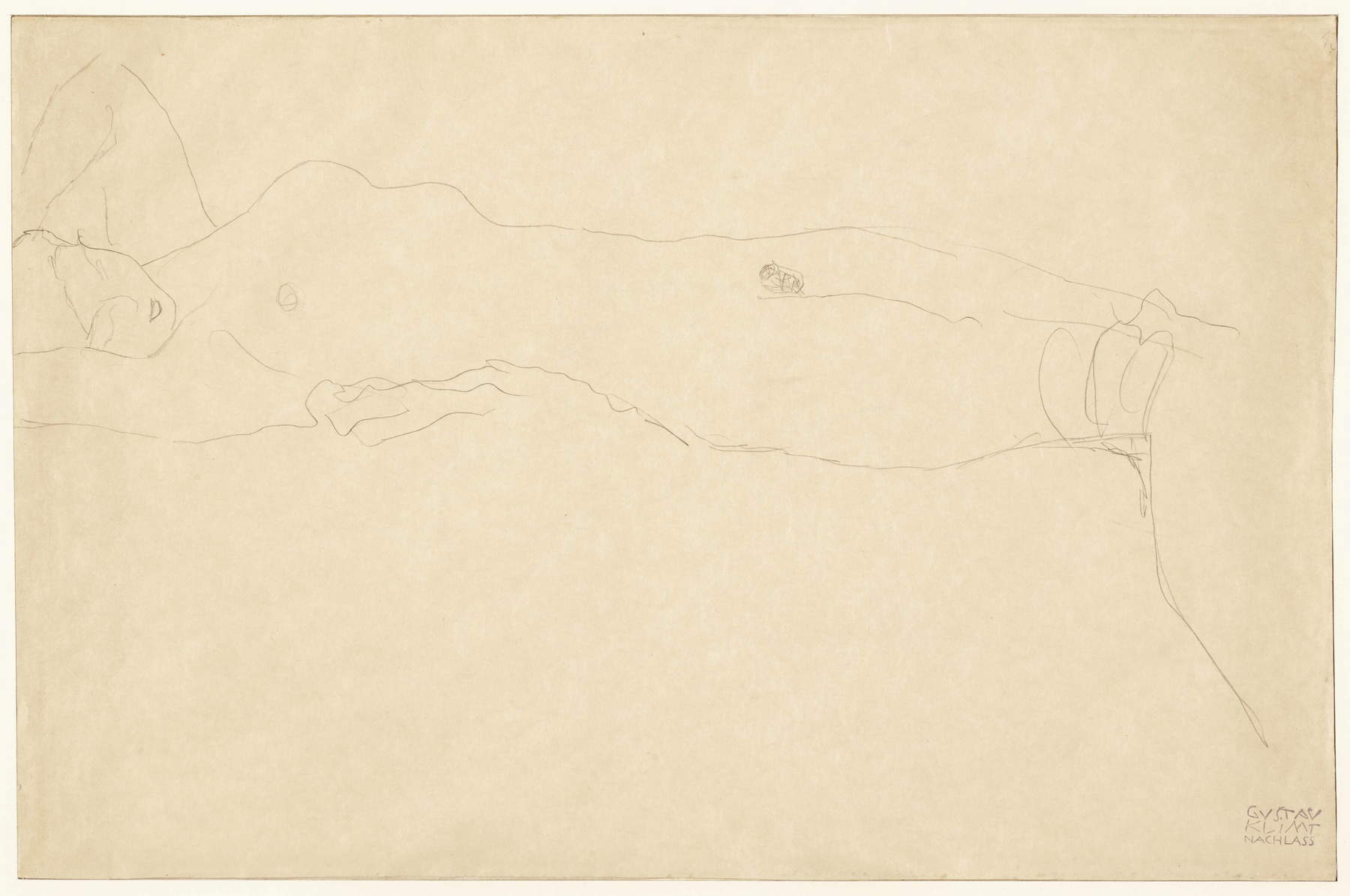
It is precisely this centrality of the body that shapes the exhibition at MUVEC, with a curatorial journey that does not intend to stop at the work of the three masters of the Vienna Secession, but rather looks to the legacy of that period and the subsequent transformations of artistic language. The 20th century is thus taken as a framework for understanding how the representation of the body has changed and how artists have progressively used the human figure to explore individual and collective issues.
The exhibition also explores the lyrical and metaphysical rendering of the image by Felice Casorati and Guido Cadorin, broadening the reflection on the figure and the possibilities of its representation. It is in this section that the dialogue with the present begins to take shape more clearly, connecting the various ways in which the body has been observed, interpreted, and transformed by artists. The exhibition continues toward the contemporary through a series of artists who have placed at the center of their artistic vision not only the space occupied by bodies but also their absences, time, the actions performed upon them, and the marks that the body bears. The perspective thus broadens from the represented body to the lived, active body, subject to the experience of time and its relationship with space.
This journey also includes artists from more recent times, such as Piero Manzoni, Gina Pane, and Ana Mendieta—artists who, through profoundly different approaches, have brought the body back to the center of artistic discourse. Their work allows us to extend the reflection begun with Klimt, Schiele, and Kokoschka to some of the issues that have characterized contemporary art: identity, politics, fragility, and representation.
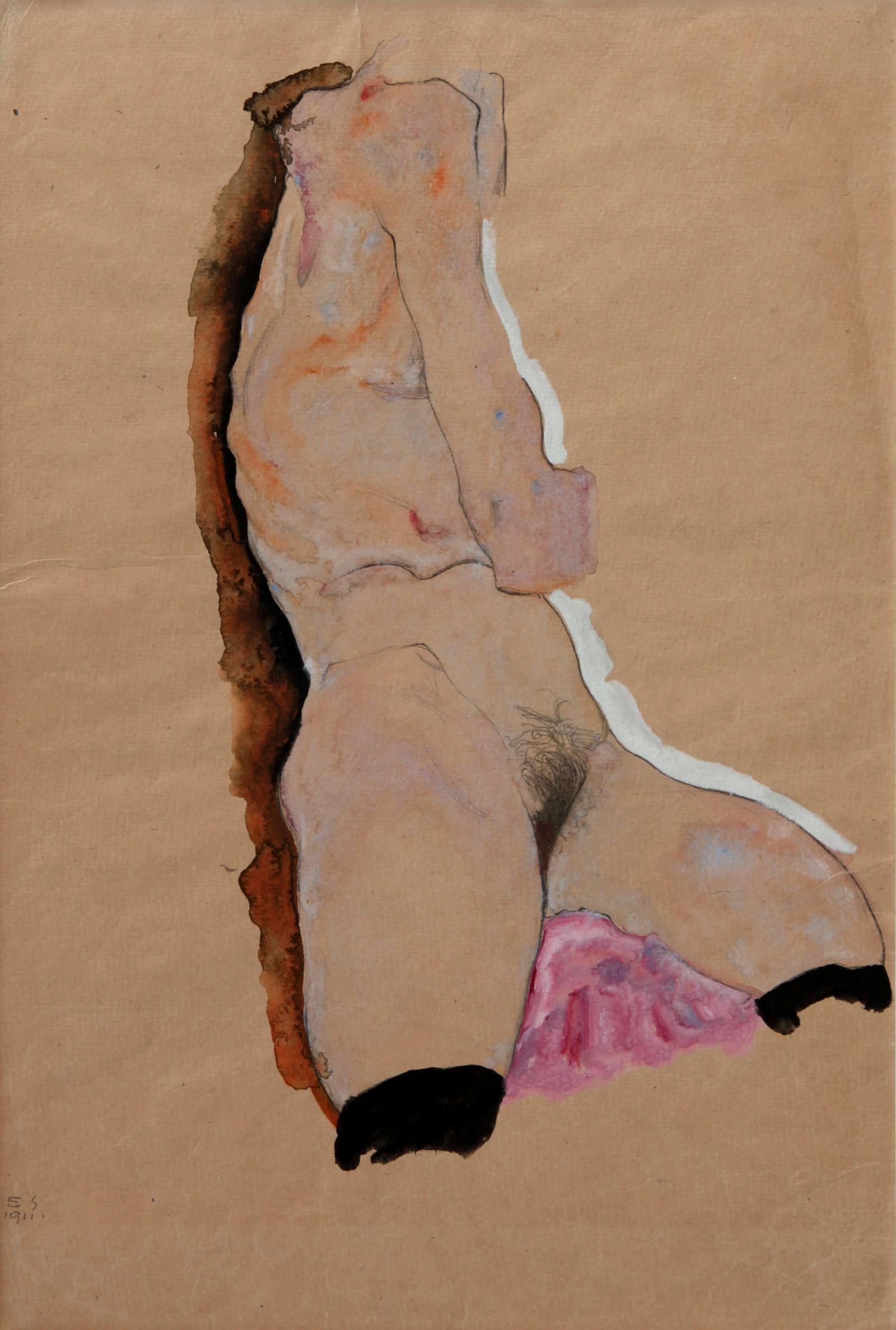
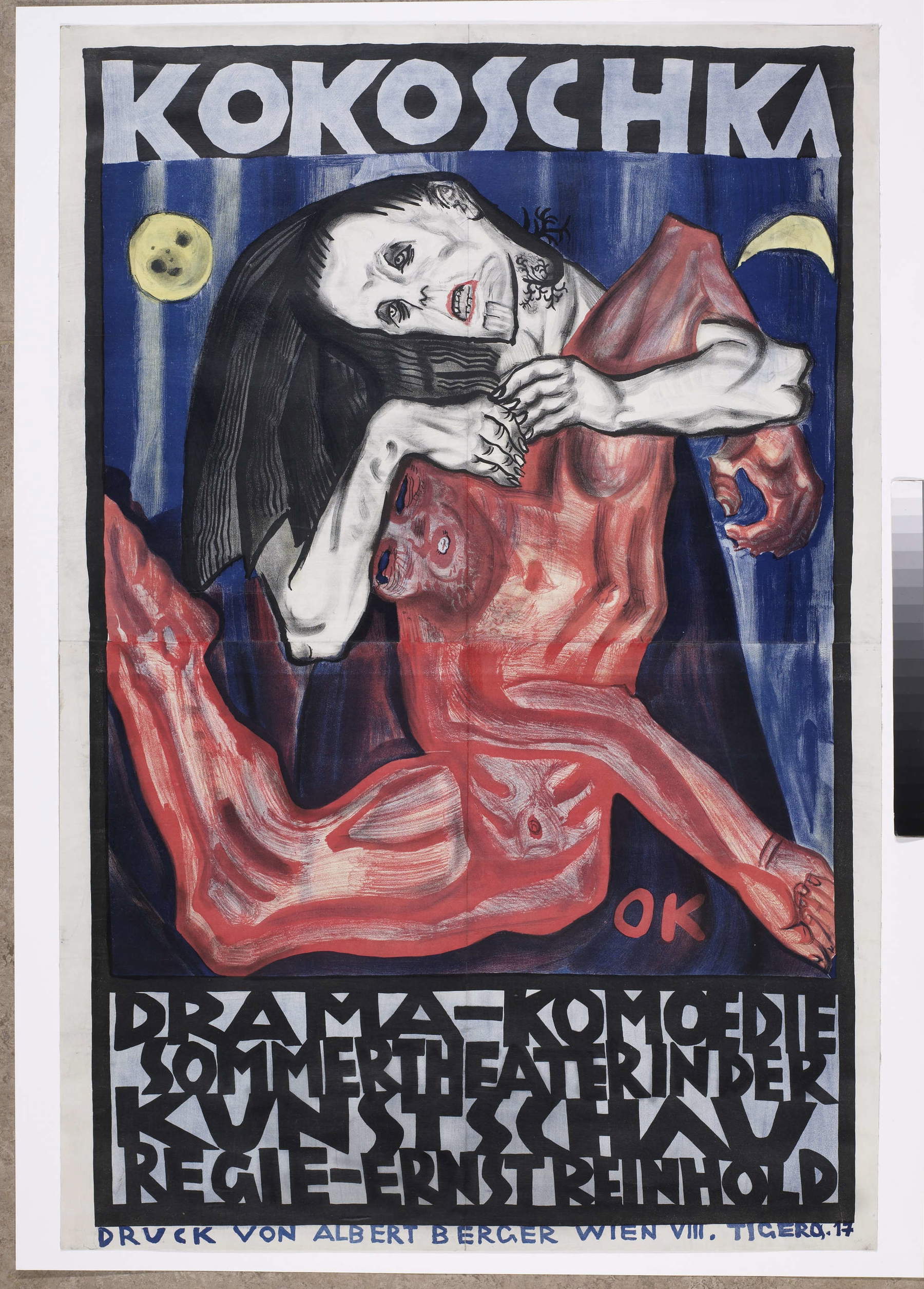
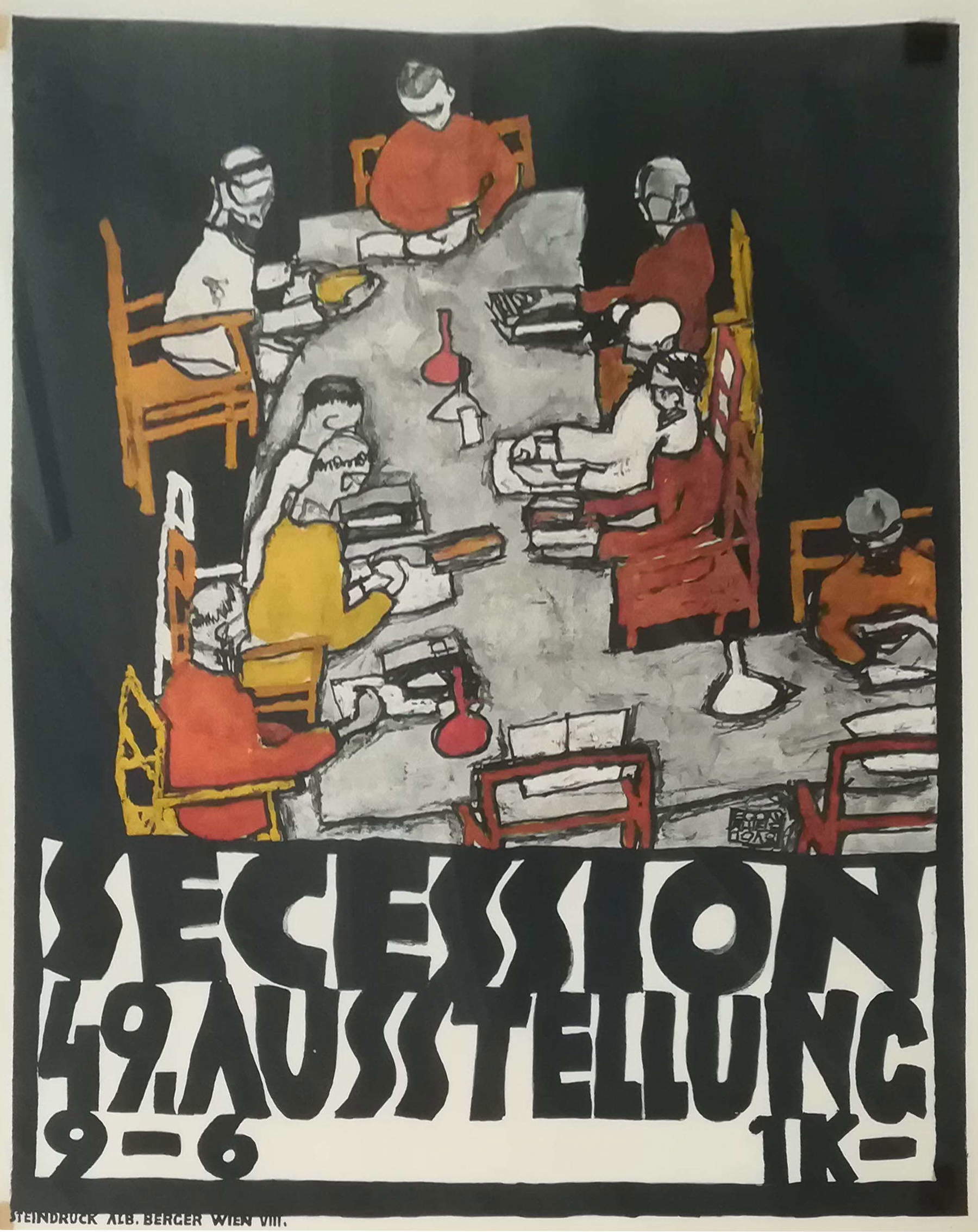
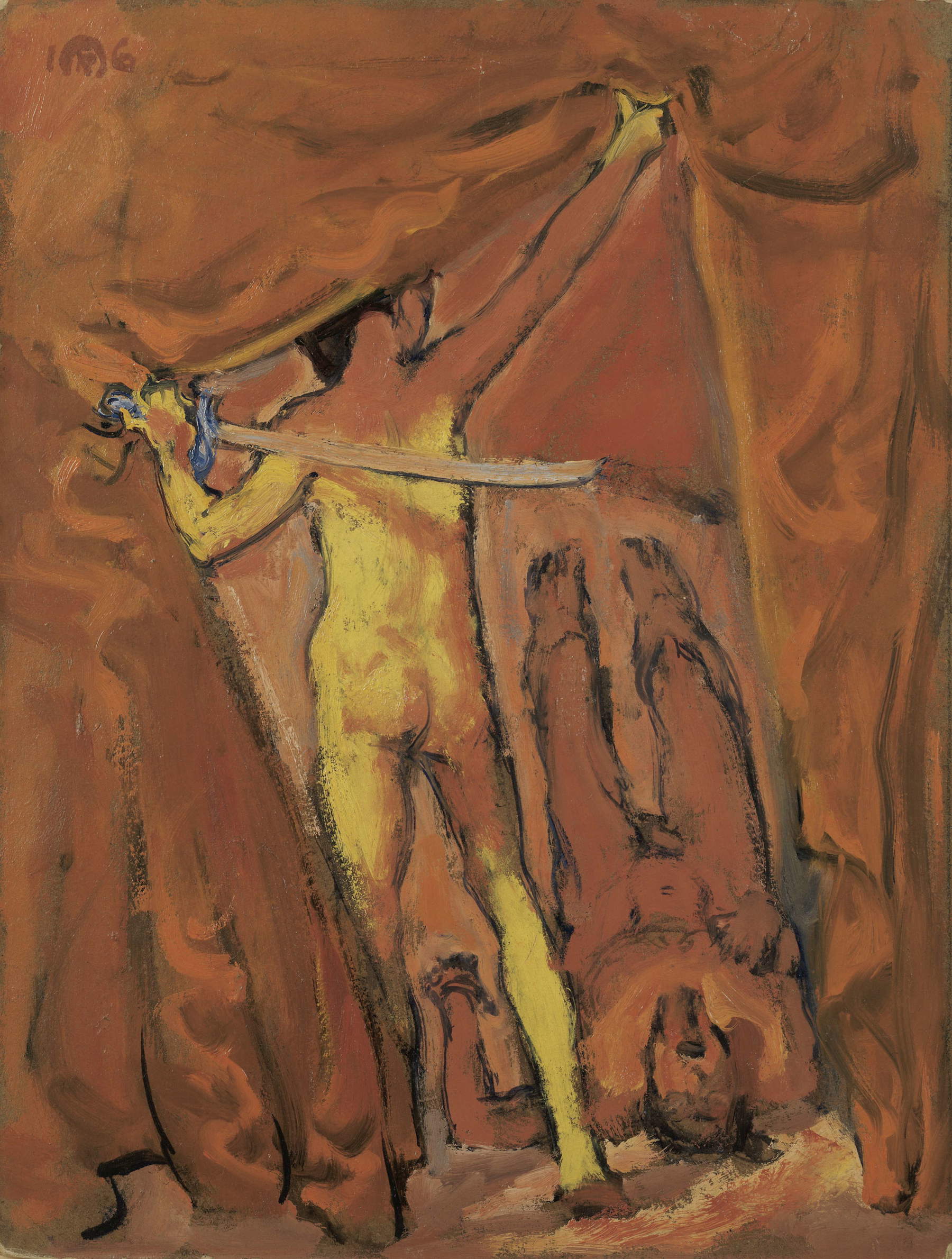
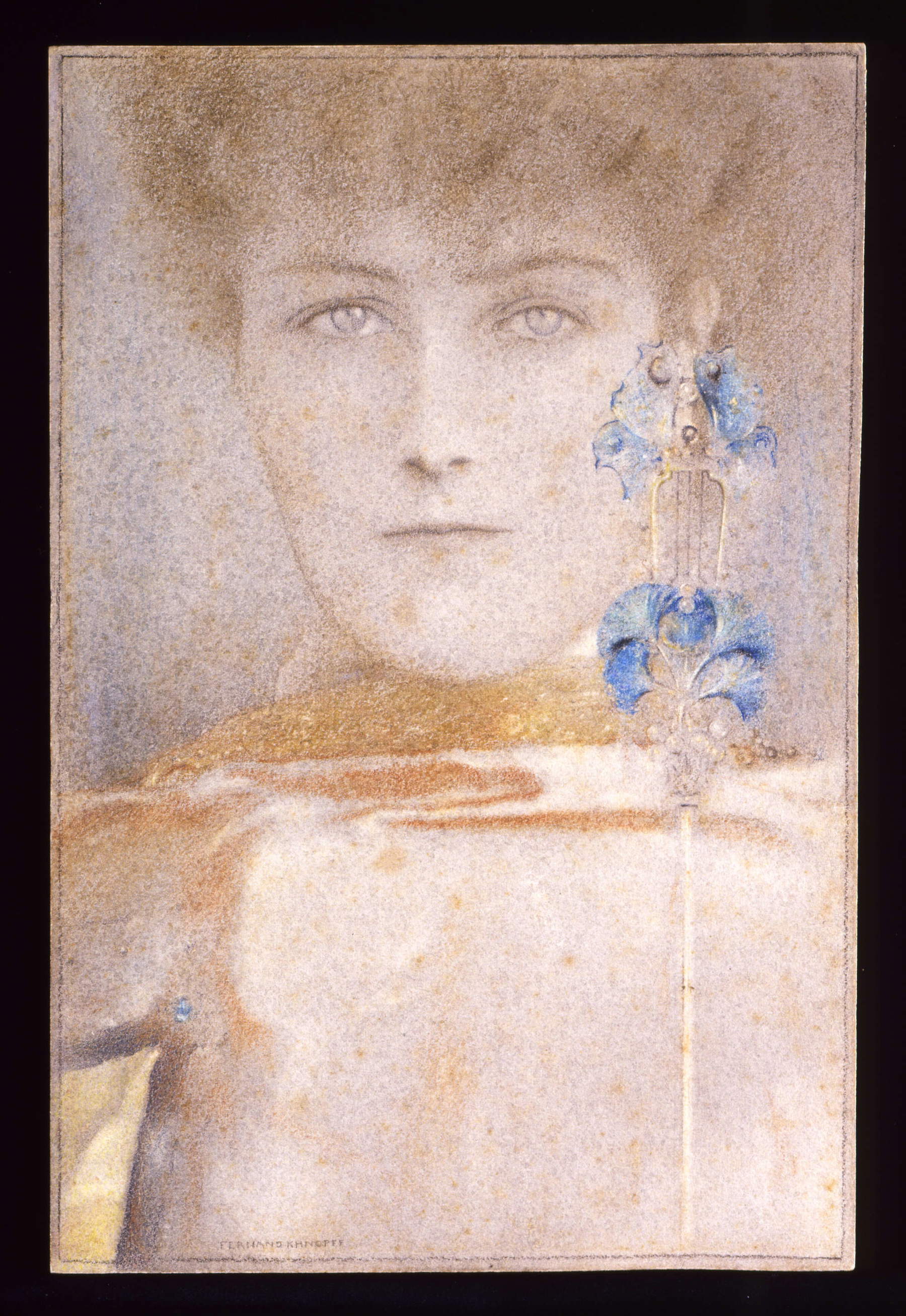
The body, therefore, is not considered merely as a physical presence to be depicted, but as an element through which art can address broader and more complex themes. Its presence, as well as its absence, becomes an opportunity to explore the individual and collective condition. The body can be distorted, subjected to tension, marked, placed in relation to space and time, or evoked through its absence. It is precisely this multiplicity of meanings that allows the exhibition to bring into dialogue artistic experiences belonging to different periods and sensibilities. The initial section dedicated to the leading figures of the Vienna Secession thus serves as the starting point for a broader reflection on modernity. Klimt, Schiele, and Kokoschka are presented as symbolic figures of an era in which the representation of the body took on a new psychological and social intensity: their works serve as the starting point for exploring the legacy of that revolution in the way we see the world and the ways in which artists of subsequent generations have addressed the relationship with the body.
The exhibition *Klimt, Schiele, Kokoschka, and the Body in Contemporary Art* is part of the Venice Civic Museums Foundation’s fall program as one of the projects aimed at connecting 20th-century art history with contemporary research. The program scheduled for after the summer brings together opportunities for in-depth exploration and new exhibition projects, offering a calendar of events that will engage residents and visitors through the end of 2026.
 |
| An Exhibition in Mestre on Klimt, Kokoschka, Schiele, and the Body in Contemporary Art |

Warning: the translation into English of the original Italian article was created using automatic tools. We undertake to review all articles, but we do not guarantee the total absence of inaccuracies in the translation due to the program. You can find the original by clicking on the ITA button. If you find any mistake,please contact us.

























 IT
IT FR
FR DE
DE ES
ES CN
CN


