





The BPER Gallery presents the exhibition *Antonio Ligabue. Chaos Becomes Color, curated by Francesca Villanti, scheduled from October 23, 2026, to January 9, 2027. The press preview is scheduled for Friday, October 23, at 11 a.m. The exhibition kicks off the BPER Gallery’s fall program in Brescia and is part of the BPER Cultural Hubs network—a system of venues through which the bank promotes awareness and appreciation of its artistic and architectural heritage via exhibitions, research, educational initiatives, and in-depth programs.
The Brescia project engages in dialogue with the exhibition *CAOS χάος. Spaces and Poetics of Informal Art, on view at the BPER Gallery in Modena, and focuses on Antonio Ligabue, one of the leading artists of the Italian 20th century, exploring the relationship between his existential experience and his painterly practice.
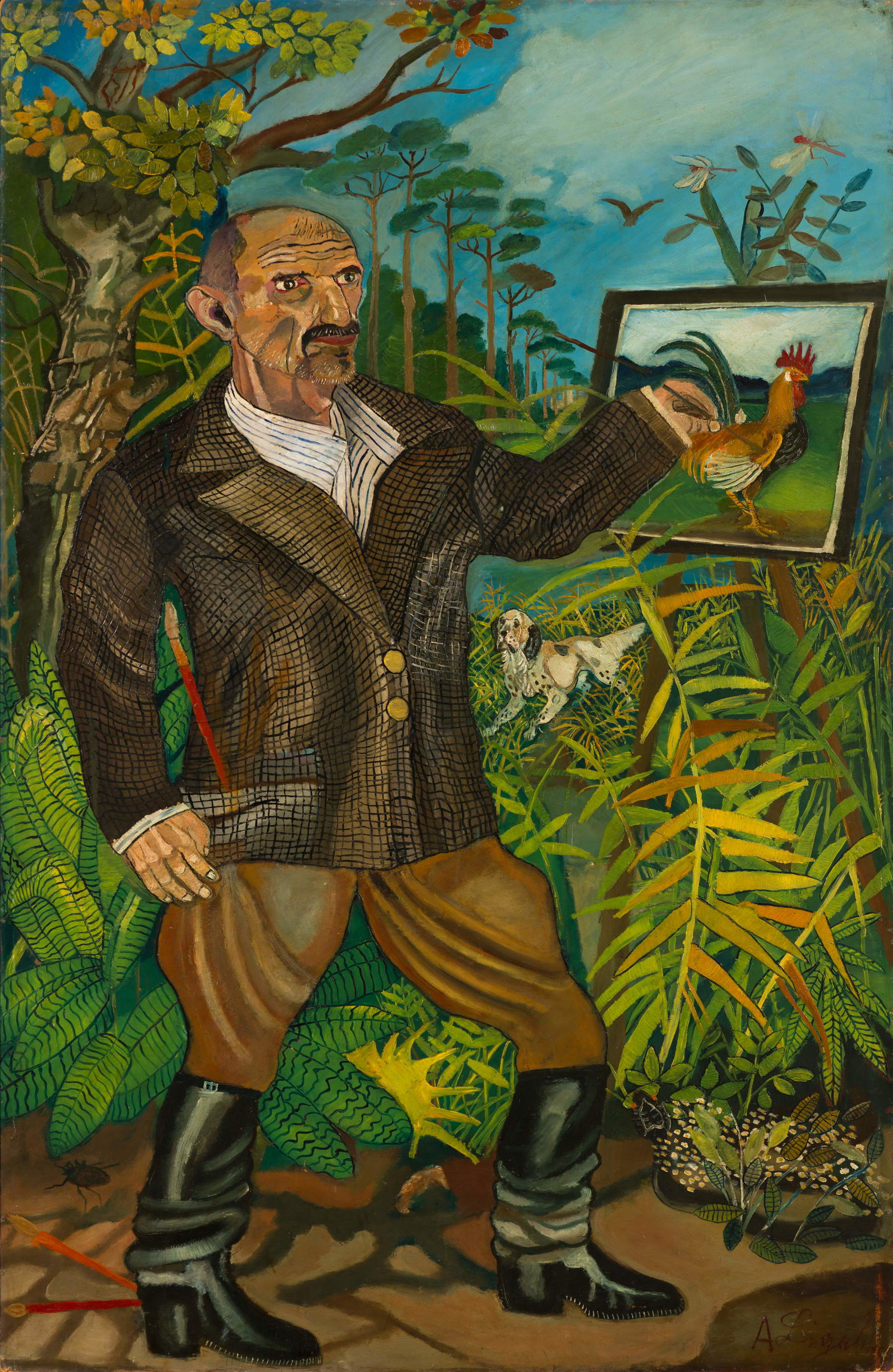
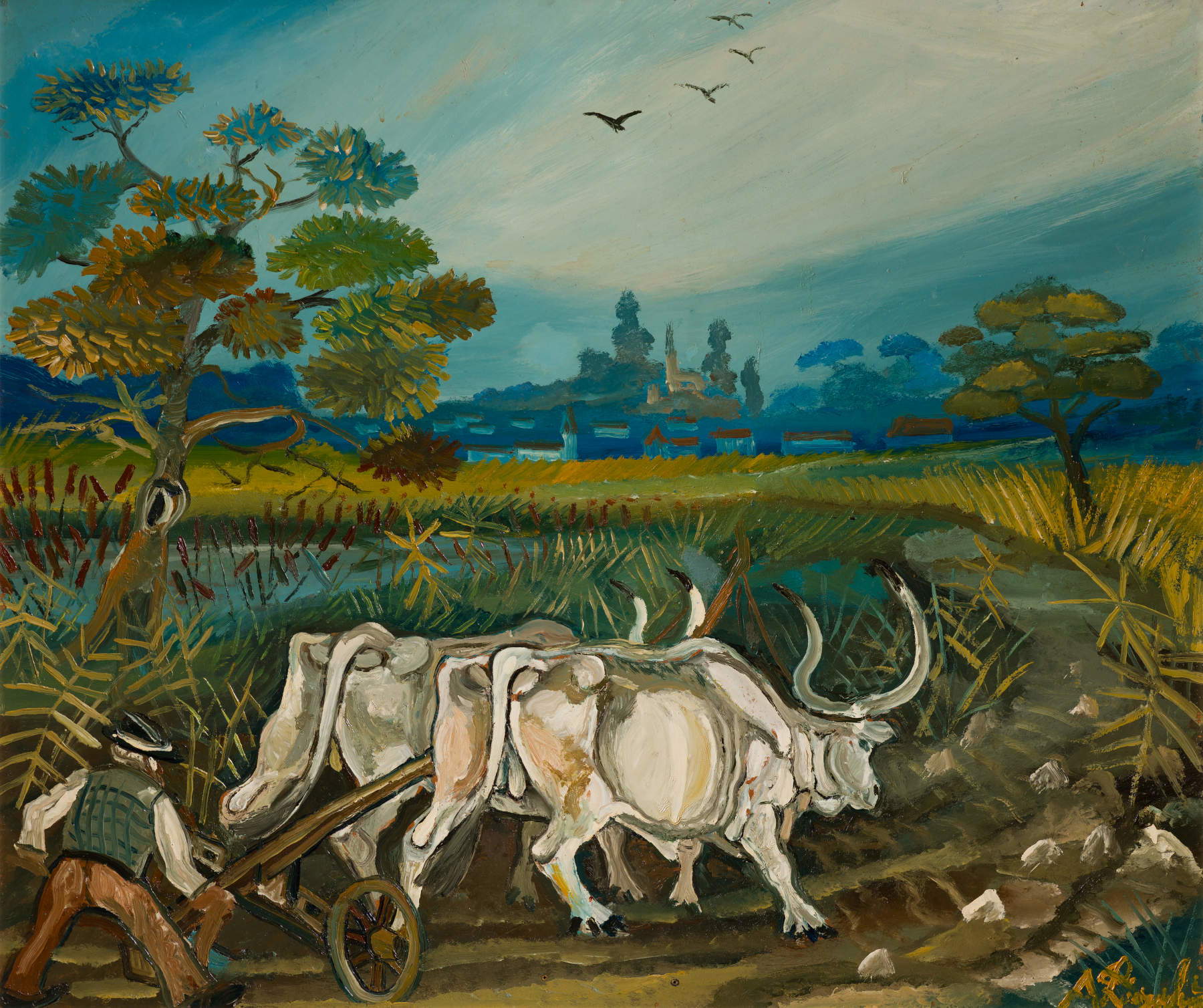
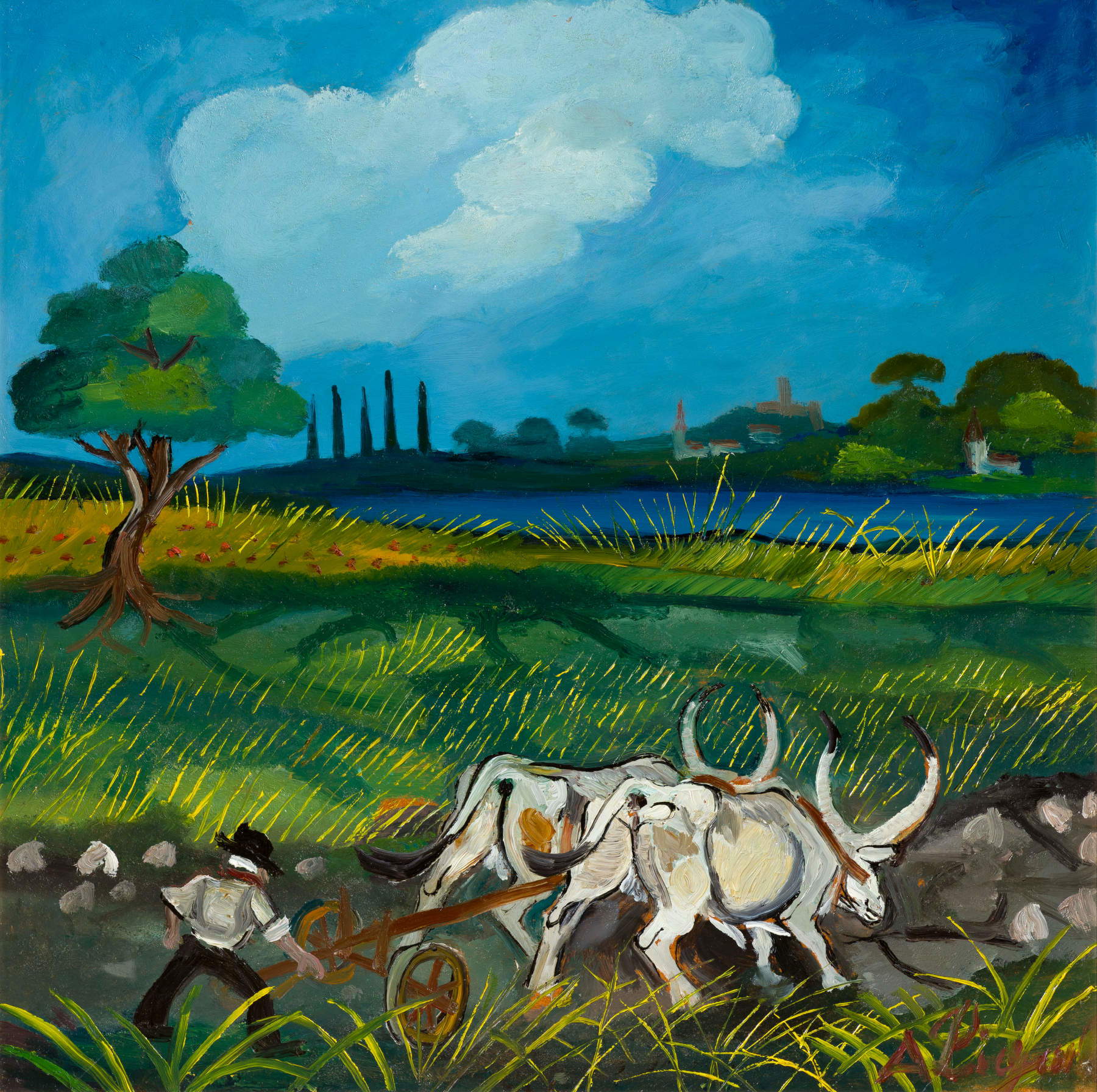
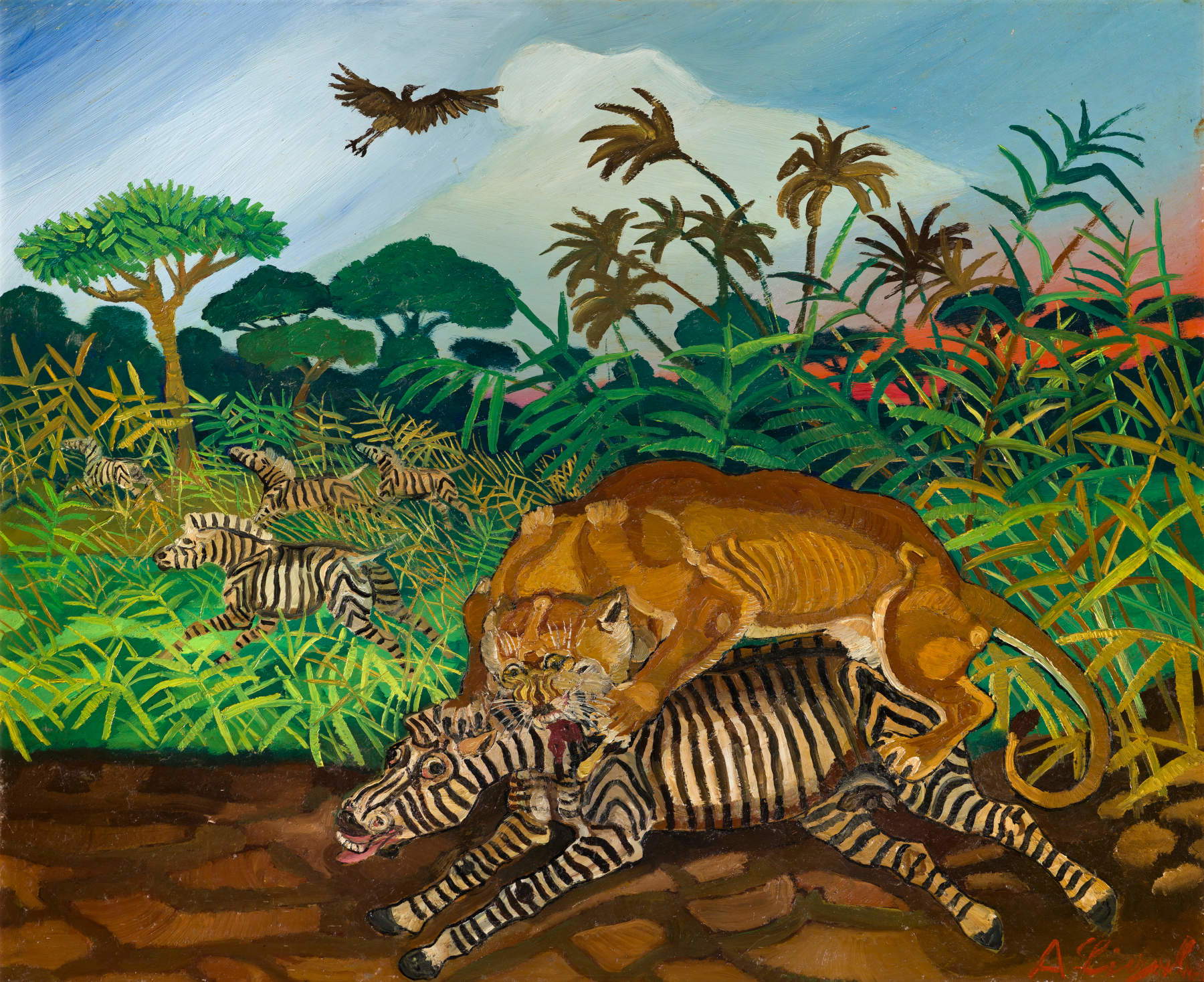
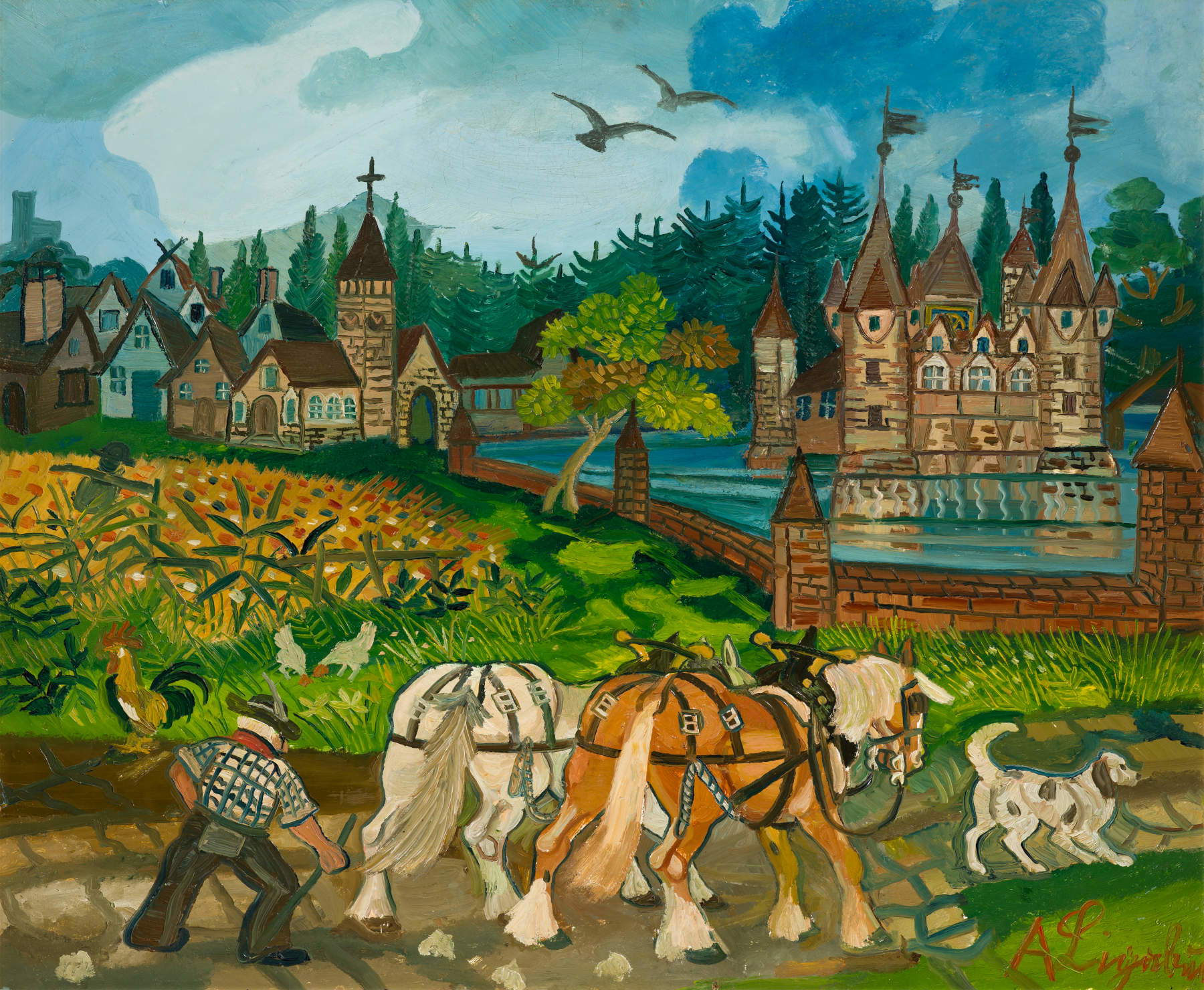
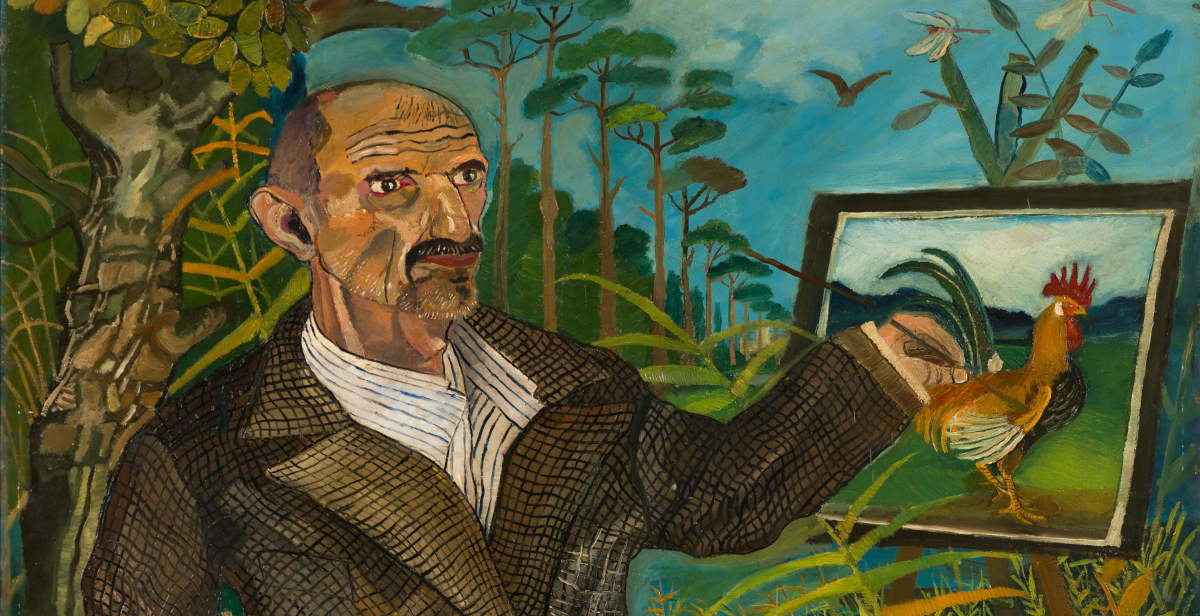
Ligabue’s life story—marked by mental illness, social marginalization, and loneliness—is explored in the exhibition in relation to his artistic output. Painting emerges as a direct medium through which the artist gives form to the experiences that shape him. Memory, fear, uprooting, the need to be seen, and his relationship with nature thus find their way into his work through images characterized by the presence of tigers, roosters, horses, self-portraits, landscapes, stagecoaches, and scenes of struggle.
The exhibition unfolds in a space described as suspended and guides the public through some of the recurring themes in Ligabue’s work, from plowing scenes to fairs to self-portraits. At its core lies a body of work rooted in observation and memory, as well as a profound connection with the animal world. From this perspective, the experience of chaos is conveyed through color and the expressive power of the images.
The visual component is complemented by a literary one. Poetry and literature are, in fact, woven into the exhibition as an integral part of the artist’s existence: the selected texts accompany the works and foster a dialogue between artistic languages and authors from different eras. The common thread is experiences such as alienation, wounding, vision, struggle, and pain—considered dimensions of art that predate the formation of schools, theories, or specific affiliations.
Chaos is thus embraced by the exhibition as a potential generative element of the creative process. It is in the relationship between life and art—marked by the complexity of personal experience—that Ligabue’s pictorial language develops, capable of transcending time and engaging with a dimension of artistic expression that cannot be reduced exclusively to categories or movements.
“As it does every year, La Galleria BPER has put together a cohesive program that uses the collection as a tool to explore the major themes that cut across culture, art, and thought—themes that continue to challenge our present,” explains Sabrina Bianchi, director of La Galleria BPER. “This exhibition continues the exploration of the concept of ‘Chaos’ through the work of a great 20th-century master, who was already the focus of a major exhibition at our Modena location in 2022. The works from BPER’s Corporate Collection now enter into dialogue with literary texts in prose and verse, offering new perspectives on the artistic exploration of an artist who was able to transform tensions, anxieties, and complexities into extraordinary creative energy.”
“Tigers with gaping jaws, oxen under the yoke, that gaunt face gazing sideways—these are images to which Antonio Ligabue returned for over thirty years, focusing a substantial portion of his painting on just a few subjects,” states Francesca Villanti, curator of the exhibition, in the catalog essay. “Their constant reappearance might suggest a static repertoire, especially since some figures have become instantly recognizable. However, one need only compare two works dedicated to the same theme to realize that Ligabue never truly repeats the same image. From one version to the next, an animal may advance to occupy almost the entire surface or leave space for the landscape; the village may recede beyond the fields; the face may come closer or grow more distant. The subject remains recognizable, but the relationships between the parts change each time—and with them, the balance of the image. It is precisely the permanence of the subject that makes the evolution of the painting discernible. Over the years, the brushwork becomes sharper, the paint gains substance, the figures take on weight and alter the space around them. The compositions become denser, vegetation enters the image with greater force, the figures push toward the foreground, and the color takes on an increasingly intense presence.”
 |
| Antonio Ligabue on Display in Brescia: The Chaos of Existence Becomes the Subject of His Paintings |

Warning: the translation into English of the original Italian article was created using automatic tools. We undertake to review all articles, but we do not guarantee the total absence of inaccuracies in the translation due to the program. You can find the original by clicking on the ITA button. If you find any mistake,please contact us.


























 IT
IT FR
FR DE
DE ES
ES CN
CN


