




by Redazione 01/07/2026



Categories: Exhibitions / Disclaimer
From June 26 to October 4, 2026, the Project Room at MAMbo in Bologna will host the exhibition “Luigi Ghirri and Gianni Celati: Toward the Mouth of the River.” The exhibition brings together Gianni Celati’s series *Blu infinito* and three of his films, exploring the creative synergy between photography, cinema, and literature.

From June 26 to October 4, 2026, the Project Room at MAMbo—the Museum of Modern Art in Bologna —will host an exhibition featuring Luigi Ghirri and Gianni Celati. *Verso la foce*, an exhibition curated by Lorenzo Balbi and Giulia Pezzoli, traces the intellectual and creative relationship that developed between photographer Luigi Ghirri (Scandiano, 1943 – Roncocesi, 1992) and the writer, critic, translator, and filmmaker Gianni Celati ( Sondrio, 1937 – Brighton, 2022). The project is sponsored by the Civic Museums Department of the City of Bologna, supported by the “Fotografia 2025 Strategy” of the General Directorate for Contemporary Creativity of the Ministry of Culture, and realized in collaboration with the Luigi Ghirri Foundation.
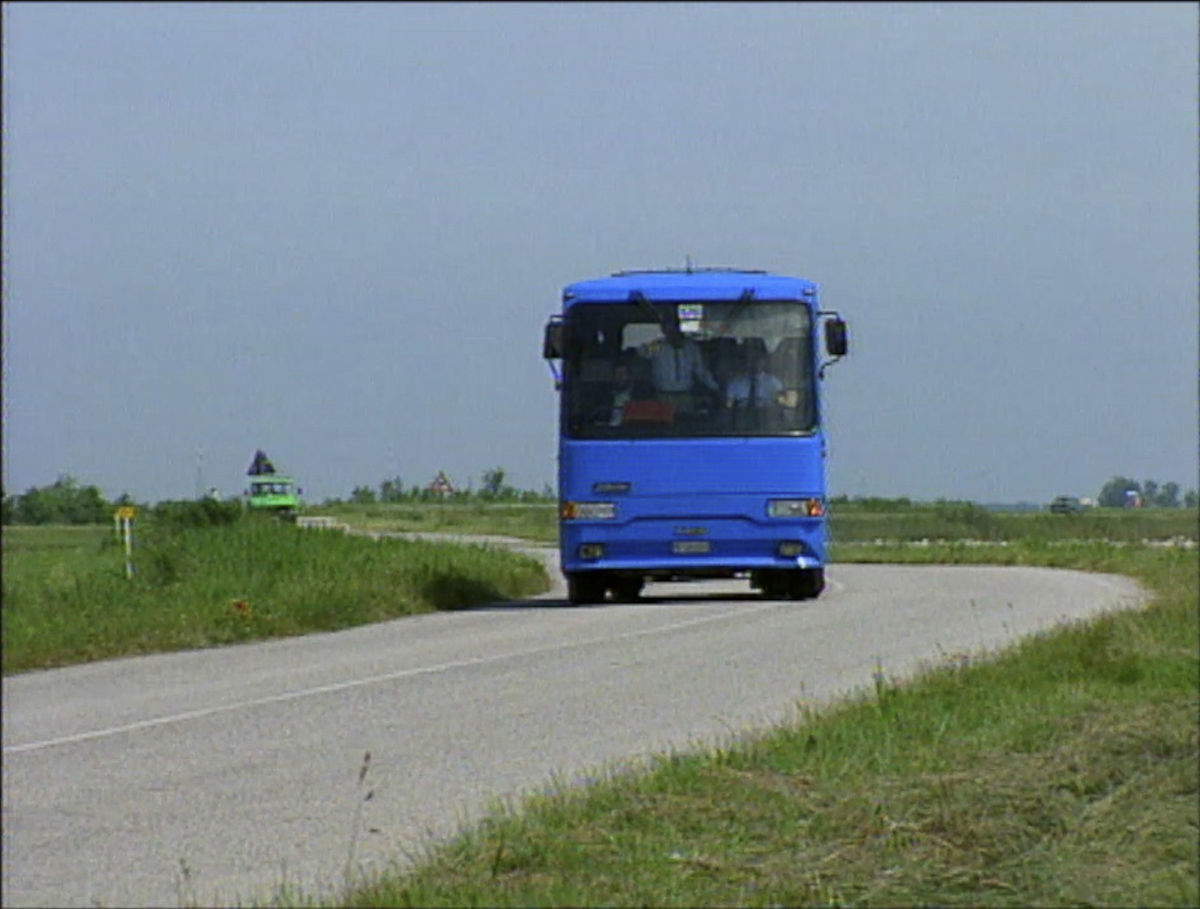
The centerpiece of the exhibition is *Blu infinito*, a series of 81 photographs taken by Luigi Ghirri between 1989 and 1991 during location scouting and filming for *Strada provinciale delle anime*, the first feature film directed by Gianni Celati. The film represents the cinematic culmination of the writer’s exploration of the Po Valley landscape, a journey he began with his book *Verso la foce*, published in 1989. The images document the collaborative work of the two artists and capture the film’s production process through the photographer’s lens, as he accompanied the director during his field research.


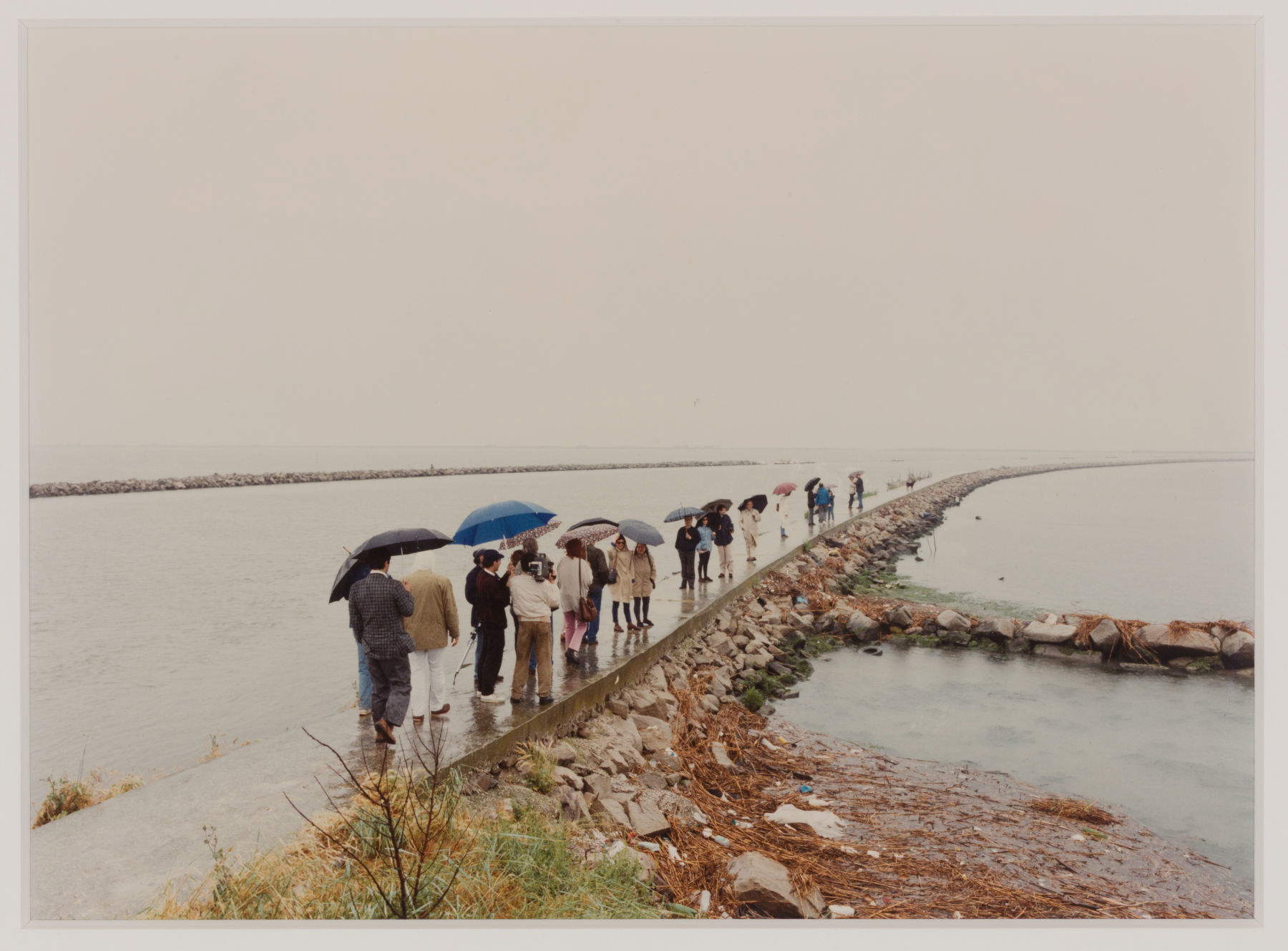
The series also constitutes Ghirri’s final work before his death in 1992. In these photographs, the metaphysical element that characterizes much of his body of work gives way to a more pronounced presence of the human figure. Against the backdrop of the Po Delta, friends, writers, students, and Celati’s elderly relatives appear—the protagonists of a bus trip from Ferrara to the sea. The three-day journey depicted in the film is translated into images that capture moments of everyday life and bear witness to the convergence of photography, cinema, and literature, with particular attention to the interplay of light, color, and landscape.
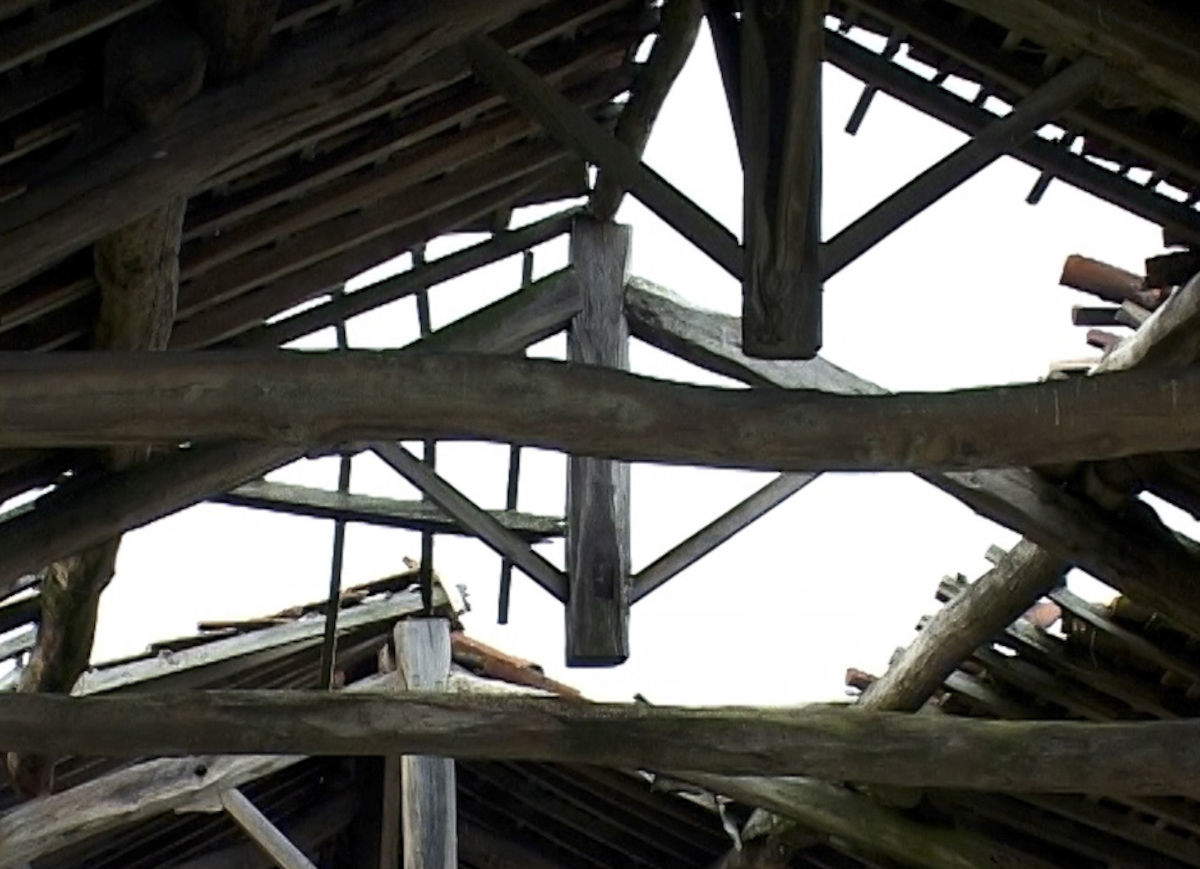
The exhibition connects the photographic series with three of Celati’s films. In addition to *Strada provinciale delle anime* (1991), the exhibition includes *Il mondo di Luigi Ghirri* (1998), a portrait dedicated to the photographer a few years after his death, which retraces the places, objects, and his way of observing the landscape, and *Case sparse. *Visioni di case che crollano* (2003), a documentary dedicated to abandoned rural buildings and the transformation of the landscape, where nature appears to be gradually reclaiming the spaces left behind by humans.
The three feature-length films were produced by the production company Pierrot e la Rosa, founded in the late 1970s by Luca Buelli, Paolo Muran, and Lamberto Borsetti. Born out of a context influenced by the DAMS experience, the company has served over the years as a point of reference for cinema verité and auteur documentary.
Through photographs and films, the exhibition highlights the common elements that characterize the work of these two artists. Ghirri’s photographic work and Celati’s cinematic narrative share a focus on the observation of landscape and reality, without preestablished hierarchies between subjects and themes. On the one hand, Ghirri attributes aesthetic value to the ordinary elements of existence; on the other, Celati constructs open-ended itineraries in which places and experiences are organized into journeys without a final destination, oriented instead toward renewing our perspective on the world.
The exhibition is accompanied by a publication edited by Danilo Montanari Editore. The volume includes an introduction by Lorenzo Balbi, essays by Marco Sironi, Gabriele Gimmelli, and Corrado Confalonieri, as well as an interview with Luca Buelli conducted by Giulia Pezzoli, focusing on the professional and personal relationship between Ghirri and Celati and the context in which the film projects presented in the exhibition were conceived.
For the creation of the exhibition, MAMbo collaborated with MARV – Museo d’Arte Rubini Vesin / Rete Museale Marche Nord. The initiative is also part of the Bologna Estate 2026 program, a series of events promoted and coordinated by the City of Bologna and the Metropolitan City of Bologna within the Bologna-Modena Tourist Region.
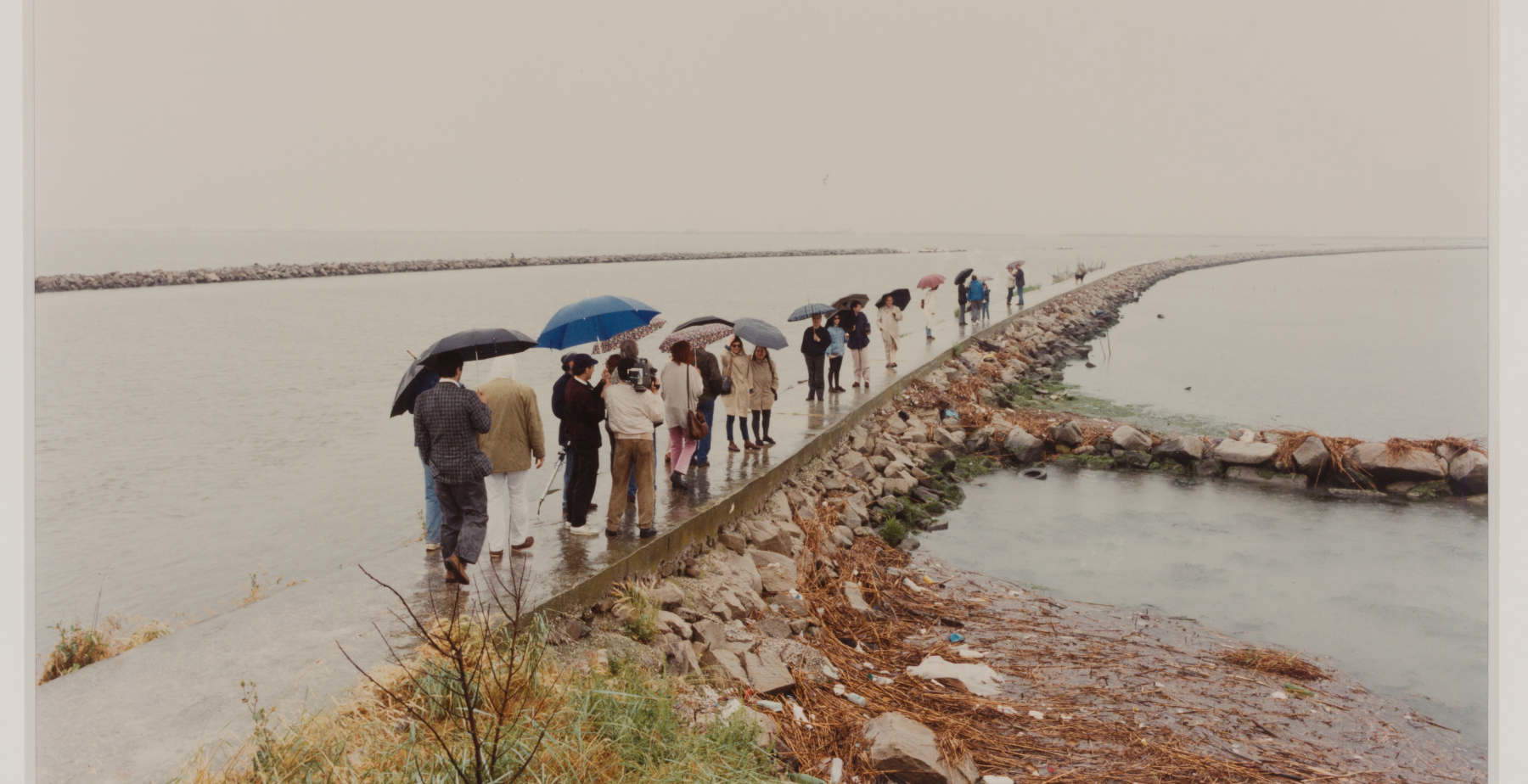 |
| At MAMbo, 81 photographs by Luigi Ghirri explore his dialogue with Gianni Celati |
Warning: the translation into English of the original Italian article was created using automatic tools. We undertake to review all articles, but we do not guarantee the total absence of inaccuracies in the translation due to the program. You can find the original by clicking on the ITA button. If you find any mistake,please contact us.