



by Redazione 06/07/2026



Categories: Exhibitions / Disclaimer
From July 24 to October 25, 2026, the Nivola Museum in Orani will explore the theme of space through the works of Costantino Nivola and Gianni Colombo. Across three distinct spaces, visitors are invited to enjoy an immersive experience among the artworks, light, volumes, and memory.

From July 24 to October 25, 2026, the Nivola Museum in Orani presents *Nivola, Colombo, and the Space Around Them*, an exhibition as part of the new *Nivola vis-à-vis* program, designed to explore the connections between the work of Costantino Nivola and that of key figures in 20th-century art. Curated by Chiara Gatti and Anna Pirisi, in collaboration withthe Gianni Colombo Archive in Milan, the exhibition serves as the centerpiece of *STANZE*, the first chapter of a three-part project that will shape the museum’s programming from summer through fall 2026. The exhibition aims to explore the concept of space and the languageof the environment as a place where the body, architecture, and perception interact. Through three distinct spaces, visitors are invited to enjoy an immersive experience that brings works of art, light, volumes, and memory into dialogue with one another.
The exhibition is divided into three sections: the Room of Dreams, dedicated to Costantino Nivola; Gianni Colombo’s Elastic Space; and a Room of Memory, conceived as a place for participation and sharing. Like the movements of a single narrative, these three spaces guide the public on a journey that begins with the individual experience and expands into the collective dimension. At the heart of the project lies a significant historical coincidence. In 1968, Nivola created the Model for the Monument to Antonio Gramsci—his first environmental study—in the very same year that Gianni Colombo presented his famous “Elastic Space” at the Venice Biennale. These two parallel lines of inquiry, though developed through different artistic languages, share a profound reflection on space as an experience to be traversed.


In the 1960s, Nivola experimented with a new concept of the monument, conceived as a place to be experienced and traversed. Projects such as the one for Piazza Satta bear witness to this desire to transform sculpture into a space open to interaction, where light, proportions, and architecture establish a direct relationship with those who pass through it. In the artist’s aesthetic, the room takes on a meaning that goes beyond its architectural function. It becomes a fundamental measure of inhabited space, an environment built around the presence of human beings and their daily experience. This concept is also reflected in his famous “little theaters”—small sculptural structures based on modular balances and geometric relationships, capable of evoking atmospheres suspended between reality and imagination. These so-called “dream boxes” thus transform the viewer into the silent protagonist of a minimalist scene, where light continually alters the perception of space and time.
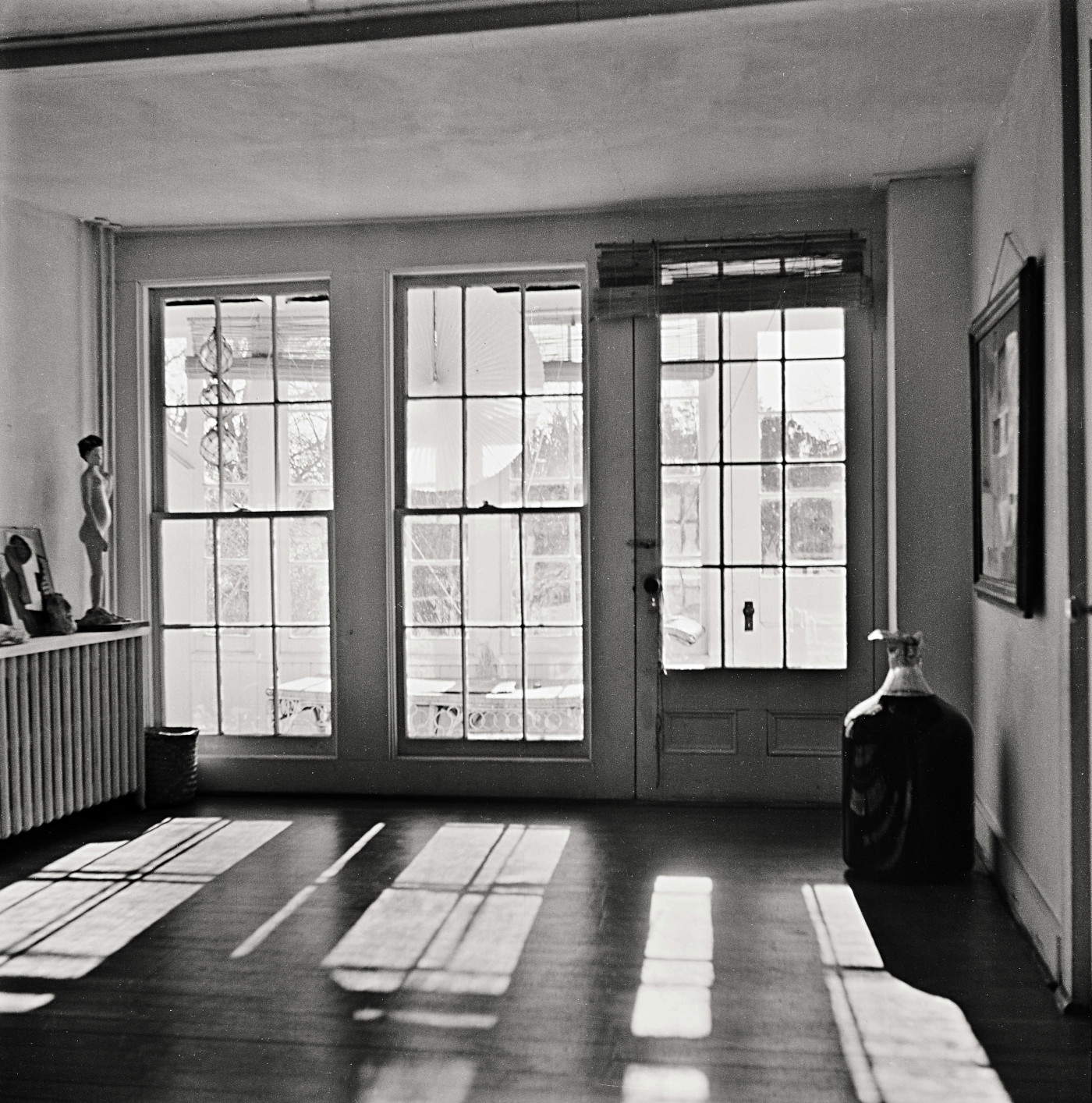
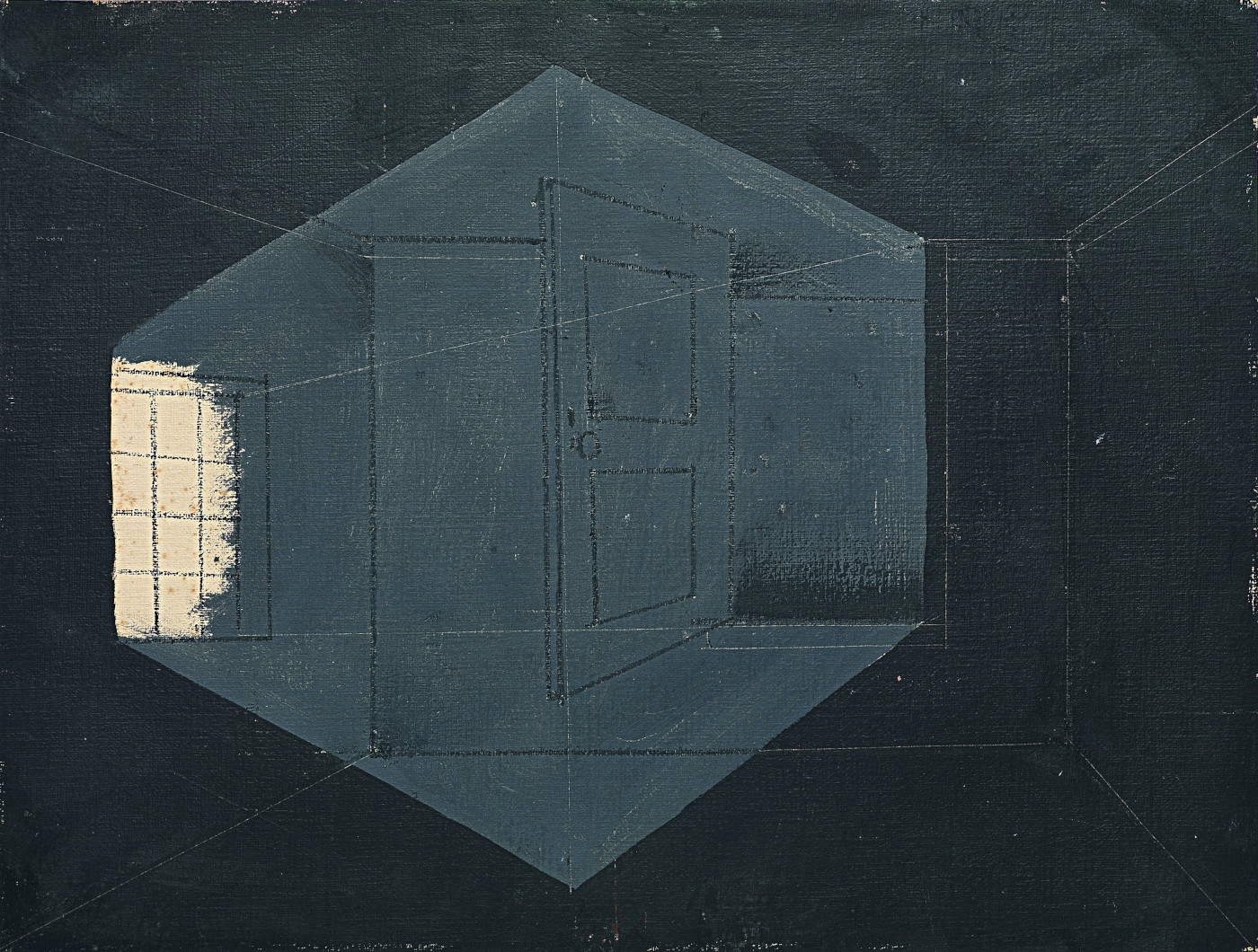
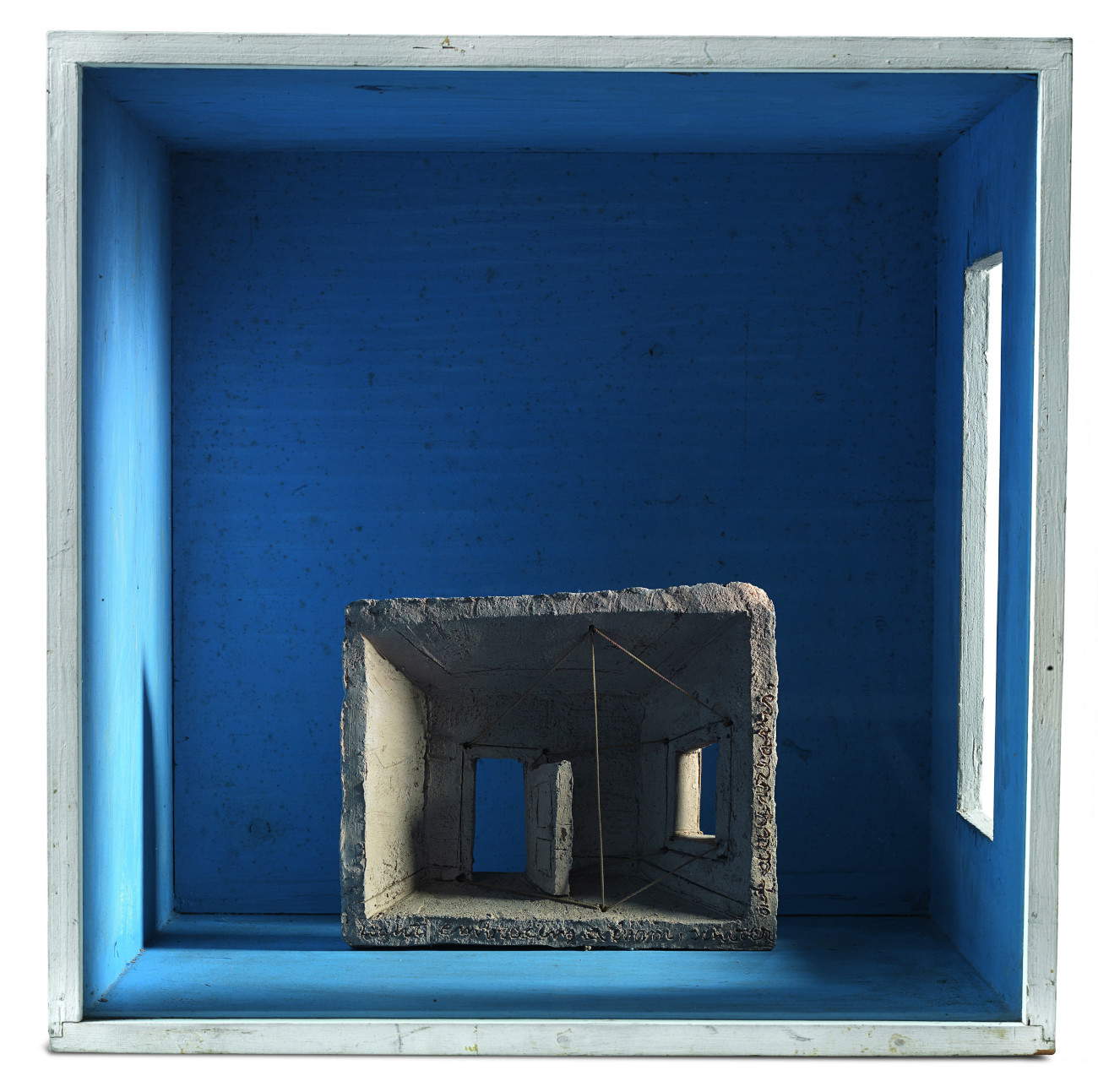

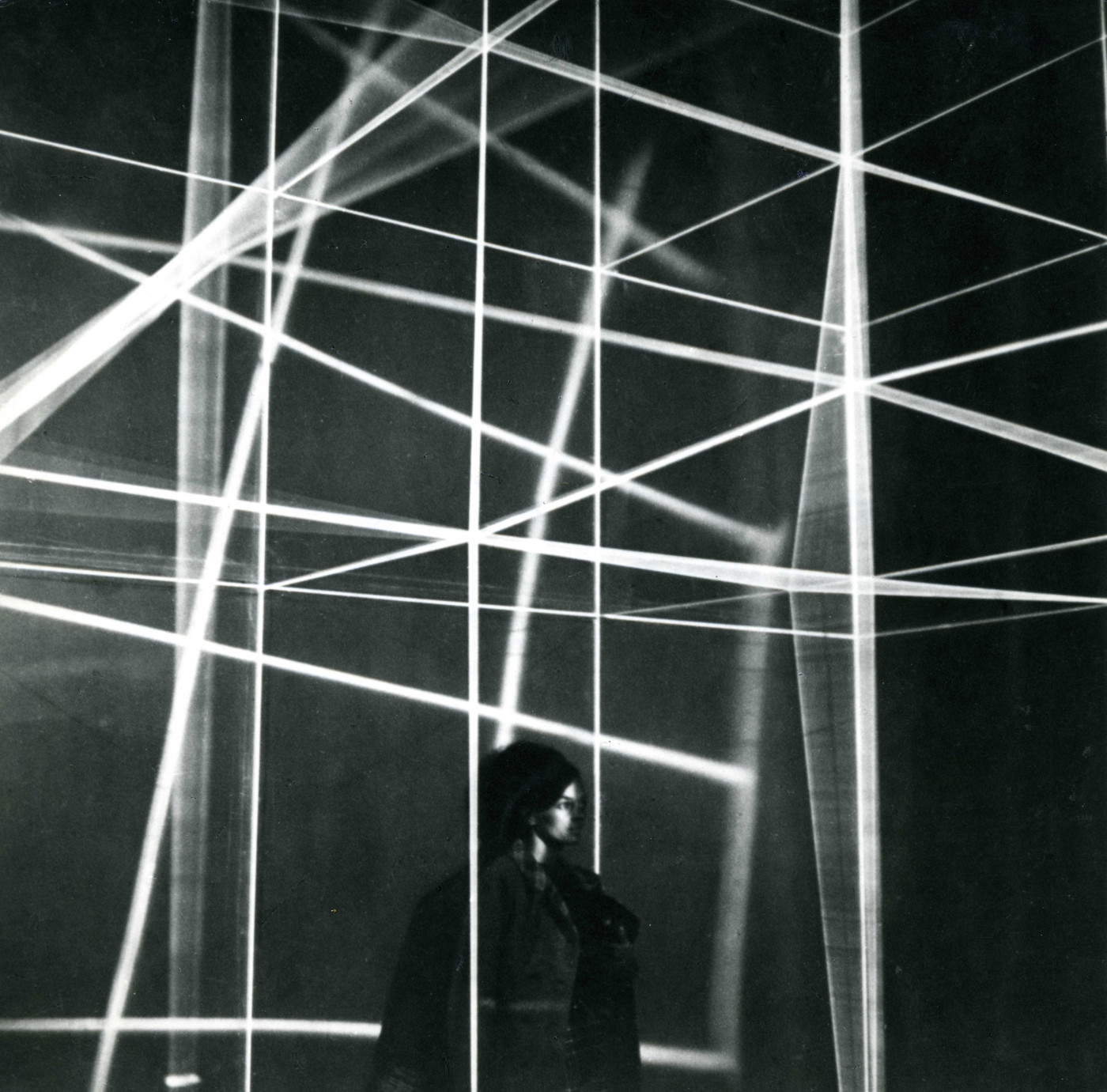
The dialogue with Gianni Colombo further expands this reflection. The full-scale reconstruction of the Stanza dei sogni is juxtaposed with Spazio elastico, one of the Milanese artist’s most famous works, giving rise to a comparison based on sensory experience. Visitors are invited to engage with unstable perspectives, optical illusions, and constantly shifting perceptual coordinates.
The tour concludes in the Stanza della memoria, a space designed to collect visitors’ testimonies, images, words, and memories. Through a participatory gesture, the museum invites the public to contribute to the creation of a collective archive destined to become part of the institution’s heritage. The Lavatoio thus becomes a place of encounter and sharing, where art, memory, and community intertwine in a shared experience.
Alongside the exhibition, the Nivola Museum is also presenting a tribute to Grazia Deledda on the centennial of her Nobel Prize in Literature. From July 24 to September 20, the permanent collection galleries will host a bronze sculpture created by Costantino Nivola in the 1970s and dedicated to the great Sardinian writer. The work, on loan from the Banco di Sardegna, will be displayed in the new skylight space.
|
| At the Nivola Museum, Costantino Nivola and Gianni Colombo engage in a dialogue to explore the theme of space |
Warning: the translation into English of the original Italian article was created using automatic tools. We undertake to review all articles, but we do not guarantee the total absence of inaccuracies in the translation due to the program. You can find the original by clicking on the ITA button. If you find any mistake,please contact us.