



by Redazione 29/10/2026


Categories: Exhibitions / Disclaimer
From October 30, 2026, to January 10, 2027, Palazzo Citterio in Milan is hosting an exhibition dedicated to fifteen artists who have left their mark on the history of teaching at the Brera Academy, from Adolfo Wildt to Luciano Fabro, up to the present day. Also on display is a work by Lucio Fontana, who attended the Academy as a student.
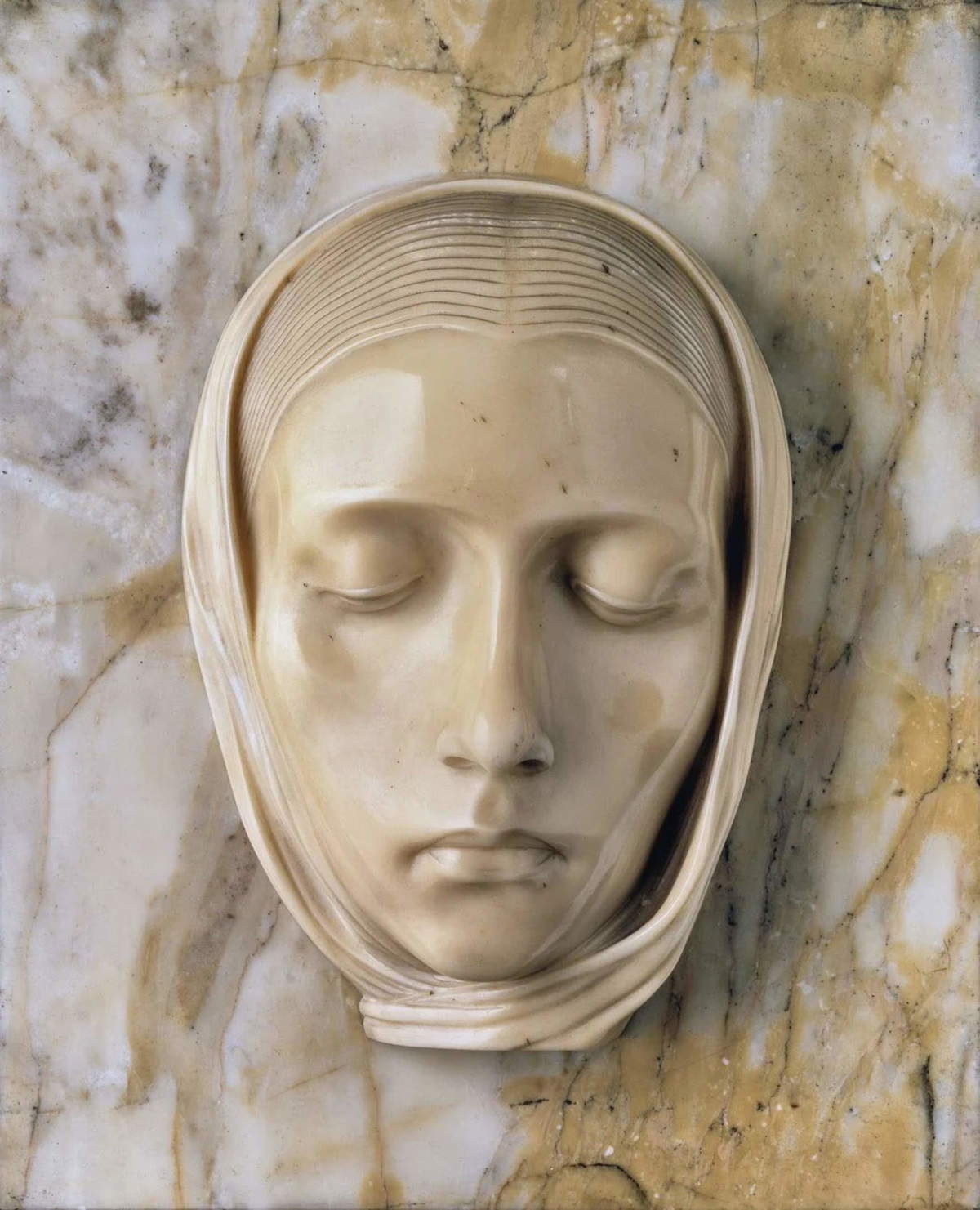
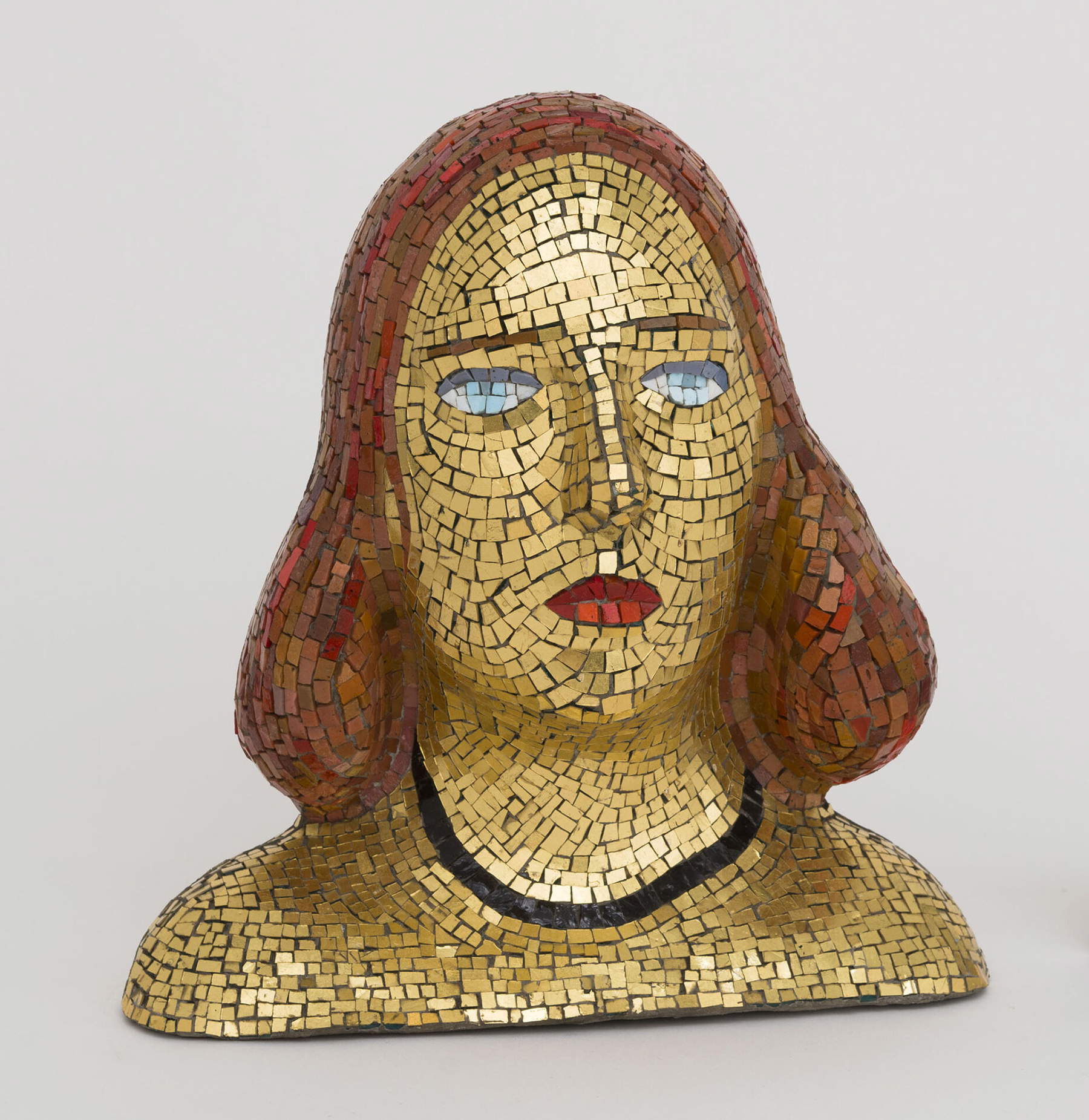
From Adolfo Wildt to Luciano Fabro and Alberto Garutti, the history of the Brera Academy of Fine Arts is also reflected in the works of those who taught in its classrooms. *The Masters of Brera* is dedicated to these figures . *Teaching Art*, the exhibition curated by Giovanni Iovane and Marina Gargiulo, opens on October 30, 2026, in the Sala Stirling at Palazzo Citterio in Milan and runs through January 10, 2027. The exhibition is part of the program of celebrations marking the 250th anniversary of the Academy’s founding in 1776 and features a selection of thirty works.


The exhibition brings together works by Adolfo Wildt, Carlo Carrà, Arturo Martini, Achille Funi, Marino Marini, Gastone Novelli, Alik Cavaliere, Rodolfo Aricò, Luciano Fabro, Alberto Garutti, Fausta Squatriti, Grazia Varisco, Renata Boero, Giuseppe Maraniello, and Ugo La Pietra. Joining them is Lucio Fontana, who was not a faculty member at the institution but attended its classes as a student.


From the early 20th century to the present, the exhibition traces the contribution of the faculty to the definition of Brera’s cultural identity, highlighting the Academy’s role not only in transmitting traditional artistic languages but also in fostering experimentation and the avant-garde movements of the 20th and 21st centuries. The project also forms part of the history of the Palazzo di Brera, a complex dating back to the Enlightenment that houses, in addition to the Academy and the Art Gallery, the Braidense National Library, the Astronomical Observatory, the Botanical Garden, and the Lombard Institute—Academy of Sciences and Letters. A hub where humanistic, scientific, and artistic knowledge coexist and engage with one another.

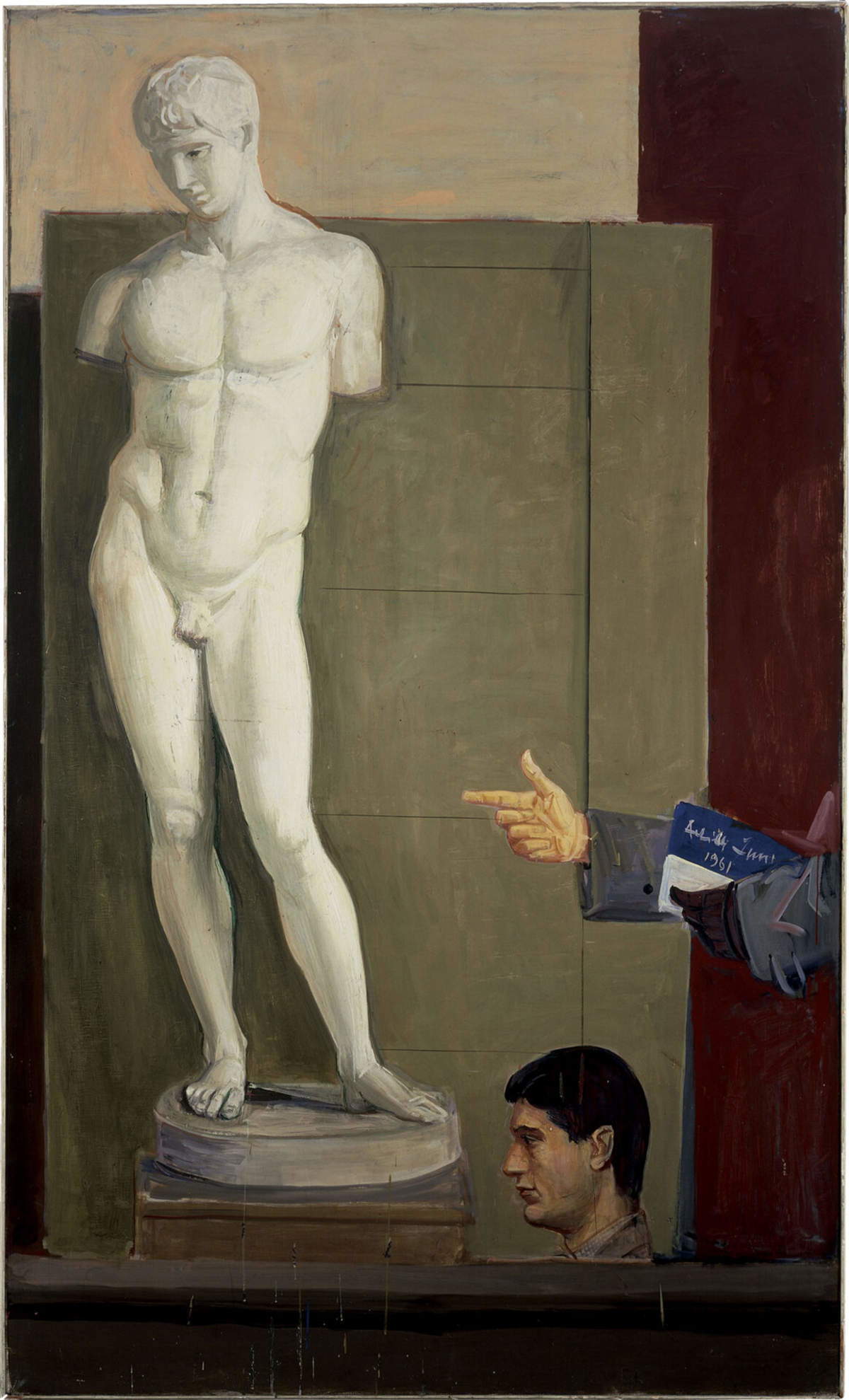
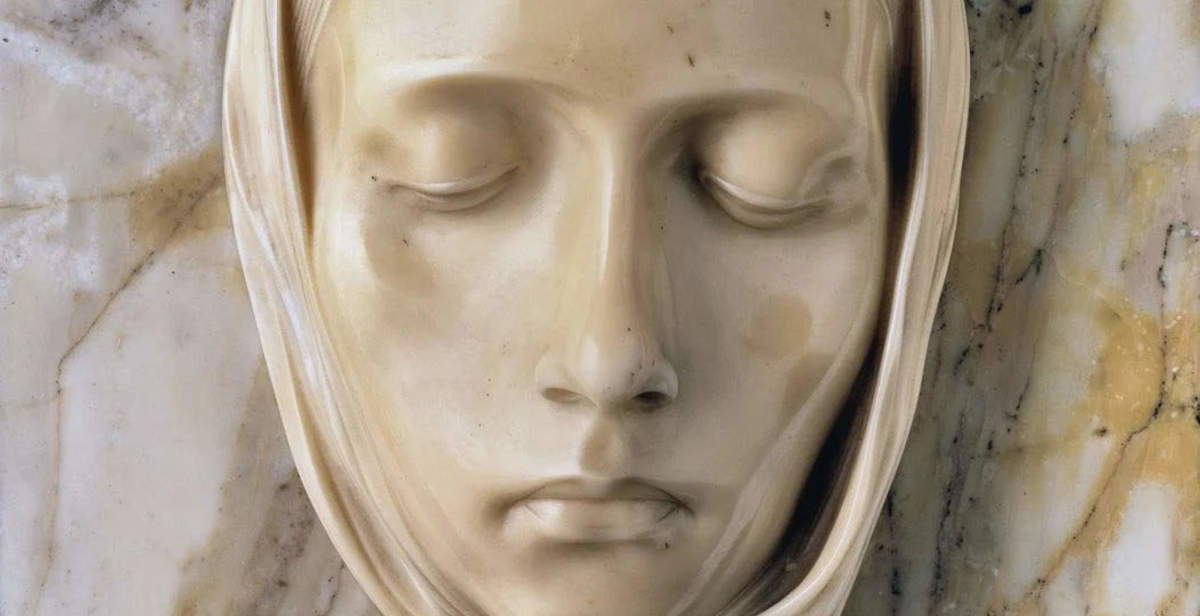
The exhibition, curated by Francesco Librizzi Studio, is organized into four sections. “The Roots of Modernity (1920s–1940s) ” features Wildt, Carrà, Martini, and Funi—key figures in the transition from 19th-century tradition to early modern movements—with a particular focus on sculpture. From Tradition to Radical Innovation (1940s–1970s), on the other hand, explores the contribution of Marino Marini and Gastone Novelli to the artistic transformations of the post-World War II era, alongside Fontana, who is featured as a student of Wildt.
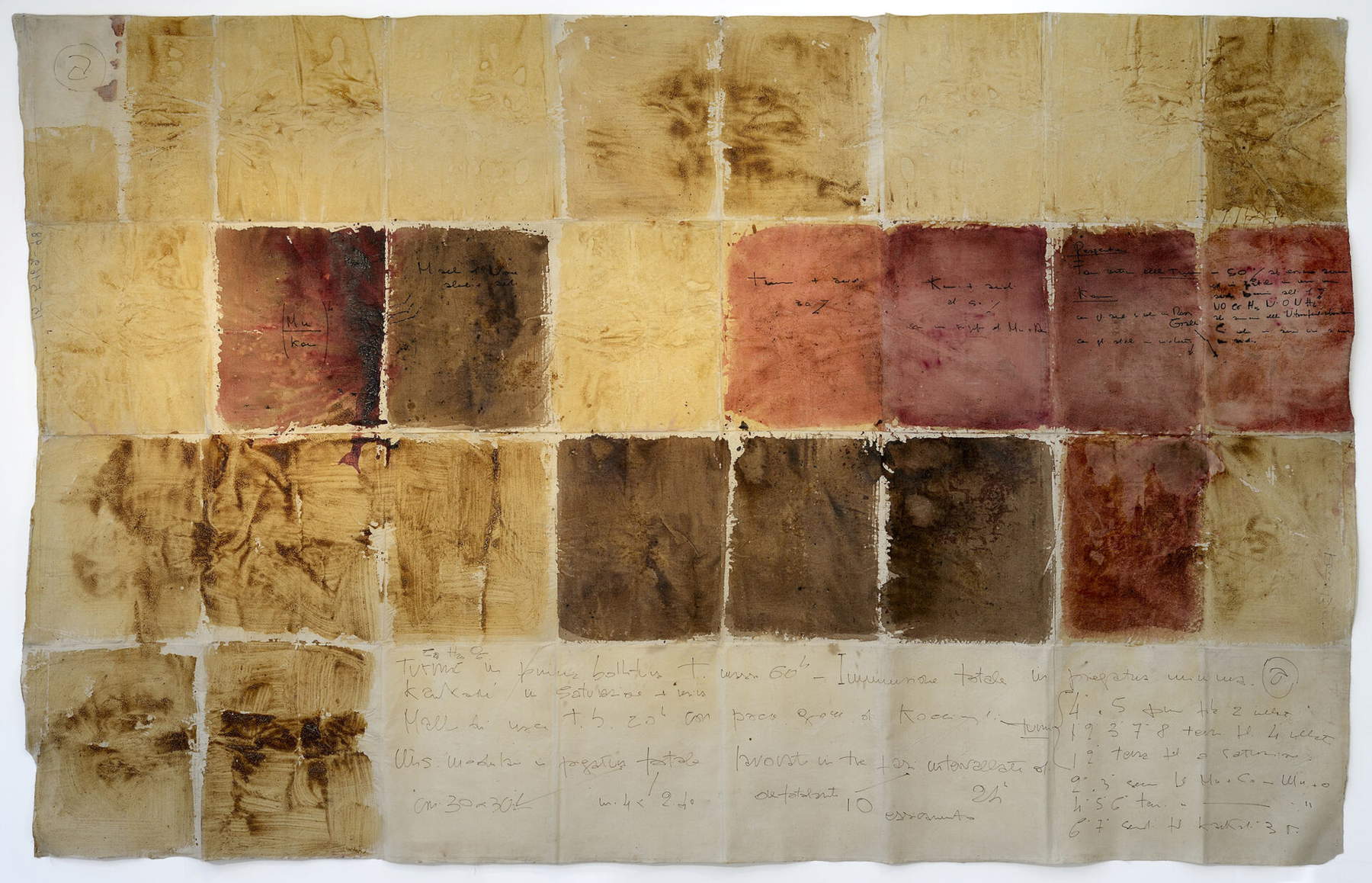
“Contemporary Brera and the New Languages (1970s–Present)” focuses on Cavaliere, Fabro, Aricò, Varisco, and Boero, professors who helped revitalize the institution through multidisciplinary and experimental approaches. The final section is dedicated to the educational impact and legacy of Garutti, Squatriti, Maraniello, and La Pietra on younger generations.
Statements
“The Pinacoteca di Brera and the Academy of Fine Arts,” states Angelo Crespi, General Director of the Pinacoteca di Brera, Palazzo Citterio, the Braidense National Library, “coexist within the Palazzo Brera complex, sharing a tradition of conservation, transmission, and cultural production that has lasted for more than two hundred years. It is with this same spirit of collaboration that the two institutions are engaging in dialogue today, celebrating these 250 years of the Academy’s development and growth with an exhibition featuring works by those who have particularly shaped its educational mission, from the early 20th century to the present day.”
“The exhibition,” says Franco Marrocco, Director of the Brera Academy of Fine Arts, “aims to convey the unique nature of the Braidense teaching tradition: a place where the transmission of artistic practice has never been reduced to mere academic codification or doctrinal repetition, but has always taken the form of a critical laboratory, a dialectical exchange, and a workshop of thought. Celebrating two and a half centuries of history does not, therefore, mean succumbing to a self-referential monument, but rather reopening the foundational questions of art education. Showing the works of the masters means reconnecting the threads of a community in which the legacy of the past acts as a catalyst for future generations, confirming Brera as an irreplaceable bastion of visual research and a possible future.”
 |
| Brera Celebrates Its 250th Anniversary: An Exhibition of Works by Artists Who Taught at the Academy |
Warning: the translation into English of the original Italian article was created using automatic tools. We undertake to review all articles, but we do not guarantee the total absence of inaccuracies in the translation due to the program. You can find the original by clicking on the ITA button. If you find any mistake,please contact us.