



by Redazione 12/11/2026


Categories: Exhibitions / Disclaimer
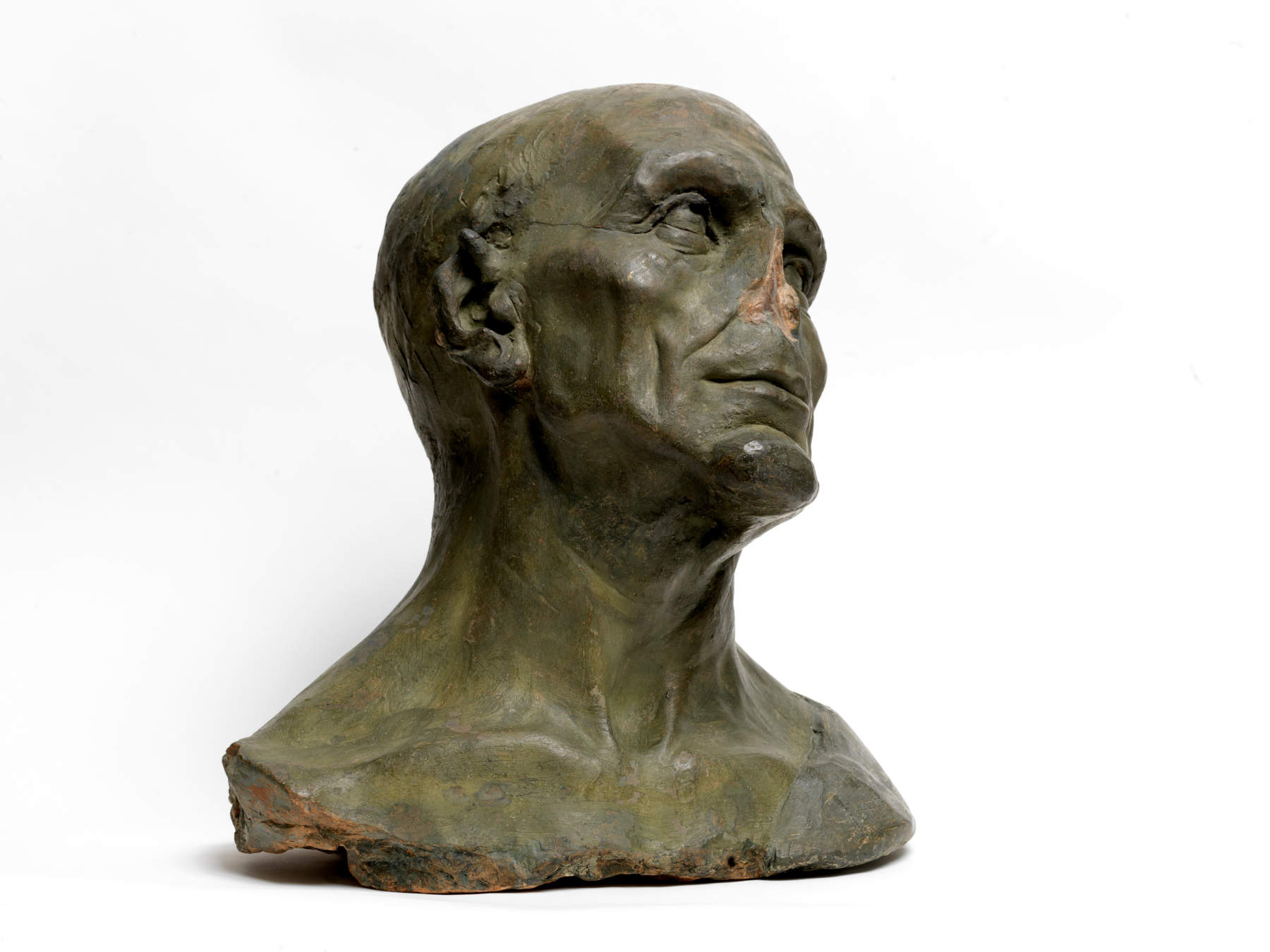
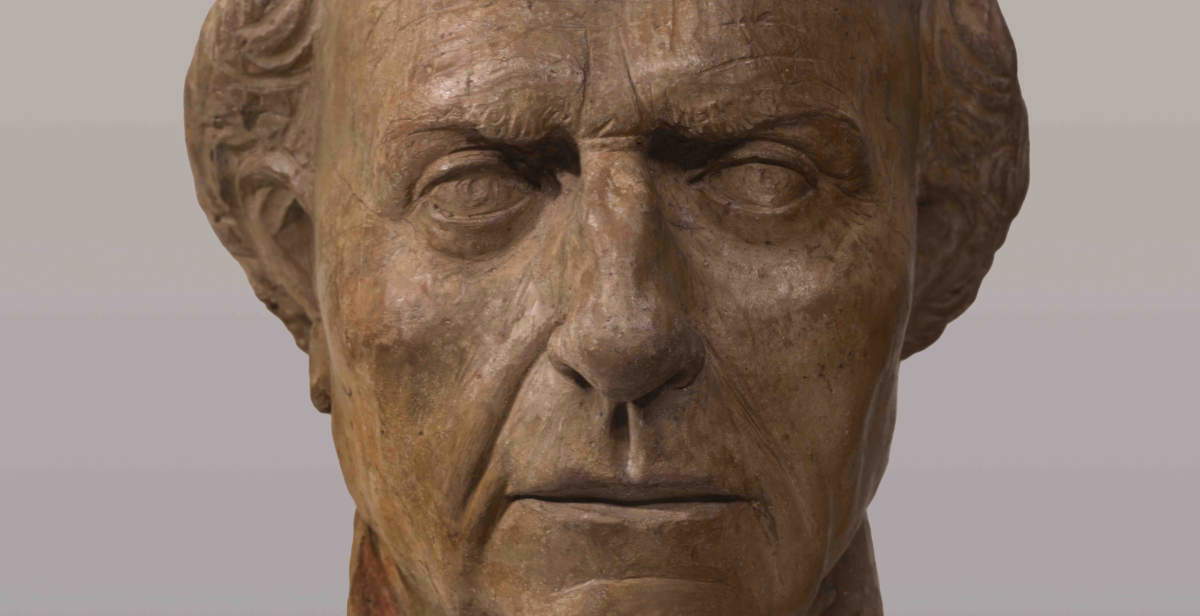
The face of Filippo Brunelleschi, recreated from a terracotta sculpture dating from 1447 by his adopted son and sculptor Andrea di Lazzaro Cavalcanti—known as “il Buggiano”—is the centerpiece of the exhibition at Palazzo Guadagni Strozzi Sacrati, in Florence, from November 12, 2026, to February 14, 2027.


A terracotta portrait of Filippo Brunelleschi, created in 1447 by the sculptor Andrea di Lazzaro Cavalcanti— known as “il Buggiano”—is being exhibited to the public for the first time in Florence. The sculpture, discovered in 2022 among the furnishings of a historic residence in the Florence area and identified in 2023 as the preparatory model for the architect’s commemorative bust housed in Florence Cathedral, is the centerpiece of the exhibition “Faces and Figures. Brunelleschi Through His Rediscovered Portrait by Buggiano, on view at Palazzo Guadagni Strozzi Sacrati in Florence from November 12, 2026, to February 14, 2027. The exhibition, which is free to the public, is sponsored by the Region of Tuscany and the Opera di Santa Maria del Fiore and is curated by art historians Alfredo Bellandi, Giancarlo Gentilini, and Antonio Natali.

The terracotta head (25.6 × 22.1 × 20.2 centimeters) has survived for nearly six centuries despite the fragility of the material. Purchased by the Opera di Santa Maria del Fiore in 2024 for 300,000 euros and subsequently restored, it will become part of the collection of the Museo dell’Opera del Duomo. The sculpture faithfully captures Brunelleschi’s facial features; portraits of him created during his lifetime or in the years immediately following his death are rare.


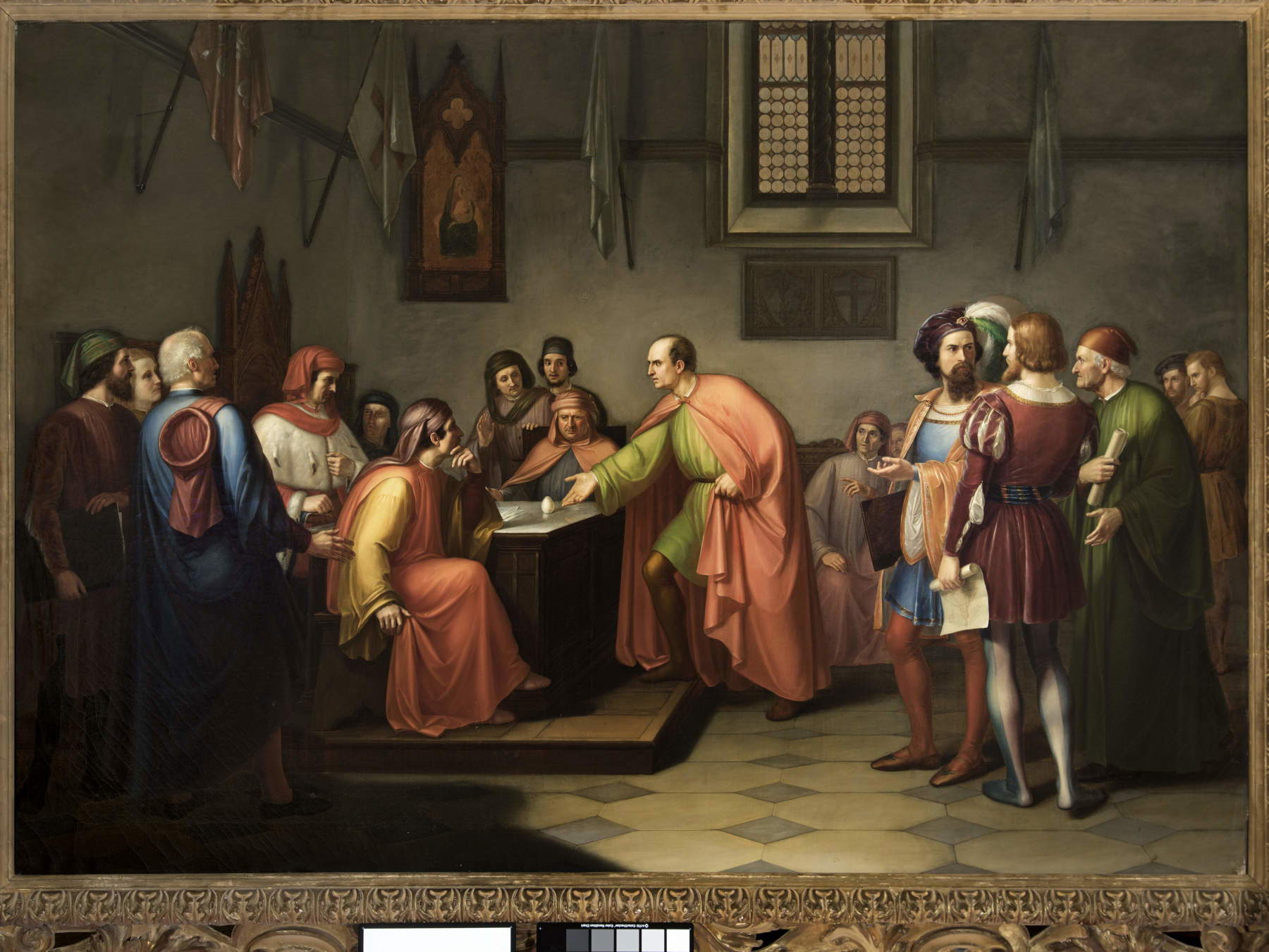
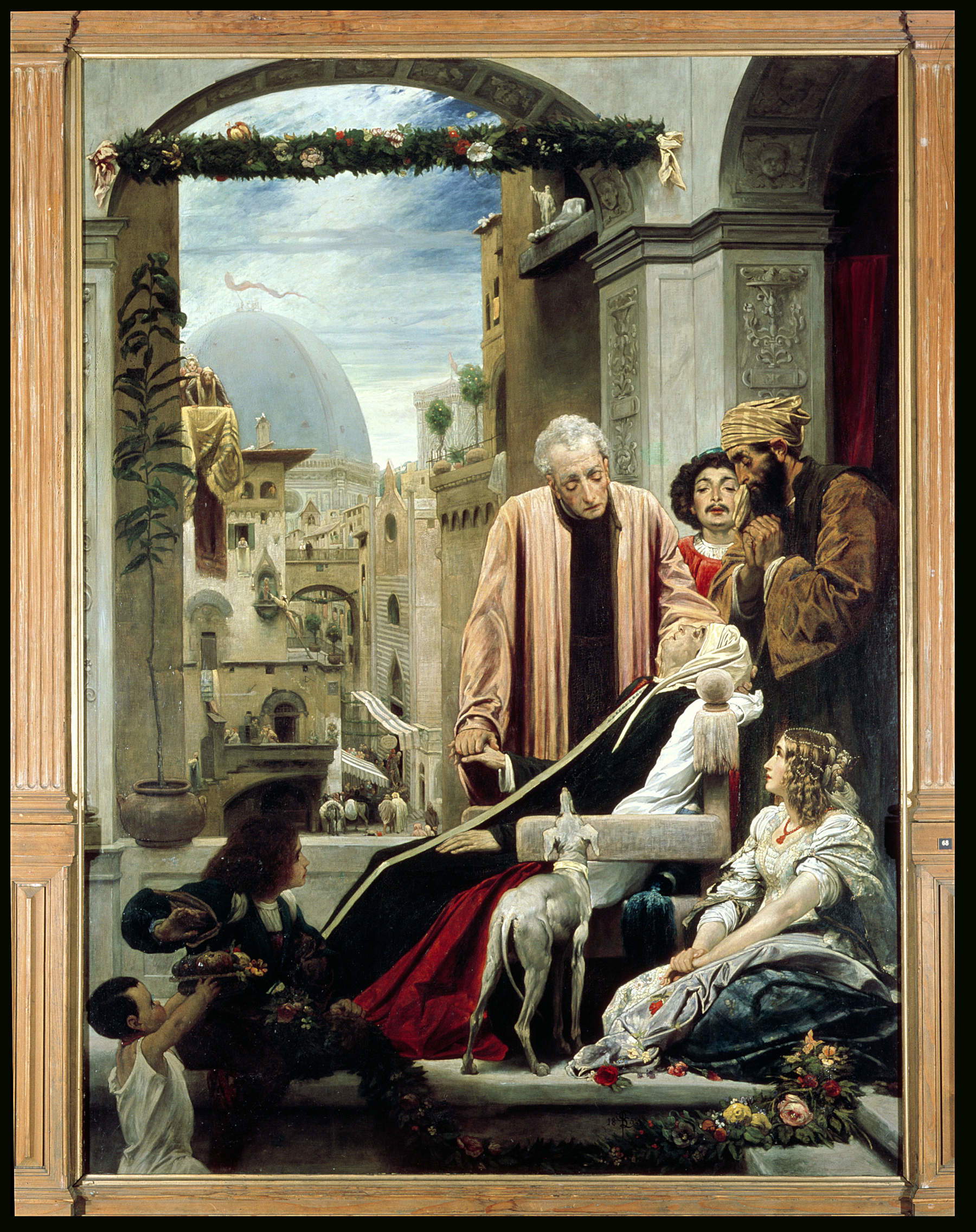
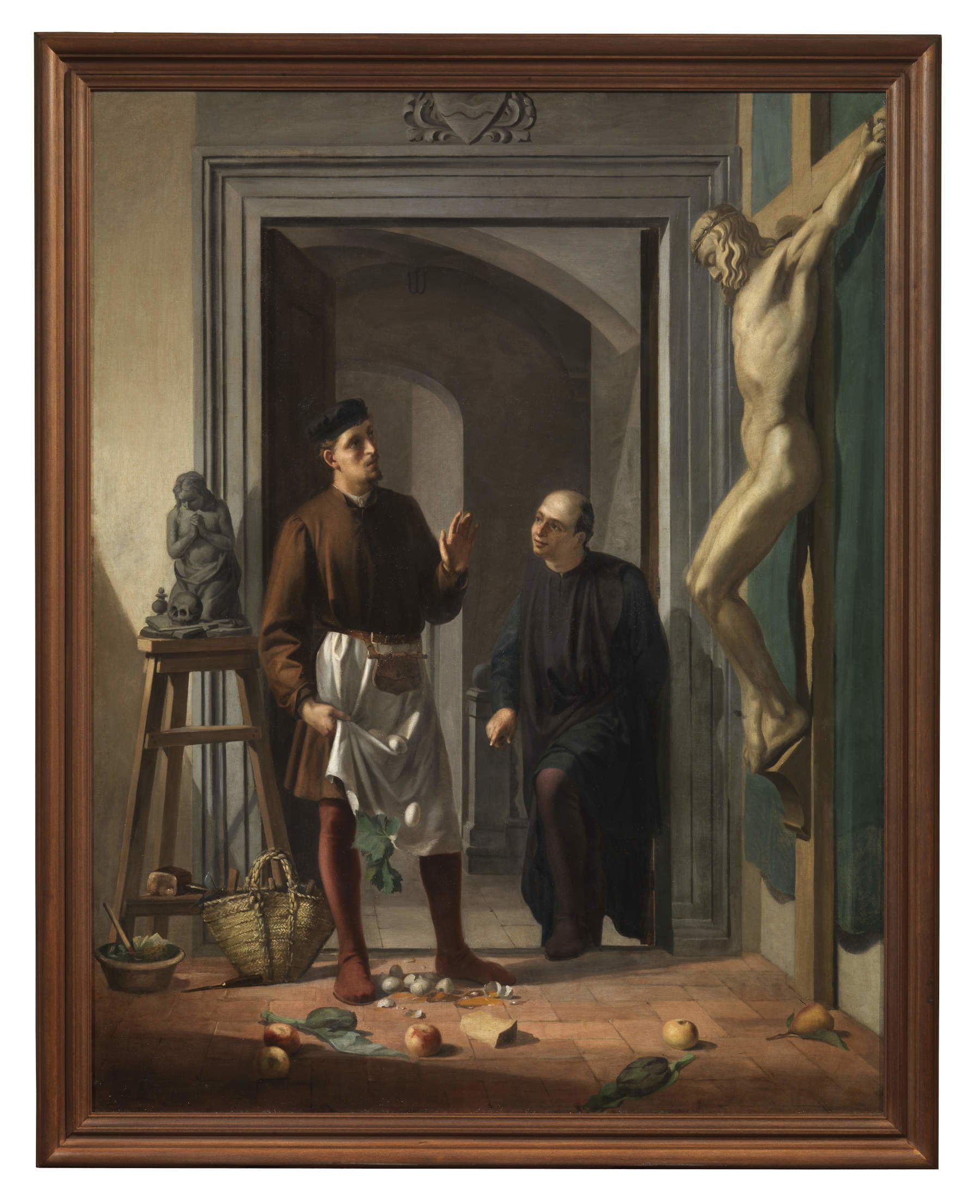
The exhibition begins with the architect and his relationships with other leading figures of 15th-century Florentine art, including Ghiberti and Donatello. The first room also explores the cult of illustrious men of the past—particularly widespread in the 19th century—through a selection of paintings. Among these is *Brunelleschi Performs the Egg Test* (1845) by Giuseppe Fattori, housed in the Gallery of Modern Art at Palazzo Pitti, which depicts the famous episode of the challenge issued by the architect to the other designers of the Duomo’s dome: to make an egg stand upright on a flat surface. Next to this painting is on display *The Death of Brunelleschi* (1852) by Frederic Leighton, on loan from the Leighton House Museum in London and presented for the first time in Italy. The work depicts the architect’s death through the eyes of the British painter, who was fascinated by Florence as it was four centuries earlier.

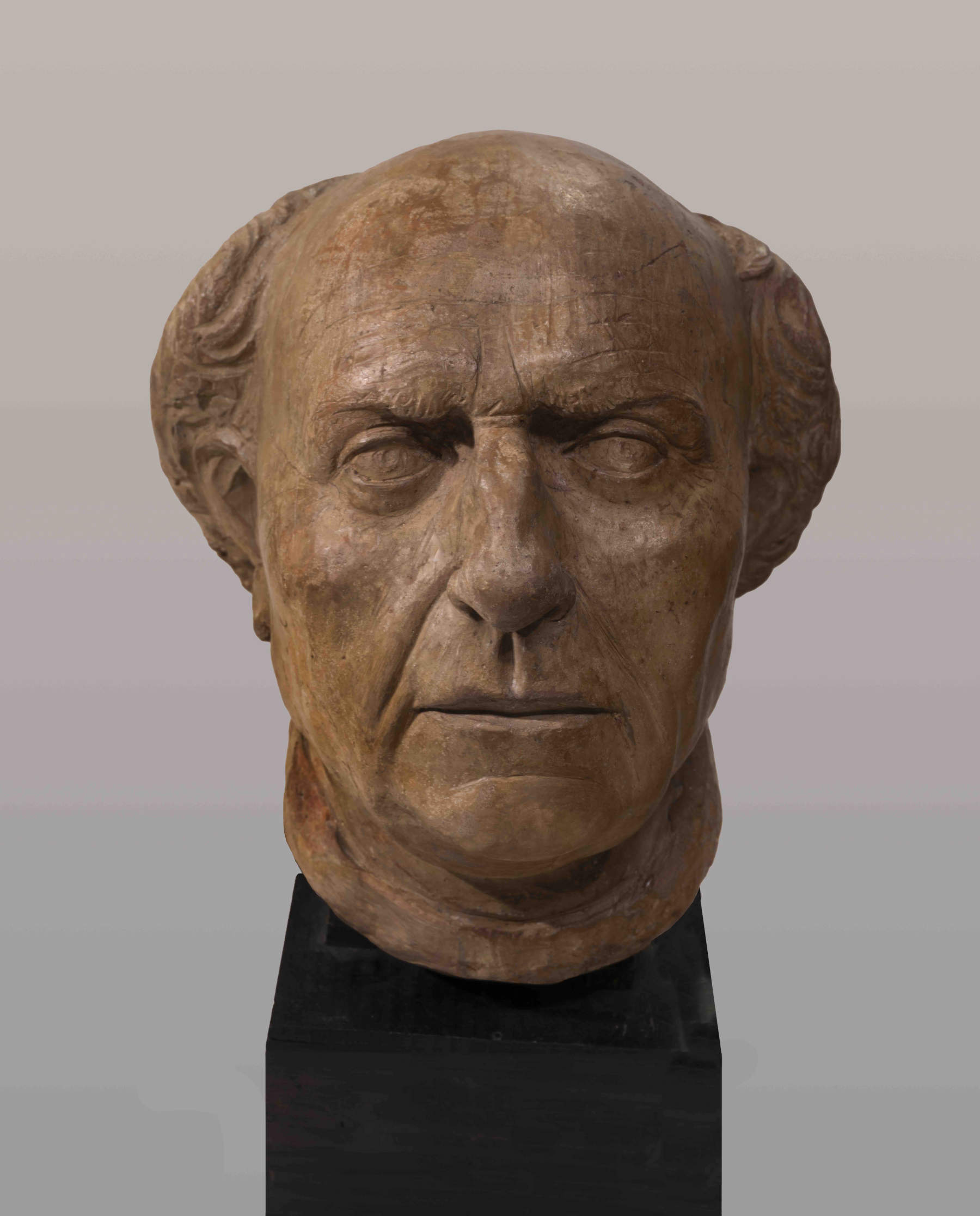
The centerpiece of the exhibition is in the next room, where the terracotta head is displayed alongside Brunelleschi’s funeral mask, dated 1446 and also created by Il Buggiano. The latter served as the source for defining the facial features, which were first transferred to the terracotta model and then to the marble bust of the commemorative monument in the Duomo. The proximity of the two works allows visitors to observe a common practice in Florentine workshops: the use of funeral masks as a reference for deriving the facial features to be reproduced in sculptural models.
The third room explores another phase of the creative process: the use of terracotta models as a preparatory step for the creation of the final sculptures. Among the works on display is Andrea del Verrocchio’s Saint Jerome, a terracotta model painted to resemble bronze, dating from around 1470 and from the Chigi Saracini Collection in Siena. The models allowed artists to test specific aspects of sculptural practice in advance, such as volumes, proportions, and the play of light and shadow. This preparatory function was already described by Giorgio Vasari, who recognized clay models as a fundamental phase in the artists’ work.
The conclusion is dedicated to Buggiano and his body of work. Among the artist’s works held by the Opera di Santa Maria del Fiore are the two marble washbasins in the Sacristy of the Masses and the Sacristy of the Canons of the Cathedral—non-transferable works that document his activity as a sculptor. The exhibition, however, features three of his Madonnas with the Child, displayed alongside sculptures of similar subject matter and from roughly the same period created by Michelozzo, Luca della Robbia, and Andrea Guardi.
Who Was “Il Buggiano,” the Sculptor Who Portrayed Brunelleschi
Andrea di Lazzaro Cavalcanti, known as “il Buggiano,” was born in 1412 in the village of the same name in the Valdinievole, in the province of Pistoia. The son of a sharecropper employed by Brunelleschi’s brother, he was adopted by the architect at the age of seven and introduced by him to the major construction sites in Florence. His career developed in close connection with Brunelleschi’s projects, beginning with the Old Sacristy of San Lorenzo, where, around 1433, he created the tomb of Giovanni di Bicci de’ Medici and Piccarda Bueri, as well as the altar, the transenna, and other furnishings. At Santa Maria Novella, he created the pulpit featuring scenes from the New Testament (1443–1448), while in the Florence Cathedral he worked on the Altar of Saint Stephen (1447) and the two washbasins in the sacristies. Among his other commissions was the Cardini Chapel in Pescia, built between 1457 and 1459.
A versatile sculptor, skilled in working with marble, wood, terracotta, and stucco, Buggiano is remembered in contemporary and later sources—including Giorgio Vasari’s *Lives*—as a disciple and heir to Brunelleschi. His training was influenced by the culture of Donatello, but his artistic language combines an austere approach with more delicate solutions, featuring references to antiquity supported by philological knowledge. His style also incorporates influences traceable to Donatello, Michelozzo, Luca della Robbia, and Bernardo Rossellino, reworked through a deliberately archaic style. He died in Florence on February 21, 1462.
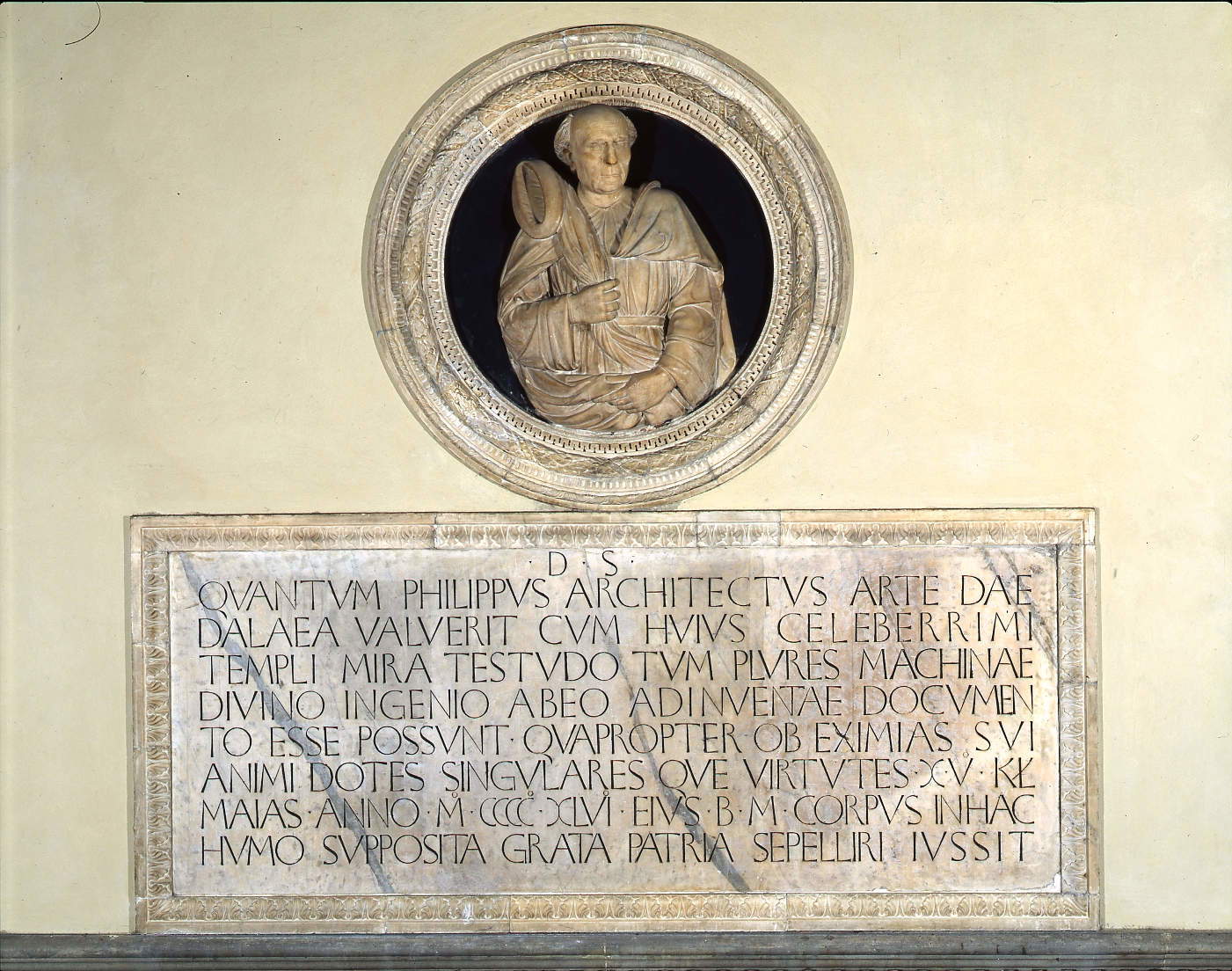
The story of the terracotta portrait is directly linked to the events following Brunelleschi’s death. The architect died on April 15, 1446, in his home in Florence, and Buggiano likely created his death mask on the same day and in the same place, following a Roman-derived practice already known in Florence. On December 30 of that same year, the Consuls of the Arte della Lana decided that the body, initially laid to rest in Giotto’s Bell Tower, should be buried in the cathedral. On February 18, 1447, the Operai dell’Opera di Santa Maria del Fiore instead resolved to commission a commemorative wall monument, featuring a life-size figure of the architect and a celebratory inscription entrusted to Marsuppini.
On February 27, Andrea Cavalcanti received from the Opera the marble needed to create the monument. Between February and March of that same year, he prepared the model for the bust, completing the commemorative work in the course of 1447. The terracotta model was subsequently preserved in the sculptor’s workshop, likely as a study model and reference for other works. The condition in which it has survived to this day also suggests that it was later reused as a standalone sculpture, perhaps preserved for a long time with the identity of the depicted figure still known, before it was forgotten.
Believed to be lost, the head resurfaced in 2022 when it was discovered in a historic residence in the Florence area. The identification carried out by Bellandi and Gentilini in 2023 made it possible to trace it back to the commemorative monument in the Duomo and provided new insight into Brunelleschi’s physical appearance and the working techniques of 15th-century Florentine sculptors’ workshops.
Statements
"“This is an extraordinary discovery,” says Eugenio Giani, President of the Region of Tuscany, “which restores the face of one of the greatest figures of the Renaissance and allows us to see Filippo Brunelleschi in a new light—the genius who, with the dome of the Duomo, forever changed the face of Florence and the history of architecture. Nearly six hundred years after it was created, this portrait once again recounts a precious chapter of our history. We are particularly proud to host this exhibition at the Regional Presidency’s headquarters, opening the doors of Palazzo Strozzi Sacrati to citizens and visitors alike. It is an important opportunity to celebrate Tuscany’s artistic and cultural heritage and its extraordinary contribution to the history of world art. I thank the Opera di Santa Maria del Fiore for making this initiative possible and for its constant commitment to the preservation and promotion of a heritage that belongs to everyone.”
“The rediscovery of Filippo Brunelleschi’s terracotta head and its acquisition by our institution represents much more than the enrichment of a collection: it means recovering a artifact directly linked to the history of the cathedral and to the figure of its most illustrious architect,” says Luca Bagnoli, President of the Opera di Santa Maria del Fiore. “It is the concrete expression of an institutional responsibility that unites scientific research, conservation, and promotion, returning to the community a precious fragment of its own memory. With this rediscovery, the Opera renews its commitment to preserving and making accessible a universal heritage, strengthening the bond between the cathedral, the city of Florence, and the extraordinary Renaissance era.”
“This exhibition,” says Cristina Manetti, Regional Councilor for Culture of the Tuscany Region, “has the great merit of transforming an exceptional discovery into an opportunity for knowledge and beauty accessible to all. Being able to observe Brunelleschi’s face up close—sculpted by someone who knew him intimately—means getting closer not only to the great artist but also to the man who left an indelible mark on the history of Florence. The exhibition takes us on a journey through the extraordinary Renaissance period, exploring the relationships between artists, the techniques, and the creativity of the Florentine workshops. This is the value of culture: to continue to surprise us, to help us discover new aspects of our history, and to make them part of our shared heritage. Free admission is an important decision, because we want as many people as possible to be able to experience this event.”
“I have always been opposed to exhibitions that display a single work—however remarkable—as if it were a trophy, since every creation is the product of a specific time and culture, which must be represented so that they contribute to a more complete understanding,” states Antonio Natali, curator of the exhibition. “The Portrait of Filippo Brunelleschi is certainly the centerpiece of this exhibition; however, the works selected to form its valuable backdrop aim precisely to place it in its natural context. From the very first room onward, there is a clear aspiration to sketch a portrait of Brunelleschi that goes beyond the superficial and mythological image of the ‘genius,’ highlighting instead lesser-known yet ultimately pivotal aspects of his personality that were central to his influential innovations.”
“Studies on early 15th-century Florentine sculpture have yielded no shortage of significant discoveries,” explain Alfredo Bellandi and Giancarlo Gentili, curators of the exhibition, “bringing to light—even in recent years—unknown or forgotten works by the leading artists of that extraordinary period, such as Donatello, Ghiberti, and Luca della Robbia. But the fortunate rediscovery and timely acquisition by the Opera di Santa Maria del Fiore of a work of singular historical and identity value—the noble terracotta head at the center of this initiative—can truly be considered an exceptional event: a vivid portrait of Filippo Brunelleschi (Florence 1377–1446), modeled shortly after his death by his adopted son, Andrea Cavalcanti—known as “il Buggiano”—to preserve his true features and commemorate the multifaceted “marvelous genius” of the great architect and sculptor.”
Practical Information
Hours: Monday–Friday: 10:00 a.m.–12:30 p.m. / 2:00 p.m.–4:30 p.m. | Saturday: 10:00 a.m.–12:30 p.m.
Free admission during opening hours
 |
| Brunelleschi’s terracotta bust resurfaces after nearly 600 years: the discovery is on display in Florence |
Warning: the translation into English of the original Italian article was created using automatic tools. We undertake to review all articles, but we do not guarantee the total absence of inaccuracies in the translation due to the program. You can find the original by clicking on the ITA button. If you find any mistake,please contact us.